IOV Joins Hands with Qingdeng
Advancing International Exchange on Traditional Handicrafts and Living Heritage
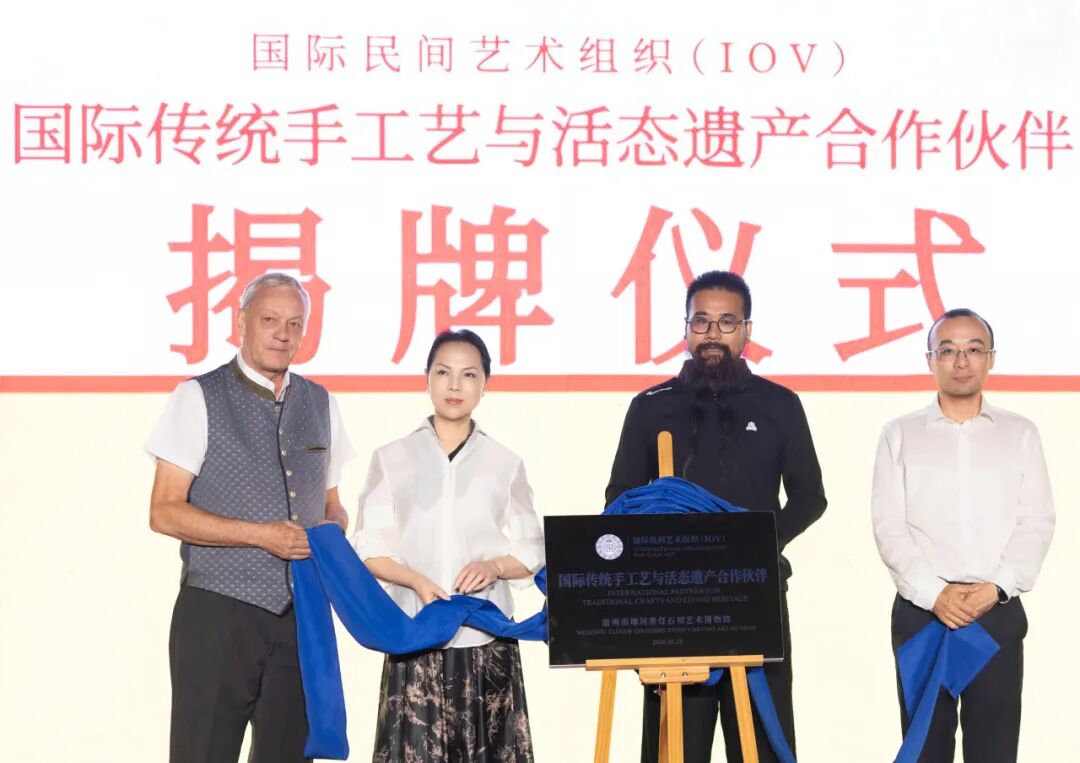
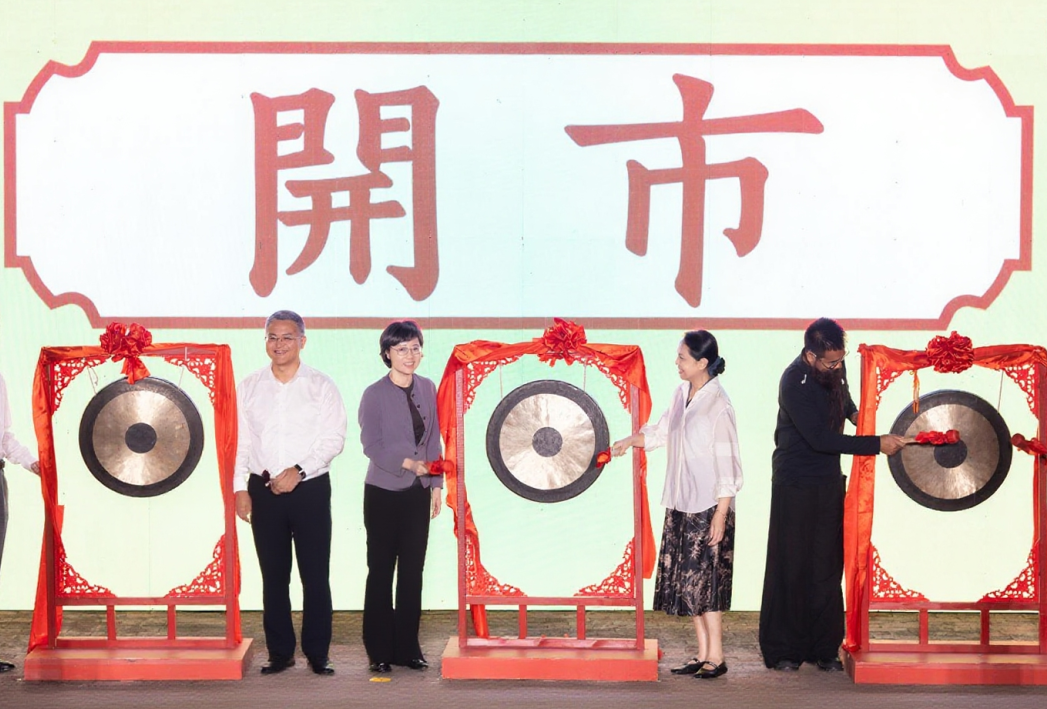
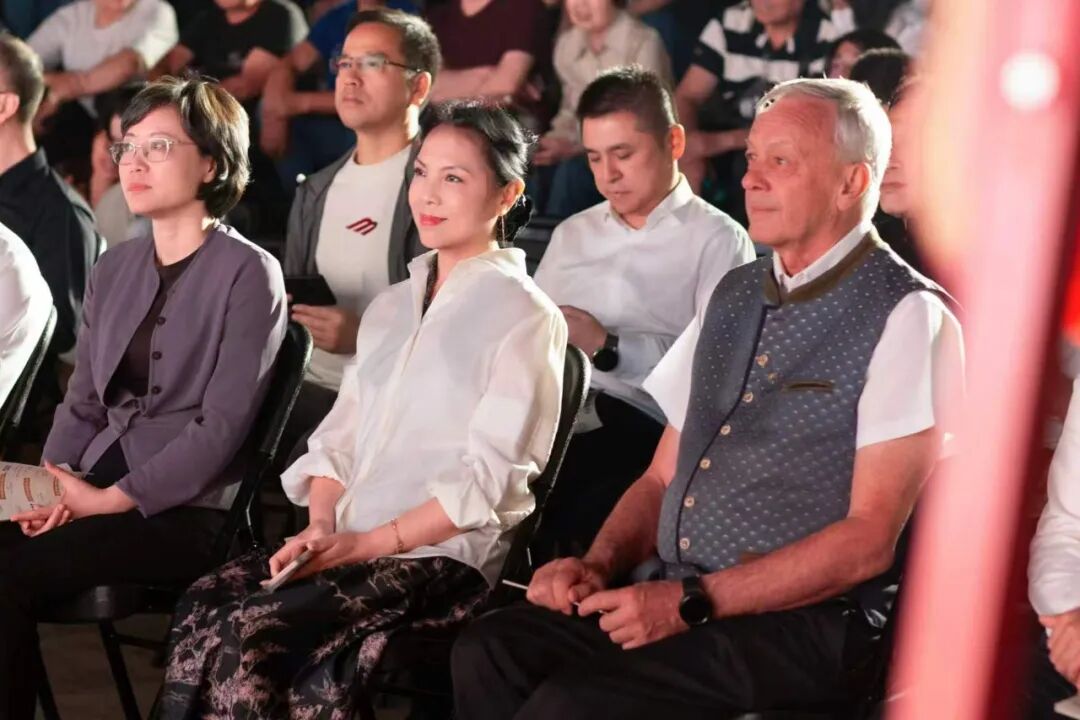
On October 27, the 2026 Qingdeng Fair National Aesthetics Conference (Autumn Edition) opened in Wenzhou. The International Organization of Folk Art (IOV) and Qingdeng, bonded by their status as "International Partner for Traditional Handicrafts and Living Heritage," engaged in cooperation and exchange centered on the transmission of traditional crafts, the cultivation of young talent, and cross-cultural dialogue. A partner plaque-awarding ceremony was held at the opening session, attended by IOV Global President Chen Ping and Vice President Günther Lippiz, Zhang Jincheng, Curator of the Wenzhou Qingdeng Stone Carving Museum, and Hu Xiaoli, Head of the Publicity Department of the Ouhai District Committee of Wenzhou, among others.
Both sides hope to combine Qingdeng's local practice with IOV's international exchange network to advance concrete cooperation in areas such as artisan exchange, youth training, special exhibitions, and academic seminars, thereby promoting the transmission and development of traditional crafts in contemporary life.
Chen Ping (center) and Günther Lippiz (right) at the plaque-unveiling ceremony
The International Organization of Folk Art (IOV) was founded in 1979 in Andorf, Austria, and is an official partner of UNESCO. For nearly five decades, IOV has been continuously committed to the protection, transmission, and development of folk art and intangible cultural heritage, to safeguarding cultural diversity, and to promoting exchange and cooperation in folk culture among nations. Its membership network spans 175 countries and 8 island regions, bringing together nearly 4,000 institutional and individual members, including cultural institutions, universities, research institutes, museums, foundations, professional associations, and festival organizations, as well as scholars, artists, and folk artisans. In recent years, IOV has paid growing attention to youth cultivation, women's development, and community participation, advancing the intergenerational transmission and contemporary innovation of traditional handicrafts.
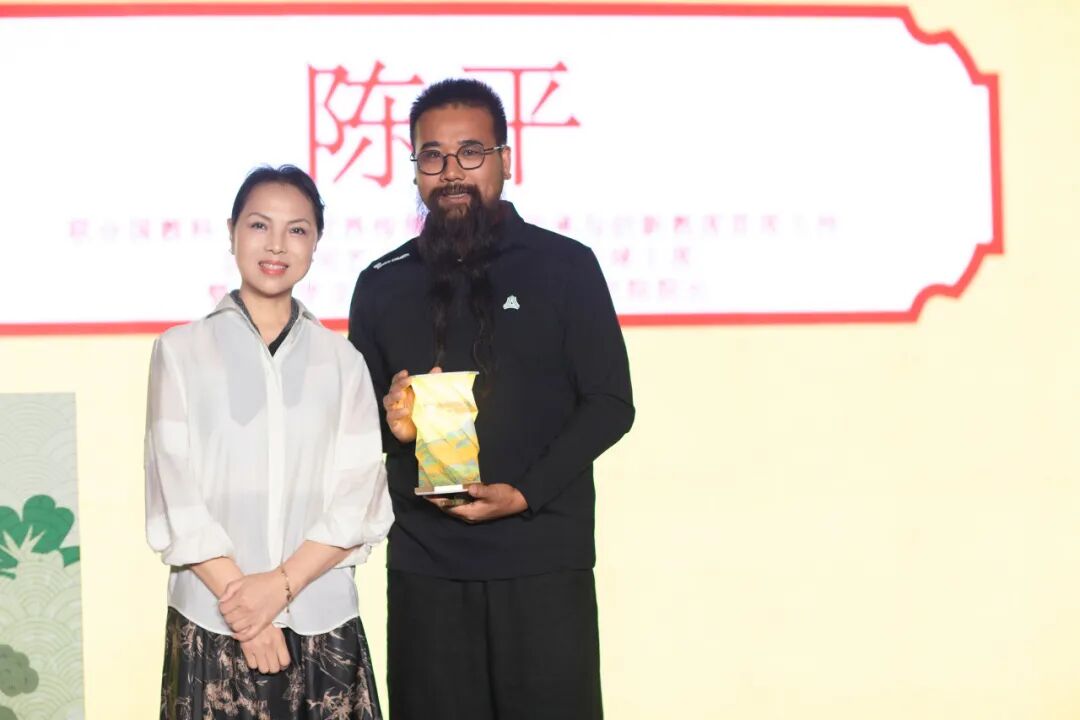
Chen Ping presents a folding lamp inspired by A Thousand Li of Rivers and Mountains to Curator Zhang Jincheng
The Qingdeng Stone Carving Museum sits on the banks of the Wenruitang River in Nanbaixiang Subdistrict, Ouhai District, Wenzhou, bringing together a stone carving collection, public cultural space, and contemporary aesthetic living. Since its opening, the museum has been recognized as a Zhejiang Provincial Social Science Popularization Base and a Lifestyle Demonstration Base of the China Arts and Crafts Society. Since its founding in 2020, the Qingdeng Fair has been held regularly in spring and autumn, gathering artisans, designers, and cultural brands, and enabling traditional crafts to build connections with the public through display, exchange, and everyday use.
The practices built around the museum, the fair, and the art community offer concrete case studies for observing how folk culture integrates into contemporary life. The Qingdeng International Art Community continues to advance its "Qingdeng Residency Program," attracting artisans, institutions, and brands from China and abroad. Through residency-based creation, thematic exhibitions, and creative fairs, it broadens the connections between the museum and the public, while also accumulating practical experience for the development of private museums and arts and crafts in Wenzhou.
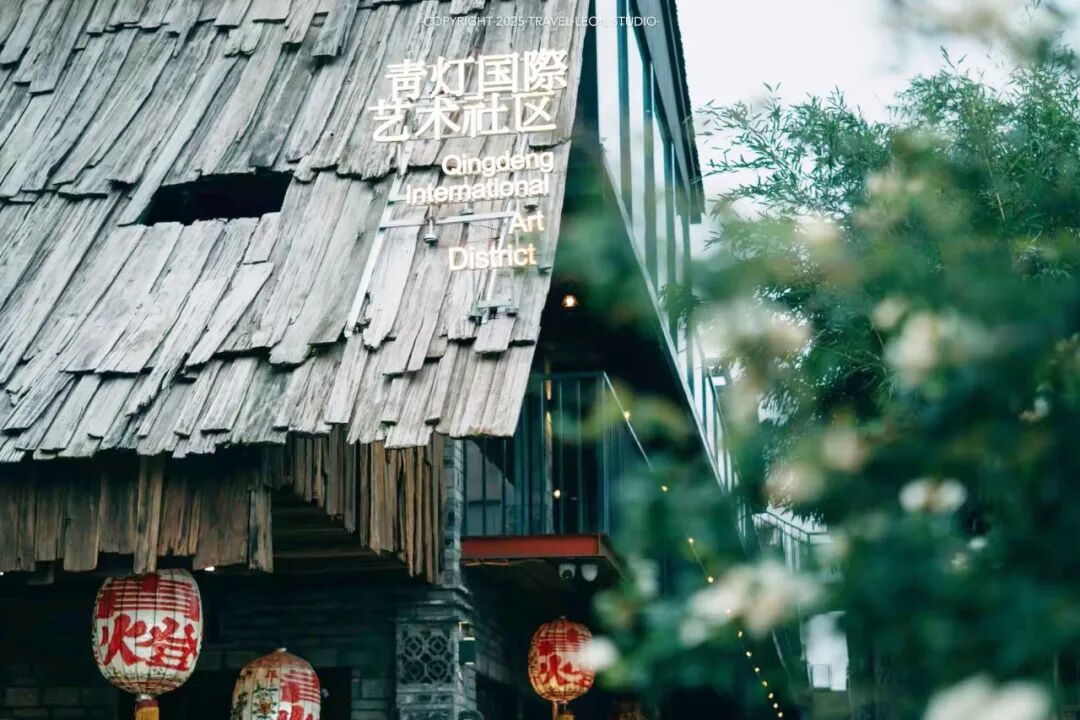
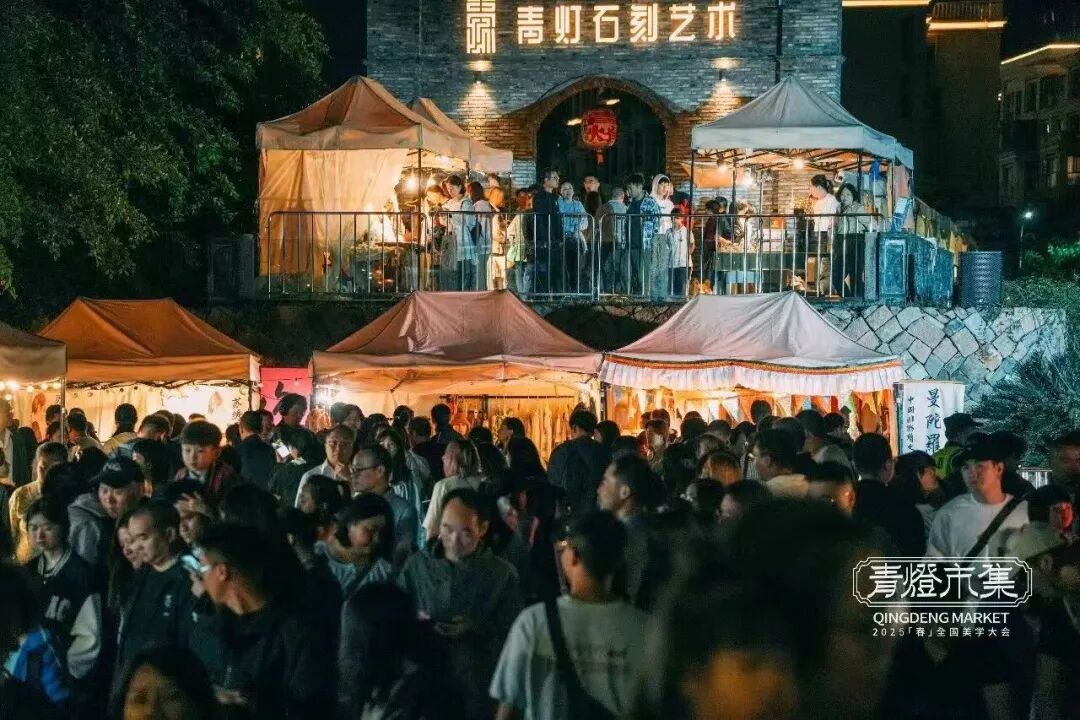
Qingdeng International Art Community and the Qingdeng Fair
During this exchange, the 2026 (7th) Guangdong-Hong Kong-Macao Greater Bay Area Youth Creative Design Talent Training Program ("Creative 100") was also held at the Qingdeng Stone Carving Museum. Running from October 25 to November 2, this year's program incorporated the Qingdeng Fair and surrounding cultural spaces into its field research, guiding participants to understand traditional handicrafts from the perspectives of materials, techniques, design, markets, and community life.
Wenzhou was chosen both for its deep-rooted traditional craft culture and for its vibrant private economy and cultural and creative practices, which together provide a rich learning ground for understanding the contemporary transformation of traditional culture. How traditional techniques respond to the needs of life today, how artisans collaborate with young designers, and how fairs help the public understand the local culture behind the crafts are all key questions that participants investigate through on-site observation, interviews, and exchange.
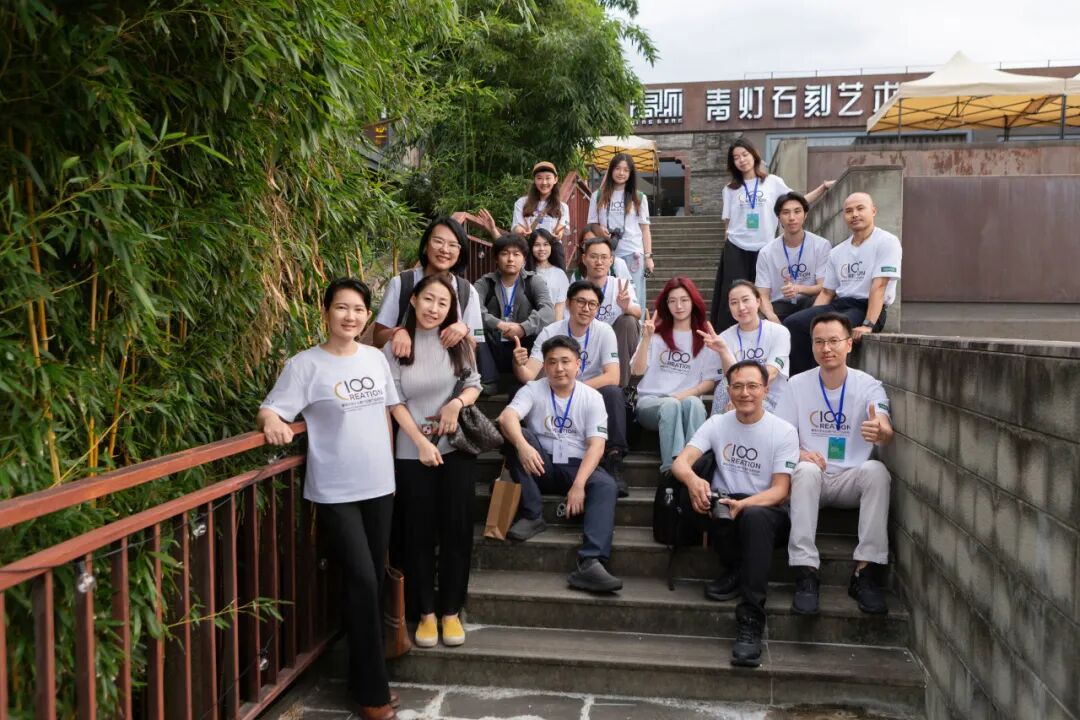
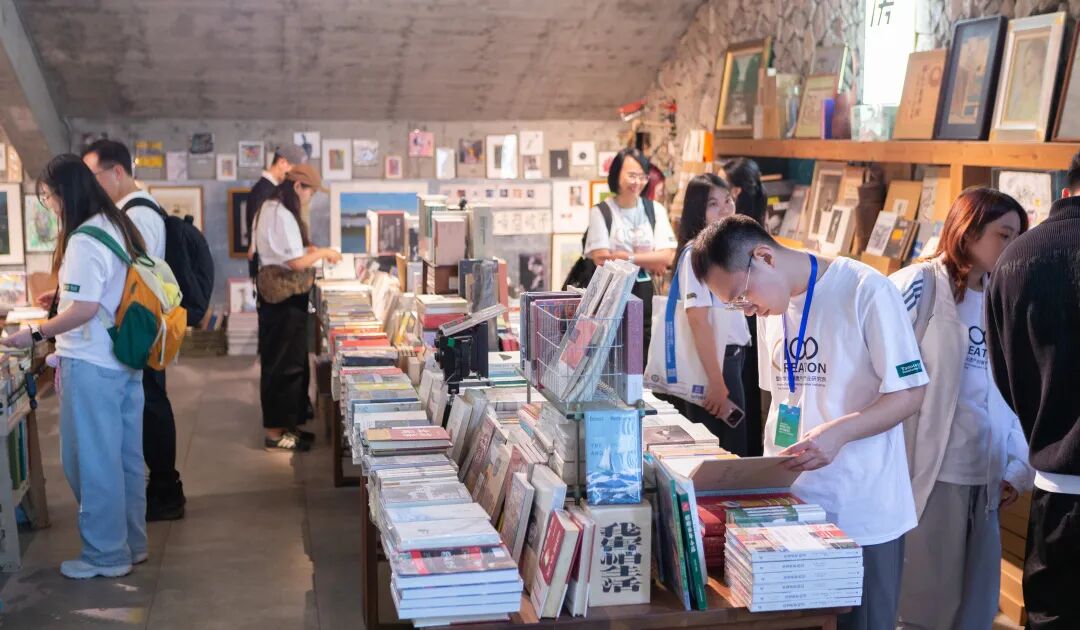
Participants of "Creative 100" at Qingdeng
"Creative 100" emphasizes combining classroom learning with field practice, and has gradually expanded cross-regional, cross-disciplinary, and cross-cultural exchange by inviting scholars, designers, and cultural practitioners from different countries and regions to take part in its teaching. This enables young people, while gaining an in-depth understanding of China's local cultures, to learn about diverse international experiences in the transmission and innovation of cultural heritage.
This exchange also provides an opportunity for Qingdeng to build broader connections with the international folk art community. Both sides look forward to starting from concrete projects to foster dialogue between traditional artisans and young creators, to share practical experience in the transmission and development of living heritage, and to create more exchange and learning opportunities for artisans and young cultural workers.