A Field Study of the Ancient Villages along the Nanxi River
A Lesson in Vernacular Space, Taught on Site
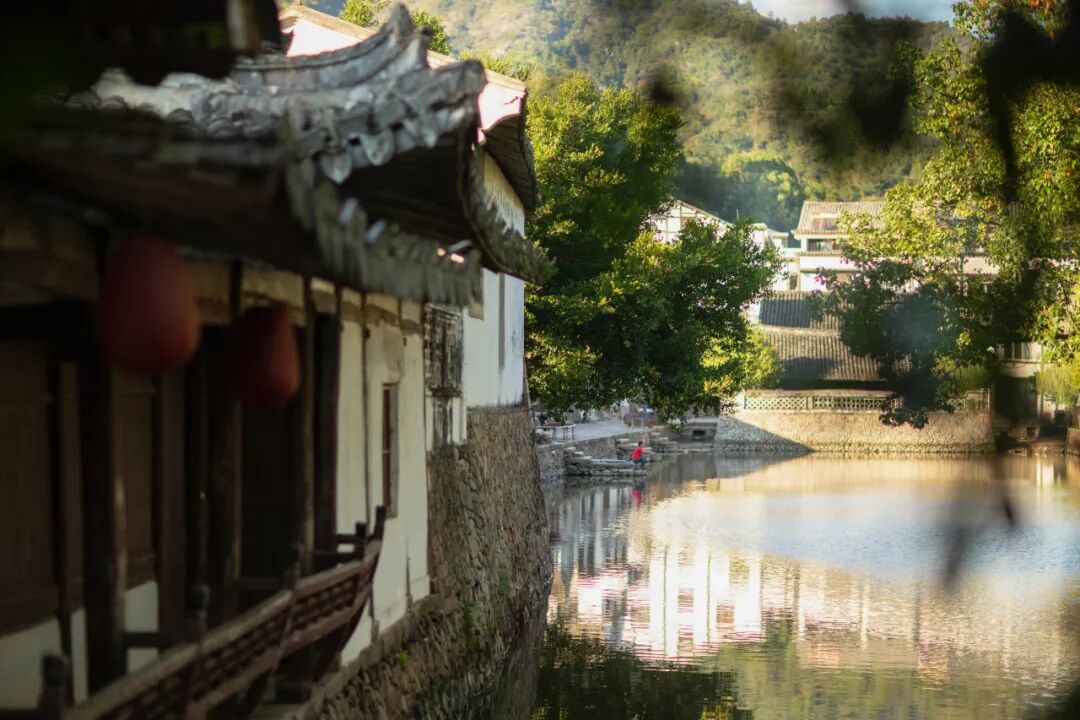

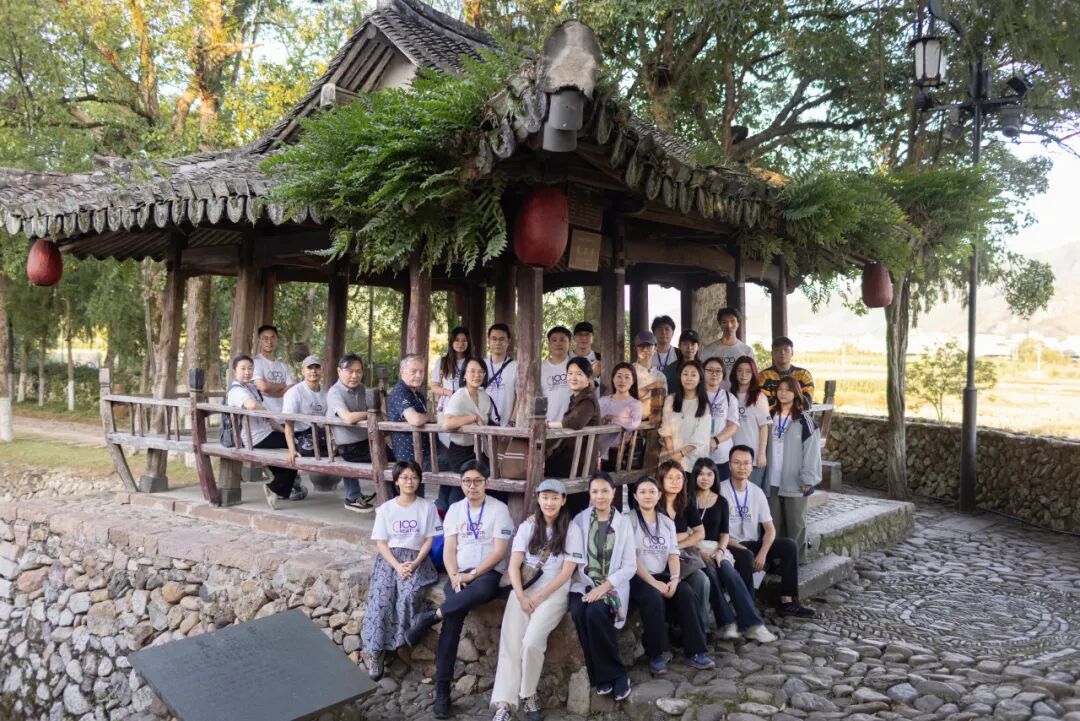
The 2026 (7th) Guangdong-Hong Kong-Macao Greater Bay Area Youth Creative Design (Creative 100) Talent Training Programme was successfully launched at the Qingdeng Stone Carving Art Museum in Wenzhou, Zhejiang. On 27 October, "Creative 100" formally opened a two-day field investigation in Wenzhou. Under the guidance of Professor Chen Ping - Global Chair of the International Organization of Folk Art (IOV), Chief Holder of the UNESCO Chair on the Inheritance and Innovation of World Traditional Handicrafts, and Dean of the Institute of Cultural Heritage and Creative Industries at Jinan University - and of Professor Wang Qijun of the Central Academy of Fine Arts, representing the "Creative 100" mentors - the "Creative 100" participants followed their mentors on a research trip to the ancient villages of the Nanxi River. As a cultural destination of Chinese vernacular dwellings, the Nanxi River draws its core strength from a deep well of history and culture. This "Creative 100" field investigation selected four sites: Furong Village, Lishui Street, Cangpo Village and the Taogong Cave at Daruoyan. Drawing on his professional expertise, the architectural scholar Professor Wang Qijun combined on-site measurement with interpretation of the Nanxi River ancient building complexes, leading the participants to walk and lecture, observe and discuss at once, weaving village planning, water systems and clan culture into a single vivid and solid lesson in vernacular space.
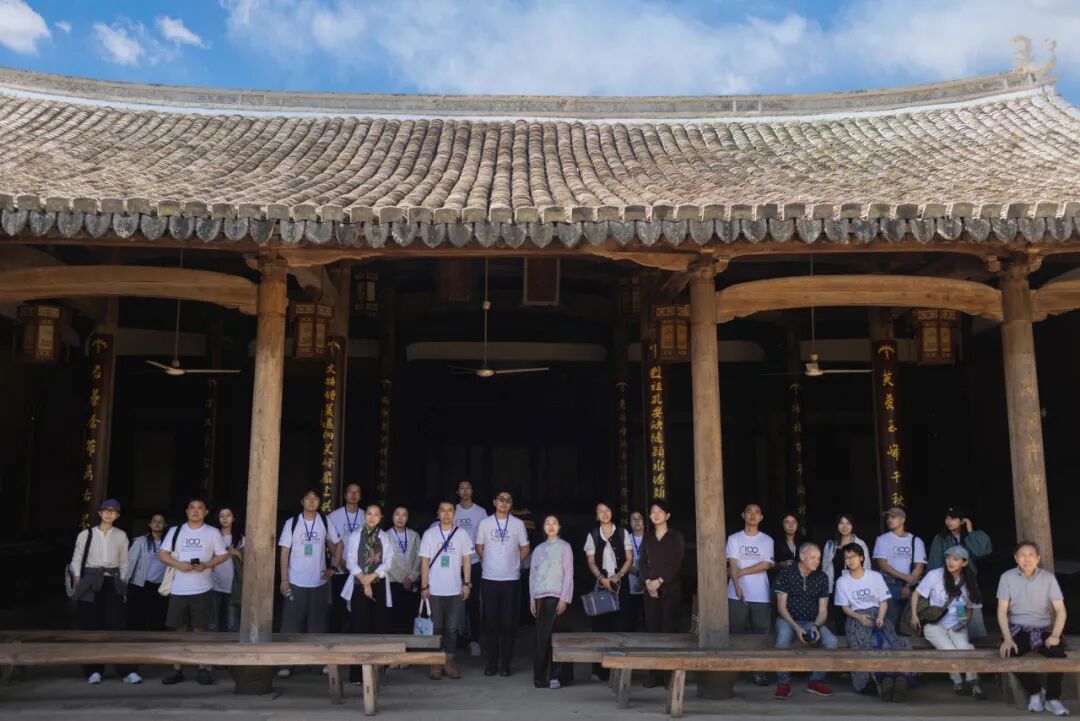
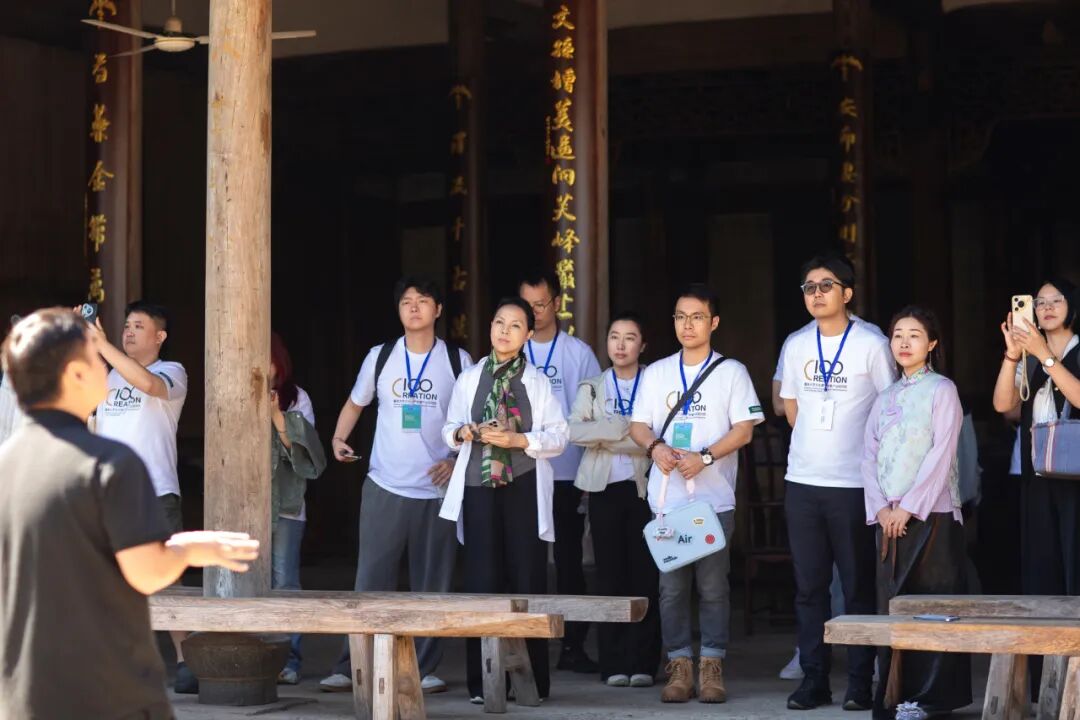
Participants explore the ancient buildings of Furong Village

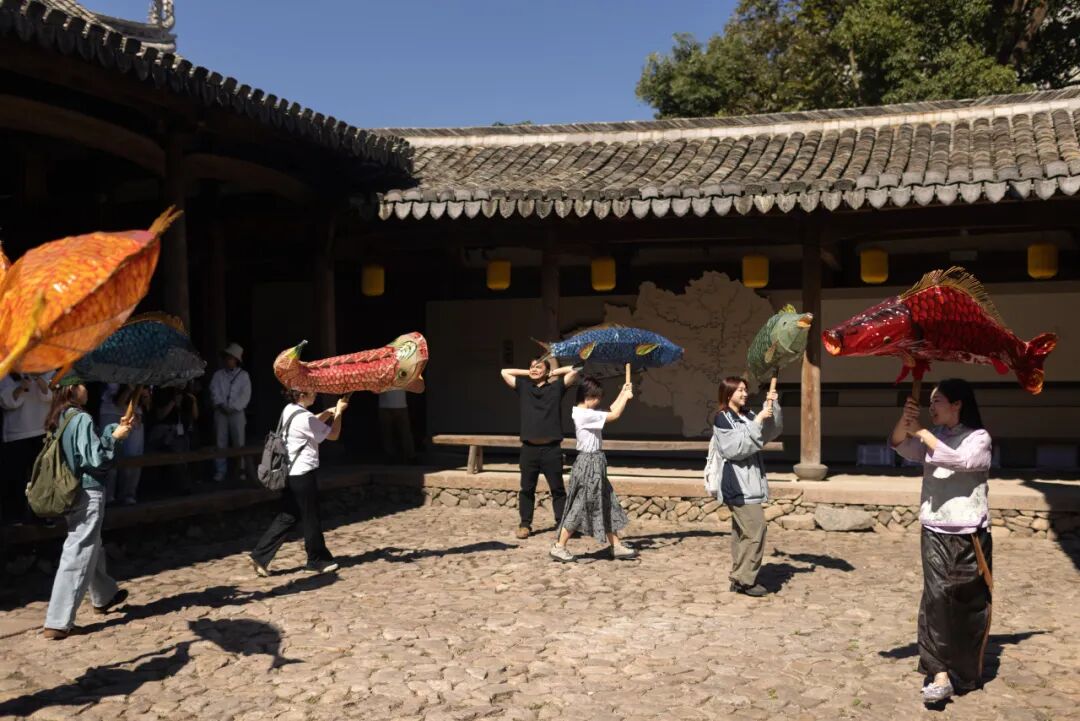
Professor Wang Qijun and the participants experience the intangible-heritage Fish Lantern Dance
Furong Village was founded in the late Tang dynasty as a settlement of the Chen clan. Its founding ancestor Chen Zhong migrated south from Yingchuan in the late Tang; the ninth-generation ancestor Chen Gong settled in Yongjia in the first year of the Tianyou era (904), more than a thousand years ago. The village is roughly square in plan, sitting west and facing east, its ramparts built of stone slabs laid over cobbles, so that the whole reads as a fortress-style settlement. Its core planning concept is the "Seven Stars and Eight Dippers": at seven road junctions, square platforms raised above the ground form the "stars", while at eight confluences of the water channels, square pools were dug to form the "dippers" - lanes and waterways alike unfold according to this star-and-dipper scheme.
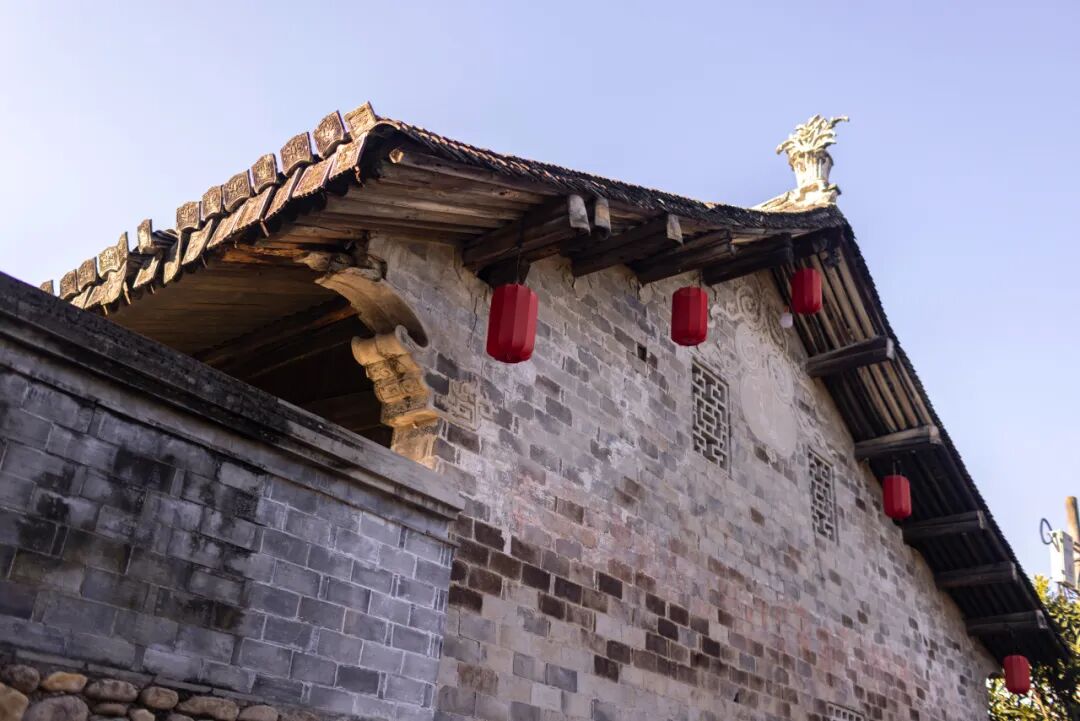
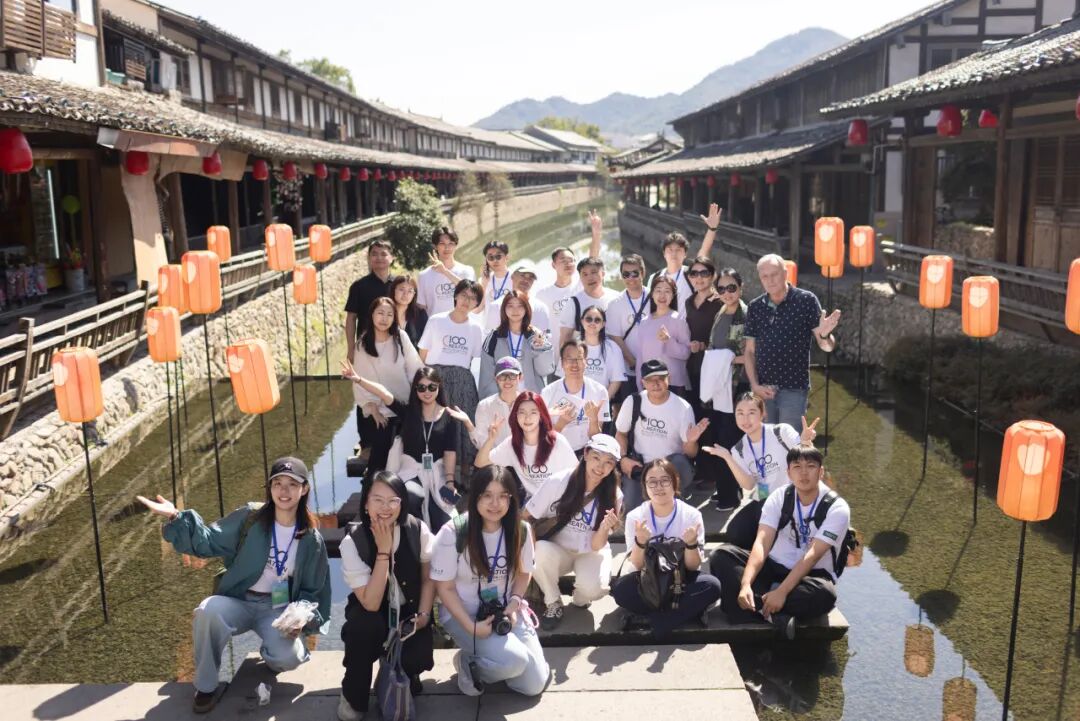
Investigating the rare vernacular commercial streetscape of Lishui Street
Lishui Street lies on the south side of Yantou Village. Originally a water-retaining dam, it gradually became a commercial street through the comings and goings of salt merchants. Its spatial character is a four-in-one unity of dam, street, arcade and dwelling: a crescent-shaped covered walkway stretching some 300 metres along the shore of Lishui Lake, roofed with unbroken eaves and fitted with meirenkao bench rails facing the water; on either side stand more than ninety two-storey timber shopfronts, shop below and dwelling above, arcade in front and water behind. The covered walkway served at once as a passage sheltering travellers from sun and rain and as a trading belt for the distribution of goods, forming a rare vernacular commercial streetscape in the Nanxi River basin. The most moving human detail of Lishui Street is the free tea offering at Chengfeng Pavilion. Villagers take turns supplying tea and plain rice porridge there at no charge, a practice handed down for generations without a break; the pavilion couplet, "Tea awaits the feeling guest; a meal is kept for the righteous soul," is the very embodiment of this village covenant.
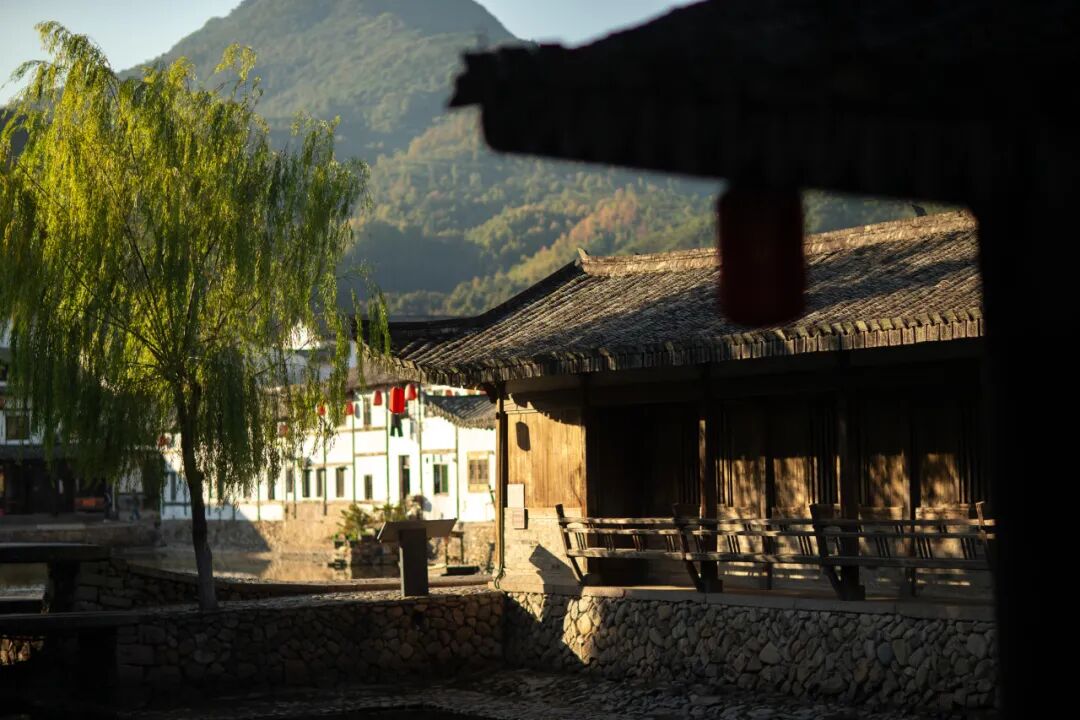
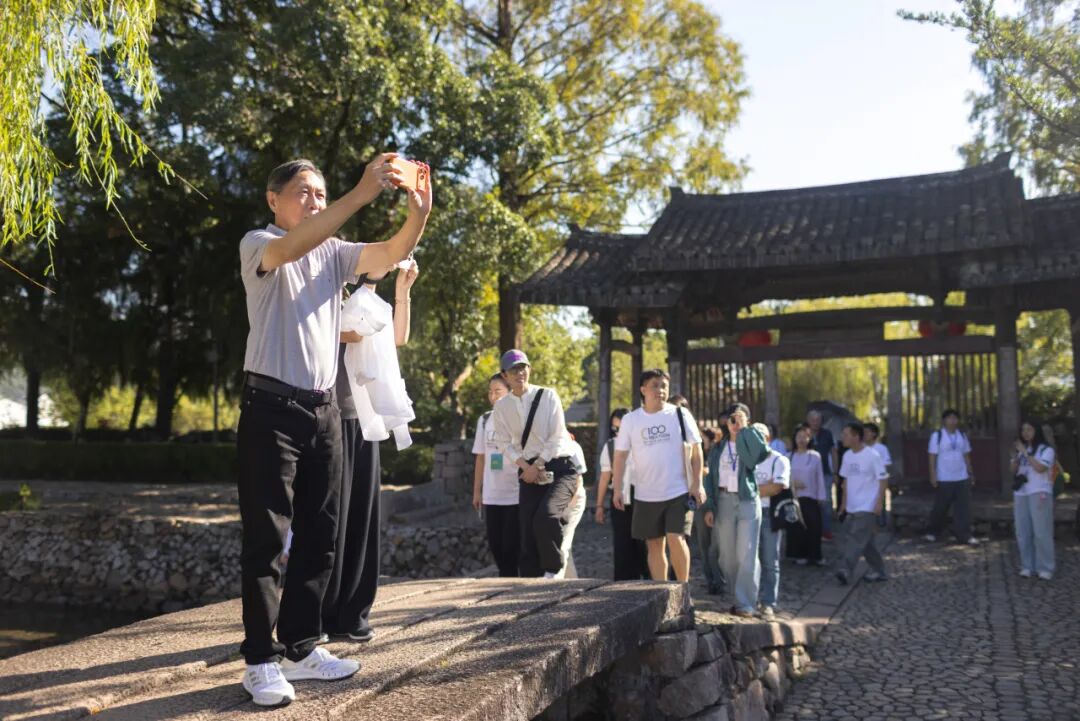
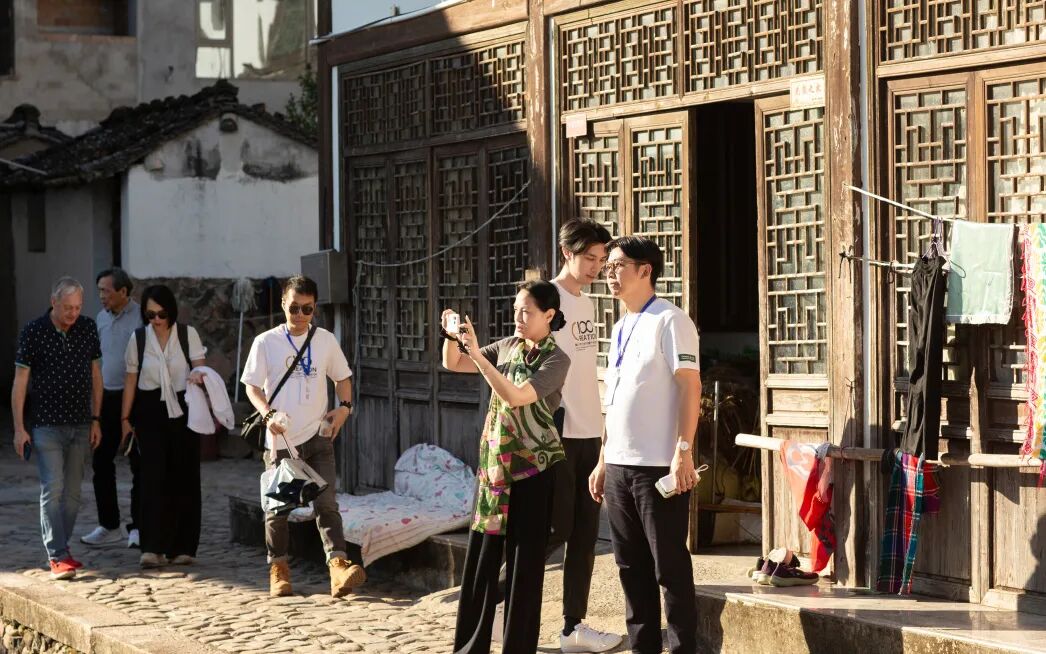
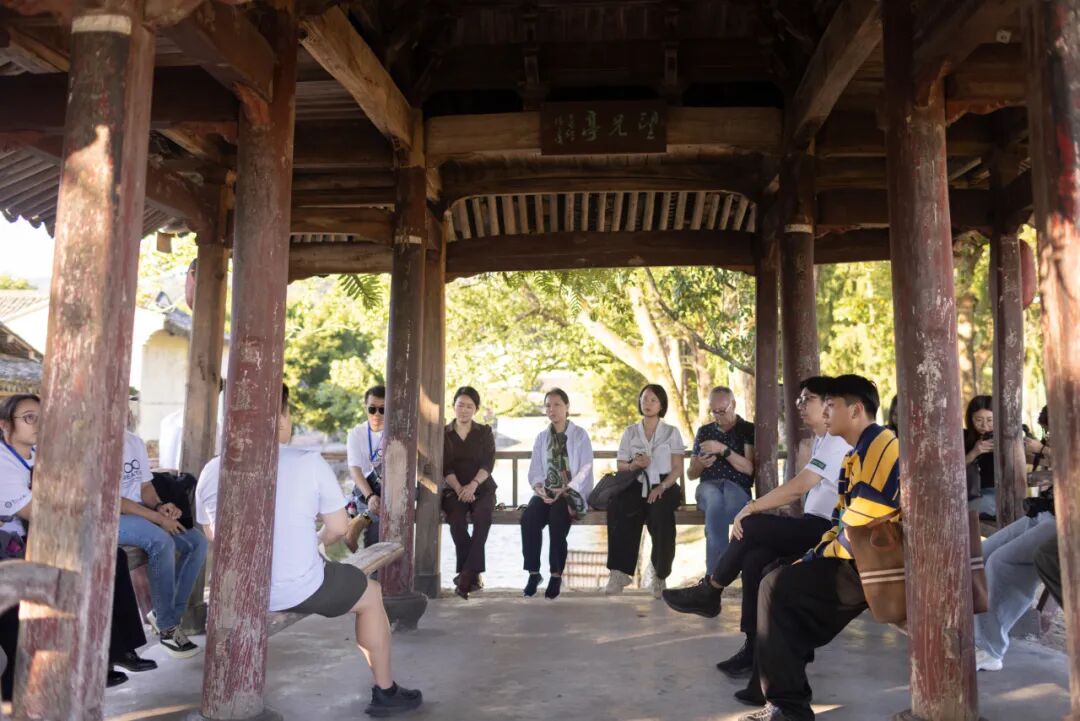
After the field visit to Cangpo Village, teachers and students hold a debriefing session on site
Cangpo Village was planned in 1178, the fifth year of the Chunxi era of the Southern Song, under the direction of the imperial preceptor Li Shiri, with the "Four Treasures of the Study" as its overarching symbol: the Brush-Rest Hill west of the village was borrowed as its scenic backdrop, the straight brush-like village street is the "brush", the two square lotus pools east and west are the "inkstone", the long stone slabs beside the pools are the "ink stick", and the open level farmland is the "paper". In this way the imagery of the Confucian literati was translated wholesale into settlement space, making the village itself a three-dimensional totem of the farming-and-reading culture. The most celebrated story in the village concerns the seventh-generation ancestor Li Qiushan, who moved to Fangxiang Village, and his younger brother Li Jiamu, five li away - "the elder brother built a pavilion to see off his brother, the younger built a pavilion to watch for his elder brother, and the two have faced each other for eight hundred years" - a spatial emblem of fraternal devotion in southern Zhejiang.
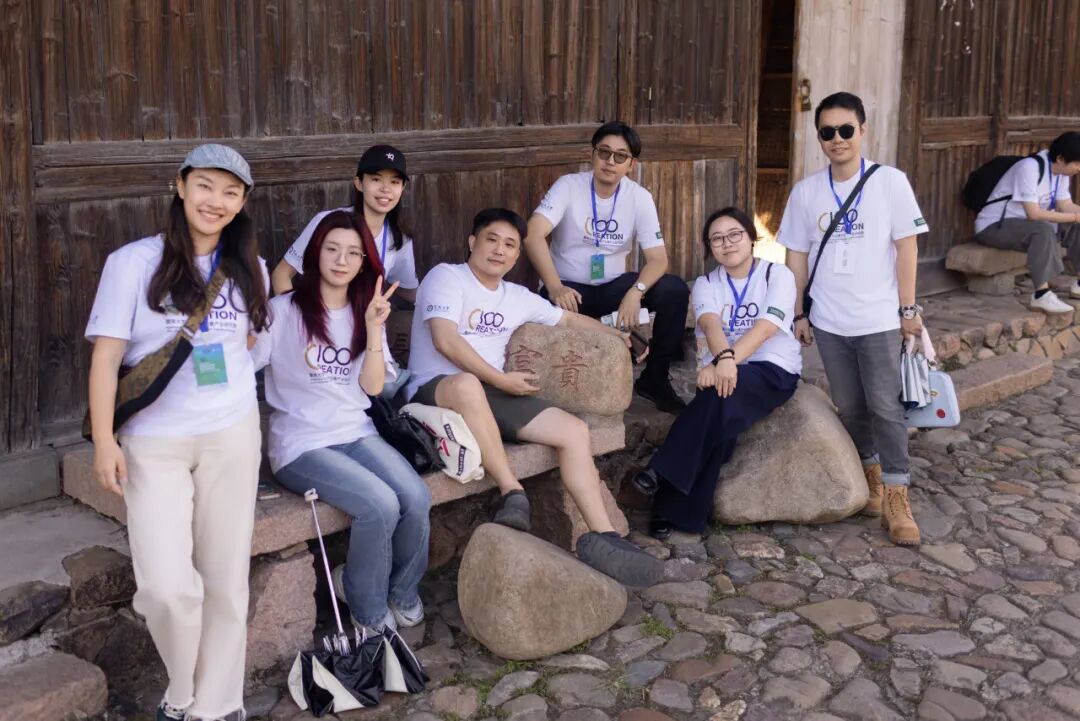
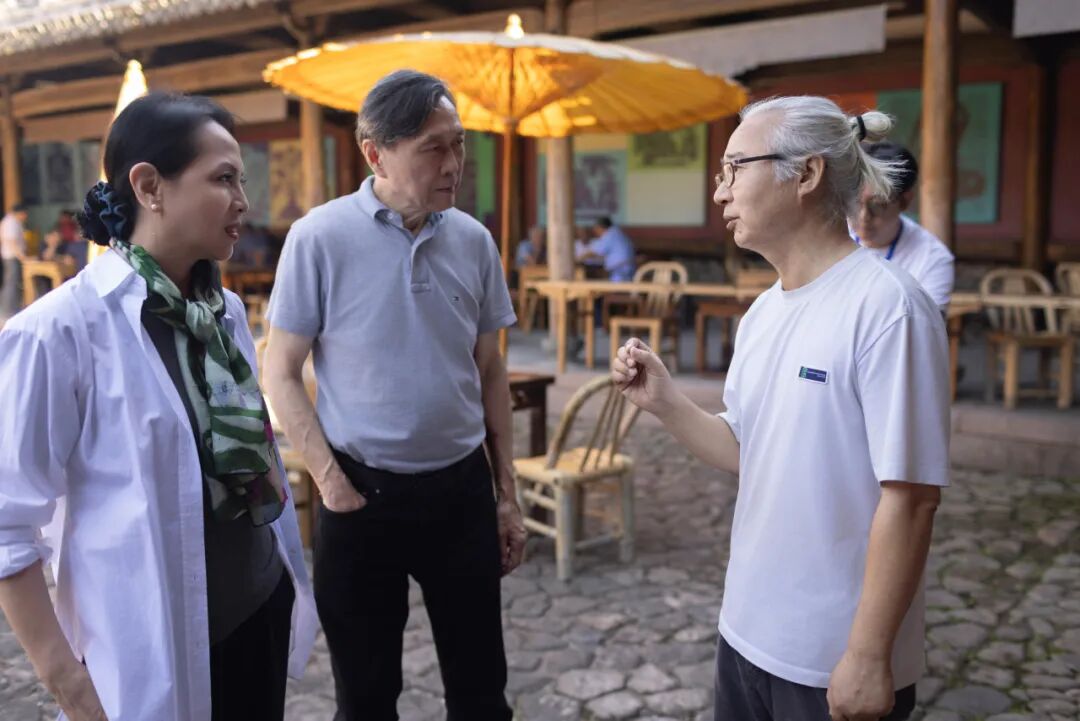
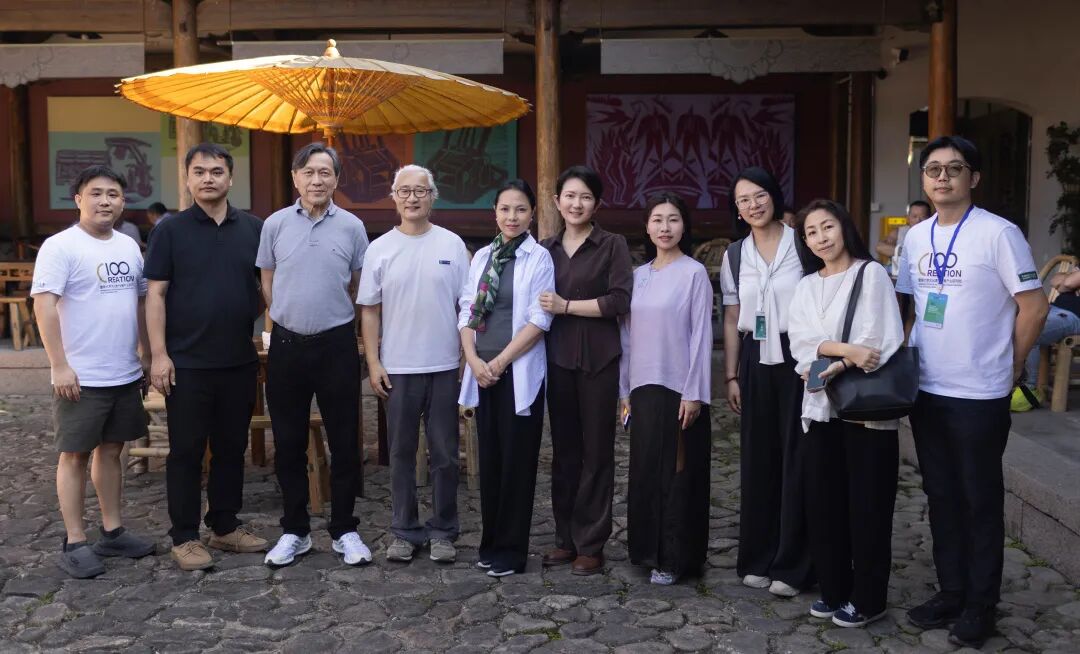
Learning and exchanging together with local artists
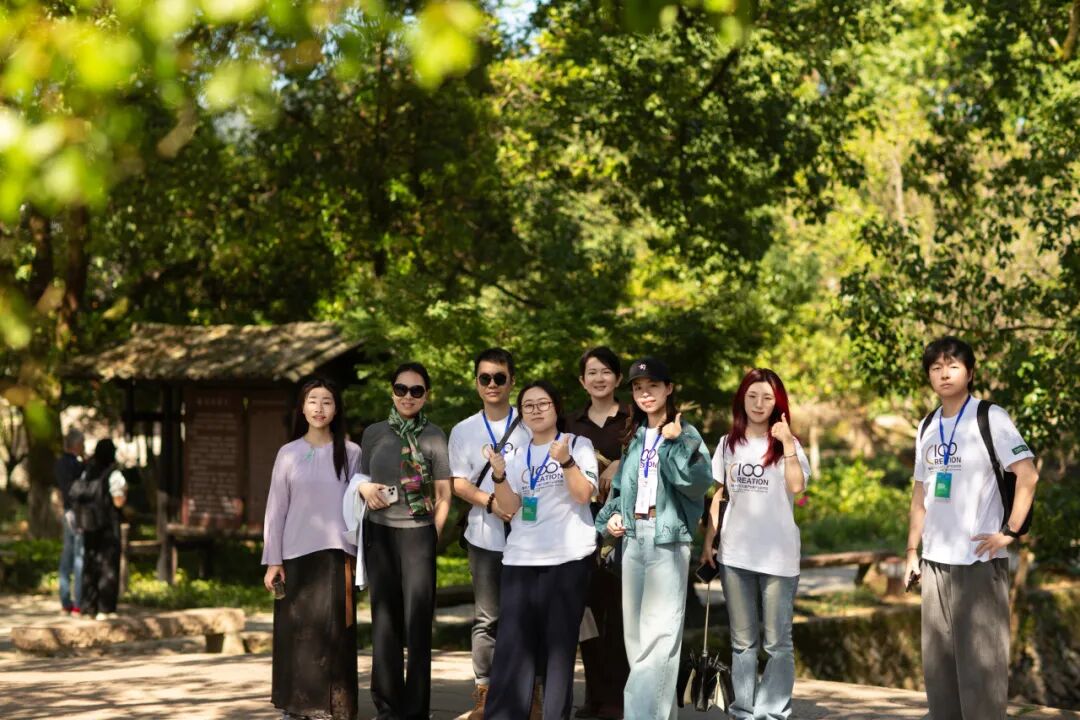
Having walked through Furong, Lishui Street and Cangpo, the "Creative 100" participants sat together in a roadside pavilion, continuing their discussion along memories of cobble walls and lake shores. They shared one common reflection: to study an ancient village is never merely to look at buildings, but to read a whole set of spatial ethics of vernacular China - the Seven Stars and Eight Dippers of Furong, the dam-arcade-market-dwelling of Lishui Street, the Four Treasures of the Study of Cangpo - behind all of which lie the faith of the clan and the wisdom of everyday life.
How to protect and pass on this heritage thus became the greatest question of the trip. The participants gradually reached a consensus: the best protection is not to seal the ancient village up as a specimen, but to let it go on being used and being told. To keep people, one must first keep the smoke of the hearth; what an ancient village fears most is hollowing out. Rather than replacing the whole street with homogenised shops, it is better to support local residents in running handicraft workshops, to revive academy lectures, and to continue the free tea offering at Chengfeng Pavilion, so that living tradition can grow of its own accord.
The group also shared one simple wish: to bring more people into the ancient villages, to let the villagers grow prosperous because of it, and to let the culture and produce of the Nanxi River be truly seen and carried away. The future of these ancient villages should be one in which villagers can stay, visitors can understand, and culture can endure.