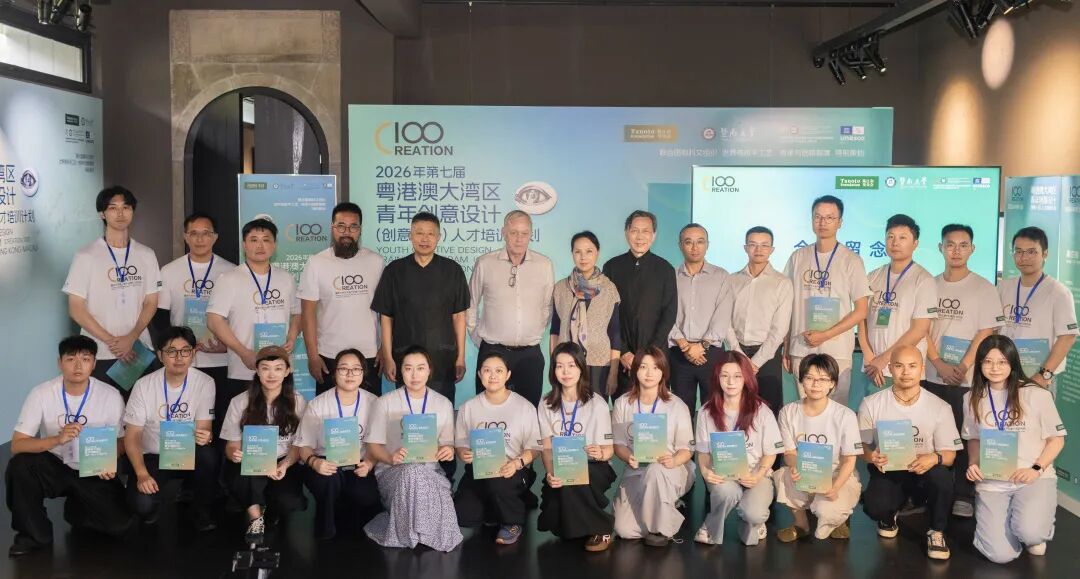
On October 25, the 2026 (7th) Guangdong-Hong Kong-Macao Greater Bay Area Youth Creative Design ("Creative 100") Talent Training Program opened at the Qingdeng Stone Carving Art Museum in Wenzhou, Zhejiang Province. Under the theme "Youth Co-Creation - Dialogue with the Future: Bringing Cultural Heritage Back into Everyday Life," this year's program brings together young participants from the Greater Bay Area and other regions with a wide range of academic and professional backgrounds. Through interdisciplinary courses, cultural fieldwork, community practice and creative research, they explore how traditional handicrafts can be carried forward and reinvented in contemporary life.
This year's program is specially initiated by the UNESCO Chair for the Transmission and Innovation of Traditional Handicrafts, funded by the Beijing Chen Jianghe Foundation, hosted by the Academy of Cultural Heritage and Creative Industries of Jinan University, and co-organized by the Wenzhou Qingdeng Stone Carving Art Museum, with support from institutions including the International Organization of Folk Art (IOV) and the China Arts and Crafts Society.
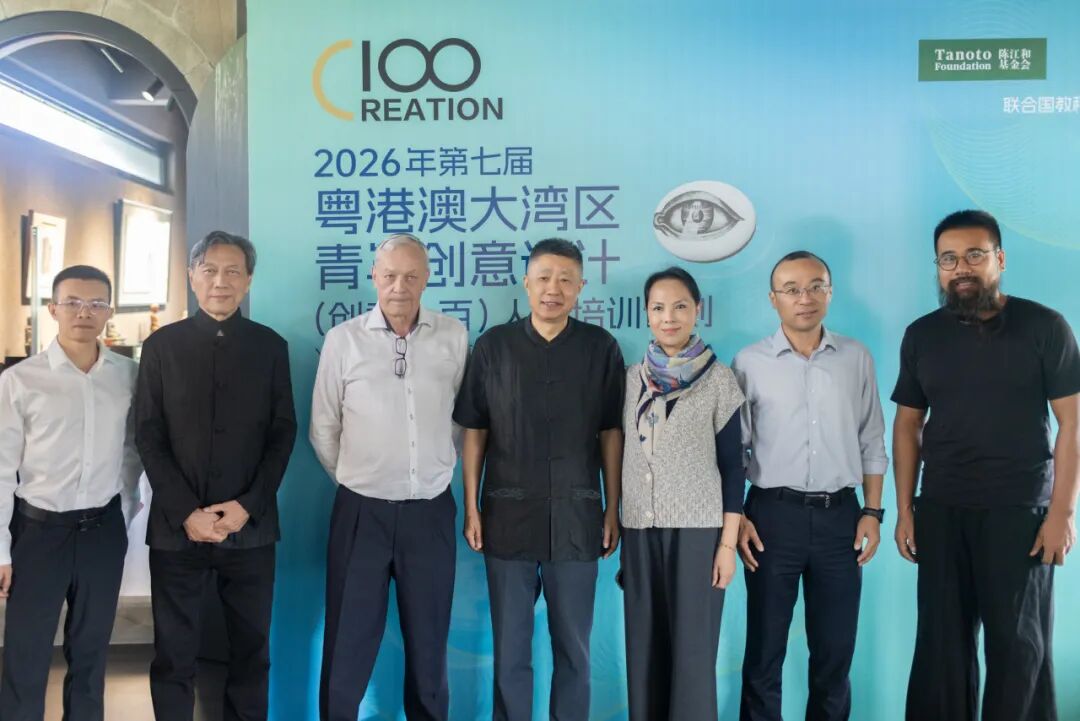
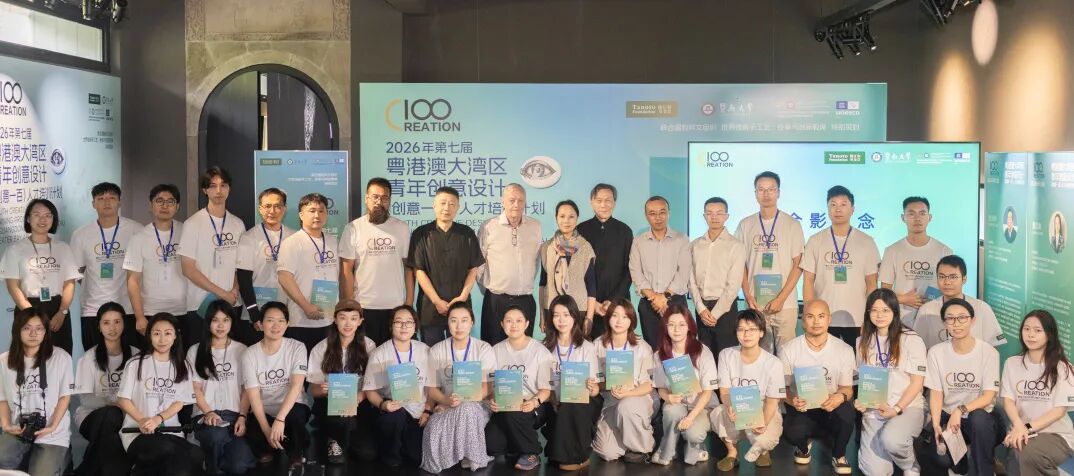
Guests present (from left): He Lijie, Wang Qijun, Günther Lippiz, Cai Daying, Chen Ping, Hu Xiaoli and Zhang Jincheng
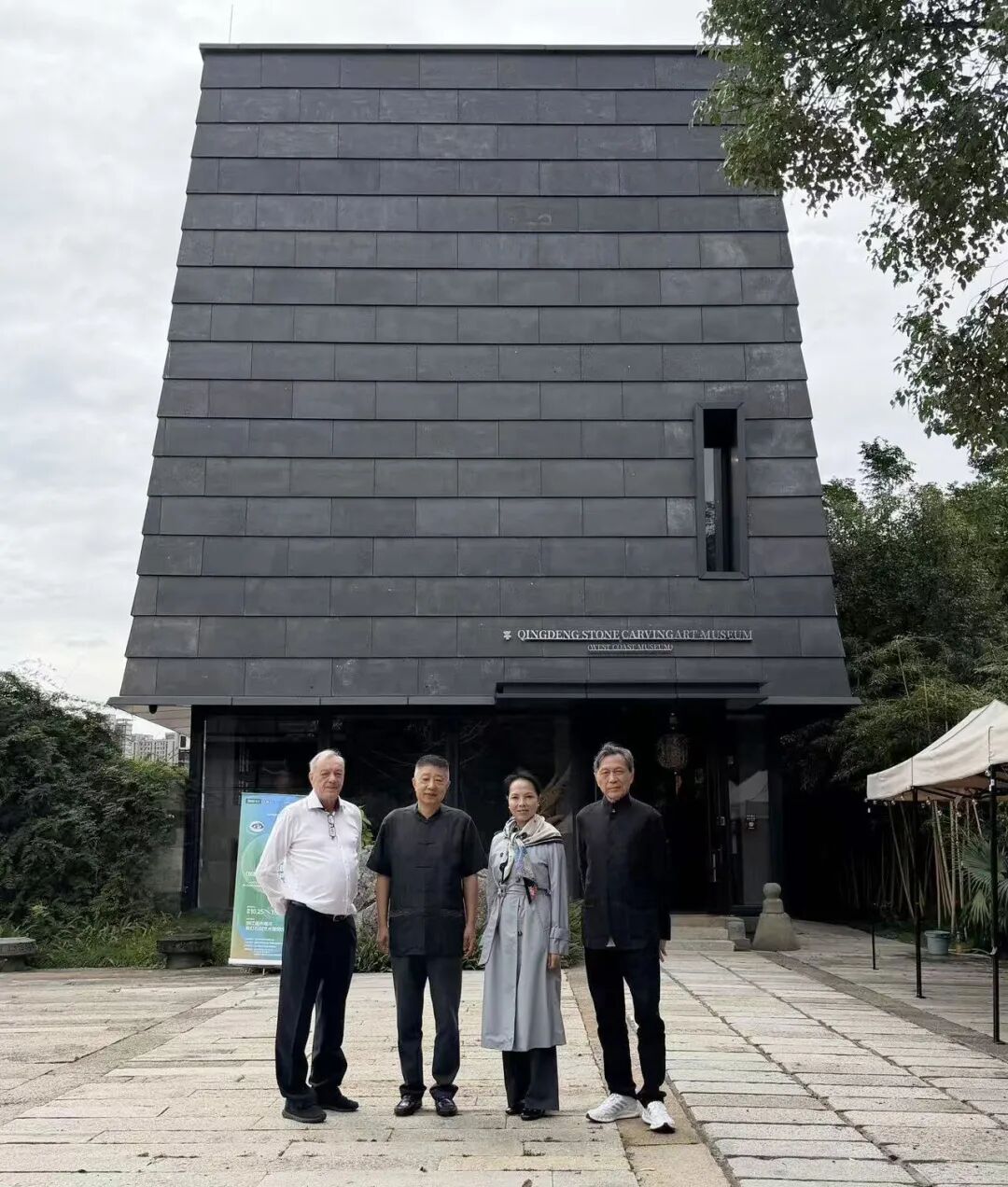
From left: guests Günther Lippiz, Cai Daying, Chen Ping and Wang Qijun at the West Hall of the Wenzhou Qingdeng Stone Carving Art Museum
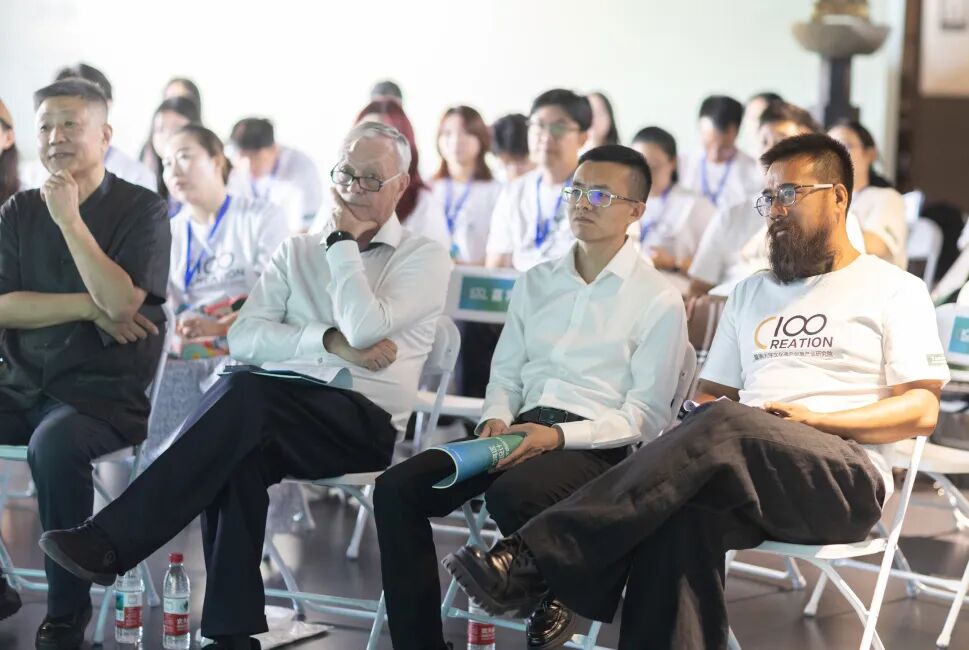
The opening ceremony of the 2026 Creative 100 program
The opening ceremony was attended by Professor Chen Ping, Global Chair of the International Organization of Folk Art (IOV), Chief Holder of the UNESCO Chair for the Transmission and Innovation of Traditional Handicrafts, and Dean of the Academy of Cultural Heritage and Creative Industries of Jinan University; Günther Lippiz, Vice President of IOV; Cai Daying, Secretary of the Party Committee and President of the China Arts and Crafts Society; Wang Qijun, Professor at the Central Academy of Fine Arts, former Director of the Center for Humanities and Social Sciences of the School of Urban Design, Honorary President of the Garden and Ancient Architecture Research Association of the China Yuanmingyuan Society, and representative of the "Creative 100" mentors; Hu Xiaoli, Head of the Publicity Department of the Ouhai District Committee of Wenzhou; He Lijie, Deputy Head of the Publicity Department of the Ouhai District Committee of Wenzhou; Zhang Jincheng, Director of the Wenzhou Qingdeng Stone Carving Art Museum; Lu Chunhua, Director of the Administrative Office of the Academy of Cultural Heritage and Creative Industries of Jinan University; and Liu Lulu, Head of the Academic Group of the Academy. The ceremony was hosted by Lan Yue.
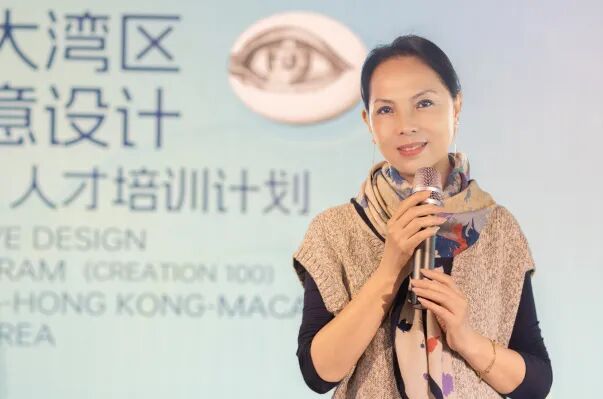
Chen Ping, initiator and chief planner of the "Creative 100" program, delivers remarks
In her address at the Wenzhou event, Professor Chen Ping, initiator and chief planner of "Creative 100" and Dean of the Academy, introduced the history of Jinan University and the founding purpose of its Academy of Cultural Heritage and Creative Industries in advancing traditional culture. She shared ideas on the innovative transformation of traditional handicrafts and set out the research tasks assigned to this year's participants. She stressed that traditional handicrafts must enter the market in order to survive as living heritage, proposing the principle of "easy to carry, practical to use, affordable to buy," and invited all present to join in building a global handicraft exhibition and exchange base in Wenzhou.
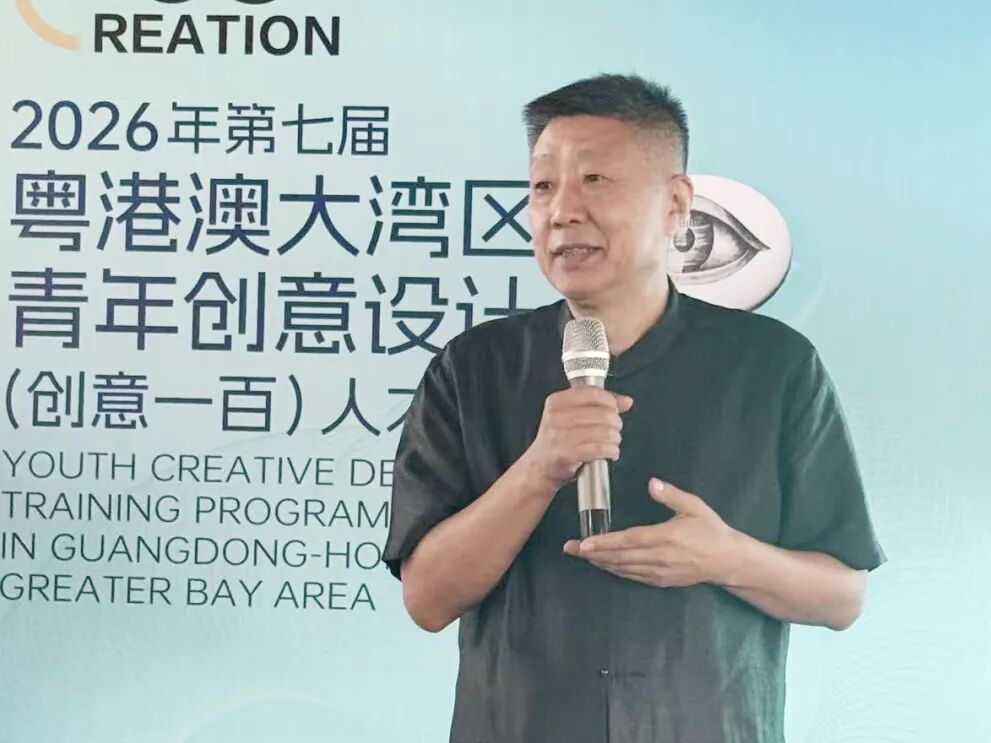
Cai Daying, Secretary of the Party Committee and President of the China Arts and Crafts Society, delivers remarks
In his speech, Cai Daying, Secretary of the Party Committee and President of the China Arts and Crafts Society, spoke highly of the value and practical experience of "Creative 100." He made three points. First, one must truly understand traditional crafts: they should not be regarded merely as a language of form and ornament; one must also master their materials, techniques, aesthetics and cultural concepts, so that innovation rests on a solid foundation. Second, one must value practice: go deep into workshops, handle the materials, learn the processes, engage sincerely with artisans, and respect the inherent logic of the craft. Third, one must pay attention to contemporary life: study how people live today and what they find beautiful, so that outstanding traditional crafts can find a space of their own in which to grow in modern society. This is work in which young design talents can actively take part.
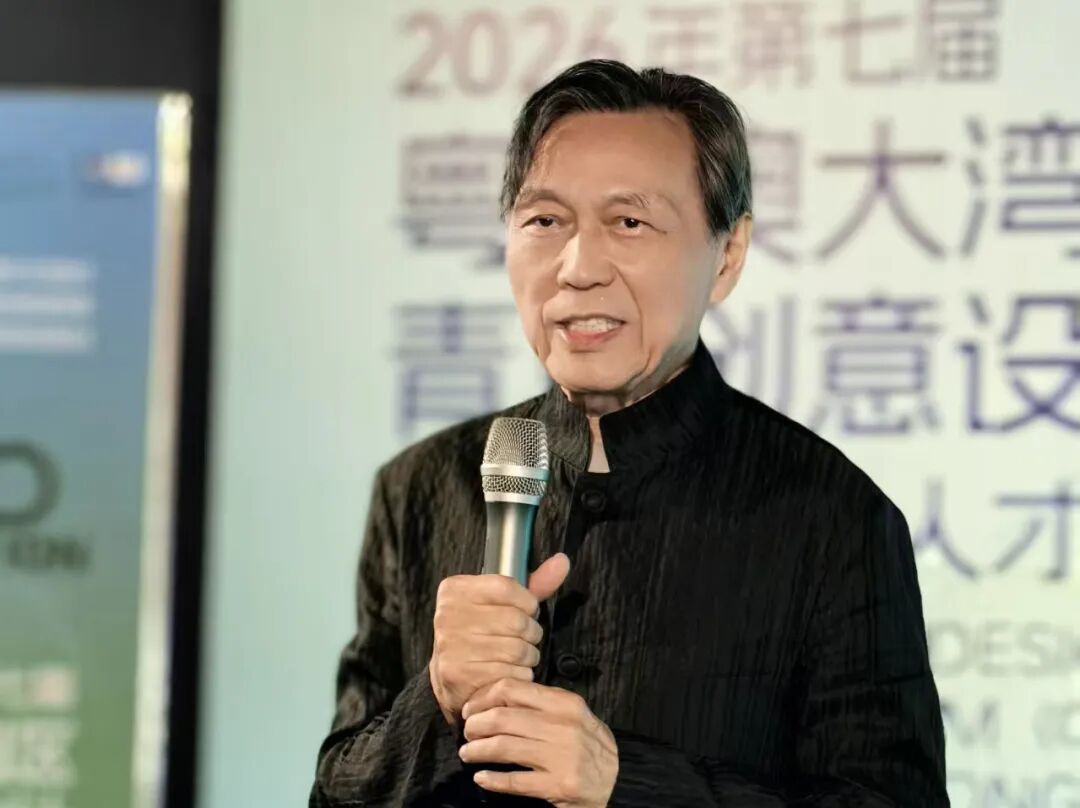
Professor Wang Qijun of the Central Academy of Fine Arts delivers remarks
Professor Wang Qijun of the Central Academy of Fine Arts affirmed the value of "Creative 100" and offered his reading of the name: "One Hundred" stands for open possibility - it can mean a hundred ideas, a hundred ventures, or a hundred ways of thinking. It is not a target of a perfect score, but an attitude of pursuing creativity. He encouraged the participants to break through the limits of their existing experience, to treasure this cross-regional exchange, to broaden their horizons and to strengthen their design capabilities.
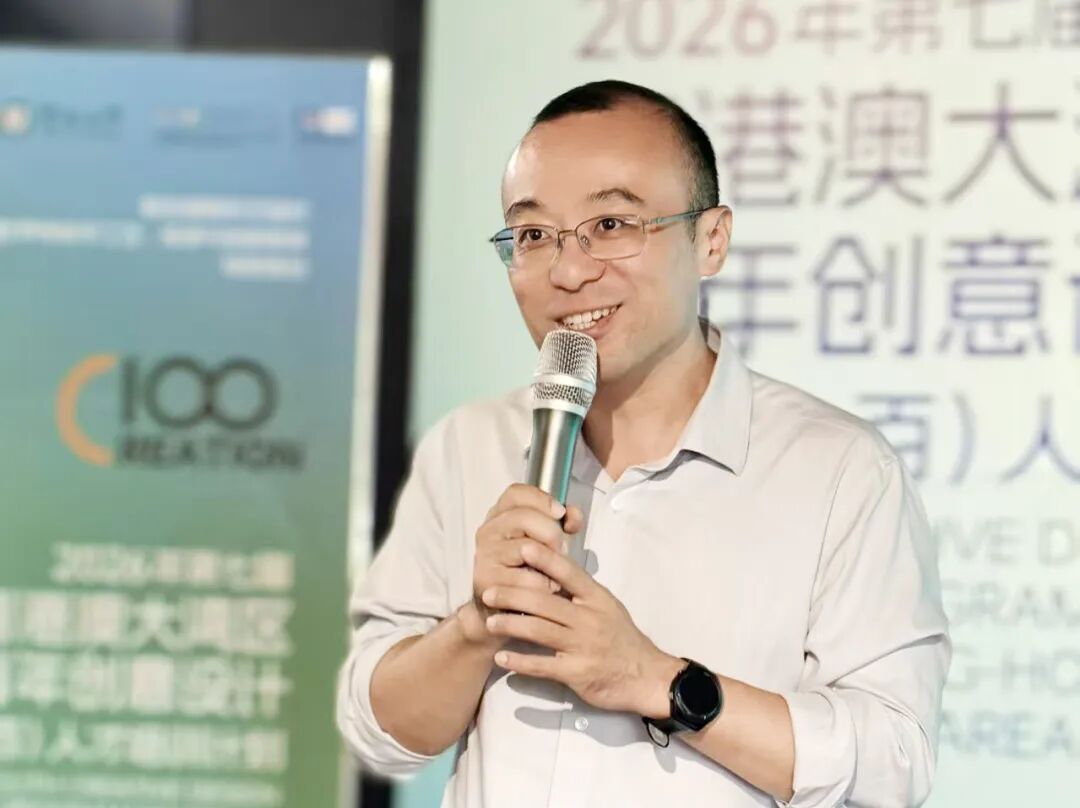
Hu Xiaoli, Head of the Publicity Department of the Ouhai District Committee of Wenzhou, delivers remarks
Hu Xiaoli, Head of the Publicity Department of the Ouhai District Committee of Wenzhou, said that holding this year's "Creative 100" in Ouhai, Wenzhou, is an important support for the protection, transmission and creative revitalization of local cultural heritage. Using creativity to energize the city's industries and economy will better advance the safeguarding of intangible cultural heritage, while also raising Wenzhou's profile.
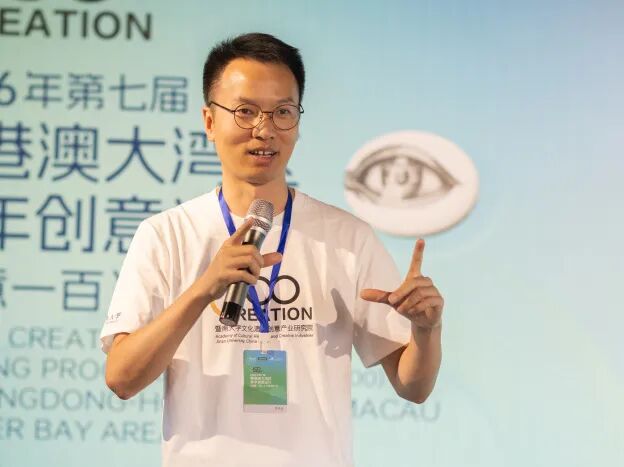
Yuan Jinding, representative of this year's "Creative 100" participants, delivers remarks
Yuan Jinding, Deputy Director of the Career Development Center of Beijing City University and representative of this year's "Creative 100" participants, said he hopes to draw on the "Creative 100" platform and, through public art creation, turn creative ideas born of a changing era into new works that resonate with contemporary ways of life.
Seven years of persistence from Guangzhou to Wenzhou
In 2026, Jinan University marks its 120th anniversary. As one of China's oldest institutions of higher learning serving overseas Chinese, the university has always carried the important mission of disseminating Chinese culture, promoting exchanges between China and the world, and nurturing young talent - a mission vividly captured in its motto, "the reach of its teaching extends to the four seas." It is against this academic and cultural backdrop that "Creative 100" was conceived.
In 2020, "Creative 100" was officially launched under the initiative of Professor Chen Ping, Dean of the Academy of Cultural Heritage and Creative Industries of Jinan University, who conceived and planned the program and serves as its chief expert. With sustained funding from the Beijing Chen Jianghe Foundation, the program started in the Guangdong-Hong Kong-Macao Greater Bay Area and has gradually expanded to different cities across China.
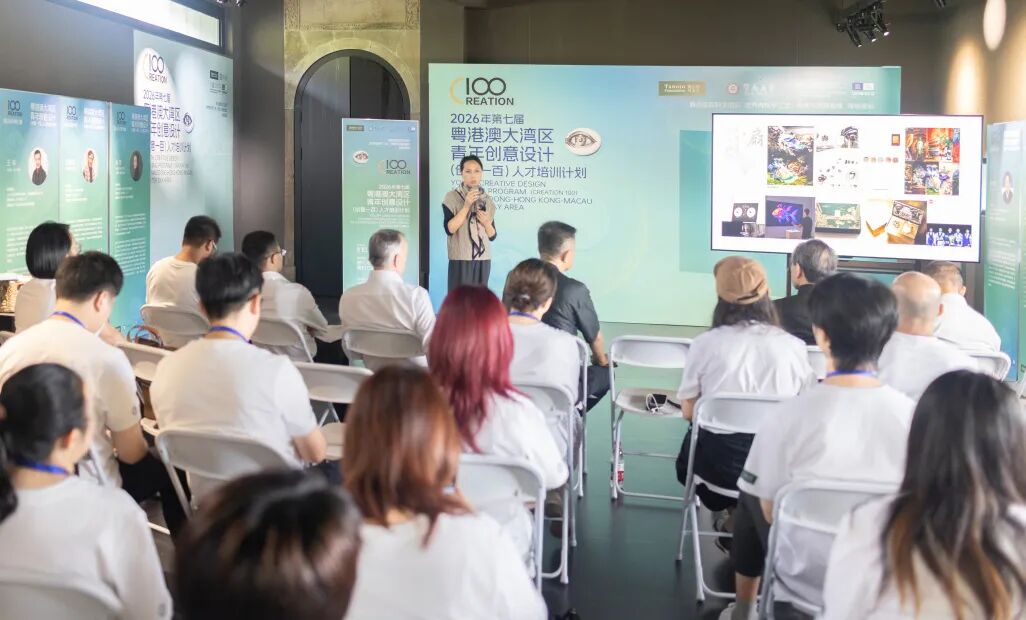
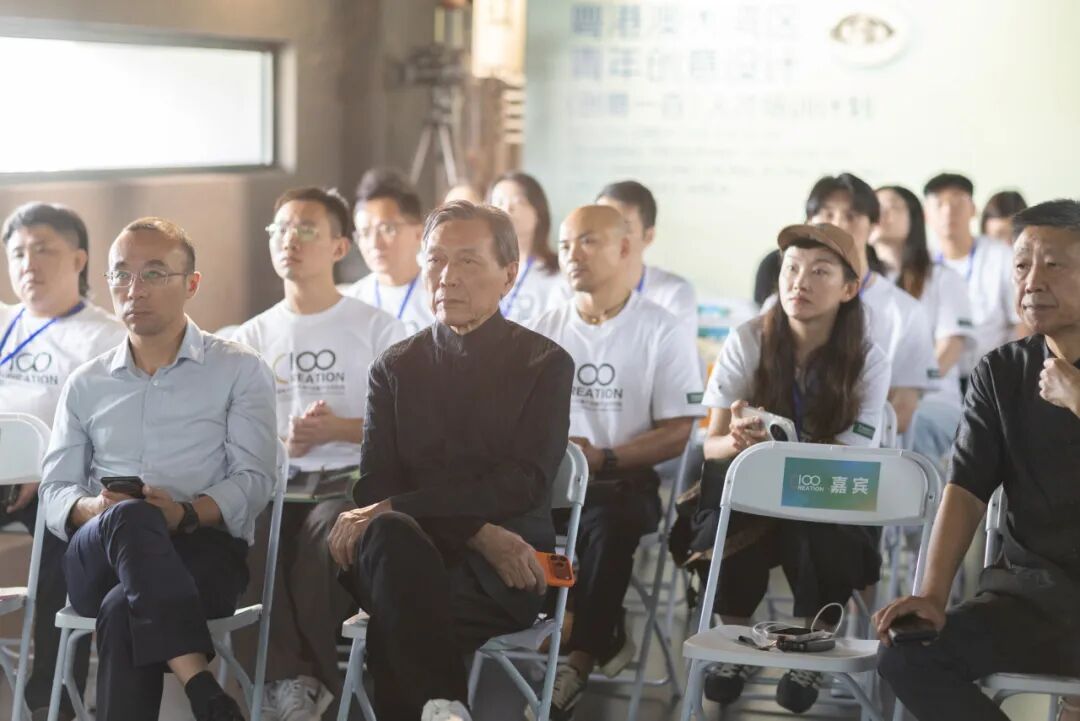
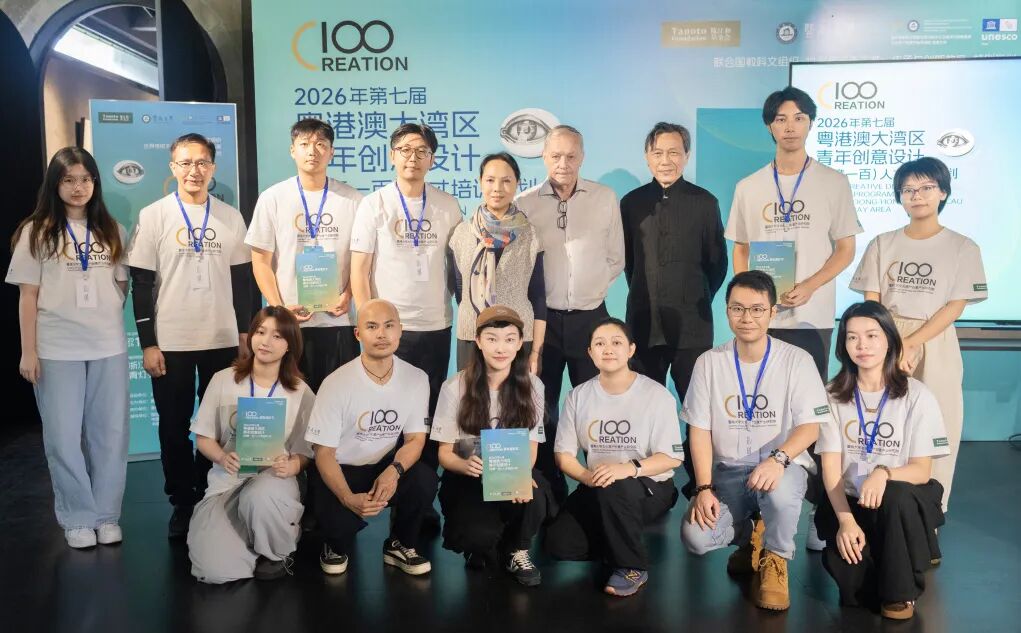
The opening ceremony of the 2026 Creative 100 program
Over the past seven years, Professor Chen Ping has continuously overseen the program's overall planning, academic direction and curriculum system, bringing together experts and scholars from fields including cultural heritage, art and design, architecture, the social sciences and international communication to explore an interdisciplinary, practice-oriented model for cultivating young creative talent. "One city each year, one theme each year, one practice each year" has gradually become the program's defining feature: in every city it visits, the program re-examines the local history and culture, traditional crafts and everyday life, draws its research topics from local culture, and turns the city and its communities into an open classroom.
In 2022, after the UNESCO Chair in "Traditional Handicrafts: Transmission and Innovation" was established at Jinan University, "Creative 100" was further incorporated into the Chair's system for young talent training and creative practice, weaving cultural diversity, the transmission of traditional knowledge, community participation and sustainable development into its teaching objectives. Across seven successive editions, the program has gradually developed a training mechanism that combines interdisciplinary teaching, cultural fieldwork, community practice, innovation research and the presentation of results.
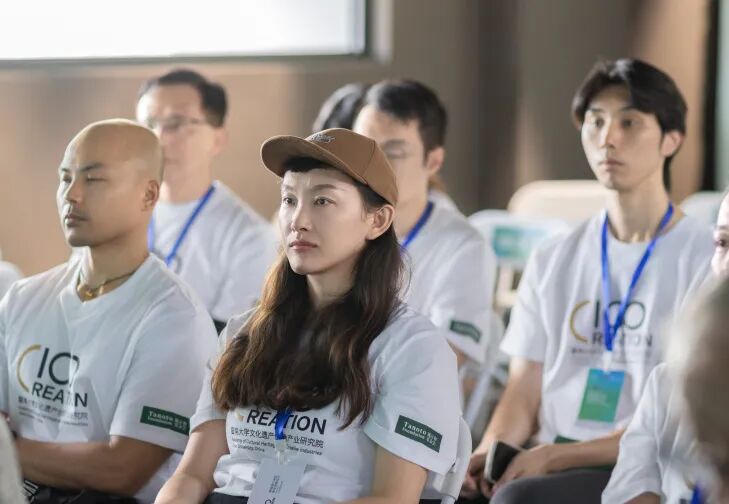
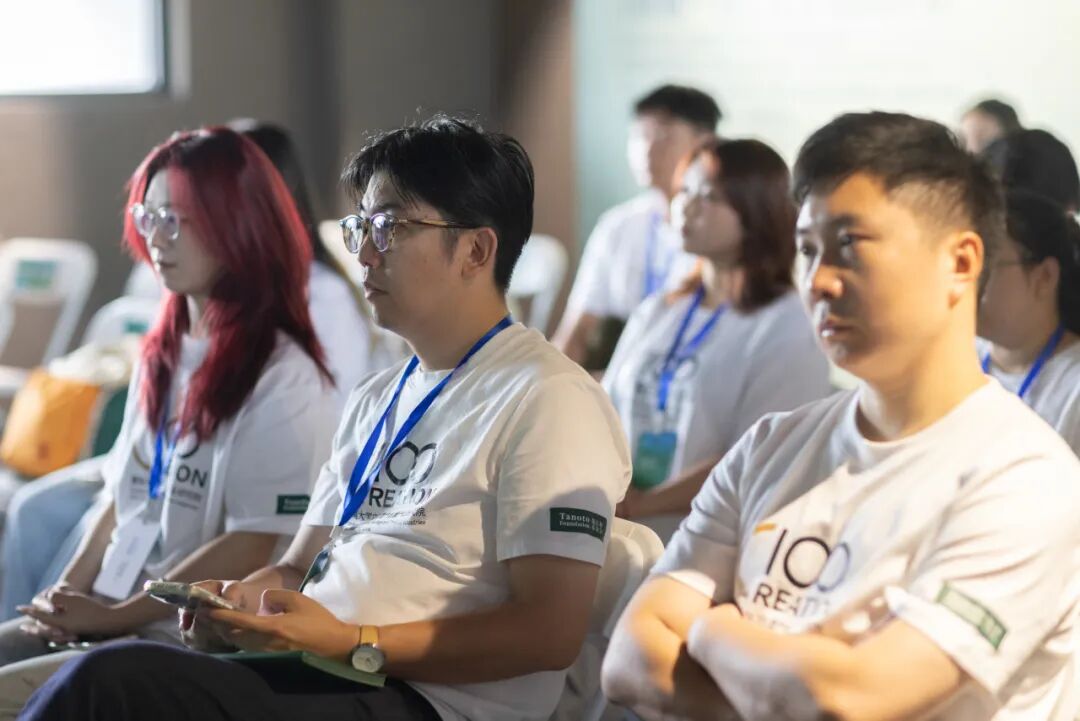
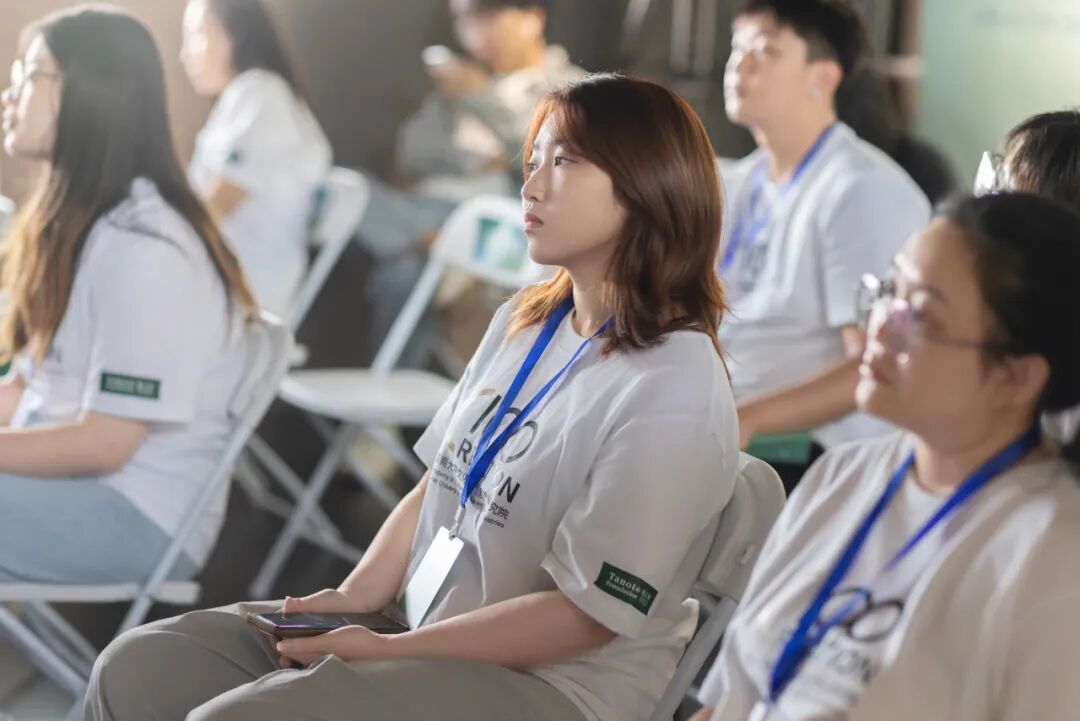
Participants of the 2026 Creative 100 program at the opening ceremony
Exploring new paths for sustainable development from cultural resources to social values
Professor Chen Ping has long focused on how cultural heritage can enter contemporary life through education, research and creative industries. She argues that the transmission of cultural heritage cannot stop at preserving techniques or redesigning traditional motifs; it also requires talent cultivation and social practice, so that cultural resources can be transformed into a capacity for continuously generating cultural, social and economic value. This idea has run through the seven years of "Creative 100" teaching practice.
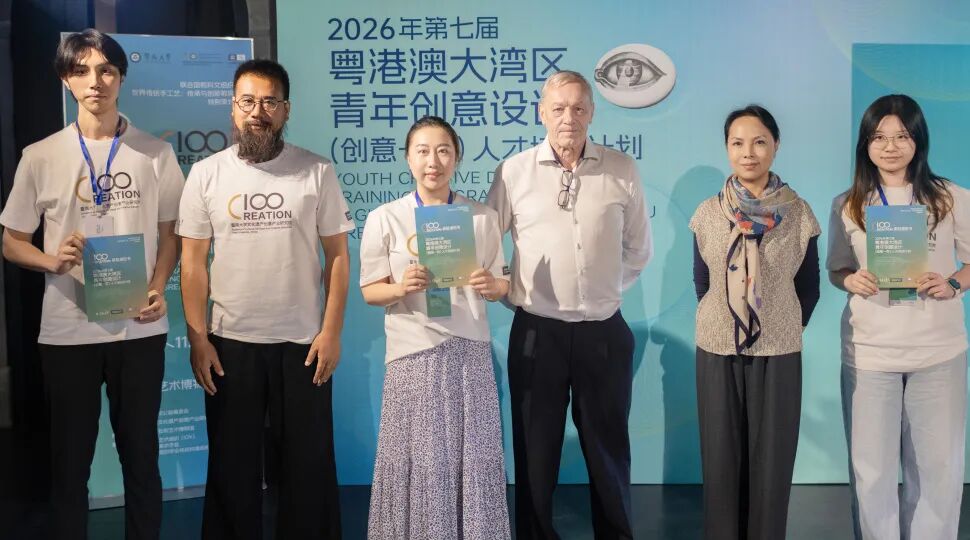
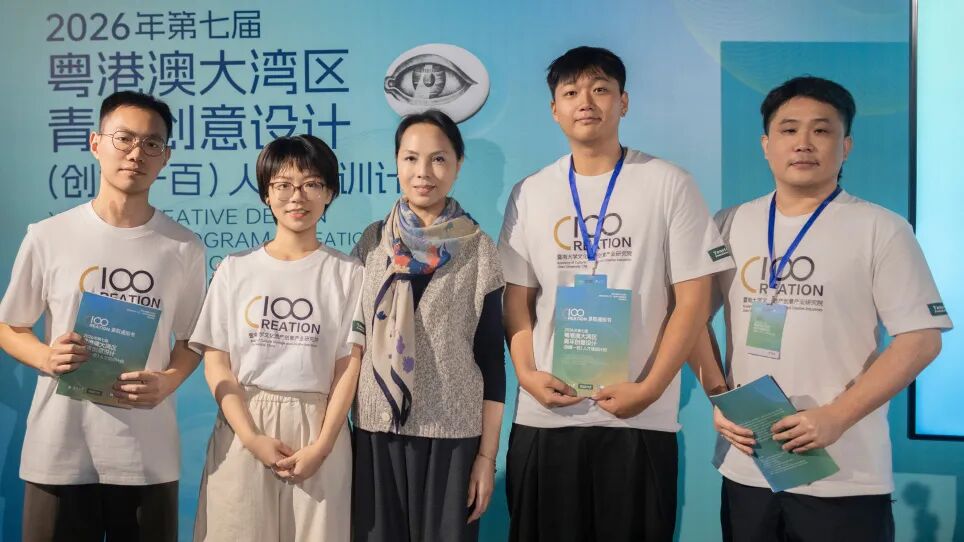
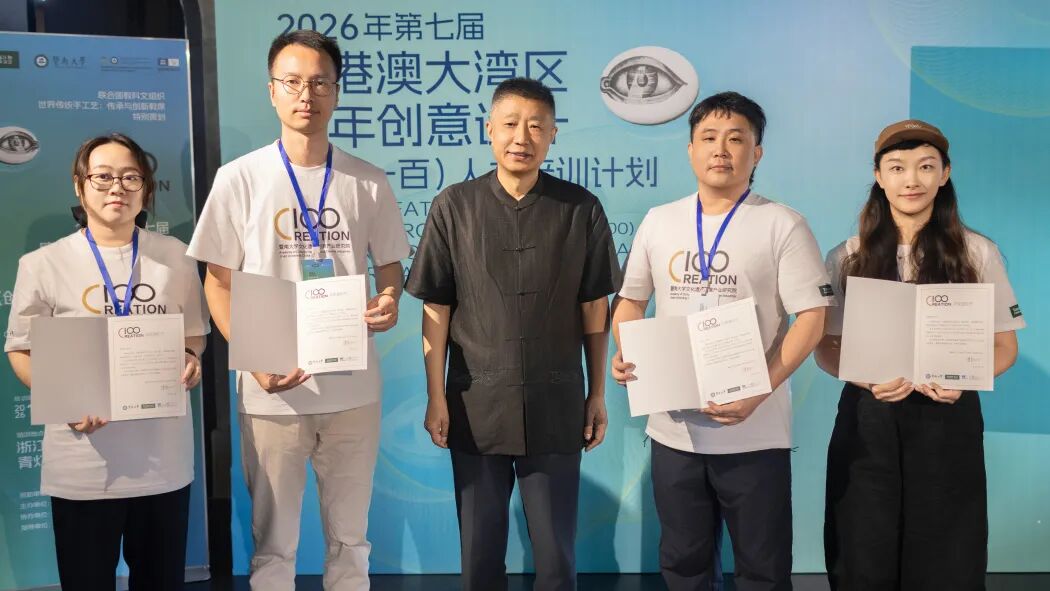
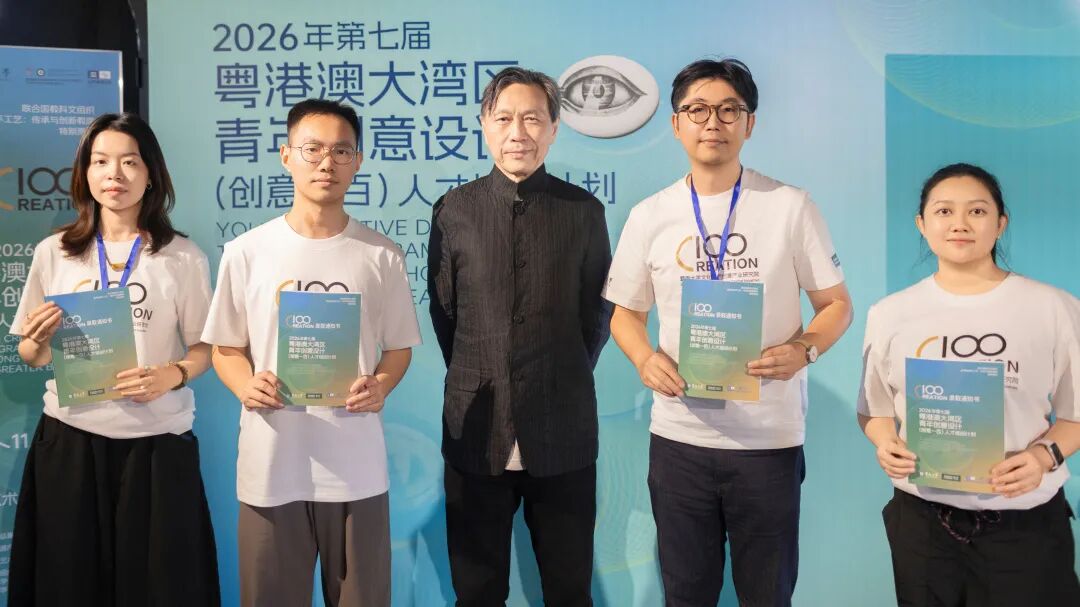
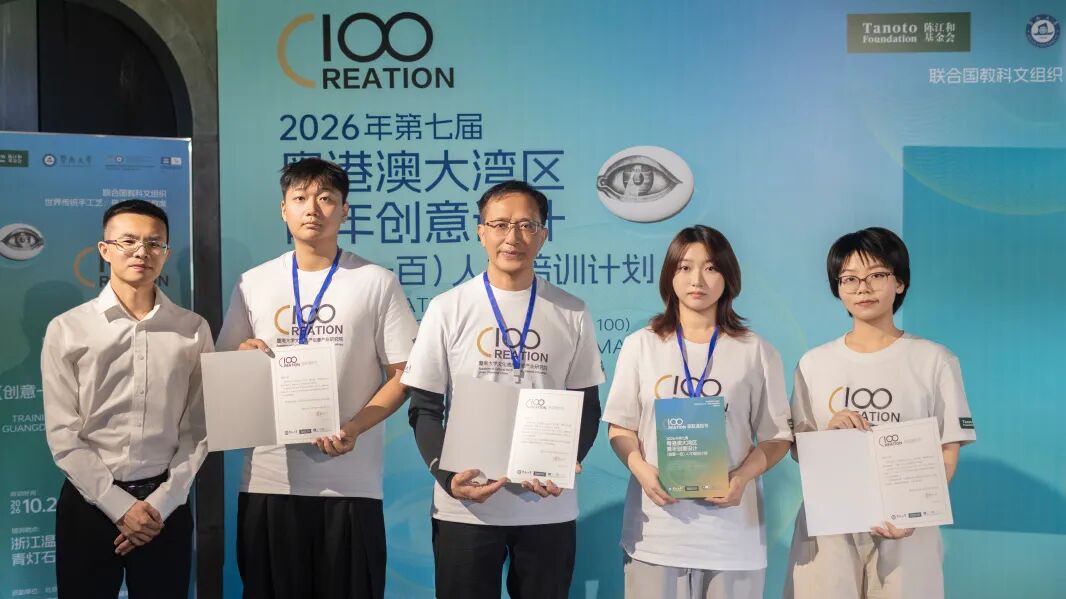
Admission letters being presented to participants at the 2026 Creative 100 program
The research and creative work of participants over the years has spanned traditional ceramics, Miao embroidery, Fengxiang dyeing (a liquidambar-resist dyeing technique), the digitization of traditional patterns, folk art and urban cultural studies. Some young practitioners carry on family craft traditions while exploring contemporary design languages; some have worked in rural communities over the long term, collaborating with artisans on research; others have started from the urban culture of Macao, turning local lived experience into new cultural experiences and communication projects. These practices show that traditional culture is not a stock of design material waiting to be extracted: innovation must be built on a deep understanding of cultural origins, local knowledge and social relations.
In 2025, "Creative 100" held its fifth-anniversary results exhibition and convened related presentations and seminars at the Art Museum of Tsinghua University, showcasing the program's explorations in traditional craft innovation, cultural communication, the application of digital technology and youth practice.
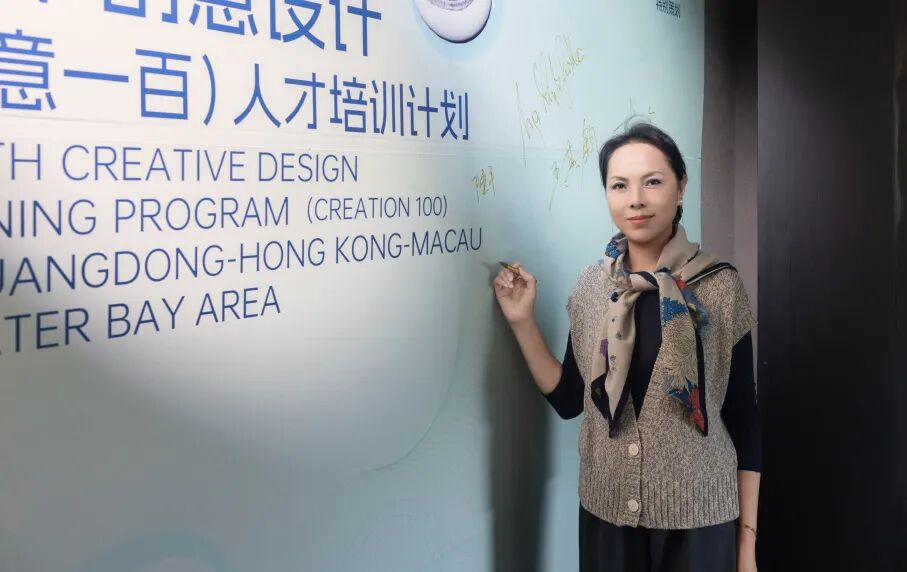
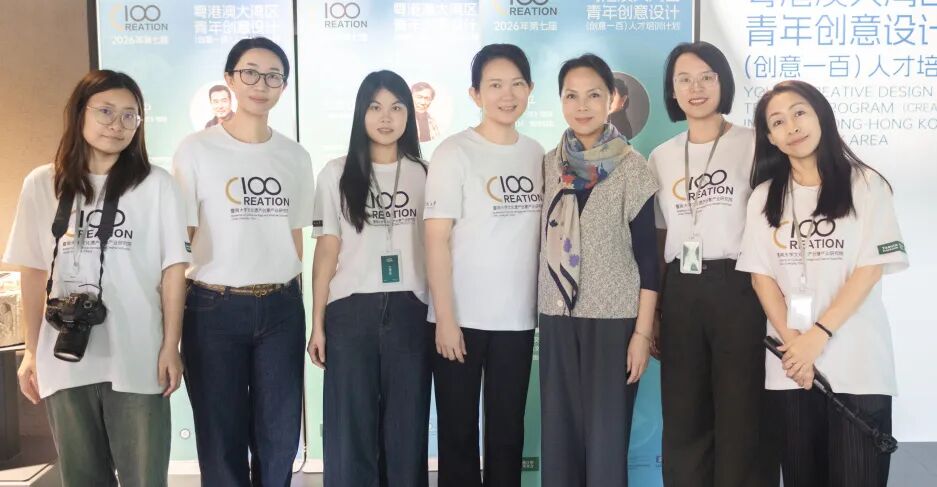
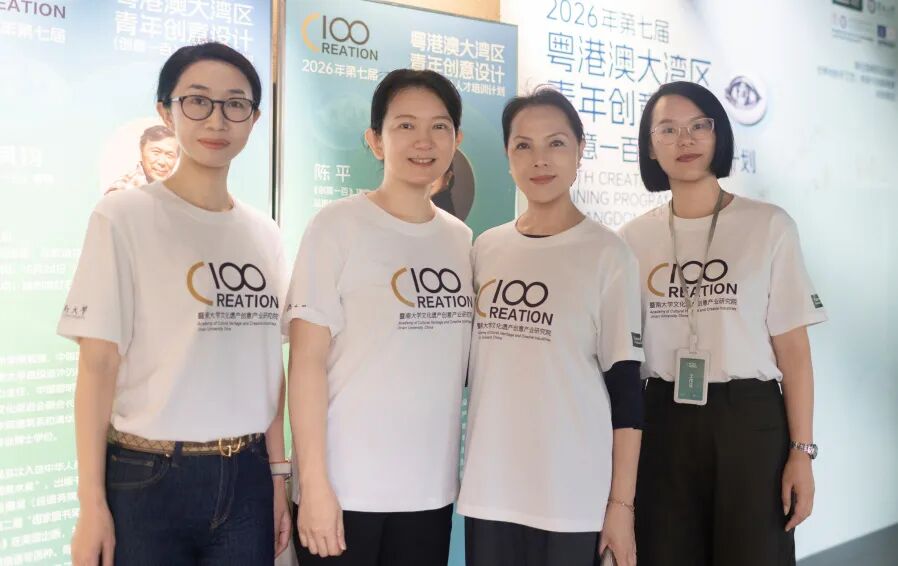
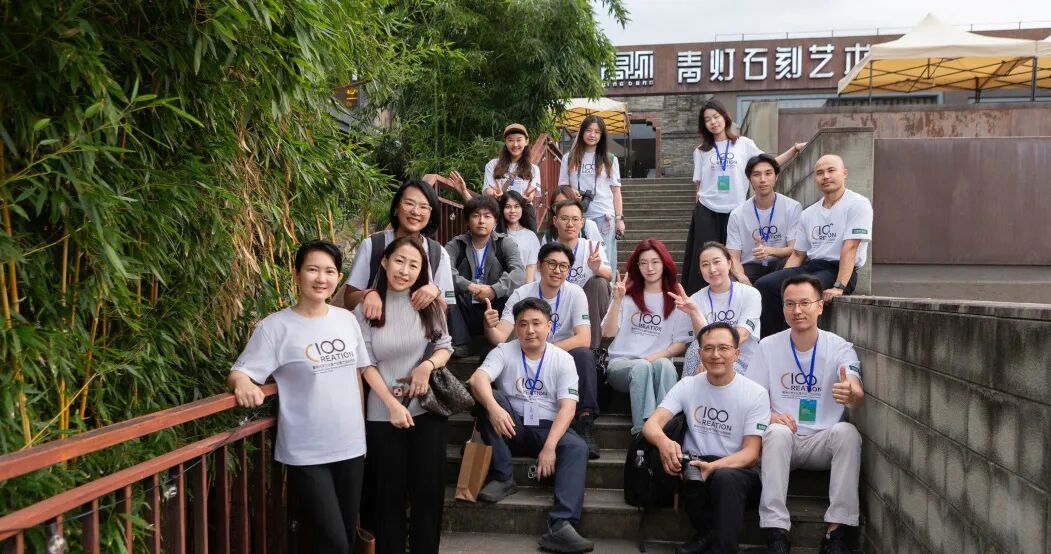
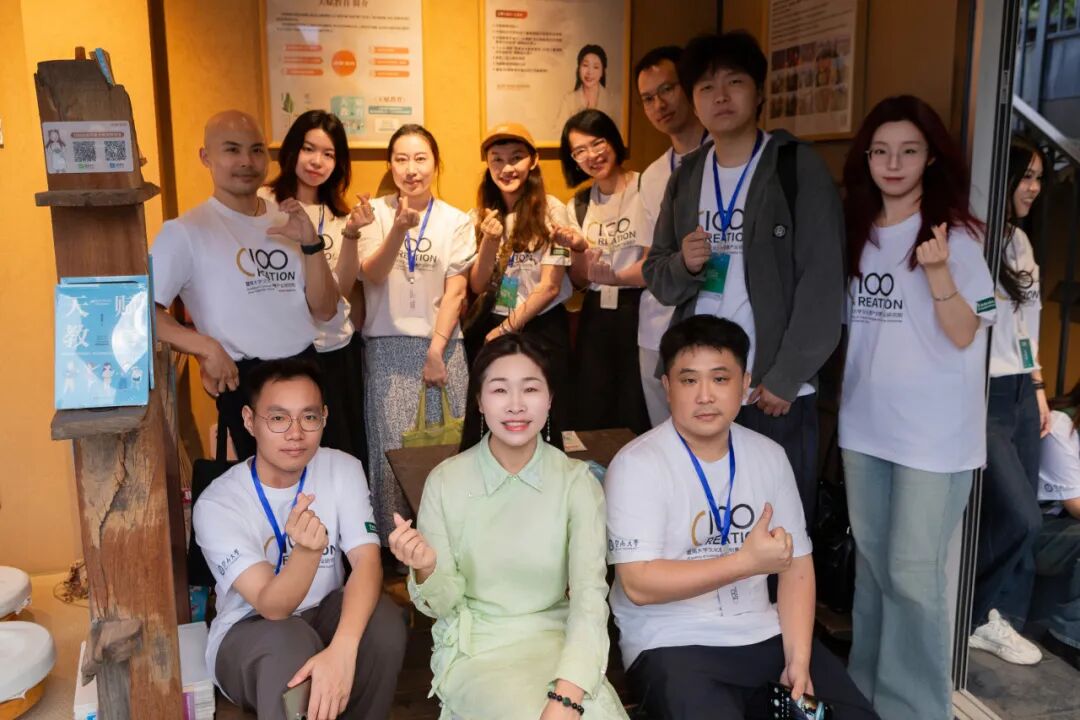
Group photo at the sign-in for the 2026 Creative 100 program
Wen Zhou | bring cultural heritage back to life
The choice of Wenzhou for the seventh "Creative 100" reflects both the city's rich tradition of craftsmanship and the fact that its dynamic private economy, cultural and creative industries and contemporary life offer a rich field of practice for understanding the modern transformation of traditional culture.
This year's program takes the Qingdeng Market as a key research subject. This cultural market, characterized by traditional handicrafts, artistic creation and lifestyle aesthetics, brings together more than a thousand stalls and attracts between five and six hundred thousand visits. Why can a cultural market generate such strong appeal? How can traditional handicrafts connect with contemporary life, cultural consumption and young people through a market? These questions will form an important part of the participants' fieldwork and research.
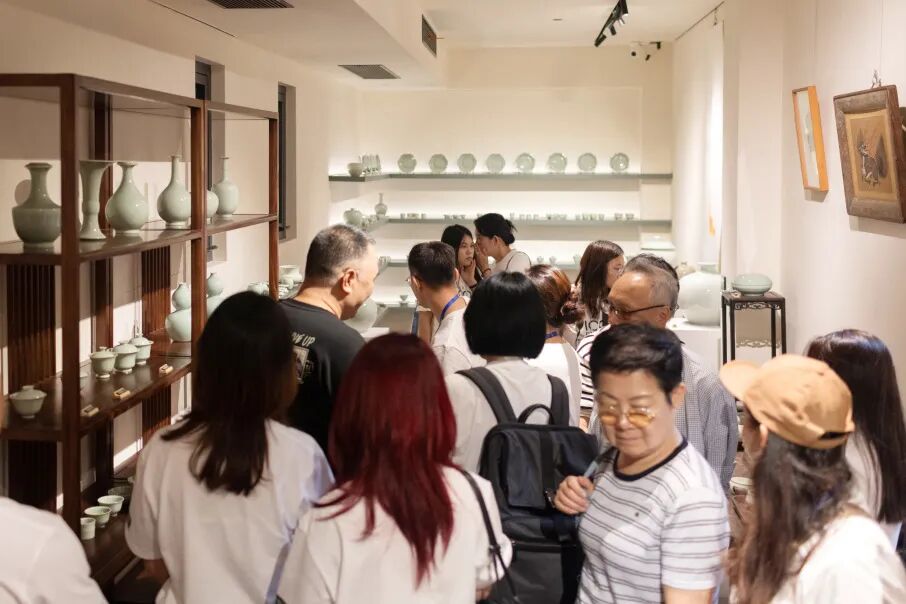
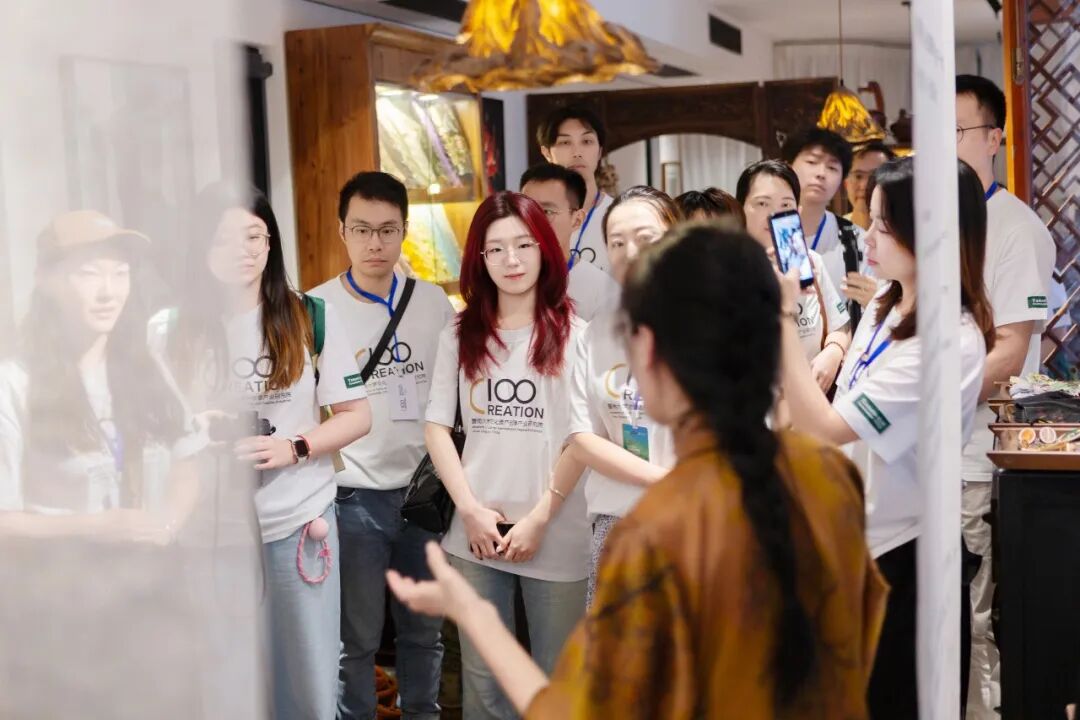
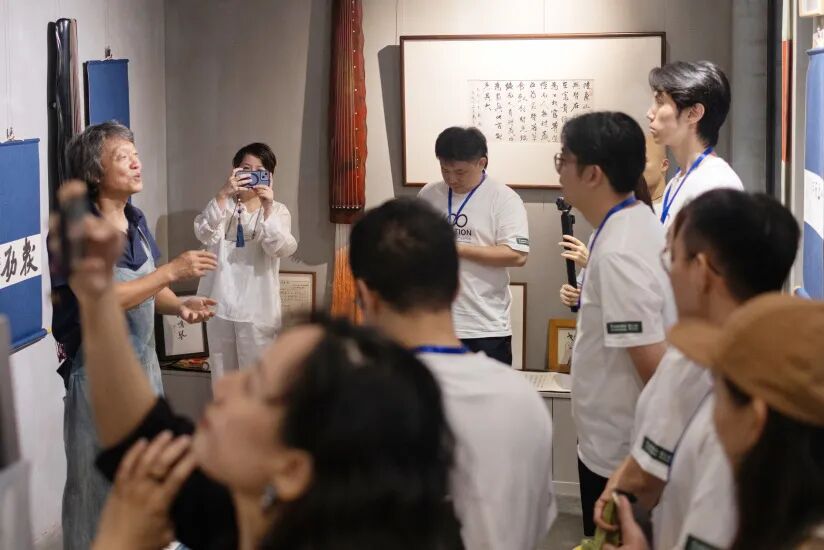
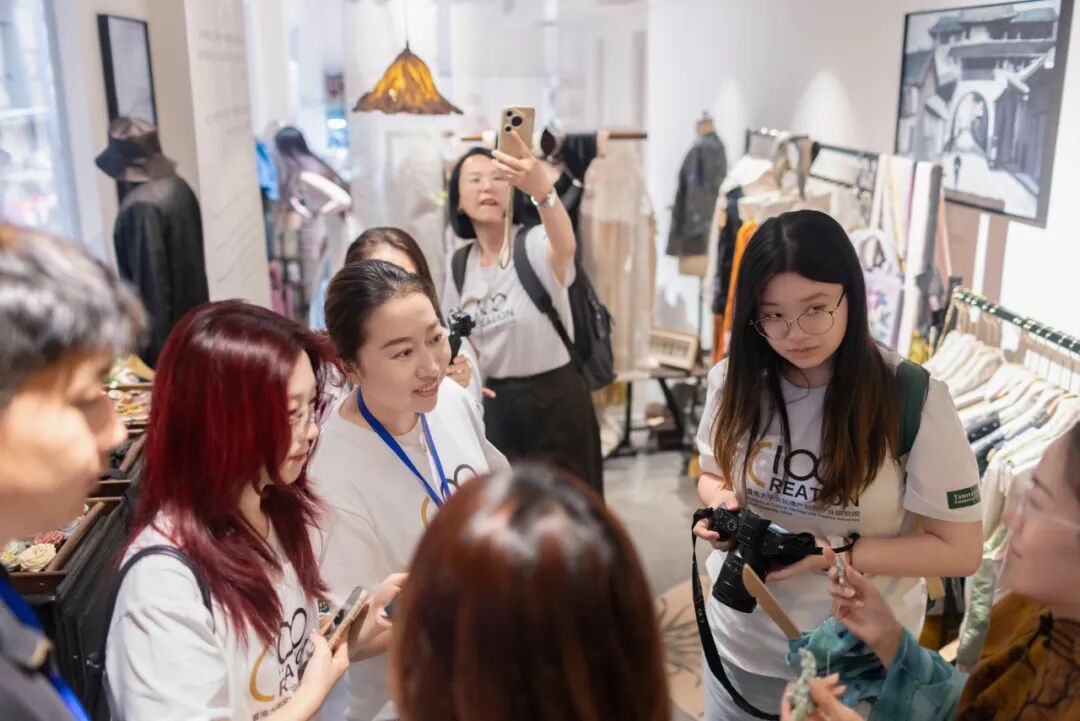
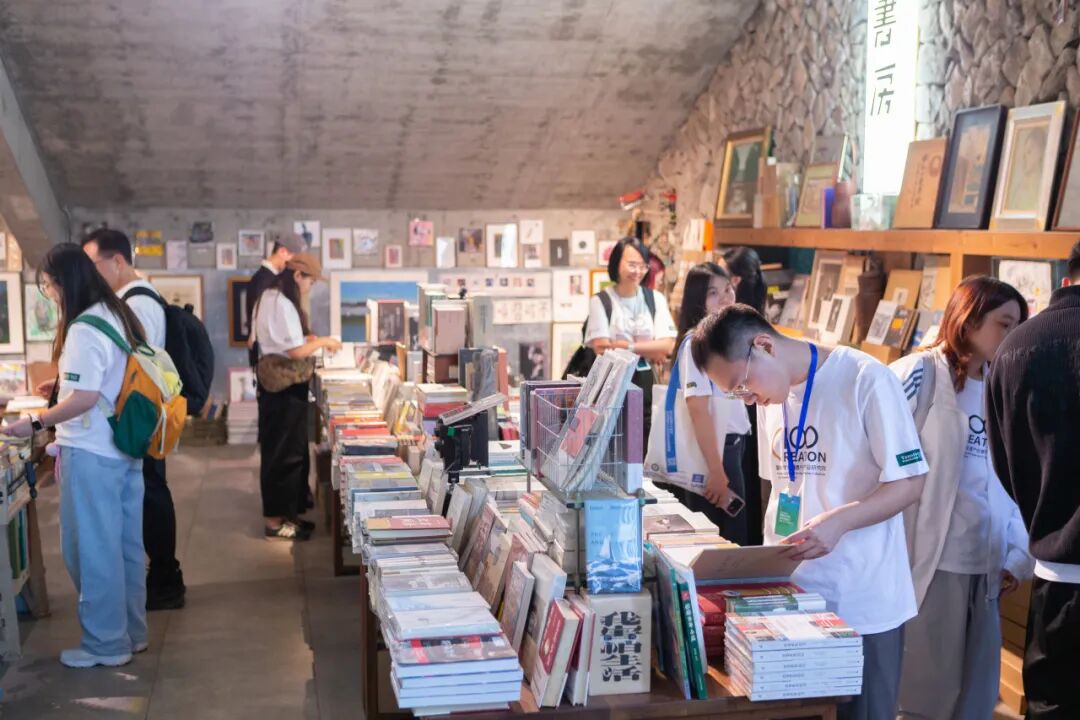
Participants exchange with artists and designers at the Qingdeng Art Community
During the program, participants will visit the historic districts of Wenzhou and the Ouhai Intangible Cultural Heritage Center, conduct fieldwork in the traditional villages of the Nanxi River area in Yongjia, and observe at the Qingdeng Stone Carving Art Museum and the Qingdeng Market the connections between traditional crafts, cultural spaces, artistic creation and the contemporary market.
This year's courses bring in experts and scholars from fields including cultural heritage preservation, traditional architecture, public art, design education, cultural and creative industries and international communication. Through lectures, site visits, mentoring and the sharing of international case studies, they guide participants to understand traditional culture and its contemporary value from different disciplinary perspectives.
"Creative 100" emphasizes starting with the question. Participants define their research direction during the opening phase, then move into the field and into communities to carry out investigations, collaborate across disciplines in light of their own professional backgrounds, and finally present their results and defend them in group sessions before the mentors. This teaching mechanism attends not only to creative output but, even more, to research method, cultural understanding, teamwork and social responsibility, encouraging young people to grow from observers of cultural heritage into researchers and creators capable of independent judgment.
Based on the 120th anniversary of Jinan University, promote cultural exchange and international cooperation
Professor Chen Ping currently serves as Global Chair of the International Organization of Folk Art (IOV) and as Chair Holder of the UNESCO Chair for the Transmission and Innovation of Traditional Handicrafts. Over the years she has consistently worked to integrate cultural heritage research, traditional craft practice and international academic exchange, and has brought the resources and experience of international cooperation into the cultivation of young talent. Drawing on the academic platform of Jinan University and the international cooperation network of the UNESCO Chair, "Creative 100" has steadily expanded cross-regional, cross-disciplinary and cross-cultural exchange, inviting scholars, designers and cultural practitioners from different countries and regions to take part in its teaching, so that young people, while learning about local cultures in China, can also encounter diverse international experiences in cultural heritage preservation and innovation.
From Guangzhou to Wenzhou, from the banks of the Pearl River to the shores of the Ou River, "Creative 100" has completed seven editions and gradually formed a path of practice that takes the city as its classroom, culture as its foundation and young people as its principal actors. As the university marks its 120th anniversary, the seventh "Creative 100" comes to Wenzhou, continuing the historical tradition of this institution for overseas Chinese in promoting cultural exchange and youth growth, and reflecting the ongoing exploration of cultural heritage education as it turns toward society and toward the future.
Seven years, city after city, cohort after cohort of young people. Cultural heritage continues within a life that is constantly changing, and young people, in the course of coming to know tradition, are finding a direction for creation of their own.