

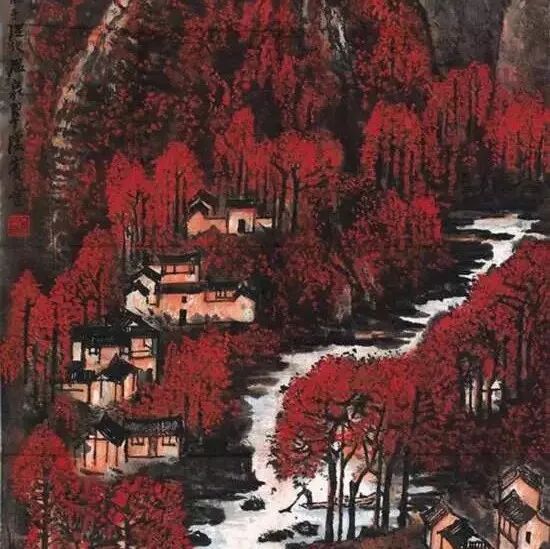
"Autumn Mountains" by Li Keran
Frost's Descent | 10.23
Frost's Descent is the eighteenth of the twenty-four solar terms, and the last solar term of autumn. The ancients named it after the words “the air grows austere and congeals, the dew condenses into frost” — as the weather cools and the gap between day and night temperatures widens, the moisture in the air settles directly into a thin layer of white ice crystals on the ground and on the grass and trees; this is what is called “frost.” With the arrival of Frost's Descent, autumn truly enters its closing movement. From here on, the land turns from abundance toward stillness; all living things draw in their brilliance and gather strength for the long winter ahead.
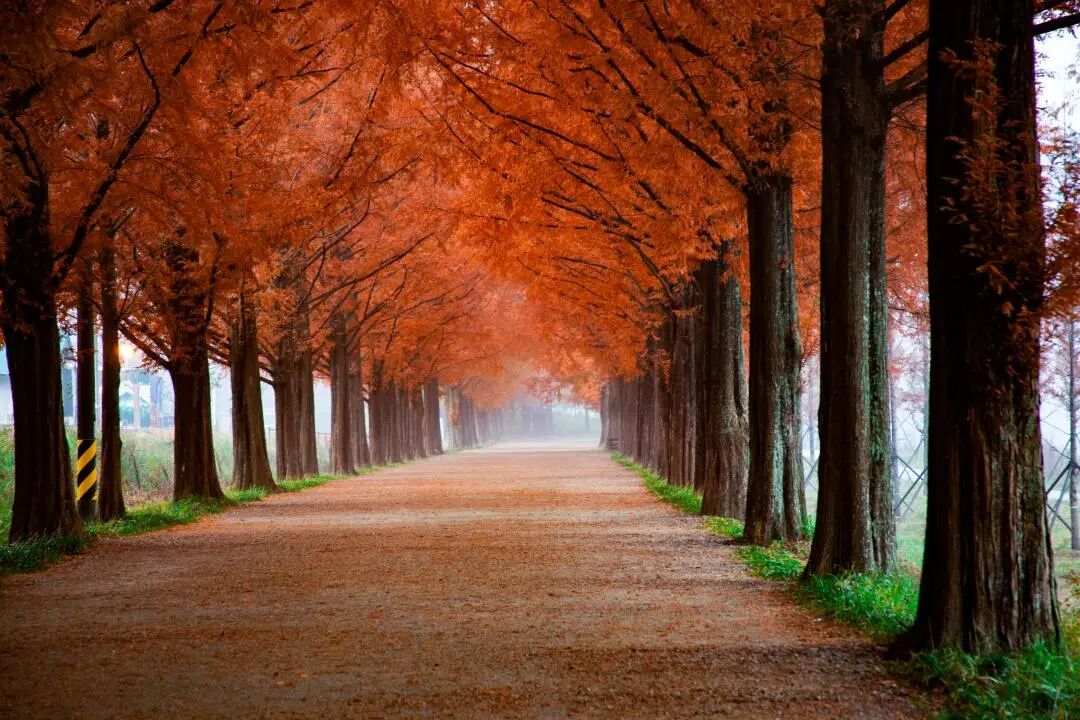
Now the golden wind rustles and the silver frost lies heavy. Across the vast fields, maples, smoke trees and other trees are burned orange-red by the autumn frost — “frost-bitten leaves redder than the flowers of the second month,” as the poem has it. Hill after hill glows like fire and brocade, dazzling and ardent, like so many vivid watercolours. Amid this gorgeous autumn scene, winter draws ever nearer.
Frost's Descent · The Three Pentads

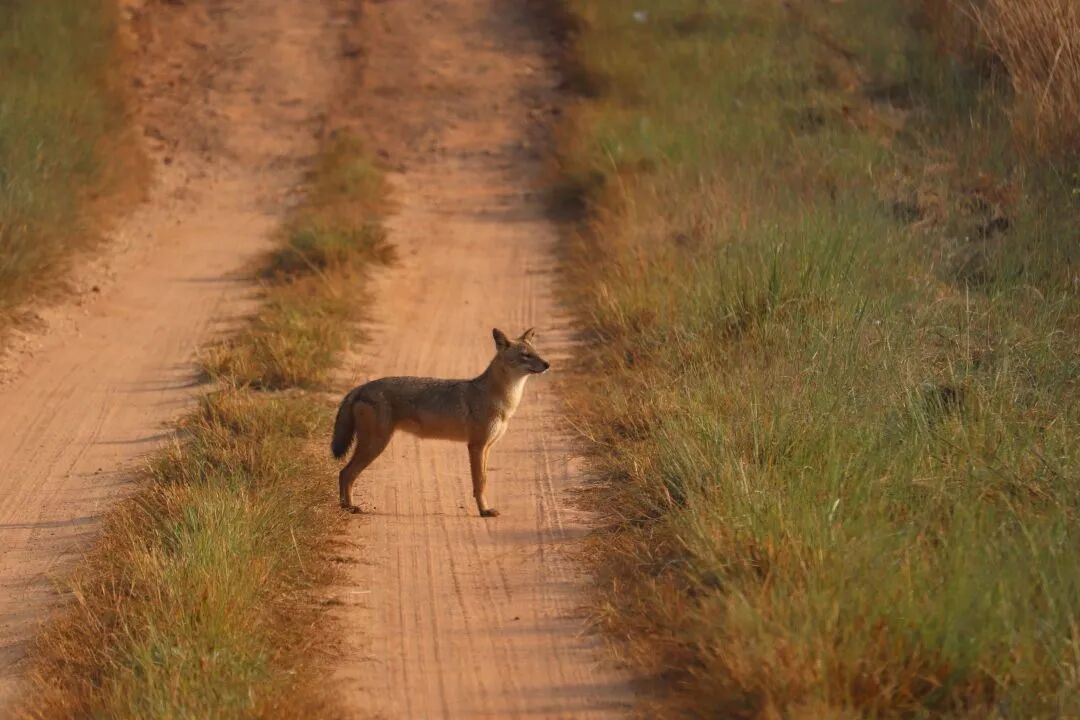
The First Pentad · Jackals Offer Their Prey
Jackals begin to take their prey and lay the bodies out before their dens, seemingly as an “offering.” The ancients took this for the beasts' gratitude toward heaven and earth; in truth it reflects the instinct of animals to lay in stores for the winter.
The Second Pentad · Grass and Trees Yellow and Fall
The autumn wind sighs, and the leaves of grass and trees turn yellow and drop one after another. The earth sheds the luxuriance of high summer and returns to simplicity and openness.

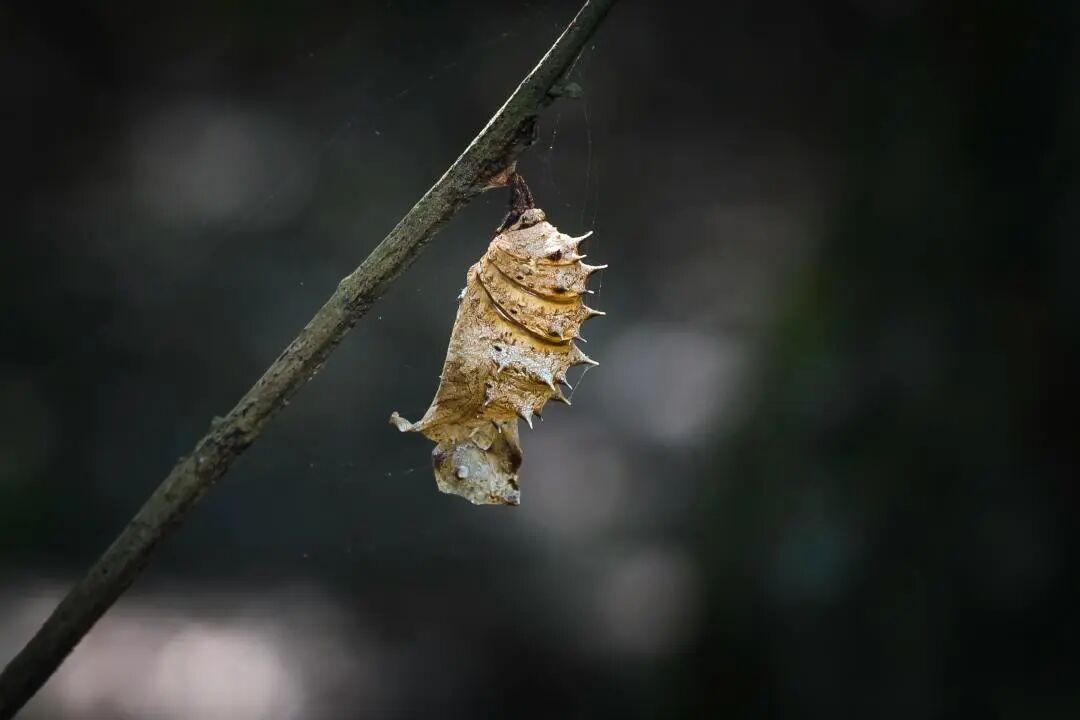
The Third PentadInsects Bow Their Heads
Insects dormant in the soil lower their heads and slip into hibernation, stirring no more. Heaven and earth thereupon enter a season of silent rest.
Frost's Descent · Customs
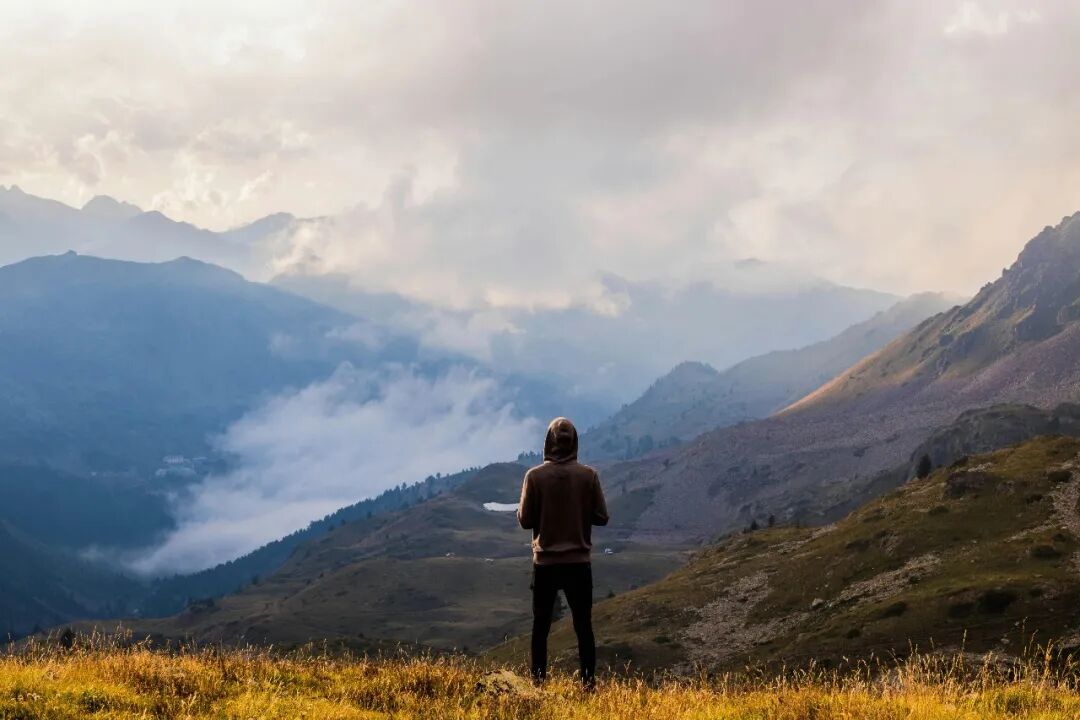
/ Climbing High for a Far-Reaching View /
In late autumn the hills are washed in layers of colour, and the fine weather around Frost's Descent makes this the perfect time to climb high and gaze into the distance. People ascend to enjoy the autumn, open their hearts and ease their spirits, and in doing so bid the season farewell.
/ Admiring Chrysanthemums /
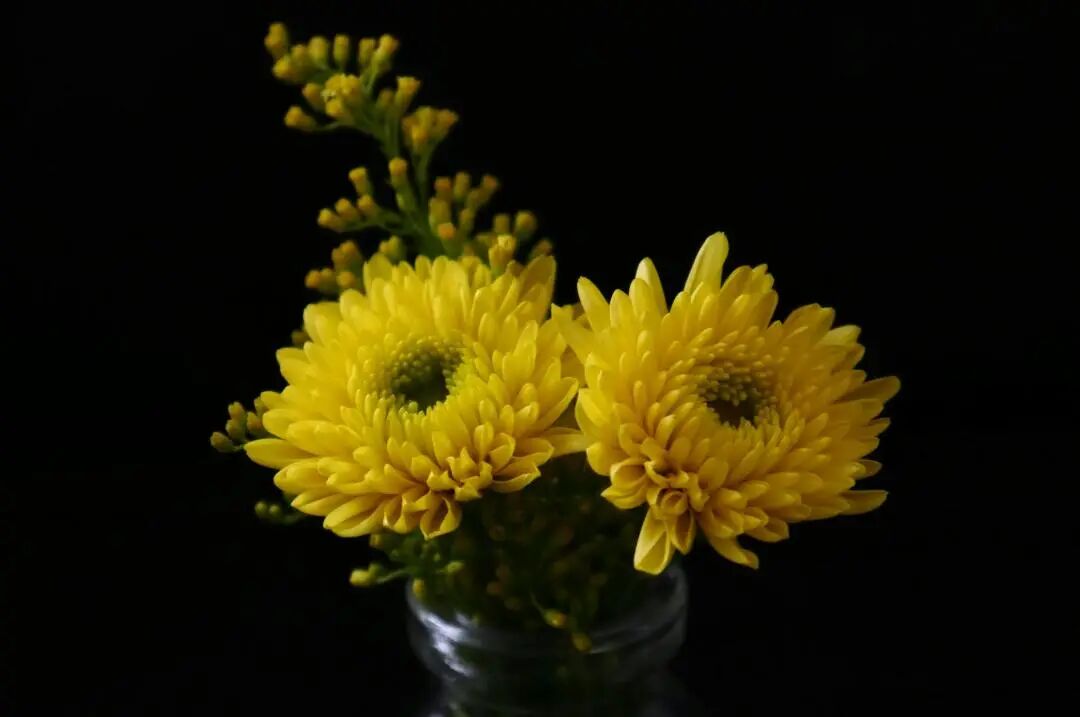
Chrysanthemums are in full bloom at Frost's Descent, and the ancients called this month the “Chrysanthemum Moon.” To admire the flowers, to write poems about them and to drink chrysanthemum wine — these are autumn pleasures shared by scholars and ordinary people alike.
Frost's Descent · Wellness
For health at Frost's Descent, remember four things: moisten dryness, keep the body warm, conserve yang, and calm the mind. Sleep early and rise early to protect yang qi; eat moistening foods to counter autumn dryness; nourish the stomach gently to ward off wind and cold; and keep a tranquil heart through the deepening autumn.
/ Early to Bed, Early to Rise — Mind the “Three Warmths” /
Follow the natural order: retire early to nurture yin, rise early to ease the lungs, and secure ample sleep, which helps the yang qi to be gathered inward.

/ Combat Dryness First; Gentle Nourishment Is Best /
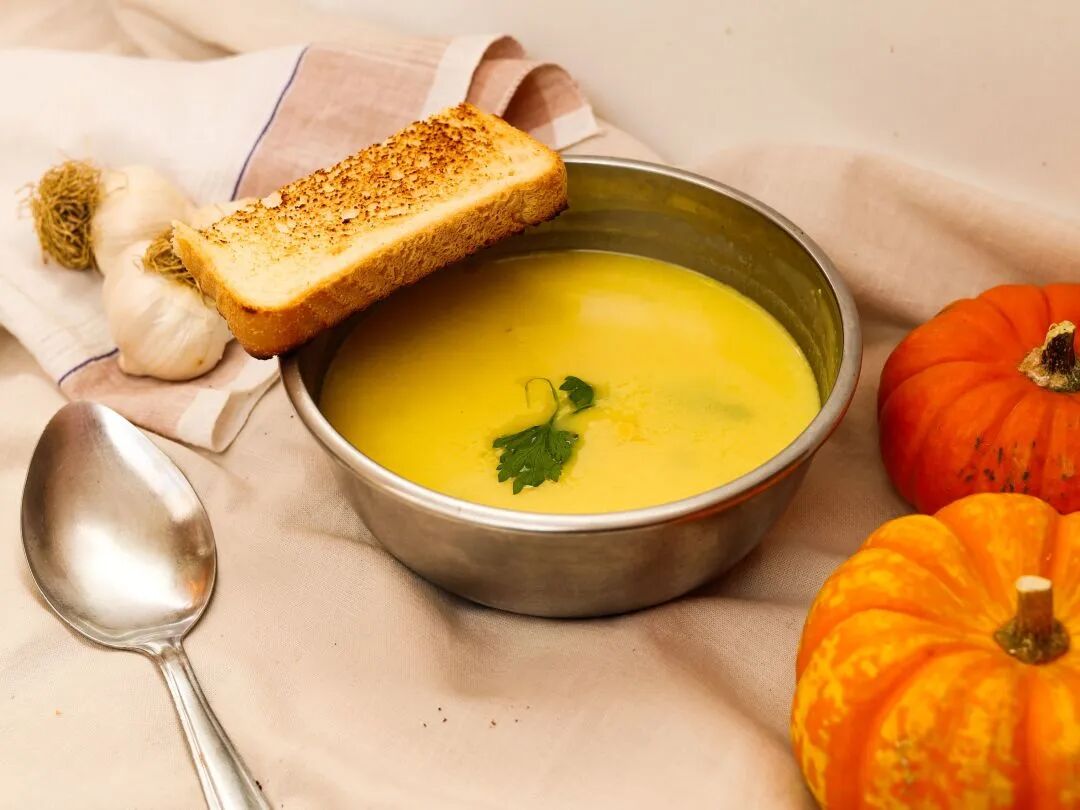
As the saying goes, “better to tonify at Frost's Descent than at the start of winter,” but tonifying here does not mean eating rich, heavy food — warmth and moistness come first. This is a good time to eat foods that strengthen the spleen, warm the stomach, nourish yin and moisten the lungs; Chinese yam, chestnuts and pumpkin are all seasonal treasures.
/ Calm the Mind and Gather the Spirit, Away with “Autumn Sorrow” /
Spend more time outdoors in the clear, crisp autumn air; bask in the sun and listen to soothing music to lift the spirits. Avoid excessive brooding and emotional swings; practise deep breathing and seated meditation so that the mind grows calm, in keeping with the principle of “autumn's gathering in.”

Frost's Descent is a farewell letter that autumn writes to the earth. It carries a touch of chill, yet it also hides the lingering echo of the harvest and the seed of next year's spring. At this season, add a layer of clothing, warm a pot of tea, eat a sweet persimmon, and watch the hillsides glow red — bid autumn a sincere farewell, then welcome winter in peace.
The Twenty-Four Solar Terms
They are the specific seasonal markers in the sexagenary (Ganzhi) calendar that express the rhythms of natural change and establish the “twelve month-jian.” They were originally set by the turning of the stars: the Big Dipper circles endlessly, and its handle sweeping through east, south, west and north makes one cycle, called a “sui” (year), each cycle beginning at the Start of Spring and ending at the Great Cold. The Twenty-Four Solar Terms are a vital part of the Chinese nation's long history and culture, condensing the finest essence of Chinese civilisation. Over time, the lunar calendar absorbed the solar terms of the Ganzhi calendar as a supplement, and used intercalation to bring it into line with the tropical year, forming a lunisolar calendar — and so the Twenty-Four Solar Terms became an important part of the lunar calendar itself. In international meteorological circles they are hailed as “China's fifth great invention.” On 30 November 2016, the Twenty-Four Solar Terms were officially inscribed on UNESCO's Representative List of the Intangible Cultural Heritage of Humanity.
