

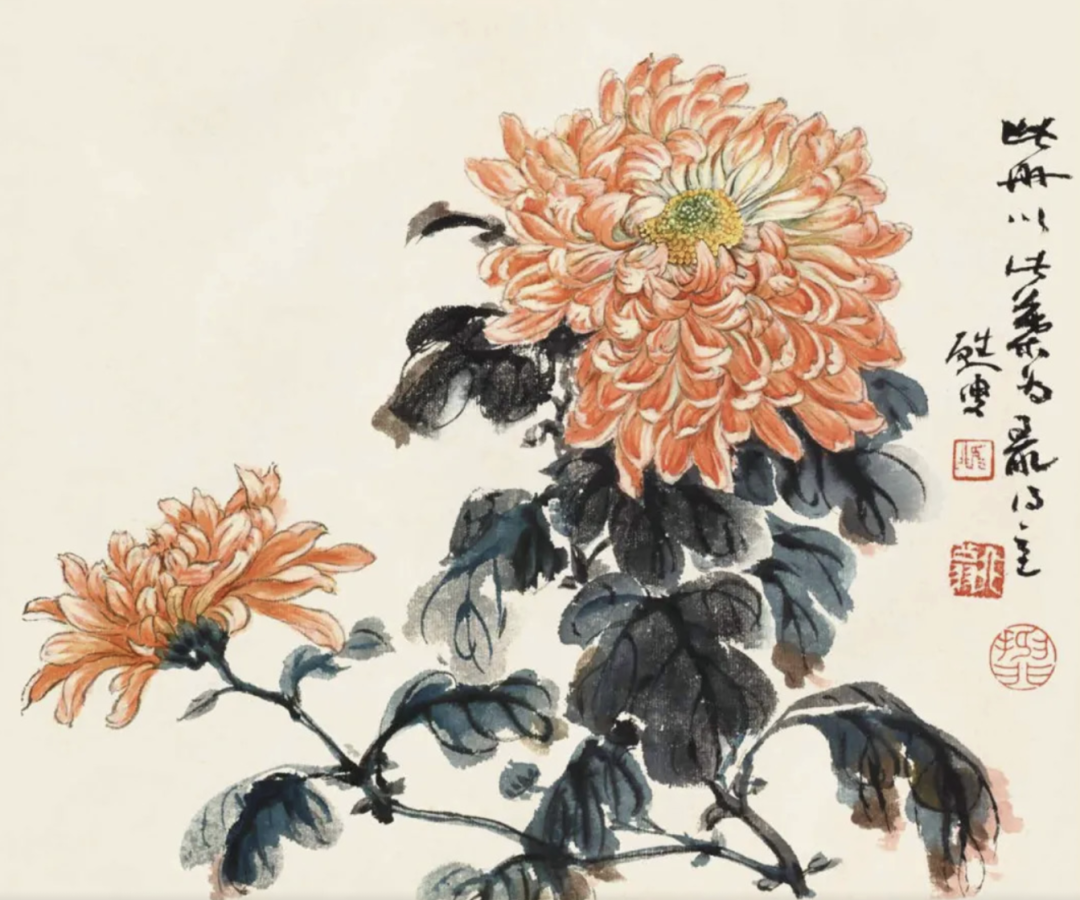
Chrysanthemums by Lu Yifei
Cold Dew / 10.8
Cold Dew is the seventeenth of the twenty-four solar terms, and the fifth of autumn. The Yueling Qishier Hou Jijie (Collected Explanations of the Seventy-Two Pentads) explains: “In the ninth month, the dew grows cold and is about to congeal.” By this time, temperatures have dropped below those of White Dew, dew gathers more thickly, and carries a chill — hence the name “Cold Dew.” Cold Dew is the earliest of the twenty-four solar terms to carry the character “cold”, reminding us that the weather is slowly turning cool and that we should add an extra layer when going out in the morning and evening.
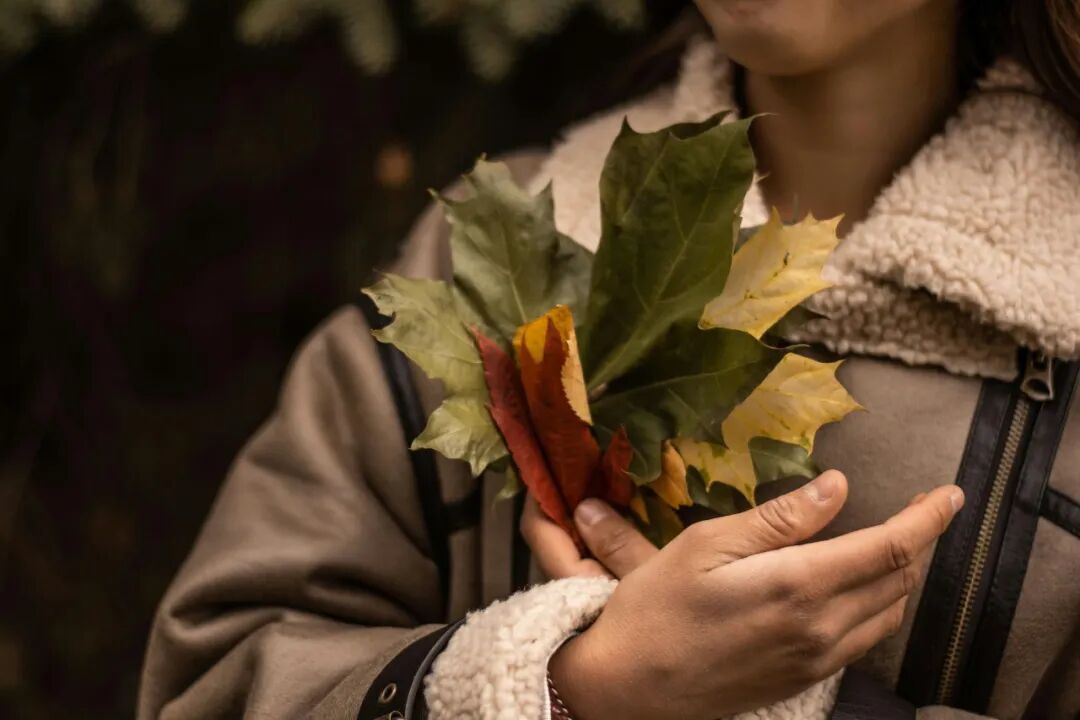
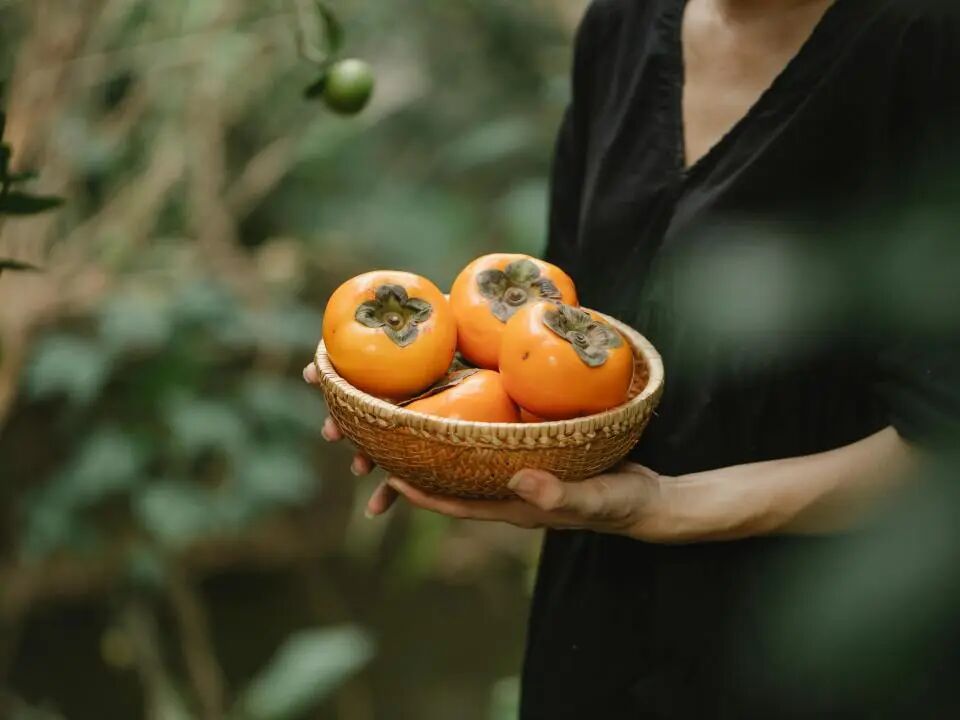
In the season of Cold Dew, the sky is high and the air crisp; the first frost may appear, and maple leaves gradually dye the mountain slopes red as we wander deeper into autumn. “Distant mountains, a high sky, water cold in the mist; longing thoughts dyed in crimson maples” — at Cold Dew, white clouds and red leaves share the scene, persimmons ripen sweet, cotton ripens in the fields, and yellow chrysanthemums burst gloriously into bloom… We step into what feels like the autumn within autumn.
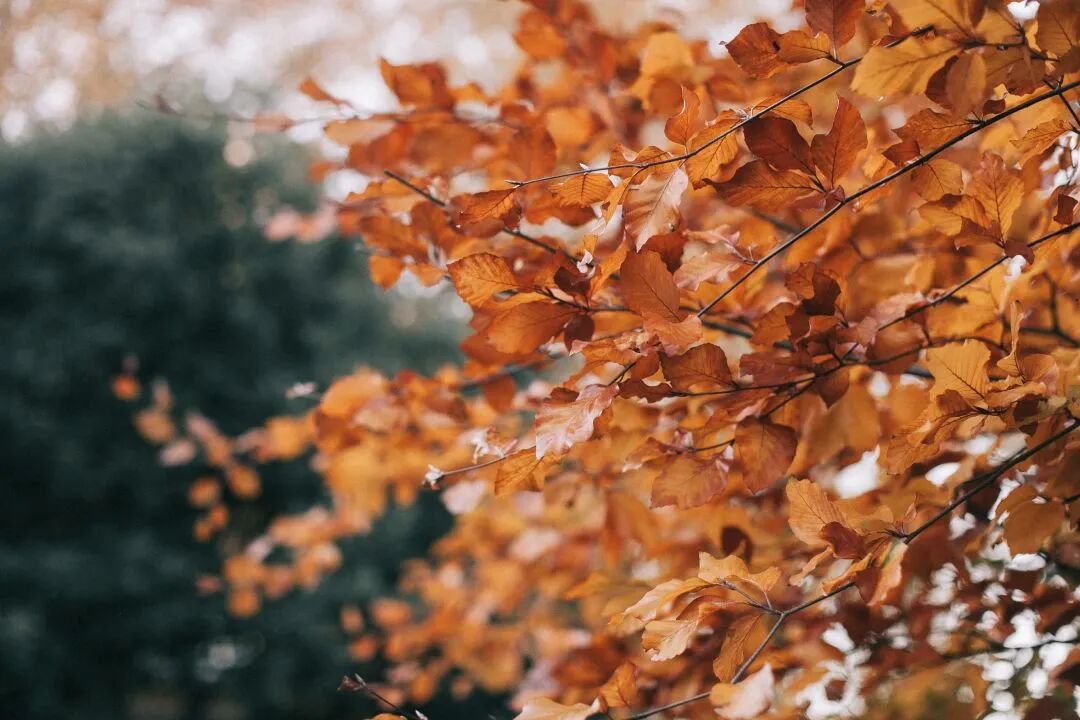
Cold Dew · The Three Pentads

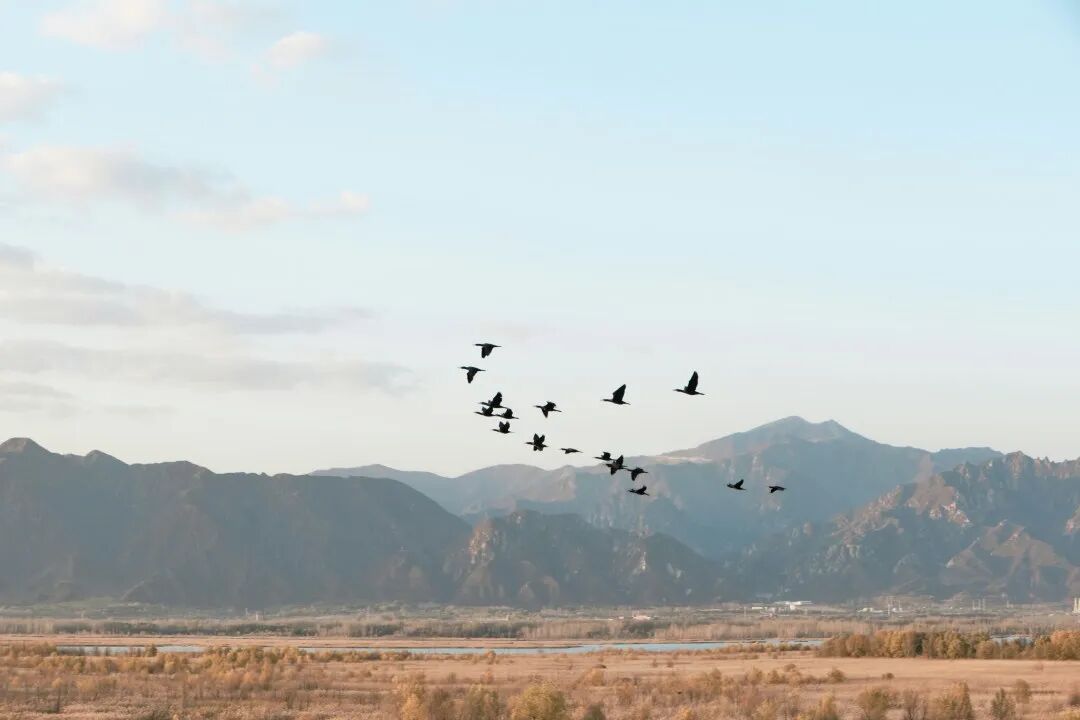
First Pentad · Wild Geese Arrive as Guests
At White Dew the wild geese “arrive”; at Cold Dew the wild geese “arrive as guests.” The single word “guest” captures a beautiful sense of order — the first flocks have already flown south, and these are the slightly later travelers, lining up in a V or in a single row, skimming the high, distant autumn sky. The precision of the ancient observers is astonishing: even the order in which the migratory birds departed was recorded. Lift your head now, and you see a vast pale sky, hear the clear cries of geese — the most iconic image of mid-autumn.
Second Pentad · Sparrows Plunge into the Great Water and Become Clams
As the weather turns cold, sparrows disappear from sight; meanwhile, clams along the coast begin to appear in great numbers, and the patterns on their shells resemble the markings of sparrow feathers. The ancients, in a flash of poetic imagination, believed that the missing sparrows had plunged into the water and become clams. The observation is, of course, inaccurate — yet the association is deeply moving. At the start of nature's withering, a single word, “transform”, dissolved the fear of life slipping away and turned parting into a continuation in another form.

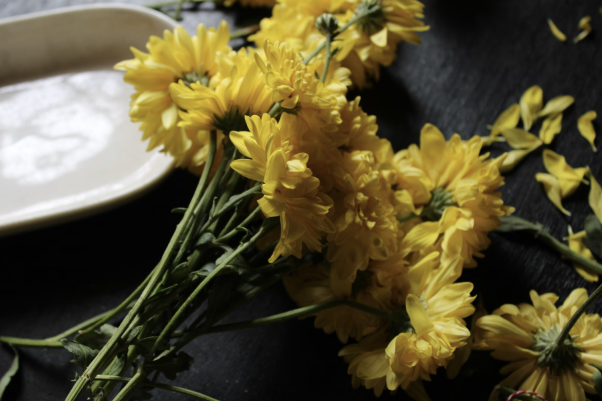
Third Pentad · Chrysanthemums Bloom in Yellow
“Yellow” refers to the original color of chrysanthemums; “bloom” here means to flower in full. As autumn chill deepens and “a hundred flowers wither at Cold Dew,” and all things grow visibly desolate, chrysanthemums are already opening everywhere across the land.
Cold Dew · Customs
/ Admire Chrysanthemums and Sip Wine — a Cup of Autumn's Pure Fragrance /
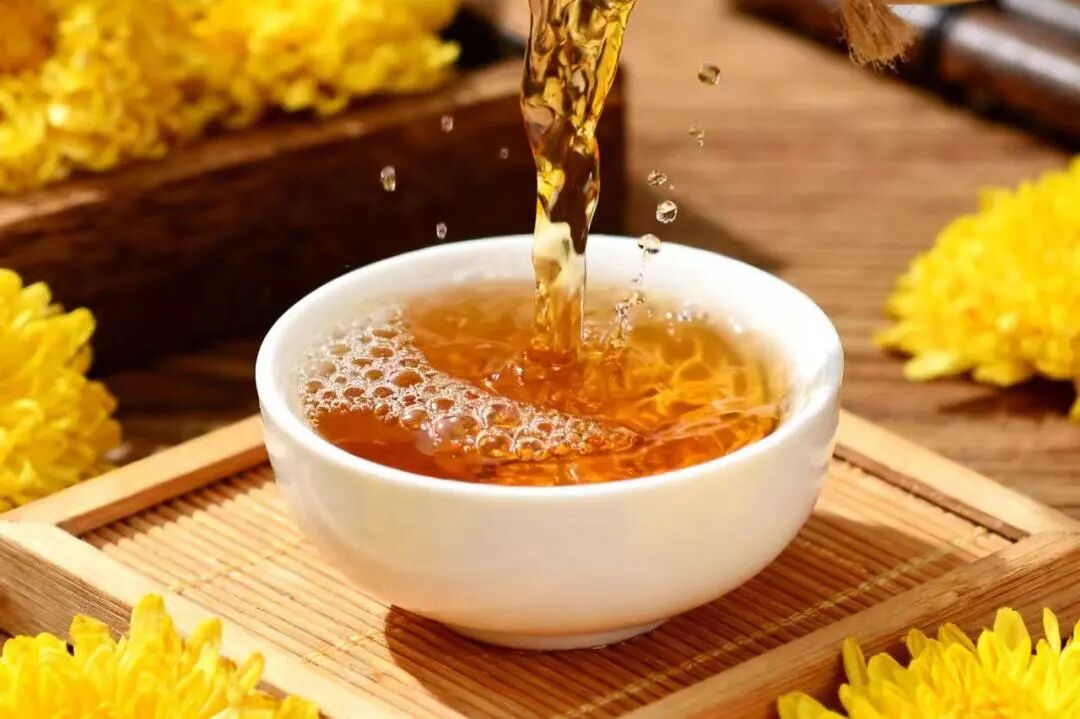
The chrysanthemum is the flower of the Cold Dew season. The ancients brewed chrysanthemum wine with wolfberry and regarded it as a “wine of longevity.” Tao Yuanming's “wine by the eastern fence” and Li Qingzhao's “hidden fragrance filling the sleeves” are both literary echoes of this custom. Even if you do not drink, brewing a cup of chrysanthemum tea and breathing in its faint, bittersweet scent is enough not to waste the season.
/ Climb High and Gaze into the Distance — Watching Ten Thousand Mountains Turn Red /
By Cold Dew, the north has already become a tapestry of autumn color. The red leaves of Beijing's Fragrant Hills and the fiery maples of Nanjing's Qixia Mountain are at their best viewing time. Climbing high fits the season perfectly, and is also a “farewell to the green” — set against the springtime “treading the green”, it is autumn's last intimate encounter with the open country. Standing at the top and gazing far, autumn enters your heart, and the knots in your chest dissolve with the view.

/ Fishing by the Autumn Shore, Crabs at Their Plumpest /
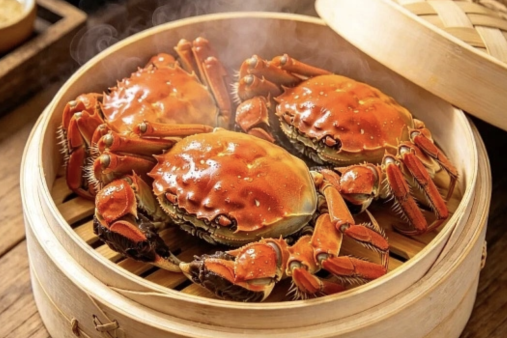
“In the ninth month the crab's navel is round; in the tenth month it tapers.” At Cold Dew, the female crab is full of roe and fat — the perfect time to enjoy crab — hence the saying, “At Cold Dew one's feet begin to move; shrimps and crabs go on a spree.” Chrysanthemums, yellow wine, holding a crab in hand while admiring osmanthus — together they form the classic combination of late autumn in the Jiangnan region.
Cold Dew · Wellness
Wellness during Cold Dew centers on staying warm and protected from the cold, nourishing yin and preventing dryness, keeping a regular routine, getting moderate exercise, and maintaining a pleasant frame of mind.
/ Warmth · At White Dew, the Body Should Not Be Bared; at Cold Dew, the Feet Should Not Be Bared /
This folk saying is the most important reminder. The feet are the starting point of the three yin meridians of the foot, the farthest point from the heart, have a thin layer of fat, and are the most vulnerable to cold. After Cold Dew, sandals should be put away for good; wear shoes and socks that cover the ankles, and soak the feet in hot water every night (around 40 °C, until you sweat gently). A little ginger or mugwort leaf can be added to drive out the cold from the body. The neck, the waist and abdomen, and the knees also need focused warmth — never trade warmth for style.
/ Moisture · Nourish Yin and Guard Against Dryness; the Lung Comes First /
Cool dryness injures the lung most easily, with symptoms such as dry mouth and throat, dry cough with little phlegm, itchy skin, and dry stools. In terms of diet, the rule is “less pungent, more sour” — eat fewer chili, Sichuan pepper, and ginger (which disperse and aggravate depletion), and eat more sour flavors to help the lung qi gather inward.
/ Gathering · Go to Bed Early and Rise Early; Conserve Your Spirit /
The Huangdi Neijing (The Yellow Emperor's Inner Classic) says: “In the three months of autumn… go to bed early and rise early, rising with the roosters.” Early sleep follows the gathering of yin essence, and early rising helps the lung qi expand. In exercise, the rule is “gather” rather than “release” — choose gentle practices such as tai chi, Baduanjin, jogging, or brisk walking, and avoid breaking out in heavy sweat, because excessive sweating depletes yang qi. As late autumn deepens, pay attention to your own emotions and those of your family, keep the mind calm and even, and prevent autumn's killing energy from affecting health too strongly.
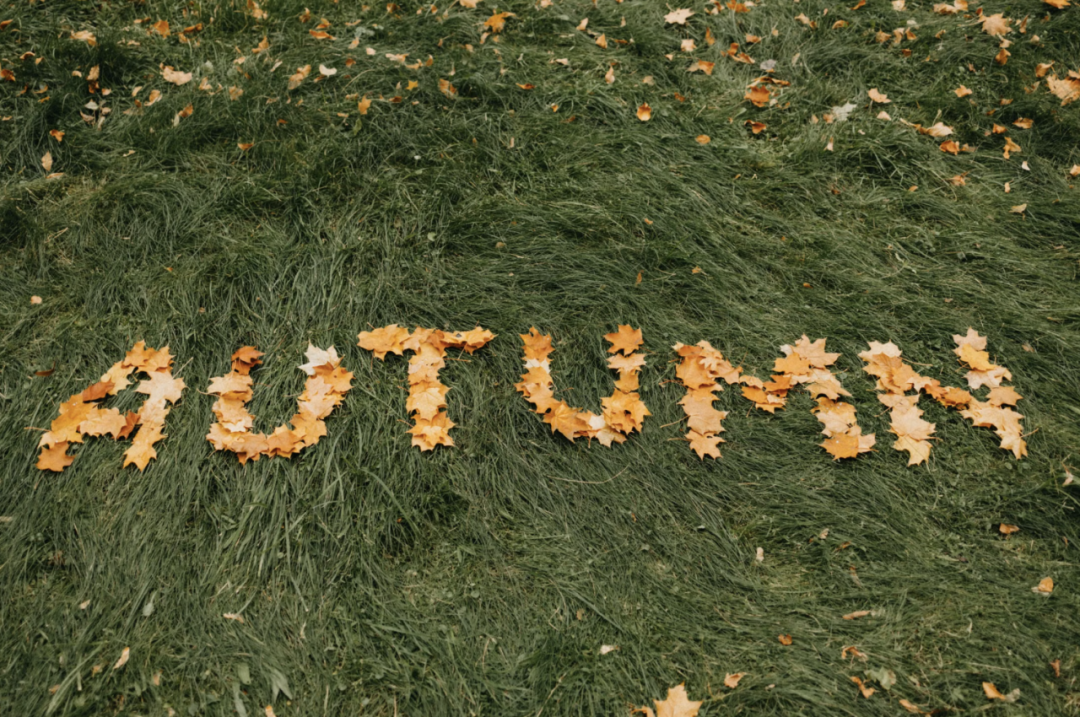
The geese know to fly south; the sparrows know to hide; the chrysanthemum knows to bloom in its own season. So it is with people — knowing how to gather and store as the cold draws near is what allows us, when the spring breeze comes again next year, to unfold with quiet ease. Dew congeals into frost; autumn deepens a further degree. May you add a layer, may you stay warm and moist, and may you and I both be well this autumn.
The Twenty-Four Solar Terms
The Twenty-Four Solar Terms are the specific divisions of the ganzhi calendar that mark the rhythms of nature and establish the “twelve monthly pillars.” They were originally formulated by observing the rotation of the Big Dipper: the handle of the Dipper circles east, south, west, and north — a full rotation forming one cycle called a “suì” (year), each one beginning with Start of Spring and ending with Greater Cold. The Twenty-Four Solar Terms are an important part of the long historical and cultural tradition of the Chinese nation, embodying the very essence of Chinese civilization. Over its development, the agricultural calendar incorporated the solar-term elements of the ganzhi calendar as a supplement, and through the “intercalary-month adjustment” aligned itself to the tropical year, giving rise to the lunisolar system in which the Twenty-Four Solar Terms became an essential component. In the international meteorological community, the Twenty-Four Solar Terms have been hailed as “China's fifth great invention.” On 30 November 2016, the Twenty-Four Solar Terms were officially inscribed on the UNESCO Representative List of the Intangible Cultural Heritage of Humanity.
