

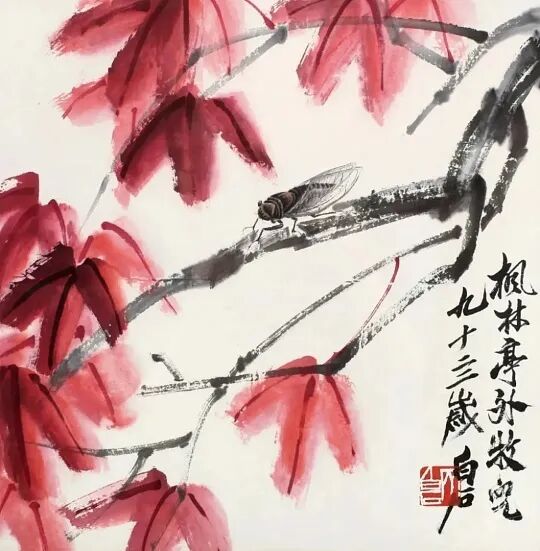
Qi Baishi · Maple Leaves and Cicada, an Ink Wash Sketch
Autumn Equinox 9.23
The Autumn Equinox (Qiufen) is the sixteenth of the twenty-four solar terms and the fourth of autumn. Every year, between September 22 and 24 in the Gregorian calendar, when the sun reaches 180 degrees of celestial longitude and shines directly over the Earth's equator, the Autumn Equinox arrives right on schedule.
The ancient text Collected Explanations of the Seventy-Two Pentads says: "Fen means half. At the Autumn Equinox, yin and yang are each half, so day and night are equal and heat and cold are balanced." This single character "fen" captures the whole essence of the term—on this day, sunlight falls almost directly on the equator, and in most parts of the world day and night are of equal length, twelve hours each. Thereafter, the point of direct sunlight keeps moving south; days in the Northern Hemisphere grow shorter and nights longer, the chill deepens, and the colors of autumn grow richer.
"Plant one grain of millet in spring, and harvest ten thousand seeds in autumn." The Autumn Equinox is a key season for both harvest and sowing, and it is also China's Farmers' Harvest Festival. As the saying goes, "White Dew is too early, Cold Dew too late—the Autumn Equinox is just the right time to sow wheat." Before the equinox, the trees stand lush and full of leaves; after it, the wind turns bleak and falling leaves swirl through the air.
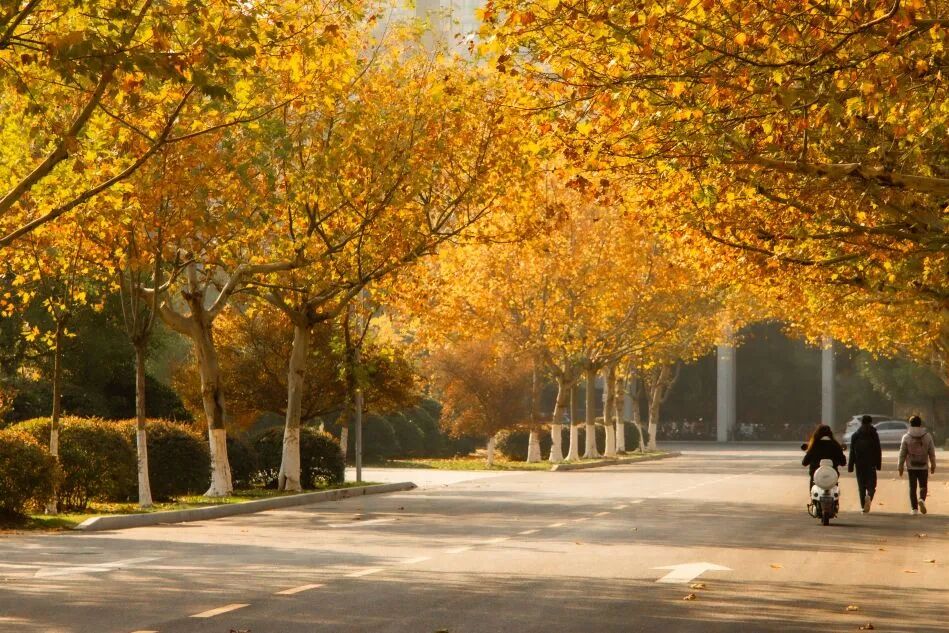
Autumn Equinox · The Three Pentads

First Pentad: Thunder Withdraws Its Voice
The summer heat ends and the autumn chill begins. The ancients believed that thunder sounds when yang energy is strong; after the Autumn Equinox, yin energy gradually waxes and the air turns dry, making thunder and lightning hard to form, so the thunder gradually falls silent. As Bao's commentary notes: "Thunder sounds in the second month amid yang, and withdraws its voice in the eighth month amid yin; when it enters the earth, all things enter with it."—As thunder retreats into the ground, all living things also go into hiding.
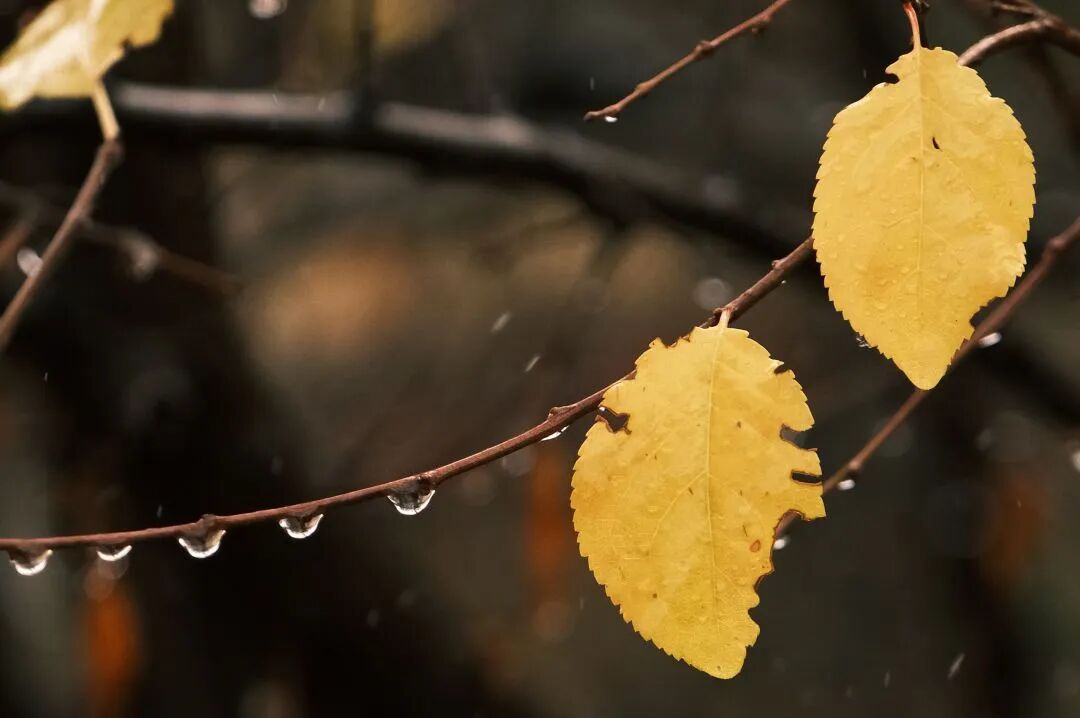
Second Pentad: Hibernating Insects Seal Their Burrows
"Huai" (here pronounced péi) means to attach to or to seal. Hibernating animals gradually feel the call of the stern, austere air of heaven and earth and retreat into doorways, caves, and the soil, usually not waking until the Awakening of Insects the following year.
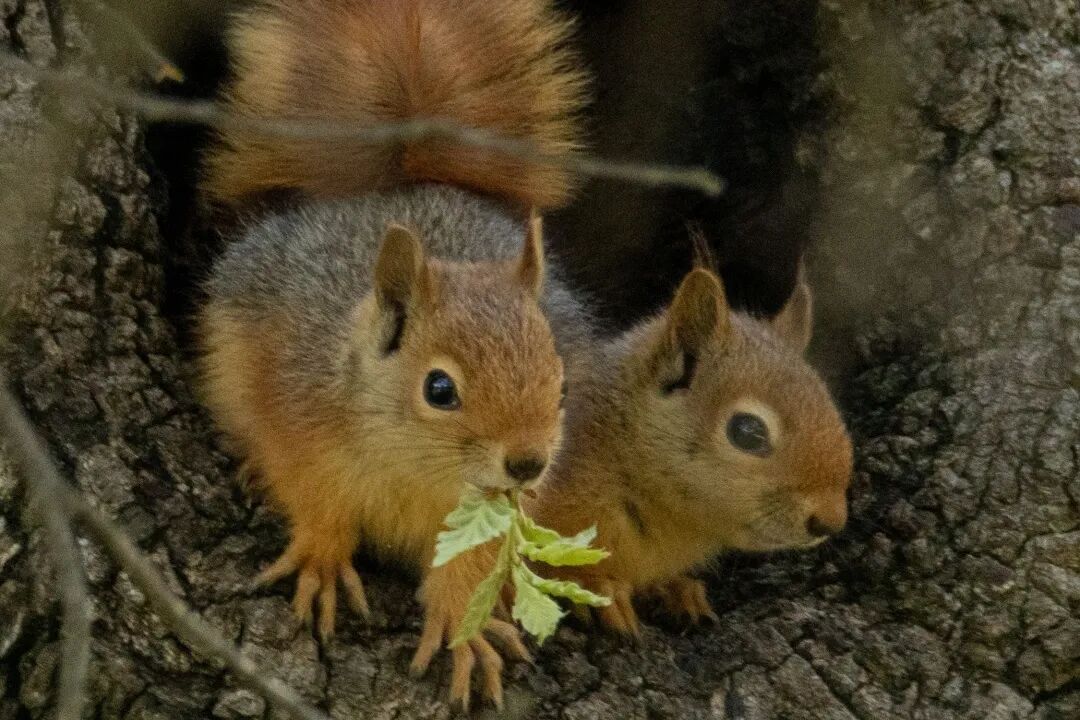
Third Pentad: Waters Begin to Dry
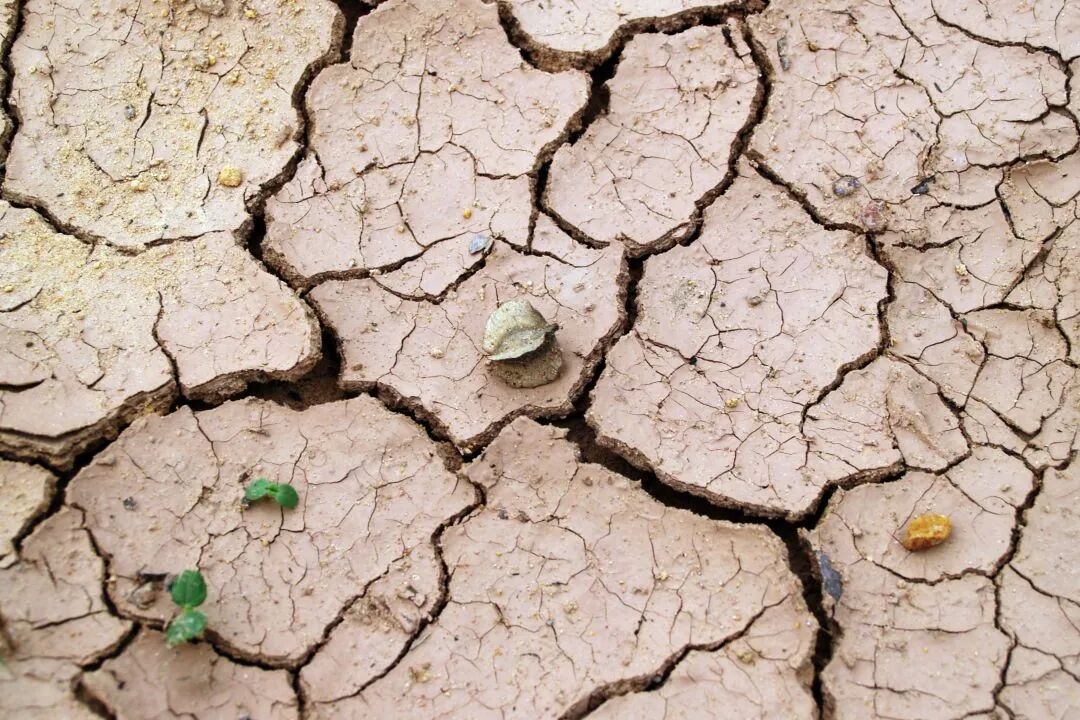
Rainfall decreases, the weather turns dry, and evaporation speeds up. The water in lakes and rivers begins to dwindle, and some small ponds and marshes gradually dry up. The Book of Rites notes: "Water is the work of qi; in spring and summer qi arrives, so waters rise; in autumn and winter qi retreats, so they run dry."
Autumn Equinox · Customs
/ Eating Autumn Greens/
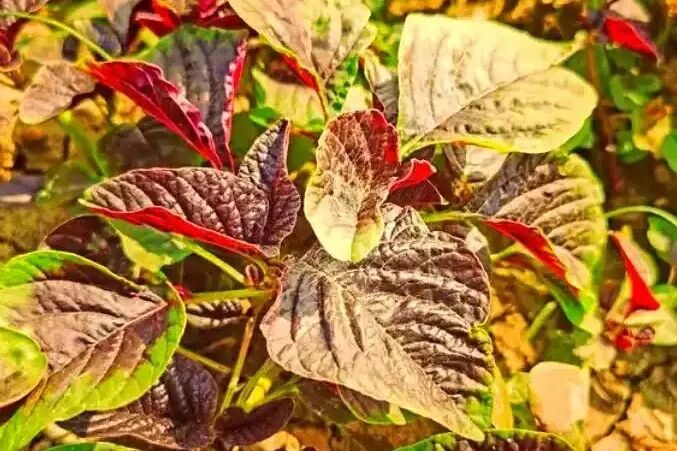
In the Lingnan region (mainly Guangdong), there is a custom of eating "autumn greens" at the Autumn Equinox. Autumn greens are a kind of wild amaranth (known locally as "qiubihao"). People go out to the fields to pick them on this day and cook them in a simmering soup with fish slices, called "autumn soup." A folk rhyme goes: "Autumn soup fills the organs and washes the liver and bowels clean; the whole family, old and young, safe and healthy."
/ Worshipping the Moon/
The Autumn Equinox was once the traditional "Moon Worship Festival," as the old saying goes: "Sacrifice to the sun in spring, to the moon in autumn." Today's Mid-Autumn Festival evolved from this traditional Moon Worship Festival. As early as the Zhou Dynasty, China had the custom of worshipping the sun at the Spring Equinox, the earth at the Summer Solstice, the moon at the Autumn Equinox, and heaven at the Winter Solstice. The sites of these rituals—the Temple of the Sun, the Temple of the Earth, the Temple of the Moon, and the Temple of Heaven—were set in the four directions of east, south, west, and north respectively.

/ Sending Autumn Ox Pictures/
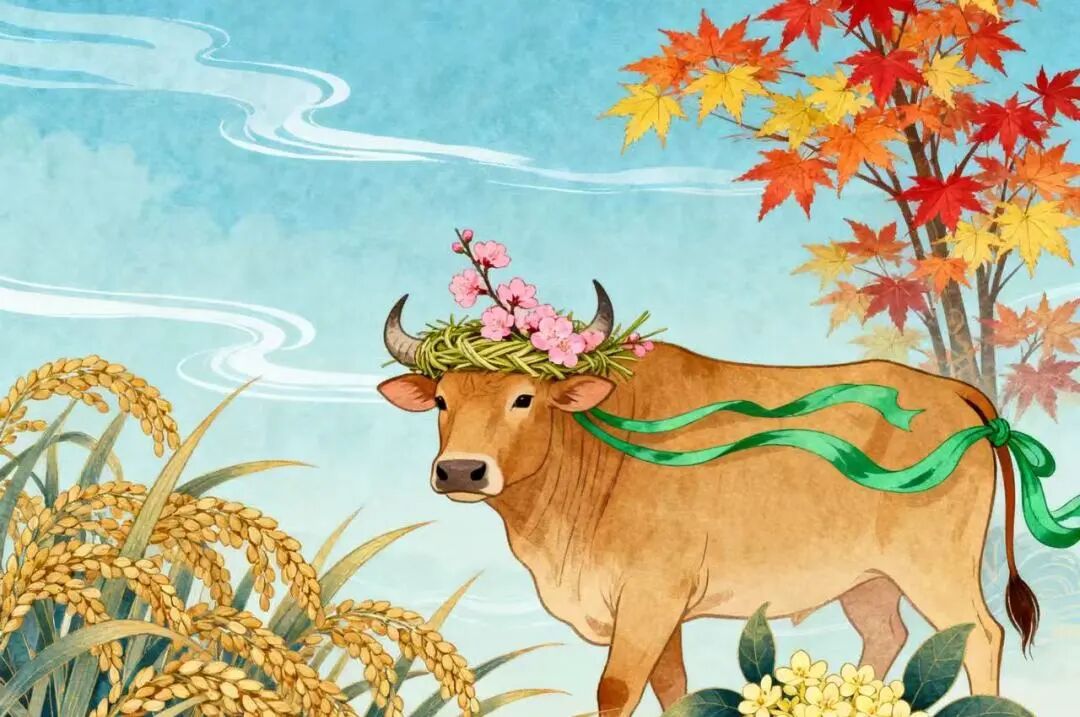
Around the Autumn Equinox, there is a rural custom of "delivering autumn ox pictures": images of farmers plowing their fields are printed on sheets of red or yellow paper, and the person delivering the picture holds the "autumn ox picture" while reciting auspicious words about the autumn plowing and not missing the farming season—a practice commonly known as "talking autumn"—as a way of celebrating the harvest.
Autumn Equinox · Health Preservation
The Autumn Equinox is a key turning point between seasons and a "golden period" for nurturing health. Only by adjusting one's diet, daily routine, and mood in step with the season, and avoiding unsuitable foods, can one better adapt to the changes of autumn and lay a solid foundation of health for the coming winter. At the Autumn Equinox, wellness centers on the balance of yin and yang: moistening dryness within and guarding against cold without, the two working in concert, to follow the principle of yin-yang balance in health preservation.
/ Moistening the Dryness /
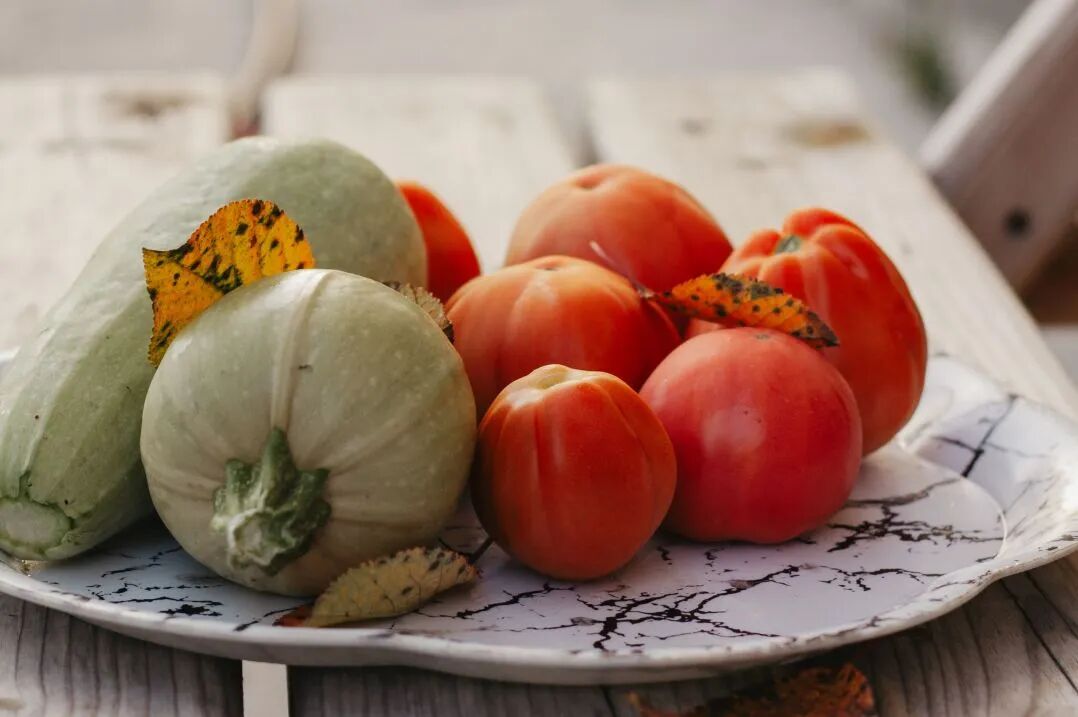
After the Autumn Equinox, the summer heat recedes and dryness peaks; the pathogenic factor of dryness most easily injures the lungs, showing up as dry mouth, itchy throat, dry cough with little phlegm, dry skin, and constipation. Moistening dryness starts with diet: white fungus with lily bulbs, snow pear with lotus root, Chinese yam with sesame, honey with sugarcane—slowly simmered and stewed as gentle tonics; a cup of warm honey water first thing in the morning is especially good. Next is nourishing fluids: drink water warm, in small, frequent sips, avoid iced drinks, and place a bowl of water indoors to add humidity. Yet moistening must be moderate—pears and sugarcane are cooling in nature, so those with weak, cold spleens and stomachs should eat them cooked.
/ Gathering the Qi /
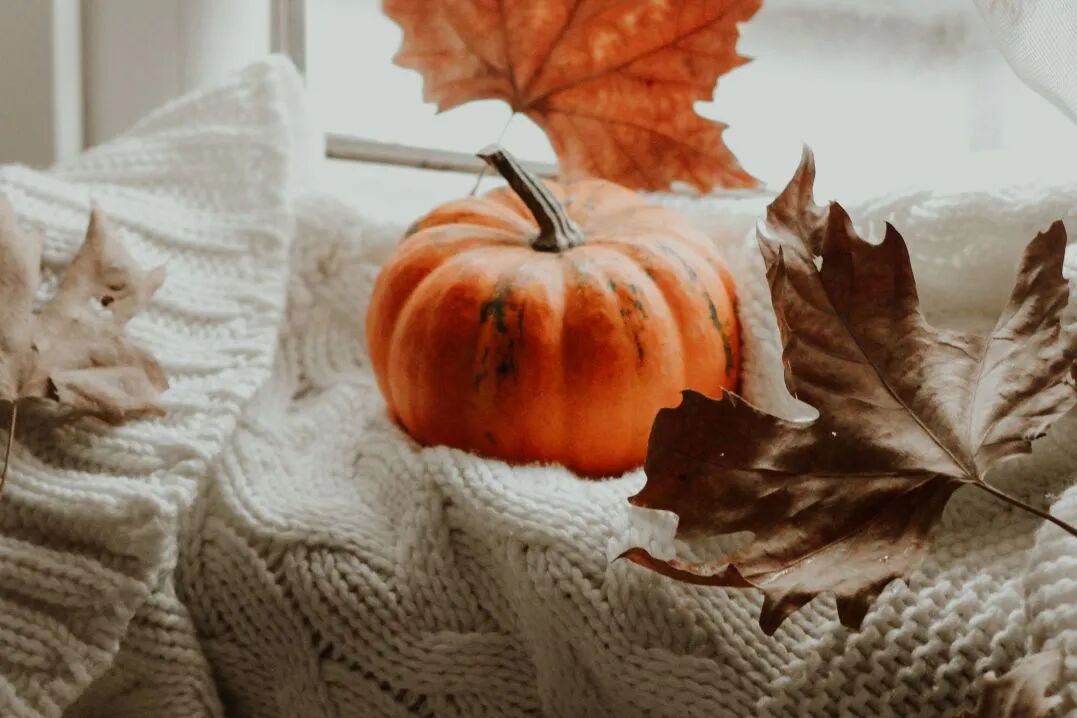
Spring is for birth, summer for growth, autumn for harvest, and winter for storage. The Autumn Equinox is the pass where yang energy turns from release to gathering: heaven and earth draw inward, and qi and blood settle downward. The Inner Canon of the Yellow Emperor says that in autumn one should gather in the spirit and qi. There are three keys to gathering qi. In diet, take less pungent and more sour—reduce scallions, ginger, peppers, garlic, strong liquor, and barbecued foods, which scatter energy and deplete fluids, and add grapes, pomegranates, hawthorn, and pomelo, which help the lungs gather qi. In activity, favor gathering over dispersing—tai chi, baduanjin, and jogging are all fine, but only up to a light sweat; heavy sweating leaks yang energy and runs counter to gathering. In routine, retire early to follow the sun's gathering, and rise early to refresh and clear the lungs.
/ Calming the Spirit /
Autumn corresponds to the lungs, and the emotion of the lungs is grief. As leaves fall and all things wither, and heaven and earth turn stern and austere, one's spirits can easily sink with them—this is called "autumn melancholy," not baseless sadness but a resonance between the season and the heart. Calming the spirit means holding on to composure amid the austerity. The Inner Canon's method is to keep the will at peace, gather in the spirit and qi, and not let one's resolve wander outward: draw back the mind from outward dissipation, refuse to be enslaved by external things, and let the emotions return to quiet inwardness. In the crisp autumn air, it is good to climb high and gaze into the distance—an open vista dissolves the lumps in one's heart; basking in the sun at dawn and dusk warms yang and disperses gloom; reading, listening to music, practicing calligraphy, and sitting in stillness all help gather in the mind and spirit.
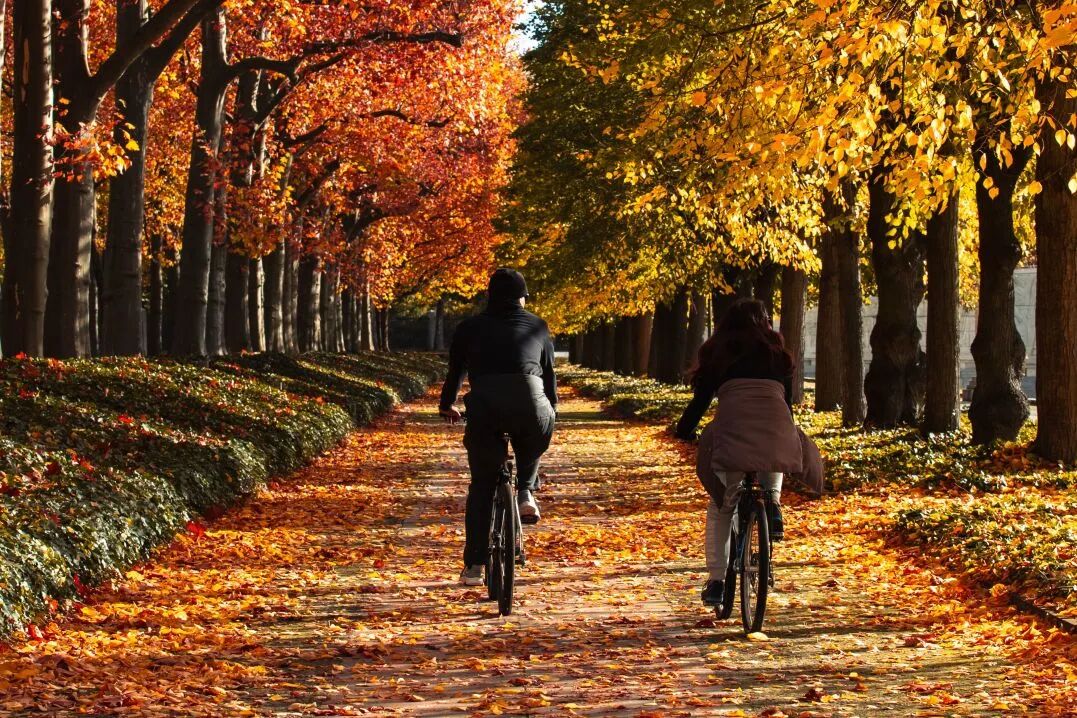
The Autumn Equinox is the starting point of autumn harvest and winter storage, the endpoint of spring plowing and summer sowing, and above all a passing on and rebuilding of the rhythm of life. At this perfectly balanced moment, if we follow the season, take good care of our bodies, temper our minds, and treasure our time, we will welcome spring blossoms and autumn fruits—and meet the best of ourselves.
The Twenty-Four Solar Terms
These are specific seasonal markers in the traditional Chinese sexagenary calendar that express the rhythms of nature and establish the "twelve monthly divisions." They were originally devised from the turning of the stars: the seven stars of the Big Dipper wheel around, and as the Dipper's handle sweeps east, south, west, and north through one full circle, one cycle is complete—what is called a "year"—each cycle beginning at the Beginning of Spring and ending at the Great Cold. The twenty-four solar terms are an important part of the Chinese nation's long history and culture, embodying the essence of Chinese civilization. Over the course of history, the traditional lunar calendar absorbed the solar terms of the sexagenary calendar as a supplement, using intercalary months to keep it aligned with the tropical year, forming a lunisolar calendar; the twenty-four solar terms thus became an important part of the traditional Chinese calendar. In the international meteorological community, the twenty-four solar terms are hailed as "China's fifth great invention." On November 30, 2016, they were officially inscribed on UNESCO's Representative List of the Intangible Cultural Heritage of Humanity.
