

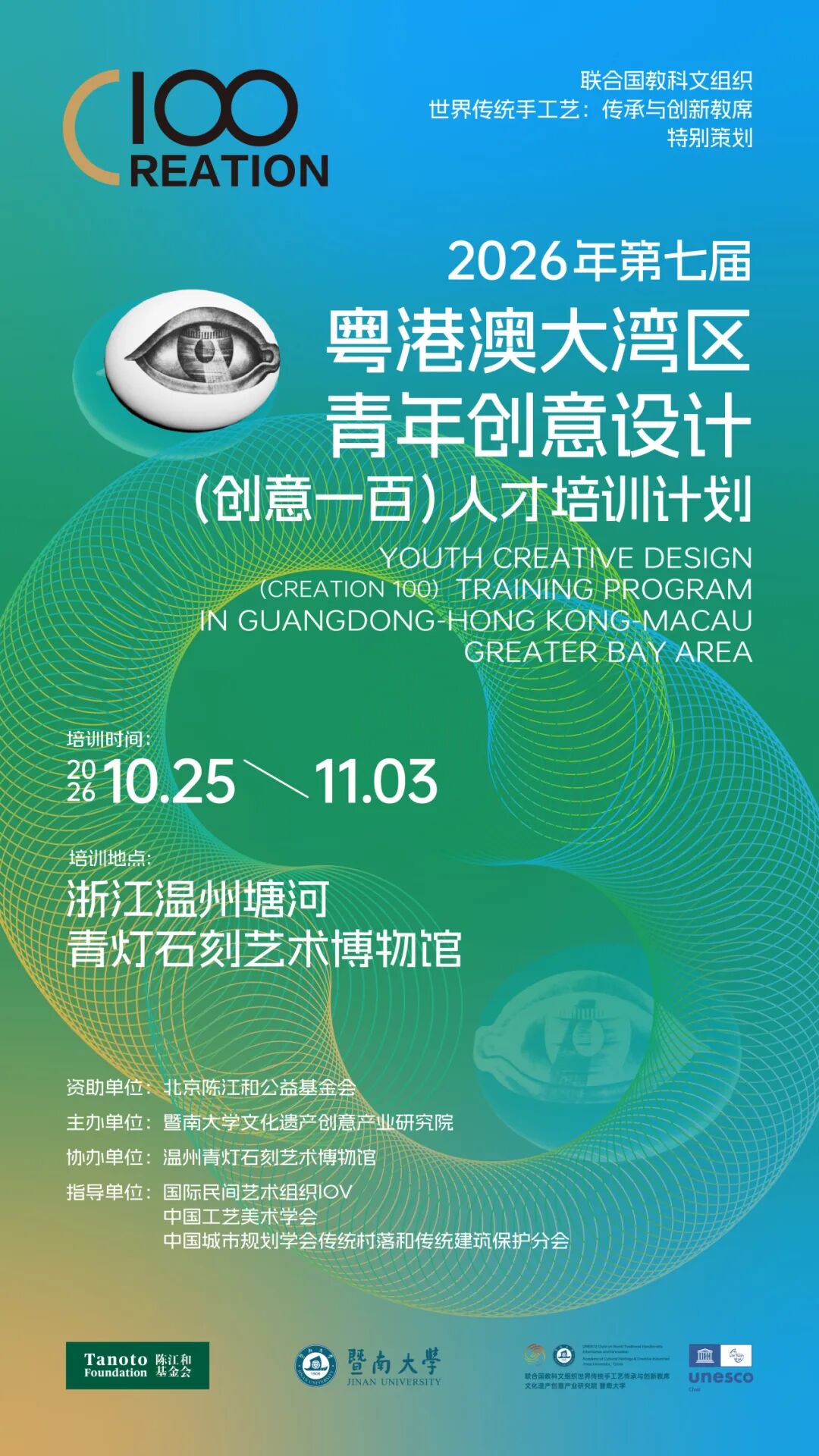
The 7th Youth Creative Design (Creation 100)Training Program in Guangdong-Hong Kong- Macau Greater Bay Area begins in 2026
The 7th Creative 100 Training Progra in 2026 specially planned by the UNESCO Chair on World Traditional Handicrafts: Inheritance and Innovation of , supported by the Beijing Chenjianghe Public Welfare Foundation, and organized by the Cultural Heritage and Creative Industry Research Institute of Jinan University, is now open for enrollment.

This plan will be held in Wenzhou, Zhejiang Province from October 25 to November 3, 2026, and 20 young students will be selected from Chinese Mainland, Hong Kong, Macao and Taiwan. The project focuses on the relationship between cultural heritage and contemporary society, with a focus on the inheritance and innovation of traditional handicrafts, cultural space and community practice, design and technology, international communication, and sustainable development. It encourages young people from different professional backgrounds to propose new observations and solutions through joint research and practice.
From Creative 100 to Teaching Chair Youth Practice
Creation 100 was founded in 2020. From 2020 to 2025, with continuous funding from the Beijing Chenjiang and Public Welfare Foundation, the project has been held for six consecutive sessions and has been carried out in Guangzhou, Shenzhen, Zhuhai, Lijiang and other places, cultivating a total of 126 young students. In 2026, the project will enter its seventh edition.
For the past six years, 'Creative 100' has always placed the cultivation of young talents in a real cultural environment. The project does not limit itself to a single design category, but rather places cultural heritage, traditional handicrafts, design, communication, technology, and social practice in the same discussion space. Through academic courses, field investigations, cross disciplinary collaboration, and project practice, young people form their own judgments and methods based on understanding culture.
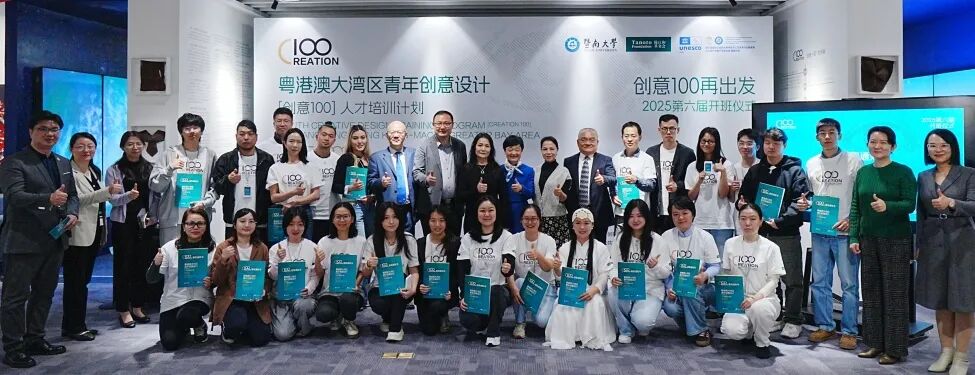
The 6th "Creation 100" Training Program in 2025 (Guangzhou)
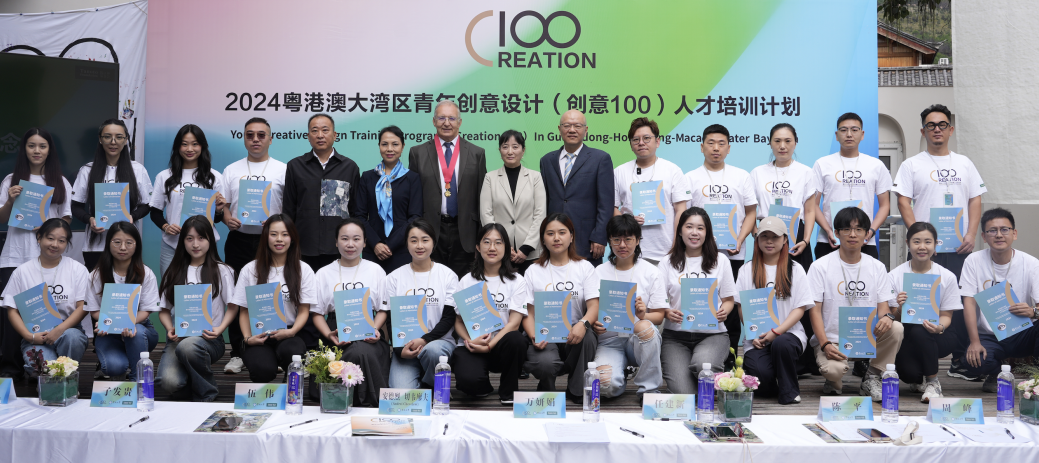
The 5th "Creation 100" Training Program in 2024 (Lijiang)
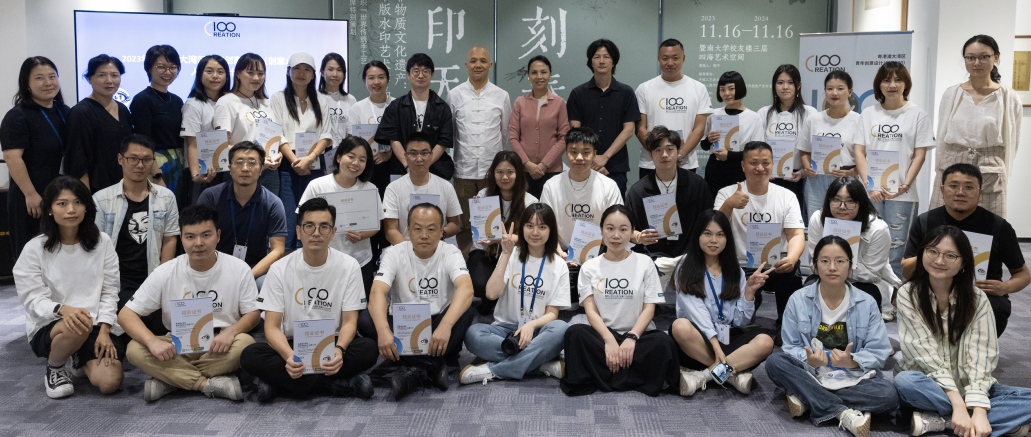
The 4th "Creation 100" Training Program in 2023 (Zhuhai)
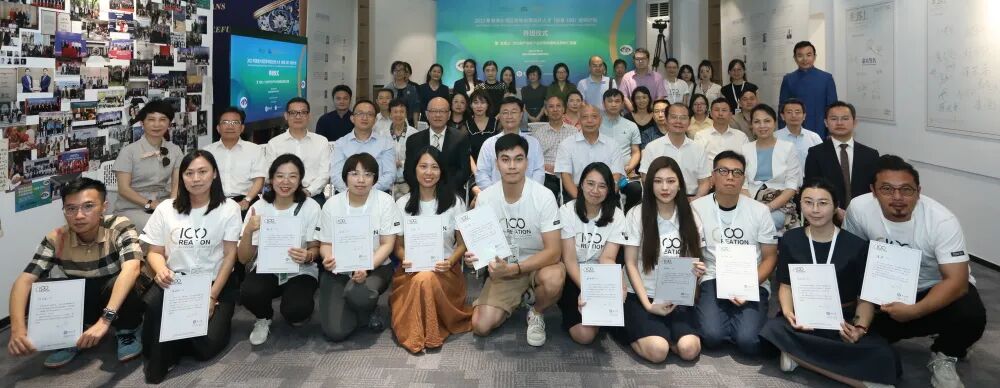
The 3rd "Creation 100" Training Program in 2022 (Shenzhen)
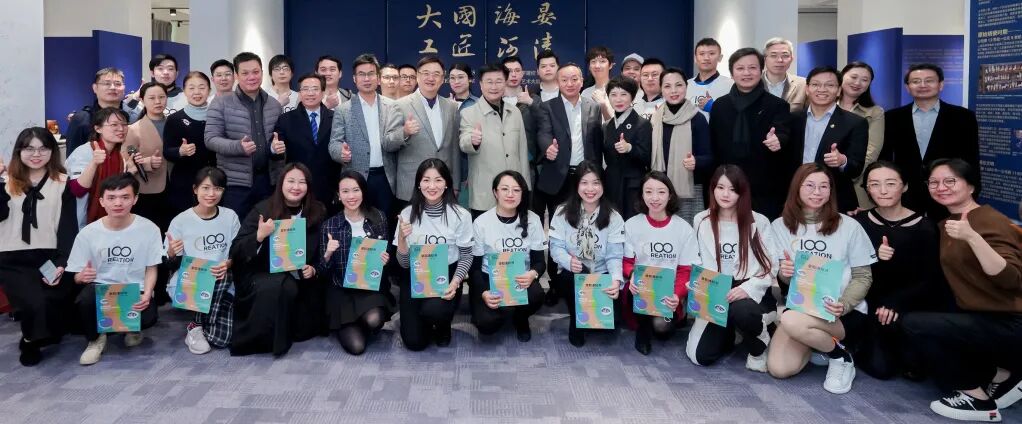
The 2nd "Creation 100" Training Program in 2021 (Guangzhou)
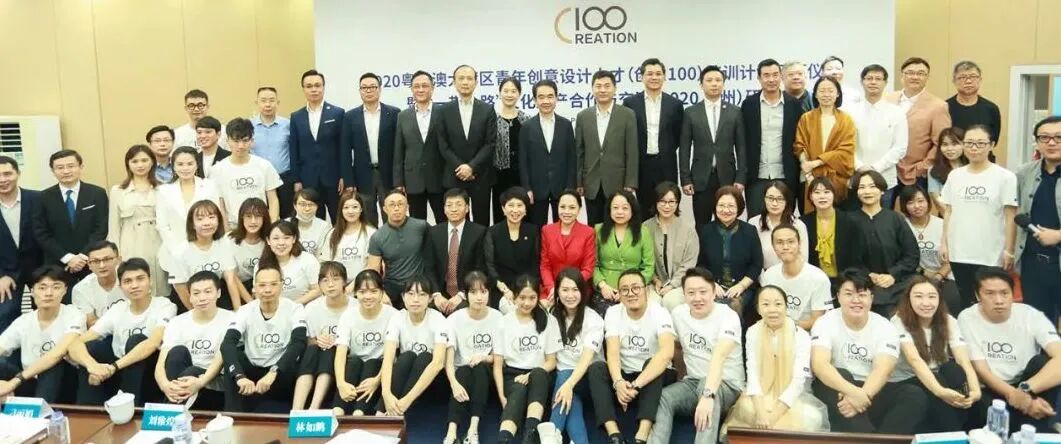
The First "Creation 100" Training Program in 2020 (Guangzhou)
In 2022, after the establishment of the UNESCO Chair on the Inheritance and Innovation of Traditional Handicrafts, "Creativity 100" has become an important component of the Chair's youth talent cultivation and creative practice. The project further strengthens the connection between traditional handicrafts, youth capacity building, cultural dissemination, and international exchange, and has become a continuous practice for the Chair to observe how young people can participate in the future development of cultural heritage.
The previous activities of the project have been reported by media such as People's Daily, Xinhua News Agency, China Daily, China News Network, and Southern Metropolis Daily. In July 2025, the fifth anniversary achievement report exhibition of "Creating with Way and Infinite Creativity" was held at the Four Seas Art Space of Jinan University, presenting the creative achievements of more than 50 students; In December of the same year, the fifth anniversary of the "Way of Creation, Boundless Creativity" and the seminar on digital intelligence and design innovation were held at the Tsinghua University Art Museum, focusing on the cultivation of young talents, creative design, digital technology, and international dissemination of Chinese culture for exchange.
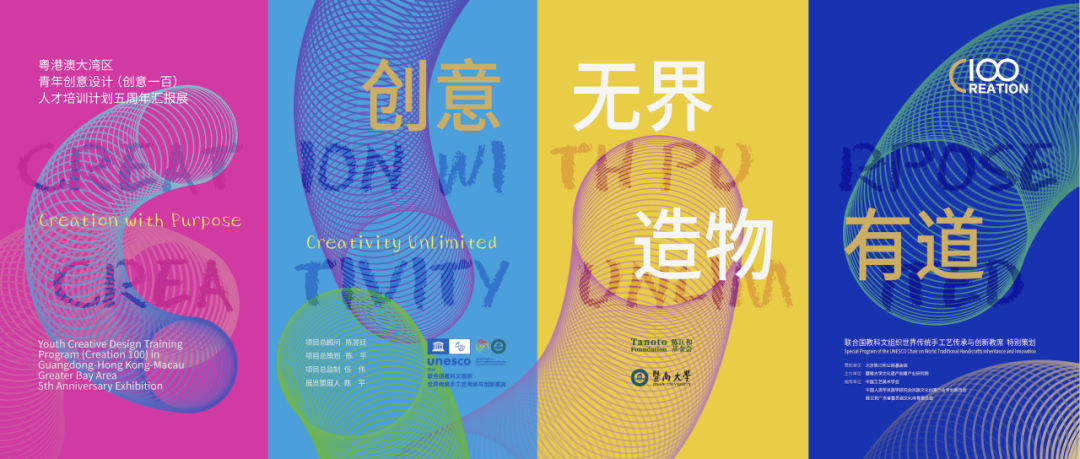
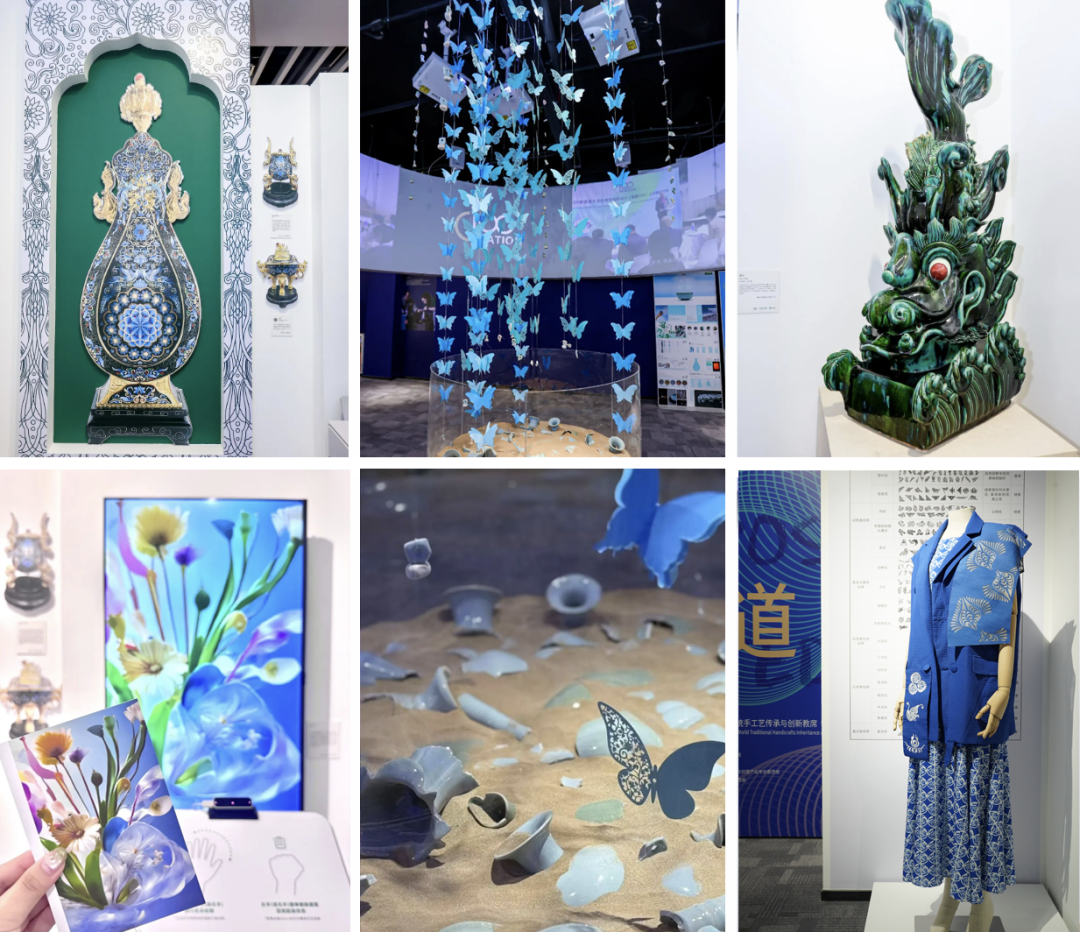
5th Anniversary Achievement Report Exhibition of "CREATION WITH PURPOSE CREATIITY UNLIMITED"
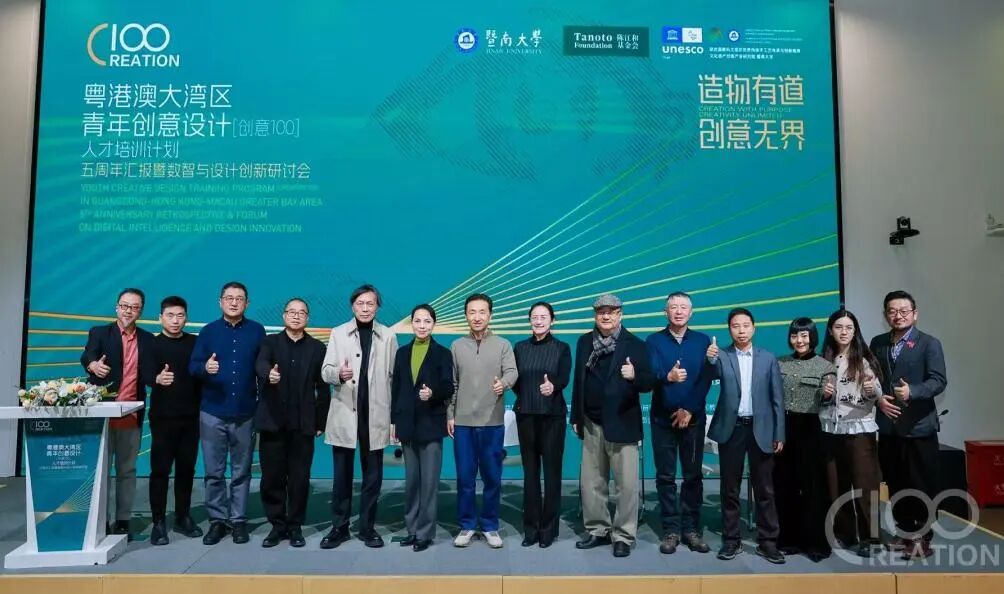
"Creation 100" 5th Anniversary Report Seminar
2026 Theme: Bringing Cultural Heritage Back to Life
The vitality of traditional handicrafts lies not only in their preservation and display, but even more in whether they can continue to enter contemporary life and connect with new social needs, materials, technologies and aesthetics. Under the annual theme of “Youth Co-creation · Dialogue with the Future — Bringing Cultural Heritage Back to Life”, this year’s Creative 100 programme sets out from Wenzhou — a region with a profound historical and cultural heritage and a vibrant tradition of folk creativity — to reconsider the relationship between tradition, everyday life and innovation.
The programme is grounded in the cultural context of Wenzhou and addresses such topics as the conservation and use of cultural heritage, the contemporary transformation of traditional handicrafts, public cultural space, community participation, design innovation, digital technology and artificial intelligence, and cultural communication. The curriculum does not presuppose a single conclusion, nor does it pursue conceptual statements divorced from reality; instead, it asks participants to develop an understanding of concrete problems through investigation, discussion and creative work.
Drawing on the UNESCO Chair platform, the programme also attends to cultural heritage issues shared by different countries and regions, and values the role of young people in sustainable development, cross-cultural understanding and cultural diversity. Here, an international perspective is not an added label but a capacity to compare, understand and articulate issues.
Training mechanism and project progress
This year’s programme takes the form of a ten-day residential workshop. It comprises proposal defence, thematic seminars, field research, project co-creation, mentor guidance and a final defence. Participants are grouped across disciplines and take Wenzhou’s cultural heritage and related social and cultural issues as their object of study, completing the full process — from framing a question and conducting field research to producing a final outcome — under the guidance of mentors.
The first day is devoted to proposal defence. Building on prior reading and first-hand acquaintance with the site, each group presents a research and practice direction, setting out its problem awareness, cultural background, research subjects, working methods and expected outcomes. The mentor team joins the discussion and offers comments, so that subsequent research rests on clearly defined questions and feasible methods.
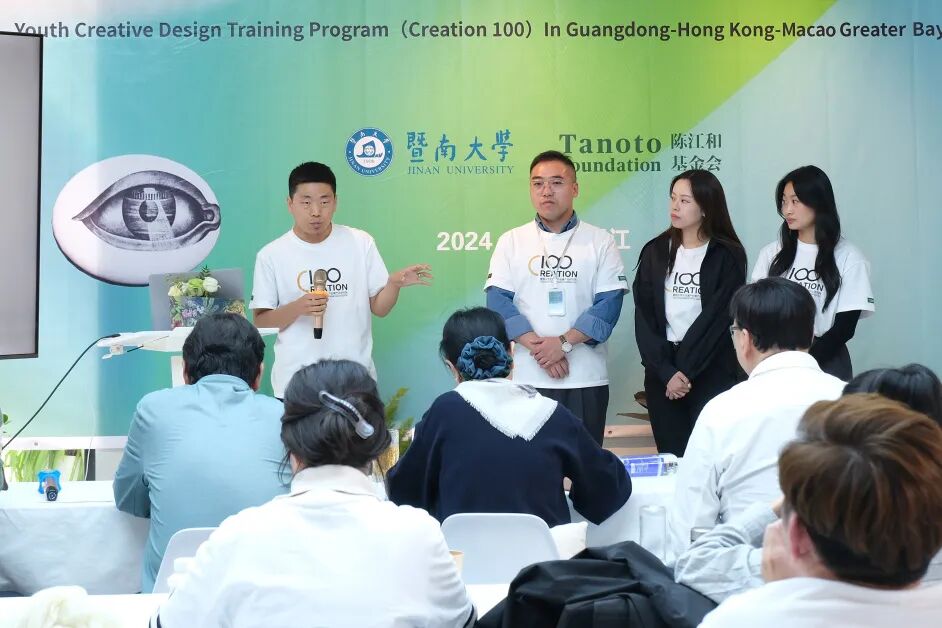
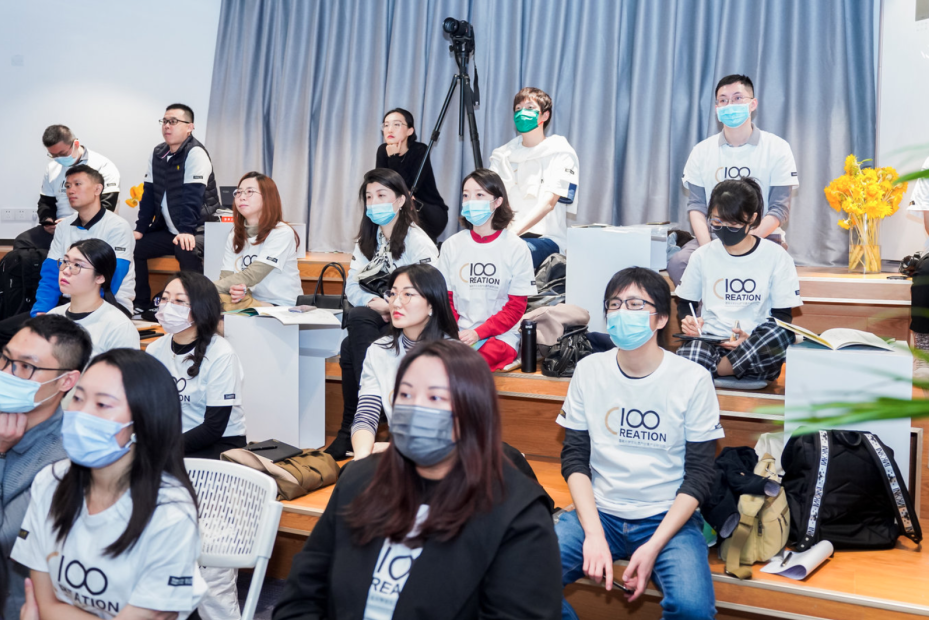
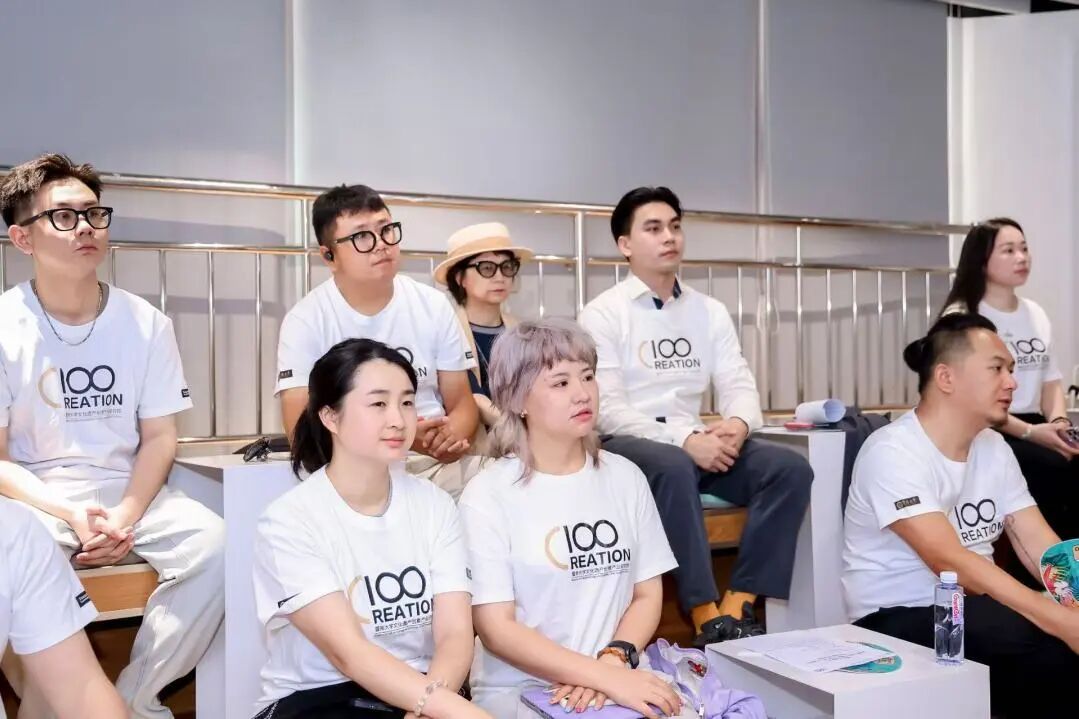
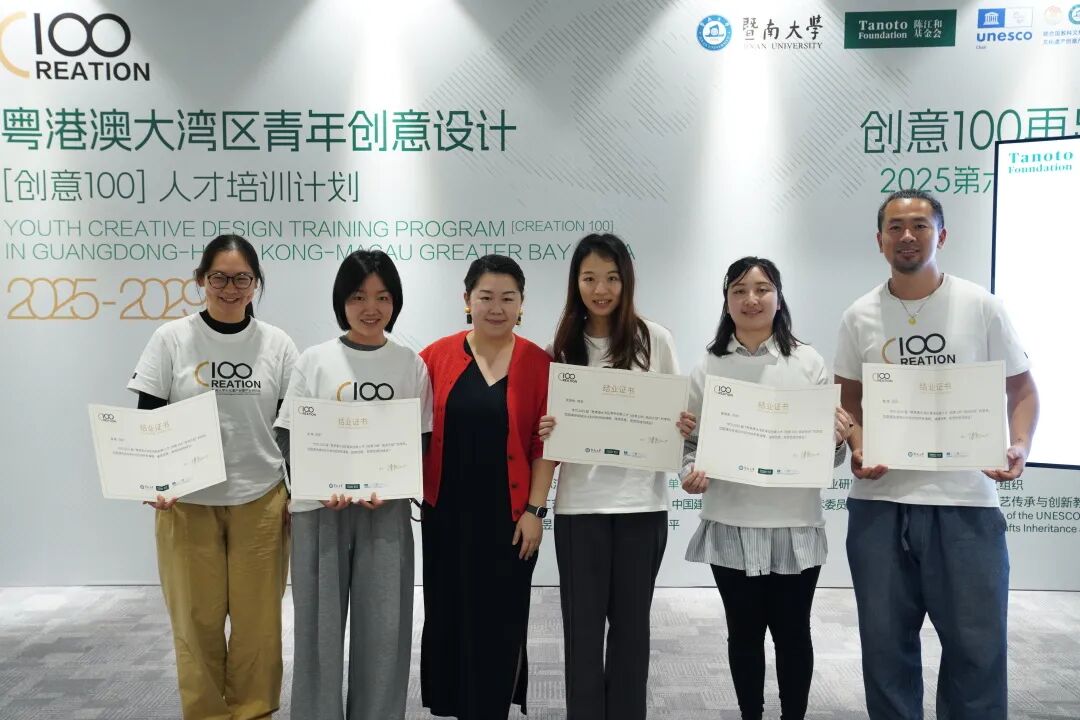
Participants listen attentively in a Creation 100 workshop session and engage in in-depth discussion and interaction around their research topics.
The middle eight days are devoted to thematic seminars and on-site practice. Around eight academic lectures and guest talks are planned, covering cultural heritage, traditional handicrafts, public art, architecture and conservation, the creative economy, social sciences and humanities, international communication, and technology and design. Field research in the Wenzhou area is also organised, with exchanges involving local craftspeople, cultural institutions, cultural workers and relevant communities. Under mentor guidance, each group continues to advance its project research and scheme development, adjusting and deepening it in response to materials gathered on site.
The final day is given over to group final defences. Each group submits and presents the interim outcomes produced during the ten days, which are reviewed collectively by the mentor team. Outcomes may take the form of creative design, a research proposal, a cultural communication plan, a community practice scheme, a digital application concept, or other projects related to the theme. The defence focuses on participants’ understanding of cultural issues, the rigour of their research process, their capacity for interdisciplinary collaboration, and the real-world value of their outcomes.
Course and Field Research
The thematic teaching sessions will be held at the Qingdeng Stone Carving Art Museum on the Tang River in Wenzhou. Scholars and practitioners from the fields of cultural heritage, public art, social sciences and humanities, architecture, design, technology and international communication are invited to teach and take part in discussions. The curriculum emphasises dialogue across different fields of knowledge, enabling participants to understand cultural heritage from historical, social, spatial, technological and communicative perspectives.
Field research will be carried out in connection with representative traditional handicrafts, cultural spaces and related communities in the Wenzhou area. Fieldwork is not an adjunct to the curriculum but a crucial basis for the judgements the projects make. Participants need to understand the real conditions of cultural practice through on-site observation, interviews and documentation, and to bring the material they gather back into classroom and project discussions.

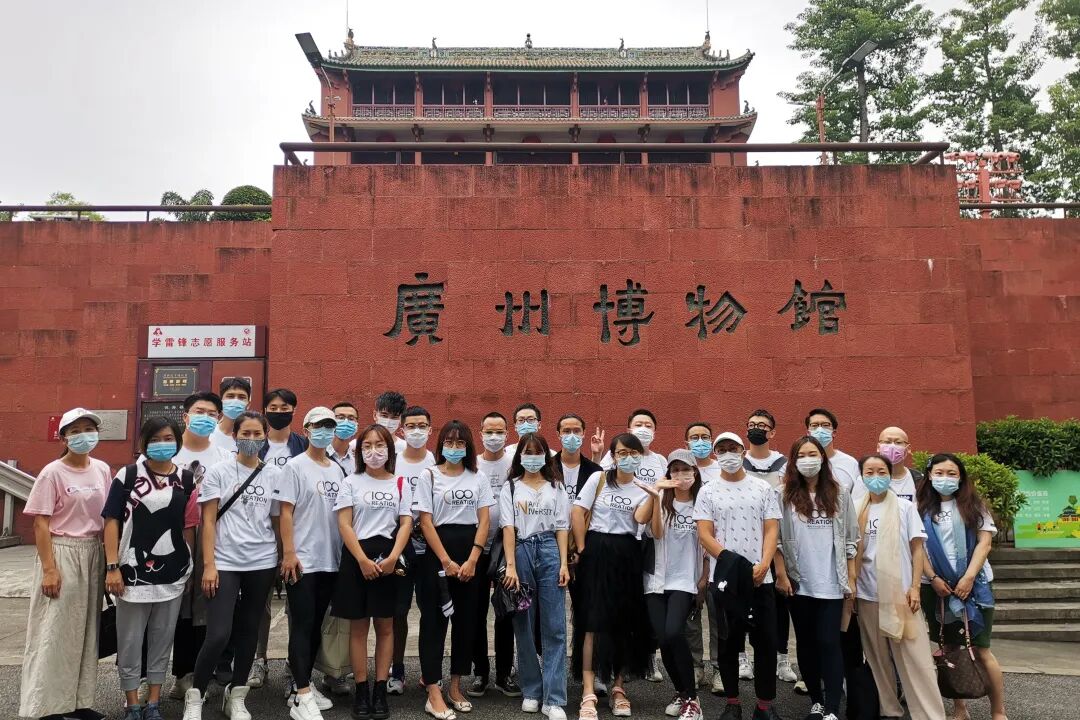
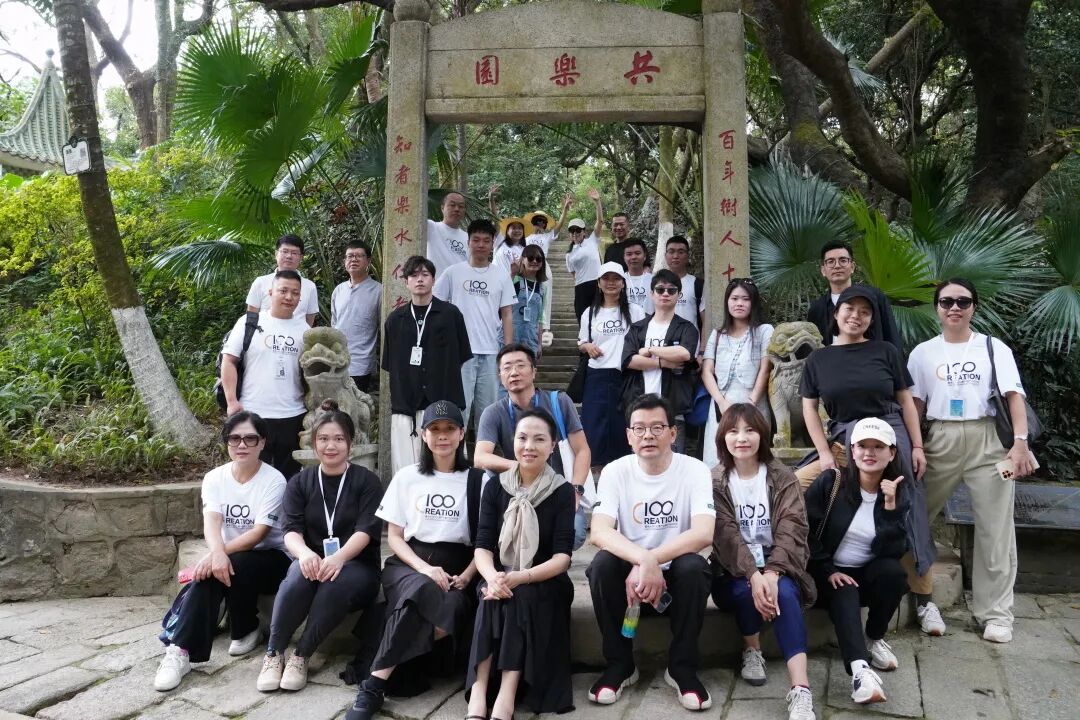
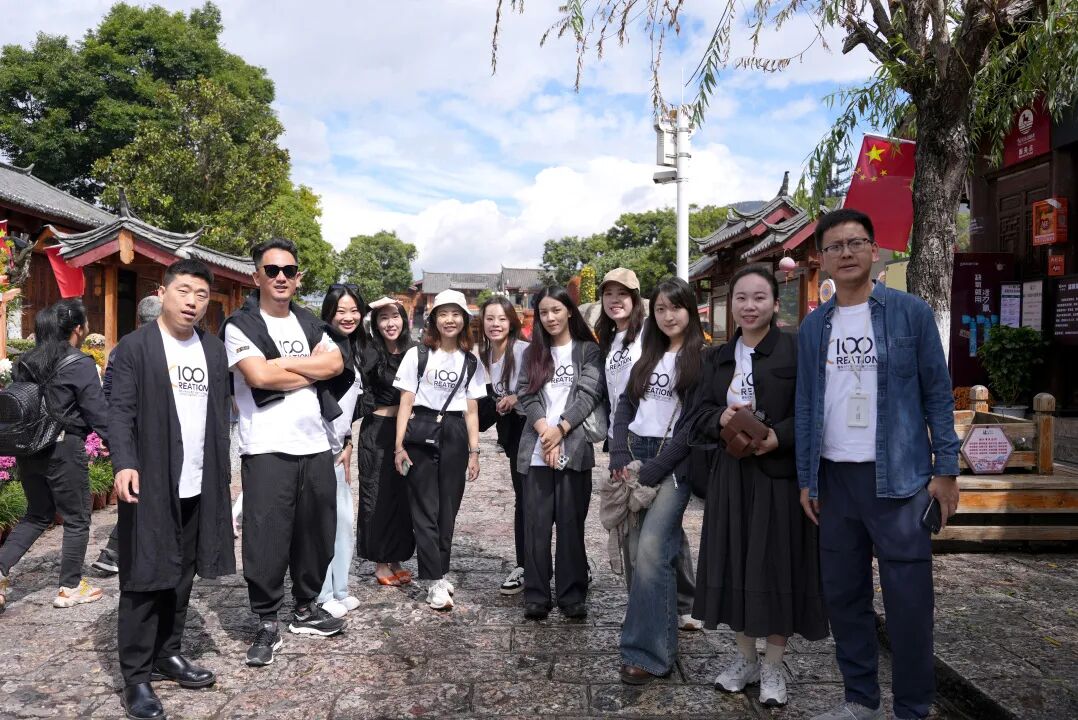
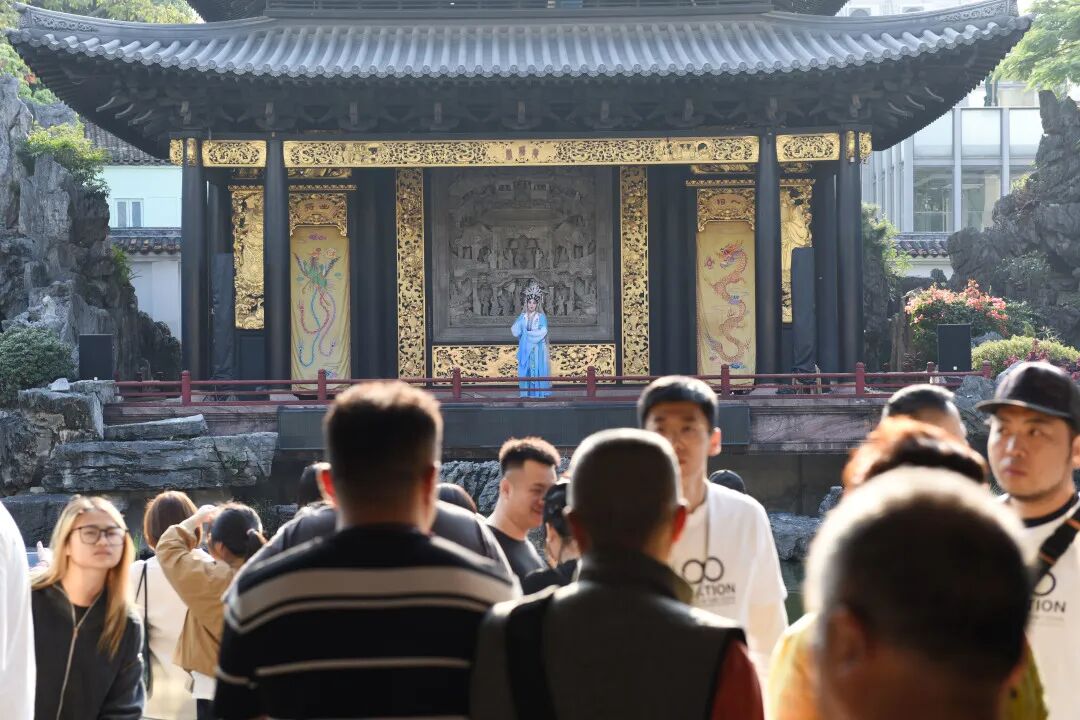
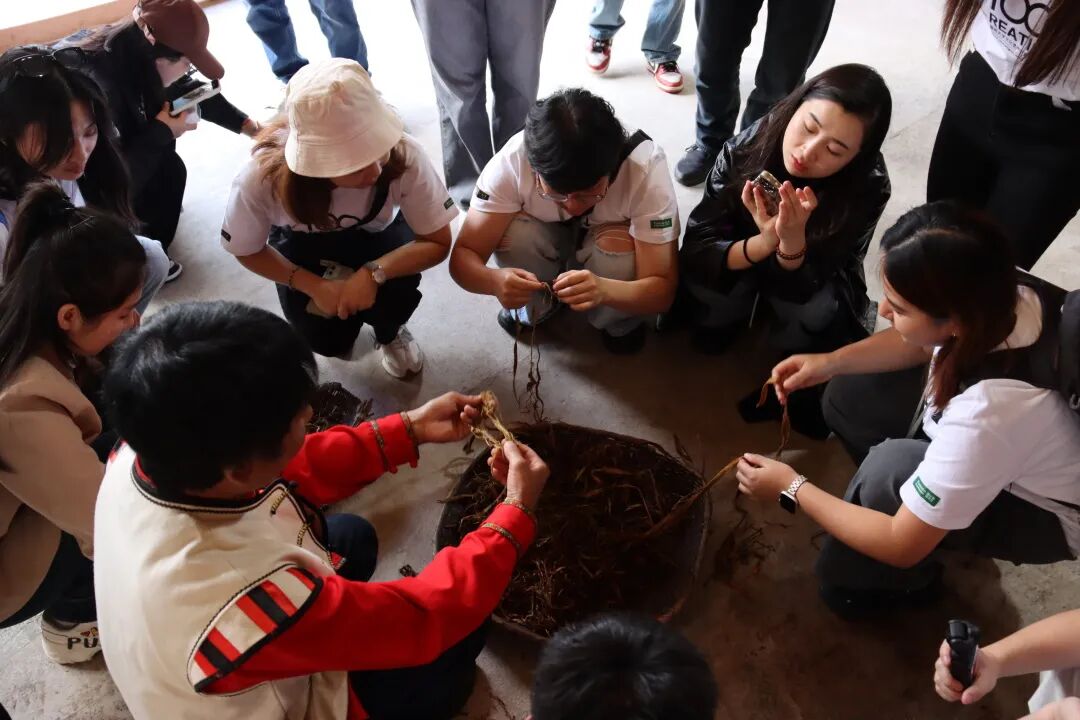
In the Creative 100 training programme, participants have studied and practised in Guangzhou, Zhuhai, Shenzhen and Lijiang. With cultural understanding as the foundation and field learning as the path, they have moved towards diverse forms of creative practice.
Time and Location
Time: 25 October – 3 November 2026
Format: In-person residential workshop; full attendance required, with no leave of absence permitted.
Venue: Qingdeng Stone Carving Art Museum on the Tang River, Wenzhou, Zhejiang (Wusan Road, Nanbaixiang Subdistrict, Ouhai District, Wenzhou, Zhejiang)
Enrollment target
This year’s programme selects 20 young participants from the Chinese mainland, Hong Kong, Macao and Taiwan, China. Applicants should in principle be aged between 22 and 40, be patriotic, in good health, of sound character and free of bad habits, possess a spirit of teamwork, have good spoken Mandarin and basic English communication skills, and be able to attend the full ten-day residential workshop and complete the related outcomes.
Priority is given to young university teachers and doctoral candidates; practitioners in cultural and creative industries, design, artificial intelligence, big data and related fields; traditional craftspeople and inheritors of intangible cultural heritage; staff of public cultural institutions such as museums, cultural centres and art galleries; young entrepreneurs and social organisation workers in the Guangdong–Hong Kong–Macao Greater Bay Area; and other young talents with outstanding creative potential and practical experience. Applicants with interdisciplinary and cross-disciplinary backgrounds are welcome.
Registration Method
Please download the 'Registration Form for Young Creative Design Talents (Creative 100) Training Program in the Guangdong Hong Kong Macao Greater Bay Area', fill it out carefully, and send the registration form, personal works or resumes, and high-definition standard photos to the designated email before September 15, 2026.
Registration form download: https://ccjd.jnu.edu.cn/2022/0708/c25447a710029/page.htm
Registration email: accjnu@hotmail.com
CC: creation100program@163.com
Outcomes and Support
Participants who complete all courses, field practice and the final defence will receive a Certificate of Completion for the Guangdong–Hong Kong–Macao Greater Bay Area Young Creative Design (Creative 100) Talent Training Programme, jointly issued by Jinan University and the Beijing Tanoto Foundation.
Outstanding participants may be selected to join the Creative Practice Studio of the UNESCO Chair on the Transmission and Innovation of World Traditional Handicrafts. Outstanding outcomes will be included in the Creative 100 compilation and publication plan, and, depending on the circumstances of each project, recommended for subsequent exhibitions, academic exchanges and international youth exchange activities. For projects with potential for further development, assistance will be provided in connecting with relevant institutions, enterprises and partner resources.
Sponsor
The Beijing Tanoto Foundation was initiated by the patriotic Chinese entrepreneur Mr. Sukanto Tanoto and his wife, and was registered in Beijing in December 2018. The Foundation has long focused on education, talent development, early childhood development and social welfare, and has donated more than RMB 500 million to philanthropic causes in China. Since 2020 it has continuously funded the Creative 100 young talent training programme at Jinan University. In November 2021, the Foundation was rated a 4A-level Chinese social organisation.
Previous reports
The 6th Creative 100 Training Programme (2025, Guangzhou) | People’s Daily
https://www.peopleapp.com/column/30051096008-500007281854
The 5th Creative 100 Training Programme (2024, Lijiang) | China Daily
https://cnews.chinadaily.com.cn/a/202410/10/WS67076da5a310b59111d9d3bb.html
The 4th Creative 100 Training Programme (2023, Zhuhai) | Xinhua News Agency
https://h.xinhuaxmt.com/vh512/share/11751709?d=134b3c0&channel=weixin
The 3rd Creative 100 Training Programme (2022, Shenzhen) | Southern Metropolis
https://static.nfapp.southcn.com/content/202209/04/c6859197.html
The 2nd Creative 100 Training Programme (2021, Guangzhou) | China News Service
http://www.gd.chinanews.com.cn/wap/2021/2021-11-26/417705.shtml
The 1st Creative 100 Training Programme (2020, Guangzhou) | People’s Daily
https://wap.peopleapp.com/article/5998632/5914827
“Creation with purpose, Creativity unlimited” — 5th Anniversary Achievement Exhibition | China News Service
https://m.chinanews.com/wap/detail/chs/zw/388068.shtml
Creative 100 5th Anniversary Review Seminar | China News Service
https://baijiahao.baidu.com/s?id=1850490874682217061&wfr=spider&for=pc
Mentor Team
Creative 100 maintains a teaching approach in which mentors from different disciplines and fields of practice take part together. The mentor team for this year’s programme and their profiles are set out below.

Professor Chen Ping
Chief Planner and Academic Director of the Creative 100 Programme
President of the International Organization of Folk Art (IOV) and Lead Holder of the UNESCO Chair on the Transmission and Innovation of World Traditional Handicrafts; Dean, Professor and Doctoral Supervisor of the Academy of Cultural Heritage and Creative Industries at Jinan University. She concurrently serves as a Standing Director of the China National Arts and Crafts Society, a Member of the Guangdong Provincial Committee of the Chinese People’s Political Consultative Conference, a Standing Member of the Guangdong Provincial Federation of Returned Overseas Chinese, a Member of the International Council on Monuments and Sites (ICOMOS), and an Individual Council Member of the International Mountain Tourism Alliance.
Her published papers include “On the Modern Transformation and Regenerative Design of Traditional Handicrafts from the Perspective of the Revival of Chinese Culture”. She is chief editor of works including the Blue Book of Intangible Cultural Heritage: Annual Report on the Development of China’s Intangible Cultural Heritage (2015), New Perspectives on Contemporary Folk Art, Reflections on Civilisation, Dress and Dignity: A Century of Chinese Ethnic Costume and Traditional Handicrafts, and Seeing China: A Major Series on Chinese Traditional Handicrafts (supported by the 2024 National Publication Foundation). Her other papers include “Using Digital Media and Diversified Channels to Promote the International Communication of China’s Cultural Heritage” and “The Historical Development and Cross-Cultural Communication of Chinese-Language Media in Europe”. She has long been engaged in research and practice concerning the international communication of cultural heritage, cross-cultural exchange, and the protection and promotion of international folk art. She proposed “using creative industries to drive the transformation of cultural heritage from resource to capital” and advocates “making good use of cultural heritage to tell China’s story well”.
People’s Daily: Lingnan Lecture Hall | Chen Ping: Telling Chinese Cultural Stories That Everyone Can Understand
https://www.peopleapp.com/column/30052277308-500007522578
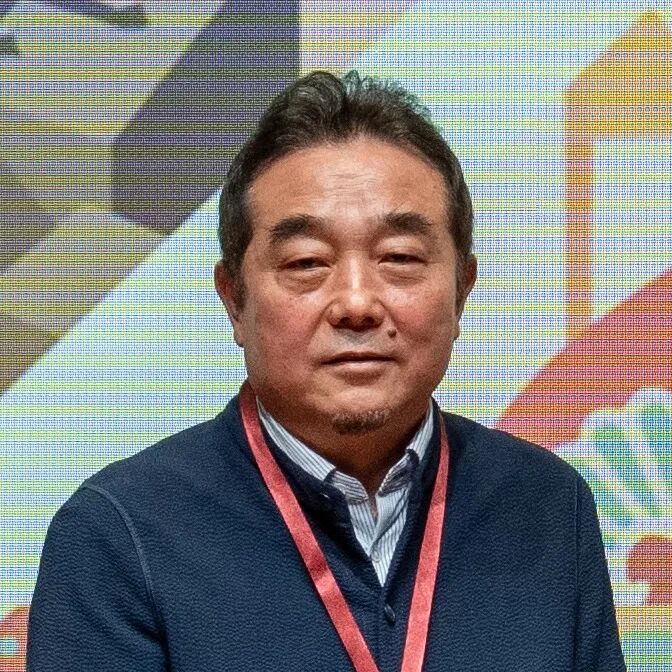
Du Xiaofan
Mentor, Creation 100
He is currently a tenured professor in the Department of Cultural Heritage and Museology at Fudan University, Director of the Centre for Land and Cultural Resources Research, and Chair Holder of the UNESCO Chair on Living Heritage and Community Development.
He has devoted himself for many years to the study of cultural heritage and living heritage. He served for more than a decade as Cultural Heritage Protection Specialist at the UNESCO Regional Office for East Asia, and is Honorary President of the Association for East Asian Cultural Heritage Conservation, among other positions. He proposed the concept of the “village cultural landscape” and has promoted the building of a cultural heritage protection system with Chinese characteristics; his recommendations have had a positive influence on relevant domestic policy-making. He was selected as one of China’s Ten Outstanding Contributors to Building a Moderately Prosperous Society in All Respects, and is the author of works including On the Value of Cultural Heritage, listed among the nation’s top ten books on cultural heritage. He has put forward the idea of systematic protection, arguing that cultural heritage should be protected as a whole within a multi-dimensional network of history, space, society and culture. He has led research on the protection and use of the Liangzhu Ancient City site and of Buddhist temple sites in Xinjiang, exploring practical paths through which the protection of major sites can empower urban and rural development.

Wang Zhong
Mentor, Creation 100
He is currently Professor and Doctoral Supervisor at the Central Academy of Fine Arts (CAFA), Dean of the Institute of Urban Design and Innovation, Director of the China Public Art Research Centre, Advisor to the Expert Advisory Group of the Beijing Municipal People’s Government, Vice Chairman of the National Urban Sculpture Art Committee, Vice Chairman of the China Urban Sculpture Association, Vice President of the China Construction Culture and Art Association and Chairman of its Public Art Committee, Vice President of the China National Interior Decoration Association and Director of its Furnishing Art Committee, Vice President of the China National Arts and Crafts Society, Expert Reviewer of Artworks in the Collection of the National Art Museum of China, Global Vice Chairman of the Asia-Pacific Designers Federation (APDF), and co-holder of the UNESCO Chair on the Transmission and Innovation of World Traditional Handicrafts.
His awards include the China Environmental Art Outstanding Contribution Award, the Xu Beihong Award for Chinese Sculpture, the Award for 60 Years of Urban Sculpture Development in New China, the A’DESIGN AWARD International Gold Award described as the “Oscars of European design”, the Gold Award in the Architecture — Public Art and Public Art Installation category of the International Design Awards (IDA, USA), the 20-Year Contribution Award of the China Sculpture Professional Committee, the Liu Kaiqu International Sculpture Jury Award, and the Jingqilin Living Artist award. His work “Galaxy” in Wuhan Optics Valley received the “Craftsmanship Award” among the 100 Outstanding Chinese Public Art Projects marking the 70th anniversary of the founding of the People’s Republic of China, along with other major awards at home and abroad. His published monographs include An Introduction to Public Art, Olympic Culture and Public Art, A Compendium of Chinese Public Art Documents (1949—2015), and Collected Works from the Chinese Public Art Case Exhibition.
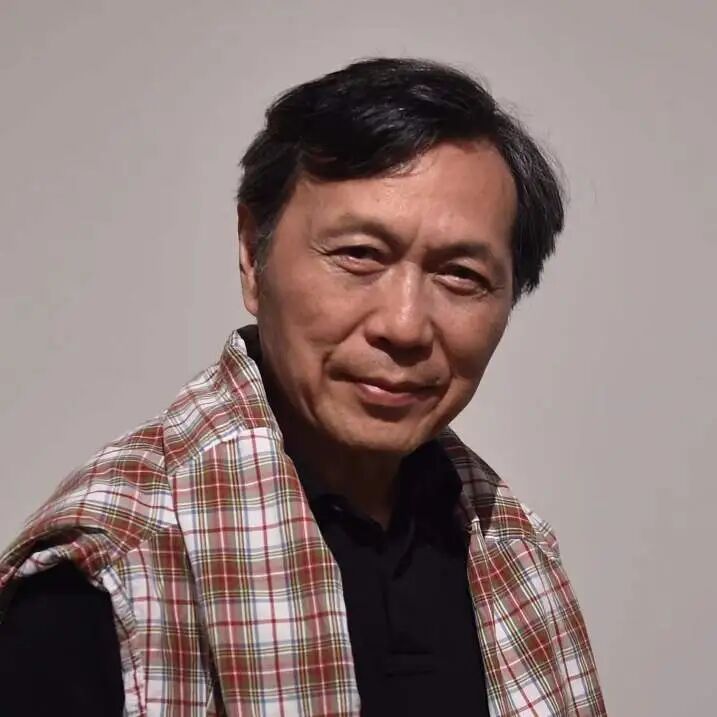
Wang Qijun
Mentor, Creation 100
Professor at the Central Academy of Fine Arts (CAFA); Art Consultant to the Museum of Chinese Gardens and Landscape Architecture; Research Fellow at the Institute of Oriental Murals, School of Painting Art, China Academy of Art; Chief Consultant of China Art Information Network; Senior Overseas Visiting Scholar at Peking University; former Director of the Centre for Humanities and Social Sciences, School of Urban Design, CAFA; Adjunct Doctoral Supervisor at Krirk University, Thailand; Vice President of the Garden and Ancient Architecture Research Society of the China Yuanmingyuan Society; and Vice President of the Canadian Association for the Promotion of Traditional Chinese Culture. He studied successively in the Fine Arts Department of Nanjing University of the Arts, the Architecture Department of Chongqing Institute of Civil Engineering and Architecture, and the Architecture Department of Tsinghua University, where he received his doctorate in architectural history and theory from the School of Architecture.
His works have been selected many times for the National Art Exhibition of the People’s Republic of China and the Beijing International Biennale. Among his published books, Traditional Chinese Vernacular Architecture won Taiwan’s highest book award, the Golden Tripod Award — with the approval of the Taiwan Affairs Office of the State Council, he was the first person to travel to Taiwan, China to receive this award. His book Chinese Architecture, written in English, was published in the United States and has been translated into English, French, German, Japanese, Korean, Russian, Latin and Vietnamese. In addition to his work as an artist, he has for many years explored the field of art theory and has published a large number of academic papers and monographs, and is regarded as a scholar-artist whose work spans both painting and engineering.
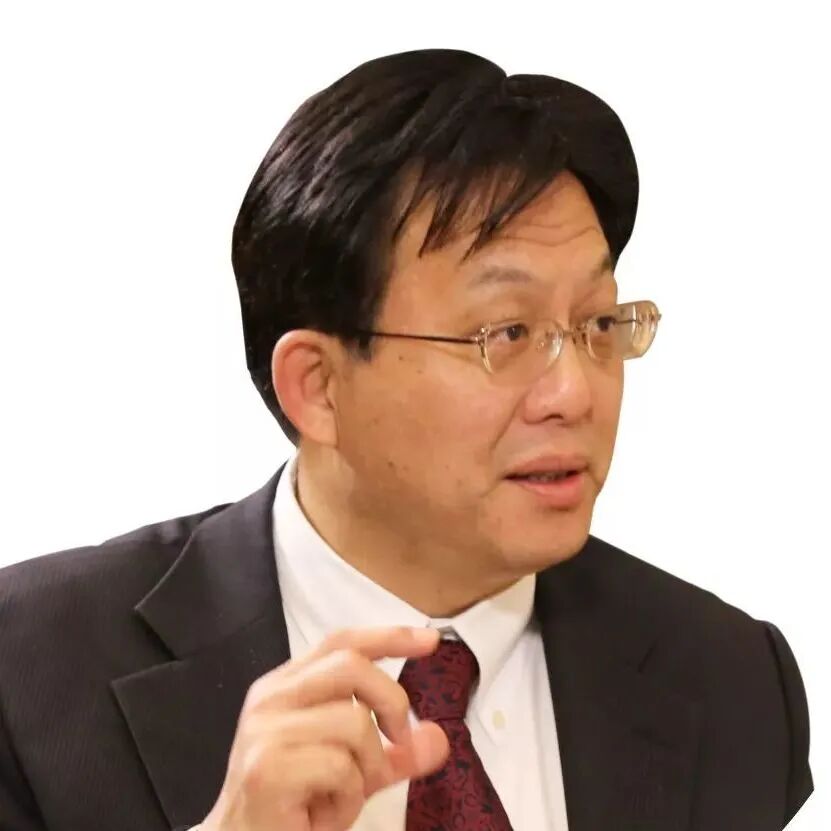
Xie Yongcheng
Mentor, Creation 100
Former President of the National Taiwan University of Arts; Ph.D. from Iowa State University, USA; tenured Distinguished Professor at Appalachian State University, North Carolina, USA; head of the Taiwan region and final-round jury member of the Huacan Award, a cross-strait emerging design competition. He has long been committed to cross-strait academic and cultural exchange. During his term as president he signed sister-university agreements with more than 80 institutions, including Tsinghua University and the Central Academy of Fine Arts, pioneering reciprocal student and faculty exchanges. Since 2014 the National Taiwan University of Arts has been continuously listed among China’s six-star universities, and is the only specialised university in the Taiwan region to appear in the rankings of China’s top universities.
His expertise spans cultural creativity, digital creativity, heritage protection and other fields. He has been appointed visiting professor and expert reviewer at numerous universities, and has repeatedly served as chief judge of major cross-strait competitions and keynote speaker at industry forums. He has published more than 200 academic papers, 13 books and over 67 technical reports, and has been invited to give more than 300 lectures and training sessions. He has served as a judge for cross-strait cultural and creative competitions including the Huacan Award, the Wutai Mountain Global Film Competition and the Times Golden Calf Award. He has led 30 projects for Taiwan’s science and technology authorities and 51 non-MOST (Ministry of Science and Technology) projects, and during his tenure led the National Taiwan University of Arts to receive excellence programme funding for five consecutive years.
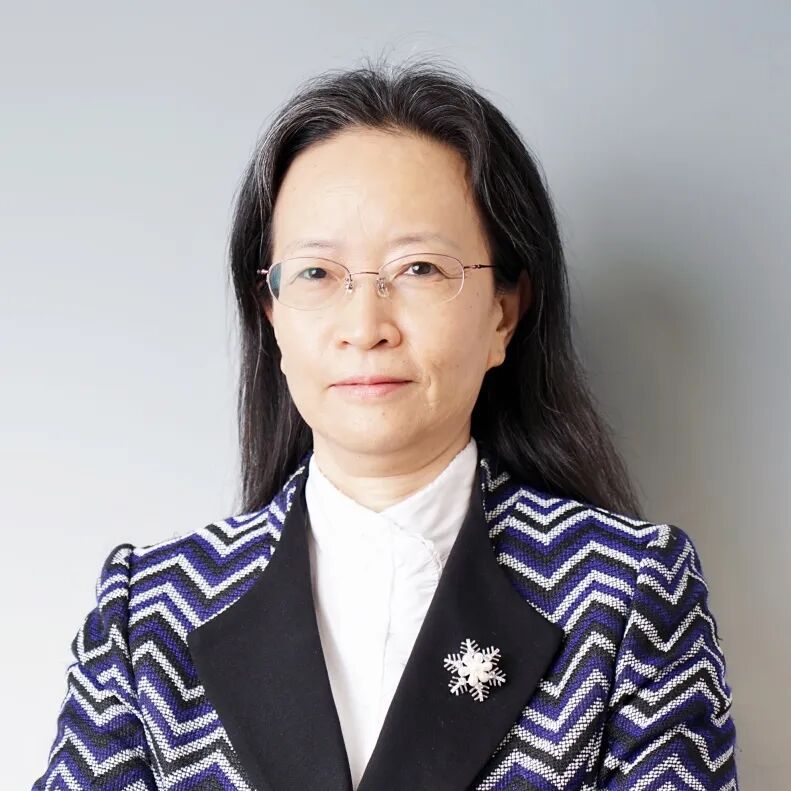
Dong Hongmei
Mentor, Creation 100
Chairman of the China Urban and Traditional Architecture Protection Branch; former Director of the Assistance Office of the Ministry of Housing and Urban-Rural Development and former First-Level Inspector of its Department of Village and Town Construction. She has long been engaged in the protection of traditional villages, the renovation of dilapidated rural housing, and targeted assistance for poverty alleviation. With the mission of “protecting China’s agricultural civilisation and transmitting fine traditional culture”, the working principle of “protection first, use as the foundation, transmission as the essence”, the approach of “villagers as the main body, government guidance and support from society”, and the goals of “keeping the villagers, protecting the homeland and preserving nostalgia”, she has worked to have 8,155 villages of significant protection value listed in the national protection register, to protect 556,000 traditional buildings, and to transmit 5,965 items of intangible cultural heritage at or above the provincial level, forming the world’s largest, richest and most complete cluster of living agricultural civilisation heritage. In 2021 she was awarded the title of “National Advanced Individual in Poverty Alleviation” by the CPC Central Committee and the State Council, and in 2024 the ministry’s assistance office under her leadership was awarded the title of “National Model Collective for Ethnic Unity and Progress”.
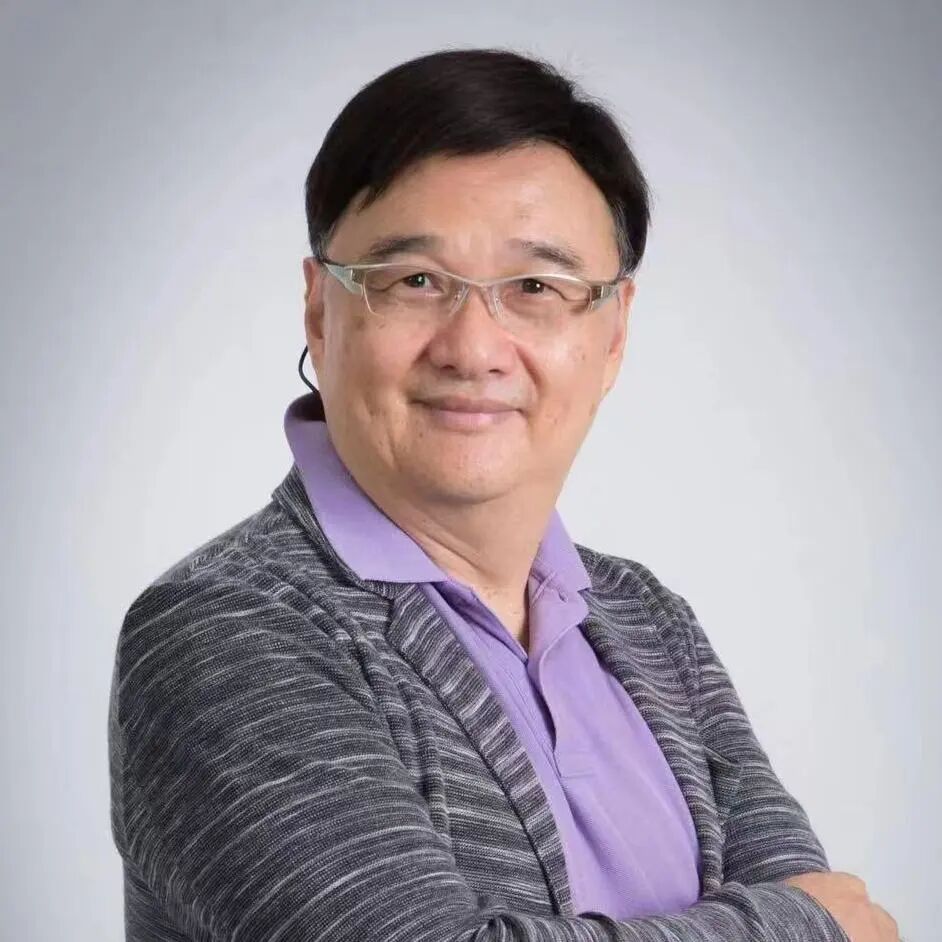
Lin Zhenzhong
Mentor, Creation 100
Founder of the Tsinghua Life Lecture Series, Guest Professor in the Department of Environmental Art Design at Tsinghua University, Distinguished Expert and Course Professor at the School of Urban Design of the Central Academy of Fine Arts (CAFA), and Director of the Colour Research Laboratory at CAFA; Expert Committee Member of the China National Interior Decoration Association, Chief Consultant for Tourism Development in Qiandongnan, Guizhou Province, and Chief Academic Consultant of the Maison & Objet Design Award (France); inducted into the 2014 Interior Design Hall of Fame (USA), named in the 2017 Hurun Interior Design Insight list as one of China's 20 most influential interior designers, a 2018 Top Ten Leading Figure in Chinese Design, and a professional member of the American Society of Interior Designers (ASID, Registered Interior Designer). He engaged in the promotion and education of life aesthetics for a long time, it has an important influence in the field of improving life aesthetics for various groups such as individuals, enterprises, and social organizations.
