

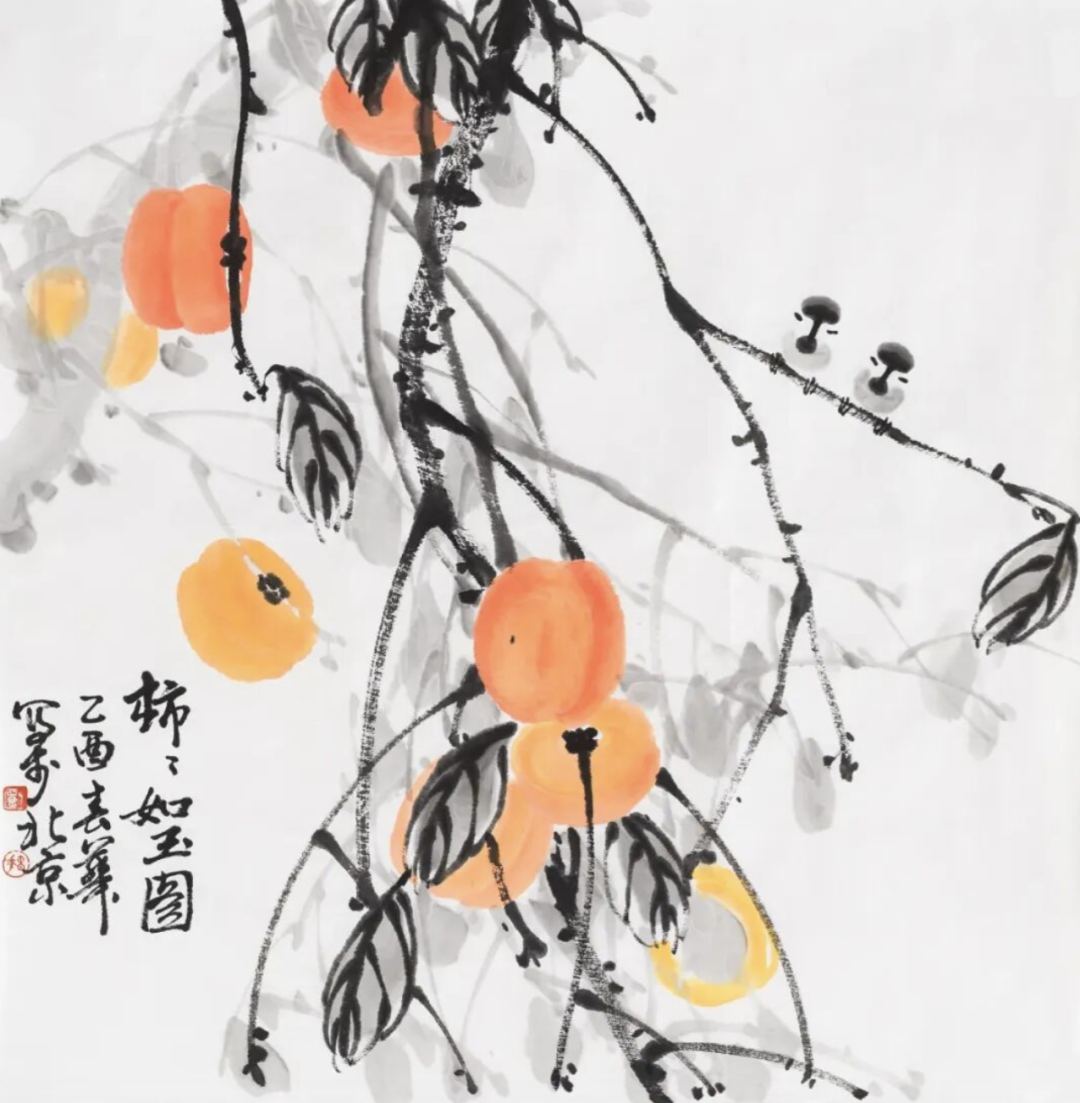
Liu Chunhua's' Persimmons Like Jade 'painting
White Dew 9.7
White Dewis the fifteenth solar term among the twenty-four solar terms, and also the third solar term of autumn. The "Collection and Interpretation of the Seventy Two Seasons of the Moon" states: "Water and soil moisture condense into dew, autumn belongs to gold, gold is white, white is the color of dew, and the qi begins to cool." White dew marks the gradual increase of autumn meaning and the emergence of cool air, which is the turning point of summer heat fading and the beginning of clear autumn.
There is a folk saying that goes, 'White dew on the body and dew on the fur.' When it comes to the weather, it is severe and can be taught to wear clothes and ears. 'This is intended to remind people that during this time, the day is still hot, but the weather has already cooled down in the morning and evening. When white dew arrives, nature seems to quietly start a cool mode: the daytime still has some late summer temperature, but the night is already cool and refreshing. The temperature difference between day and night gradually widens, and at night, water vapor condenses into dew when it gets cold. In the early morning, it is common to see grass leaves and petals covered in crystal clear dewdrops, like the earth quietly shedding tears, reflecting the changes in time sequence.
The "Yueling" also states: "Hong Da is separated by Xiao, coming from the north to the south. It is not called Nanxiang, not its dwelling place." The ancients had already recognized the heavens - those geese flying south did not make this land their home, but came from the north to spend the cold winter. The migration of migratory birds has become the most vivid and poetic witness to the seasonal flow.
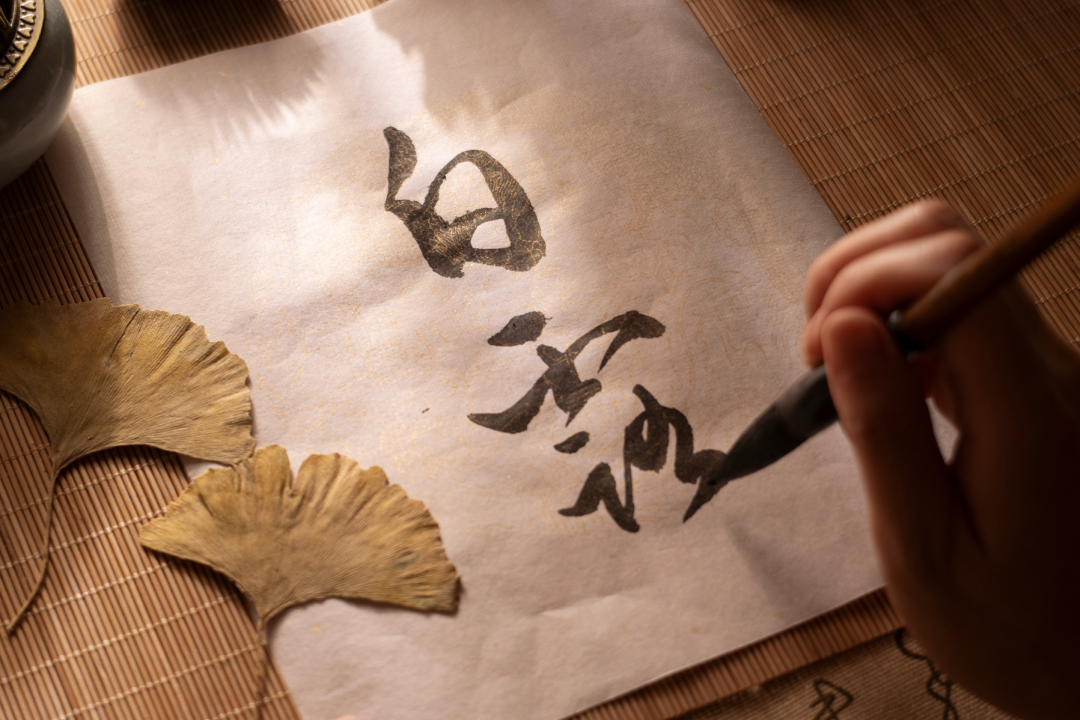
White Dew · San Hou
Yi Hou, the geese come
Wild geese, also known as geese, are seasonal migratory birds. During the White Dew season, the north begins to cool down, and flocks of geese fly south, forming the characters "one" or "person" in the sky.

Er Hou, the mysterious bird returns
The black bird is the swallow. At the time of white dew and crop harvest, the food of swallows decreases, accompanied by a decrease in temperature. Therefore, swallows begin to fly south and return to their homes in the south.

San Hou, a group of birds raising shyness
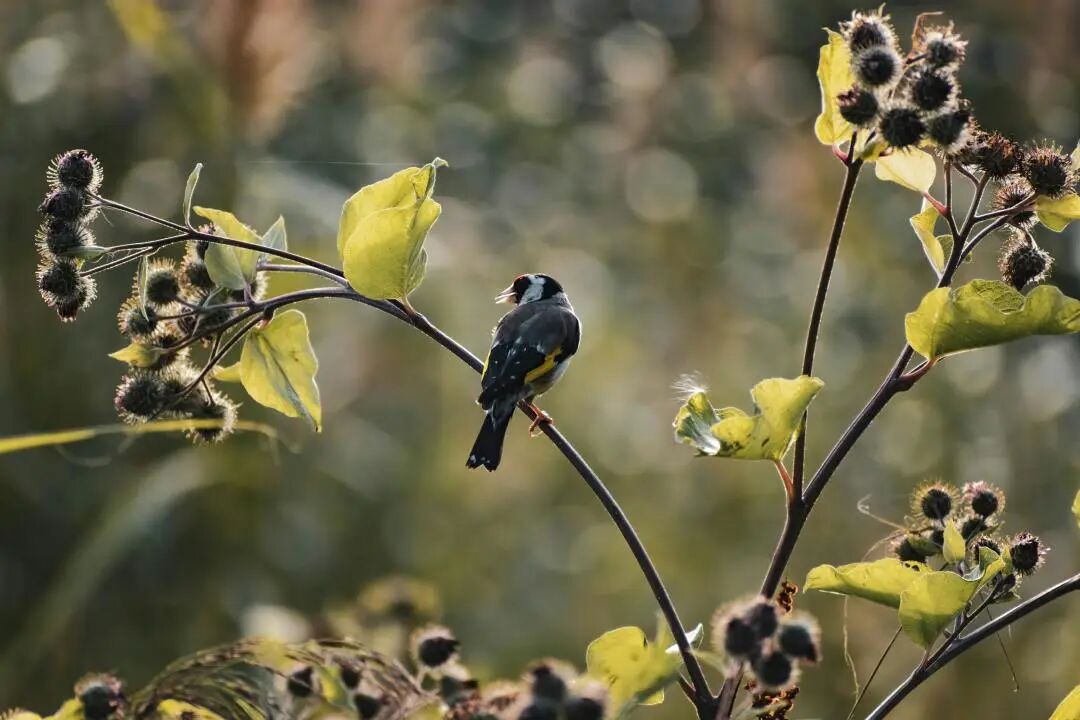
'Food' refers to the food of birds. Autumn is the season of harvest, when insects are plump and delicious. Some birds will bring some seed food to their nests for winter consumption.
White Dew · Customs
/ Collecting clear dew/
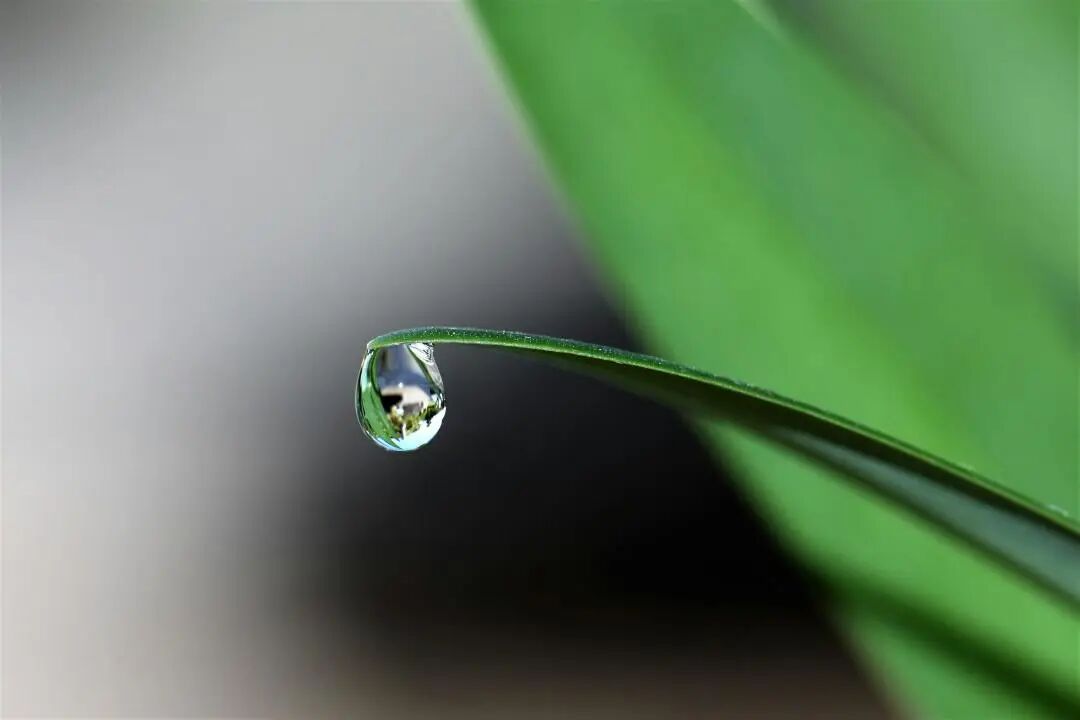
There is a custom in Chinese folk culture of "collecting clear dew" during the White Dew solar term. In Li Shizhen's "Compendium of Materia Medica" during the Ming Dynasty, it is recorded that "when autumn dew is abundant, it is collected on a plate and boiled like malt, which can prolong the life without hunger." "When autumn dew is collected on the heads of hundreds of herbs before they are withered, it can cure various diseases, quench thirst, make the body light without hunger, and make the muscles happy." When dew is collected on hundreds of flowers, it can make the color good. Therefore, collecting clear dew has become the most special "ritual" of white dew.
/ Sacrifice to King Yu and invite the gods/
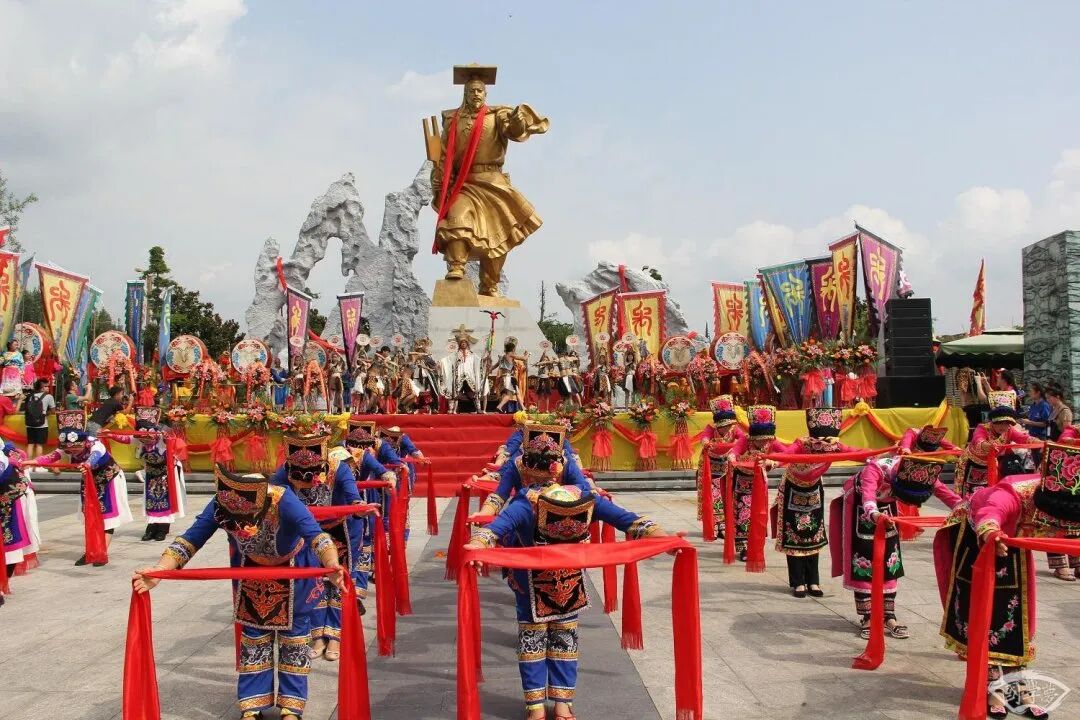
People living near the Taihu Lake Lake in Jiangsu Province will pay tribute to the King Yu in the white dew season. King Yu is the legendary hero of flood control, Dayu. Fishermen near the Taihu Lake Lake call him "Waterway Bodhisattva". Every year on the eighth day of the first lunar month, Qingming Festival, the seventh day of the seventh lunar month, and the White Dew season, a incense festival is held here to worship King Yu. Among them, the Qingming Festival and the White Dew Spring and Autumn Festival are the largest, lasting for one week.
/ Eating longan meat/
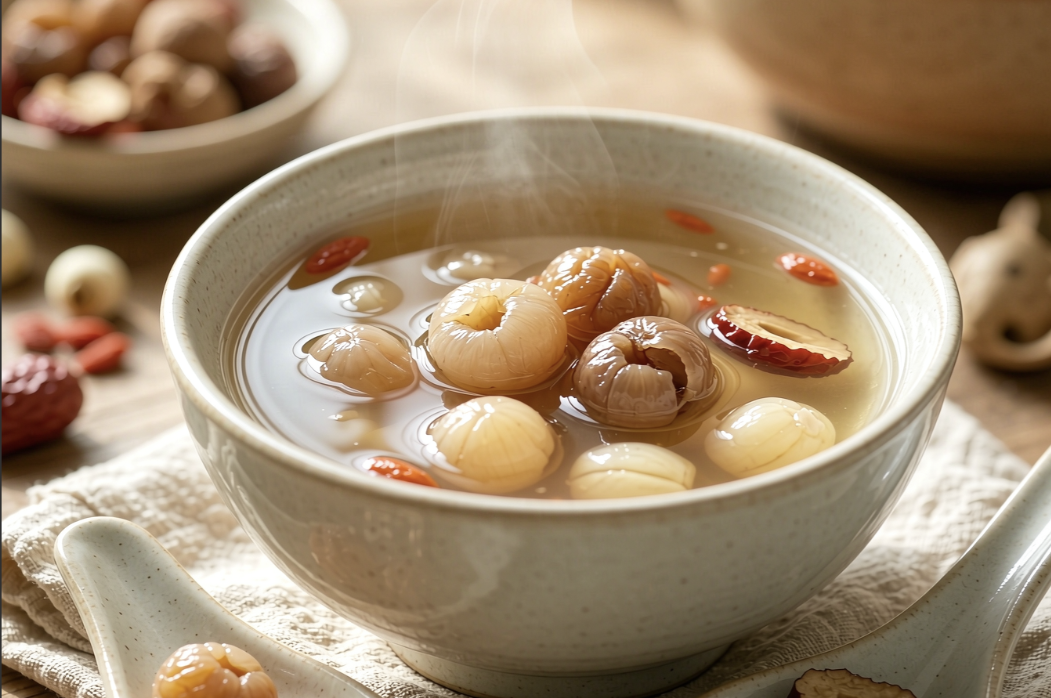
Whenever you see white dew, you must eat longan. White dew is the most delicious season for longan. Peel off the skin to reveal the pure white flesh, round as the moon, white as dew, and sweet in the mouth. During the dry autumn season, longan can nourish qi and spleen, and soothe restless hearts.
/ Drink white dew tea/
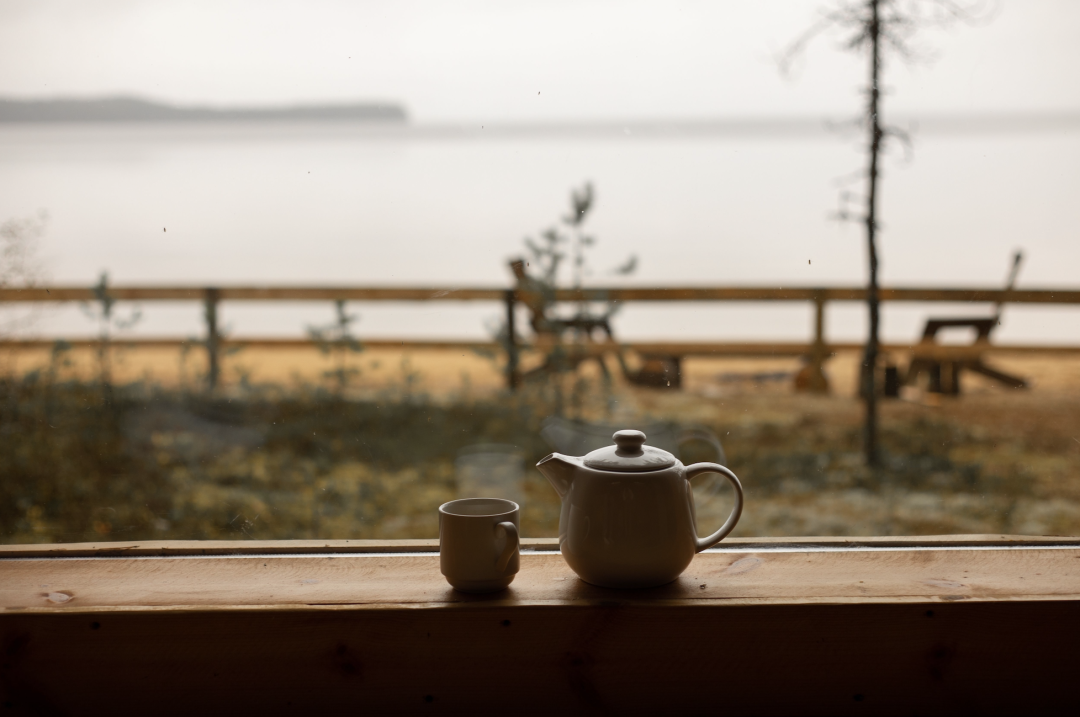
There is a folk saying that goes, 'Spring tea is bitter, summer tea is astringent, and when you want to drink tea, autumn dew is white.'. During the White Dew season, tea trees experience the scorching heat of summer, which is the optimal period for their growth. White dew tea is neither as fresh and tender as spring tea, nor as dry and bitter as summer tea, but has a unique sweet and fragrant taste, especially loved by old tea lovers.
White Dew · Health Preservation
As the saying goes, "autumn is full of troubles". As we enter the season of white dew, the weather turns cool, dry, and unpredictable. The number of patients with colds, respiratory and digestive diseases increases sharply.
/ Adding clothes and blankets in the morning and evening/
After the White Dew, the climate gradually cools down, and some people are prone to symptoms such as cold hands and feet, cold limbs, and fatigue. Traditional Chinese medicine has the saying "White Dew does not expose the body", which means that after the White Dew solar term, wearing clothes can no longer expose the body bare chested. It is often said in folk culture that "White dew leads to autumn wind and night, cool overnight." This means that after white dew, the temperature difference between day and night gradually increases. Although the temperature is higher during the day and noon, there is already a coolness in the morning and night. It is advisable to add thin clothes, change thin blankets, and go to bed early and wake up early.

/Moisturize and remove heat/
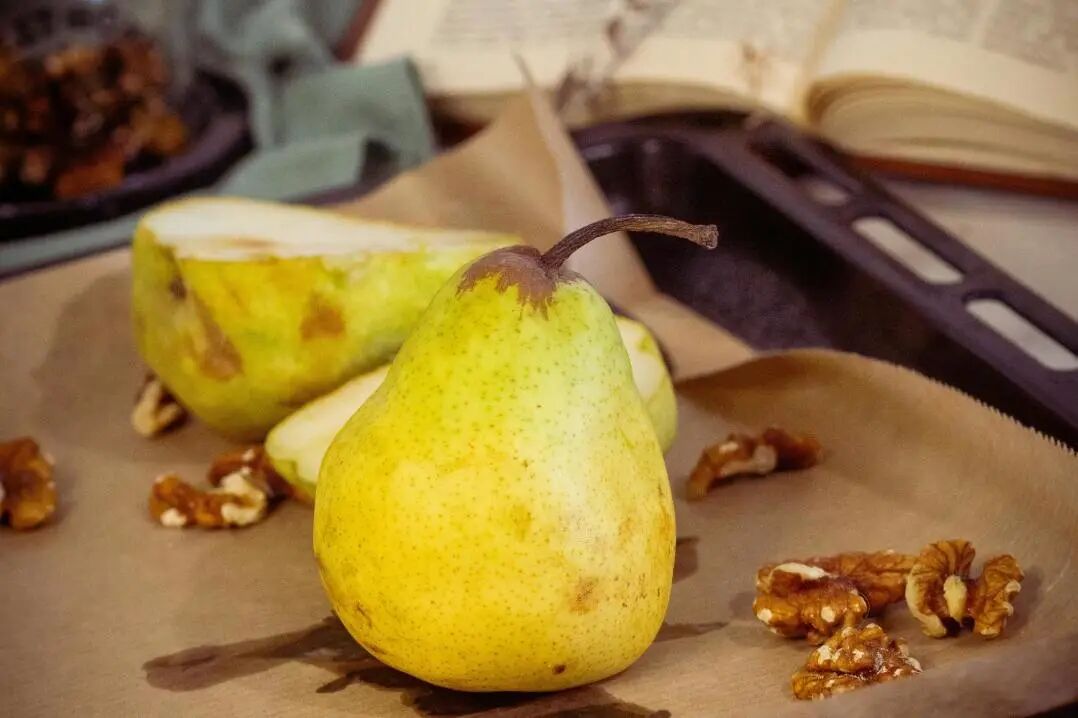
After the white dew, the natural yang energy tends to converge from relief, and the air becomes dry. The lungs become delicate and easily damaged by autumn dryness, making people prone to dry mouth, throat, stool, and skin cracking. At this time, health preservation should mainly focus on nourishing the lungs and moistening dryness. Daily diet should eat more neutral, sweet or warm foods, as well as nutritious and easily digestible tonics. For example, drinking a bowl of Congee in the morning can not only cure the cold but also prevent autumn dryness, such as Congee with white fungus, lotus rice porridge, sesame Congee, red jujube Congee, sweet potato Congee, corn Congee, etc. Pears, apples, grapes, oranges, pomelos, persimmons, longans, and other fruits are all suitable for eating in autumn.
/ Adjust your daily routine and restrain your demeanor/
As autumn qi converges and descends, the human body's essence, qi, and spirit also tend to converge and descend in response to it. Therefore, as the autumn mood gradually intensifies, the human body is prone to symptoms of autumn fatigue and inexplicable feelings of "sad autumn". At the same time, during the White Dew solar term, dryness and evil gradually intensify, which can easily inhibit the liver qi of the human body, leading to emotional fluctuations, irritability, chest tightness, and other situations. Therefore, attention should be paid to "calming the mind and restraining the air", and maintaining emotional stability and optimism.
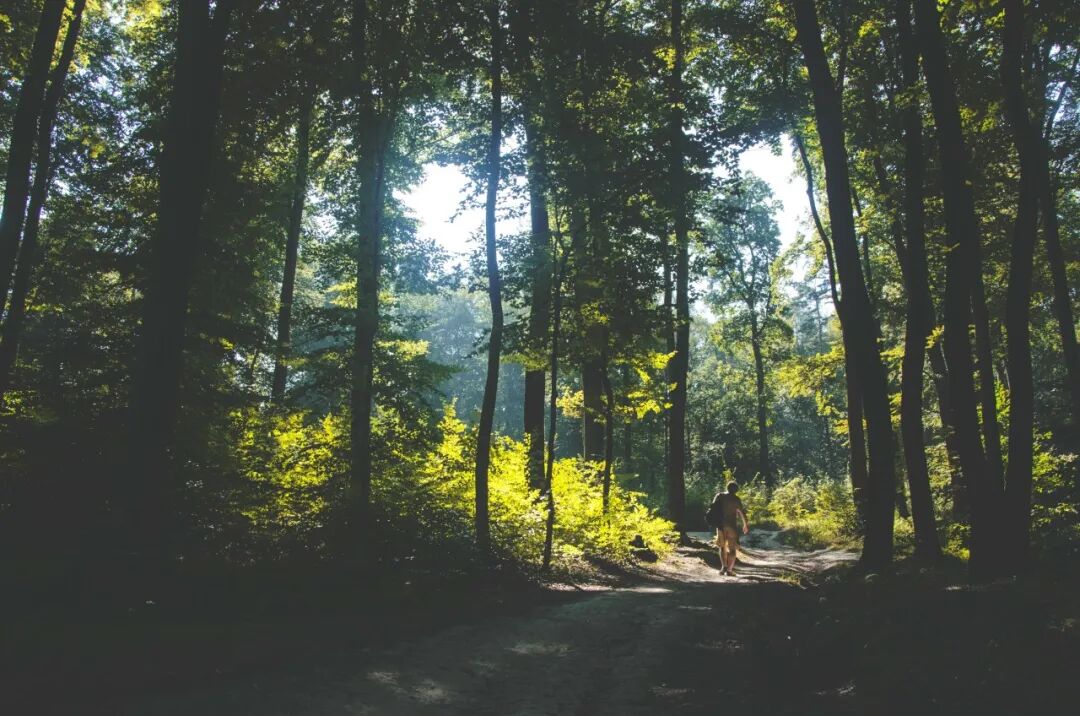
White dew brings us clear poetry and also brews the joy of harvest. Wind spreads for thousands of hectares, white dew turns into frost. Although summer has passed, the warmth here remains as old as ever. In autumn, with white dew, may the days be clear and joy linger.
24 Solar Terms
It is a specific festival in the Chinese lunar calendar that represents changes in natural rhythms and establishes the concept of "building in December". It was originally formulated based on the rotation of the Big Dipper and the movement of the stars. The Big Dipper rotates in a circular motion, with the handle rotating one circle to the east, south, west, and north, forming a cycle known as a "year". Each rotation cycle begins at the beginning of spring and ends at the end of the Great Cold. The "24 solar terms" is an important part of the long history and culture of the Chinese nation, which embodies the essence of the history and culture of Chinese civilization. Through historical development, the lunar calendar has incorporated the solar terms of the dry branch calendar as a supplement to the calendar, and adjusted it to conform to the tropical year through the "leap method", forming a yin-yang combined calendar. The "24 solar terms" have become an important part of the lunar calendar. In the international meteorological community, the 24 solar terms are known as "China's fifth great invention". On November 30, 2016, the 24 solar terms were officially included in the UNESCO Representative List of the Intangible Cultural Heritage of Humanity.
