

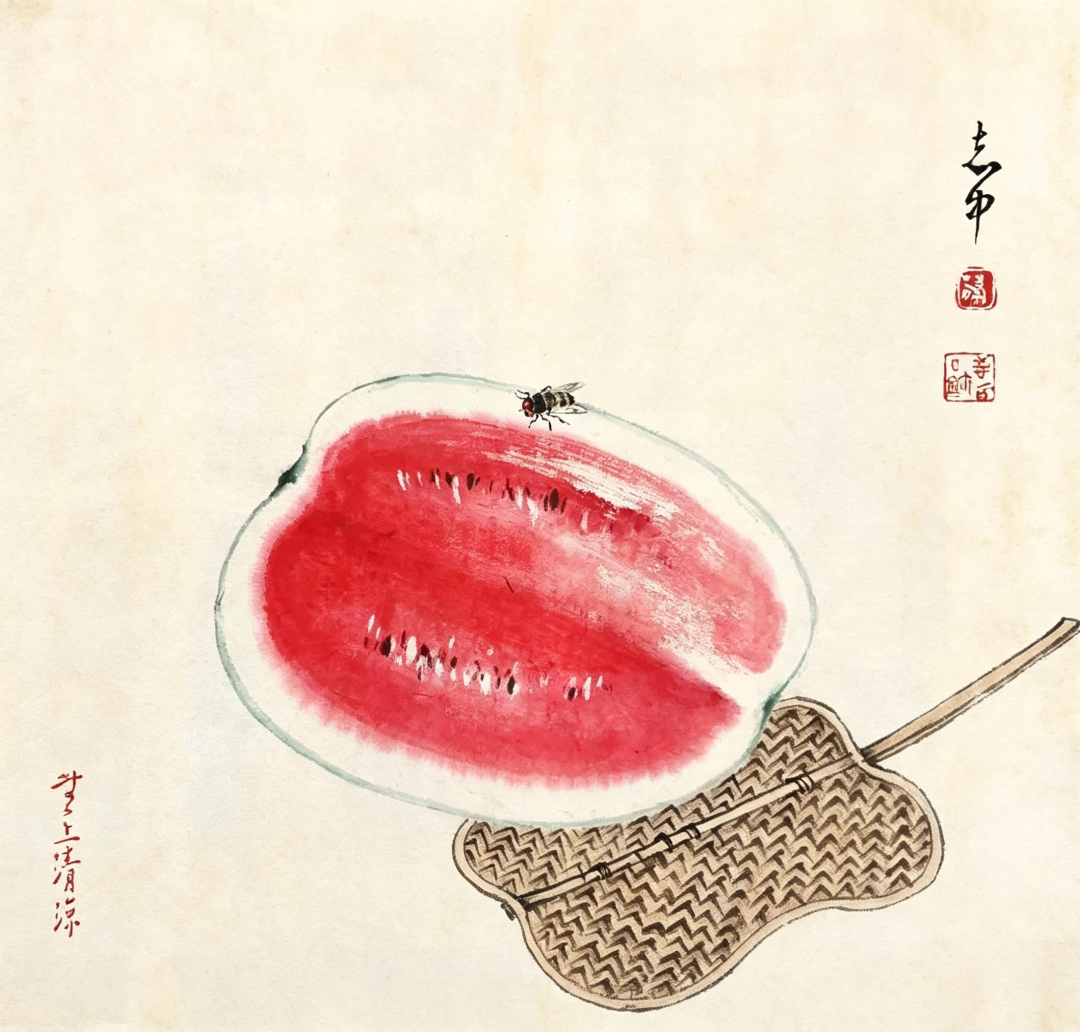
Watermelon painted by Cai Zhizhong
Lesser Heat /7.7
Lesser Heat, as the eleventh solar term among the twenty-four solar terms, also marks the end of the noon month and the beginning of the end of the lunar calendar. Its arrival heralds the beginning of the hot summer season. At this season, people can feel the temperature gradually rising and the sunshine becoming more intense, everything heralding the arrival of the "plum blossom" and the beginning of the scorching summer. In the Yuan Dynasty, Wu Cheng recorded in his book "Collection and Explanation of the Seventy Two Houhou of the Moon Order": "June Festival... is characterized by heat, which is divided into different sizes based on the heat. At the beginning of the month, it is considered small, and at the middle of the month, it is considered large." Here, "June" refers to the sixth month of the summer calendar. In the southern region of China, the symbol of Xiaoshu is: out of plum blossoms and into summer. The period from Xiaoshu to Liqiu is called "Fuxia" or "Sanfu Tian".
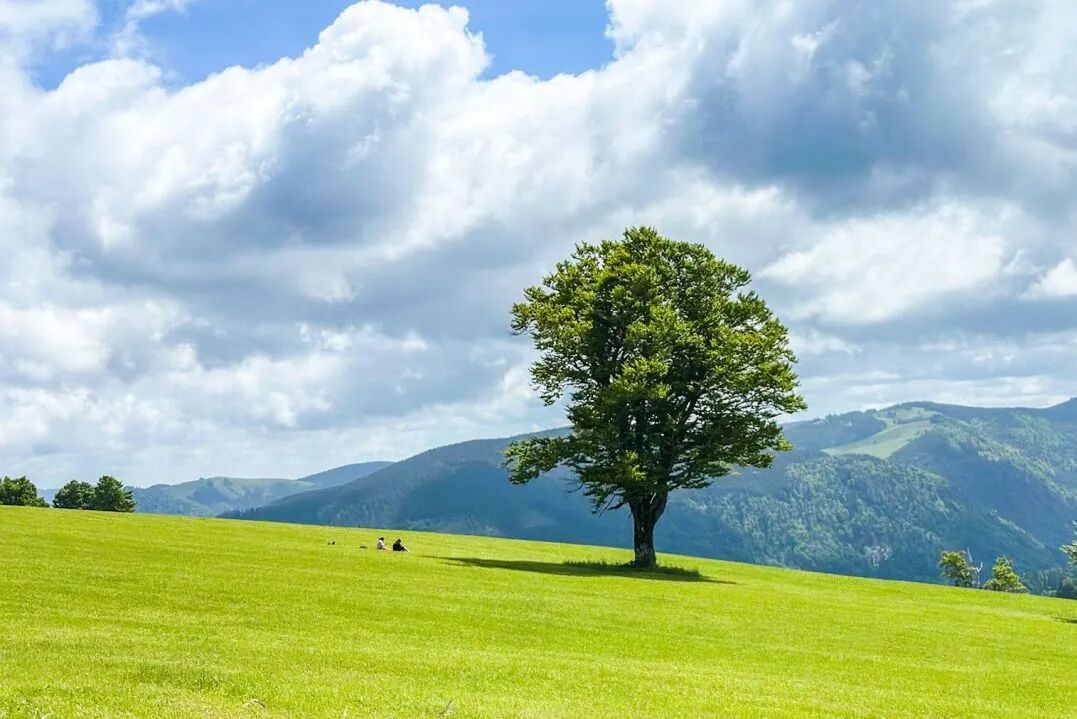
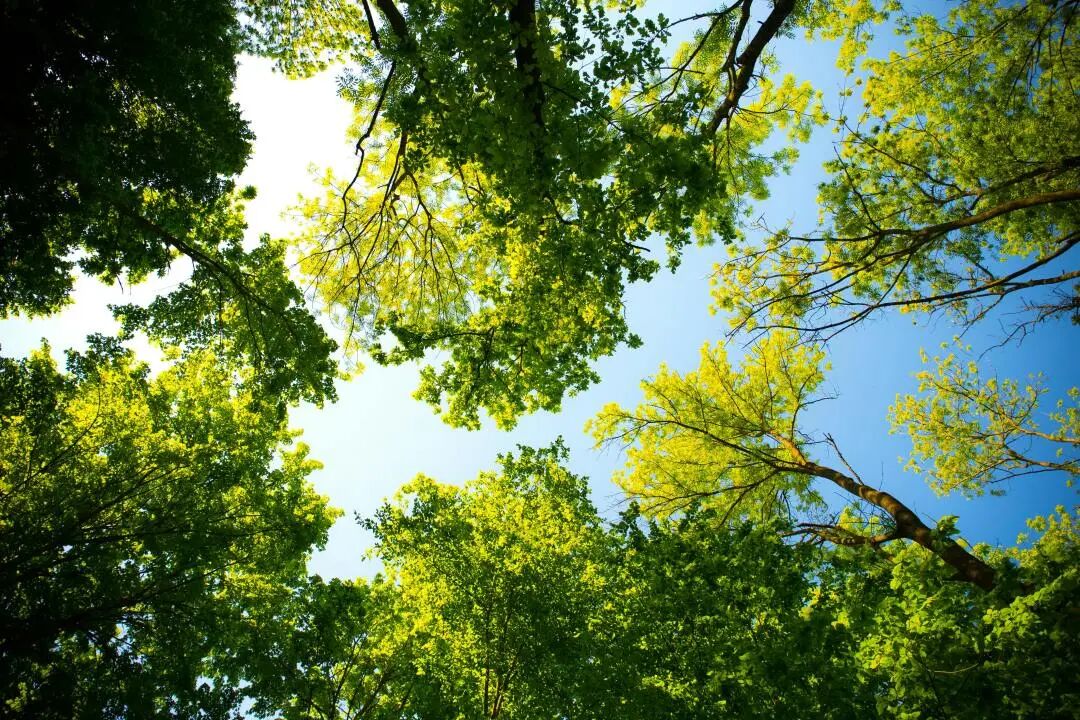
Lesser Heat · Sanhou

Yi Hou, warm wind arrives
In the Lesser Heat solar term, there is no longer any coolness on the earth, and every gust of wind seems to carry a heat wave. The Tang Dynasty poet Yuan Zhen described in his poem "Lesser Heat June Festival": "The warm wind suddenly arrived, and I vaguely felt the arrival of Lesser Heat
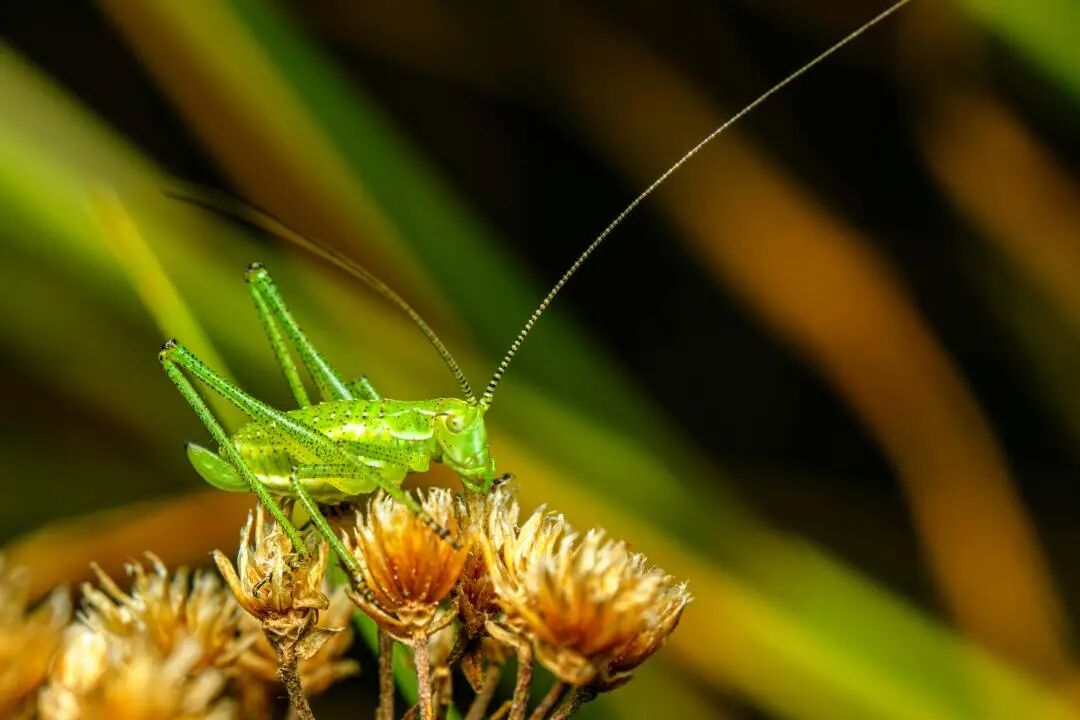
Er Hou, crickets reside in the house
The "July" chapter of the Book of Songs mentions the migration of crickets, which says: "In July, crickets chirp in the wild, in August they enter the eaves, in September they jump up the window threshold, and in October they finally enter my bed." The August referred to here refers to June according to the summer calendar, which is the Xiaoshu solar term. The weather is hot, so crickets leave the fields and seek shade in the corners of the courtyard to avoid the scorching heat of summer.
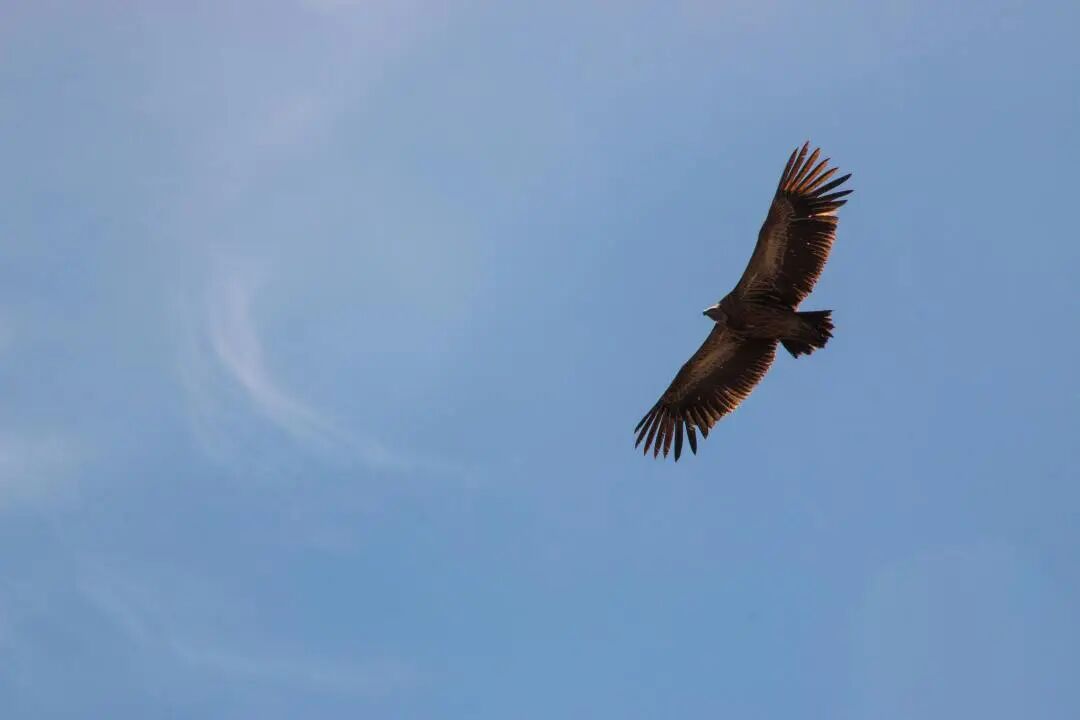
San Hou, the eagle begins to lurk
Eagles, due to the high ground temperature, choose to move in the cool sky. They soar high in the sky, with agile postures, becoming a unique scenery in the summer sky.
Lesser Heat · Custom
/Sunbathing/
During the Xiaoshu season, there is a folk custom of drying paintings, calligraphy, and clothes. There is a folk saying that goes: "On June 6th, people sun their clothes and dragons sun their robes." "On June 6th, every household sun their red and green. Red green "refers to various colorful clothes. Because this day is almost on the eve of Xiaoshu, which is the hottest day of the year, with the longest sunshine duration and the strongest sunlight radiation, many households will choose this day to "sunbathe" and hang the clothes stored in the cabinets outside to receive the sun's exposure, in order to remove moisture, dampness, mold and moth.

/Eating New/
In the past, there was a custom of "eating new" during the Xiaoshu period in southern China. "Eating new" involved grinding newly harvested rice, wheat, and other grains into flour to make various types of cakes and noodles, which neighbors and fellow villagers would share to express their wishes for a bountiful harvest. At the same time, these new products were also prepared for ancestor worship, praying for blessings and good weather.
/Hairpin Jasmine/
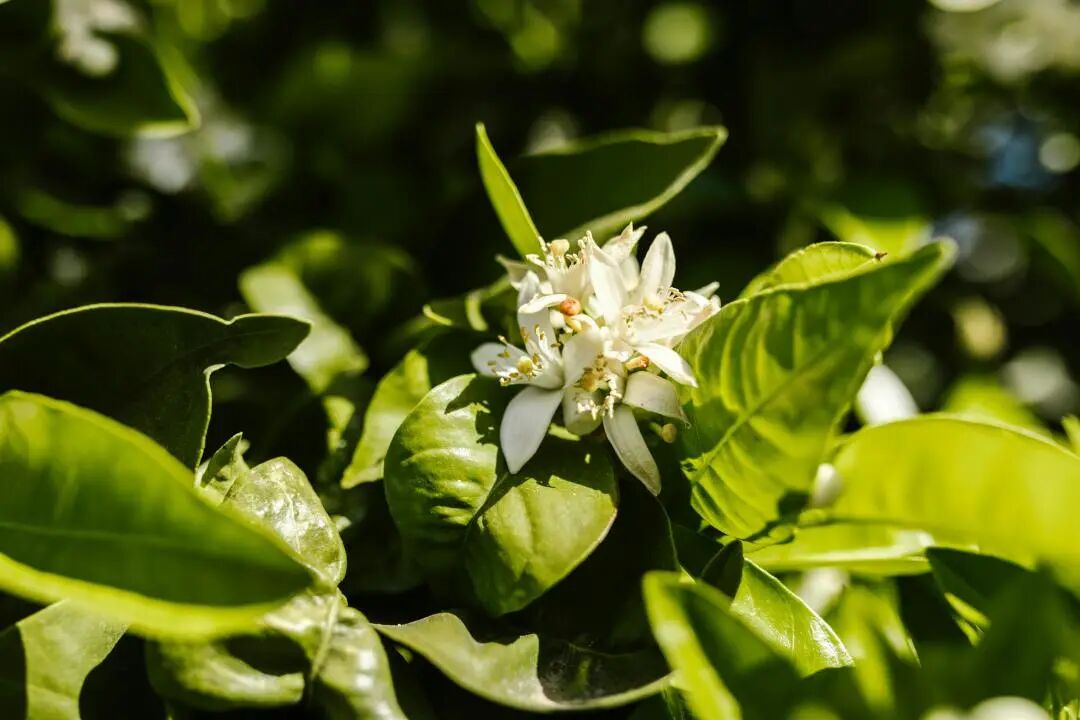
Lesser Heat is the time when jasmine is in full bloom, white and delicate, with a rich floral fragrance. Tie the jasmine flowers of Lianti into flower balls and wear flower ribbons for enjoyment. Not only do they look beautiful and fragrant, but their fragrance can also dispel impurities and turbidity.
Lesser Heat · Health Preservation
As the saying goes, in the heat of summer, steam up and cook down. At this moment, the yang heat decreases, the mist fumigates, and the water vapor rises, filling the air with moisture, reaching the peak of the "wet heat exchange". The evil of heat and dampness can easily enter the human body's skin pores from the outside while they are open and leaking, blocking qi flow, consuming fluids, damaging yang qi, and causing heatstroke, cardiovascular and cerebrovascular diseases, and intestinal infectious diseases.
/ Sleeping late and getting up early, being less active and more quiet/
Lesser Heat is suitable for staying up late and getting up early. People should sleep at night, get up early, and not dislike long days. In the scorching summer, the scorching sun shines brightly and the geothermal energy evaporates. It is the time when the human body's yang energy is active. Summer health preservation focuses on nourishing the yang energy, and it is best to adhere to the principle of "less movement and more stillness", but it is also necessary not to be inactive.
/Clearing heat and relieving summer heat, strengthening the spleen and removing dampness/
With the arrival of summer, the yang energy is strongest. To maintain the yang energy, cool and refreshing foods such as tomatoes, pineapples, mung beans, winter melons, lettuce, bean sprouts, etc. can be selected to clear heat and dispel summer heat. According to traditional Chinese medicine, Xiaoshu belongs to Changxia, where water vapor rises. Attention should be paid to clearing heat and relieving summer heat, strengthening the spleen and promoting dampness, and the diet should mainly be light and nourishing. Eat less greasy and spicy food, and eat some ingredients such as yam, Poria cocos, mung beans, lotus root, bitter gourd in moderation.

/Winter diseases should be treated in summer/
Sanfu is the period when the human body and natural yang energy are strongest, and following nature is the best way to maintain health and wellness. At this time, treatments such as Sanfu Tie and Du Mai Moxibustion can achieve the effect of preventing and treating diseases. Many diseases that often occur in winter or those caused by physical Yang deficiency can be reduced in incidence by enhancing the body's resistance in summer.

Lesser Heat arrives, summer begins. The sunlight pours through the city, the clear lotus sways, and the warmth and brilliance of all things in the world are fully displayed at this moment. May we all move forward with the light, live up to the scorching sun, and believe that all beauty is' hot 'to you.
The 24 Solar Terms
It is a specific festival in the Chinese lunar calendar that represents changes in natural rhythms and establishes the concept of "building in December". It was originally formulated based on the rotation of the Big Dipper and the movement of the stars. The Big Dipper rotates in a circular motion, with the handle rotating one circle to the east, south, west, and north, forming a cycle known as a "year". Each rotation cycle begins at the beginning of spring and ends at the end of the Great Cold. The "24 solar terms" is an important part of the long history and culture of the Chinese nation, which embodies the essence of the history and culture of Chinese civilization. Through historical development, the lunar calendar has incorporated the solar terms of the dry branch calendar as a supplement to the calendar, and adjusted it to conform to the tropical year through the "leap method", forming a yin-yang combined calendar. The "24 solar terms" have become an important part of the lunar calendar. In the international meteorological community, the 24 solar terms are known as "China's fifth great invention". On November 30, 2016, the 24 solar terms were officially included in the UNESCO Representative List of the Intangible Cultural Heritage of Humanity.
