

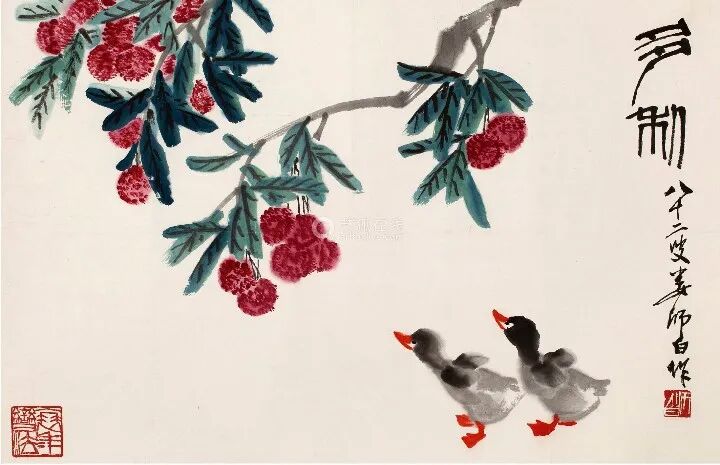
Summer Solstice / 6.21
The summer solstice, also known as the "Summer Festival" or "Summer Solstice Festival" in ancient times. It is the tenth solar term among the 24 solar terms and also the earliest one to be determined. In the 7th century BC, ancient people measured the shadow of the sun using a clay compass and found that on the day of "Summer Solstice", the length of the day and the length of the shadow reached the limit of the year. Therefore, it was called "Summer Solstice", the most poetic day of the year.
Since ancient times, the summer solstice has been a day for worshipping gods and ancestors. The Han Dynasty's "Zhou Li · Chun Guan" records: "When summer arrives, it brings local sacrificial offerings." In the Zhou Dynasty, worshipping gods on the summer solstice means clearing away famine, hunger, and death. On the summer solstice, after the wheat harvest, farmers not only thank the heavens for a bountiful harvest, but also pray for the "autumn harvest". However, gradually these folk sacrificial activities were also lost.
For rural areas, around the summer solstice, the weather enters the "plum rain" season, which is a busy farming season. Early rice is in the tillering stage and has entered an important management stage. Many fruits and vegetables begin to be harvested, and corn blooms and produces silk, which is the time for strong ears. During this season, farmers' harvest is compatible with agricultural management. At the same time, it is important to pay attention to the intrusion of thunderstorms, hail, and typhoons, timely drainage, as well as the high temperature and drought in the air.
Summer Solstice · Three Hou

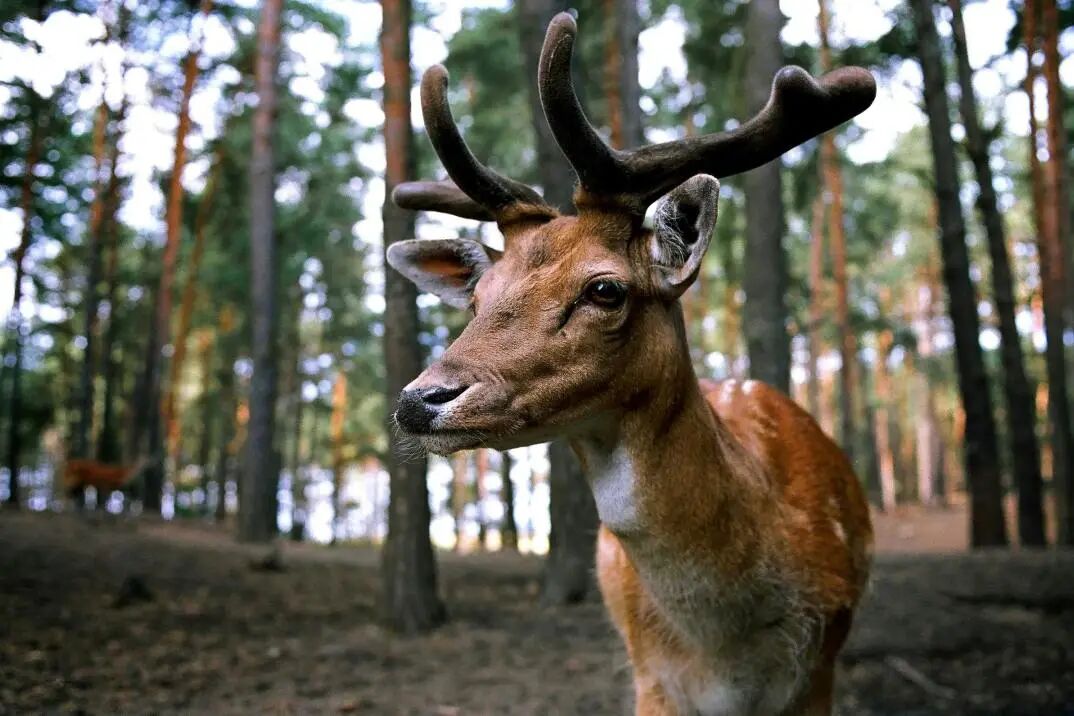
Yi Hou, the antlers are untied
On the day of the summer solstice, the antlers of deer are released. Deer are mountain beasts, belonging to yang, with their horns pointing forward; Milu, large in shape, belonging to Yin, with backward horns. On the summer solstice, when yin is born, the antlers retreat due to the feeling of yin qi.
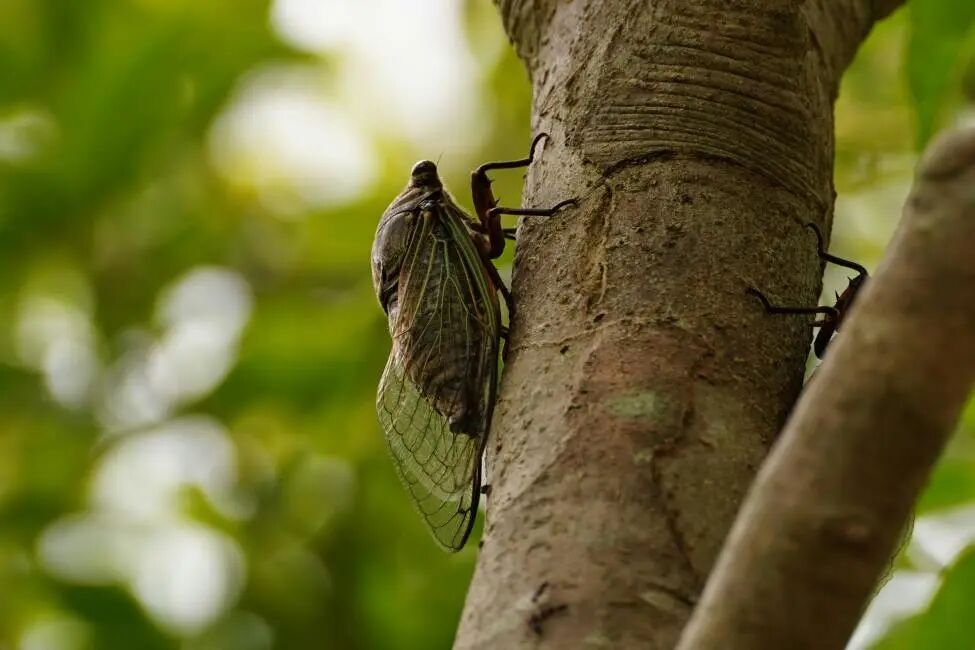
Er Hou, the sound begins to ring
In the next five days, the sound of the bell will begin. In ancient times, Chu called it Ti á o, while Qin and Jin called it Cicada. What a beautiful description! The sound of the hot and thick soup is like sticky soup! The cicada, also known as the summer cicada, is dark and loud with a clear call, commonly known as "cicada". After the summer solstice, cicadas will start flapping their wings and singing due to the presence of Yin Qi.
San Hou, Pinellia ternata grows
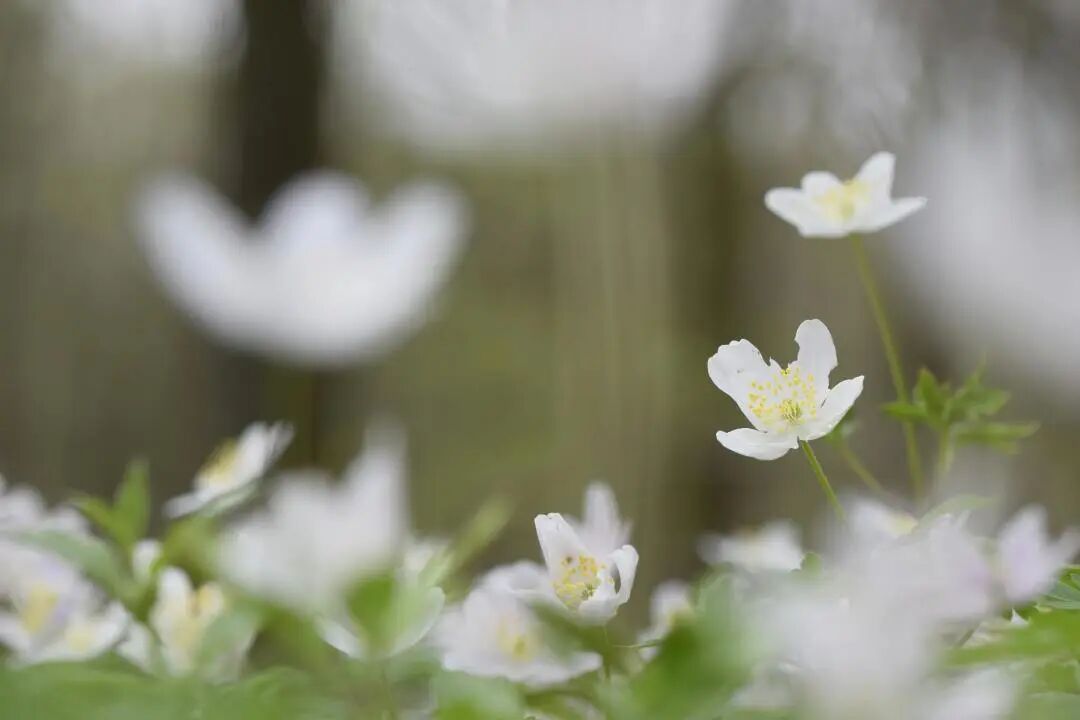
Five more days of 'Pinellia ternata'. This means that it's already halfway through summer, and the sun is scorching hot during the day, making it difficult to find shade for Pinellia ternata; At night, the chirping of insects is like weaving, and the fragrance of flowers is overflowing. Pinellia ternata is a white tuber that grows when yin and yang are half open and half closed. Therefore, as a traditional Chinese medicine, it is mainly used to treat half open and half closed diseases and coordinate the central nervous system. Treating typhoid fever, cold and heat is a disease where the pivot of Shaoyang is half opened; Treating sore throat is a disease where the pivot of Shaoyin is partially opened.
Summer Solstice · Customs
/Eating noodles/
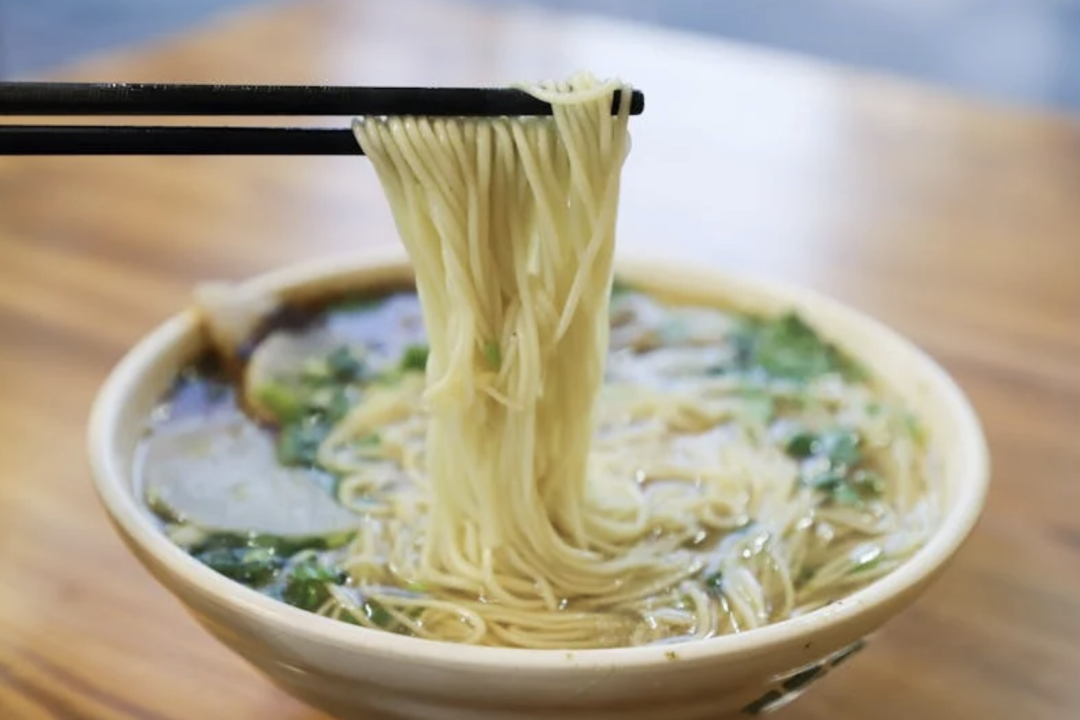
After eating summer noodles, the day is shortened by one thread, and there is a saying in the folk that goes, 'After eating summer noodles, the day is shortened by one thread.'. It's said that after the summer solstice, the days are getting shorter and shorter, and I do needlework every day, using less thread every day. People have found that after the summer solstice, the daytime is constantly decreasing, and the amount of time reduced each day is almost the same as the time people spend on a single thread, which is only a few minutes. Therefore, there is a saying that the day is shorter by one line.
/Eating eggs, fighting eggs/
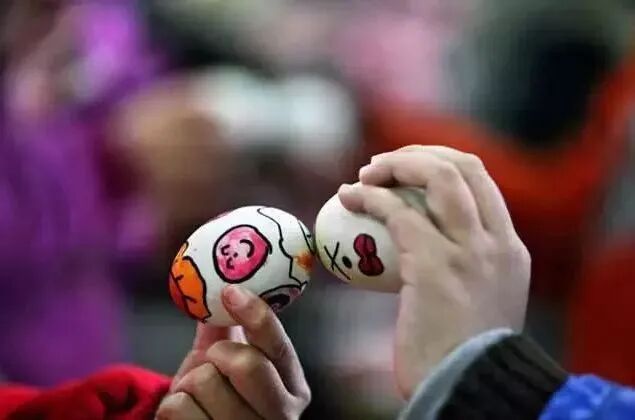
Eating eggs during the summer solstice, the slate will not rot. In some regions, there is a custom of eating and fighting eggs during the summer solstice. Children use colored thread to weave egg bags and put boiled eggs into them to collide with each other. The one whose shell does not break wins, symbolizing health and safety.
/ Worship ancestors and gods/
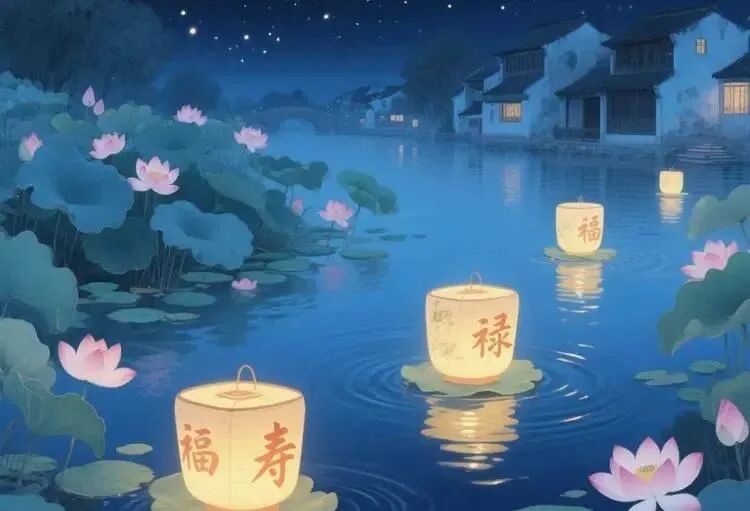
At the summer solstice, when wheat is harvested, farmers celebrate the bountiful harvest, offer sacrifices to their ancestors, thank God for the bountiful harvest, and pray for the "autumn harvest".
/Summer retreat and shelter/
The summer solstice in ancient times was a holiday for dispelling summer heat and seeking refuge, known as the "Summer Solstice Festival". From the court to the people, everyone tried various ways to escape the heat. In the palace, after the summer solstice, ice cubes stored in winter will be taken out of the ice cellar for members of the royal family to spend the hot summer days. During the Song Dynasty, civil and military officials took a three-day vacation from the summer solstice, staying at home to escape the heat and recuperate before returning to work. In folk culture, women who are familiar with each other give each other folding fans, rouge, sachets, etc. on the summer solstice. In the book "Yuyang Zazhu: Li Yi", it is said: "On the summer solstice, when you enter a fan and a powder and fat bag, there are words." The ancients gave fans as gifts to create wind and coolness; Applying powdered fat can dispel the turbid qi generated in the body and prevent the growth of prickly heat.

Summer Solstice · Health Preservation
It is a critical time of year for the transition between yin and yang, and the human body follows the pace of nature, being in an important stage of yin and yang transition. But compared to the high risks of winter solstice, the health risks of summer solstice are relatively mild. At this stage, we should adapt to the weather, warm up the yang qi, nourish the essence and blood, and regulate our own body.
/ Have a light diet and eat more 'bitterness'/
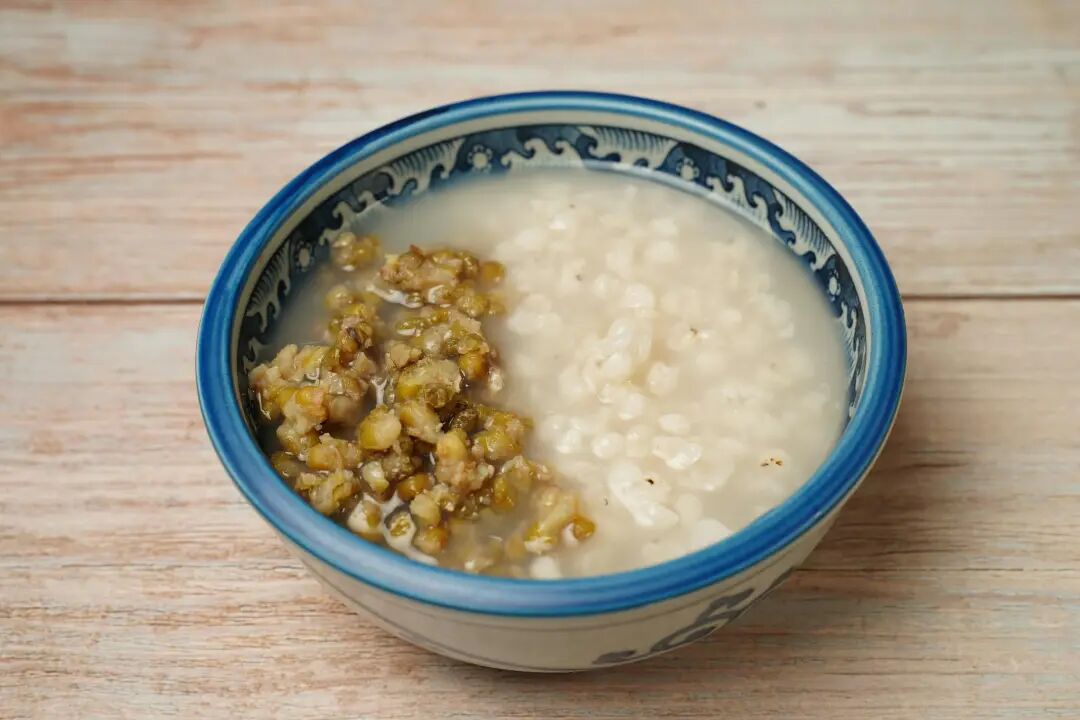
Starting from the summer solstice, the anode is yin and the yin energy resides inside. At this time, the weather is hot and people's digestive function is relatively weak. Therefore, diet should be aimed at clearing heat and increasing appetite. Bitter foods and some foods that can dispel heat, produce fluids and quench thirst can be eaten more. It is not advisable to consume fatty, sweet, and rich flavors to avoid overheating and wind. Green leafy vegetables and fruits with high water content are both good choices.
/ The key is to 'nourish the heart'/
The weather gradually becomes hot and humid, which is called 'heat exhaustion and damage to body fluids' in traditional Chinese medicine. It can cause restlessness, confusion, shortness of breath, and dry mouth and tongue. At the same time, the heat is often accompanied by dampness, and people may feel heavy head and body fatigue. At this time, the main focus is on regulating and nourishing the mind, clearing the mind, and eliminating troubles. You can use some seasonal ingredients.
The summer solstice has arrived. May we all feel the comfort of life and enjoy the gifts of nature during this special season. May the summer be safe and happy from now on! In the season of abundance of all things, it is suitable for all beautiful encounters and mutual understanding, and it is also worth the passion of all life to bloom. On passionate days, may we appreciate beauty, strive to grow, and live up to time and ourselves.
The 24 Solar Terms
It is a specific festival in the Chinese lunar calendar that represents changes in natural rhythms and establishes the concept of "building in December". It was originally formulated based on the rotation of the Big Dipper and the movement of the stars. The Big Dipper rotates in a circular motion, with the handle rotating one circle to the east, south, west, and north, forming a cycle known as a "year". Each rotation cycle begins at the beginning of spring and ends at the end of the Great Cold. The "24 solar terms" is an important part of the long history and culture of the Chinese nation, which embodies the essence of the history and culture of Chinese civilization. Through historical development, the lunar calendar has incorporated the solar terms of the dry branch calendar as a supplement to the calendar, and adjusted it to conform to the tropical year through the "leap method", forming a yin-yang combined calendar. The "24 solar terms" have become an important part of the lunar calendar. In the international meteorological community, the 24 solar terms are known as "China's fifth great invention". On November 30, 2016, the 24 solar terms were officially included in the UNESCO Representative List of the Intangible Cultural Heritage of Humanity.
