Cultural heritage empowers innovation in cultural tourism
Expression of Chinese Stories
Art, Creativity, Culture, and Tourism at Peking UniversitySpecial lectures for advanced training courses
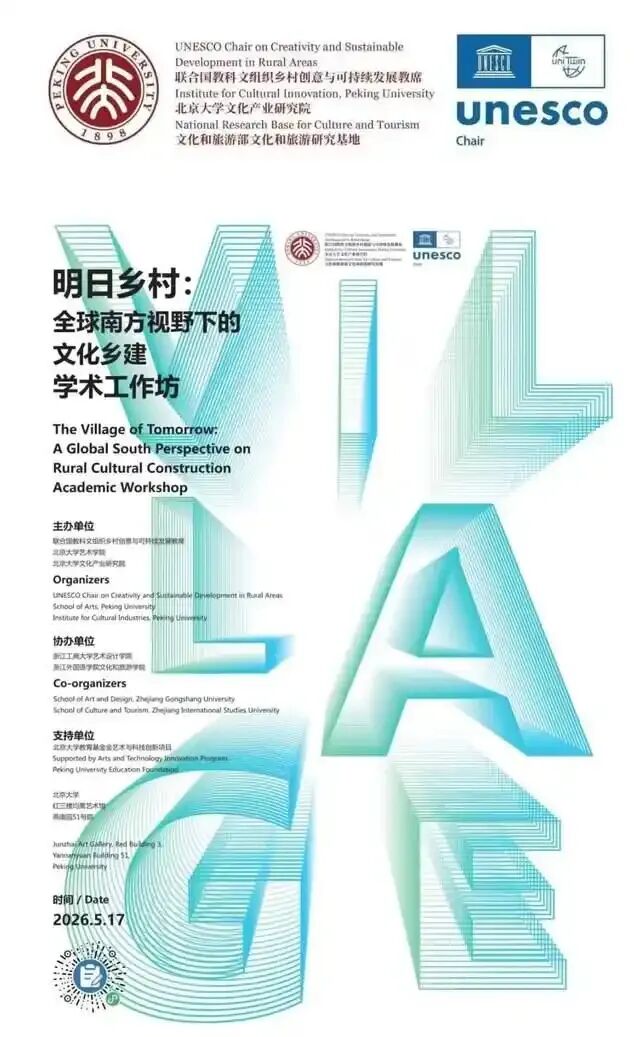
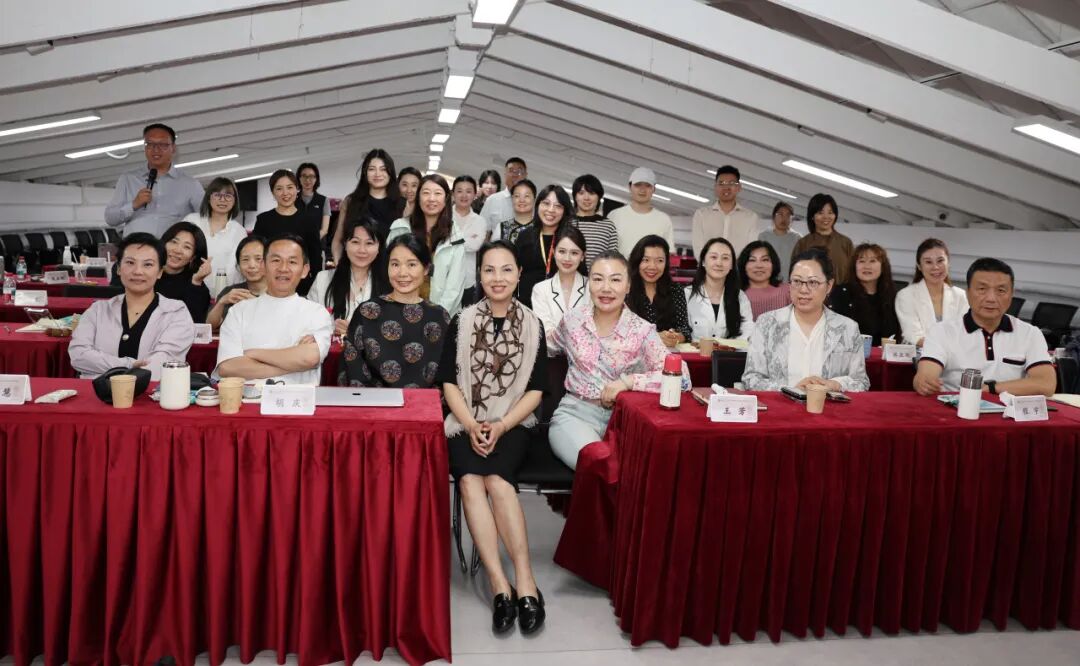
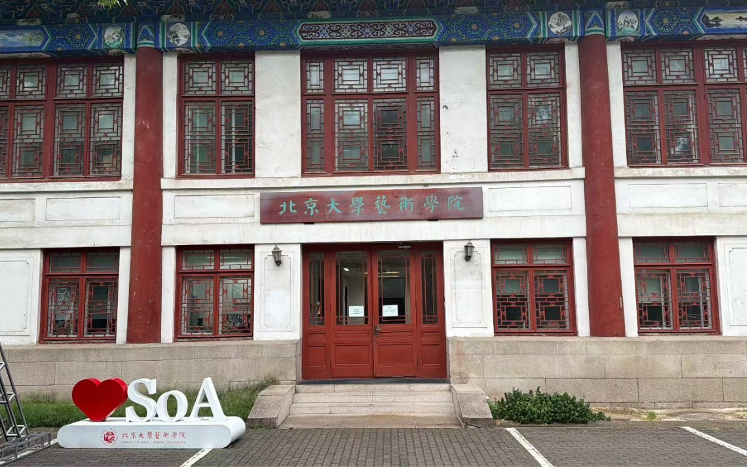
On May 16, 2026, at the invitation of the Cultural Industry Research Institute of Peking University, Professor Chen Ping, the host of the UNESCO "World Traditional Handicrafts: Inheritance and Innovation" Chair, the President of the International Folk Art Organization (IOV World), and the Dean of the Cultural Heritage Creative Industry Research Institute of Jinan University, gave a special lecture entitled "Making Good Use of Cultural Heritage and Telling the Story of China" at the Peking University Advanced Training Course on Art Creativity and Cultural Tourism Integration. He discussed with managers and practitioners from cultural tourism enterprises, cultural tourism operation institutions, and related fields across the country the era of cultural heritage empowering the development of cultural tourism integration.
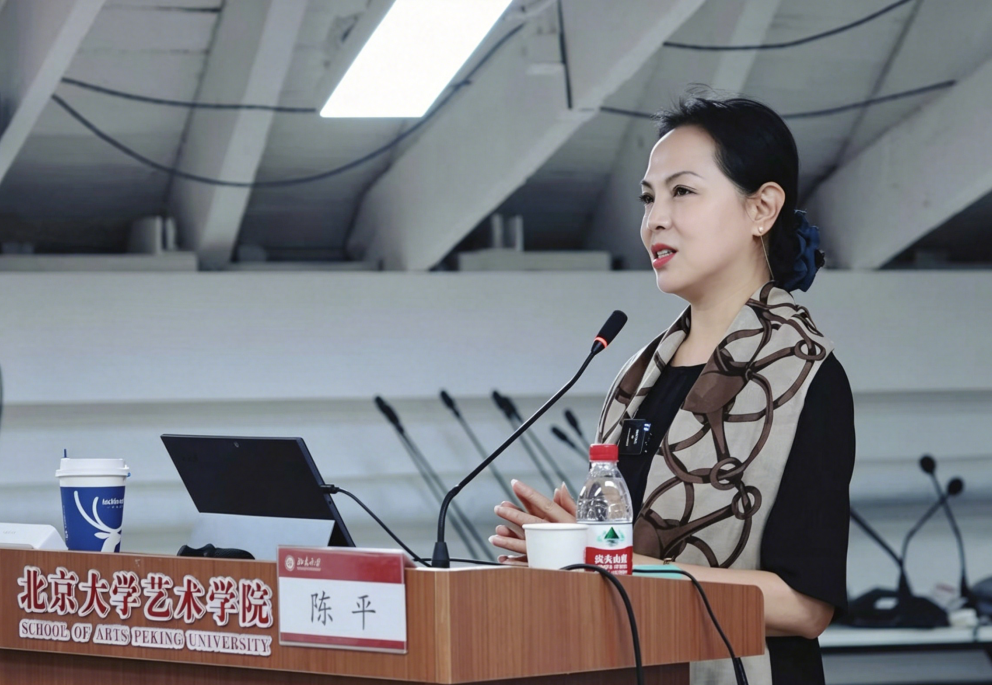
Professor Chen Ping delivered a keynote speech
Since its establishment in 2019, the Advanced Training Program for the Integration of Art, Creativity, Culture, and Tourism at Peking University has relied on the profound academic accumulation of the School of Arts and the Cultural Industry Research Institute. It focuses on national strategic areas such as cultural and tourism integration, rural revitalization, urban renewal, creative design, and digital cultural tourism, and is committed to cultivating high-level composite cultural and tourism talents with artistic aesthetics, innovative thinking, and industrial vision. The project has been held for multiple consecutive sessions, with students from cultural and tourism groups, cultural and tourism project operating agencies, cultural and creative enterprises, and related industries, playing an active role in promoting the high-quality development of the cultural and tourism industry.
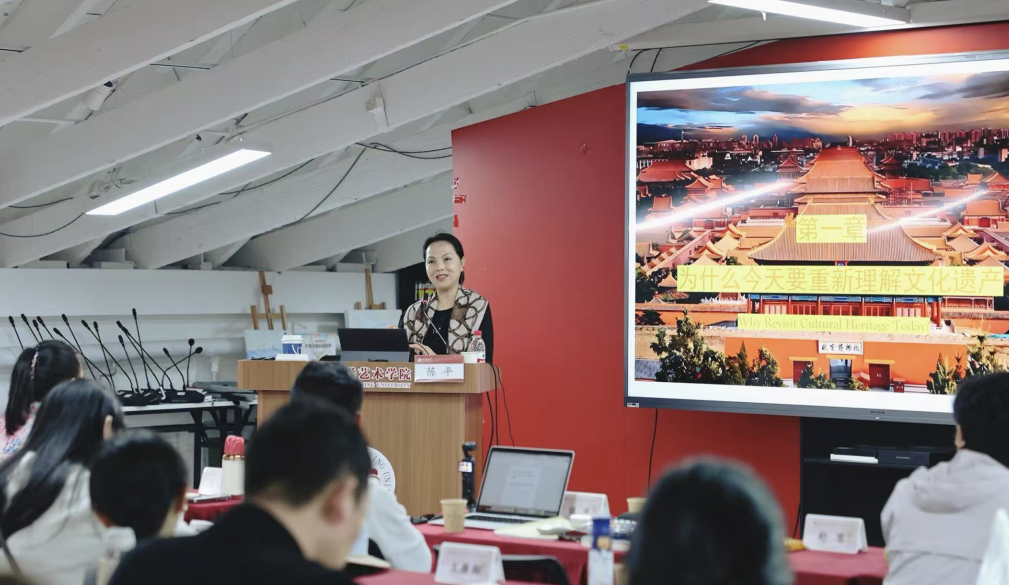
In the lecture, Chen Ping systematically elaborated on issues such as "why we should make good use of cultural heritage", "how to make cultural heritage come alive", and "how to tell the story of China well through cultural heritage". She pointed out that cultural heritage is not only a historical witness to the continuous development of Chinese civilization, but also an important resource for cultural innovation in the new era. Against the backdrop of the deep integration of culture and tourism, cultural heritage is gradually transforming from a traditional protected object to an important force in promoting local development, industrial innovation, and enhancing cultural identity.
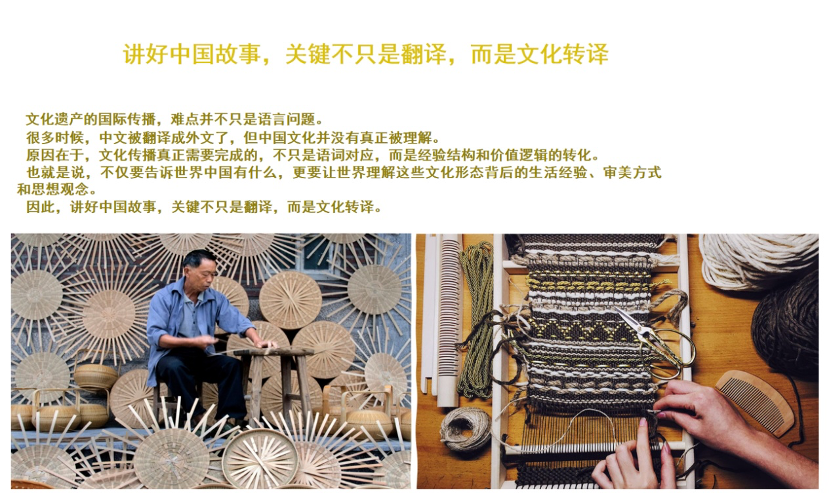
Chen Ping emphasized that telling Chinese stories well is not only about spreading historical knowledge, but more importantly, through the vivid carrier of cultural heritage, showcasing the spiritual pursuit, values, and wisdom of Chinese civilization to the world. Traditional crafts, folk art, festival customs, local culture, and local knowledge systems all contain rich cultural information and unique aesthetic values, and are important resources for building China's narrative system.
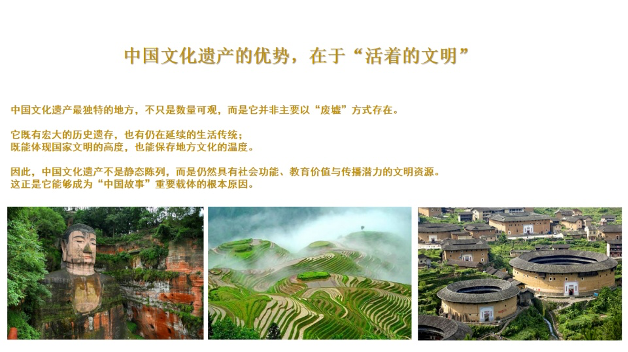
She believes that cultural heritage is not a static historical relic, but an important link connecting the past, present, and future. The ultimate goal of cultural heritage protection is not to preserve it in museums, but to integrate it into contemporary society, enter modern life, and constantly radiate new vitality through creative transformation and innovative development. Only by combining traditional culture with contemporary needs and connecting it with modern communication methods can we truly achieve the dynamic inheritance of cultural heritage.
Based on his long-term experience in cultural heritage protection, revitalization of traditional crafts, and international cultural exchange, Chen Ping shared a large number of domestic and foreign cases, focusing on analyzing the practical paths of cultural heritage in rural revitalization, tourism destination construction, urban renewal, and cultural brand building. She pointed out that cultural heritage can not only enhance local cultural characteristics and cultural identity, but also become an important resource for promoting regional economic development and enhancing social cohesion.
Regarding the current development trend of the cultural and tourism industry, Chen Ping pays special attention to the new opportunities brought by digital technology for the dissemination and utilization of cultural heritage. She stated that new technologies such as artificial intelligence, digital displays, immersive experiences, and new media communication are constantly expanding the boundaries of cultural heritage dissemination. In the future, cultural heritage will not only be an important content resource for cultural tourism, but also an important support for promoting cultural innovation, international dissemination, and enhancing national cultural soft power.
In the interactive communication session, students engaged in in-depth discussions on topics such as the revitalization and utilization of intangible cultural heritage resources, the construction of rural cultural brands, the industrialization of traditional crafts, and international communication practices. Everyone agrees that the curriculum not only broadens the international perspective on the protection and utilization of cultural heritage, but also provides new ideas and inspirations for cultural and tourism project innovation and local cultural development.
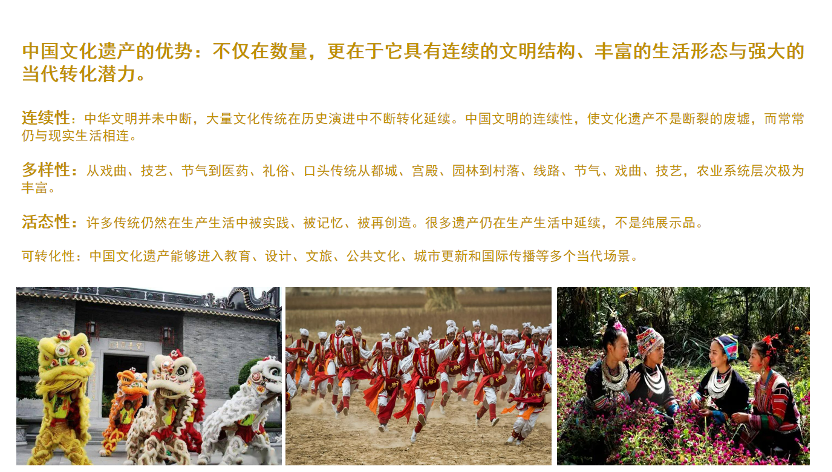
Currently, the role of cultural heritage in the construction of a national cultural power, the implementation of rural revitalization strategies, and international cultural dissemination is increasingly prominent. How to make cultural heritage "come alive", traditional culture "go global", and Chinese stories "spread" has become an important issue faced by cultural workers in the new era. Cultural heritage carries the cultural genes and spiritual codes of the Chinese nation, and also contains innovative wisdom to promote future development. By delving deeper into the value of cultural heritage, innovating communication methods, and enhancing international expression capabilities, Chinese stories will go global in a richer, more vivid, and infectious way, contributing Chinese wisdom and solutions to promoting cultural exchange and mutual learning.