Culture live in the future
Rural Cultural Construction and Youth Mission from the Global Southern Perspective
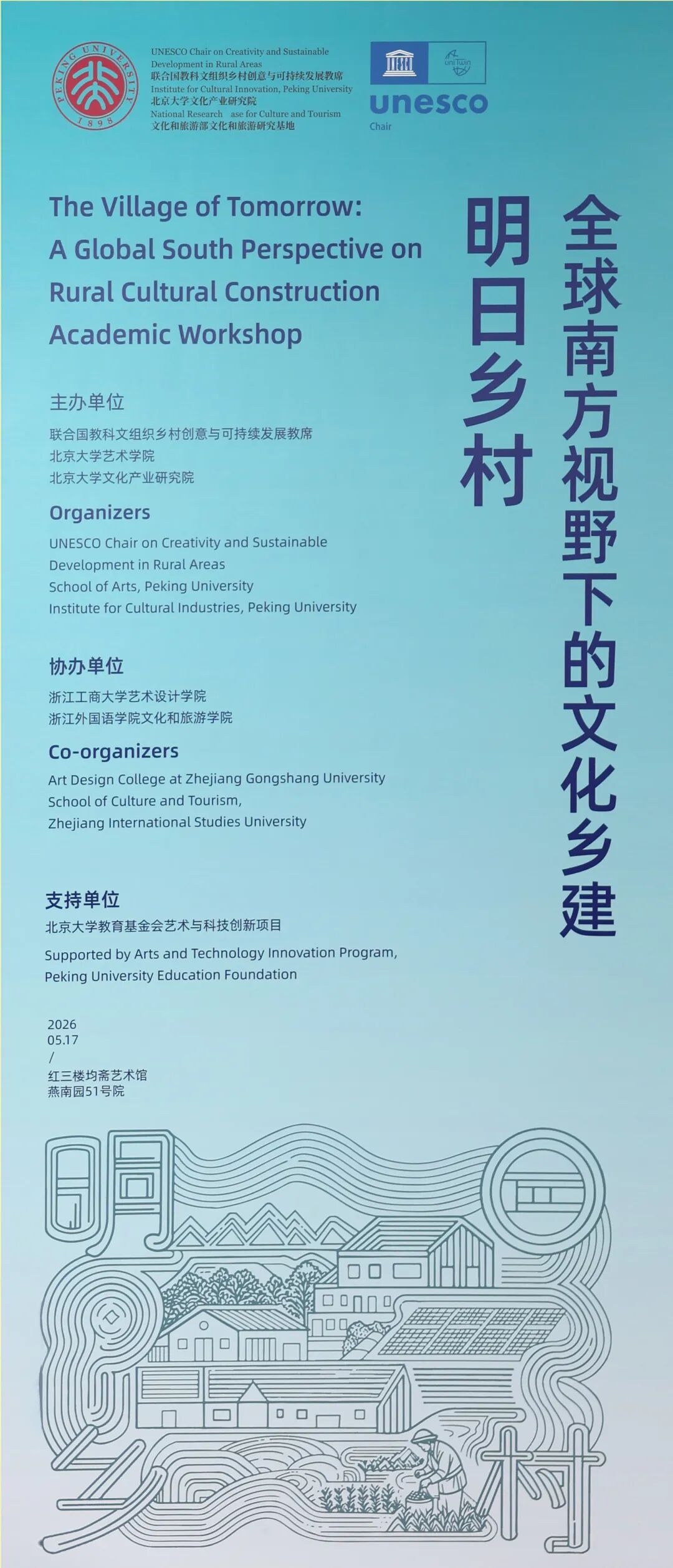
On May 17, 2026, the academic workshop "Tomorrow's Countryside: Cultural Rural Construction from a Global Southern Perspective" was held at Peking University, hosted by the UNESCO Chair in Rural Creativity and Sustainable Development, the School of Arts and Design at Peking University, and the Institute of Cultural Industry at Peking University. It was co organized by the School of Art and Design at Zhejiang Gongshang University and the School of Culture and Tourism at Zhejiang Foreign Studies University, and supported by the Beijing University Education Foundation and the Art and Technology Innovation Project at Yisancang University in Thailand.
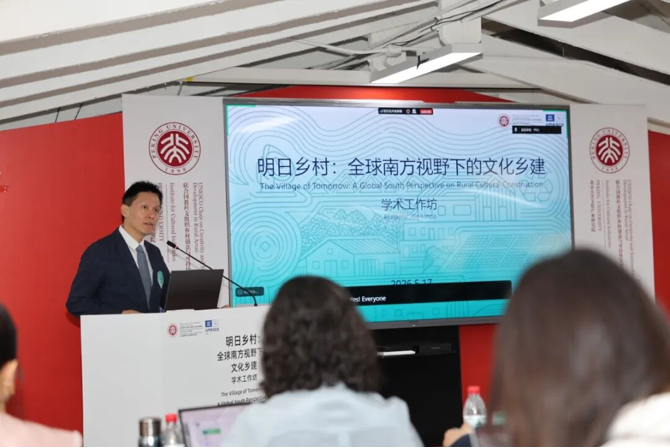
Professor Xiang Yong, Chair of the UNESCO Chair in Rural Creativity and Sustainable Development and Dean of the Institute of Cultural Industries at Peking University, delivered a speech
At the opening ceremony, Xiang Yong, the host of the UNESCO Chair in Rural Creativity and Sustainable Development and the Dean of the Institute of Cultural Industries at Peking University, introduced the important achievements of the Chair's construction in recent years, including the Global Youth Rural Creativity Residency Program, the Global Exploration Program of "Literary and Artistic Beautification of Villages", the construction of the Chinese Rural Painting Database, the construction of a multilingual case library for rural sustainable development, and the Rural Creative Talent Training Program. These practices fully reflect the important role of cultural innovation, youth participation, and international cooperation in rural revitalization, and also demonstrate the unique value of culture in promoting sustainable social development. Xiang Yong expressed his hope to break through regional and cognitive boundaries through cross-cultural, interdisciplinary, and cross regional dialogue and cooperation, explore new paths for global southern cultural rural construction through equal exchange and mutual learning, and contribute more replicable and promotable Chinese experience and international wisdom to sustainable rural development.
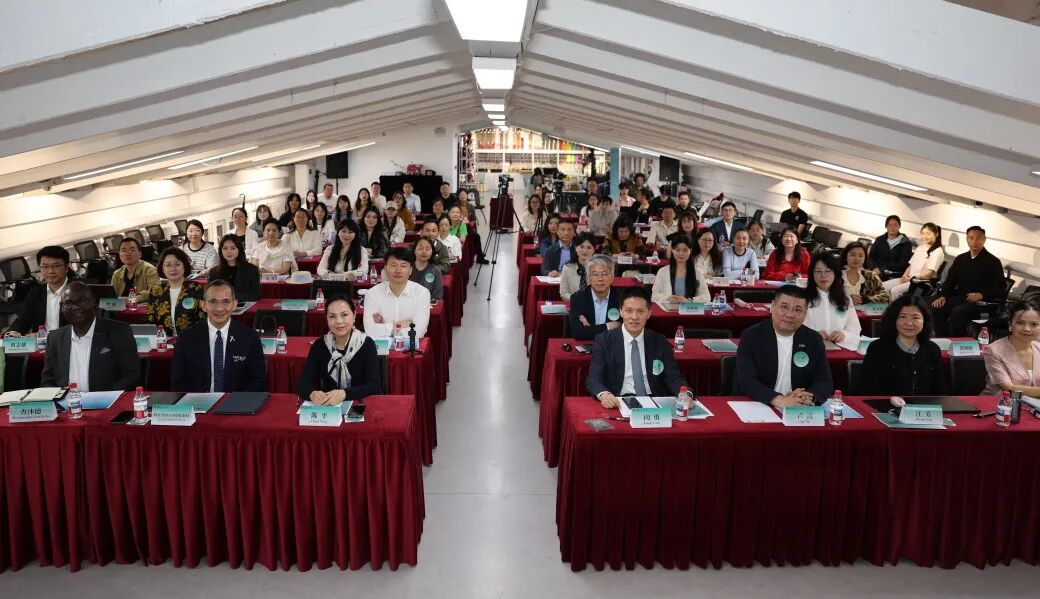
Academic Workshop on "Tomorrow's Countryside: Cultural Rural Construction from a Global Southern Perspective" held at the conference venue
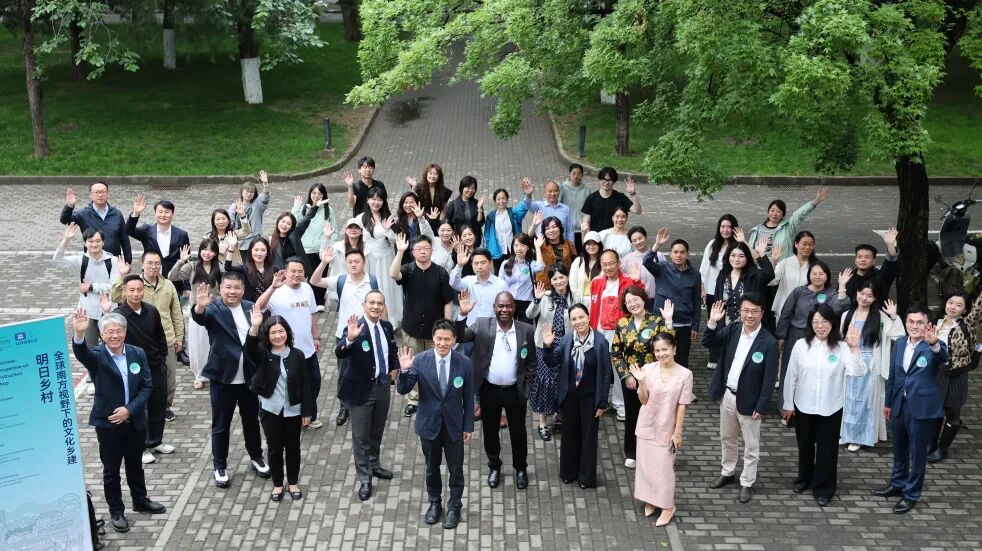
More than 30 experts, scholars, government representatives, cultural institution leaders, and industry guests from countries and regions such as China, South Africa, Thailand, and Vietnam gathered at Yanyuan to jointly explore the era of cultural empowerment for rural revitalization and sustainable development. Xiang Yong, Chair of the UNESCO Chair in Rural Creativity and Sustainable Development and Dean of the Institute of Cultural Industries at Peking University, Chen Ping, Chair of the UNESCO Chair on "World Traditional Handicrafts: Inheritance and Innovation", Global Chair of the International Organization of Folk Arts (IOV World), and Dean of the Institute of Cultural Heritage and Creative Industries at Jinan University, Munyaradzi Chatikobo, Director of Cultural Policy and Management at the School of Arts, Jinshan University, South Africa, Apichart Intravisit, Vice Dean of the Graduate School of Fine Arts and Design at Yesan Cang University, Thailand, Tran Thi Thuy, Deputy Director of the China Research Institute at the Vietnamese Academy of Social Sciences, Professor Lu Tao from the China Academy of Art, and Wang Sha, Vice Dean of the Beautiful China Research Institute at the China Academy of Art, attended and delivered speeches. The keynote speech.
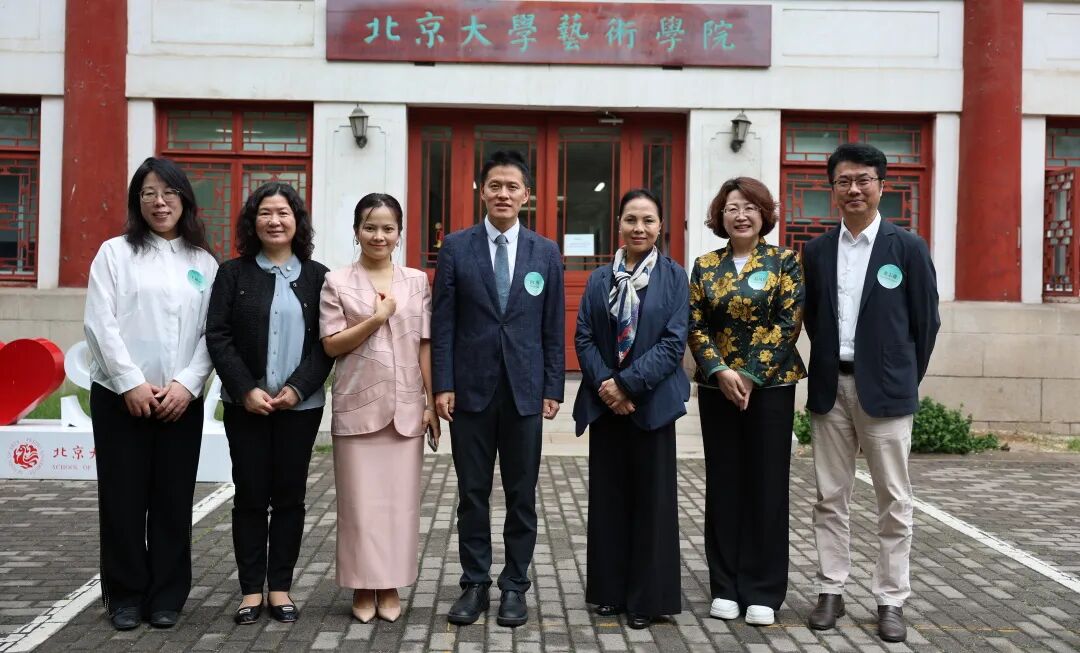
Photo of some attendees
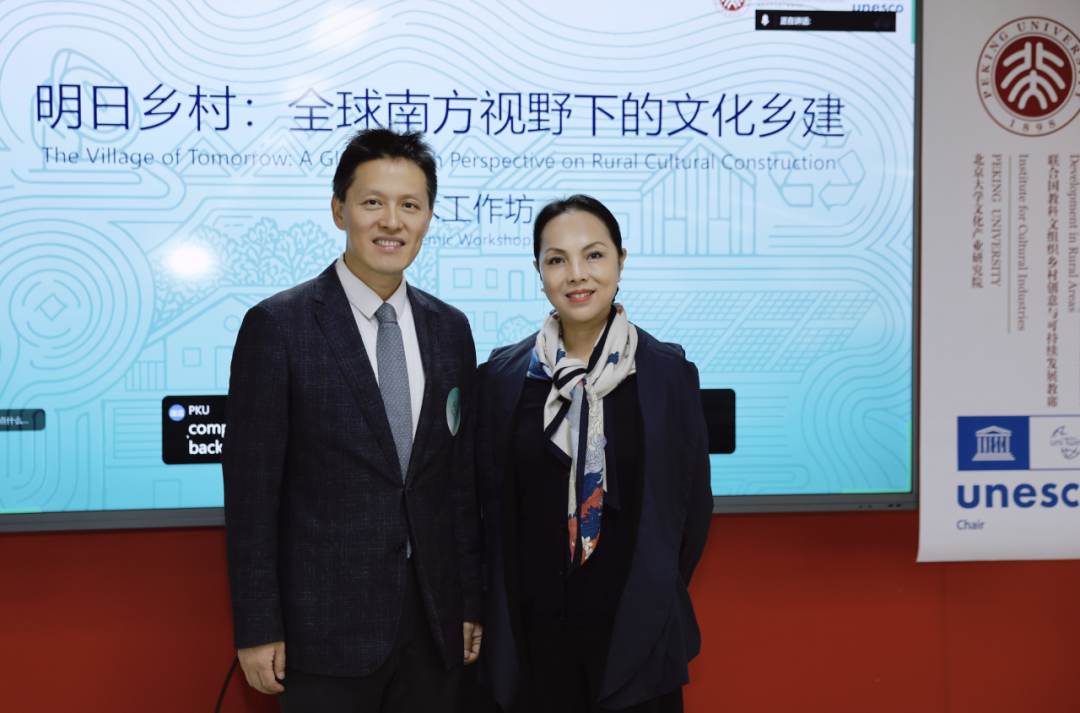
Professor Xiang Yong and Professor Chen Ping
In addition, Zhang Xifeng, Minister of Continuing Education at Peking University, Liu Zhong, Secretary of the Administrative Party Branch of the China Artists Association and a renowned national treasure painter, Yuan Sitao, Editor in Chief of Xinhua News Agency's Culture Channel, Li Lin, Deputy General Manager and Group Chief Expert of China Mobile Migu Company, Wu Yi, Senior Researcher of Tencent's Digital Public Opinion Department, as well as representatives from local governments, universities, cultural institutions, and industry enterprises attended the conference together. The participation of multiple stakeholders has made this workshop not only a platform for academic exchange, but also an important dialogue space connecting cultural heritage protection, rural development practices, and international cooperation.
The keynote speech segment focused on the cutting-edge thinking of cultural rural construction and sustainable development in countries of the global South. Scholars from countries such as China, South Africa, Thailand, and Vietnam have conducted in-depth discussions on the protection of living heritage, cultural policies, digital technology empowerment, rural subjectivity construction, traditional village protection, and rural innovation and development, demonstrating the diverse paths and common concerns of different countries in cultural inheritance and rural revitalization practices.
Professor Chen Ping, the host of the UNESCO Chair on "World Traditional Handicrafts: Inheritance and Innovation" and the Global President of the International Organization of Folk Arts (IOV World), shared his practical experience in cultural heritage protection and youth talent cultivation, focusing on the construction of youth mechanisms in the inheritance of living heritage. He emphasized that youth participation is not only an important guarantee for cultural continuity, but also a key driving force for cultural innovation and social sustainable development.
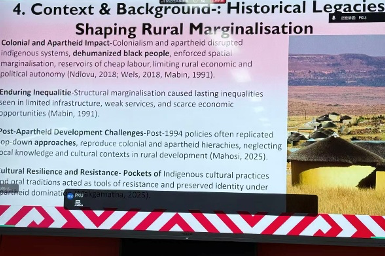
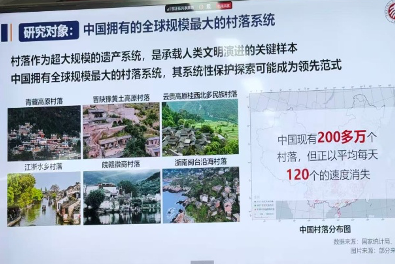
Munyaradzi Chatikobo, Director of Cultural Policy and Management at the School of Arts, Kingsoft University in South Africa, proposes that culture and local knowledge systems are the core resources for promoting sustainable rural development based on South African social development practices; Professor Lu Tao from the China Academy of Art explores new possibilities for innovative dissemination of traditional culture in the context of artificial intelligence through the case of digital art exhibitions; Wang Sha, Vice Dean of the Beautiful China Research Institute at the China Academy of Art, proposed the concept of "perceived empowerment", emphasizing the reconstruction of emotional connections between people and land, and people and communities; Apichart Intravisit, Vice Dean of the University of Thailand, shared innovative practices of intangible cultural heritage in community governance and intergenerational participation; Professor Wang Fang from the School of Architecture and Landscape Design at Peking University explores a data-driven mechanism for monitoring and identifying the value of cultural heritage from the perspective of traditional village system protection; Tran Thi Thuy, a scholar from the Vietnamese Academy of Social Sciences, used the experience of Vietnam's new rural construction as an example to propose an innovative concept of shifting from selling agricultural products to promoting rural lifestyles; Associate Professor Wang Liyun from Zhejiang Technology and Business University summarized the practical experience of cultural township construction from three aspects: resource activation, talent cultivation, and institutional construction.
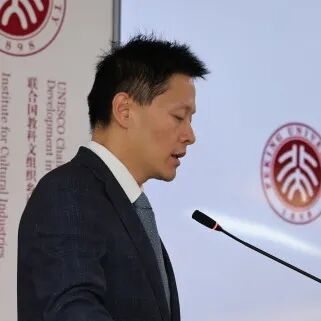
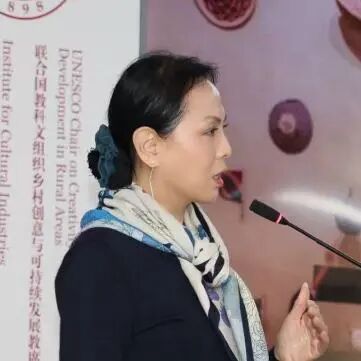

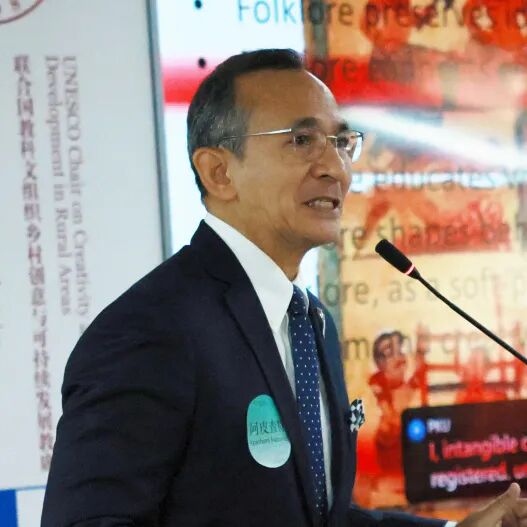
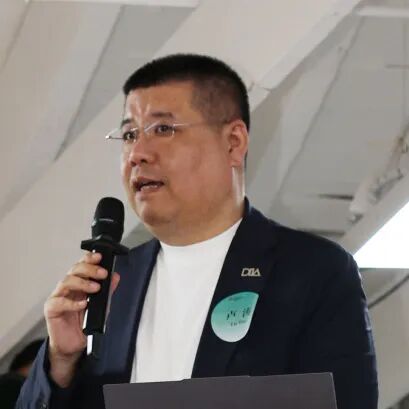
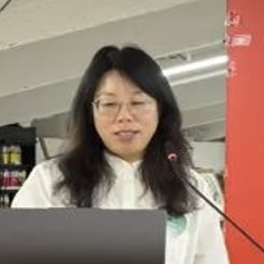
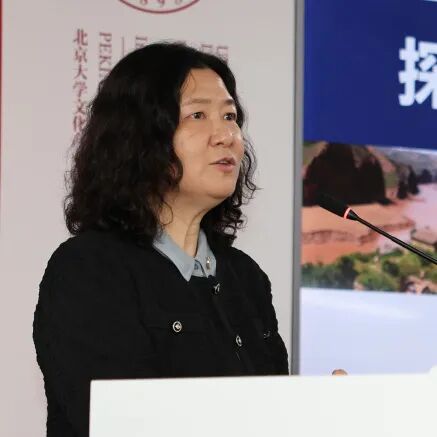
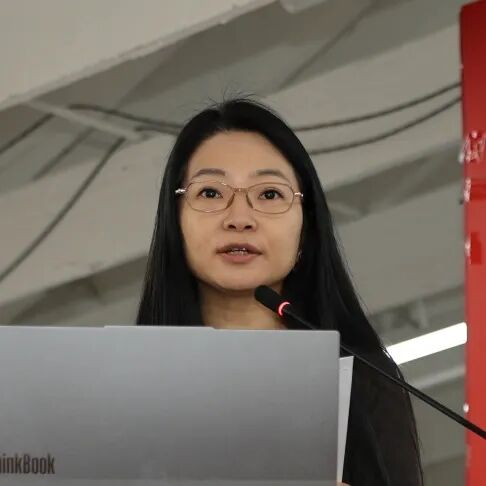
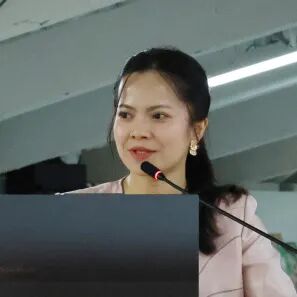
Speaker from left to right: Xiang Yong, Chen Ping Munyaradzi Chatikobo、Apichart Intravisit、 Lu Tao, Wang Fang, Wang Liyun, Wang Sha Tran Thi Thuy
The research results from different cultural backgrounds echo each other, revealing that culture is not only a resource for rural development, but also an important force for promoting social innovation, stimulating community vitality, and achieving sustainable development. The dialogue across regional and disciplinary boundaries not only showcases the rich cultural practice wisdom of countries in the global South, but also provides new insights for building a more inclusive, diverse, and sustainable rural development path.
As the host of the UNESCO Chair on "World Traditional Handicrafts: Inheritance and Innovation" and the Global President of the International Organization of Folk Arts (IOV World), Chen Ping gave a keynote speech titled "Let Culture Live in the Future: Exploring Youth Mechanisms and Talent Paths in Living Heritage". Combining years of cultural heritage protection, traditional craft revitalization, and international cultural exchange practices, he shared his thoughts and explorations on the inheritance of living heritage and the cultivation of young talents.

Chen Ping delivers a speech
The report points out that in the context of rapid urbanization and digital development, cultural heritage is moving from "preservation" to "coexistence", and from static protection to dynamic inheritance. Cultural heritage is not only a carrier of historical memory, but also an important resource for enhancing cultural identity, promoting social innovation, and facilitating sustainable development. The concepts of "dynamism," "community participation," and "sustainable development" advocated by the UNESCO Convention for the Safeguarding of the Intangible Cultural Heritage provide important directions for contemporary cultural heritage protection. Culture can live in the future not because it has been preserved, but because it can be constantly understood, participated in, and recreated.
In this process, the youth group plays an irreplaceable and important role. Youth are not only inheritors of culture, but also creators, disseminators, and transformers of culture. Faced with the challenges brought by globalization, digitization, and cultural homogenization, the future of cultural heritage depends not only on the heritage itself, but also on whether young people can establish a genuine and profound emotional connection with traditional culture. Through field research, community participation, design practices, and cultural experiences, young people can grow from observers of culture to creators of culture, establishing new connections between tradition and modernity, and between the local and the world.
Guangdong Hong Kong Macao Greater Bay Area Youth Creative Design (Creative 100) Talent Training Program
Based on this thinking, Chen Ping highlighted the "Guangdong Hong Kong Macao Greater Bay Area Youth Creative Design (Creative 100) Talent Training Program" supported by Chen Jiang and the Public Welfare Foundation. Since its launch in 2020, the project has been held for six consecutive sessions, cultivating a total of 109 young talents from the Guangdong Hong Kong Macao Greater Bay Area and key cultural innovation areas across the country, covering multiple fields such as architectural design, visual communication, digital media, artificial intelligence, fashion design, and digital imaging. The project is based on the concept of "youth activating creativity, creativity shaping youth; culture creating youth, youth creating culture", actively exploring the innovative talent training model of "cultural heritage+creative design+international communication".
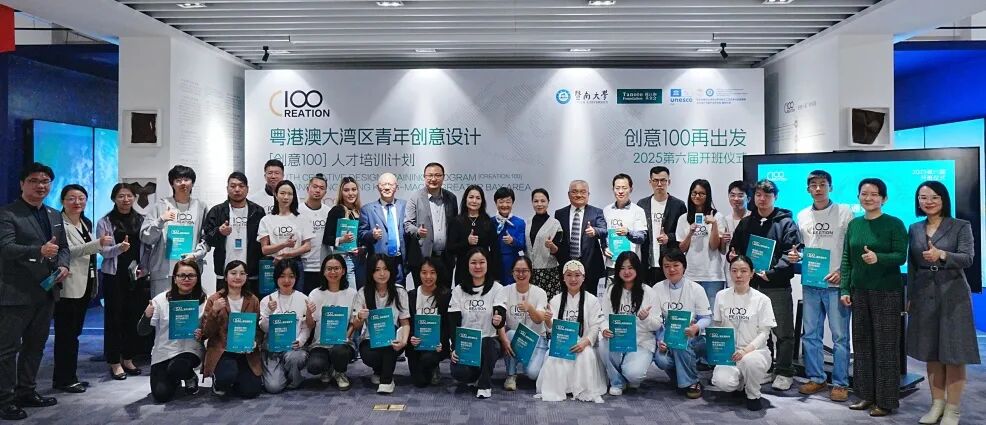
2025 Guangdong Hong Kong Macao Greater Bay Area Youth Creative Design (Creative 100) Talent Training Program
Over the past five years, the project has organized young students to conduct field investigations and cultural studies in Guangzhou, Shenzhen, Zhuhai, Lijiang and other places, visiting traditional craft inheritors, researching folk cultural ecology, and understanding the social logic and cultural values behind traditional culture. On this basis, through interdisciplinary courses, creative design practices, and achievement transformation mechanisms, we guide young people to use modern design language, digital technology, and international communication concepts to creatively express and creatively transform traditional culture. Experts and scholars from universities such as Peking University, Tsinghua University, Tongji University, Central Academy of Fine Arts, and Hong Kong Polytechnic University, as well as international designers, have jointly participated in teaching, forming a talent training system that integrates creative education, field practice, design transformation, and international communication.
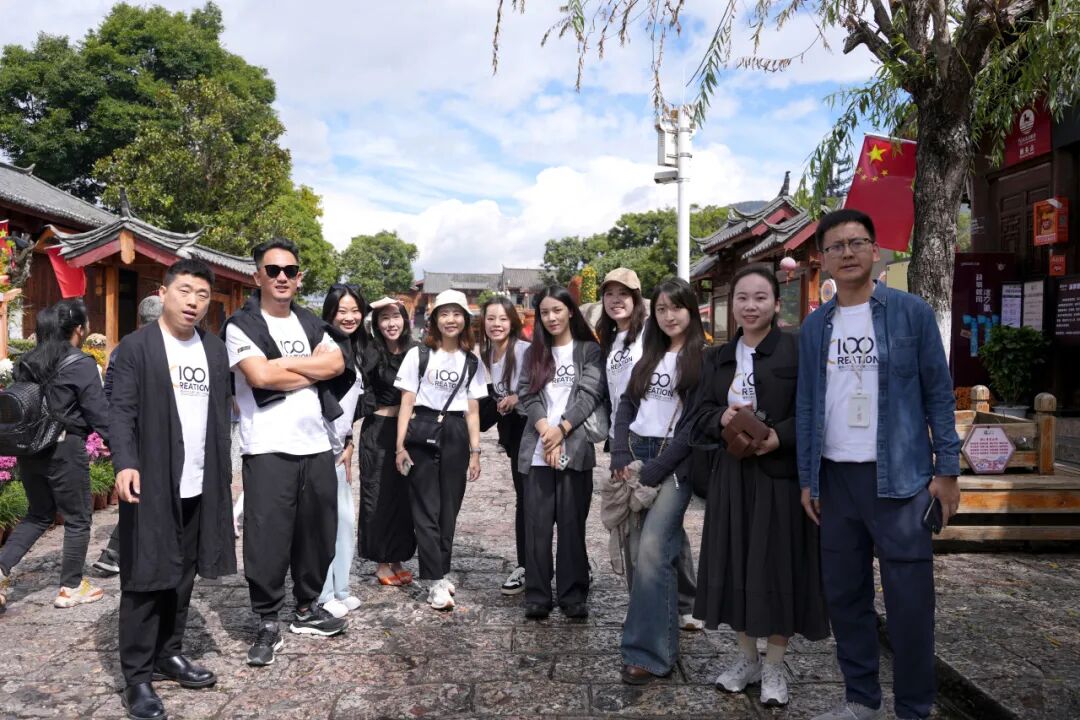
2024 (Creative One Hundred) Talent Training Plan Outward Research
Chen Ping introduced that the project not only focuses on talent cultivation, but also emphasizes the construction of cultural revitalization mechanisms. Transforming cultural resources into cultural assets through creative design, expanding cultural dissemination influence through platform collaboration, enhancing the global expression ability of Chinese culture through international communication, and connecting cultural inheritance, cultural innovation, and social development through youth mechanisms to form a sustainable cultural ecology. The achievement exhibition "The Way of Creation: Infinite Creativity" held in 2025 focuses on showcasing the practical achievements of young students in digital interactive design, traditional craft innovation, social service design, cultural and creative product development, and has received widespread attention and high praise from domestic and foreign experts.
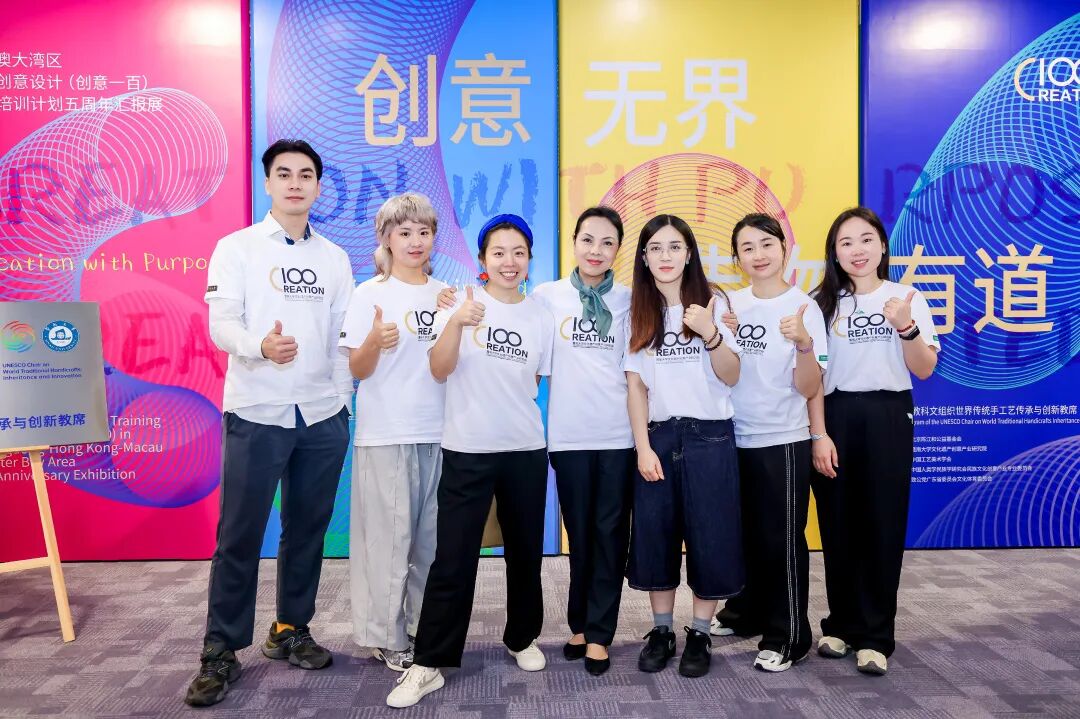
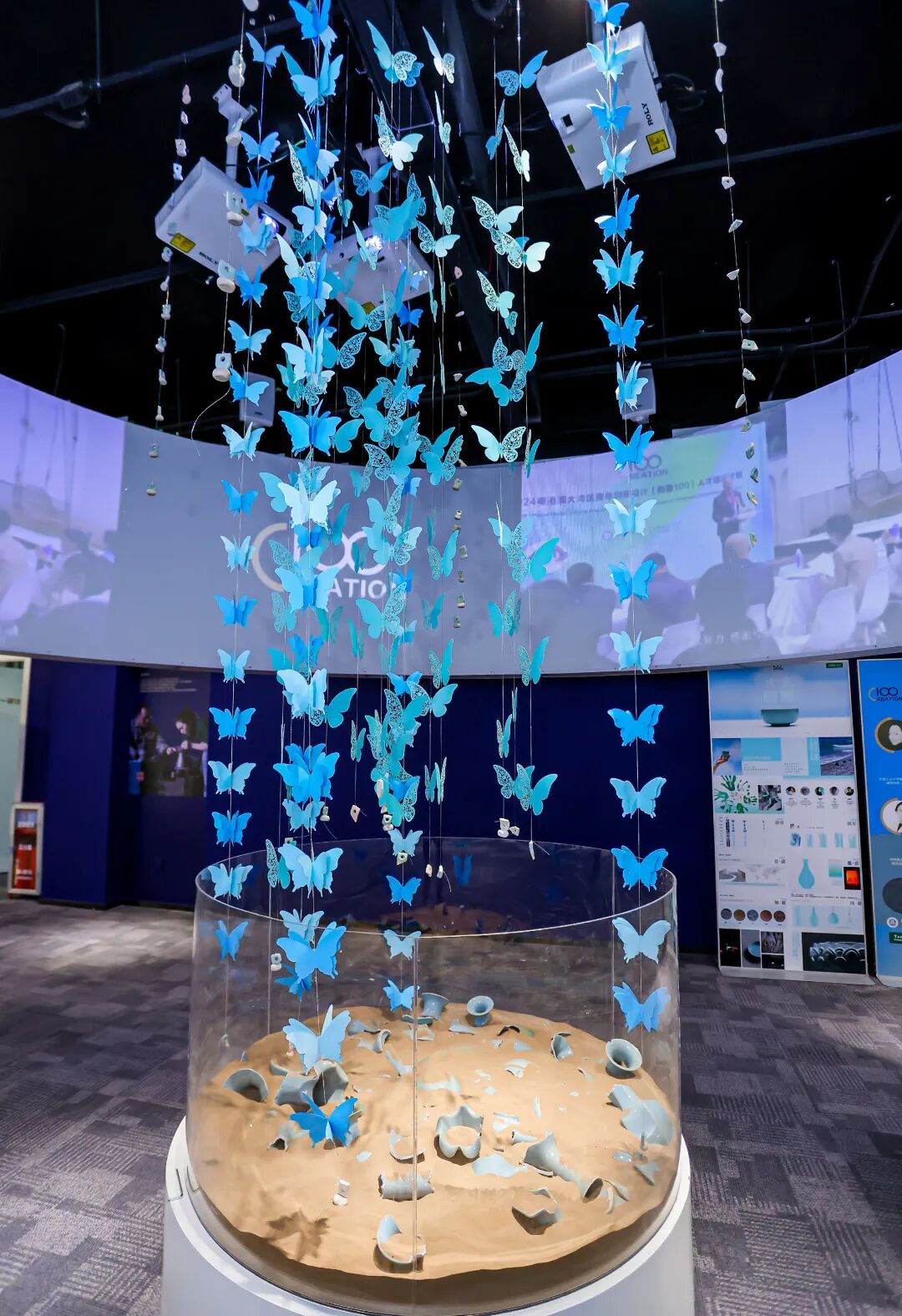

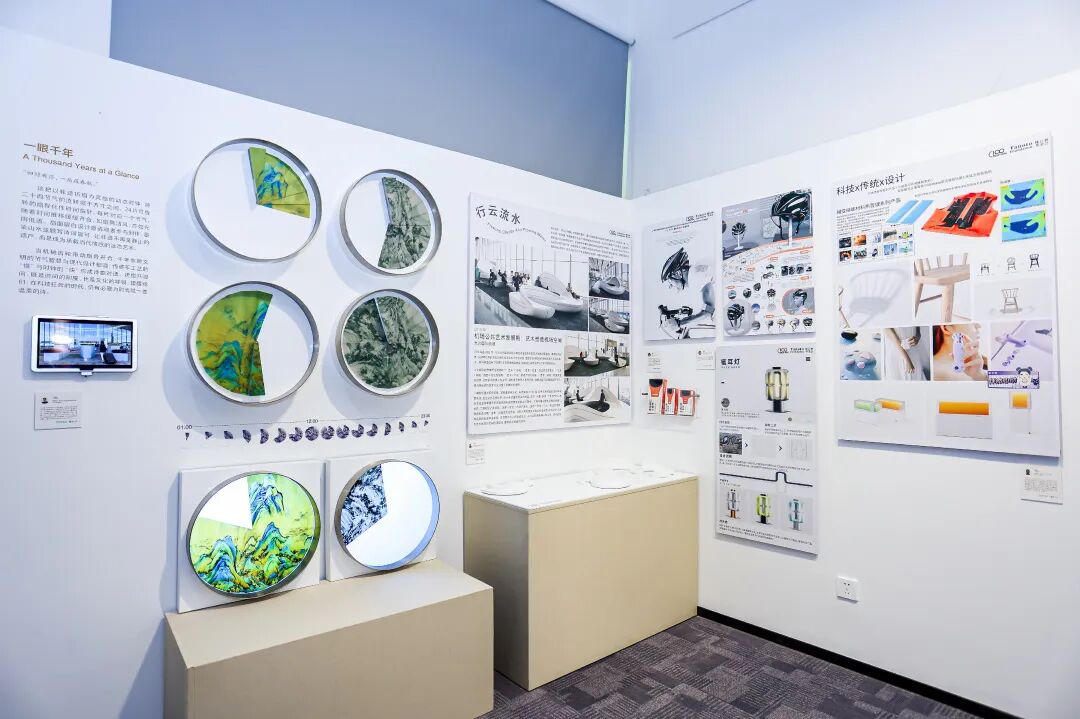
The "Creative 100" Achievement Exhibition "The Way of Creation: Infinite Creativity"
The report concludes that cultural revitalization is not only about product innovation, but also about mechanism innovation; Youth are not passive recipients in the chain of heritage inheritance, but important promoters of cultural reproduction. Only by establishing a sustainable, replicable, and shareable youth participation mechanism can we truly achieve the dynamic inheritance of cultural heritage. In the face of the cultural protection and development challenges faced by countries in the global South, it is necessary to further strengthen international cooperation and experience sharing, so that more young people can become participants, innovators, and disseminators of culture, continuously create new values in the inheritance of culture, and move towards the future through exchange and mutual learning.