Same origin and common flow
Cross border symbiosis and local innovation of intangible cultural heritage
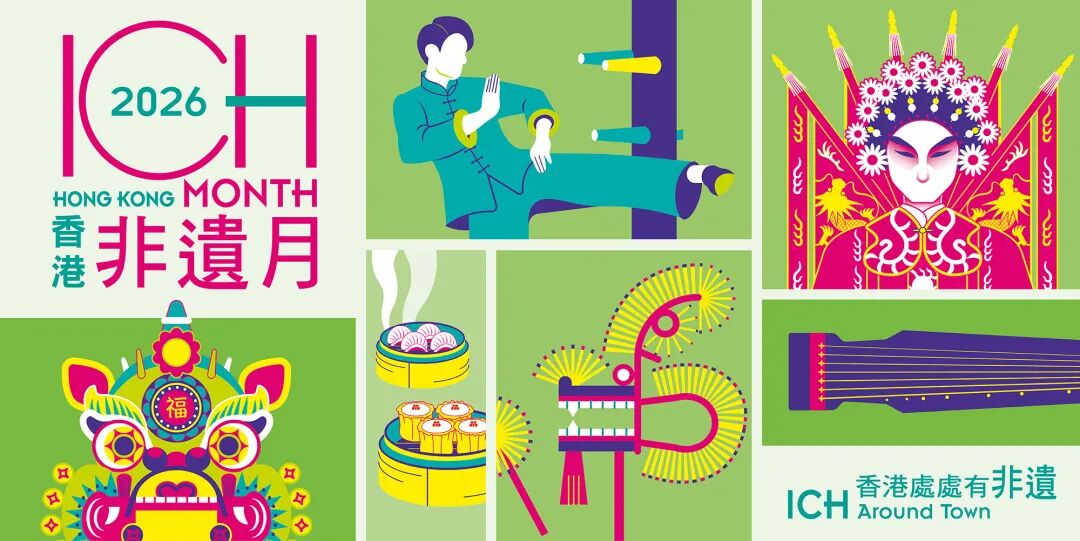
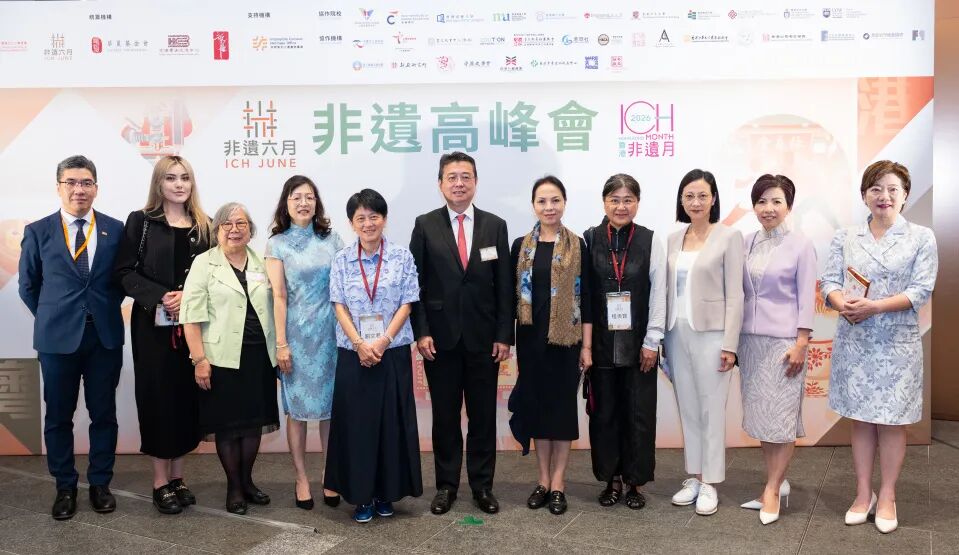
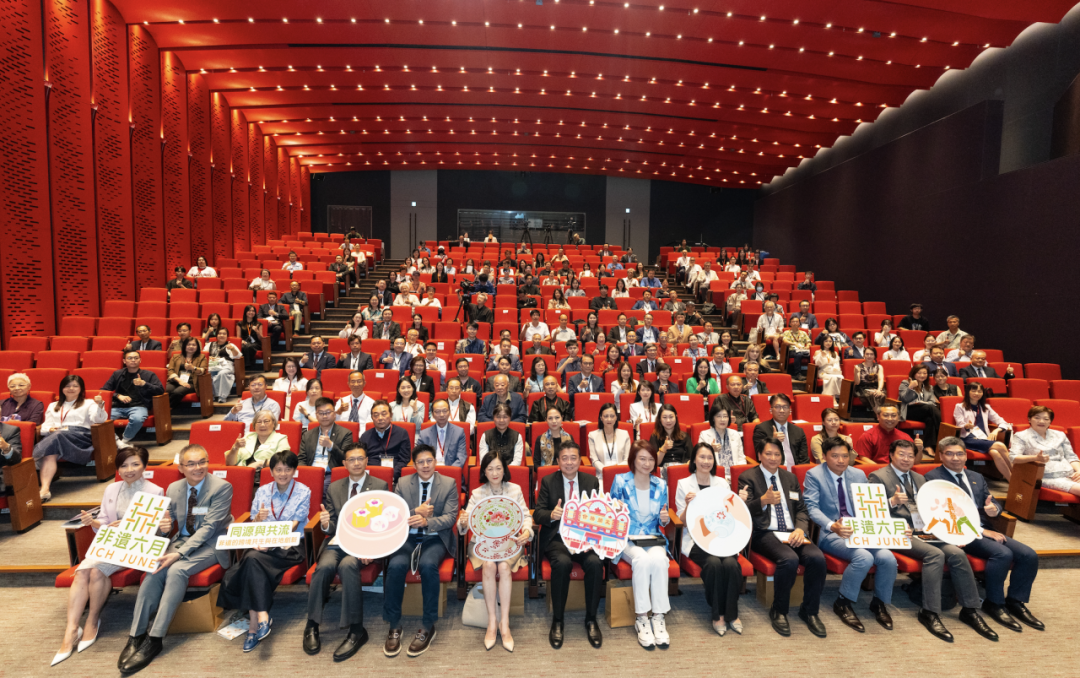
On June 13, 2026, coinciding with China's "Cultural and Natural Heritage Day", the "Intangible Cultural Heritage Summit" aimed at exploring the phenomenon of "homology and co flow" of intangible cultural heritage between the mainland and Hong Kong and Macao was held grandly at the Palace Museum in Hong Kong. As a key event of the strategic partner "June of Intangible Cultural Heritage" in the "Hong Kong Intangible Cultural Heritage Month 2026", this summit, with the theme of "Same Origin and Common Flow - Cross border Symbiosis and Local Innovation of Intangible Cultural Heritage", gathered about 400 scholars, experts and representatives of inheritors in the field of intangible cultural heritage from mainland China, Hong Kong and Macao to deeply explore the cross regional cooperation mechanism and modern transformation of intangible cultural heritage.
At this summit, Professor Chen Ping, Chief Chair of the UNESCO World Traditional Handicraft Heritage and Innovation Chair, Global President of the International Folk Art Organization (IOV), and Dean of the Cultural Heritage Creative Industry Research Institute at Jinan University, delivered a keynote speech on stage with Professor Du Xiaofan, Chief Expert of the UNESCO Chair on "Living Heritage and Community Development", Vice Chairman of the China Association for the Protection of Cultural Relics, and Director of the Land and Cultural Resources Research Center at Fudan University. Two heavyweight scholars who are well versed in international governance rules and local field practices, based on a quarter century of China's institutionalization of intangible cultural heritage and Asia Pacific governance experience, conducted a deep cross-border academic dialogue on the reconstruction of the cultural memory network in the Greater Bay Area, the dynamic flow attributes of intangible cultural heritage, and the configurable paths in the digital age. This provides a cutting-edge academic governance paradigm for promoting cross-border intangible cultural heritage projects in the Greater Bay Area to jointly address inheritance crises and share protection experiences.
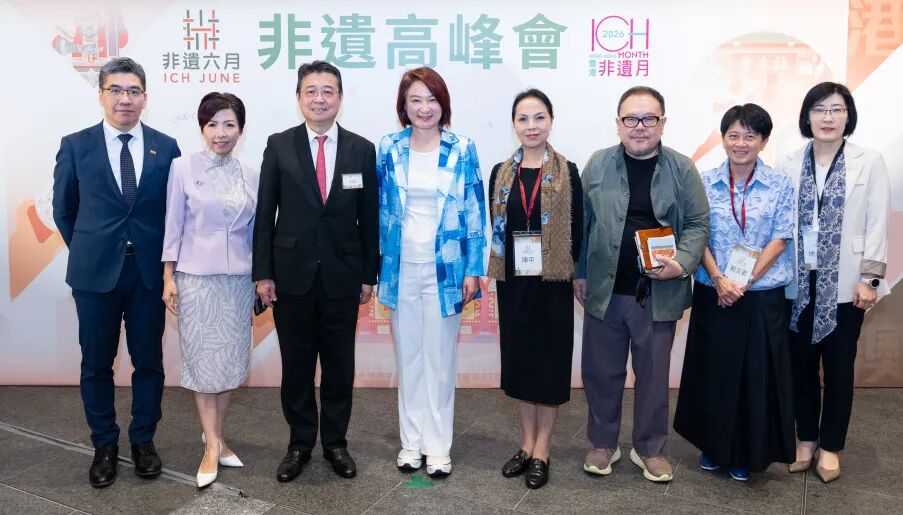
2026 Hong Kong Intangible Cultural Heritage Summit Guest Group Photo
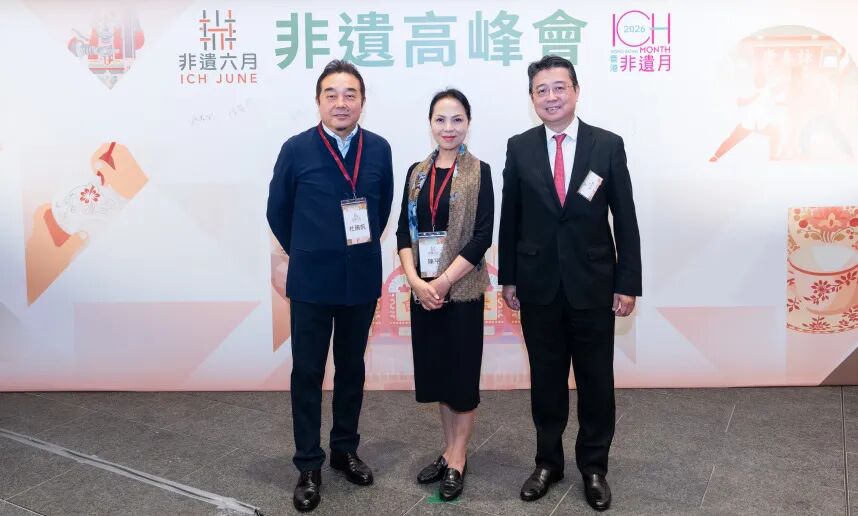
Left: Du Xiaofan, Chief Expert of the UNESCO Chair on "Living Heritage and Community Development", Vice Chairman of the China Association for the Protection of Cultural Heritage Technology, and Director of the Land and Cultural Resources Research Center at Fudan University. Zhong: Chief Chair of the UNESCO Chair on the Inheritance and Innovation of World Traditional Handicrafts, Global President of the International Organization of Folk Arts (IOV), and Dean of the Institute of Cultural Heritage and Creative Industries at Jinan University. Chen Ping. Right: Liu Zhipeng, Chairman of the June Intangible Cultural Heritage, Chairman of the Huaxia Foundation, and Legislative Council Member
Looking back at China's century long protection process from 2001 to 2026, the country's intangible cultural heritage has achieved four epochal leaps from early "administrative rescue" to "systematic governance". From the initial awakening of consciousness and the comprehensive establishment of the "four level list system", to the formal implementation of the "Intangible Cultural Heritage Law of the People's Republic of China" in 2011, which elevated protection work to the national will, and then to the establishment of national level cultural ecological protection zones for overall protection, until now entering a period of high-quality integration. At present, the total number of projects listed in the UNESCO Intangible Cultural Heritage List (Roster) in China has reached 44, ranking first in the world. Today's intangible cultural heritage has successfully completed a leap from external "object protection" to "actively participating in public value construction such as rural revitalization, regional dissemination, and global cultural diversity governance". The cross-cultural resonance caused by the "Yingge Dance" in Chaoshan, Guangdong overseas proves the strong endogenous power of traditional cultural genes.
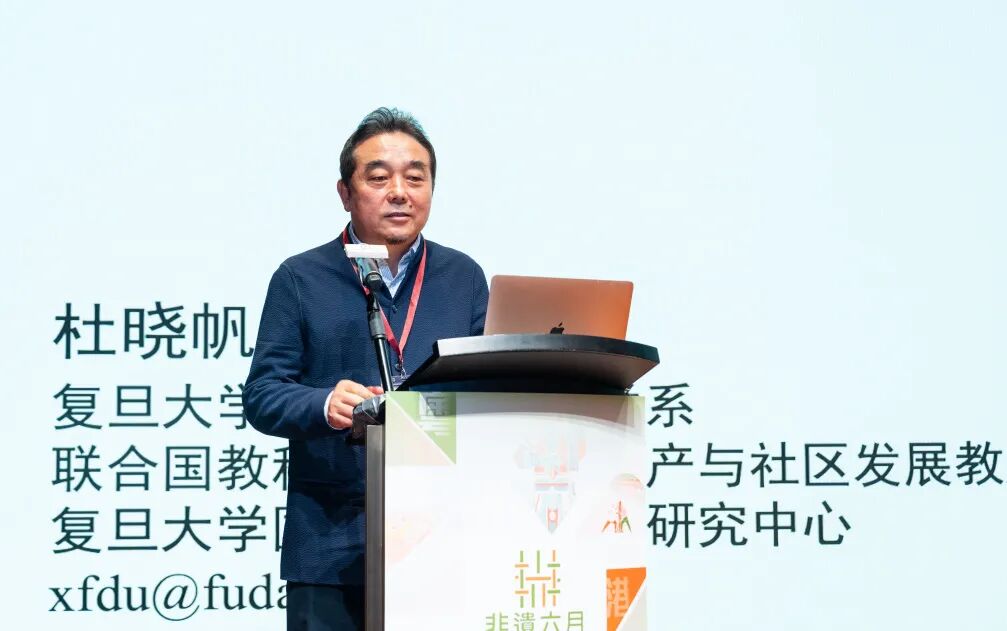
Du Xiaofan delivered a keynote speech
Du Xiaofan, from an international multidimensional perspective, systematically reviewed the conceptual evolution of UNESCO from the 1972 Convention Concerning the Protection of the World Cultural and Natural Heritage to the 2003 Convention Concerning the Safeguarding of the Intangible Cultural Heritage. He pointed out that the international paradigm of intangible cultural heritage protection is undergoing profound reshaping: firstly, at the subject level, placing communities and groups as creators and holders of heritage at the core; The second is to define its connotation from the perspective of the process of interaction, creation, and recreation, as well as the identity support that heritage provides to the community; Thirdly, in the implementation of management, there is a clear trend of transformation from government, institutions, and experts to empowering heritage communities. The establishment of the "Living Heritage Department" by UNESCO's Culture Department in 2018 to replace the original "Intangible Cultural Heritage Department" is a sign of the shift in the paradigm of living heritage inheritance. The concept of "living heritage" emphasizes the maintenance of heritage continuity, which includes the continuation of the use of material spatial functions, the continuation of intangible cultural expressions, and the continuation of knowledge and skills required for heritage community inheritance.
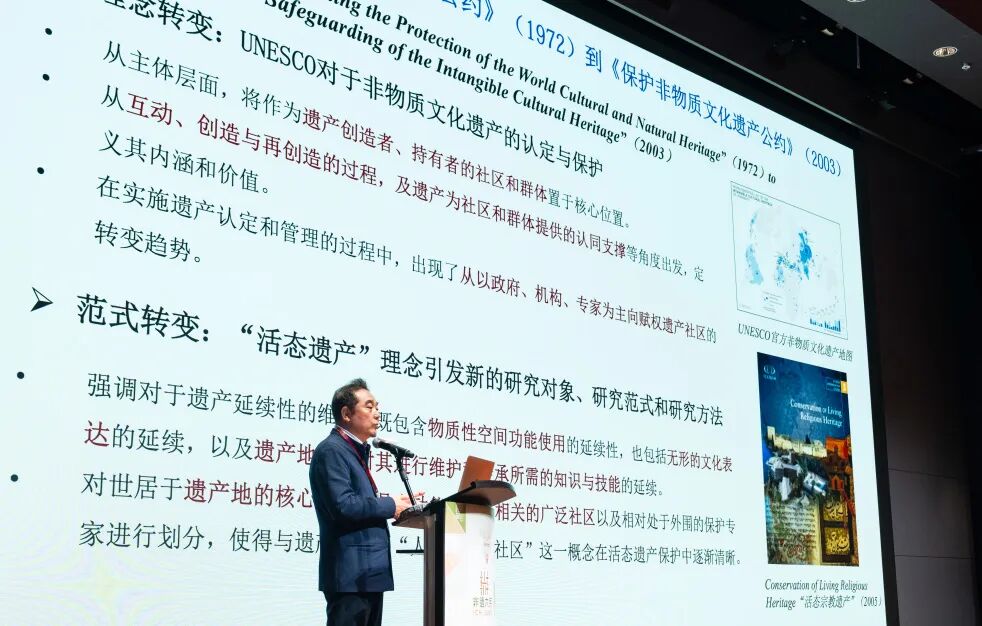
As a scholar who proposed the concept of "village cultural landscape", Du Xiaofan has put forward targeted reflections on the collaborative protection of rural heritage based on the latest practices of East Asian and domestic heritage protection system restructuring. He pointed out that in recent years, Japan and South Korea have deepened the "registration system" and restructured the heritage protection system through legal revisions, and China has also entered the era of legal protection. Du Xiaofan emphasized sharply that in the future, the protection of rural heritage should resolutely avoid the over commercialization misconception of equating "tourism development" with "dynamic inheritance". He advocates adopting a systematic protection concept, placing cultural heritage in a multidimensional network of history, space, society, and culture for holistic protection. In specific governance, it is necessary to clearly divide the functions of the core community residing in the heritage site, the extensive community with relevant functions and interests, and the peripheral protection experts. Only by establishing a long-term cooperation mechanism and gradually clarifying the concept of "community" for heritage related "people" in active protection, can intangible cultural heritage truly empower urban and rural development.
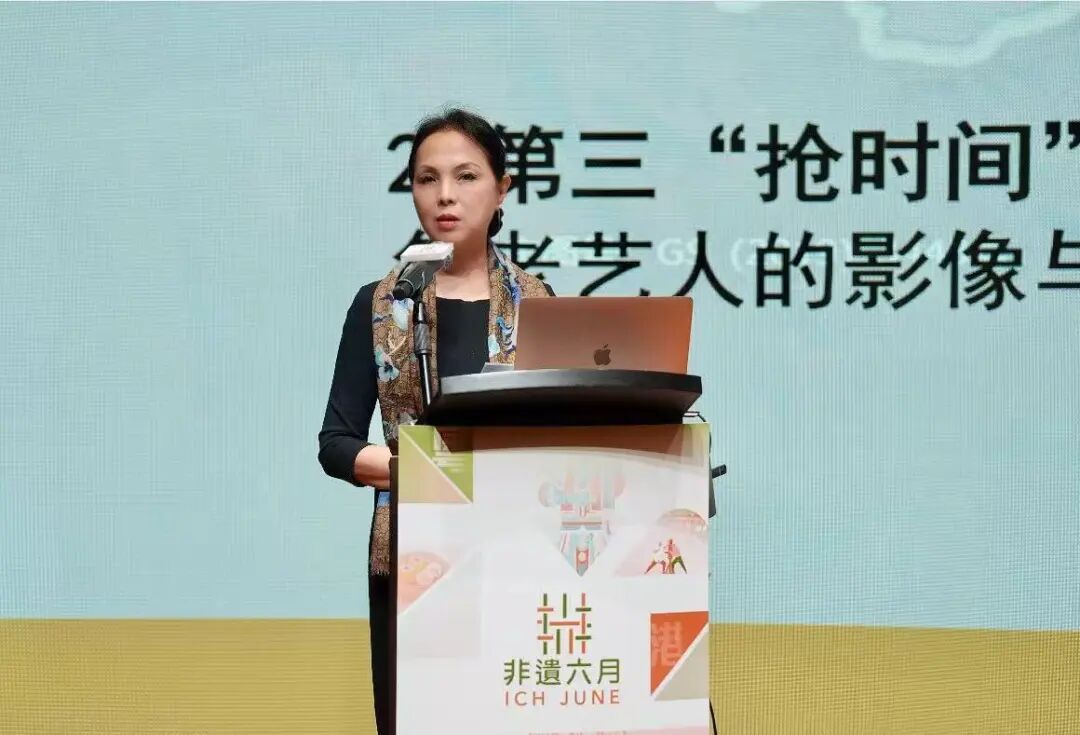
Chen Ping delivered a keynote speech
How to accurately define the modern role of intangible cultural heritage in the face of intense modernization and urbanization processes? The two professors coincidentally shifted their perspective to the "living" nature of intangible cultural heritage and pointed out that global intangible cultural heritage protection is undergoing a profound paradigm reshaping. Professor Chen Ping emphasized that the core essence of intangible cultural heritage lies precisely in its "dynamic fluidity". Intangible cultural heritage is not a closed or static "historical specimen". As a living practice, it often flows along the trajectory of human activities and migration, surpassing the boundaries of modern administrative divisions and forming a fusion pattern of "you in me, I in you"; At the same time, influenced by different regional lifestyles and historical factors, it presents a distribution state of "same source but different flow". The practice of maintaining the vitality of intangible cultural heritage is precisely the maintenance of emotions and identity between individuals and society, past and future.
The Guangdong Hong Kong Macao Greater Bay Area is naturally a "cultural community" in terms of geography and society. Professor Chen Ping proposed an innovative practical path from the perspective of spatial governance and system protection to address the phenomenon of "same origin and common flow" of cross-border intangible cultural heritage in the Greater Bay Area. In daily academic analysis, the intangible cultural heritage space of the Greater Bay Area is divided into a "structural space" composed of administrative jurisdiction and physical boundaries, and a "generative space" composed of mobility, cross-border dialogue, and information exchange. She keenly pointed out that the core governance advantage of the Greater Bay Area lies precisely in its continuity with the same roots and origins, as well as the spatial differences brought about by the "One Country, Two Systems" and "Coexistence of Diversity". The governance of intangible cultural heritage in the Greater Bay Area should achieve a leap from "structural space" to "generative space". It is necessary to use the diversity of institutions and spaces to break administrative boundaries, and through regional coordination, systematically stitch together the cultural memory network divided by history and administrative divisions. This is precisely the confidence and foundation of building a "humanistic bay area".
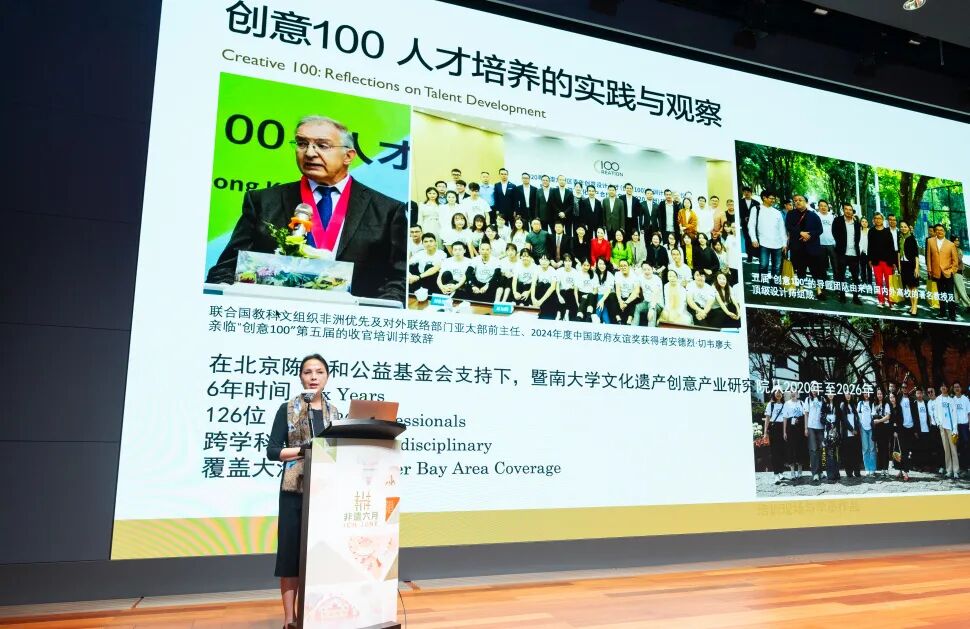
In the current era of algorithm driven, digital intelligence technology, and the popularization of artificial intelligence, intangible cultural heritage provides a human anchor for identity recognition and poetic life in human society. Facing the future, Chen Ping systematically proposed three core pillars for the sustainable development of intangible cultural heritage in the era of digital intelligence. Firstly, it is necessary to enhance the cross-cultural "cultural translation ability". Global communication should shift from one-way symbol output to two-way empathetic understanding, accurately interpreting the survival wisdom and aesthetic paradigm of humanity facing the world behind cross-border intangible cultural heritage projects such as traditional music, festival customs, and traditional handicrafts; The second is the "creative design ability" to build functional connections. Creative design must bid farewell to superficial element splicing, and its core value lies in rebuilding the functional connection between traditional handicrafts and modern daily life scenes, so that tradition can be rediscovered by modern society; Finally, to cultivate the "collaborative ability" of interdisciplinary youth talent community, the "Guangdong Hong Kong Macao Greater Bay Area Youth Creative Design Talent Training Program", which is deeply participated and promoted by the research institute, has accumulated the cultivation of young creative backbone across more than ten disciplines in the past six years of teaching practice. When interdisciplinary youth return to the field and actively engage in equal dialogue with representative inheritors, ancient traditions have infinite possibilities for modern academic expression and practice.
Chen Ping and Du Xiaofan unanimously affirmed the irreplaceable central value of Hong Kong in connecting the discourse systems of the East and the West and promoting dialogue between Eastern and Western civilizations. Hong Kong has long been at the forefront of cross-cultural exchange and is fully capable of playing a crucial academic role in cultural translation, cultural dialogue, and youth talent development. When the roots of the same origin continue to cross boundaries and establish organic connections in the modern life of coexistence, the governance of cultural diversity in the Greater Bay Area and even globally will inevitably go beyond isolated cultural displays, and instead construct cultural understanding and trust mechanisms that move towards the soul, jointly painting a future oriented and sustainable academic and practical landscape.
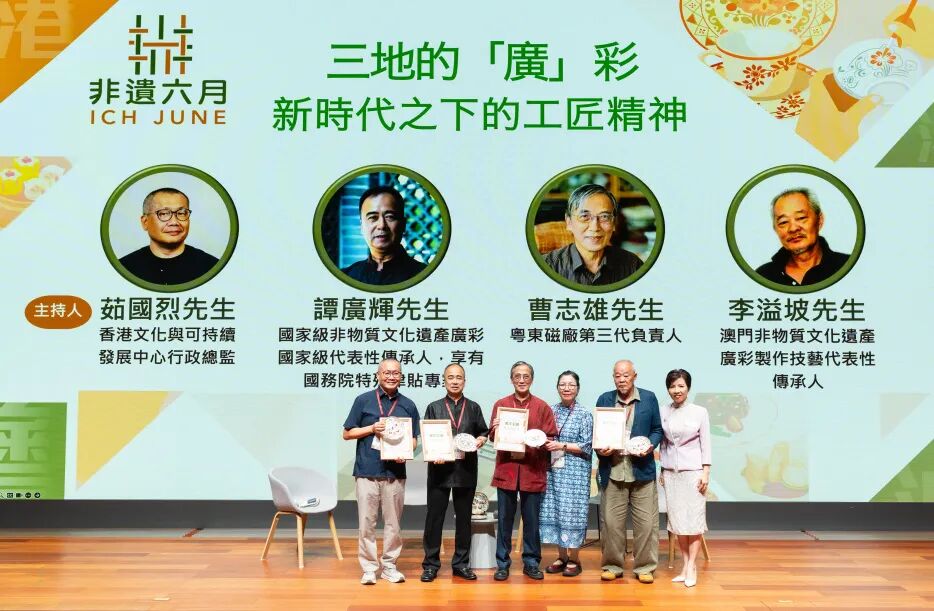
Guangcai inheritors participate in the dialogue on "Guangcai - Craftsmanship Spirit in the New Era"
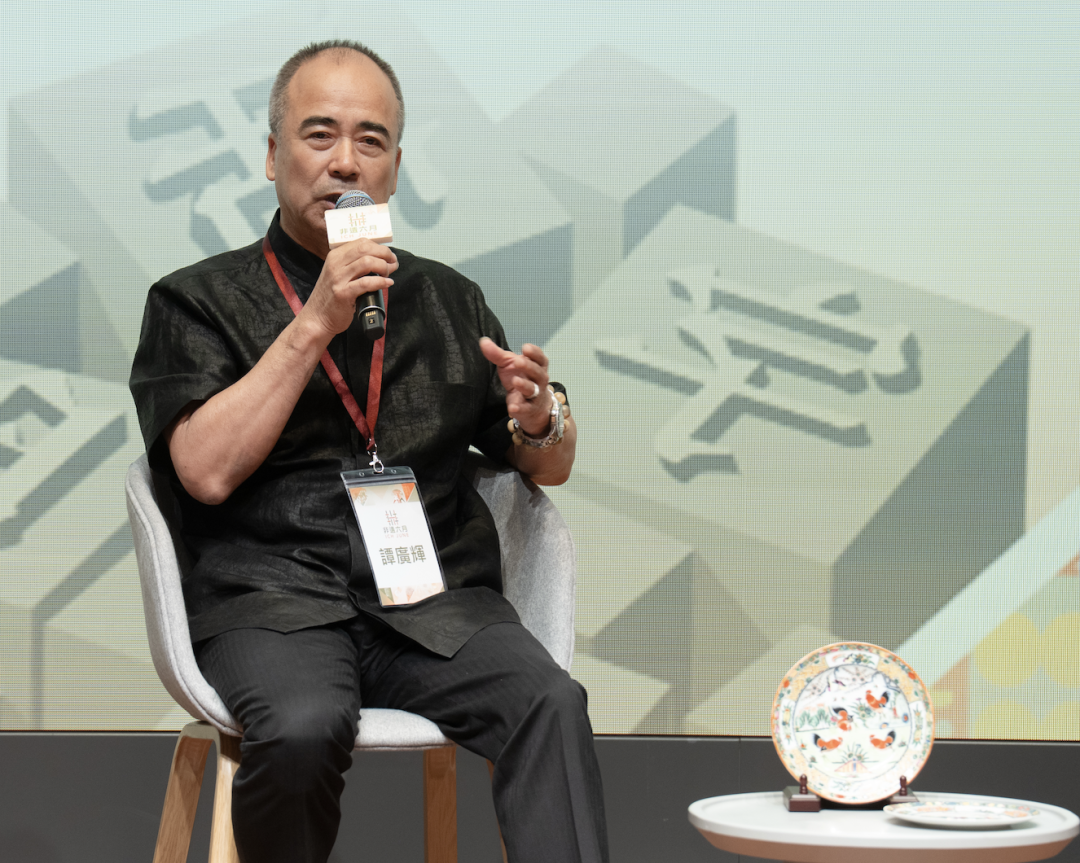
Mr. Tan Guanghui, National Representative Inheritor of Guangcai National Intangible Cultural Heritage
At this summit, as Mr. Tan Guanghui, the representative inheritor of the national intangible cultural heritage Guangcai, said in the dialogue, Guangcai originated in Guangzhou, and the three regions share the same origin and lineage, making it an artistic treasure passed down through generations. The similar symbol cores displayed by the three regions of the Greater Bay Area in cross-border intangible cultural heritage projects such as traditional music, festival customs, and traditional handicrafts fully demonstrate the cultural origin and symbiotic characteristics of the Greater Bay Area's intangible cultural heritage rooted in the motherland.
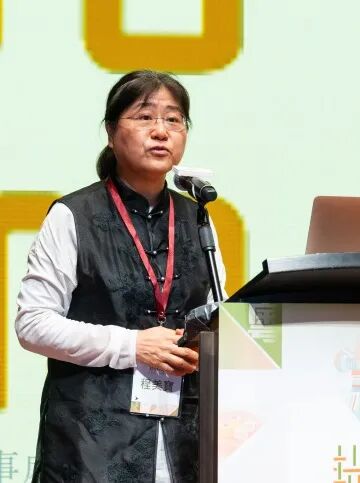
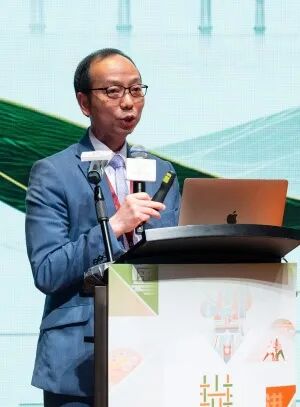
Left: Professor Cheng Meibao, Head of the Department of Chinese and History and Vice Dean of the School of Humanities and Social Sciences at City University of Hong Kong Right: Professor Lin Faqin, Dean of the School of Humanities and Social Sciences at Macau Polytechnic University
Senior scholars in the field of intangible cultural heritage research in the Greater Bay Area, Professor Cheng Meibao, Director of the Department of Chinese and History and Vice Dean of the School of Humanities and Social Sciences at City University of Hong Kong, and Professor Lin Faqin, Dean of the School of Humanities and Social Sciences at the Macau Polytechnic University, have explored the coexistence and evolution logic of cross regional intangible cultural heritage projects from the perspectives of history and regional synergy, providing valuable empirical evidence for the deep linkage and academic mutual learning in the field of cultural heritage among Guangdong, Hong Kong, and Macao.
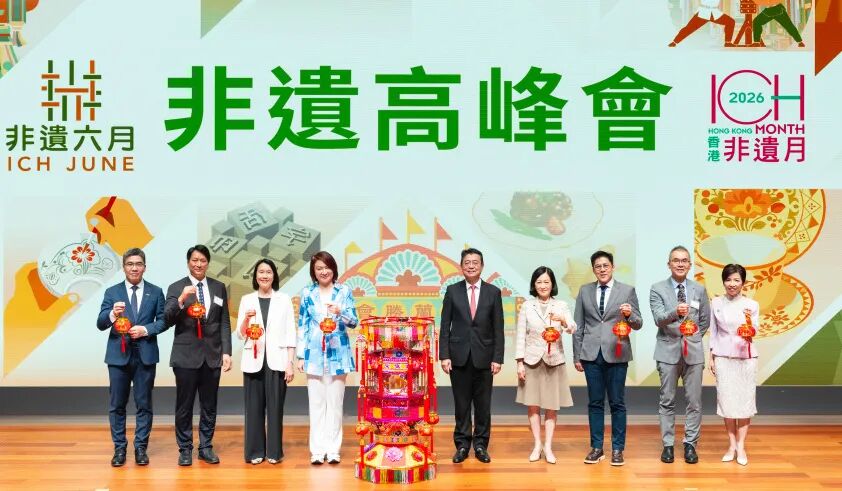
Opening Ceremony of the Intangible Cultural Heritage Summit
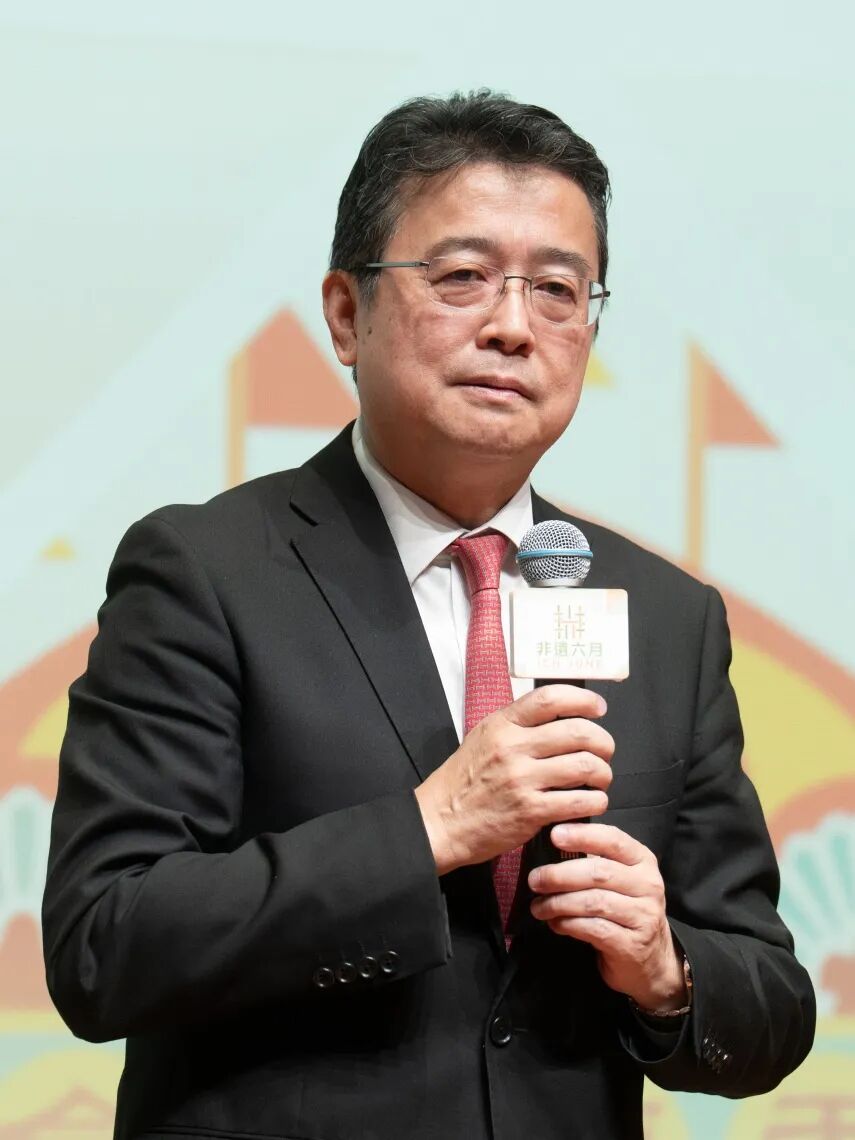
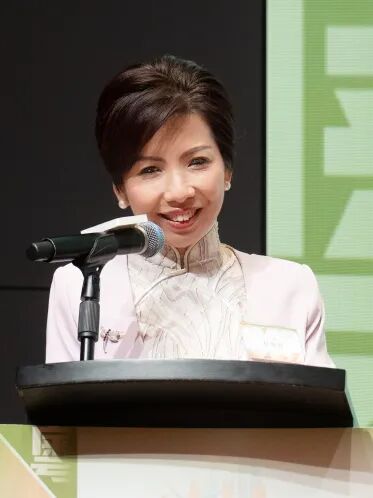
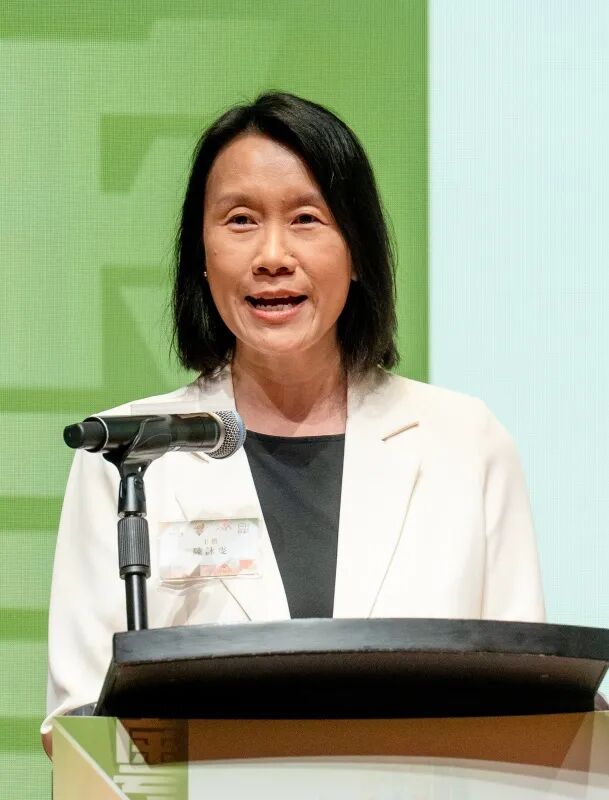
Left: Mr. Liu Zhipeng, Chairman and Legislative Council Member of "June of Intangible Cultural Heritage" Middle: Ms. Wu Wanting, Vice Chairman and Chairman of Cultural Power of June of Intangible Cultural Heritage Right: Ms. Chen Yongwen, Director of Leisure and Cultural Services of the Hong Kong Special Administrative Region
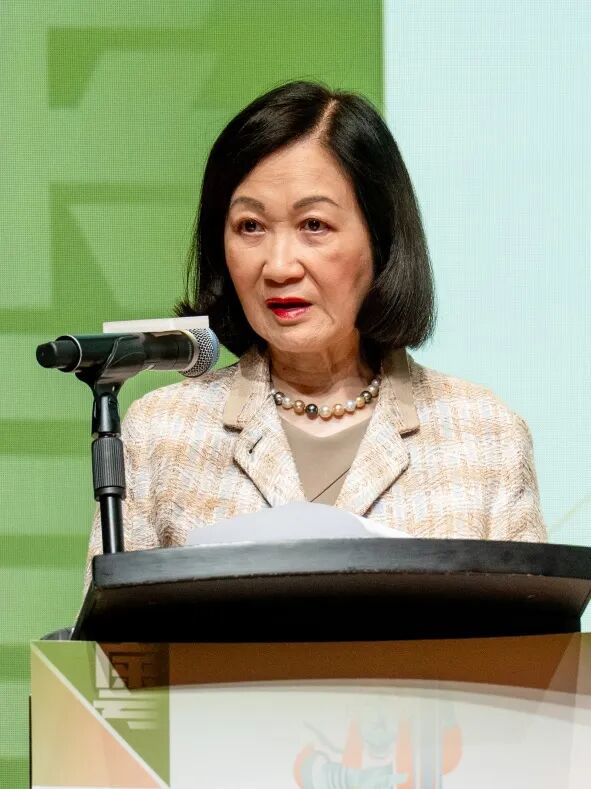
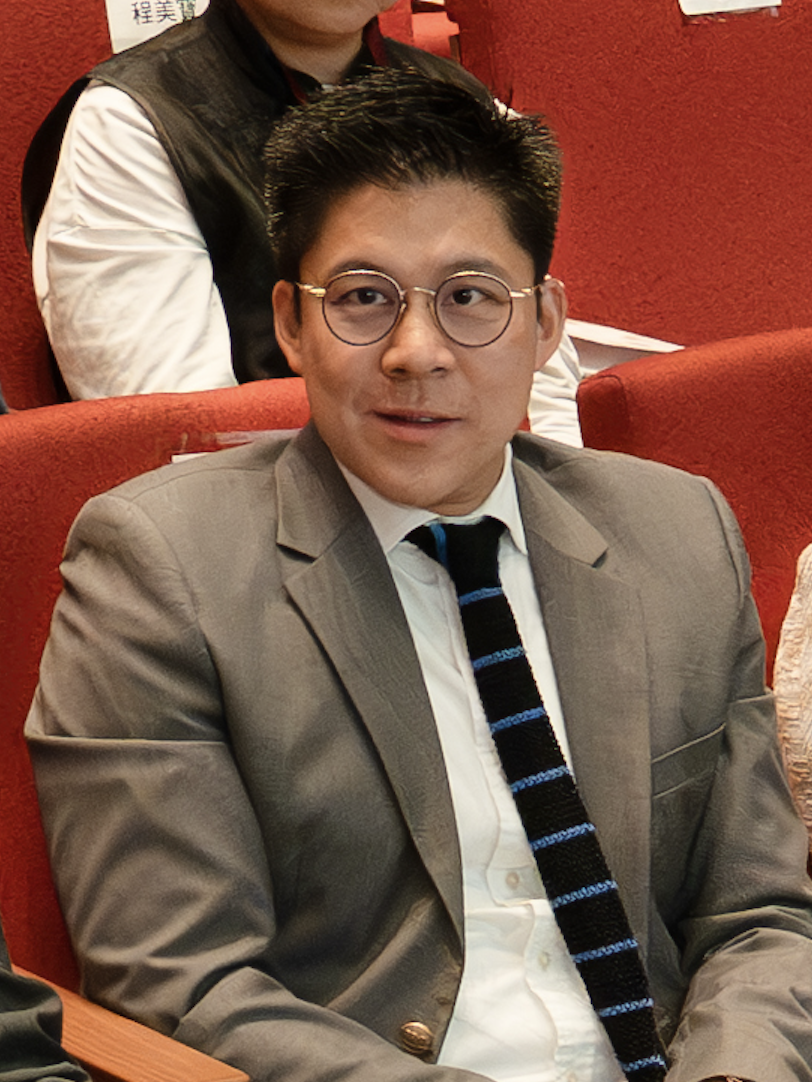
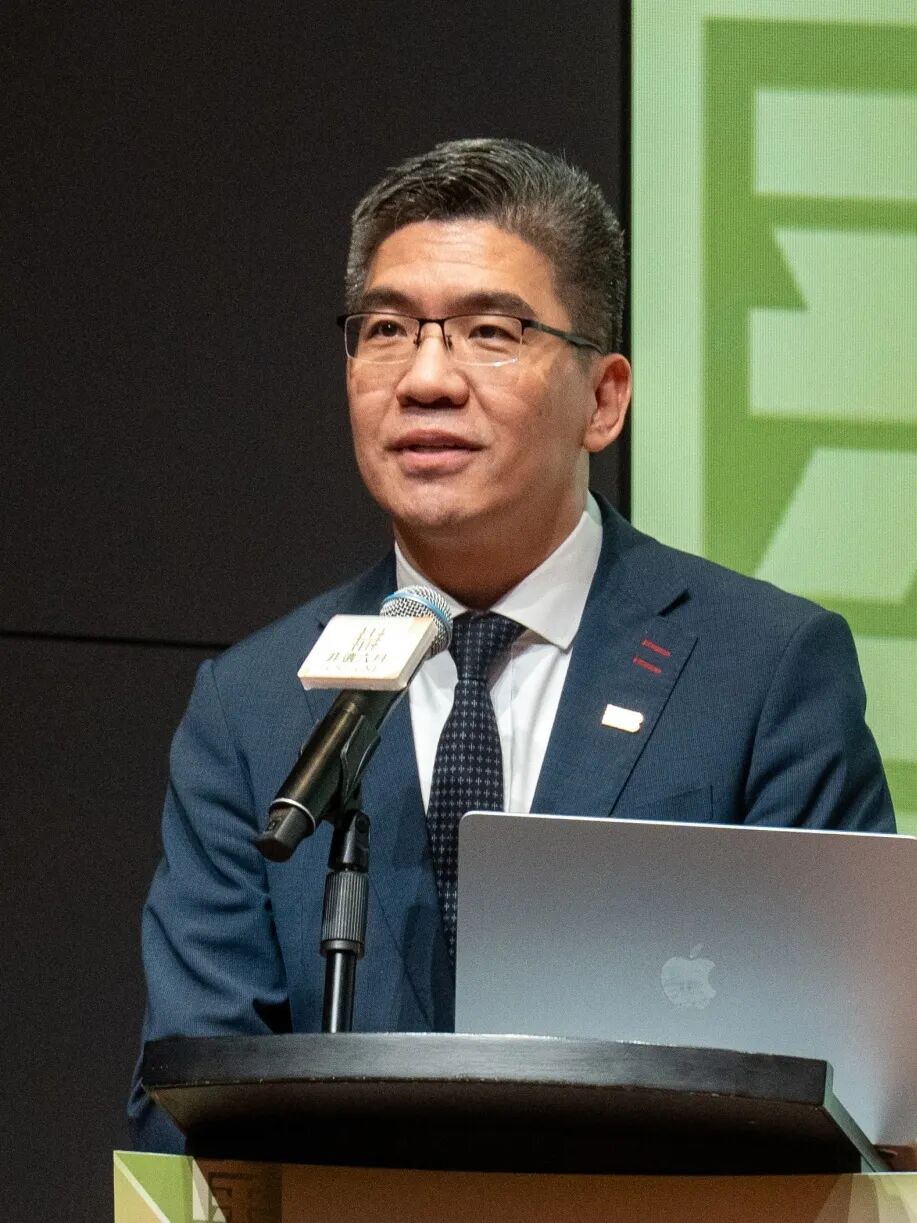
Left: Ms. Ye Liu Shuyi, Co Chairperson of the Maritime Silk Road Association; Middle: Mr. Huo Qigang, Member of the Legislative Council of the Hong Kong Special Administrative Region (Sports, Performing Arts, Culture and Publishing Functional Constituency); Right: Mr. Xu Haishan, Vice Chairperson of the Intangible Cultural Heritage June and President of the Beijing Hong Kong Academic Exchange Center
The meeting invites Li Huiqiong, President of the Legislative Council of the Hong Kong Special Administrative Region, Regina Ip, Convenor of the Executive Council, Liu Zhipeng, Chairman and Legislative Council Member of "Intangible Cultural Heritage June", Mr. Huo Qigang, Legislative Council Member of the Hong Kong Special Administrative Region (Sports, Performing Arts, Culture and Publishing Functional Constituency), Mr. Deng Jiabiao, Legislative Council Member of the Hong Kong Special Administrative Region and Chairman of the Home Affairs and Cultural and Sports Affairs Committee, Ms. Chen Yongwen, Director of the Leisure and Cultural Services Department of the Hong Kong Special Administrative Region, Professor Mak Kin sang, Chairman of the Intangible Cultural Heritage Advisory Committee, Mr. Xu Haishan, Vice Chairman of the Intangible Cultural Heritage June and President of the Beijing Hong Kong Academic Exchange Center, Ms. Wu Wanting, Vice Chairman of the Intangible Cultural Heritage June and Chairman of the Cultural Power Committee, and Regina Ip, Convenor of the Executive Council and Ladies and others attended the opening ceremony.