

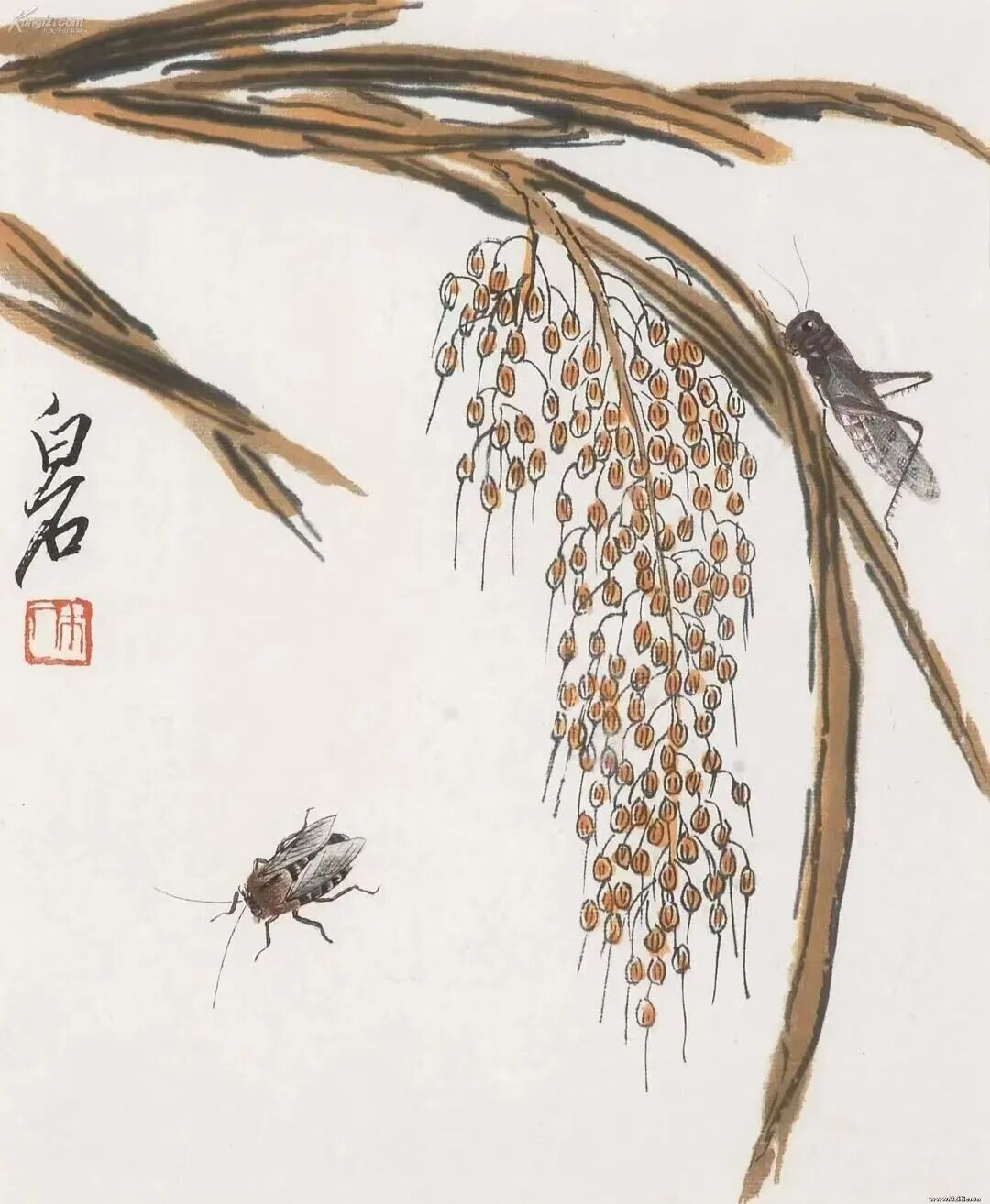
Qi Baishi | rice ear grass worm
Grain in Beard | 6.5
Grain in Beard is the third solar term of summer and the ninth solar term among the twenty-four solar terms, representing the official beginning of midsummer season. The character "mang" in Mangzhong refers to the harvest of plants with awns such as wheat, while the character "zhong" in Mangzhong refers to the season for sowing cereal crops.
Around June 6th every year, when the sun reaches 75 ° of the ecliptic longitude, it is called "Grain in Beard ". In the "Interpretation of the Seventy Two Seasons of the Moon", it is said that "during the May Festival, it is said that the grain with awns can be planted." This means that the seeds of crops with awns such as barley and wheat have already matured, and it is urgent to harvest them. Grain in Beard to summer solstice is a busy season for sowing, transplanting, seedling management, and fully entering the "three summers" of summer harvest, summer planting, and summer management for autumn crops.
Grain in Beard is the time for planting rice in the south and harvesting wheat in the north. At this season, the temperature significantly rises, rainfall is abundant, and air humidity is high, making it suitable for planting cereal crops such as late rice. The agricultural cultivation is based on the solar term 'Grain in Beard ', after which the survival rate of planting decreases gradually. It is a reflection of ancient agricultural culture on festivals.
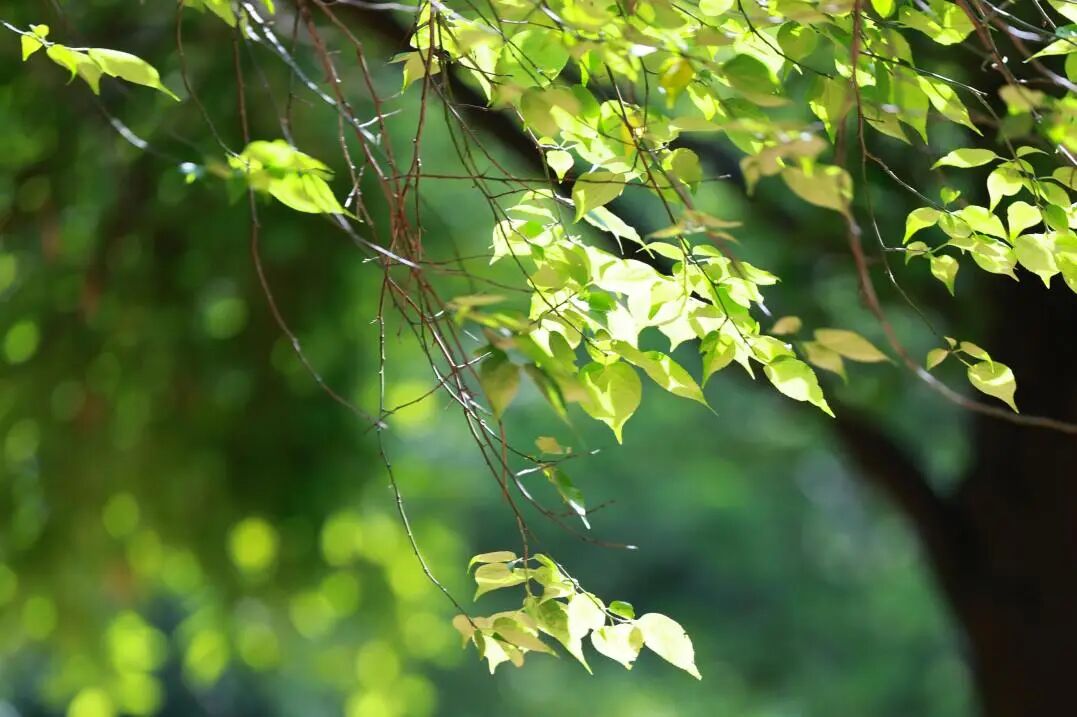
Grain in Beard · Three pentad

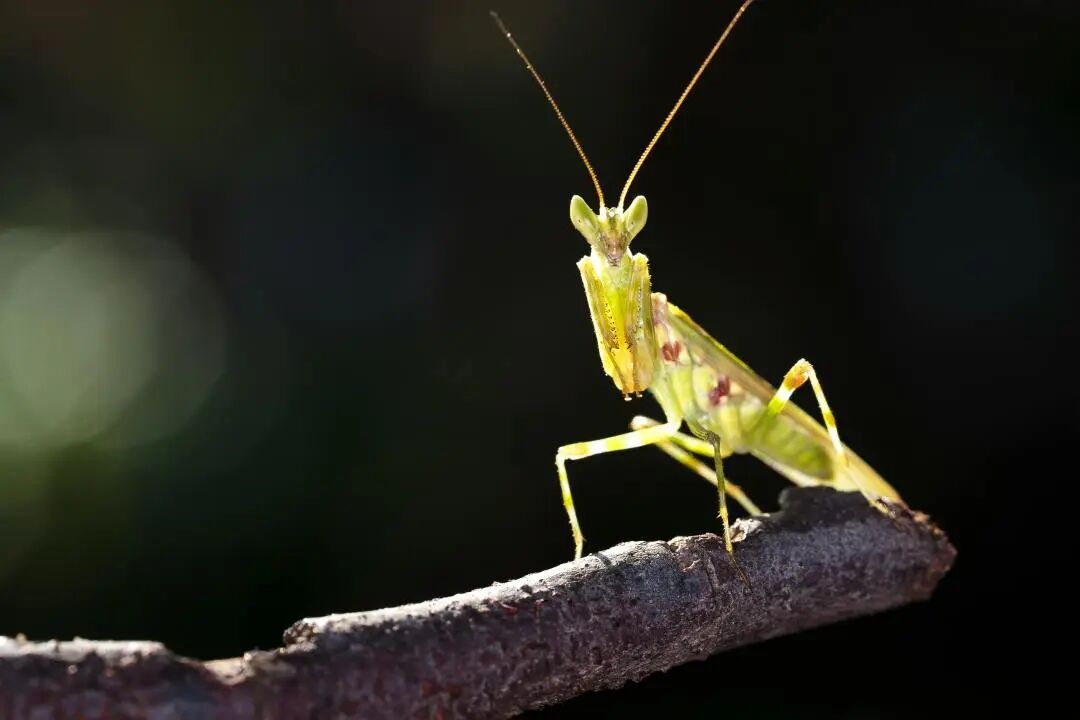
First pentad, Praying mantises hatch
In the late autumn of last year, the praying mantis laid eggs and gave birth to a small praying mantis because they felt the yin energy of this solar term giving birth. Although Grain in Beard is in summer, it is the beginning of the birth of yin energy, and the earth is filled with vibrant vitality as a result.
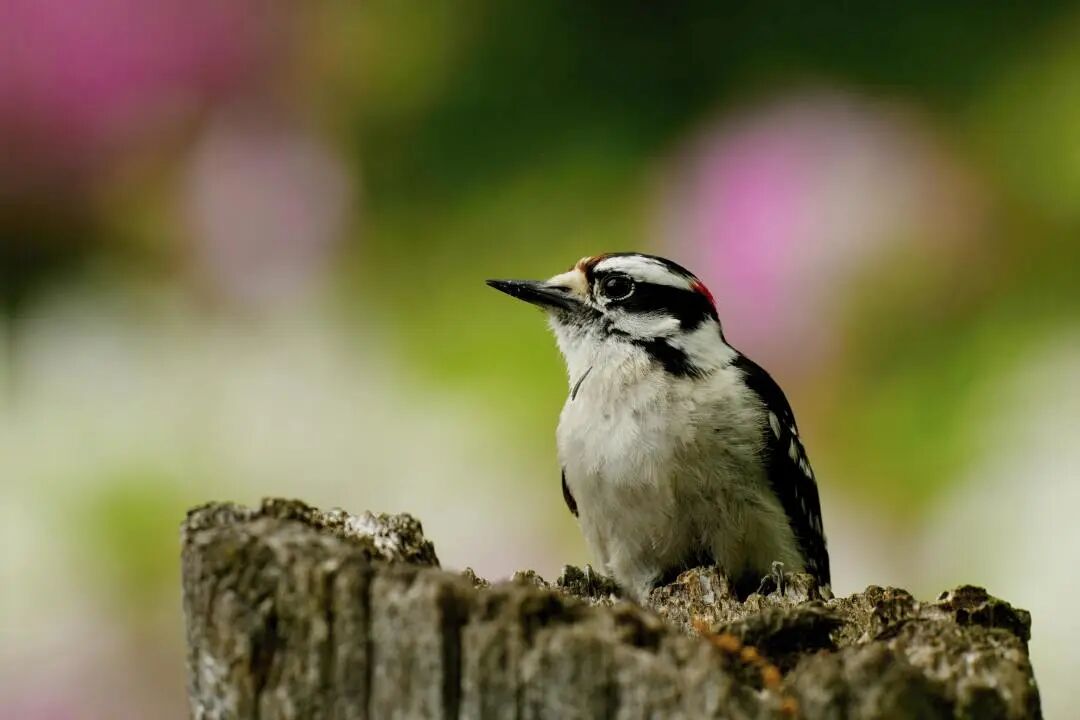
Second pentad, Shrikes begin to sing
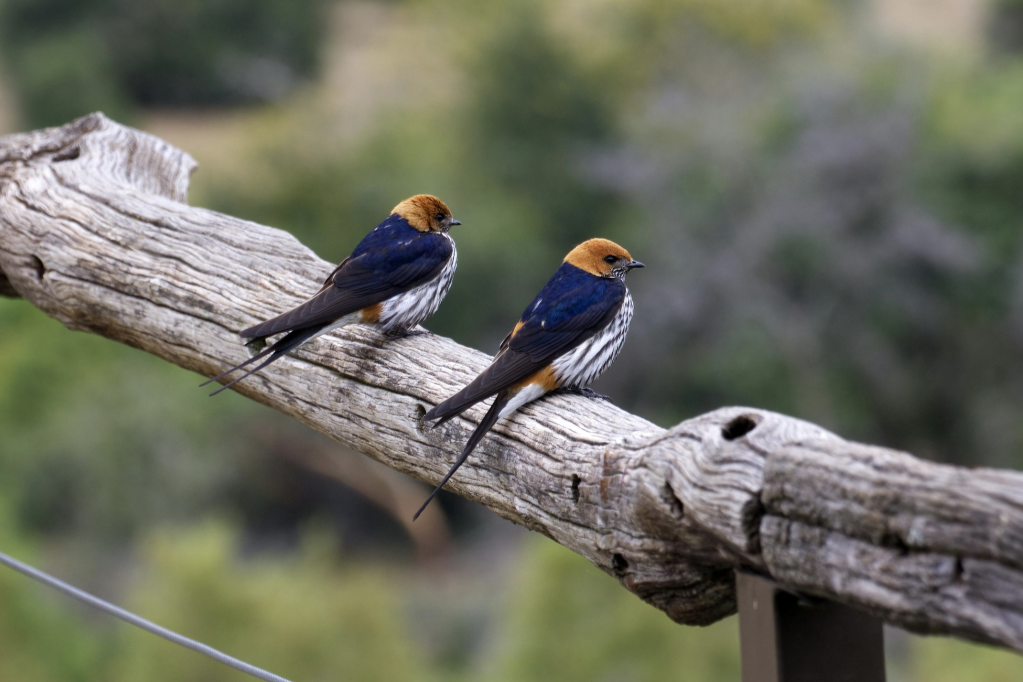
The "hawk" refers to the shrike bird. This kind of small bird that likes shade begins to appear on the branches at this season, feeling the emergence of yin energy and chirping. Compared to the clamor of shrikes, those mockingbirds that can learn the songs of other birds, at this time, feel the change in climate and quietly stop chirping.
Third pentad, Mockingbirds fall silent
The mockingbird, which was able to learn the calls of other birds, gradually stopped chirping due to sensing climate changes.
Grain in Beard · Customs
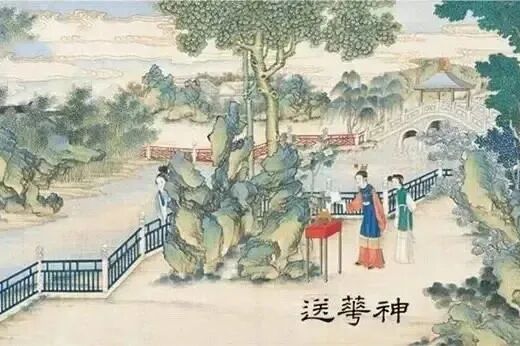
/Sending Flower God/
As soon as the Grain in Beard arrives, the flowers will slowly wither. The ancients thought it was the end of the Flower God's work, so they would solemnly hold a banquet to bid farewell, tie ribbons to tree branches, and then reluctantly leave with gratitude, hoping that the Flower God would return early next year with the fragrance of the garden.
/ Green Plum Boiling Wine/
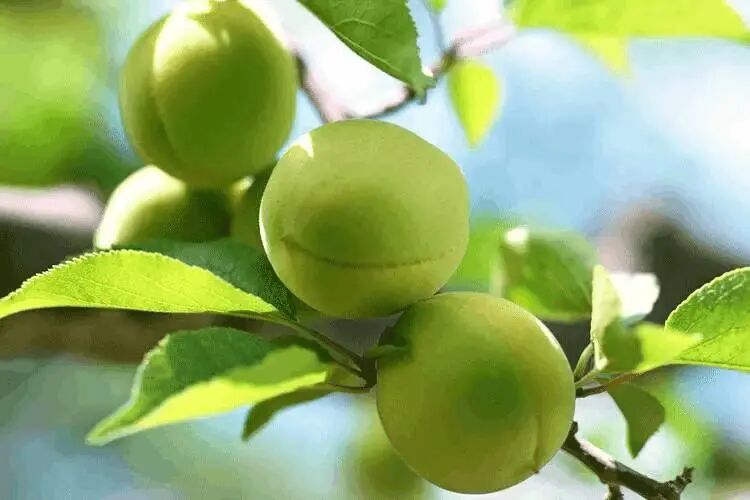
May and June are the seasons when plums ripen. At this time, many plums were still green and tasted very sour when eaten directly. Therefore, in ancient times, there was a saying of "boiling plums", and in the Three Kingdoms, there was also a story of "boiling green plums for wine and discussing heroes", which added a touch of boldness and tone to boiling plums. The plums cooked are sweet and sour, delicious, and also produce saliva to relieve heat.
/ An Miao/
The custom of Anmiao is particularly smoky and lively. When the rice seedlings are planted in full bloom, the people in the Anhui area use newly ground wheat flour to make dough figurines, shape them into the appearance of five grains and six livestock, and then dye them with vegetable juice as colorful offerings in the fields, hoping for a bountiful harvest of five grains and a peaceful village.
/Mud Fight/
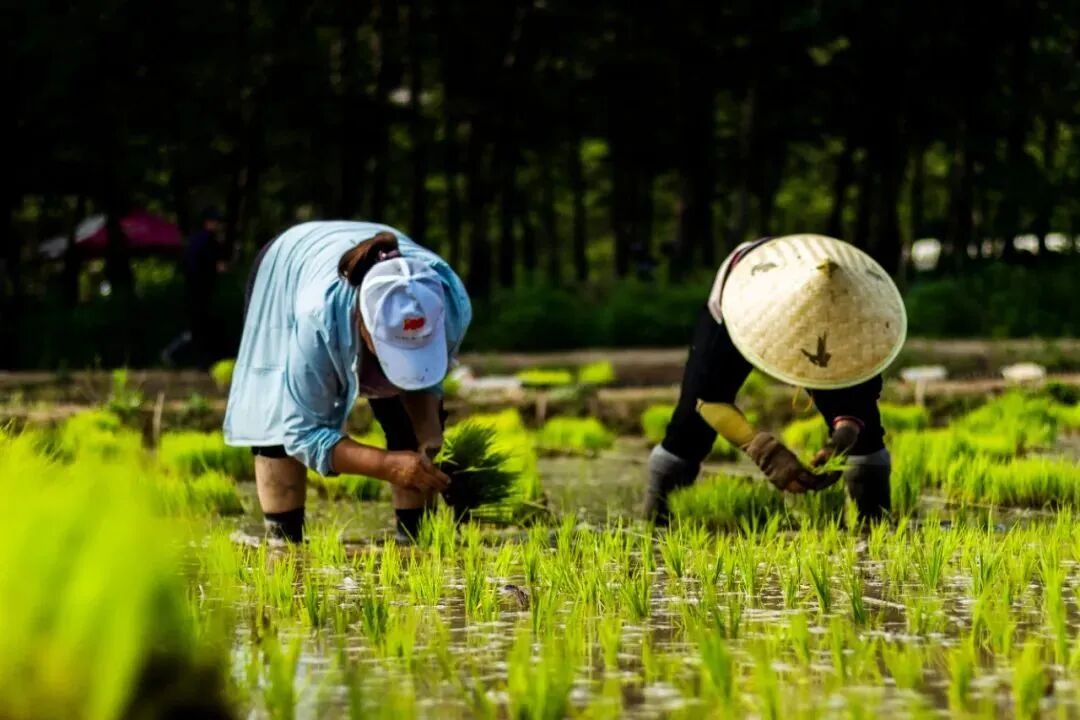
Young men and women of the Dong ethnic group in southeastern Guizhou hold the Mudfighting Festival before and after the Mangzhong Festival every year. On that day, the newlyweds were accompanied by close young men and women, collectively planting rice seedlings while playing and throwing mud at each other. After the event ends and the results are checked, the person with the most mud on their body is the most popular.

Grain in Beard · Health Preservation
Grain in Beard is the wettest solar term of the year. From Mangzhong to the summer solstice, it is a process of gradually increasing yang energy, and at the same time, it is also the time when yin energy is most weak. Therefore, the key to health preservation through Mangzhong is to reduce the consumption of yin energy while cultivating yang energy.
/Dehumidification and heat dissipation/
The season of Mangzhong is hot, and as the rainfall gradually increases, the humid and hot air spreads, making the human body susceptible to moisture invasion, resulting in symptoms such as heaviness, fatigue, dry mouth, and loss of appetite. Pay attention to nourishing the spleen and stomach, removing dampness and heat. During the Mangzhong season, the temperature is high and it is easy to consume air and damage fluids. It is necessary to replenish body fluids in a timely manner to avoid excessive sweating and dehydration. For people who love sports, don't pursue sweating profusely. Avoid drinking large amounts of chilled beverages after exercise, and do not immediately use cold water to punch or shower, as it can cause various diseases.

/Eat some bitterness/
During the bitter summer season, people often experience loss of appetite, but excessive consumption of cold drinks can damage the spleen and stomach. It is recommended to have a light diet, avoid being too cold, and eat some bitterness appropriately. You can often drink tea made of jujube, lotus seed, longan, medlar, chrysanthemum, American ginseng, lily, or use it to cook Congee with millet and barley to refresh your mind. At the same time, it is advisable to eat more vegetables such as tomatoes, cucumbers, loofah, asparagus, chrysanthemum, bitter gourd, celery, lotus root, lettuce, as well as fresh fruits such as watermelon, cantaloupe, and cantaloupe to help the body stay stable during the summer.
As a solar term that connects the past and the future, Grain in Beard is associated with the harvest of summer wheat and the sowing of autumn rice. Collecting one type at a time, embodying the essence of the Grain in Beard solar term, and reminding people that the abundance of life comes from every diligent cultivation. In this busy yet beautiful season, may we be busy yet not lost, and reap rewards.
The 24 Solar Terms
It is a specific festival in the Chinese lunar calendar that represents changes in natural rhythms and establishes the concept of "building in December". It was originally formulated based on the rotation of the Big Dipper and the movement of the stars. The Big Dipper rotates in a circular motion, with the handle rotating one circle to the east, south, west, and north, forming a cycle known as a "year". Each rotation cycle begins at the beginning of spring and ends at the end of the Great Cold. The "24 solar terms" is an important part of the long history and culture of the Chinese nation, which embodies the essence of the history and culture of Chinese civilization. Through historical development, the lunar calendar has incorporated the solar terms of the dry branch calendar as a supplement to the calendar, and adjusted it to conform to the tropical year through the "leap method", forming a yin-yang combined calendar. The "24 solar terms" have become an important part of the lunar calendar. In the international meteorological community, the 24 solar terms are known as "China's fifth great invention". On November 30, 2016, the 24 solar terms were officially included in the UNESCO Representative List of the Intangible Cultural Heritage of Humanity.
