Numerous authoritative experts gathered in Fuling to provide suggestions for successfully handling this important matter
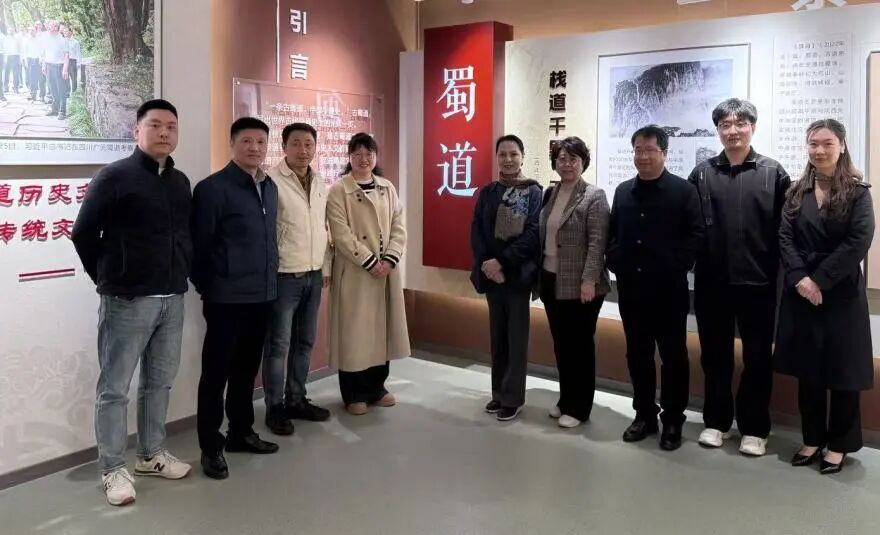
On March 24th, the expert consultation symposium on the application of the Baiheliang Inscription for World Memory Heritage was held at the Baiheliang Underwater Museum. A number of authoritative experts from the National Archives Administration, China Association for the Protection of Historical Sites and Monuments, UNESCO chairs, and relevant universities, museums, and archives gathered to provide guidance and suggestions for the "Shenyi" work. Professor Chen Ping, Global President of the International Organization of Folk Arts (IOV), Chief Chair of the UNESCO Chair on the Inheritance and Innovation of Traditional Handicrafts, Dean of the Institute of Cultural Heritage and Creative Industries at Jinan University, attended the symposium.
Baiheliang is a natural giant stone beam in the Yangtze River, about 1600 meters long and 15 meters wide, named after the frequent clusters of white cranes in the early years.
On the BaiheLiang, there are about 175 inscriptions and 18 stone fish, among which the earliest double carp stone fish was carved before the second year of Guangde in the Tang Dynasty (764 AD). The ancient people used stone fish as water markers and fish eyes as the zero standard for measuring water level, recording hydrological information for more than 60 dry years in the Yangtze River over 1200 years. This practice of engraving dry water level records on stone beams in the river for a long time is a unique technological civilization; The local people come to watch hydrological records every year to judge the abundance of crops in the coming year, which is also a unique cultural tradition with great scientific, historical, and artistic value. It is praised by UNESCO as the well preserved "world's first ancient hydrological station". In 2006, the White Crane Ridge Inscription was included in the preliminary list of China's application for world cultural heritage by the National Cutural Heritage Administration; In 2008, the White Crane Ridge inscription was included in the UNESCO World Heritage List.
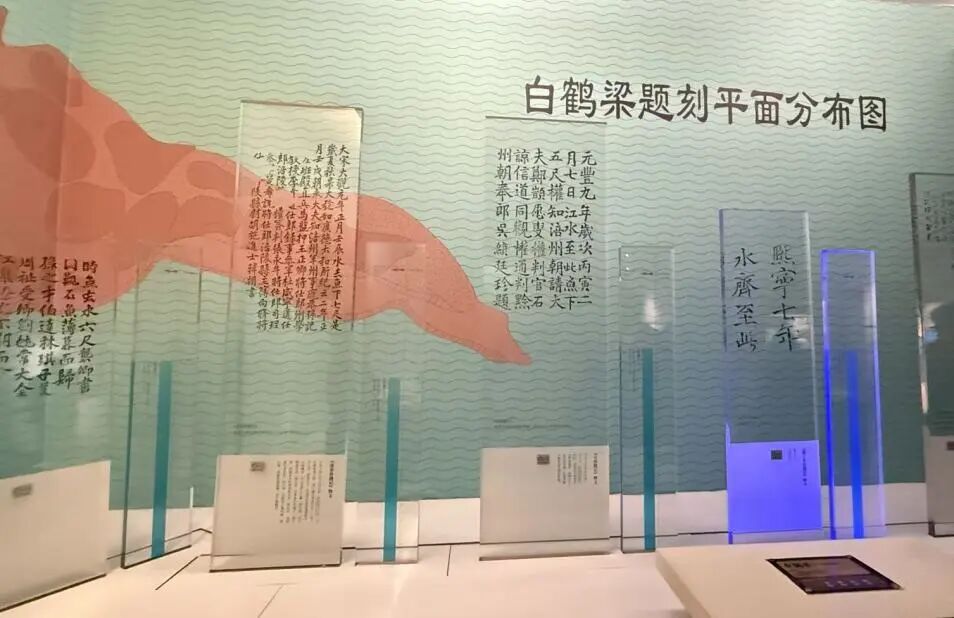
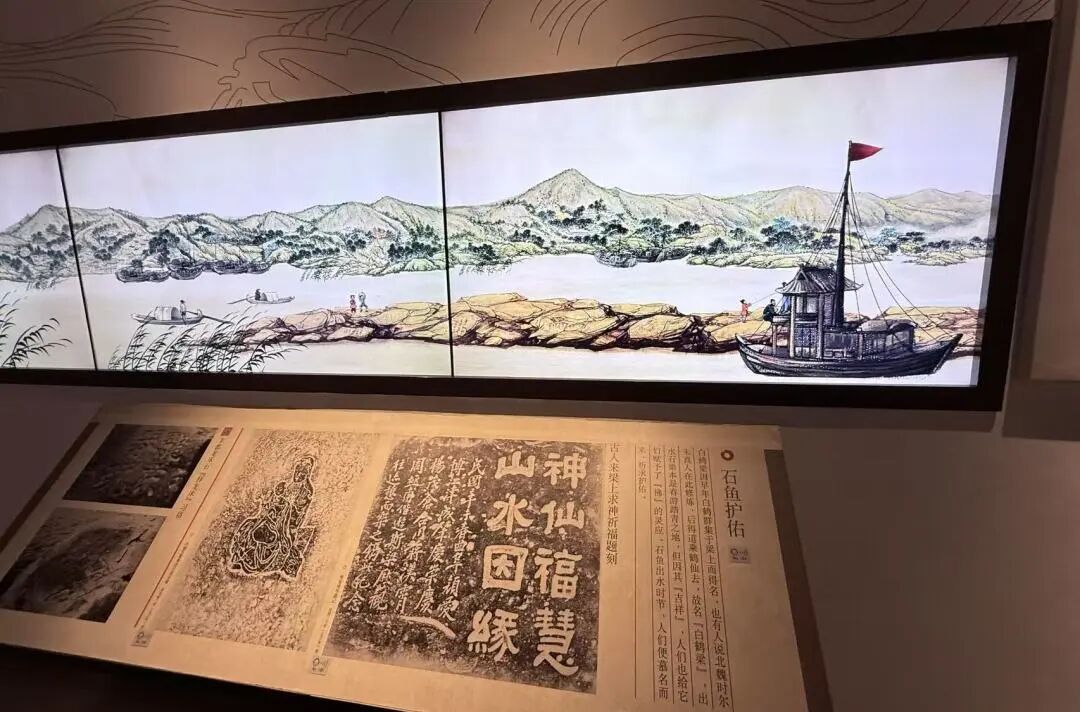
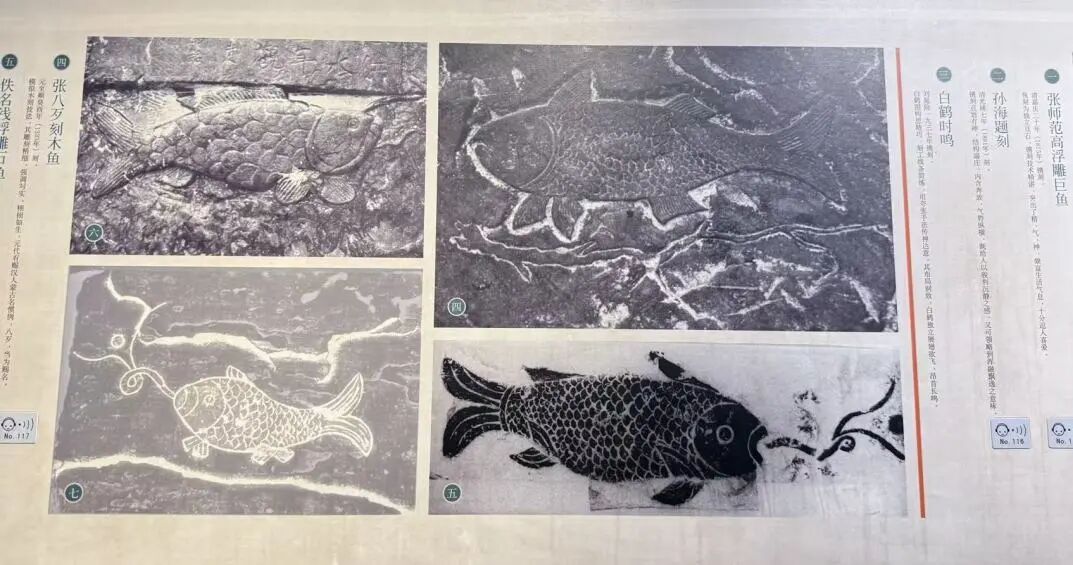
Inscription on Baiheliang
After the completion of the Three Gorges Dam on the Yangtze River, Baiheliang will be submerged by the Yangtze River. In order to protect this precious cultural heritage of humanity, after ten years of research and demonstration, the principle of "no pressure container" was finally adopted to protect the original site of the Baiheliang inscription underwater, with a cost of 210 million yuan to build the world's first underwater site museum. Nowadays, tourists can take the 91 meter long elevator deep into the river and experience the history, culture, and folk customs of Baiheliang for over a thousand years through the underwater corridor.
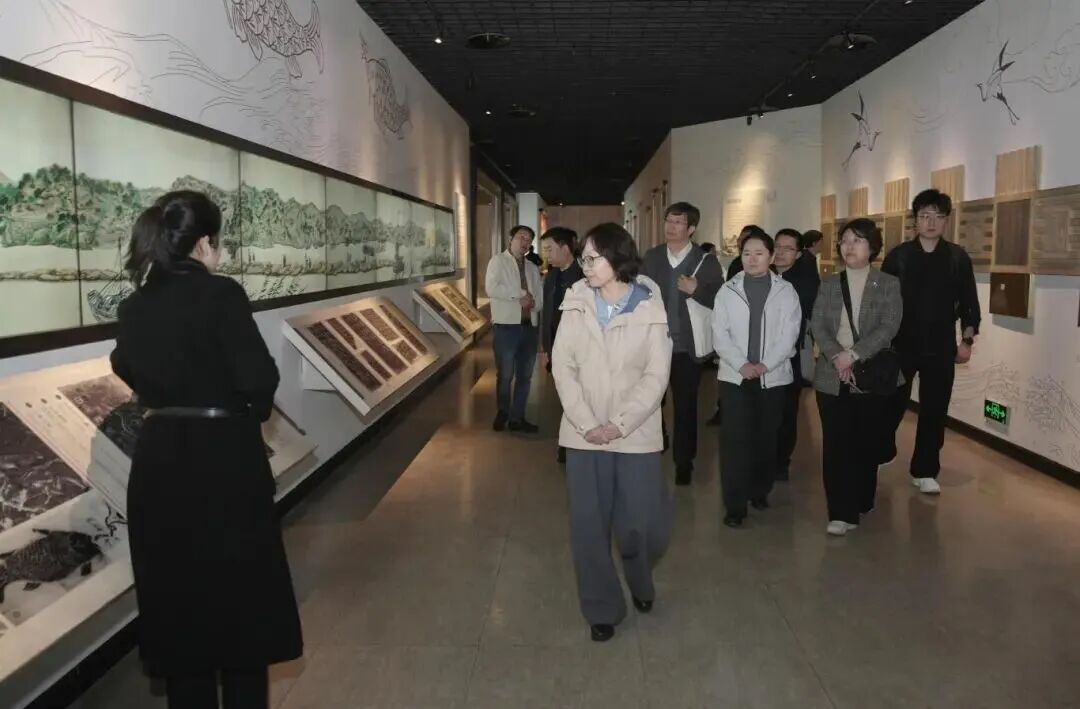
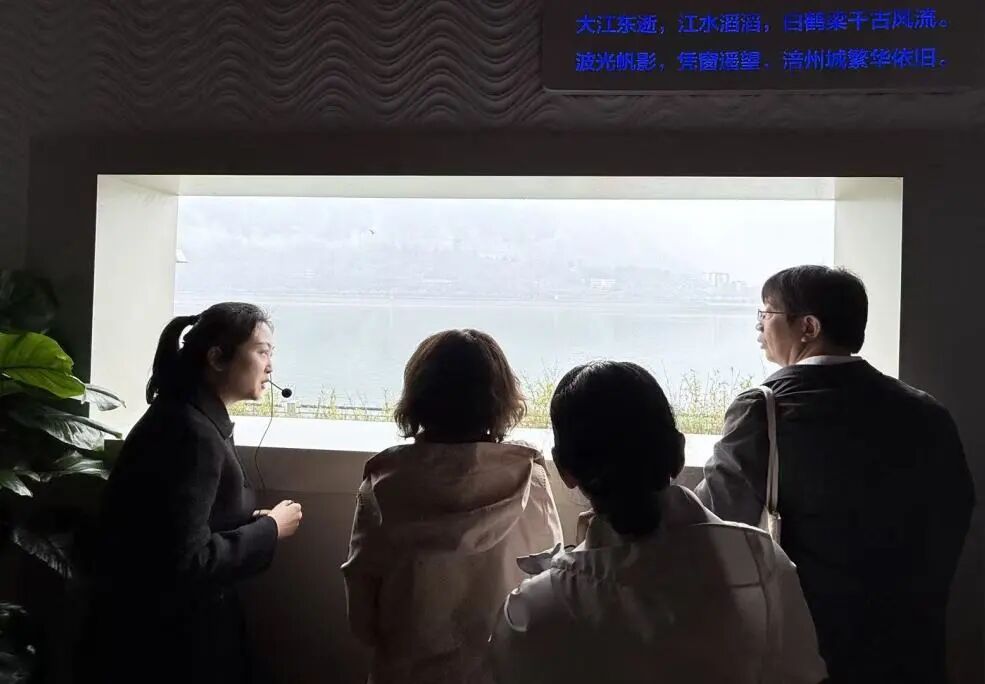
Expert group conducts on-site research on Baiheliang Underwater Museum
In the morning of that day, the expert group conducted on-site research on the Baiheliang Underwater Museum to gain a deeper understanding of the historical and cultural value, protection status, and underwater display operation of the inscriptions. As a precious relic of more than 1200 years of hydrological information and inscriptions by literati since the Tang Dynasty, the Baiheliang inscriptions are known as the "world's first ancient hydrological station", and their historical, scientific, and artistic value have been highly recognized by the expert group.

Expert Consultation Symposium on the Application of White Crane Ridge Inscription for World Memory Heritage Site
At the symposium, experts conducted in-depth discussions on key aspects such as the compilation of the "Shenyi" text, value extraction, international comparison, and interpretation of authenticity and completeness. Wang Hongmin, a first level inspector of the National Archives Administration, suggests optimizing the standardization of application materials and the completeness of supporting materials from the perspective of documentary heritage; Jiang Bo, Vice Chairman of the China Association for the Protection of Historical Sites, emphasized its globally unique value; Chen Ping, a UNESCO Chair expert, proposed the idea of international communication and revitalization utilization; Hu Zhongliang, former deputy director of the First Historical Archives of China, guided the excavation of the historical connotations of inscriptions.
Experts unanimously suggest that the application work should highlight the uniqueness, scarcity, and global influence of the White Crane Ridge inscription, improve the international discourse system, and ensure that the application materials can withstand international scrutiny; Deepen international cooperation, draw on successful experiences, invite international experts to participate in research guidance, and tell the story of the White Crane Ridge well.
Officials from the Three Gorges Museum and Fuling District stated that they will fully absorb expert opinions, continue to deepen research on heritage value, and promote high-quality "memory application" work. They will make every effort to promote the early inclusion of the Baiheliang inscription in the World Memory Heritage List, allowing this precious human memory heritage to shine on the international stage.
It is reported that the White Crane Ridge inscription was included in the "Preparatory List of World Cultural Heritage" in 2008, and was listed in the "China Archives and Documentary Heritage List" in 2025. Currently, it is simultaneously promoting the cross-border joint application for the Nile Foot in Rhoda Island, Egypt, to accumulate practical experience for the protection and international dissemination of documentary heritage.