

Happy Chinese New Year
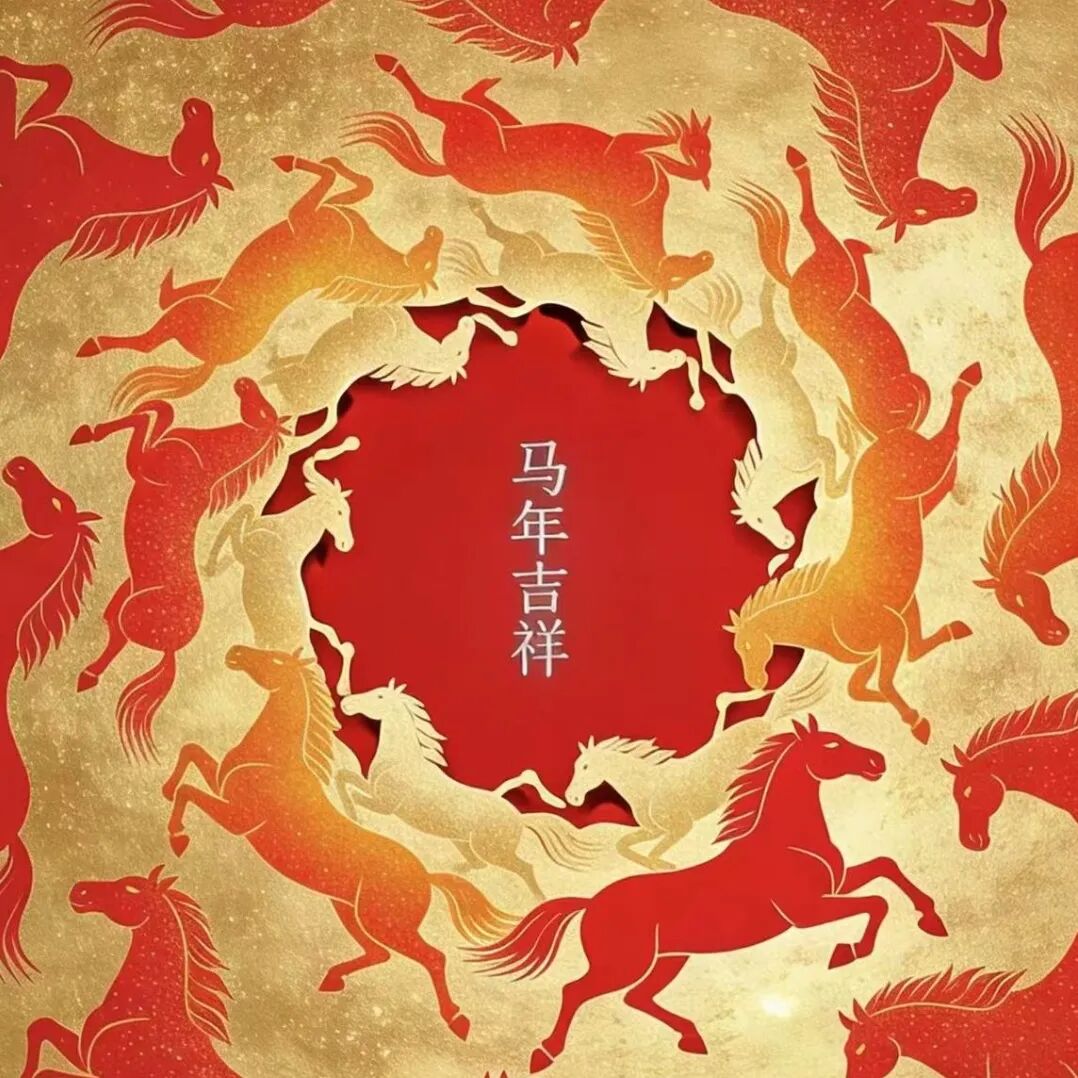
With the change of seasons and the renewal of everything, we have ushered in the vibrant Lunar Year of the Horse. In the long history of Chinese civilization, horses are not only important means of transportation and military partners, but also endowed with profound humanistic connotations and philosophical symbols, carrying the cultural memory and spiritual pursuit of the Chinese nation for thousands of years.
In 2026, the year of Bingwu in the lunar calendar, also known as the "Year of the Red Horse". Red symbolizes passion, vitality, and auspiciousness, symbolizing unrestrained vitality, high ambition, and a positive attitude towards life. The image of horses has long surpassed itself, condensed into a spiritual totem of bravery, loyalty, perseverance, and free galloping, deeply integrated into the spiritual bloodline of Chinese civilization, and participated in shaping the cultural character of our nation. As the Year of the Horse approaches, let us follow the sound of historical hooves, explore the survival wisdom and good luck codes hidden in horse culture, and feel the charm of the "horse culture" that transcends time and space.
Horses play a crucial role in Chinese culture
Chinese traditional horse culture | Auspicious symbolism that has lasted for five thousand years
As one of the earliest animals raised by humans, horses are known as the "head of the six livestock". Their intelligence, courage, loyalty, and diligence make them indispensable in various fields such as agriculture, hunting, transportation, and transportation. The love for horses, riding habits, and emphasis on horse politics of emperors throughout history have provided powerful impetus for the development of horse culture. The folk breeding of horses, the widespread application of horses in various fields, the rich and colorful horse customs, as well as the entertainment and artistic expression of horses, together constitute a solid foundation for the development of horse culture.
In fact, horses play a crucial role in Chinese culture. The wisdom of the lost horse, the wisdom of the horse, the loyalty of the horse in front of the saddle, the integrity of the horse that cannot be pursued, the dedication of hard work, the rapid progress of the horse, the strategy of mobilizing troops and horses, and the magnificent power of thousands of horses all reflect the indispensable role of horses in Chinese culture.
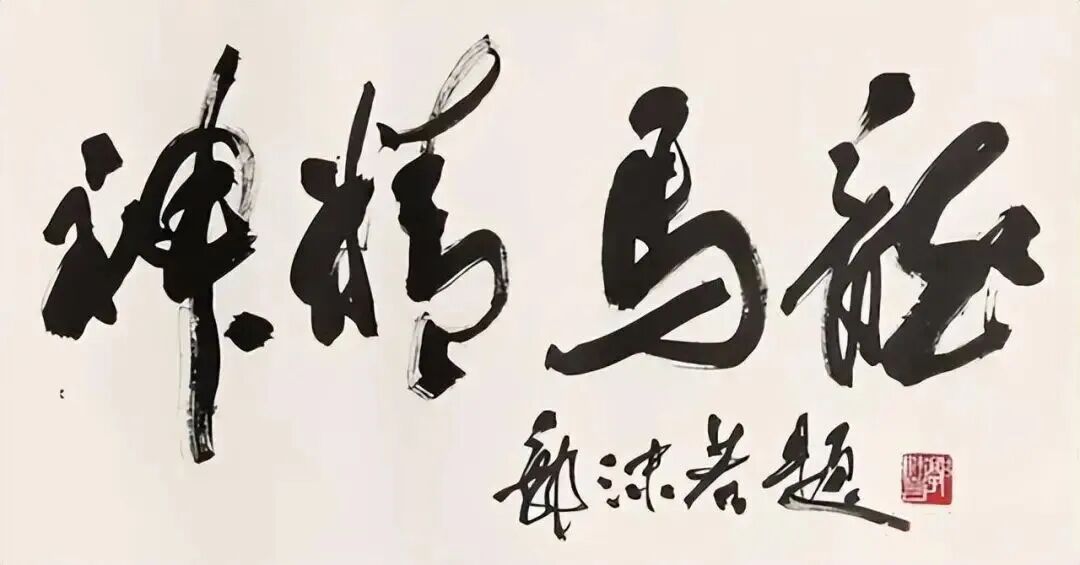
The Spirit of Dragon and Horse, Inscription by Guo Moruo
In traditional Chinese culture, horses have never been simply livestock, but symbols of strength, loyalty, and progress. The ancients called it "the horse, the foundation of armor, and the great use of the country." It is not only a comrade in arms who charges forward on the battlefield, but also a messenger who conveys letters on the post road, and a carrier of ideals in the writings of literati and ink artists. The term 'Dragon and Horse Spirit' fully embodies the cultural essence of horses - leaping like dragons and striving like horses. This is the ultimate summary of the Chinese people's spirit of upward momentum and self-improvement.
Horses have a very high status in the cultural system of the Chinese nation, with a series of symbols and meanings. In traditional culture, the horse is the dry of pure yang, which is synonymous with strength, brightness, enthusiasm, high altitude, ascension, fullness, prosperity, and development. Therefore, the "Qian" in the Book of Changes and the Qian Gua states: "Qian is the horse." At the same time, the horse also represents the king, father, ancestral examination, gold and jade, reverence, majesty, health, kindness, greatness, and primitiveness, as well as the symbol of ability, sages, and talents.
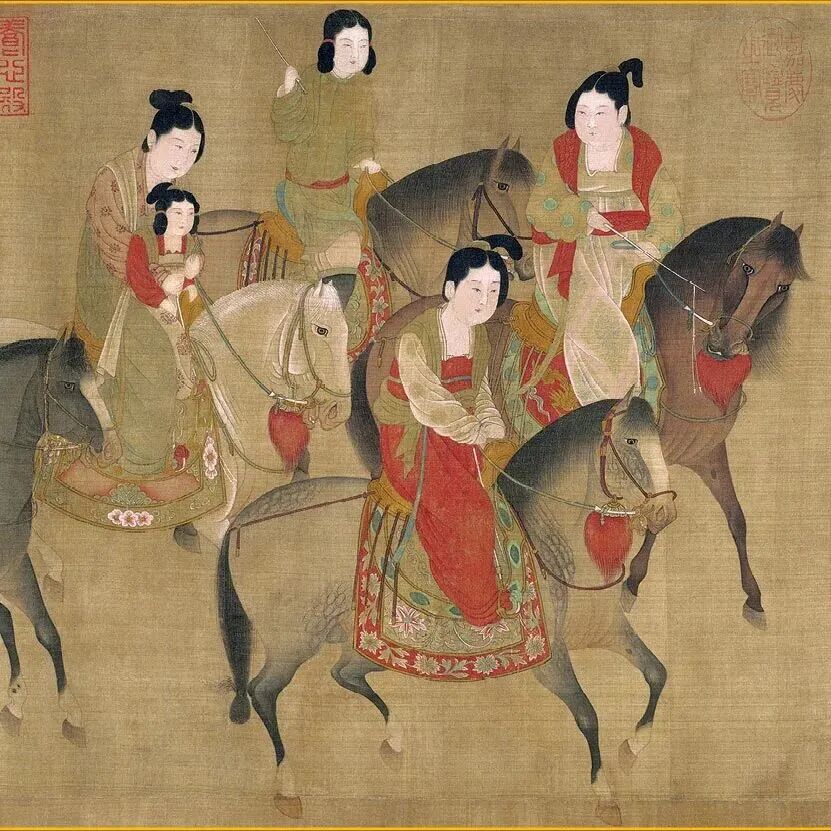
Li Gonglin's painting "Li Renxing" from the Song Dynasty depicts the scene of a spring outing on horseback with Lady Guo and her entourage
The ancients often had the saying of a thousand mile horse for talent, as well as the reputation of the Eight Horses of King Mu. It can be said that horse is the most worshipped animal of the Chinese nation except dragon and phoenix, so horse patterns are widely used in handicraft fields such as bronze ware, gold and silver ware, jade, bronze mirror, calligraphy and painting, sculpture, statue, clothing, bedding, Paper Cuttings, etc.
Horses are still the source of inspiration for ancient artists. From "Horses Treading Swallows" to "Six Horses of Zhaoling", from "Golden and Iron Horses" to "Fine Horses with Light Robes", horses and humans have gone through ups and downs together, becoming our silent friends and loyal partners!
Totem Horse | Lucky Messenger in Folk Beliefs
In the totem lineage of Chinese civilization, the evolution of horse patterns reflects the circulation of the spirit of the times. The abstract horse patterns on the Neolithic painted pottery symbolize the ancestors' reverence for natural life; The "Kui Ma Pattern" on bronze ritual vessels from the Shang and Zhou dynasties integrates the imagery of divine beasts with the order of power. The galloping "heavenly horses" in Han Dynasty brocade pierce through clouds and mist, engraved with the heroic spirit of exploring the Silk Road; The Tang Dynasty's "winged horse pattern" combines Persian group nests with Chinese rolled grass, blooming with the brilliance of cultural integration. The "instant horse pattern" on Song Dynasty porcelain turned to ethereal and subtle, carrying the introspective temperament of literati's attachment to mountains and waters.
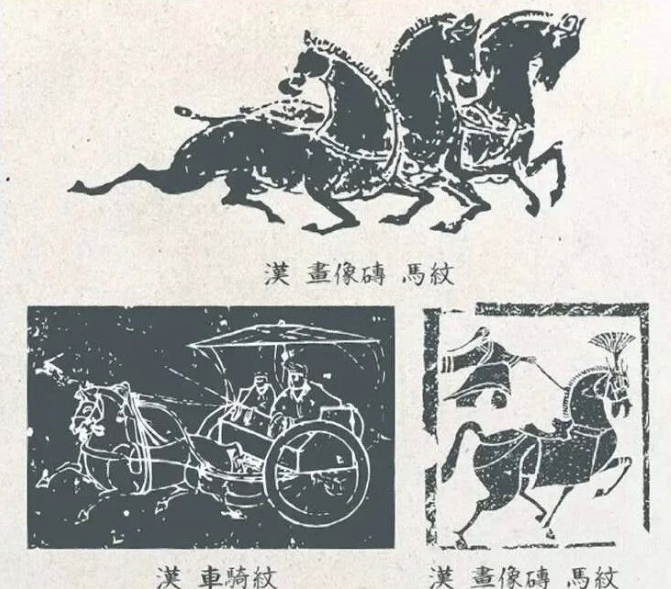
Chinese horse pattern style
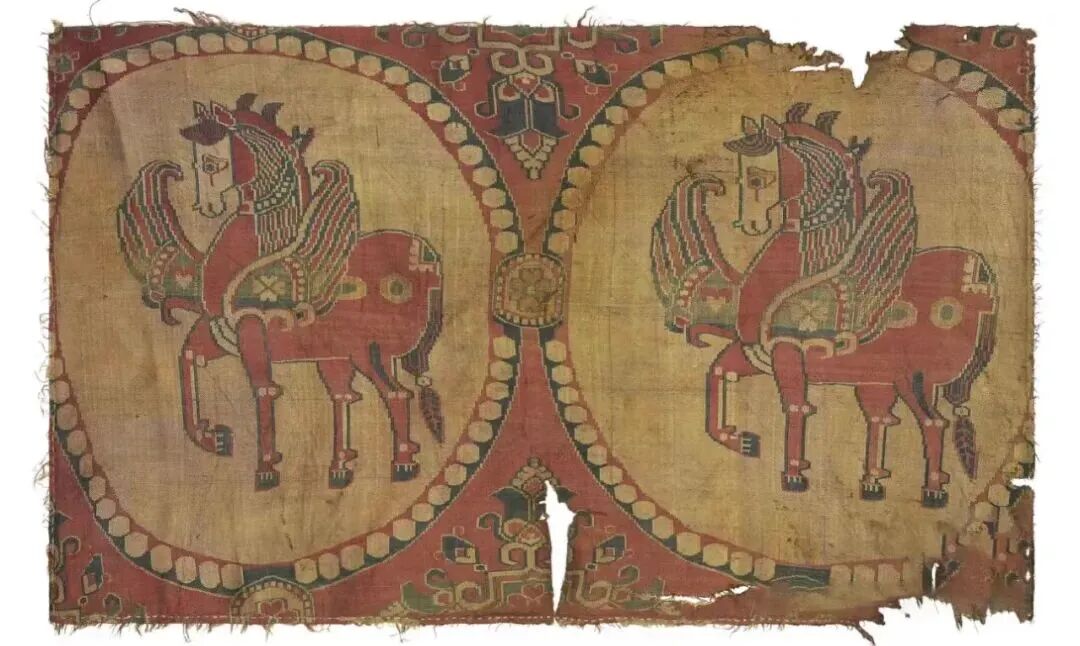
Sassanian Persian Brocade Double winged Pegasus Pattern
During the Yuan, Ming, and Qing dynasties, horse patterns became more diverse: the "galloping horse pattern" on Yuan Dynasty blue and white porcelain blended the exuberance of grassland culture with the charm of Central Plains brushwork; The "seahorse pattern" on Ming Dynasty clothing became a visual symbol of rank order, while the "Eight Horses Diagram" in court lacquerware continued the narrative of prosperity and auspiciousness; The "horse pattern" in Qing Dynasty porcelain and embroidery is often combined with "bat pattern" and "bell pattern" to form auspicious patterns such as "peace on horseback" and "success on horseback", demonstrating the deep integration of folk aesthetics and palace craftsmanship.
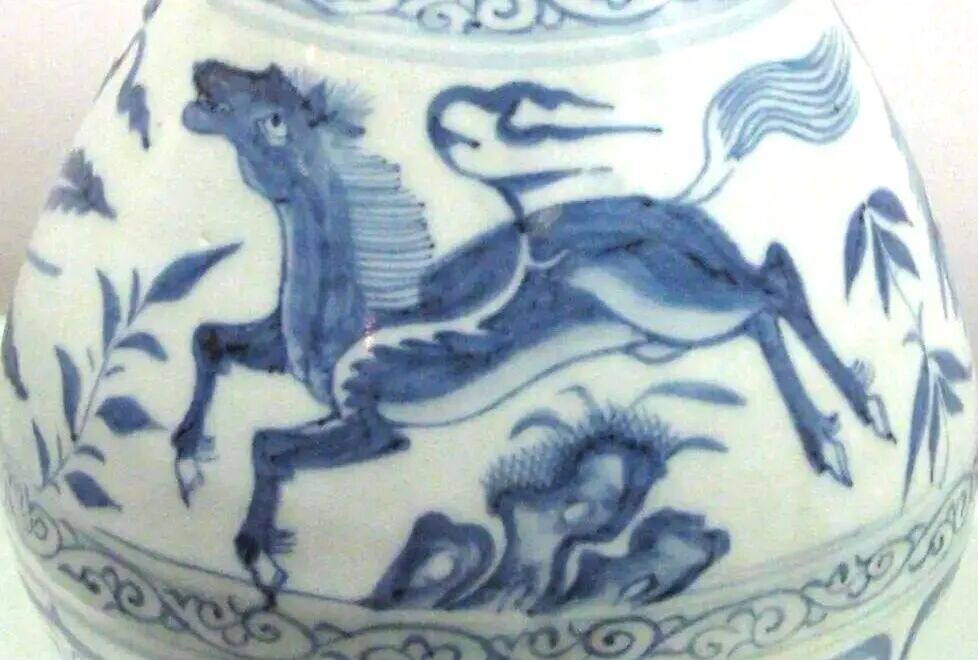
Horse patterns on blue and white porcelain from the Yuan Dynasty
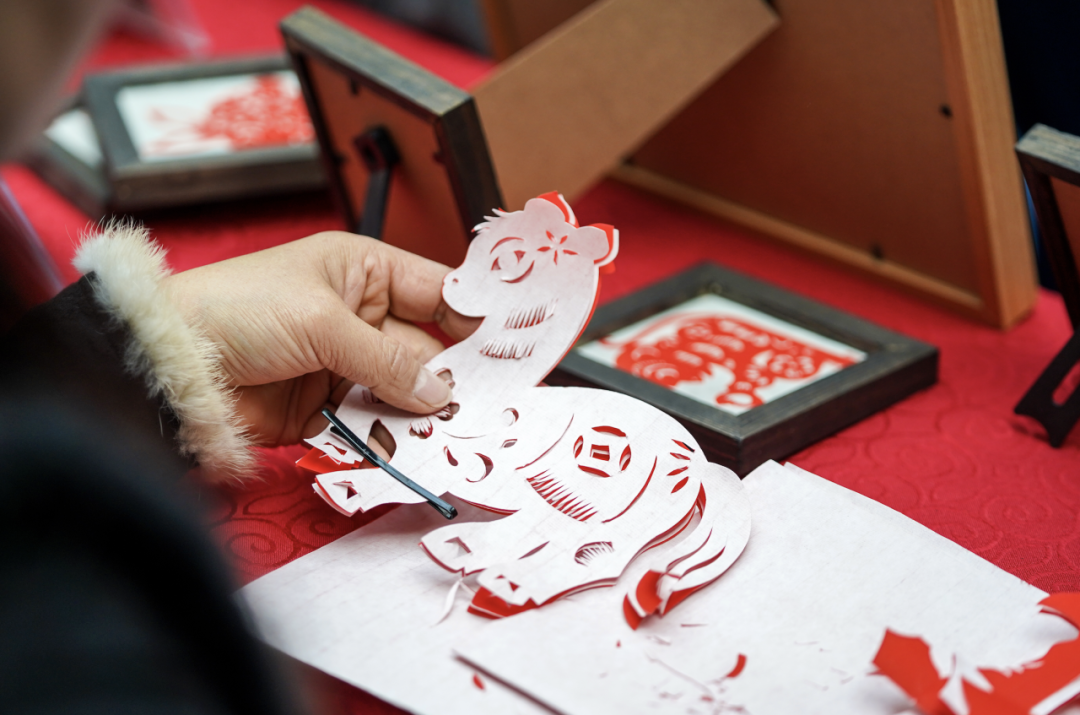
Horse Totem in Folk Paper Cuttings
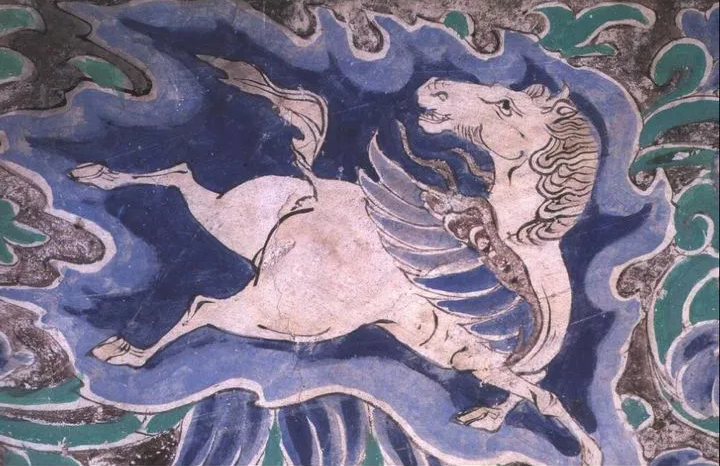
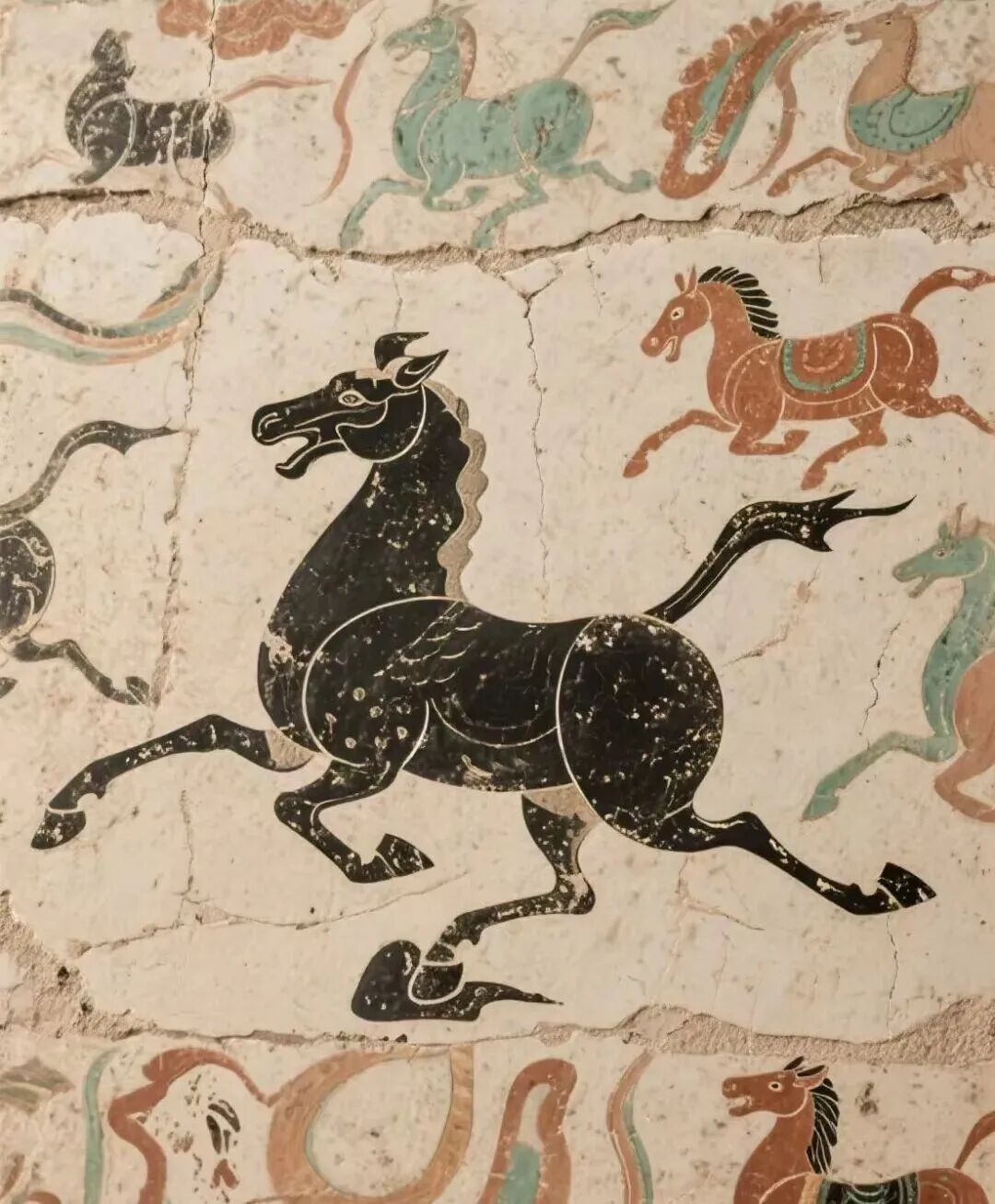
Horses in Dunhuang Murals
Text itself is the most condensed totem. In oracle bone inscriptions, the character "horse" sounds like a hissing sound, while in bronze inscriptions, the character "horse" often appears in combination with characters such as "king" and "hou", implying a connection between power and conquest. In the Han Dynasty, the seal script auspicious language of "Ma Jia Tian Xia" and "Ma Zhi Cheng" was used to transform the image of horses into straightforward blessings. The pattern of "horse carrying the gold ingot" in folk Paper Cuttings has a visual homophonic meaning of "getting rich at once", which makes horse totem go deep into market life.
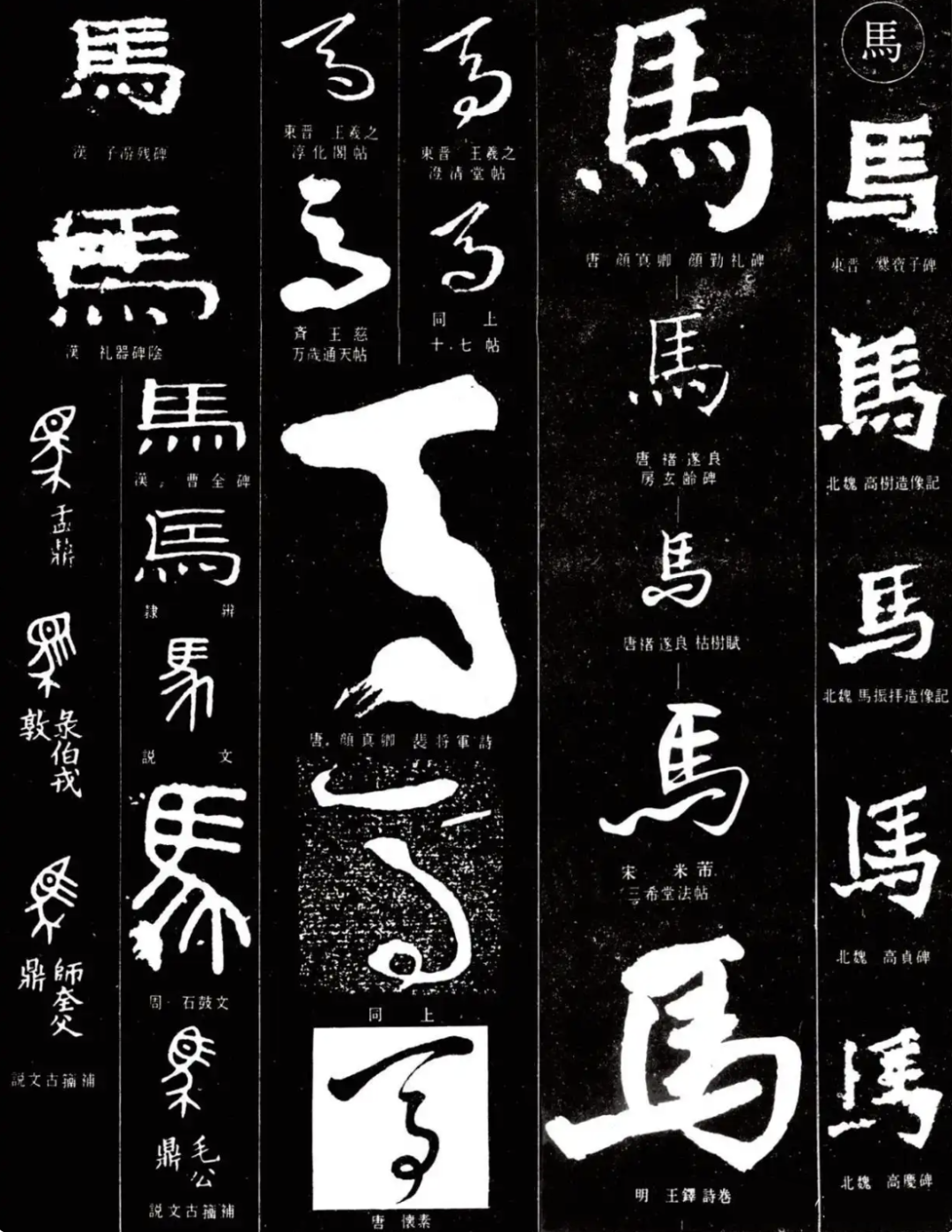
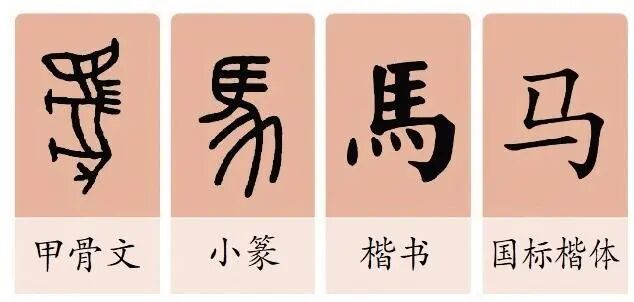
The Evolution of the Ma Character
Cultural Relic Horse | "Auspicious Signs of the Year of the Horse" Hidden in Daily Life
In the material remains of Chinese civilization, the image of "horse" has long surpassed its practical function and become a symbol of auspiciousness integrated into the texture of life. The mechanical miracle of the Han Dynasty's "horse stepping on a flying swallow" bronze galloping horse soaring into the air with three legs solidified the romantic imagination of "boundless imagination"; The Tang Dynasty gilded dancing horse holding a cup and silver pot records the prosperous scene of BMW offering longevity during palace celebrations. These cultural relics are not only masterpieces of art, but also auspicious carriers carrying cultural metaphors such as "success on horseback" and "dragon and horse spirit".
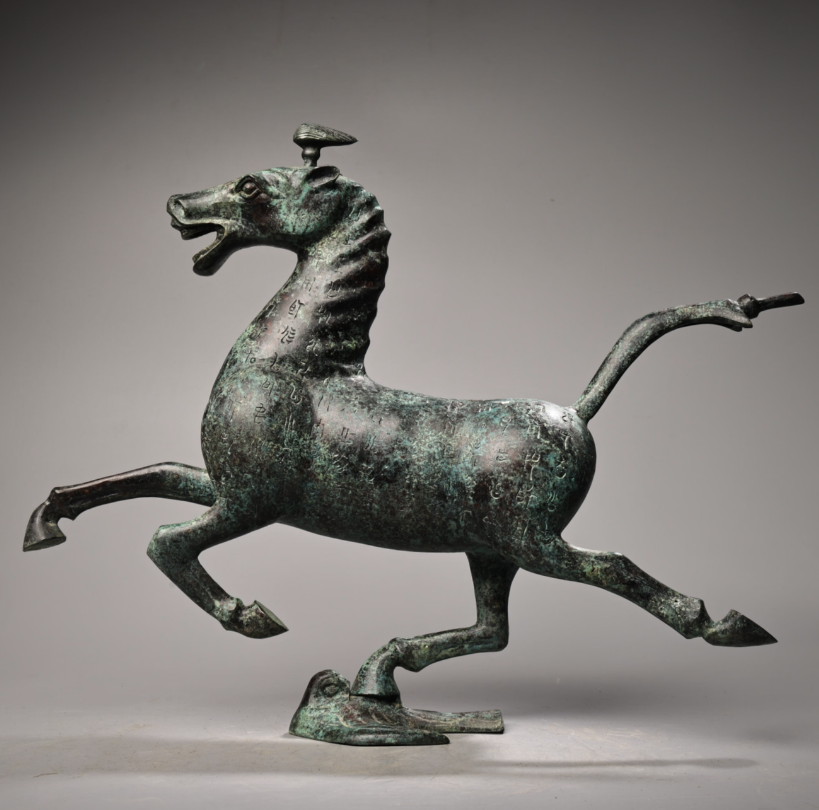
The Eastern Han Dynasty horse riding on a flying swallow bronze galloping horse is now housed in the Gansu Provincial Museum
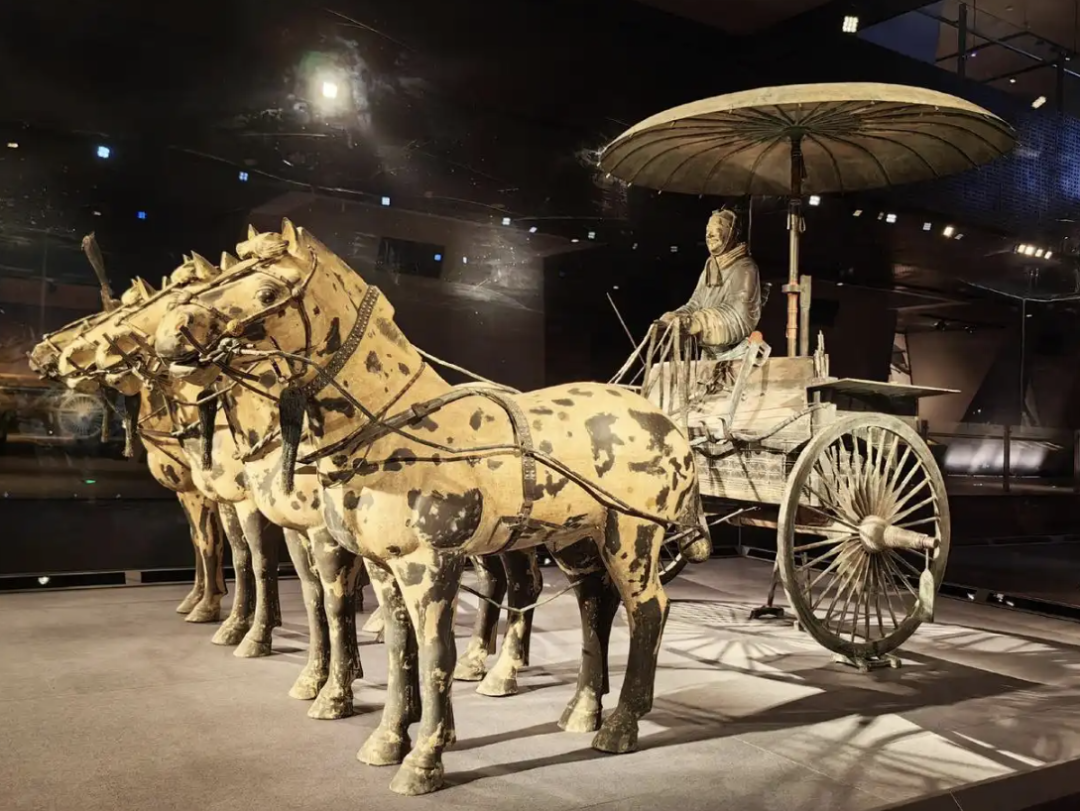
The Qin Bronze Chariot and Horse No.1 is now collected in the Mausoleum Museum of Emperor Qin Shi Huang
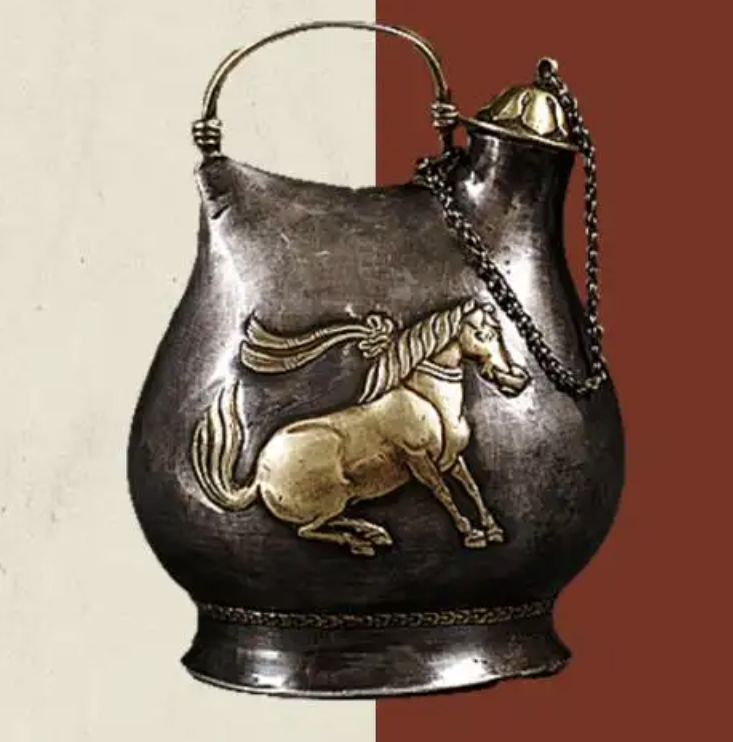
Tang Dynasty | gilded dancing horse holding gold patterned silver pot
From the galloping horse pattern on the blue and white porcelain of the Yuan Dynasty to the warm lying horse handle in the jade carvings of the Ming and Qing Dynasties; From the folk Paper Cuttings horse carrying the yuan treasure to the beautiful "door god riding" in the New Year pictures, the image of horse permeates into daily life in various ways. A Ming Dynasty "blue and white plum vase with galloping horse pattern" can be used as a decoration for elegant rooms, and its pattern itself symbolizes "bottle saddle (safety) galloping"; The pattern of a galloping horse treading on clouds on the back of a bronze mirror from the Qing Dynasty not only serves the function of illuminating appearance, but also reflects the expectation of a "thousand mile journey through the clouds" in one's official career.
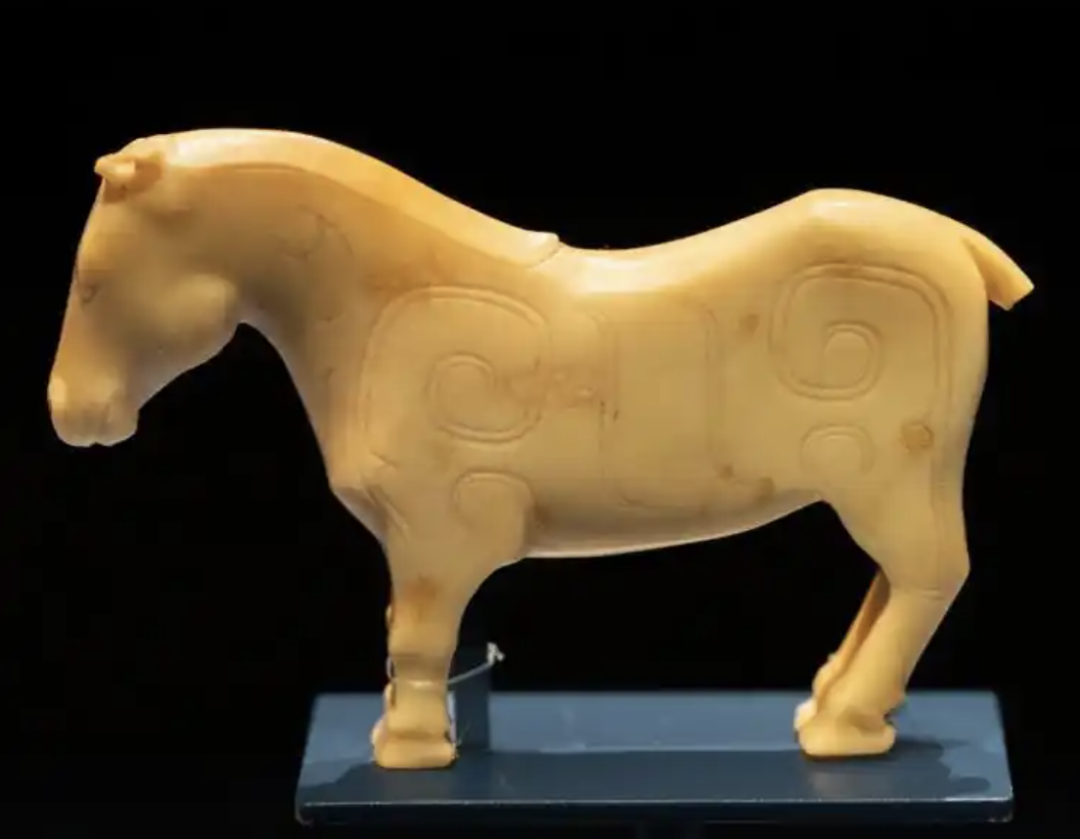
The collection of Western Zhou jade horses in Shanxi Museum
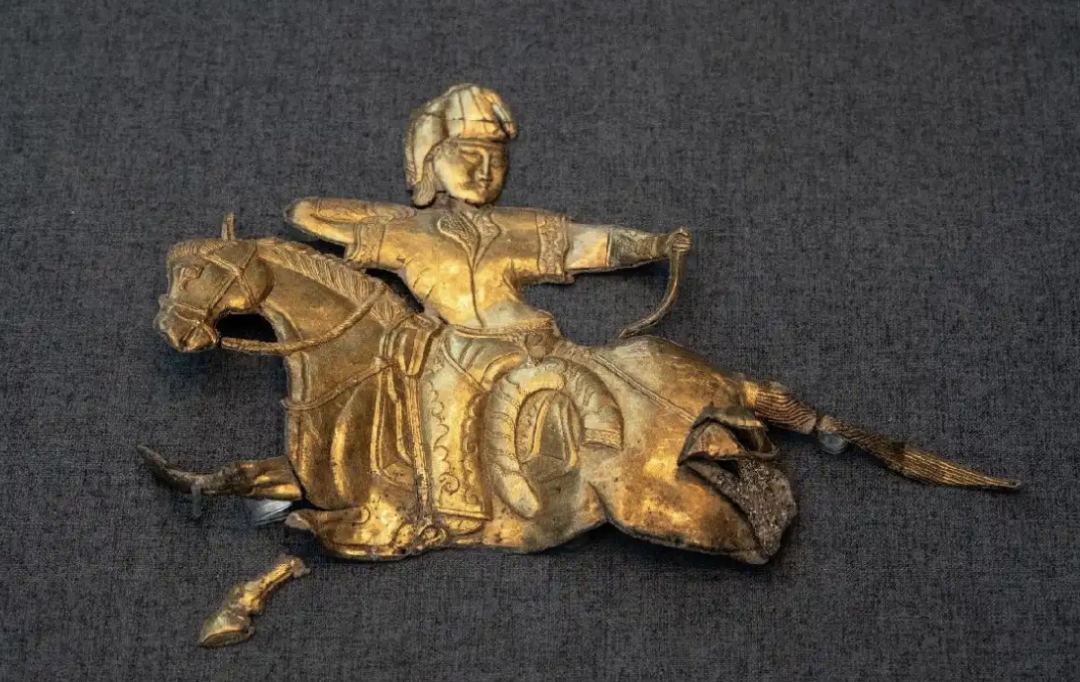
Tang Dynasty | equestrian and archery figures with gold and silver jewelry pieces collected by Qinghai Provincial Museum
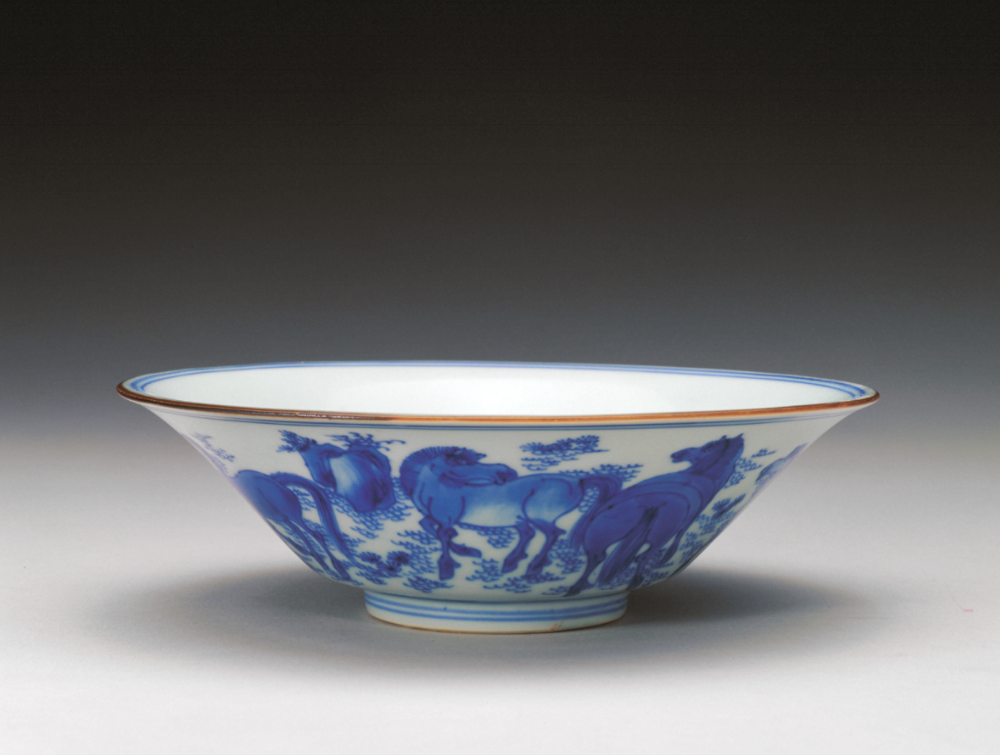
Yuan Blue and White Eight Horses Picture Skirt Bowl
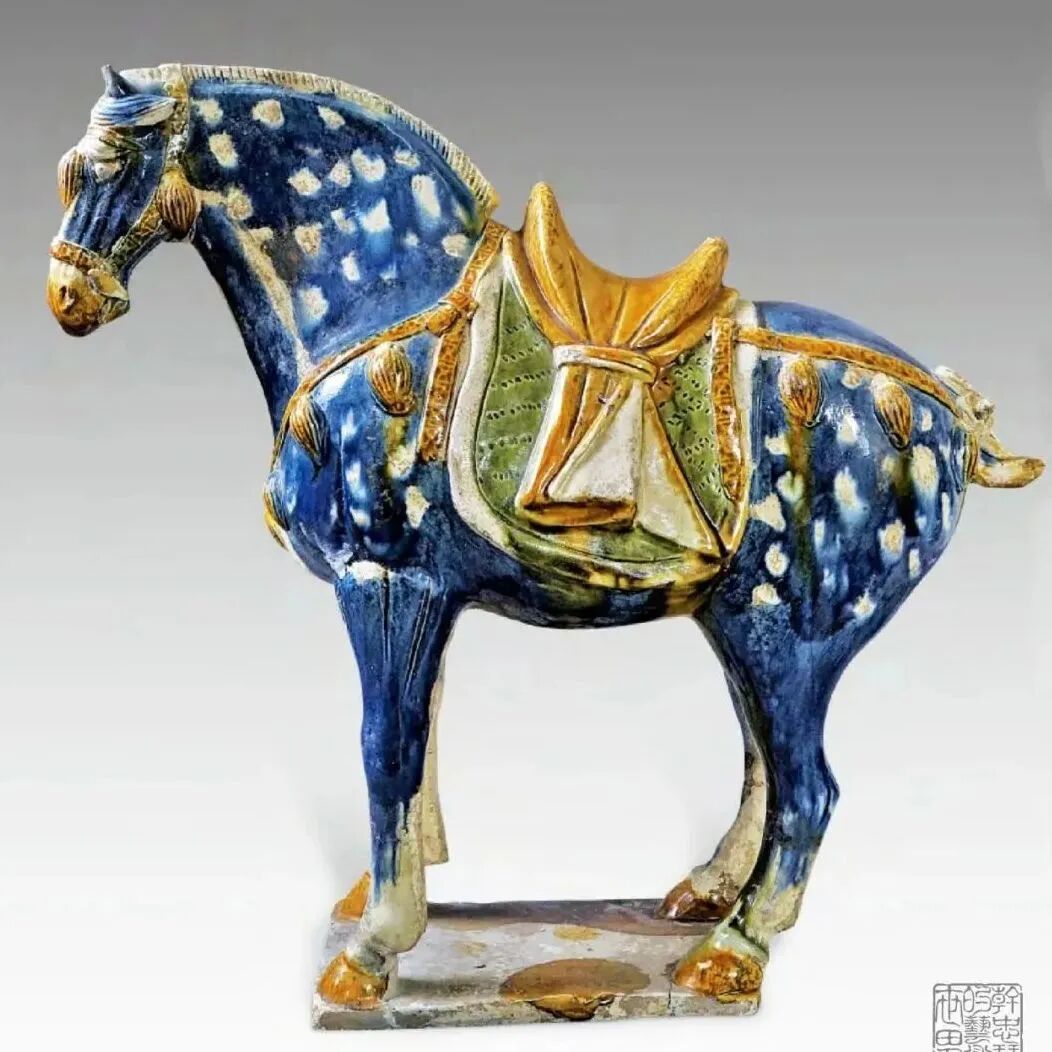
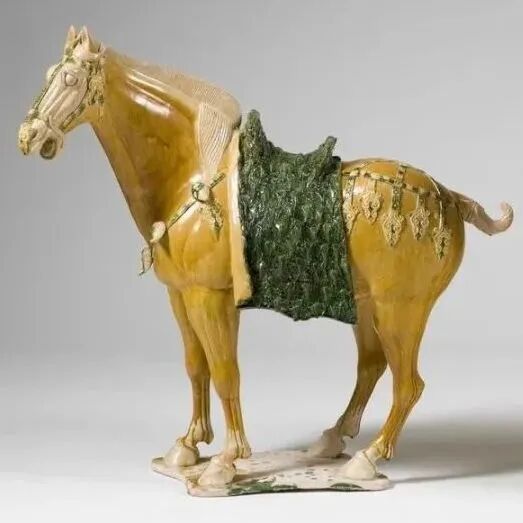
Tang Dynasty, the admirable tri colored horses
Famous painting horse | Through thousands of years of brushwork and spirit galloping
The strokes of literati and ink artists make the imagery of horses more vivid and three-dimensional. In Han Gan's "Night Light White Painting" of the Tang Dynasty, the mount of Emperor Xuanzong of Tang Dynasty is depicted using white painting techniques with light ink on the muscles. At the moment when "Night Light White" is tied, the horse's mane flies and its hooves leap. The tension is strengthened by the conflict between the tight reins and the horse's struggle, which can be described as a masterpiece. Unfortunately, this painting is now housed in the Metropolitan Museum of Art in the United States.
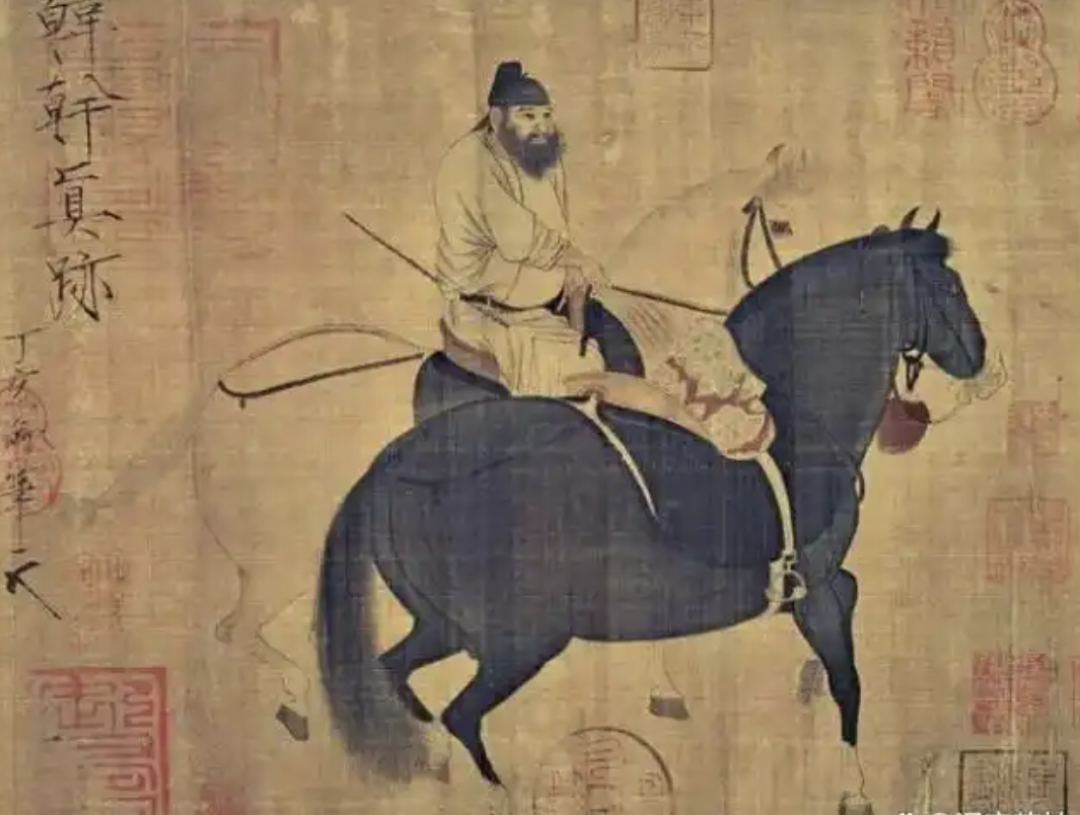
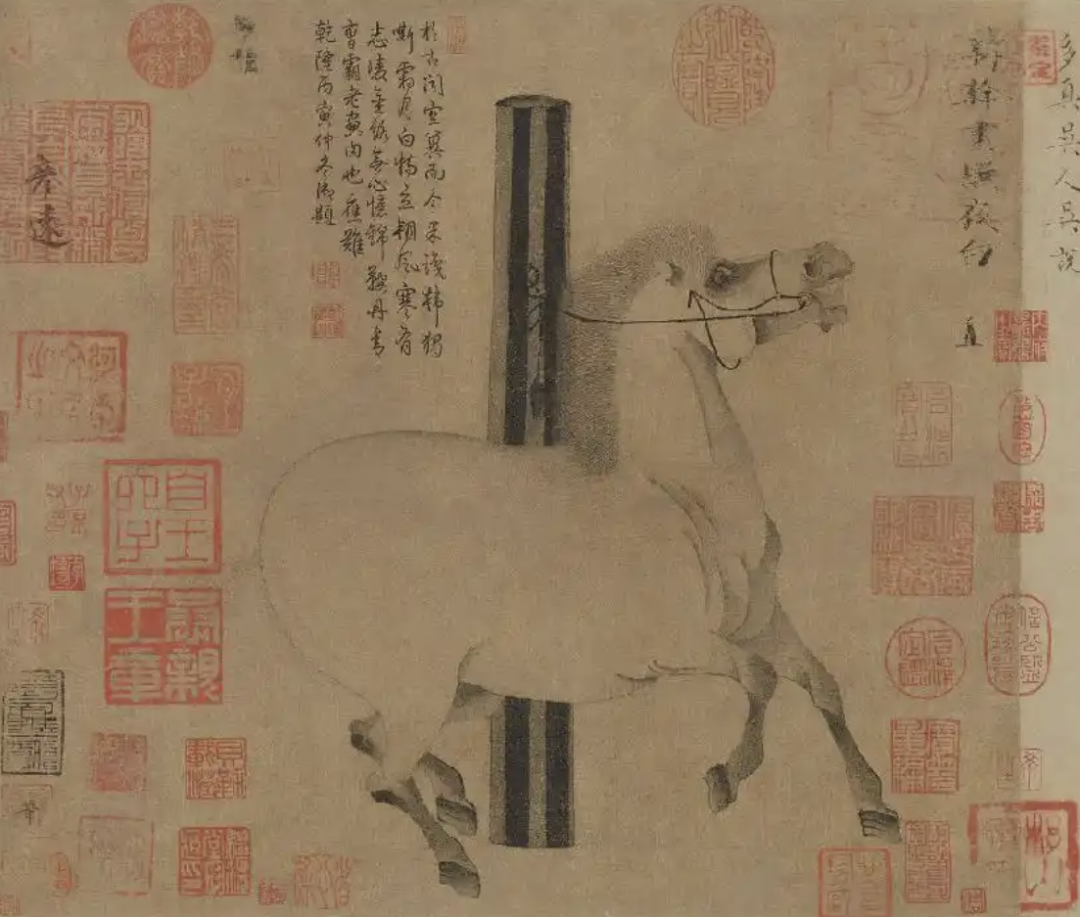
Part of Tang Hangan's "Night Light White Picture"
In the Song Dynasty, Li Gonglin reshaped the image of horses with the aesthetic of white line drawing. The painting "Five Horses" outlines the tribute horses with simple and clean lines, without the use of vermilion, but with a natural appearance of wind and spirit. The horse stands still and gentle, with Xi Guan calmly leading it. The scene is filled with the rational brilliance and implicit aesthetic taste of Song Dynasty literati's "investigating things to gain knowledge", reflecting the ideal of harmony under the Confucian order. After the Yuan Dynasty, the image of horses added a new dimension to literati paintings. Zhao Mengfu painted horses, incorporating calligraphy strokes into his paintings. The horses were as warm and moist as jade, symbolizing the adherence of literati to the orthodox culture of China under foreign rule.
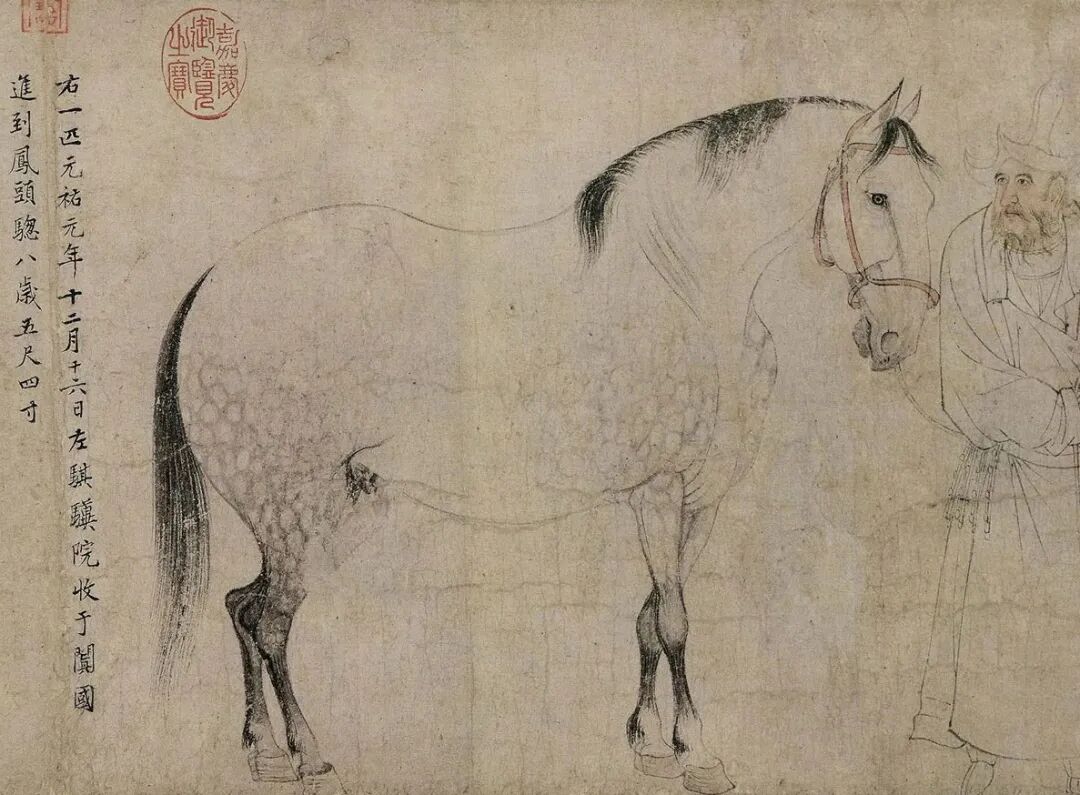
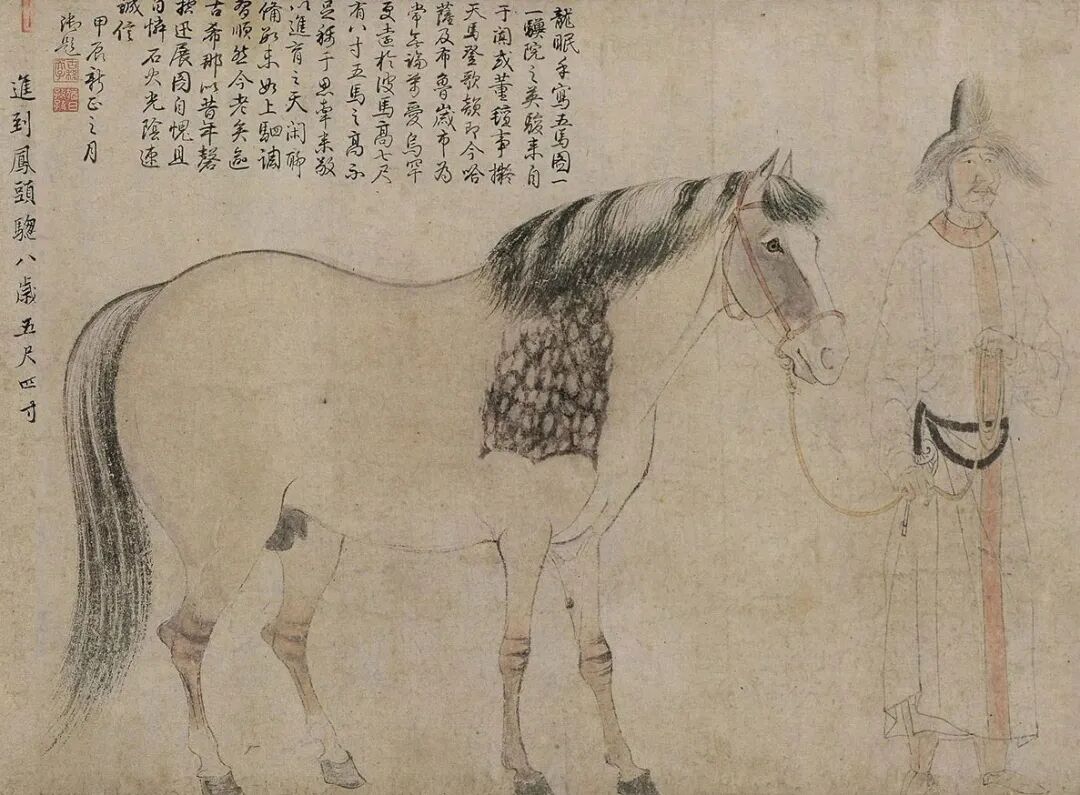
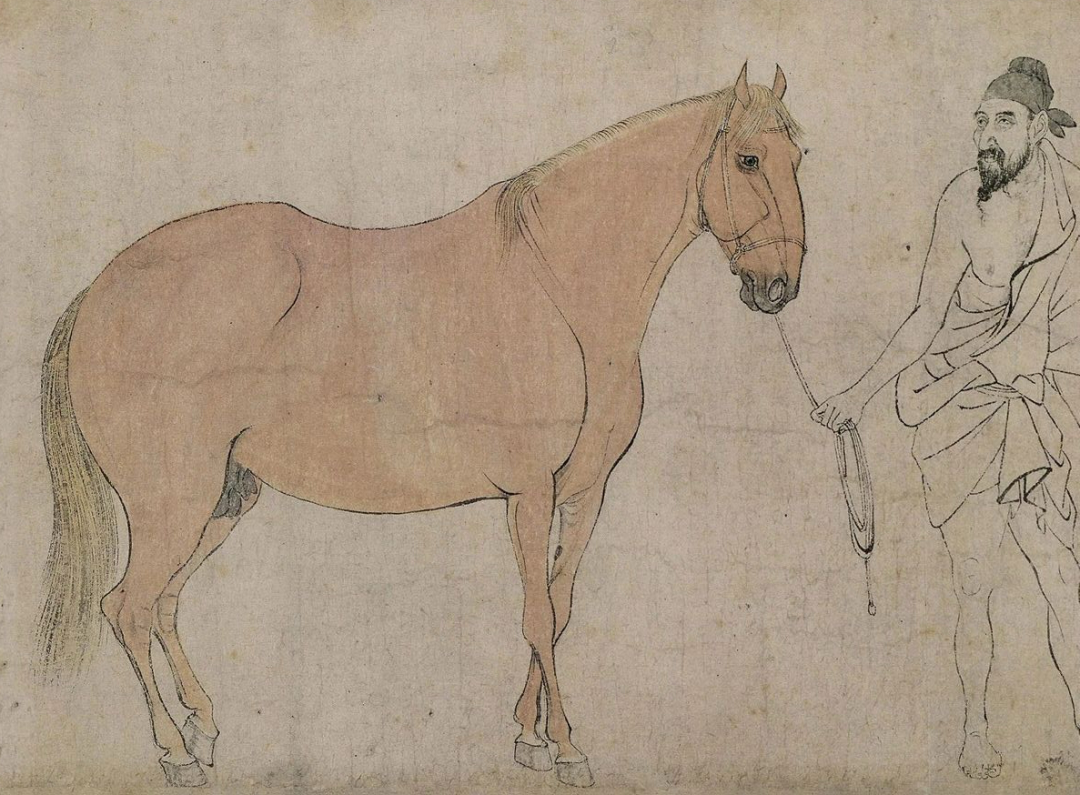
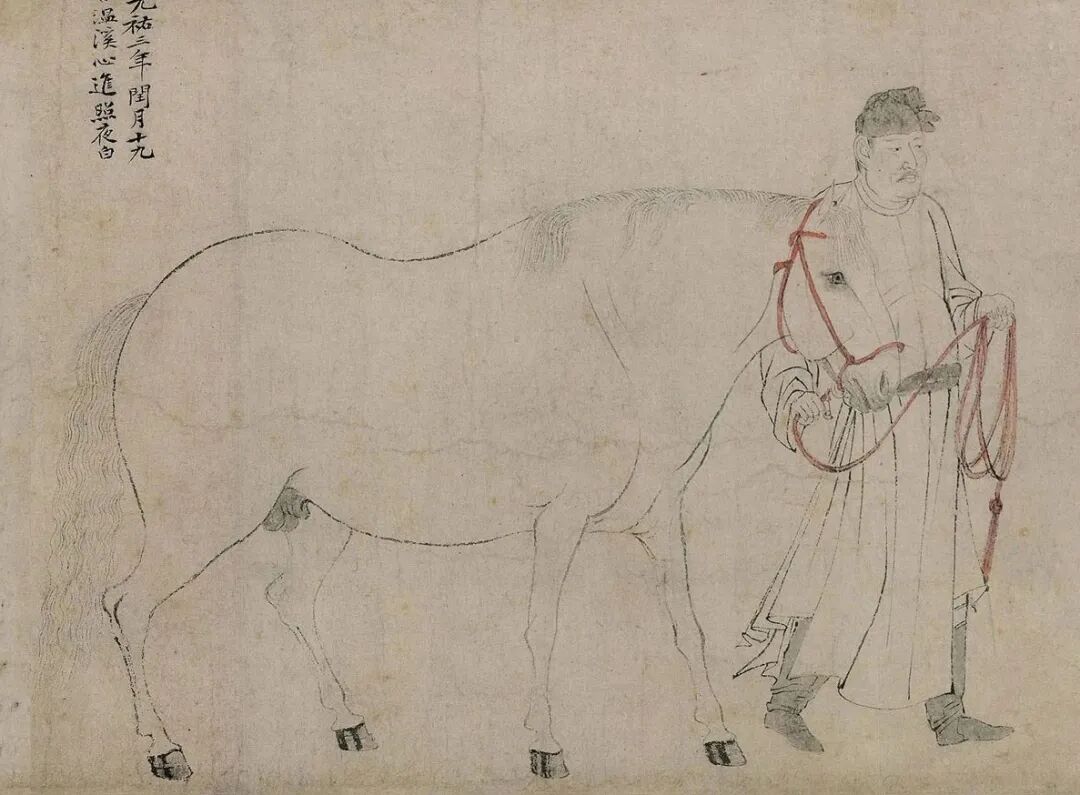
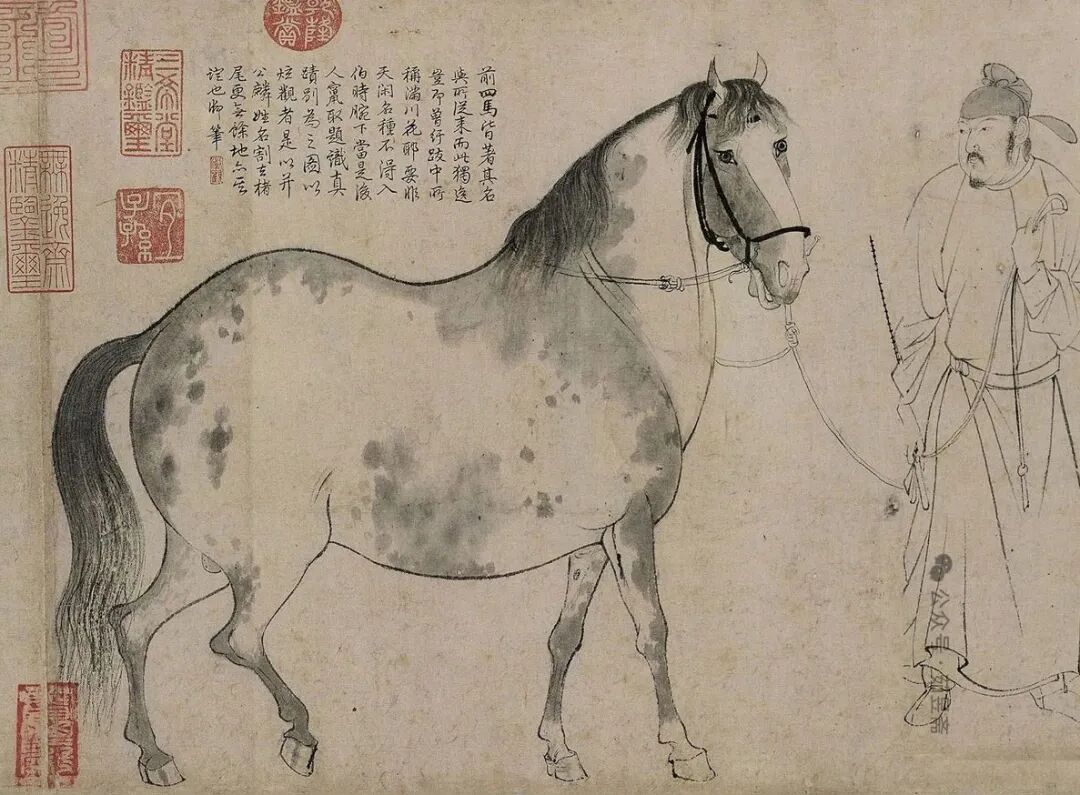
Song Li Gonglin's "Five Horses" Volume
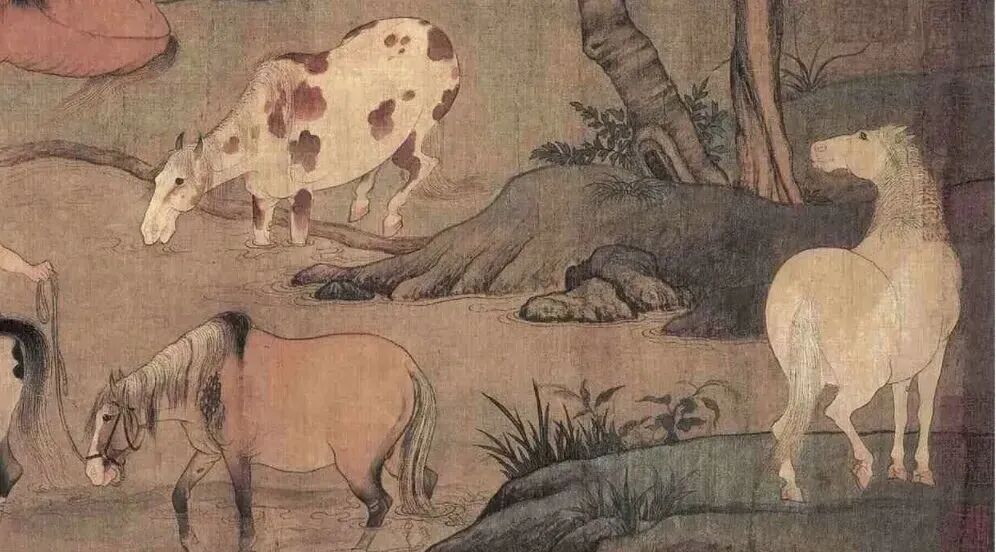
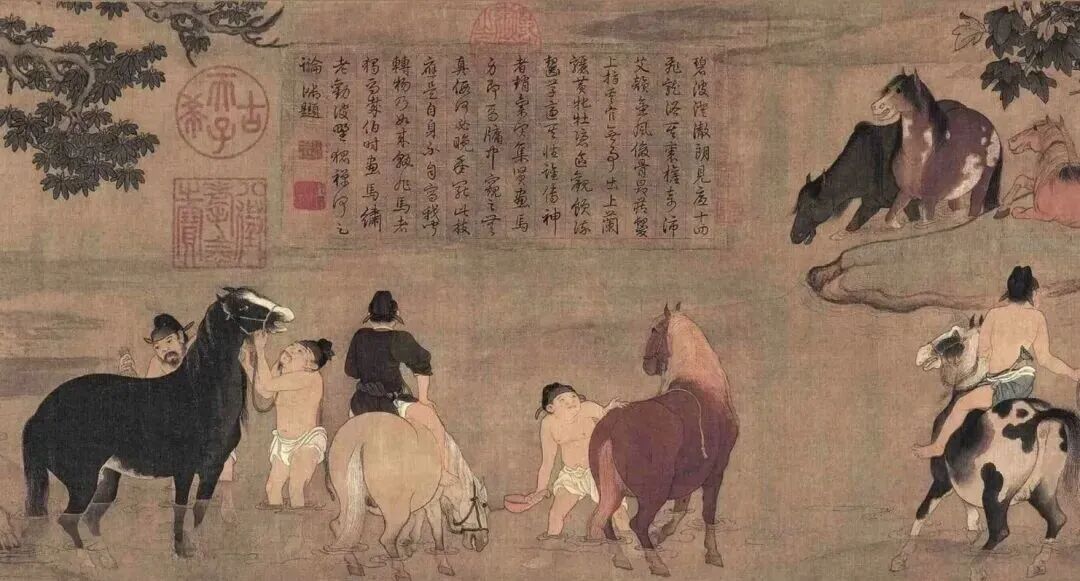
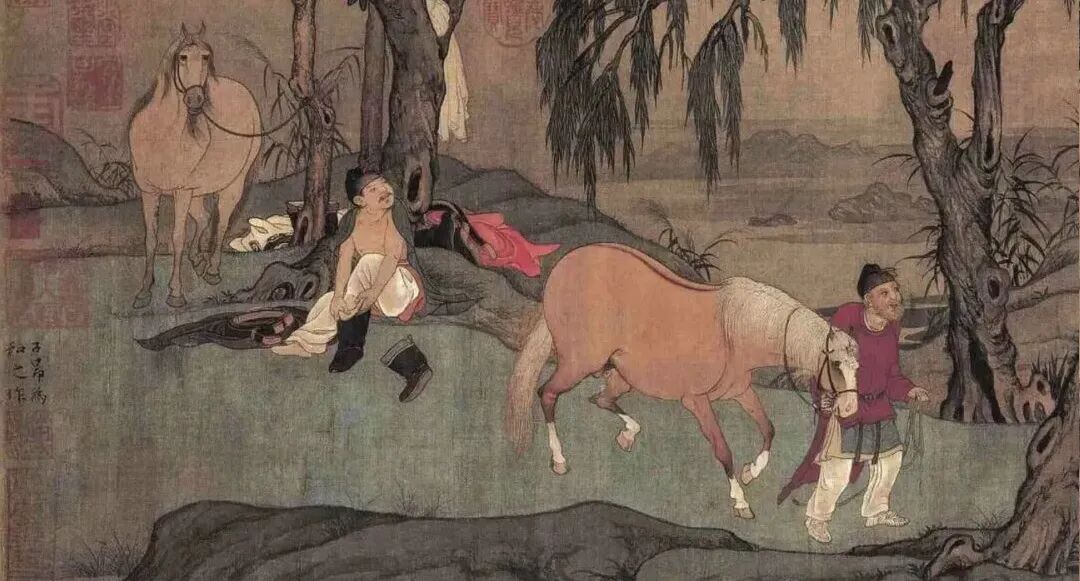
Yuan Zhao Mengfu's "Bathing Horse Painting"
The horse depicted by Xu Beihong combines Western anatomy, perspective, and Eastern freehand brushwork to create a unique "Beihong Horse". The image of a galloping horse with its head held high against the wind in his works is particularly striking, and the leaping posture that is about to break through paper has become an eternal spiritual totem for the Chinese nation to rise up in difficult times.
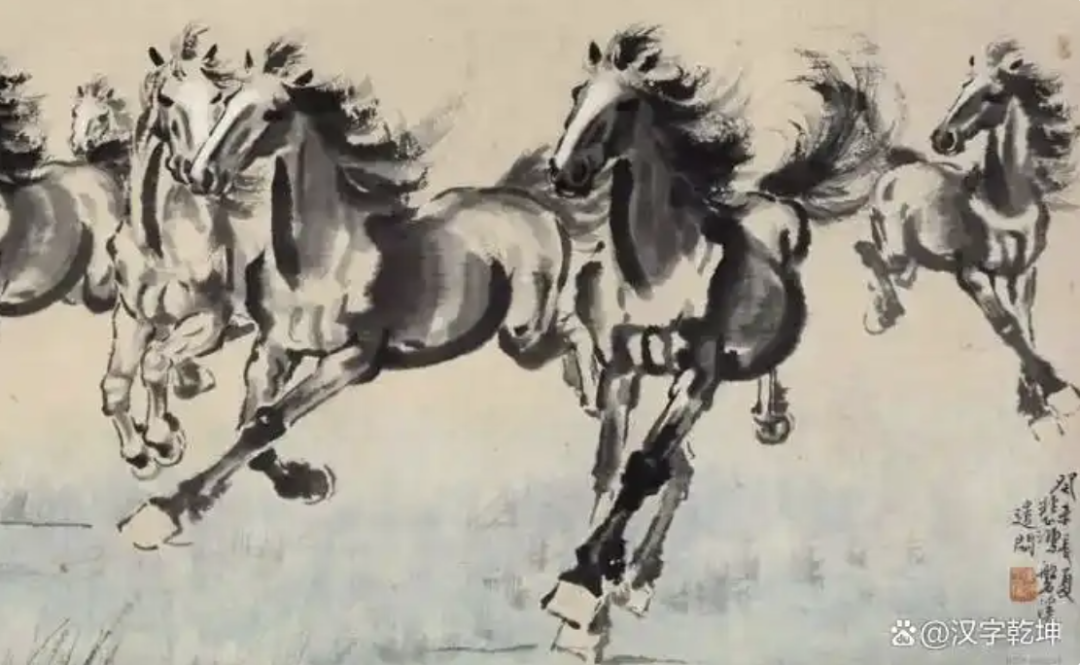
Xu Beihong's 《Running Horses》
Folk horse | The sense of ritual in the atmosphere of fireworks
The folk customs of the Year of the Horse make this cultural heritage full of fireworks. Spring couplets often use the phrase "a galloping horse in spring opens up a beautiful scenery, and the spirit of dragons and horses promotes great achievements". Window decorations cut the galloping horse, symbolizing leading the way and achieving success. Let's open the door and welcome good luck. Special food customs such as horseshoe cake and mare's milk wine vary from north to south, wishing a prosperous life and good health every year. People born in the Year of the Horse wear red ropes and horse shaped pendants in their zodiac year, praying for good luck and avoiding misfortune. The water chestnuts on the dining table have become a must-have for the Year of the Horse due to their homophonic sound of "horse arrival", symbolizing smoothness and auspiciousness; Painting and calligraphy enthusiasts draw galloping horses and add the finishing touch, hoping for a new year full of vitality.
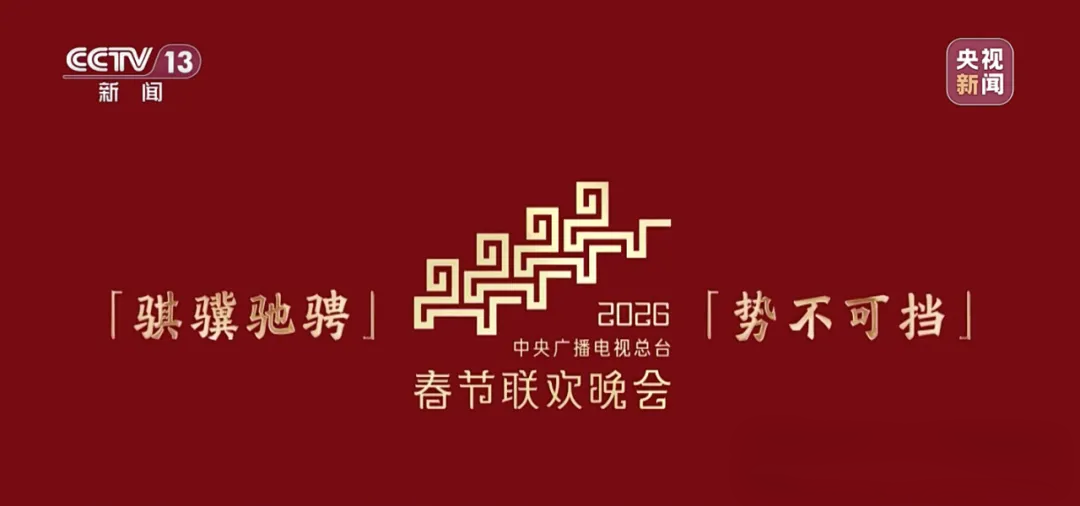
2Source of the Theme and Main Logo of the 2026 CCTV Spring Festival Gala/CCTV News
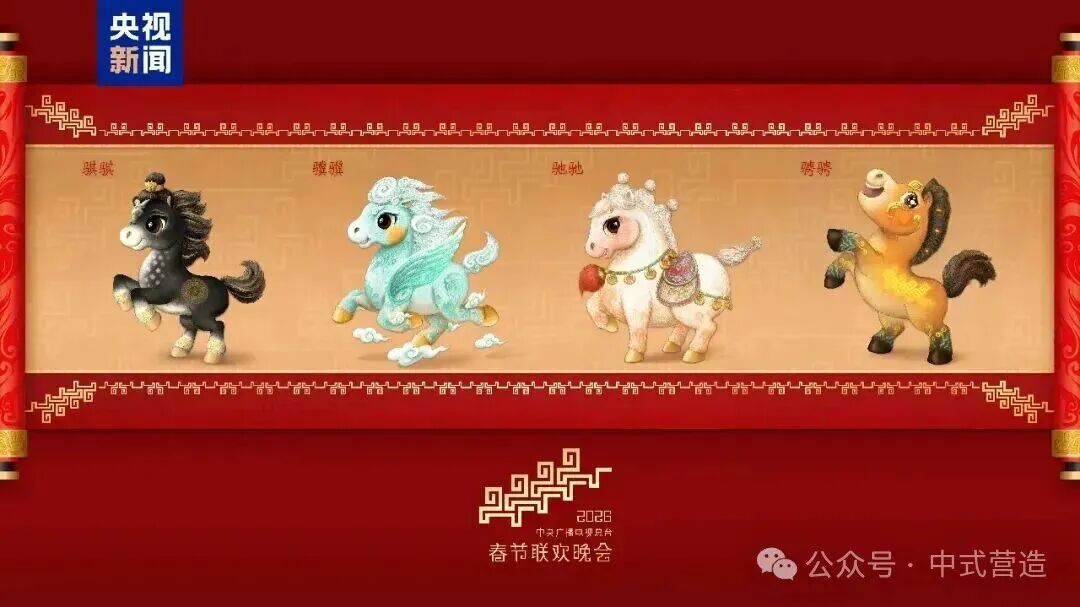
2026 CCTV Spring Festival Gala Mascot Image Source/CCTV News
The theme and main logo of the 2026 Spring Festival Gala consist of a visual symbol formed by the outline of four galloping horses, cleverly integrating traditional patterns with the progressive posture of "four horses driving together". It not only hides the majestic momentum of "golden spear and iron horse", but also embodies the warm texture of traditional aesthetics, and carries the Chinese people's reverence for heaven and earth and their eternal hope for beauty since ancient times. The design inspiration for the mascots of the Spring Festival Gala, namely "Qiqi", "Jiji", "Chichi", and "Chengcheng", comes from the classic images of horses from different periods in China, as well as traditional patterns such as flowing clouds and cloud patterns, symbolizing success and a bright future for horses.
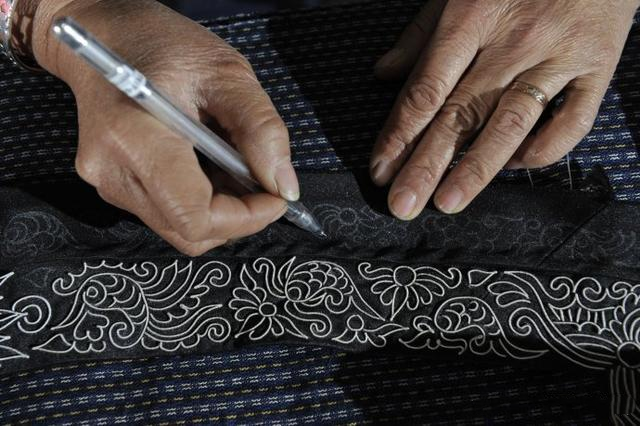
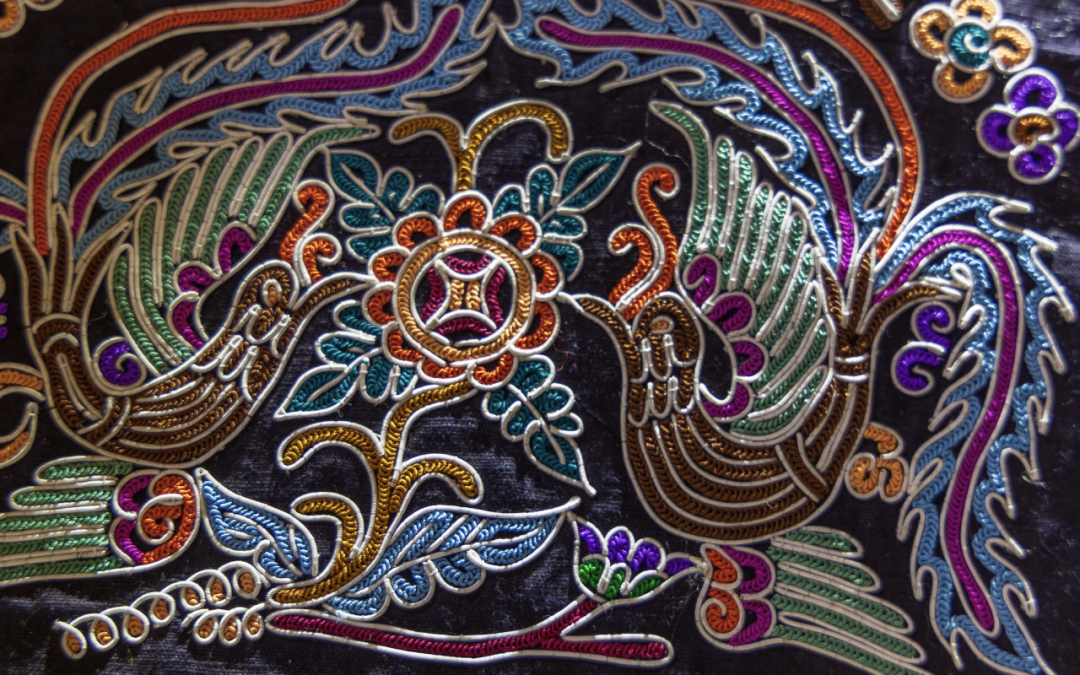
Guizhou Intangible Cultural Heritage Ponytail Embroidery
Mawei embroidery is a traditional craft passed down in Sandu Shui Autonomous County, Guizhou Province, and is one of the national intangible cultural heritages. Aquarian ponytail embroidery is a special embroidery technique that uses ponytails as an important raw material. The production process is tedious and complex, and the finished product is antique, exquisite, and durable. The Shui ethnic group's ponytail embroidery has been passed down for thousands of years in Sandu Autonomous County, and has inherited the oldest techniques of disorderly and needlework, earning it the reputation of being a "living fossil" of embroidery.
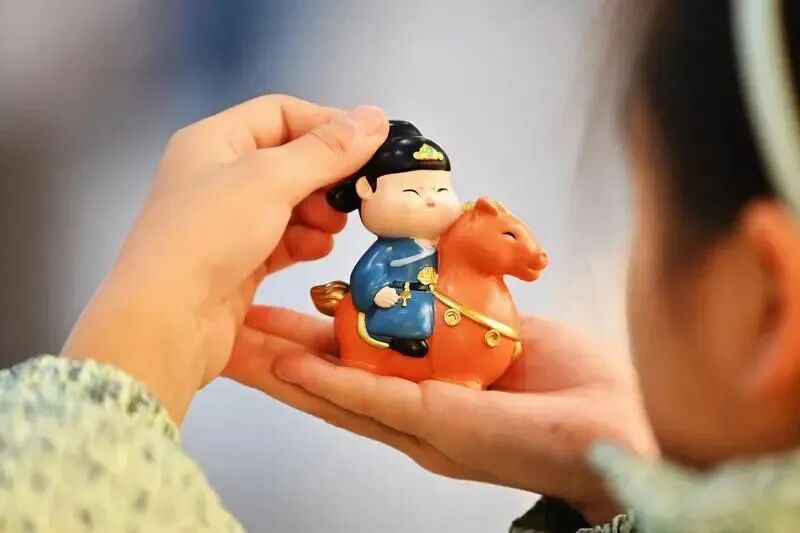
Spring Outing on Horses "Cultural and Creative Ornament Image Source/Xinhua News Agency
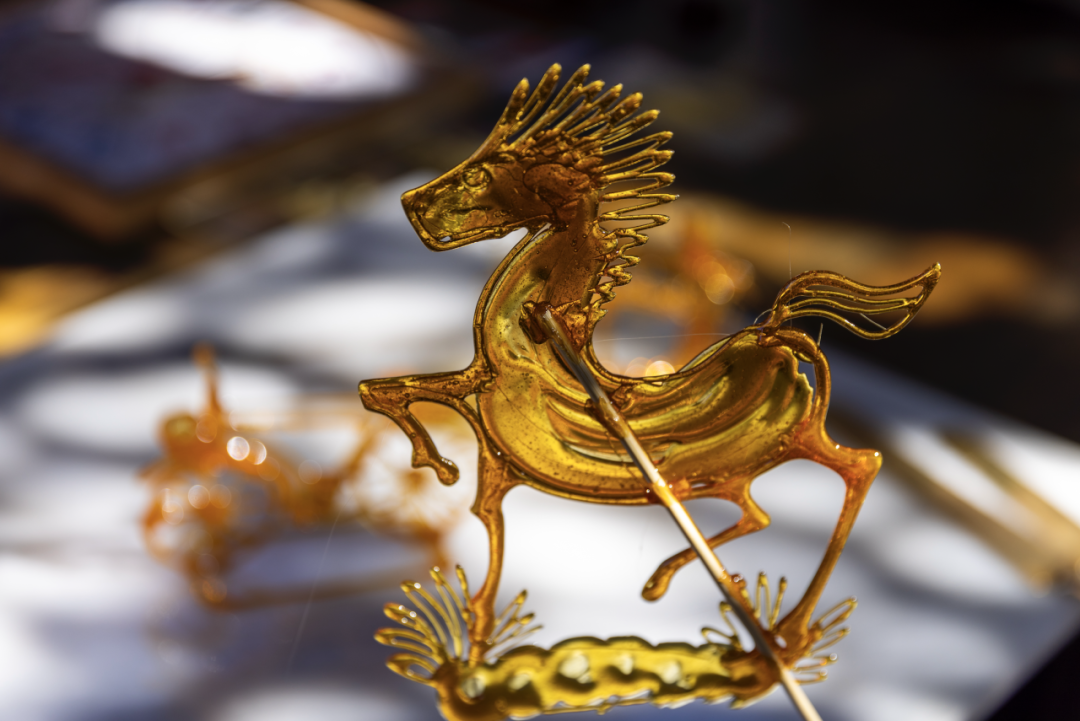
Sugar painted horse
Modern life has not diluted this sense of ceremony, but has given it a new form. On the day of the issuance of the Year of the Horse zodiac stamps, a long queue formed in front of the post office, continuing the solemnity of the era of "geese transmitting letters" towards tokens; The mobile phone case of "getting rich soon" is popular among young people, with humorous expectations for wealth hidden in the pun. On social media, people share their collections of Year of the Horse stamps from various dynasties, or showcase the silver horseshoe locks passed down from their grandmothers - traditions being retold, shared, and passed down in a digital way.
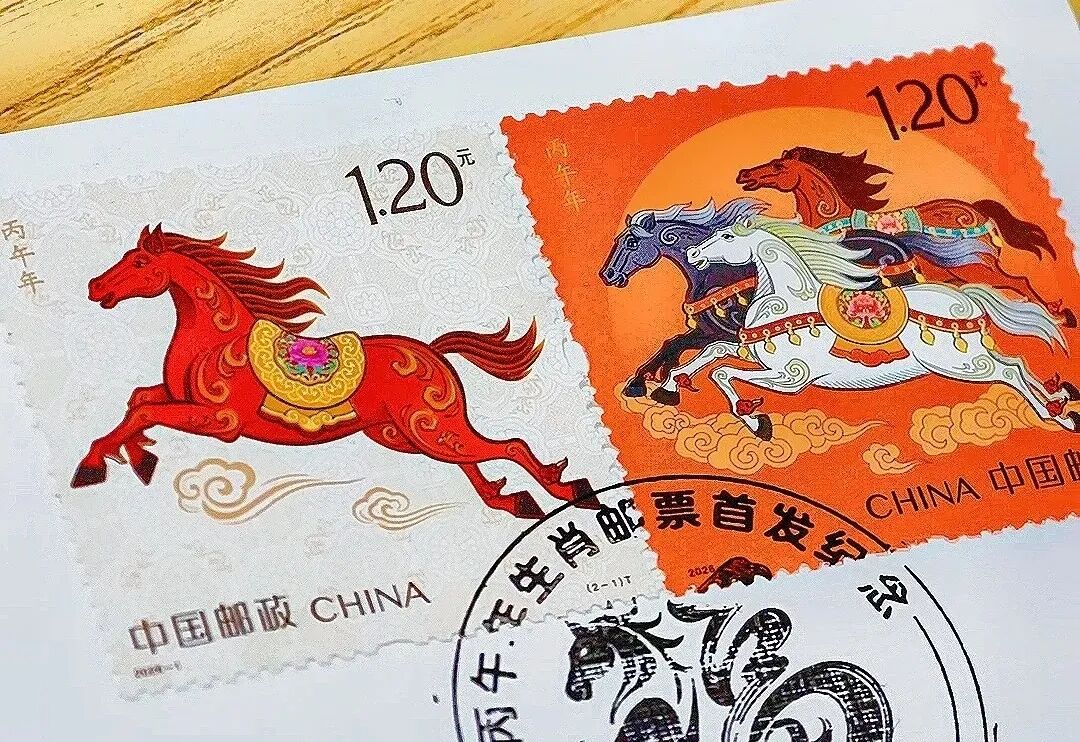
Special stamps for the year of Bingwu to be issued in 2026
The Year of the Horse has arrived. May we all carry the spirit of a dragon and a horse, whip and gallop like a galloping horse, let us carry love and persistence, turn unfulfilled promises and dreams into motivation, take our original intention as the sail and hard work as the oar, ride the wind and waves in time, and live up to our youth.
