

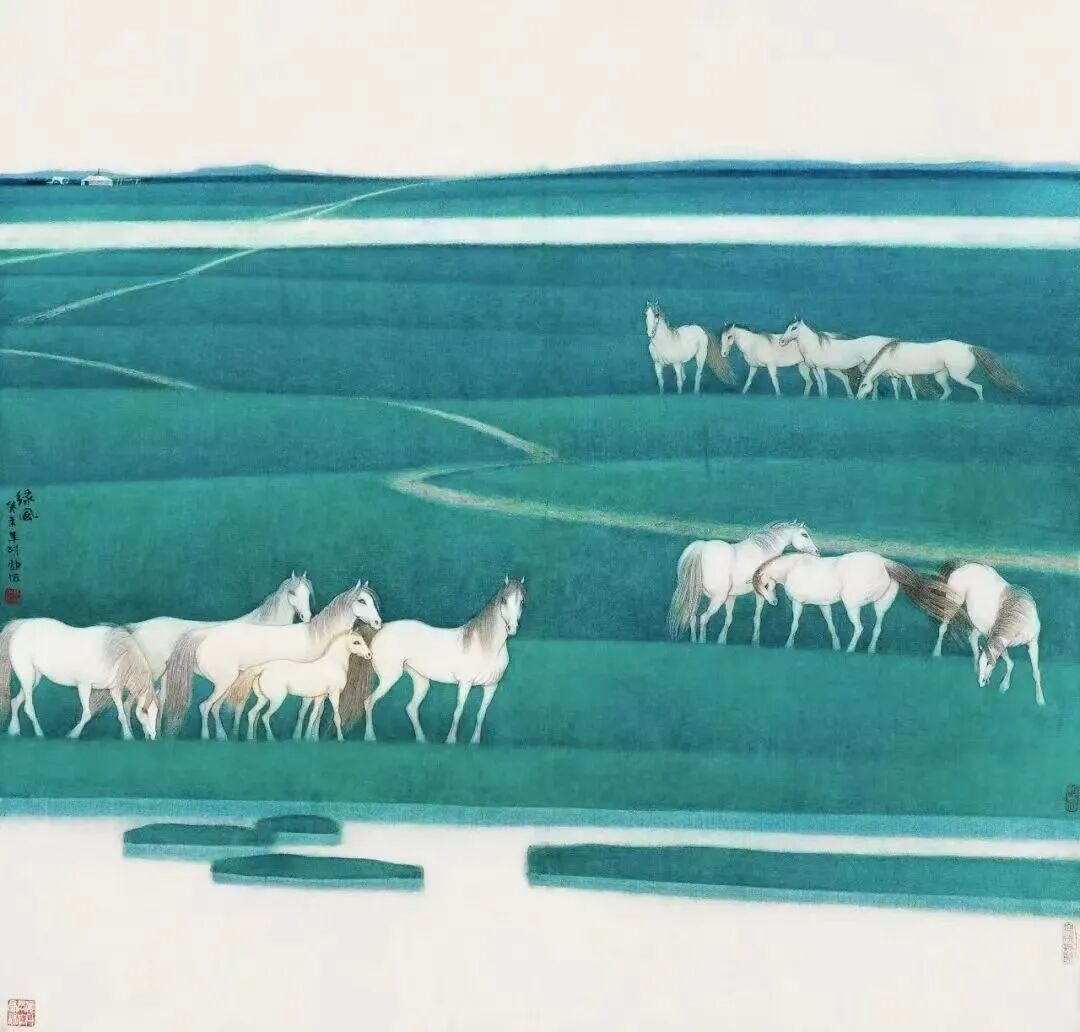
《Green Wind》by Hu Bo
Rain water / 2.18
When the first warm breeze brushes over the branches and the fine raindrops kiss the earth, we welcome the second solar term of the twenty-four solar terms - rain. This year's rain falls on the second day of the first lunar month, following the beginning of spring. It is the messenger of spring, carrying the lingering charm of winter and the hope of life, quietly changing the face of the world.
In the first month of the lunar calendar, the sky is filled with water. Spring belongs to trees, and those who grow trees must also have water. Therefore, the rain that follows the beginning of spring. And when the east wind thaws, it disperses and becomes rain. "Entering the rain season, most parts of southern China are full of spring, creating a scene of early spring. However, in northern regions, there is still no spring atmosphere, and the rain season is in the" seven nine "of the number nine. At this time, it is still" uncertain whether it is warm or cold ", with intermittent cold and heat, which is one of the seasons with the most cold waves throughout the year.
The rainy season marks the beginning of rainfall, and suitable precipitation is important for the growth of crops. Entering the rainy season, the northern part of China is still experiencing cold and overcast weather, with some areas still experiencing snowfall and no signs of spring; Most places in the south are full of spring, a scene of early spring.
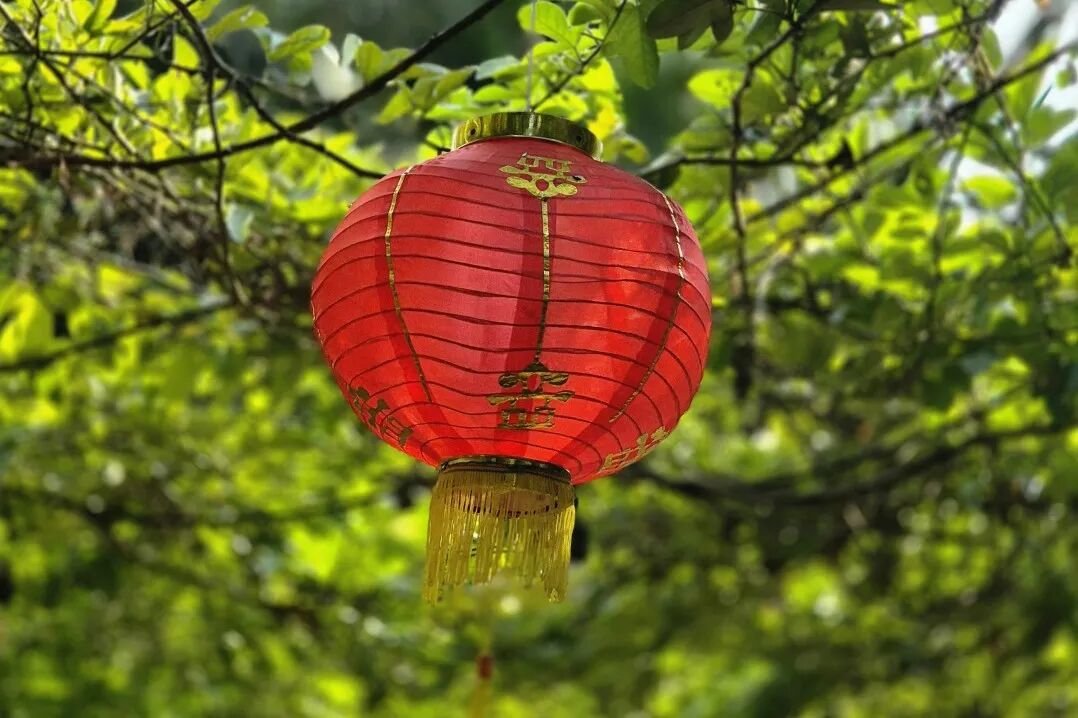
Rainwater · Three Seasons

Yi Hou, the otter sacrifices the fish
The ice and snow melt, the water surface begins to open, and the otter quietly comes out of its hole to fish. They neatly arrange the captured fish on the shore, resembling a sacrifice, creating the elegant scenery of "otter fish sacrifice". This is the first signal of the revival of all things and also the gentle ritual of nature's gift.

Er Hou, the geese are coming
After five days of rain, the warmth in the south gradually increased. The geese on their long journey sensed the call of spring and flew back to the north in groups, sweeping across the sky with warmth and hope, adding a touch of vitality to the earth and hiding the beautiful meaning of "returning in a timely manner".

San Hou, the grass and trees are sprouting
In five days, the yang energy in the ground will gradually rise, and spring rain will soak the fertile soil. Plants and trees will break free from the shackles of winter and quietly sprout their tender buds. The willow shoots are adorned with light green, and the withered grass sprouts new green. From then on, the grass appears distant but close, and the earth gradually unfolds a thriving picture, with every inch of land hiding the power of growth.
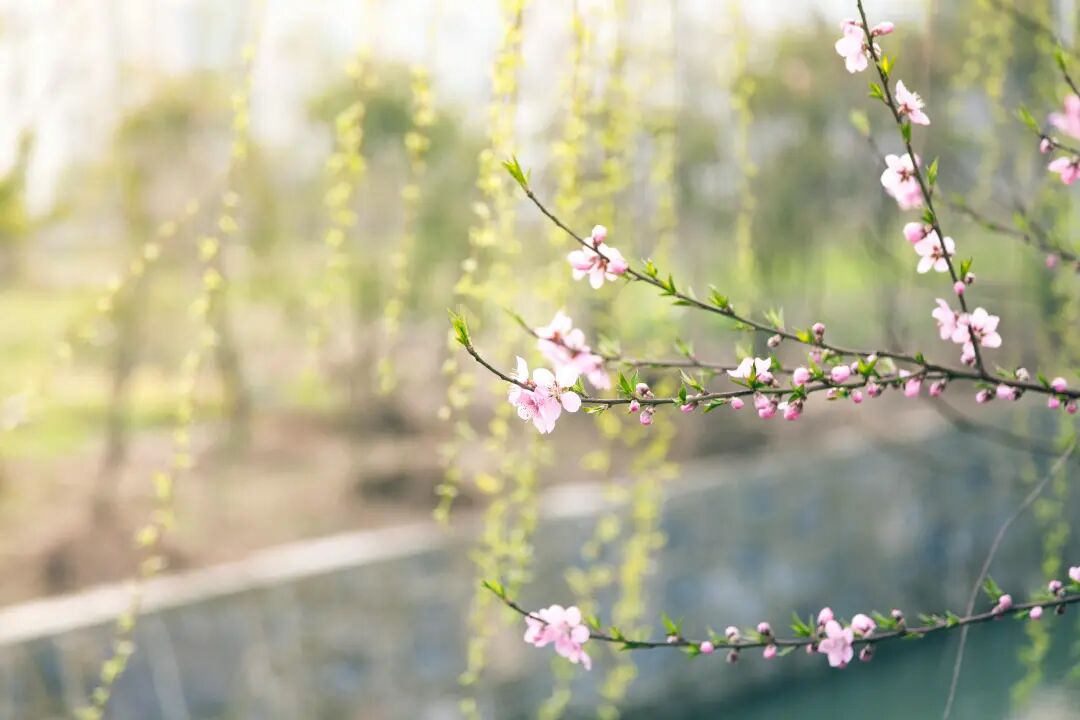
Rainwater · Customs
/ Spring plowing/
The Rainwater solar term marks the beginning and gradual increase of rainfall. As the saying goes, 'Spring rain is as precious as oil', and suitable precipitation is important for the growth of crops. The rain is coming, and spring plowing is busy. This is a good time to prepare for spring plowing and sowing. Farmers are busy plowing the fields, burying weeds and other weeds deep underground, and soaking them in rainwater is the best organic fertilizer for crops.
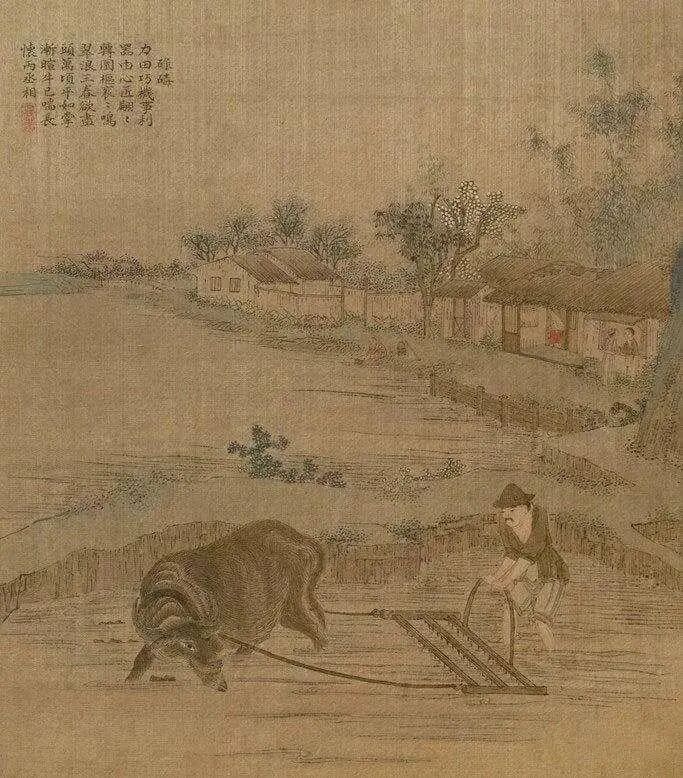
Qing Dynasty · Jiao Bingzhen《Spring Plowing Picture》
/Back to owns' house/
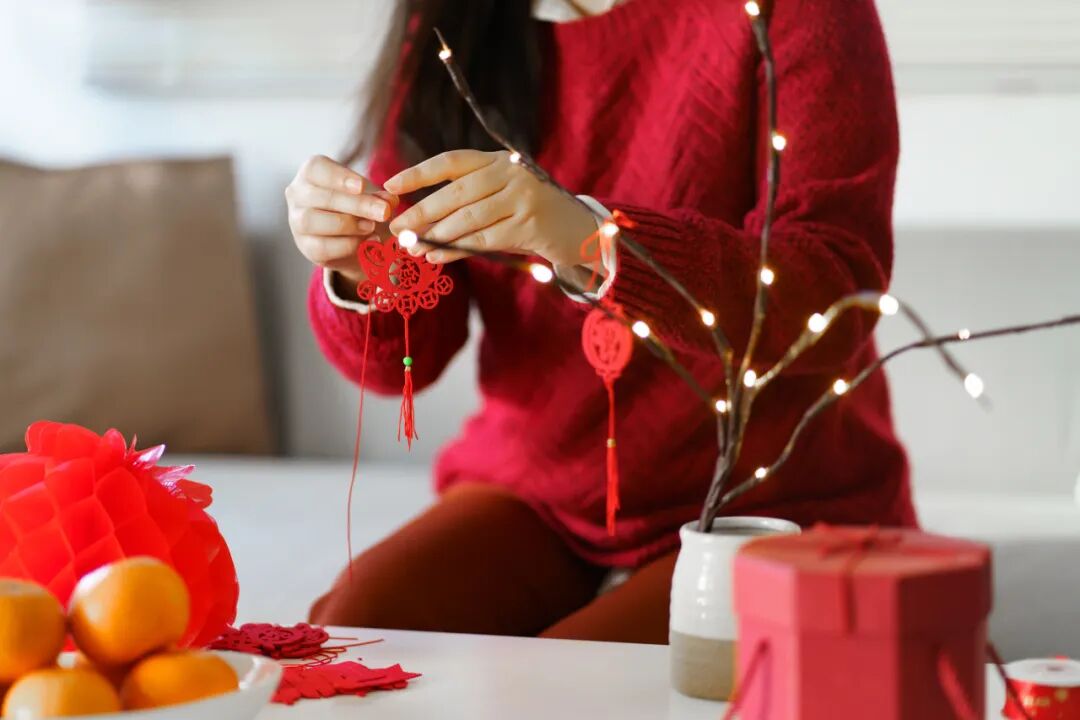
This is a custom popular among Han ethnic festivals in the western Sichuan region. On Rainwater Festival, married daughters bring gifts back to their parents' homes to pay their respects. Women who already have children should bring gifts such as canned meat and chairs to thank their parents for raising them. Women who have been married for a long time without pregnancy should also bring gifts back to their parents' home. Her mother will sew a pair of red pants for her and wear them close to her body to show good luck and pray for a child next year.
/Occupying rice color /
In southern China, there is a custom of "occupying rice color", where people stir fry glutinous rice flowers to predict the harvest of rice that year. The more rice flowers burst out, the better the harvest; The fewer rice flowers there are, the worse the harvest. This simple ceremony embodies the fervent hope of people in the agricultural era for a bountiful harvest, and also demonstrates the wisdom of living in accordance with the times.
/ La Bao Bao/
On Rainwater Day, there is a particularly interesting activity called "La Bao Bao" in western Sichuan. In ancient times, medical conditions were poor, in order to ensure the smooth and healthy growth of sons or daughters. Parents will pray for gods and divination for their children, to see if their children's fate is good or not, and whether they need to find a godfather. The purpose of finding a godfather is to use his good fortune to raise the child. This has evolved into a local custom year after year, and is now renamed as' La Bao Bao '.
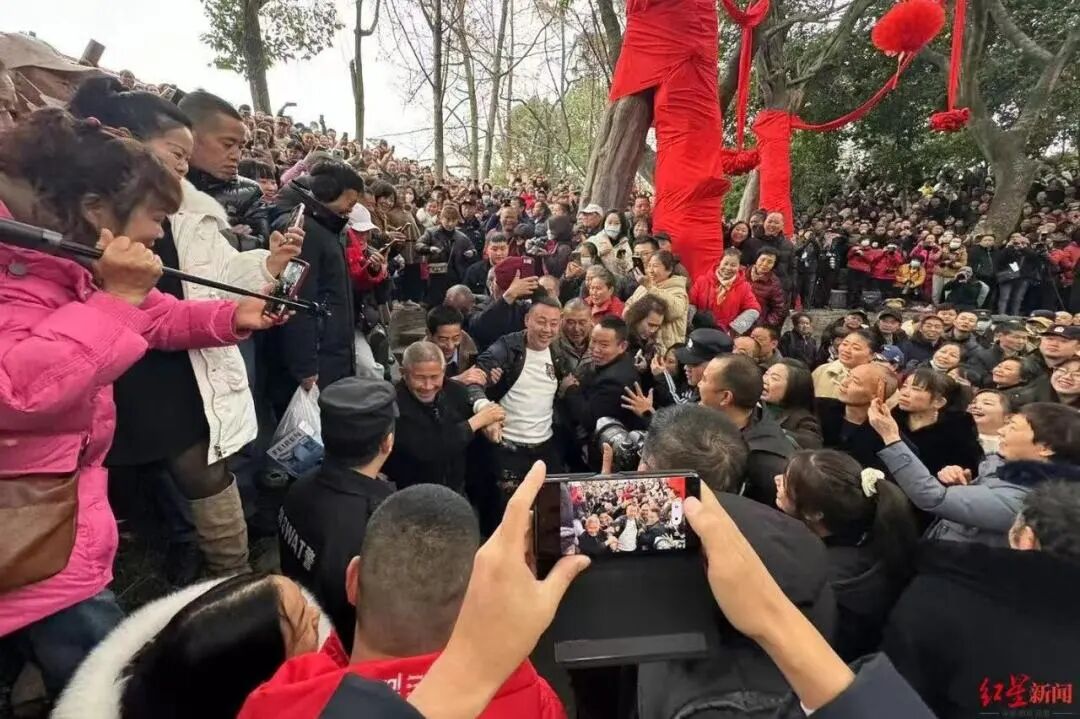
Live photo source of "La Bao Bao" activity/Chengdu Business Daily
Rainwater · Health Preservation
When it rains, it is advisable to follow the rising of the yang energy of heaven and earth, with a focus on strengthening and protecting the yang energy, regulating the liver, gallbladder, and spleen and stomach.
/Spring covers and protects warmth, conforming to the spring sun/
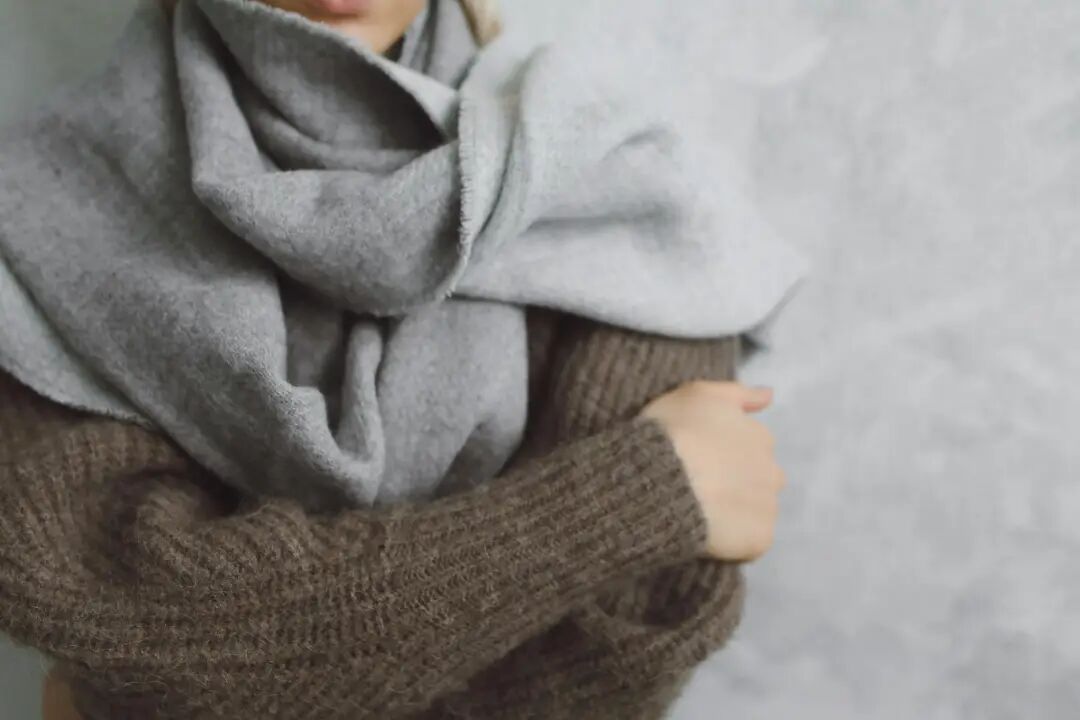
Rainwater should pay attention to the "late spring cold" trend, as the temperature fluctuates between warm and cold. Therefore, it is important to increase or decrease clothing, cover appropriately in spring, and especially not easily remove outerwear. Slowly adjust the balance of yin and yang in the body and adapt to the new climate. Attention should be paid to "covering" both ends, protecting the head, neck, and feet, which can prevent the occurrence of diseases such as colds, tracheitis, and arthritis.
/Protect the liver and protect the liver/
Traditional Chinese medicine believes that spring corresponds to the liver, which is one of the five organs. People tend to have excessive liver qi in spring. Liver qi should be regulated, smooth, and unobstructed, and one should maintain a happy mood without suppressing or becoming angry. Engage in activities in sunny and beautiful environments, take deep breaths and exercise moderately to provide fresh and sufficient oxygen to the brain, making people feel relaxed and energized.
/Regulating the spleen and stomach to nourish the spirit/
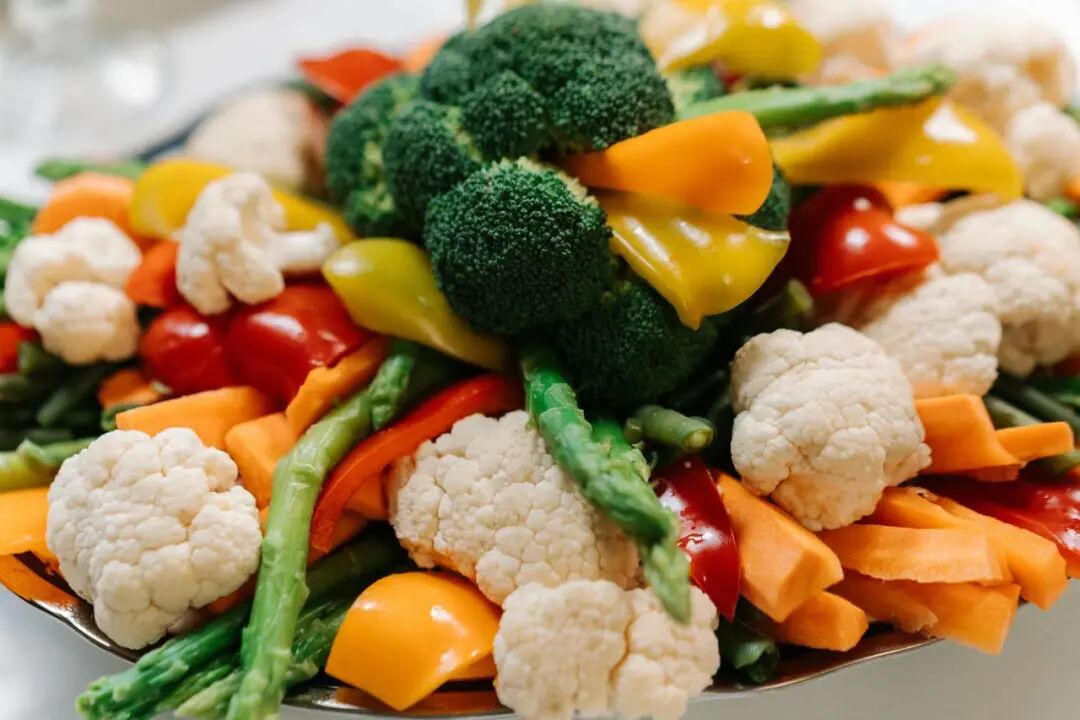
During the rainy season, the air is often moist and not too hot, making it a good time for health preservation. The first step should be to nourish the spleen and stomach. Traditional Chinese medicine believes that the spleen and stomach are the "foundation of postnatal life and the source of qi and blood biochemistry". Only when the spleen and stomach are strong and the source of nutrients is sufficient, can the functions of the organs be strong and the body's nutrition be fully utilized. Otherwise, there will be a lack of nutrition and a decline in physical fitness. In spring, one should not only nourish the spleen, but also calm down. Spring diet should eat less sour and more sweet to nourish the spleen, such as yam, lotus root, taro, radish, etc. In addition, spring is the beginning of the growth and development of all things, and the season when yang energy is more abundant. Therefore, it is advisable to avoid eating spicy and greasy foods to prevent the leakage of yang energy, which can cause excessive liver growth and damage to the spleen.
In the rainy season, the transition from winter to spring has been completed, starting from the second half of the "Seven Nine" to the beginning of the "Nine Nine" where oxen roam everywhere. During the rainy season, the prelude to the revival of all things has quietly begun. Spring rain is gentle and hazy, awakening all things and bringing the message of blooming flowers, watering the vitality and greenery. Today's rain, may it moisten and warm, and may every year be joyful. Spring begins a new journey, and everything goes smoothly.
24 Solar Terms
It is a specific festival in the Chinese lunar calendar that represents changes in natural rhythms and establishes the concept of "building in December". It was originally formulated based on the rotation of the Big Dipper and the movement of the stars. The Big Dipper rotates in a circular motion, with the handle rotating one circle to the east, south, west, and north, forming a cycle known as a "year". Each rotation cycle begins at the beginning of spring and ends at the end of the Great Cold. The "24 solar terms" is an important part of the long history and culture of the Chinese nation, which embodies the essence of the history and culture of Chinese civilization. Through historical development, the lunar calendar has incorporated the solar terms of the dry branch calendar as a supplement to the calendar, and adjusted it to conform to the tropical year through the "leap method", forming a yin-yang combined calendar. The "24 solar terms" have become an important part of the lunar calendar. In the international meteorological community, the 24 solar terms are known as "China's fifth great invention". On November 30, 2016, the 24 solar terms were officially included in the UNESCO Representative List of the Intangible Cultural Heritage of Humanity.
