

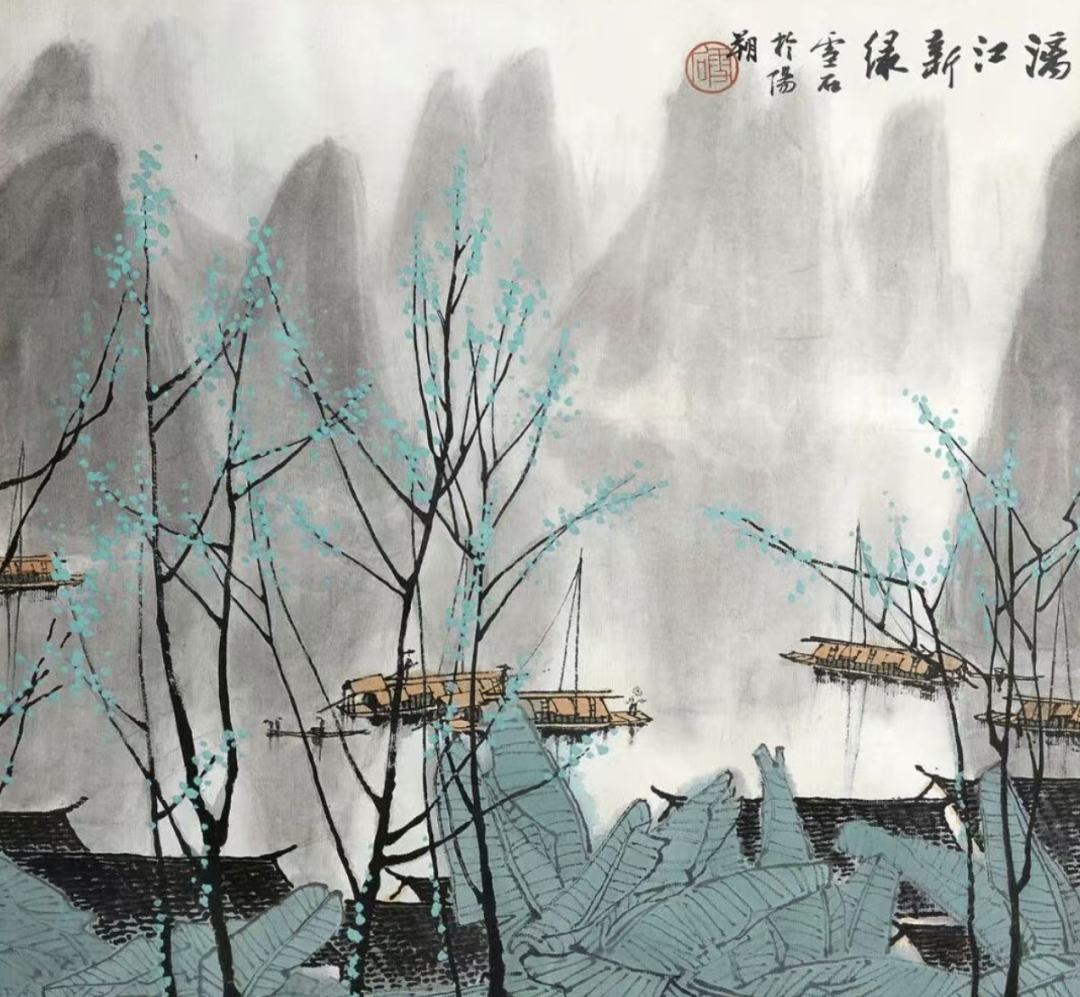
Bai XueShi Li River New Green
Grain Rain / 4.20
Grain Rain, as the name suggests, means sowing rain and planting a hundred grains. In the "Collection of Seventy Two Seasons of the Moon", it is said that "in the middle of March, after the rain, the soil and paste pulsate, and now it rains again in the valley... Cover the valley and sow at this time", hence the name. Grain rain is the last solar term of spring, during which the seedlings and new crops in the fields need the nourishment of rainwater the most. Therefore, it is said that "spring rain is as precious as oil".
Qingming breaks the snow, Grain rain breaks the frost ", Grain rain season, late spring and early summer. The arrival of Grain Rain means that the cold wave weather is basically over. Rainwater moistens the fields and warm breeze brushes the ridges, urging the wheat leaves to stretch and the ears to become full, spreading the fields into a gentle green and lush green. The spring colors gradually fade, the summer atmosphere gradually intensifies, and nature has completed another season change.
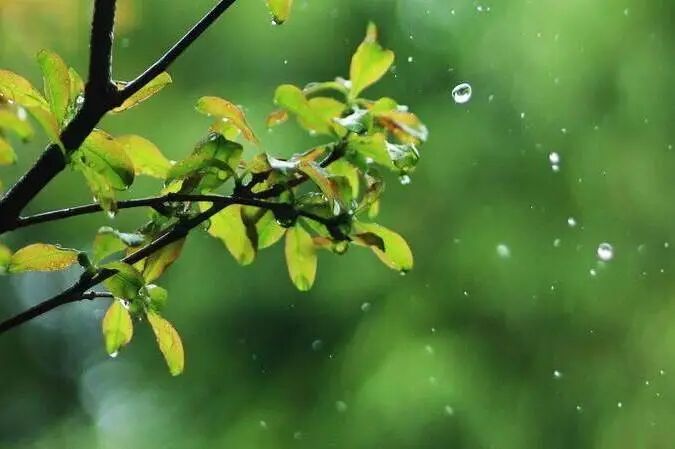
Grain Rain · San Hou

Yi Hou | Ping Shi Sheng
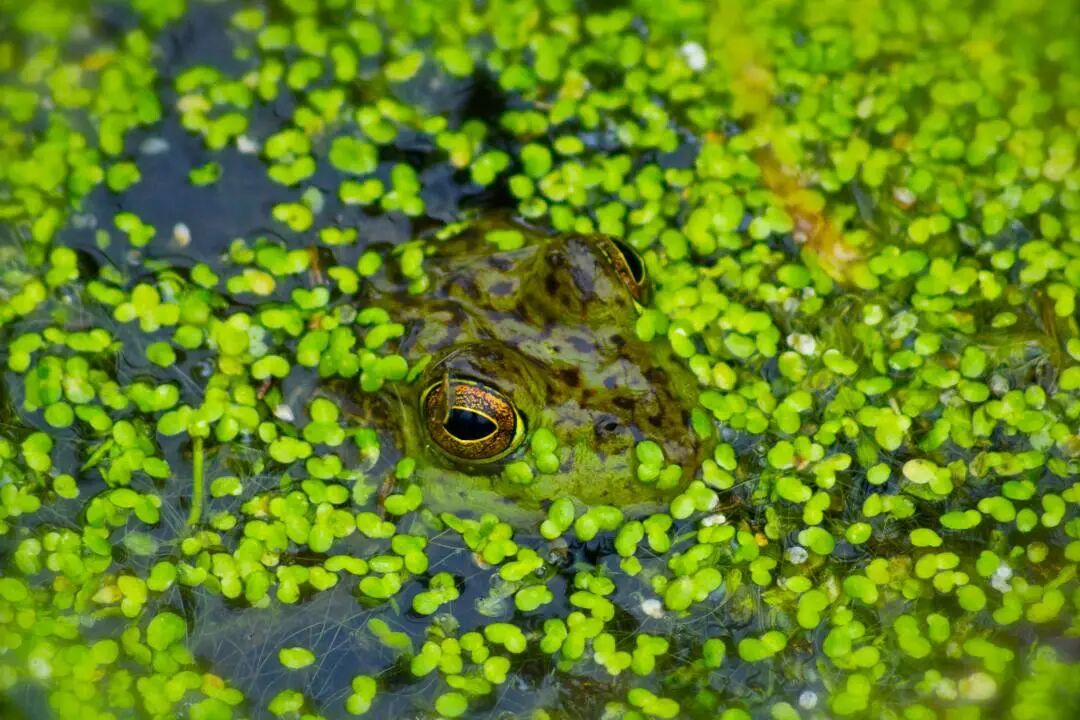
After the plum rain, the breeze rises. Rain moistens all things, and the floating duckweed begins to grow wildly. Grain rain arrives, only then can Pingshui meet. In the countryside, duckweed can be seen everywhere. I used to think that duckweed was cheap, but when it came into contact with water, it lived and thrived. Later on, I found out that duckweed is also delicate and the least resistant to cold and frost. If floating duckweed begins to appear on the water surface, then cooling events such as spring chill will not occur again.
Er Hou | The chirping dove brushes its feathers
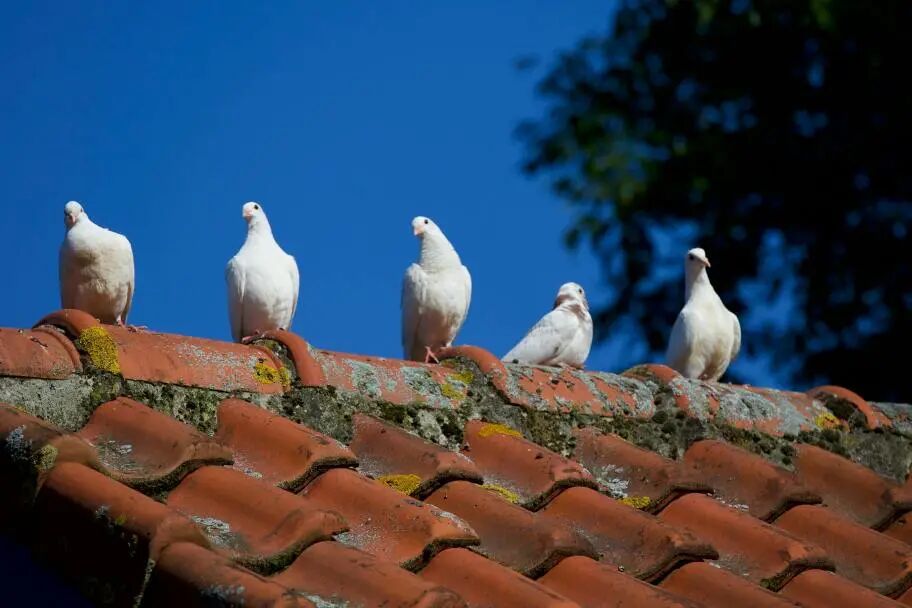
In the morning, there is a lot of bird chirping, and the cuckoo, which is often seen in the forest, also brushes its feathers contentedly. At this moment, the dove began to seek a mate and chirped every day. To show off her beauty, she was busy tidying up her rich feathers. When ancient people were busy with farming, they still joked about the "ostentation" of birds, treating life and all things with a joyful attitude. The proverb 'If the cuckoo does not brush its feathers, the country will not be governed' closely links phenology with agriculture.
San Hou | Dai Sheng surrendered to Sang
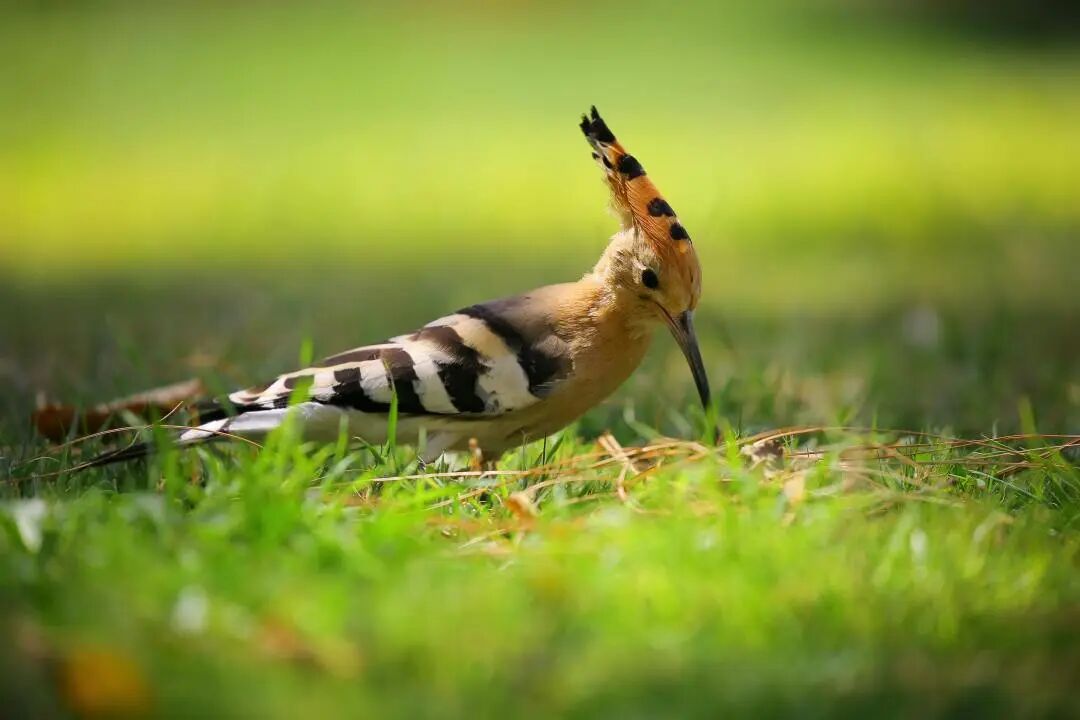
Dai Sheng birds began to be seen on mulberry trees. The mulberries fell and turned the ground red. Dai Sheng, also known as the cockscomb bird. Dai Sheng landed on a mulberry tree, and the silkworm baby was about to be born. Raising silkworms is another major task for farmers. Seeing Dai Sheng on the mulberry tree, the sericulture farmers need to prepare for the birth of the silkworm baby, and the mulberry leaves to be fed must also be prepared properly.
Grain Rain · Customs
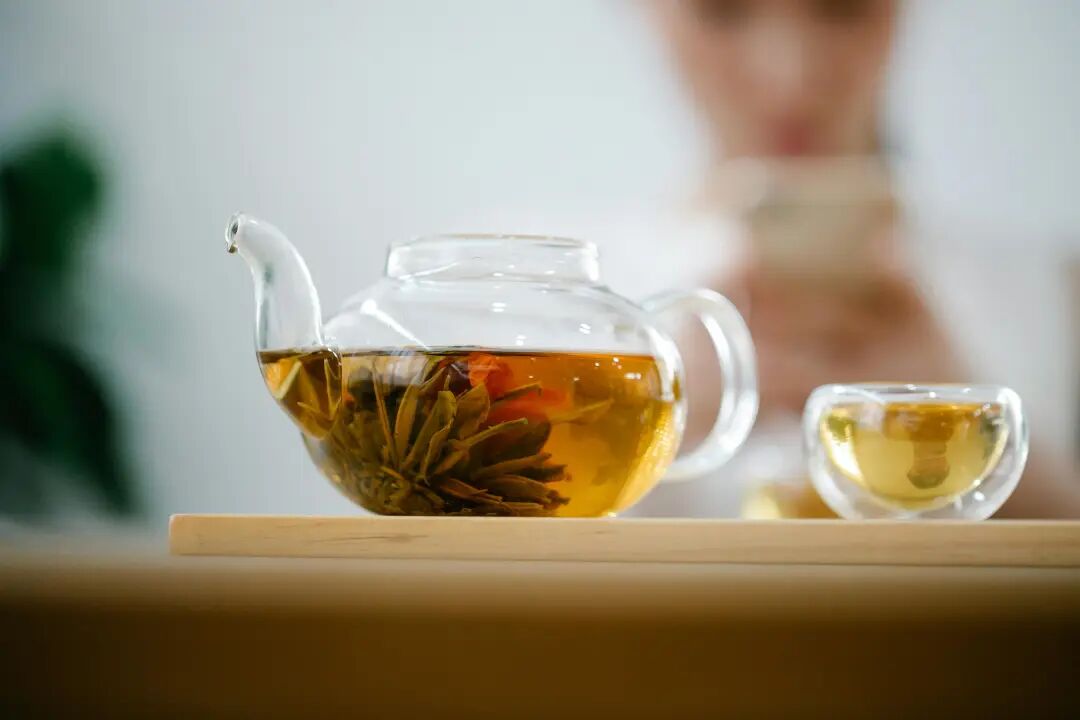
/Drinking Grain Rain tea/
In the southern region, there is a tradition of "picking new tea in the valley rain". People believe that the tea leaves picked at this time are green in color and soft in texture, with the meaning of clearing fire, improving eyesight, warding off evil and praying for blessings. For example, in the Jiangsu and Zhejiang regions, "pre rain tea" is brewed to welcome summer with the fragrance of tea.
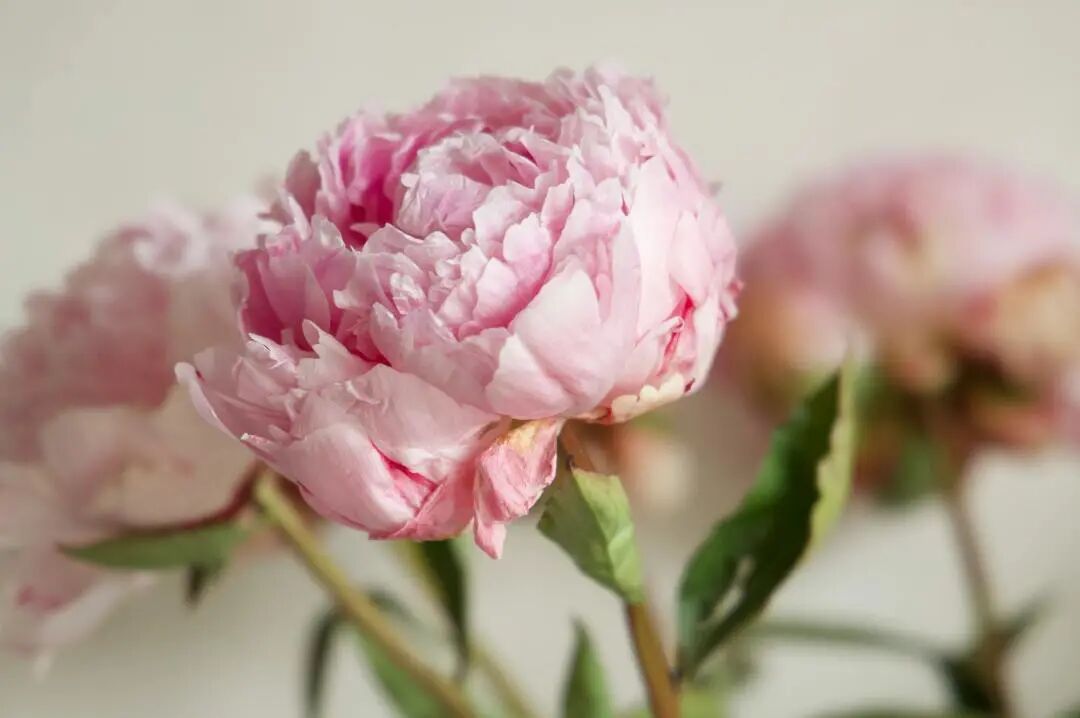
/ Appreciating peonies/
Grain Rain looks at peonies three times. Before and after the Grain Rain, it is the peak flowering period of peonies, and flowers in places such as Heze in Shandong and Luoyang in Henan will bloom like a tide. People travel together in the garden to admire flowers, symbolizing wealth, prosperity, and good fortune, while also capturing the last touch of spring scenery.
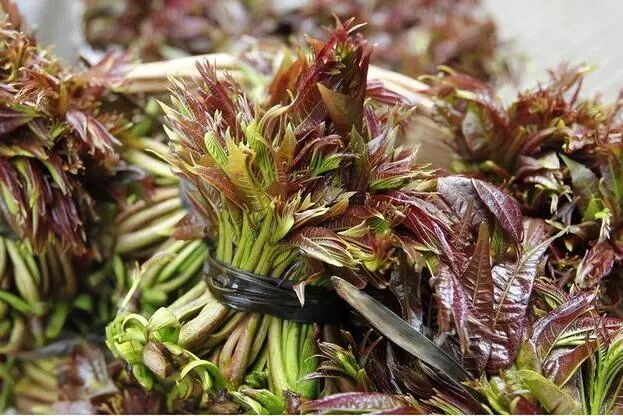
/ Eating Chinese Toon/
In northern regions, there is a traditional food custom of picking and eating Chinese toon during the Grain Rain solar term, which is also a highly representative health flavor in late spring. At this time, when the yang energy rises and the rain is abundant, it is the season when the Chinese toon is most fresh, tender, and plump. There is a folk saying that goes, 'Before the rain, the Chinese toon is as tender as silk.'. The fragrant Chinese toon before and after the Grain Rain season has plump and tender buds and leaves, a fresh and moist color, a crispy and soft taste that lingers on the palate, and a refreshing and sweet aftertaste. It is a limited freshness gift from nature in late spring.
Grain Rain · Health Preservation
After the Grain Rain solar term, the temperature rises, rainfall increases, and air humidity increases. Health preservation should follow the natural rhythm, as stated in the "Su Wen · Bao Sheng Quan Xing Lun": "People are born from the qi of heaven and earth, and formed by the four seasons." Only by coordinating and balancing the internal and external environment of the human body can diseases be reduced. At this time, the spleen and stomach are in a vigorous period, and the ability to absorb nutrients is enhanced. Dietary regulation should focus on strengthening the spleen and removing dampness.
/Three benefits: dispelling dampness, strengthening the spleen, and drinking tea/
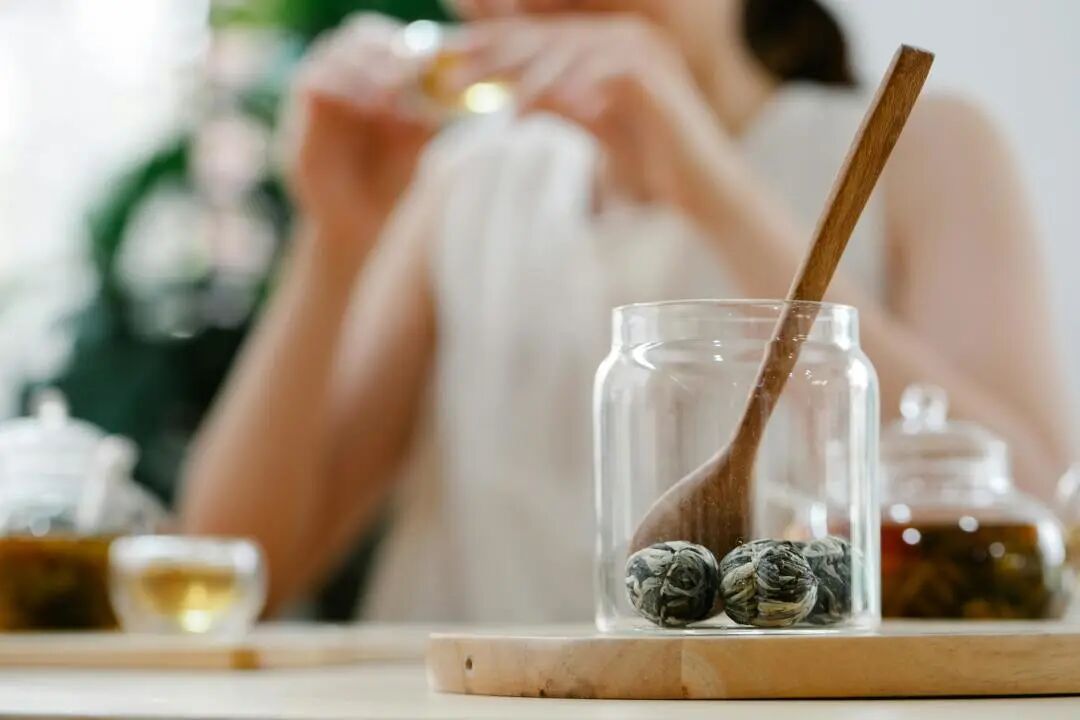
Poor energy, dizziness, fatigue, etc. are all manifestations of dampness entering the body. Traditional Chinese medicine believes that during the Grain Rain season, the spleen is in a vigorous period, which can nourish stomach qi and facilitate nutrient absorption, making it a good time to adjust and supplement appropriately. In addition, the new tea picked before and after the Grain Rain is tender and fragrant, with the best taste, which can clear fire, improve vision, and quench thirst.
/Three taboos: manic depression, volatile substances, and dampness and coldness/
The accumulated pressure in daily life can easily lead to negative emotions such as tension and anxiety, causing liver qi stagnation and obstruction. At this time, the temperature is getting higher and higher, and with the increase of outdoor activities, it is easy to cause allergic problems such as rhinitis and asthma. Therefore, in addition to wearing masks when going out to reduce exposure to allergens, it is recommended to eat less beef, shrimp, crab, alcohol, spicy and fishy substances such as chili.
/Sports advice/
Moderate exercise helps to promote smooth circulation of qi and blood. You can choose soothing exercises such as Tai Chi and Ba Duan Jin, or take a morning walk or go for an outing to absorb natural energy. Wipe sweat promptly after exercise to avoid sweating in the wind. At this time, the joints of the human body are easily affected by moisture. Before activity, it is necessary to warm up thoroughly and avoid prolonged sitting or lying down, which can cause stagnation of qi and accumulation of dampness.
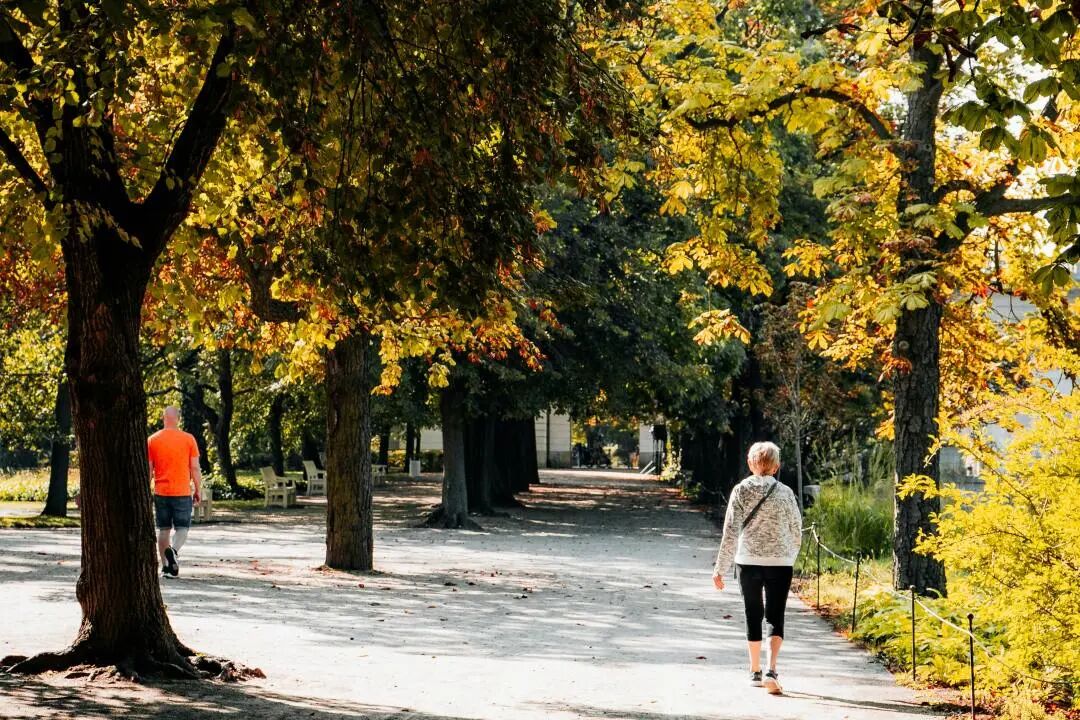
Spring has a return period, and we keep moving forward. In the season of blooming peonies and climbing roses, we can talk about the small thoughts of late spring with the continuous drizzle. In the gentle gaze at the end of spring, cherish the time in front of you and calmly head towards the distant future.
24 Solar Terms
It is a specific festival in the Chinese lunar calendar that represents changes in natural rhythms and establishes the concept of "building in December". It was originally formulated based on the rotation of the Big Dipper and the movement of the stars. The Big Dipper rotates in a circular motion, with the handle rotating one circle to the east, south, west, and north, forming a cycle known as a "year". Each rotation cycle begins at the beginning of spring and ends at the end of the Great Cold. The "24 solar terms" is an important part of the long history and culture of the Chinese nation, which embodies the essence of the history and culture of Chinese civilization. Through historical development, the lunar calendar has incorporated the solar terms of the dry branch calendar as a supplement to the calendar, and adjusted it to conform to the tropical year through the "leap method", forming a yin-yang combined calendar. The "24 solar terms" have become an important part of the lunar calendar. In the international meteorological community, the 24 solar terms are known as "China's fifth great invention". On November 30, 2016, the 24 solar terms were officially included in the UNESCO Representative List of the Intangible Cultural Heritage of Humanity.
