

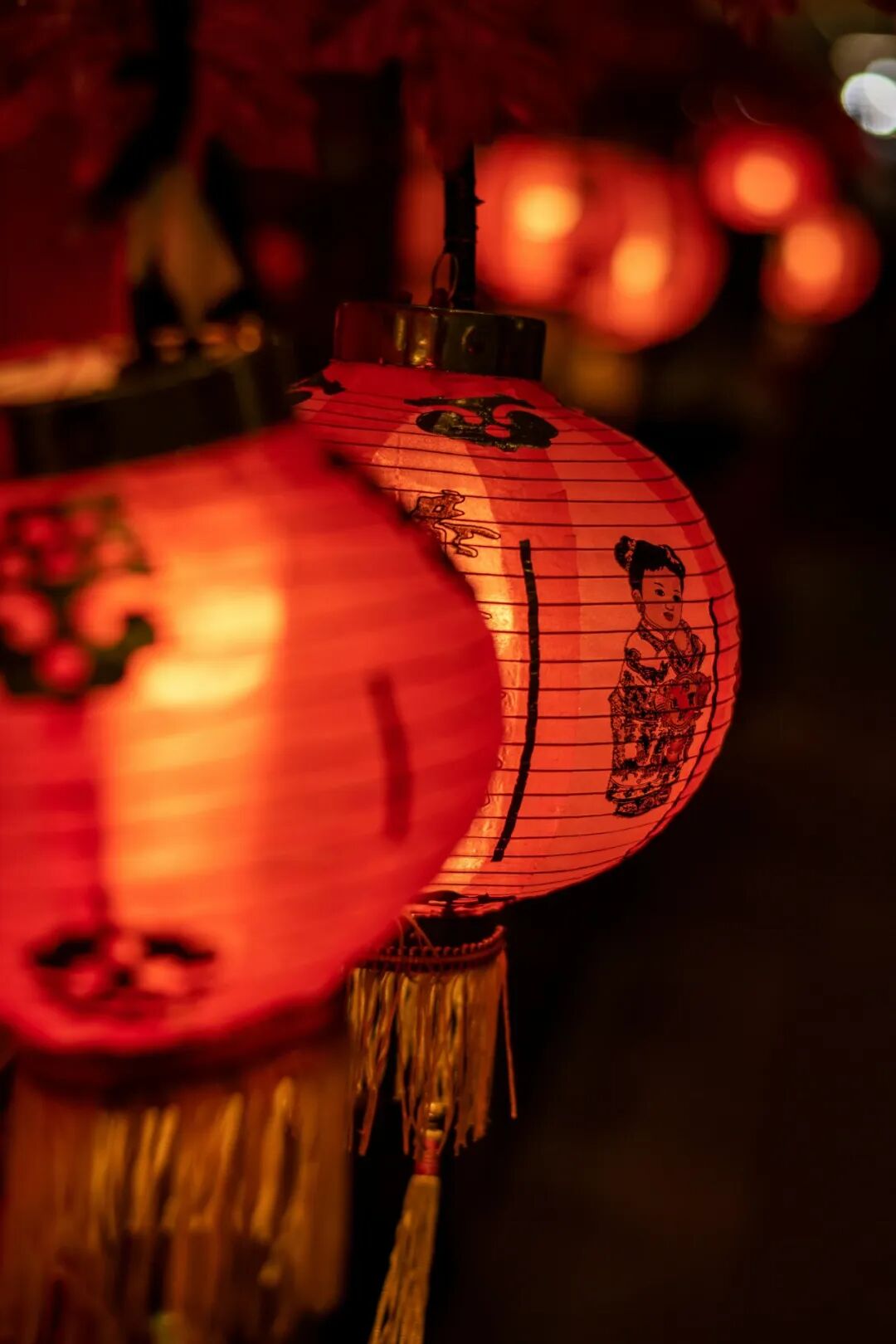
Lantern Festival
Today's Lantern Festival on the 15th day of the first lunar month is also called Shangyuan Festival, the Lantern Festival and the Lantern Festival. According to Shuowenjiezi, "Yuan is the beginning; Xiao is the night." The Lantern Festival is the first full moon of the Lunar New Year. In ancient times, people called the full moon the day of "looking at the moon", so the Lantern Festival is called the "first look". It starts again, and spring returns to the earth. People celebrate this, which is also to celebrate the continuation of the new spring and express people's yearning for a better life.
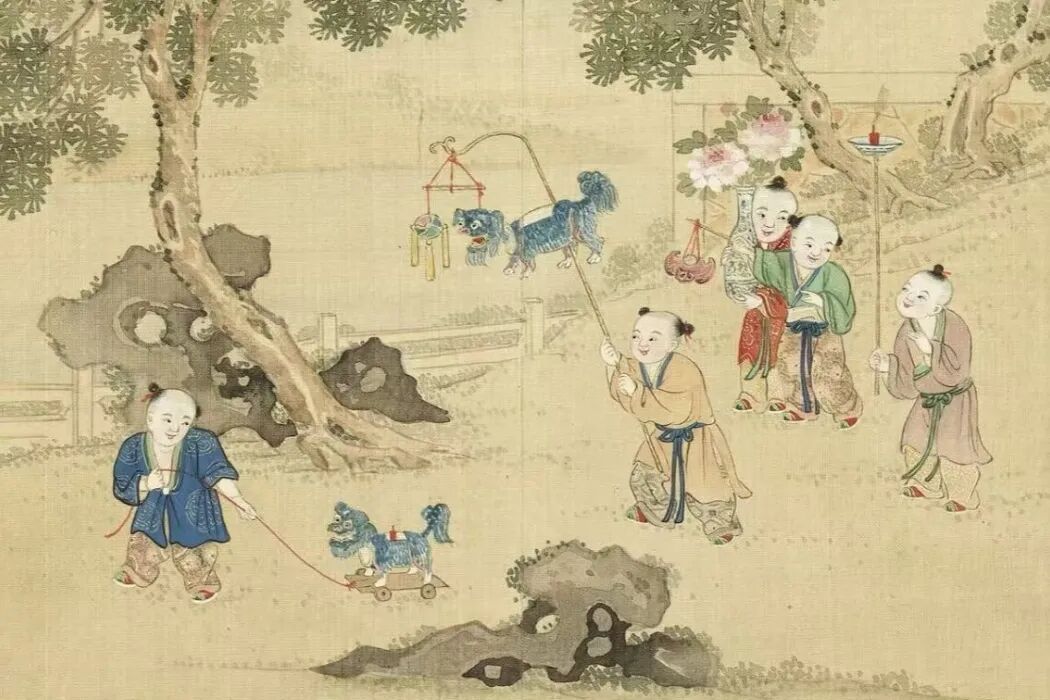
The atlas of Huanqiu District in the Qing Dynasty partially depicts the happy scene of children playing in the courtyard on the Lantern Festival
The Lantern Festival has a variety of activities with the theme of "noisy", including folk activities such as going out to watch the moon, lighting lanterns, guessing riddles, and eating Lantern Festivaltogether, as well as community fire performances such as dragon lantern dancing and walking on stilts, expressing people's desire to pray for a bumper year. The seasonal special food is Lantern Festival, also known as "rice dumpling", which means reunion and happiness.
The Origin and Legend of the Lantern Festival
The Lantern Festival was called "Yuan" by the ancients, and the night was called "Xiao". The 15th day of the first lunar month was the first full moon night of the New Year, so it was called Lantern Festival. There are various theories about its origin, one of which is the introduction of Buddhist culture during the Eastern Han Dynasty. Emperor Ming, in order to promote Buddhism, lit lamps to represent Buddhism in the palace and temples on the night of the first lunar month, and ordered every household of the gentry and commoners to decorate with lanterns and colorful decorations. Afterwards, this ritual gradually spread to the people and became one of the traditional festivals. The Records of the Historian once recorded that "the Han family worshiped Taiyi by watching the sun, from dusk to the Ming Dynasty." This is the earliest record of the Lantern Festival. The Lantern Festival has existed for more than 2000 years in China. Since the promulgation of the "Taichu Calendar" in the Han Dynasty, the 15th day of the first lunar month has been designated as a major festival.
In addition to the historical origins mentioned above, there is also a touching legend circulating among the people. According to legend, the divine bird of the Heavenly Emperor accidentally landed on the human world and was killed by hunters as a harmful bird. In anger, the Heavenly Emperor ordered the Heavenly Army to set fire to the human world on the fifteenth day of the first lunar month. The daughter of the Heavenly Emperor has a kind heart and secretly informs the people of this calamity. Amidst the panic of the crowd, an old man came up with a solution: from the 14th to the 16th day of the first lunar month, every household would set up lanterns, decorations, and fireworks, making the Heavenly Emperor mistakenly believe that the human world had been burned down. When the Heavenly Emperor saw the red light soaring into the sky and the deafening sound, he truly believed it, and the people saved their lives and property as a result. From then on, on the fifteenth day of the first lunar month, people hang lanterns and set off fireworks to commemorate this successful experience of avoiding trouble.
Customs of Lantern Festival
Lantern Festival After the beginning of spring, the plants have not yet sprouted and blossomed, but it is a custom to enjoy colorful lanterns, which come to people's lives earlier than the flowers in spring. The moon is high in the sky, and there are thousands of colored lights on the ground. People enjoy watching lights, guessing riddles, and eating Lantern Festival. There is a folk saying that Lantern Festival is celebrated on the 15th day of the first lunar month", which is different from the family reunion in the Spring Festival. The Lantern Festival focuses on going out of the house to enjoy the whole day, visiting temple fairs, enjoying flower lanterns, and guessing riddles.
Since the Tang Dynasty, Lantern Festival has developed into a lantern festival with the participation of the whole people. Various lantern festivals compete for brilliance, among which the Qinhuai Lantern Festival in Nanjing is known as the "Qinhuai Lantern Festival is the most colorful in the world", showcasing the charm of Jinling through the sound of oars and the shadows of lanterns. The Zigong Lantern Festival in Sichuan is known for its grandeur, combining traditional craftsmanship with modern technology. The dinosaur themed lantern group brings a strong visual impact. As a representative of the Minnan style, the custom of making festive lanterns in Quanzhou is exquisitely crafted. During lantern festivals, crowds of people flock together, creating a magnificent scene of "the moon holding the ancient pagoda for thousands of years, and the rainbow hanging lanterns on the long street for ten miles". These lantern festivals not only carry the beautiful wishes of a prosperous population and a bright future, but also together constitute the unique cultural picture of Chinese New Year customs.
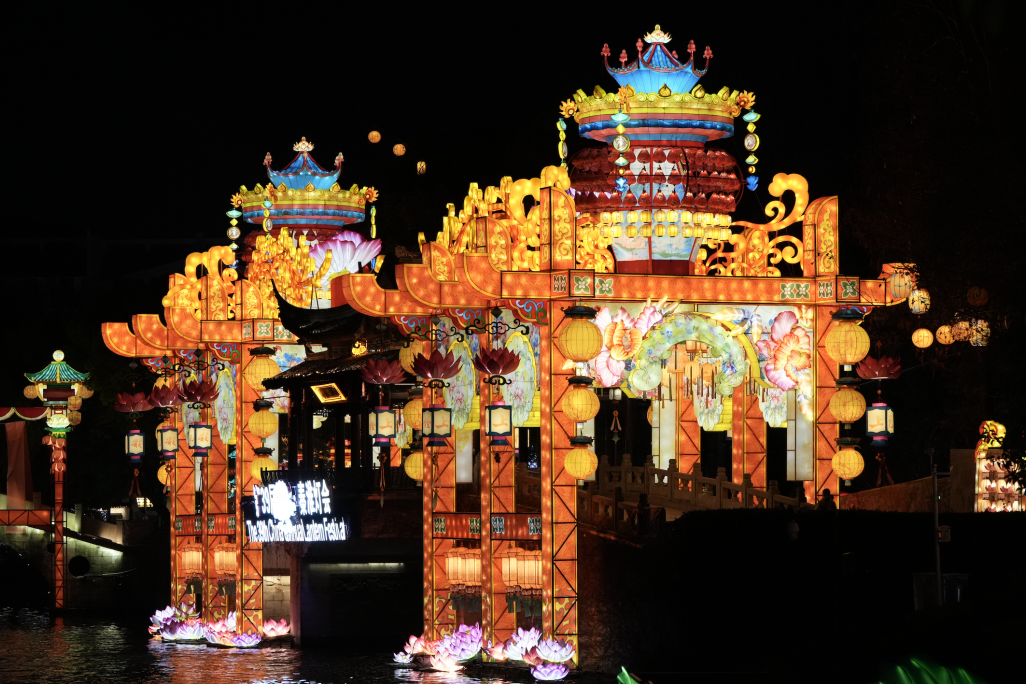
Nanjing Confucius Temple Qinhuai Lantern Festival Source/Insect Creative
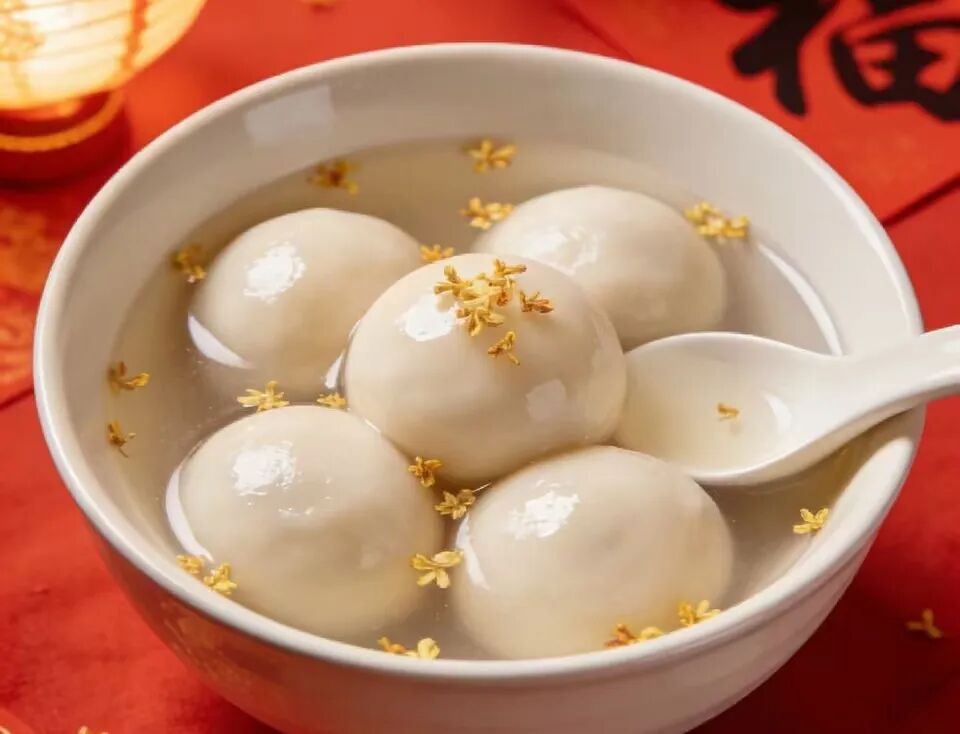
The custom of eating Lantern Festival is still the same today. On the "first look" day, eat a food similar to the full moon - rice dumpling Lantern Festival to express the pursuit of a happy life. At first, this kind of food was called "Fuyuanzi" and later "rice dumpling" or "Tangtuan", which was similar to the pronunciation of "Reunion" to express good wishes. Therefore, people have always said that "the moon is full in the sky, the world is reunited, and rice dumpling is in the bowl".
On the fifteenth day of the first lunar month, the night of the first full moon of the year, and also the night of the beginning of the new year and the return of spring to the earth, I wish everyone: longevity, happiness, and longevity; Round people, round things, round circles.
