Foshan Official living inheritance of intangible cultural heritage
On March 14th, Liu Lulu from the Cultural Heritage and Creative Industry Research Institute of Jinan University led a research team to Shishan Town in Nanhai, Foshan to conduct research and experience the provincial-level intangible cultural heritage with more than 400 years of inheritance history - Guanyao Lettuce Festival, experiencing the local historical context in folk elegance. In the afternoon of the same day, the research team visited the VLAB Yifang 181 Creative Park and attended the "Youth Cultural and Tourism Talent Training" themed salon of the Guangdong Cultural and Tourism Interest Camp's fifth anniversary series of activities, jointly exploring innovative paths and future directions for the development of young talents in the cultural and tourism industry.
Appreciating the Hundred Years of Folk Customs and Continuing the Lingnan Cultural Heritage
This year, the official kiln lettuce festival is themed "One Hundred Years of Lettuce Festival, Gathering Millions of Talents", launching more than ten special activities such as international art season, science and technology innovation exhibition, talent recruitment, cultural parade, ten thousand life vegetable banquet, and fireworks competition. The rich and diverse activities have attracted many citizens and tourists to stop and participate. In the lively atmosphere of touching lion heads and receiving blessings, everyone can feel the unique charm and vitality of this traditional folk custom.
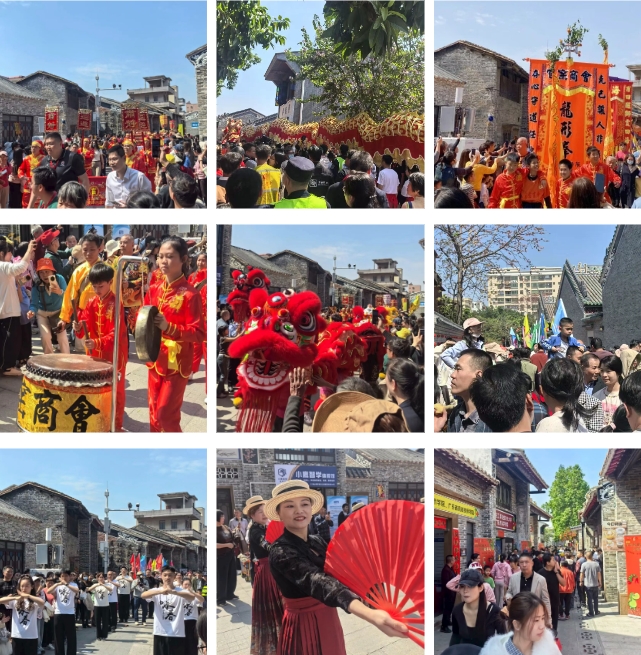
Festival Parade Site
The official kiln lettuce festival originated in the mid Ming Dynasty, flourished in the Qing Dynasty, flourished in the Republic of China, and has a history of more than 400 years. Its origin is closely related to the ancient temple of Fengshan. Fengshan Ancient Temple is located in Guanyao, Shishan Town, Nanhai District, Foshan City, on a small hill originally known as "Fenghuanggang". According to existing literature and word-of-mouth records, there was a temple in this area during the Tang Dynasty (some say it was the "White Lotus Temple"), which later experienced prosperity and decline. By the Ming Dynasty, with the increasing popularity of the belief in Guanyin among the people, temple fairs gradually formed based on the ancient Fengshan Temple (which enshrines Guanyin in white clothes).
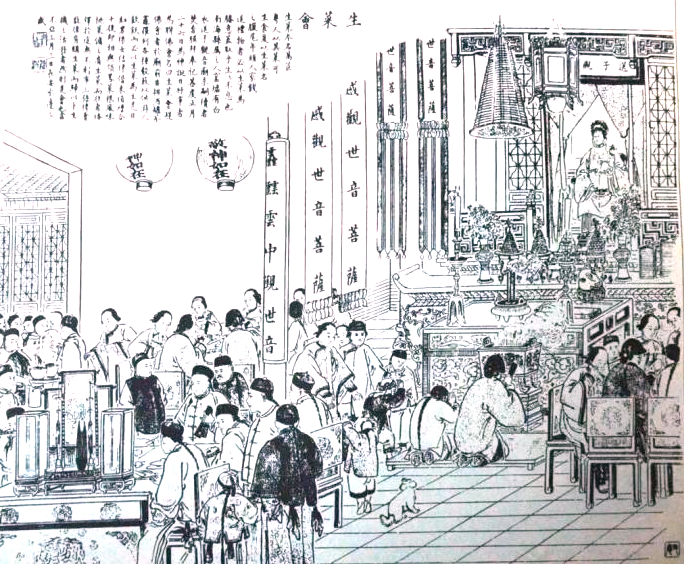
Official Kiln Lettuce Festival White Painting: According to folk legend, couples seeking a son worship at an ancient temple in Fengshan, and Guanyin kindly agrees. As a result, the ceremony of "worshiping Guanyin and eating lettuce" gradually took shape, and the name of the temple fair was gradually replaced by "Lettuce Festival".
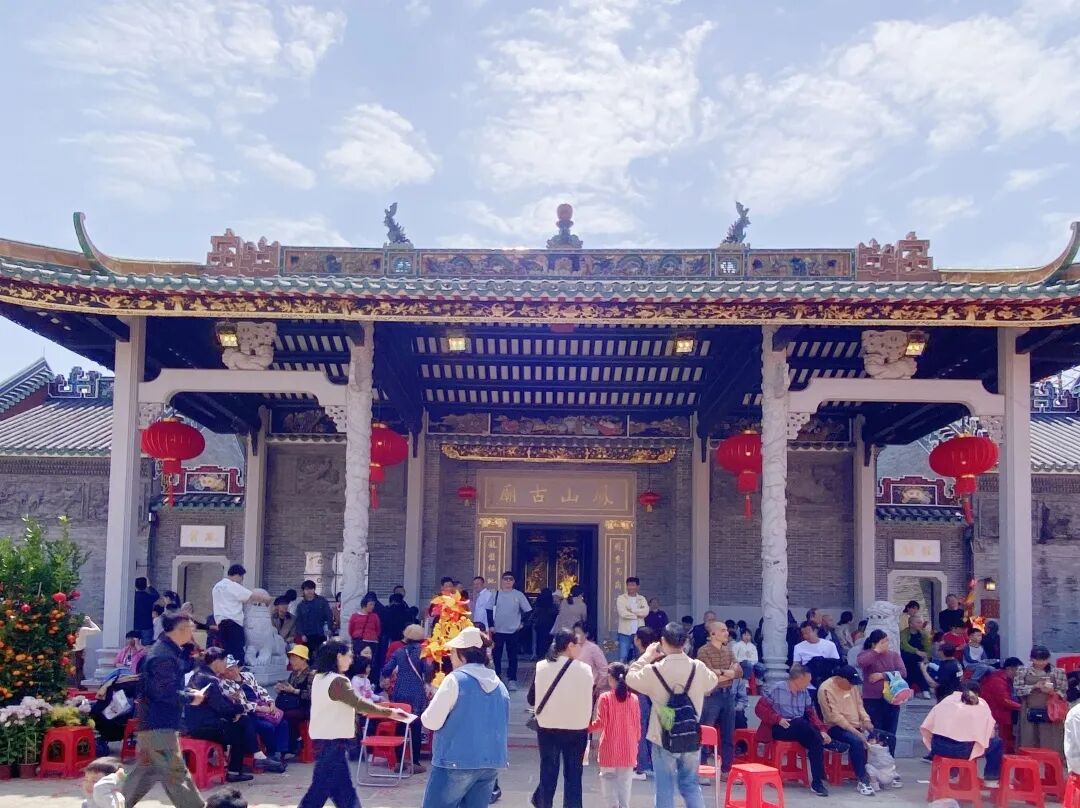
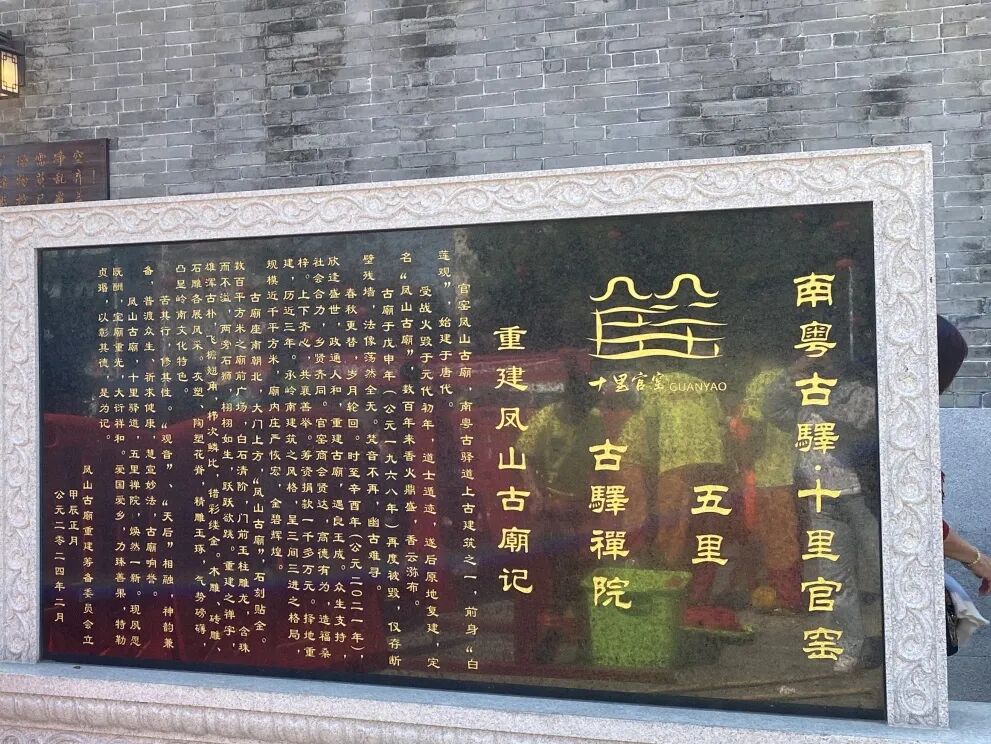
Believers go to Fengshan Ancient Temple to pray for blessings
During the late Qing Dynasty to the Republic of China period (approximately 1884-1949), the official lettuce festival lasted for five days from the 23rd to the 27th day of the first lunar month. Starting from the tenth day of the first lunar month, a theater and lion stage have been built in front of the Fengshan Ancient Temple, and theater troupes have been widely invited; On the twenty third day of the first lunar month, performances such as grand plays, singing Eight Tones, lion dances, martial arts, and wandering gods will begin; Every year on the 26th day of the first lunar month, it is the "Guanyin Open Treasury Day". Believers from all over the country gather at the Fengshan Ancient Temple to borrow and return the treasury. After worshipping Guanyin, they go to the "Touching Rock" behind the temple to pick up snails and clams to pray for survival and raising children. They also go to the lettuce stall in the open space behind the temple to eat lettuce buns, which means "baosheng". Lettuce wrapped with lettuce leaves, fried clams, leeks and other ingredients, respectively symbolize the prosperity of dignitaries, descendants, and other moral meanings. This custom, formed by relying on the temple fair, gradually evolved into a lettuce fair.
During the reign of Emperor Xuantong of the Qing Dynasty, the "Nanhai County Annals" recorded in detail this grand occasion, stating that "the large number of tourists can be compared to the Dragon Mother's Birthday in Yuecheng and the Nanhai God's Birthday in Polo, forming a tripartite relationship", which shows the wide influence of that time. The Guanyao Lettuce Association was listed in the first batch of intangible cultural heritage in Nanhai District and Foshan City in 2007, and was promoted to the third batch of intangible cultural heritage at the provincial level in Guangdong in 2009.
The official kiln lettuce association was suspended in the 1960s and successfully resumed in 1986, and has been running for forty years now. Since its reopening, the official kiln lettuce association has maintained its traditional folk style while incorporating elements of the times. The customs and etiquette of performing grand plays, eating lettuce, and worshiping Guanyin have been inherited, and on this basis, new forms such as garden parties, cultural evenings, and fireworks displays have been integrated, adding a modern atmosphere to ancient folk customs.
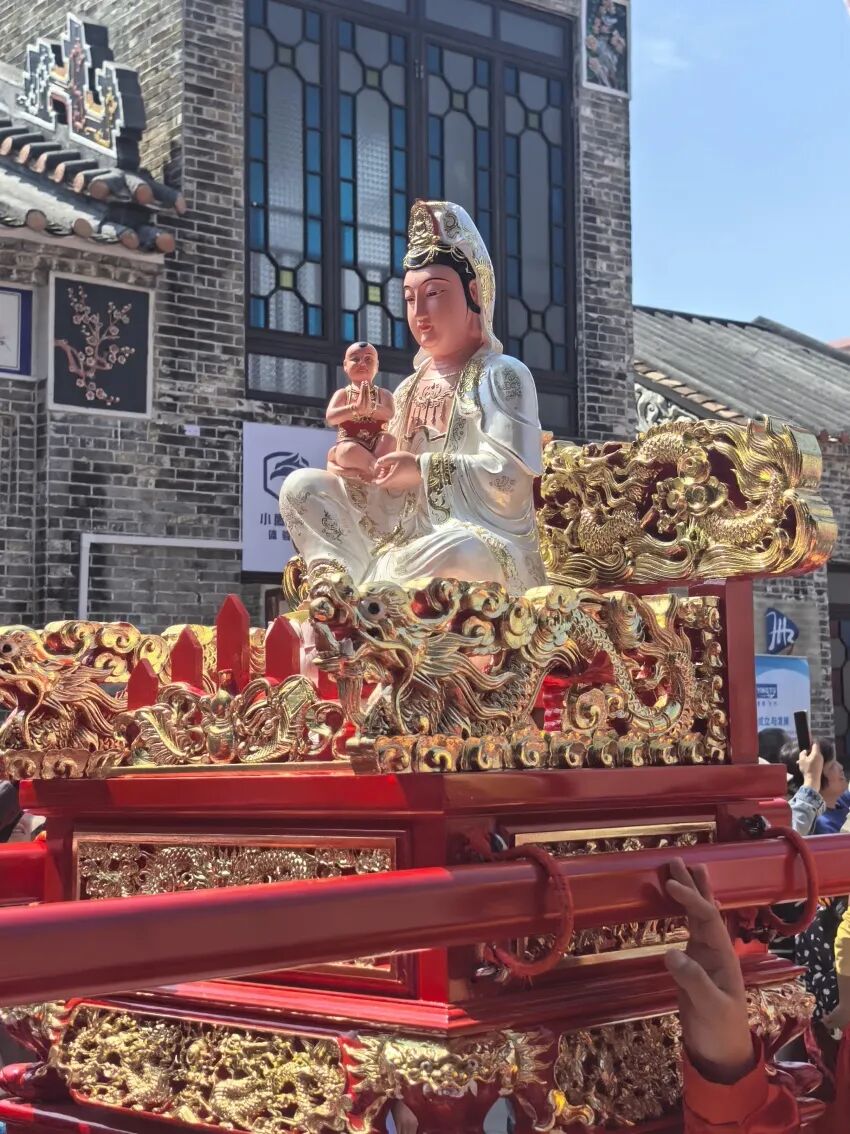
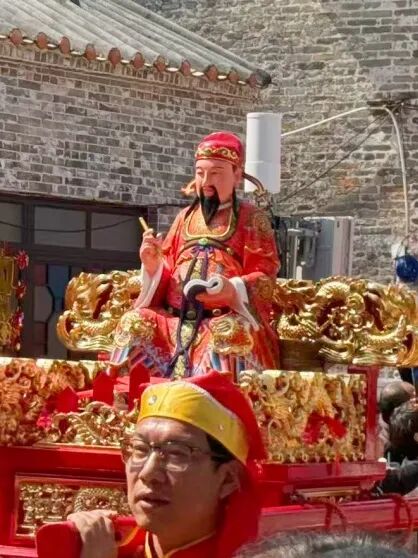
Villagers carry deities such as Guanyin, the Northern Emperor, and the God of Wealth to travel to the palace
On that day, local villagers carried deities such as Guanyin, the Northern Emperor, and the God of Wealth to the palace for an outing. The procession carried flags and licenses, opened the way with gongs, and walked through the streets in a grand manner. For a moment, the streets were deserted, recreating the scene of "ladies gathering together, painting boats blocking the river" as recorded in the old chronicles. The research team observed a parade consisting of nearly 200 people, including lion teams, martial arts formations, and art formations, walking along the ancient post road on site. This long-standing folk activity not only carries people's wishes for a better life, but is also becoming an important carrier for young people to participate in traditional cultural activities and experience local customs.
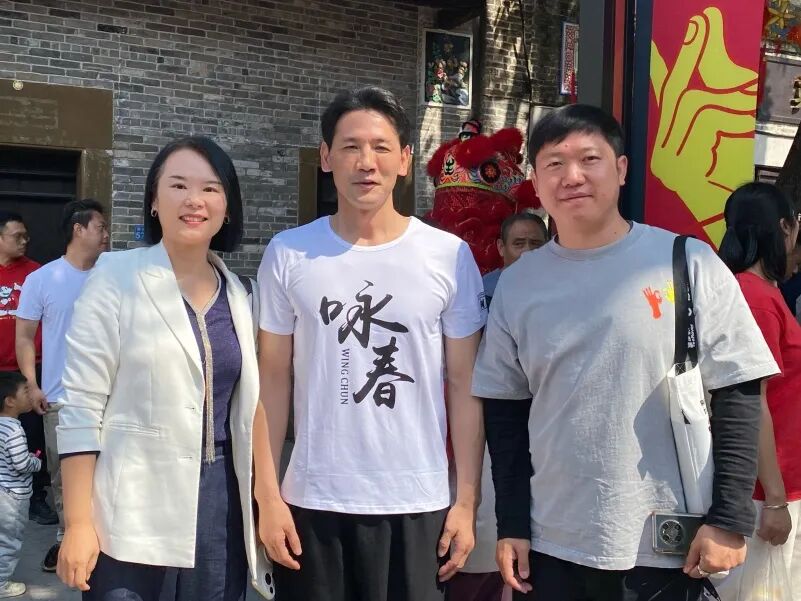
Image: Liu Lulu, Director of the Innovation Practice Research Office of the Cultural Heritage and Creative Industry Research Institute of Jinan University, Dong Chonghua, inheritor of the intangible cultural heritage of Yip Man Wing Chun, and Chen Qian, Secretary General of the Guangdong Art Industry Association, exchanged photos
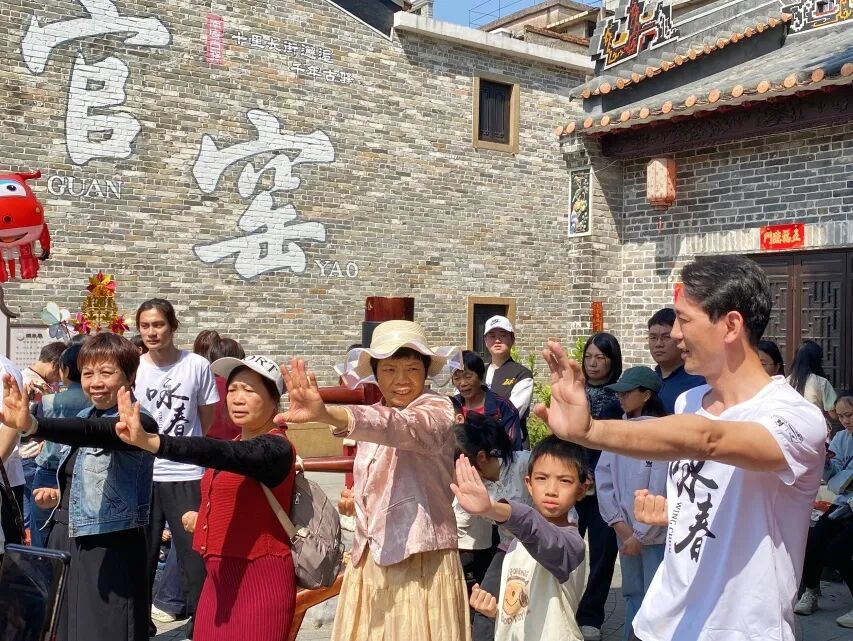
Picture: Dong Chonghua, inheritor of Yip Man Wing Chun intangible cultural heritage, teaching on-site
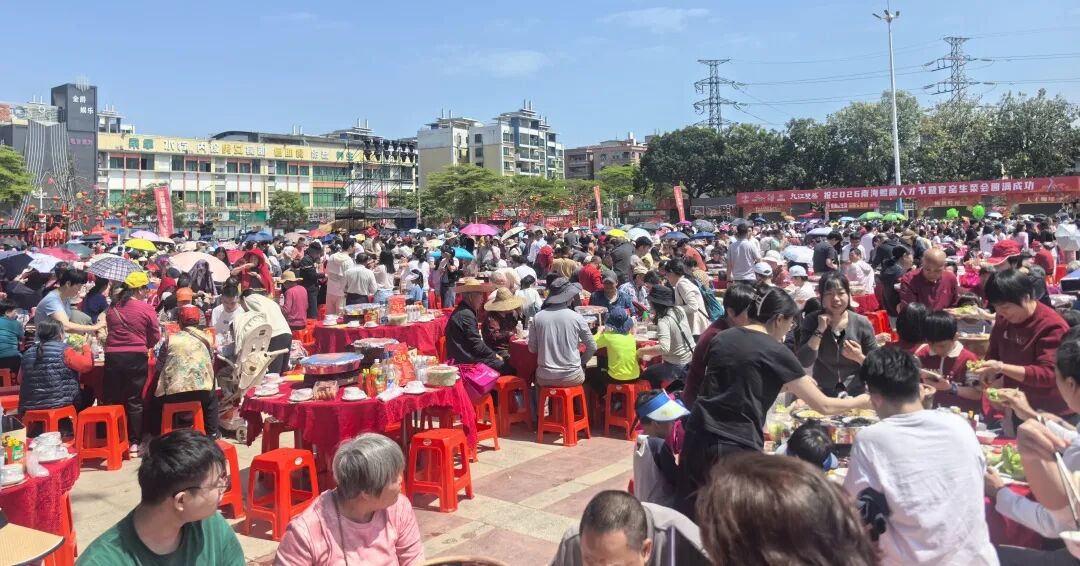
Lettuce Club Luncheon Celebration
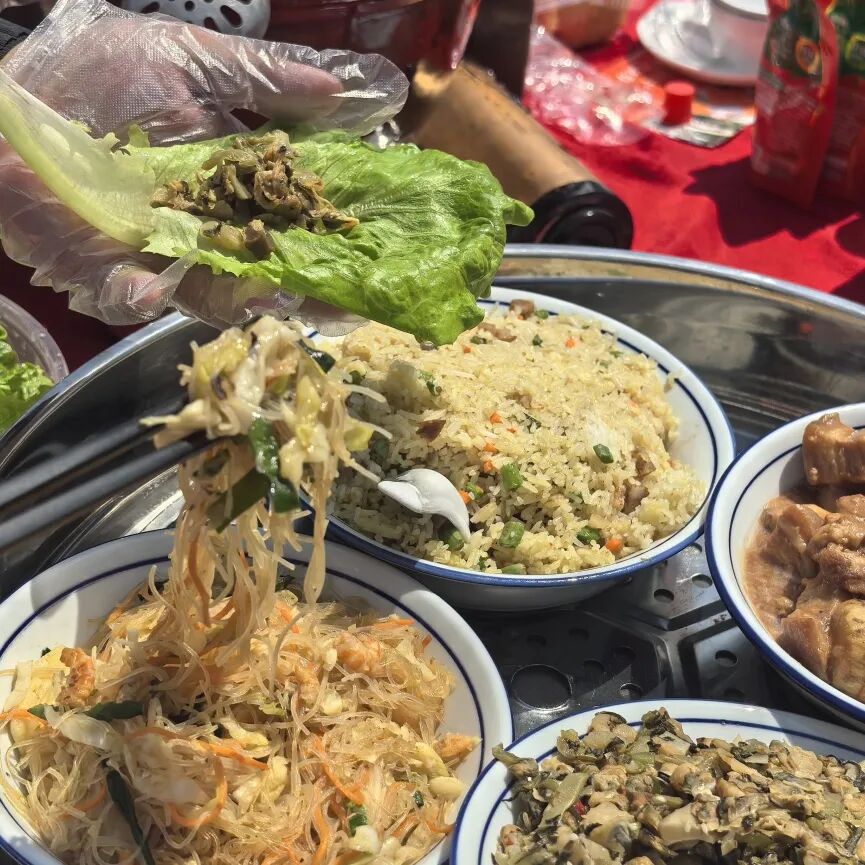
The main thing at the lettuce banquet is to eat lettuce buns - wrapping a few snacks with fresh lettuce leaves
At noon on that day, the Guanyao Cultural Square and its surrounding areas were filled with over a thousand seats, creating a magnificent sight. According to statistics, there were over 500 lunchtime banquets and 620 evening banquets, with more than 30000 citizens, tourists, overseas compatriots, and scientific and technological talents gathering together to watch cultural performances and enjoy the delicious lettuce feast. The people wrapped the green and tender lettuce leaves in pickled Chinese cabbage, fried clam meat, boiled pork with mushrooms, vermicelli shrimp and other dishes, and expressed the wish of "descendants showing up", "happiness increasing wealth" and "longevity and wealth", praying for a prosperous year and prosperity of people and wealth.
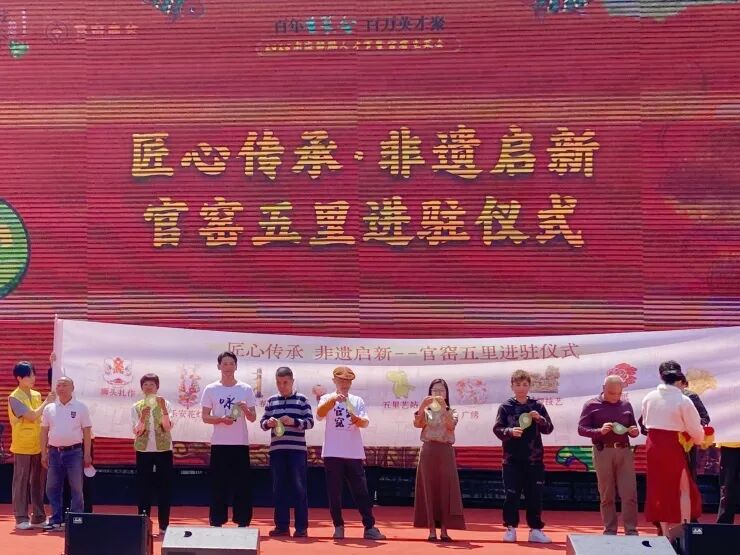
Picture: The "Craftsmanship Inheritance, Intangible Cultural Heritage Innovation" official kiln five mile entry ceremony held during the lettuce festival. Internationally renowned ceramic artist Li Jianshen, national intangible cultural heritage representative inheritor of Guangxiu City level Wang Xinyuan, and other intangible cultural heritage or artistic master craftsmen have settled in Wuli, Guanyao.
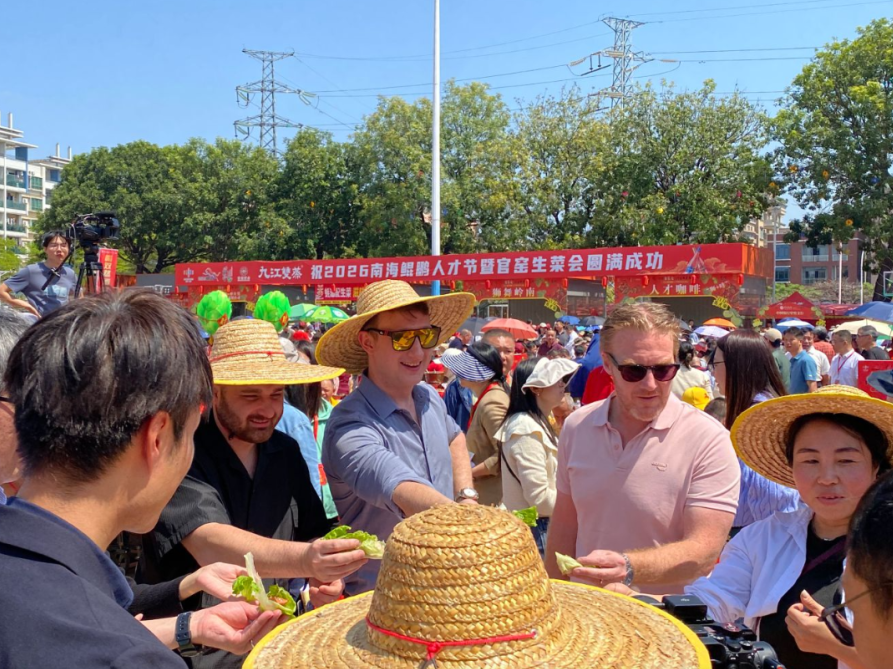
Foreign friends exclaimed "Amazing"!
The folk symbolism of the official kiln lettuce festival revolves around the character "sheng" and has undergone a transformation from "reproduction" to "production", and then to "wealth creation". With the changing times, due to the convenience of Cantonese homophones, coupled with the belief in Guanyin's "borrowing from the treasury" and the demand of commercial society, "making money" has gradually become a cultural symbol of this ancient folk custom in modern society, reflecting the clever reconstruction of traditional folk customs and contemporary values.
Youth Intelligence Hub: Five Years of Cultural and Tourism Cultivation, Discussing the Future Development Together
In the afternoon, the research team came to VLAB Yifang 181 Creative Park for field investigation after finishing the trip of the lettuce party, focusing on its landmark outdoor stairs and entrepreneurial space, to experience the innovative atmosphere and design ingenuity of the park.
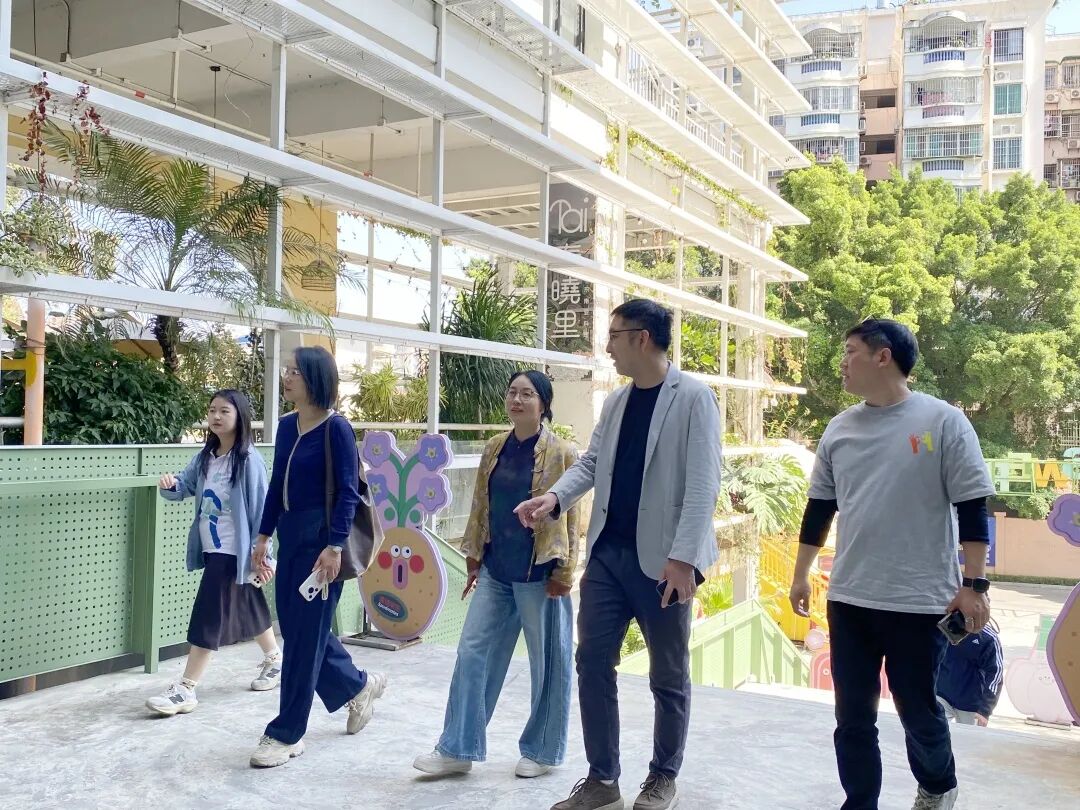
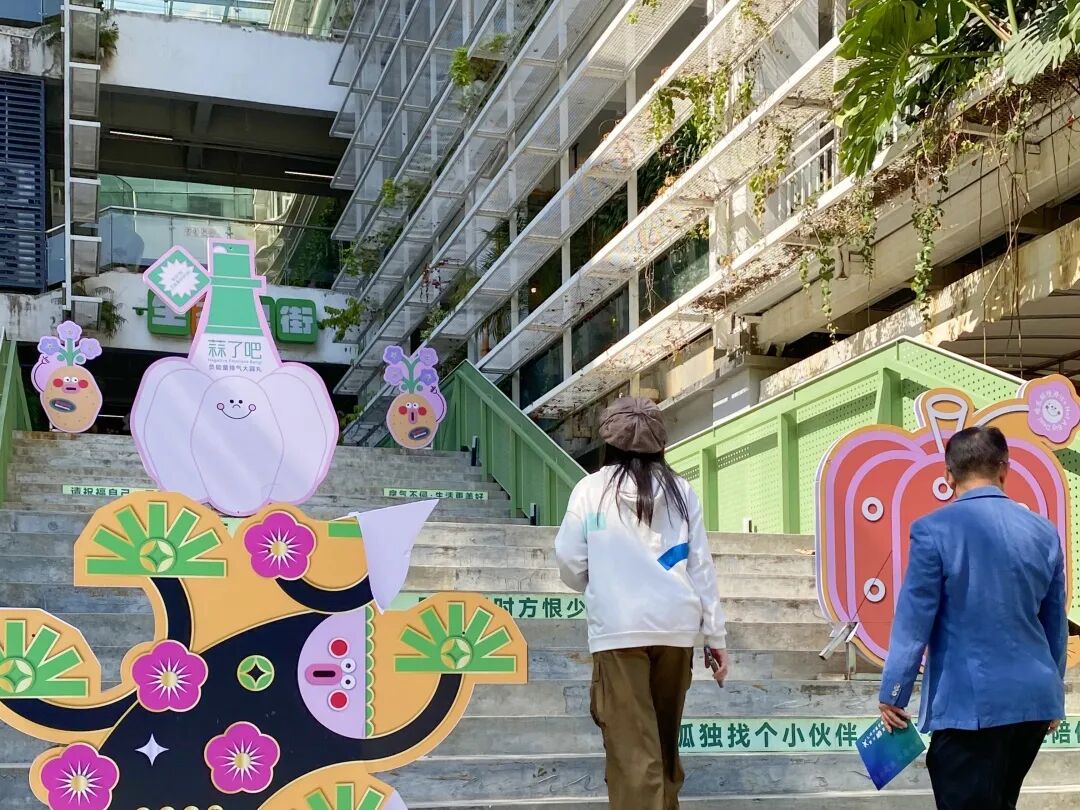
VLAB Yifang 181 Creative Park research site
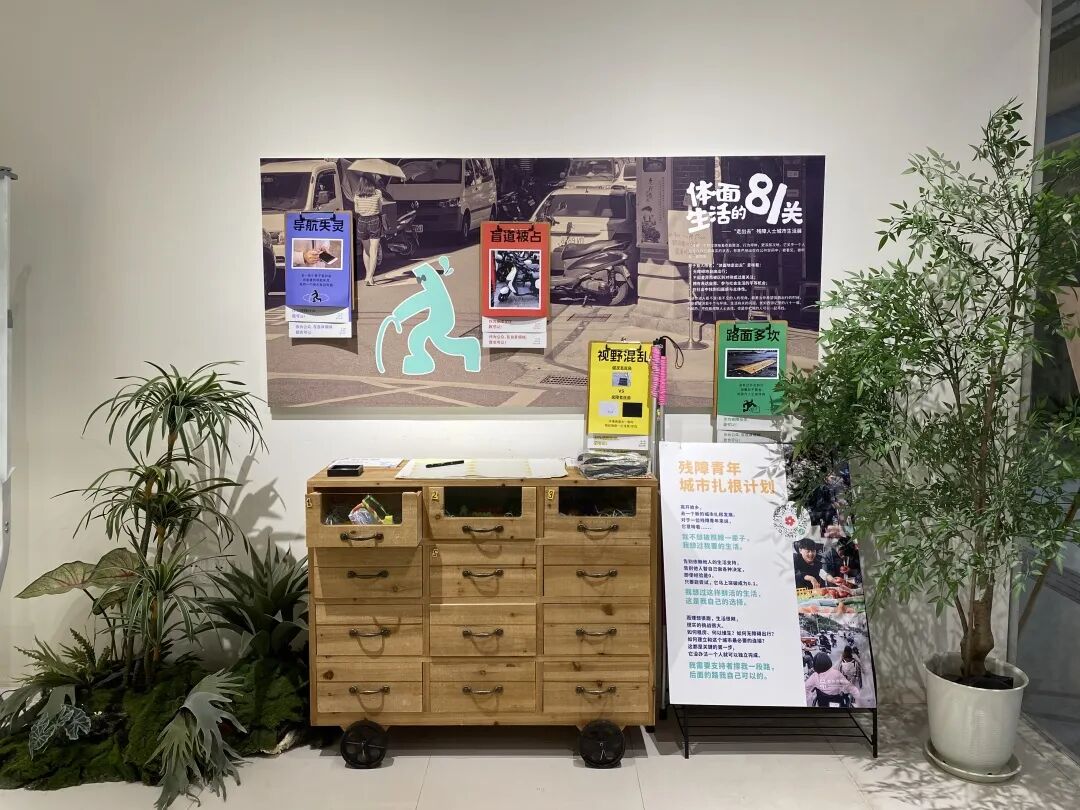
Image: Exhibition of the "Disabled Youth Urban Rooting Plan" in Palm Cafe
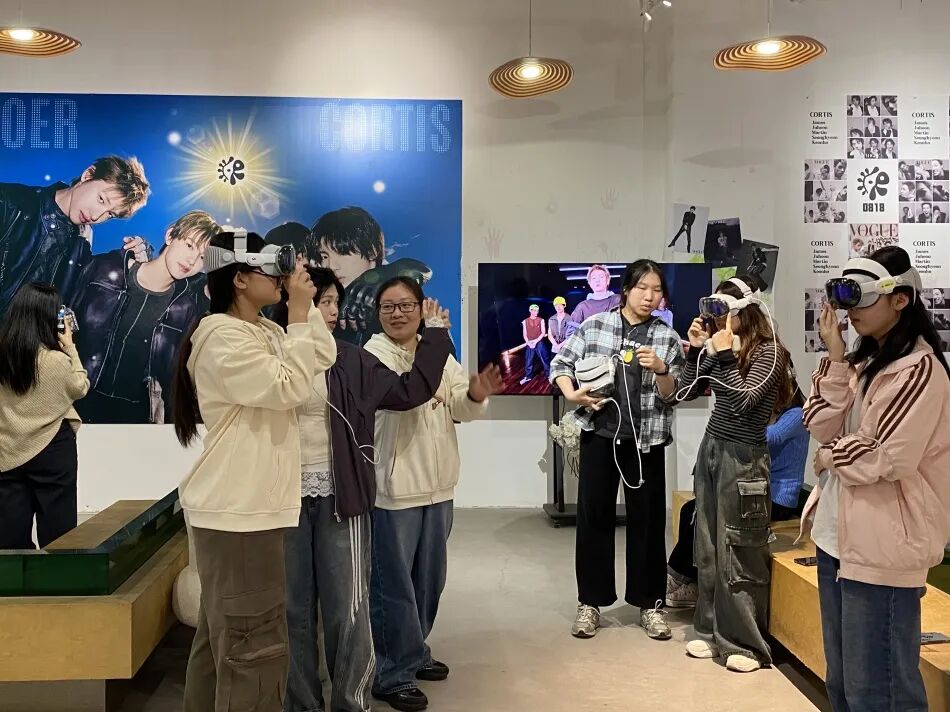
Image: Young people experiencing VR scenes at IDOL SPACE
After the visit, the research team attended the summary report meeting of "Youth Cultural Tourism Talent Training" sponsored by the Investment and Financing Special Committee of Guangdong Tourism Association and organized by Guangdong Cultural Tourism Interest Camp. This event is the core part of the fifth anniversary series of interest camp activities, gathering about 70 representatives from cultural and tourism authorities, industry associations, universities, and enterprises. Guests including Dongtian, a second level inspector from the Department of Culture and Tourism of Guangdong Province, Zhang Xiaoming, Vice Dean of the School of Tourism at Sun Yat sen University, and Chen Xi, Executive Vice Chairman of the Investment and Financing Committee of the Guangdong Tourism Association, attended the meeting to discuss the training practices and development prospects of young talents in the cultural and tourism industry.
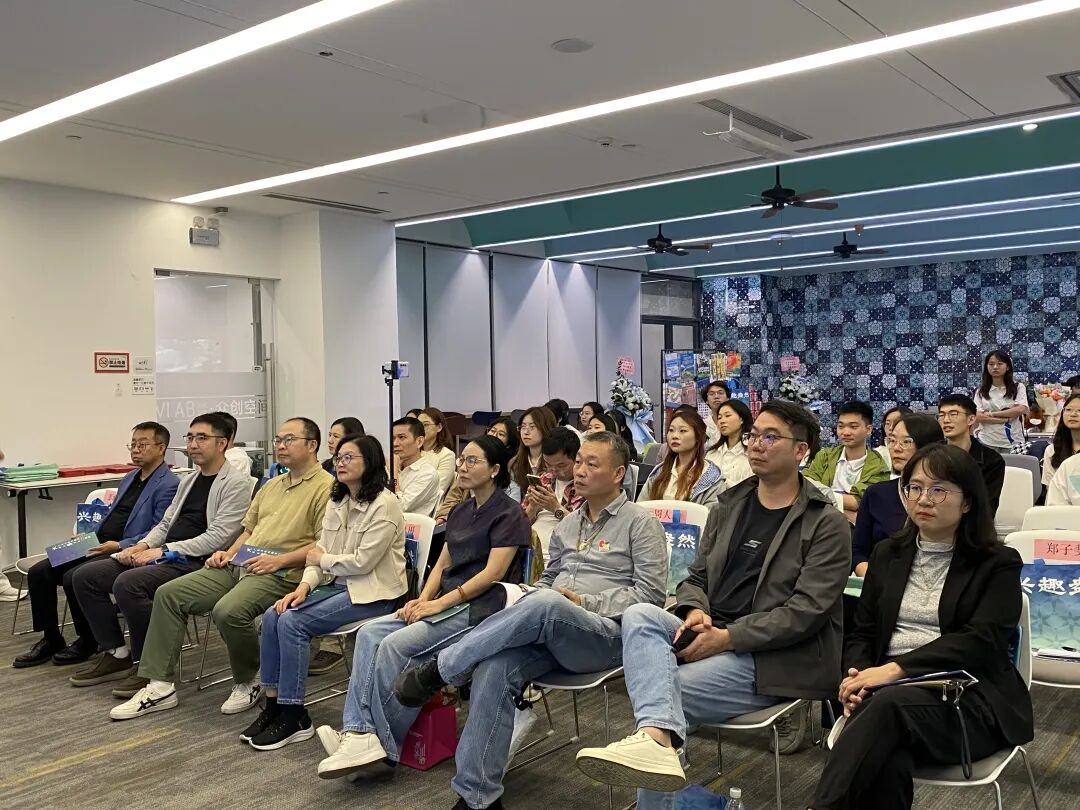
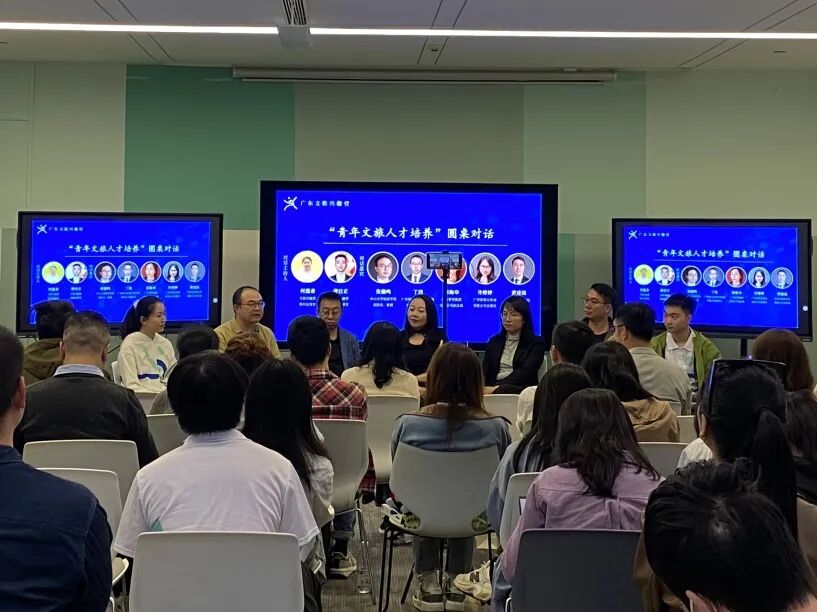
On site and roundtable dialogue of the "Youth Cultural and Tourism Talent Training" activity
At the meeting, the young organizers shared their insights on topics such as "Youth Talent Cultivation," "Youth Industry Research," and "Guangdong Trend Youth Platform," which resonated widely with the guests present. Wu Dan, Deputy Secretary General of the Investment and Financing Committee of the Guangdong Tourism Association and Director of the Cultural and Tourism Interest Camp, stated that bringing the real industry to the front of young people, allowing them to enter the real social scene, respecting the subjectivity of young people, can stimulate their exploration and practice of multidimensional growth.
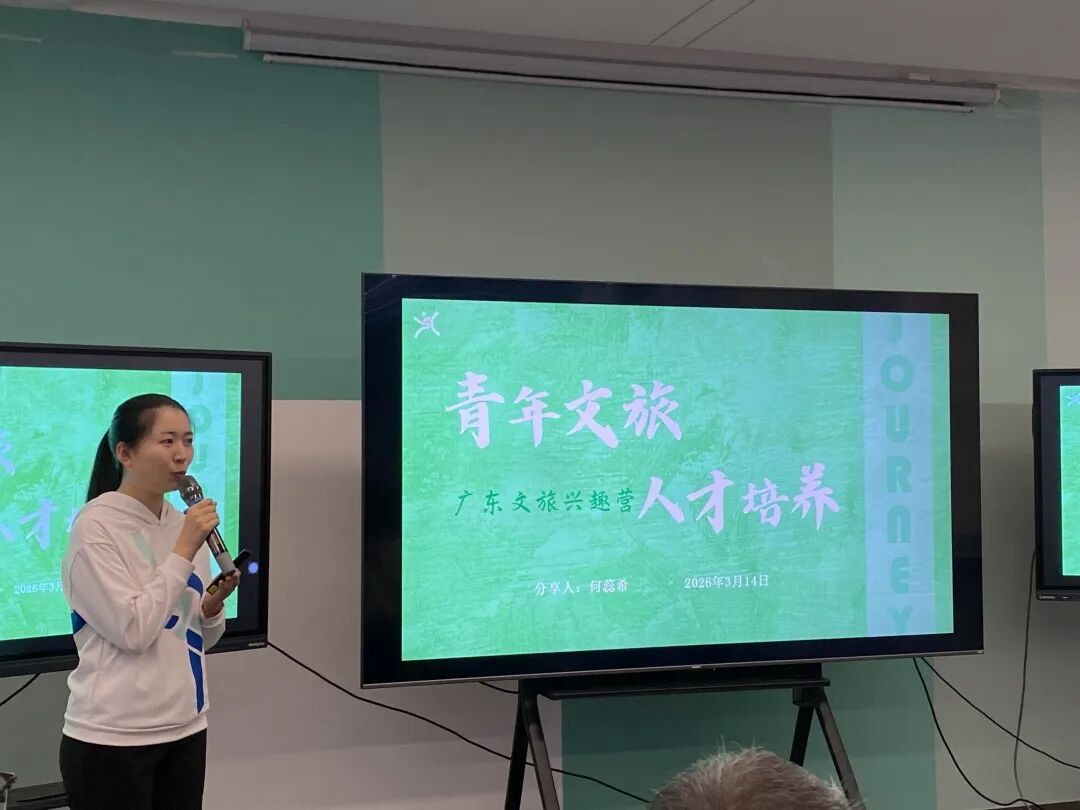
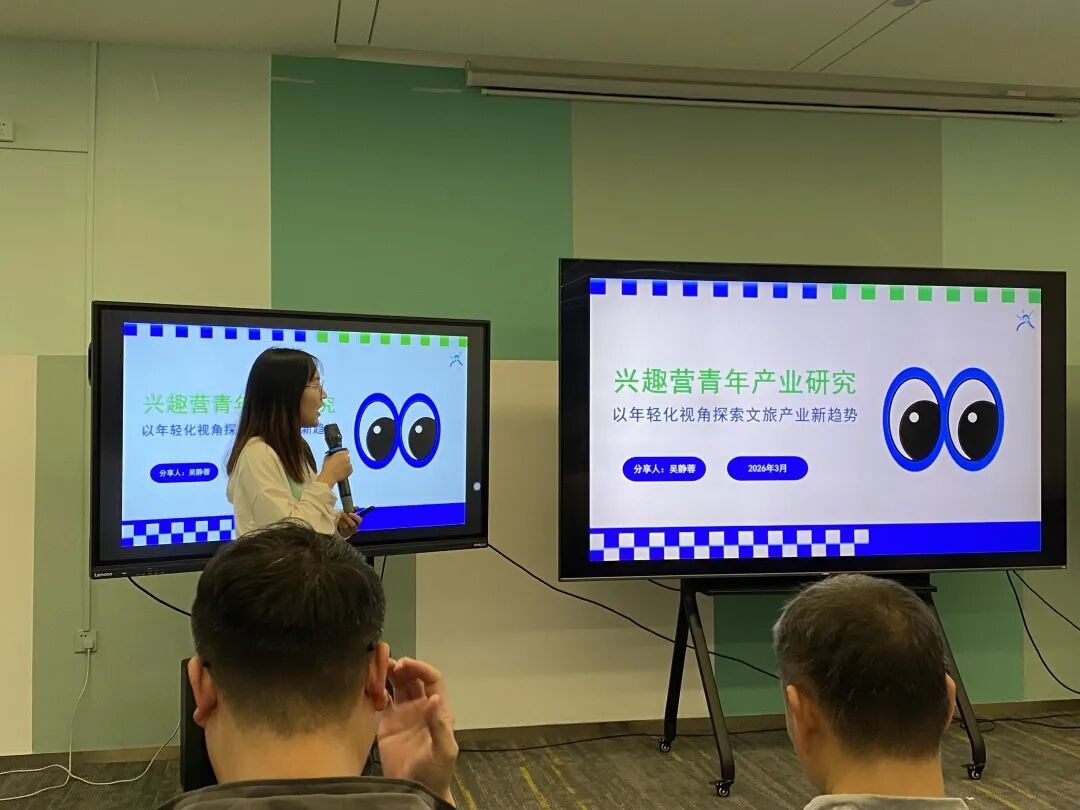
Youth organizer of cultural and tourism interest camp shares on-site experience
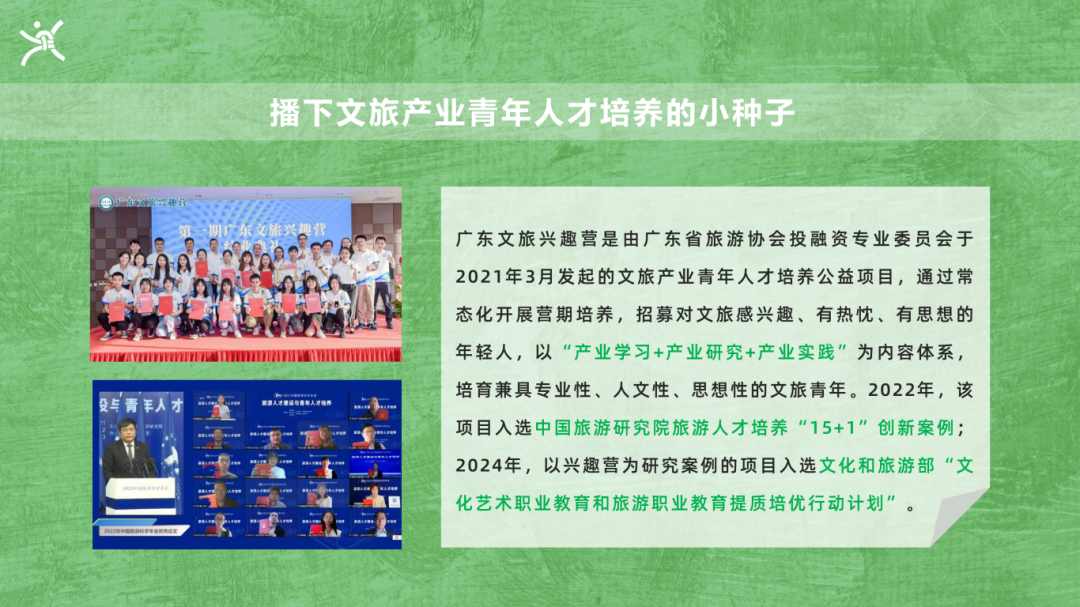
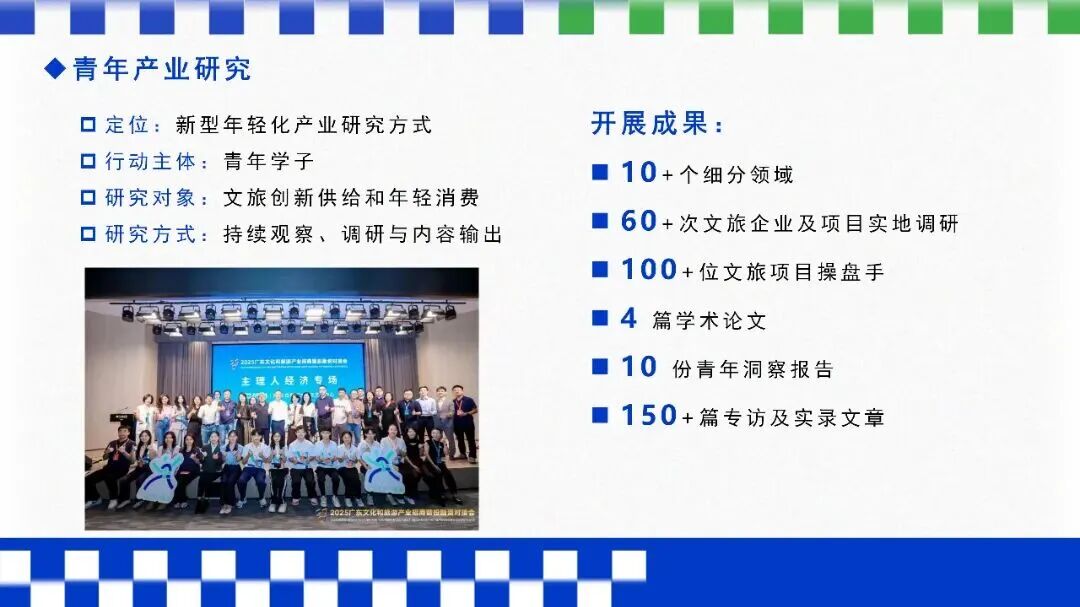
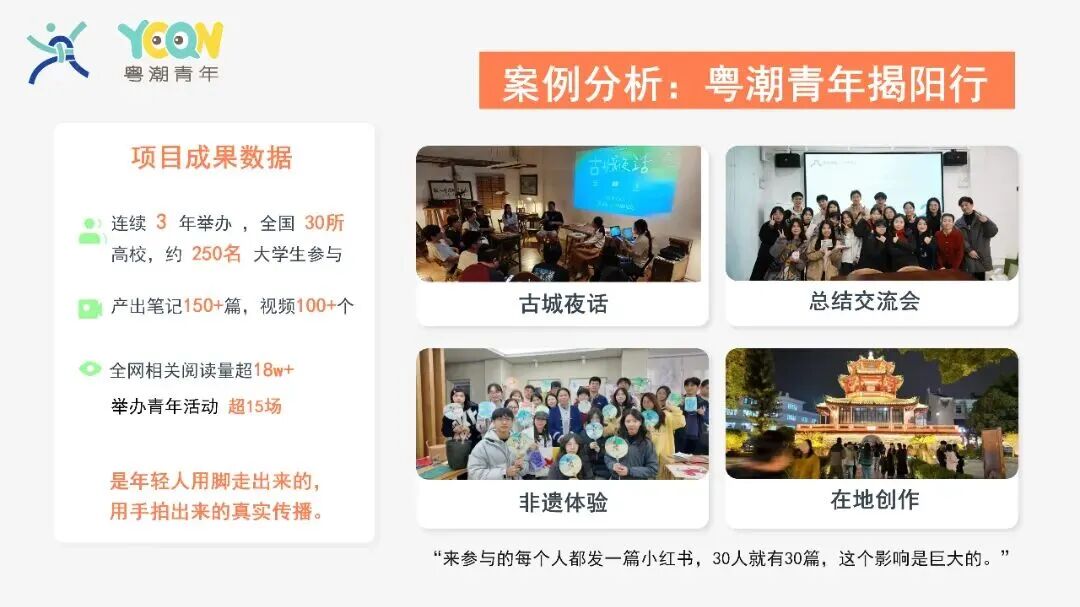
Youth organizers of cultural and tourism interest camps showcase the achievements of talent cultivation in various sectors
Contemporary Transformation: The 'Dual Journey' of Cultural Heritage and Young Talents
Throughout the day's research itinerary, whether it is the innovative integration of the official kiln lettuce association with the talent festival, or the long-term cultivation of young students by the cultural and tourism interest camp, it reflects the deep integration of cultural heritage revitalization and youth talent cultivation. In the official kiln, this centuries old folk activity is no longer just a simple prayer ceremony, but an immersive field for young people to get close to tradition and perceive Lingnan culture through "creative transformation". When young people truly enter the real scene of industry, and when century old folk customs find new expressions in contemporary life, the "contemporary transformation" of cultural heritage gains a continuous stream of endogenous power. This two-way pursuit of "educating people through literature and passing on literature through youth" is a beautiful interpretation of the continuous vitality of traditional culture and the rooting of youth power in the times.