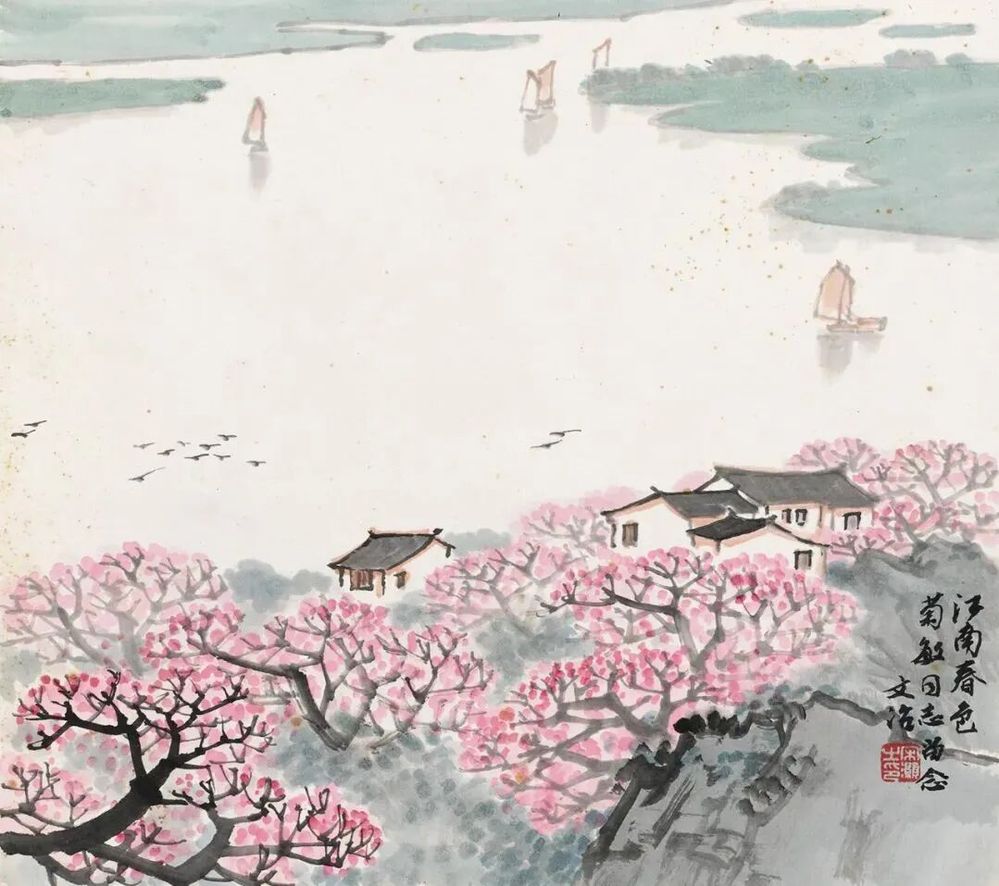
Song Wenzhi's Spring Scenery in Jiangnan
Beginning of Spring, the first of the twenty-four solar terms, is the prelude to spring and the starting point for the revival of all things. The ancient book "Qun Fang Pu" explains the concept of "Li Chun" as follows: "Li, the beginning of construction. The spring energy begins and establishes itself. Since the Qin Dynasty, China has always regarded the Beginning of Spring as the beginning of spring. The "Records of the Grand Historian" also mentions that "the Beginning of Spring is the end of four o'clock last year and the beginning of this year. The four seasons start in spring, and the boundary between the end of winter and the beginning of spring is the beginning of spring. Lichun is the transition point between winter and spring, and the watershed between extreme cold and warmth. At this moment, although the spring chill is chilly, the earth has quietly awakened, and the sleeping seeds are beginning to accumulate strength in the soil, waiting for the moment when they break through the soil.
In traditional beliefs, the beginning of spring has auspicious meanings. Lichun is the beginning of spring, and the time sequence enters spring. At this moment, although the chill of spring still lingers, the cold winter has passed, spring returns to the earth, all things revive, and nature is full of vitality. So ancient people attached great importance to the beginning of spring, and in ancient times there was a ceremony to welcome spring.
Beginning of Spring·San Hou

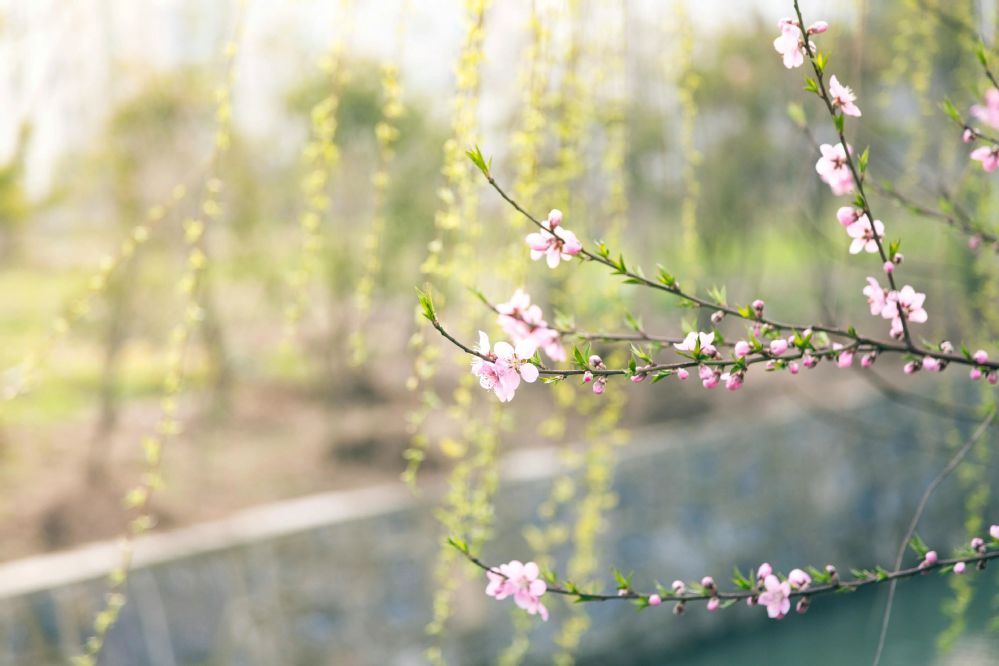
Yi Hou,the east wind
The east wind brings warmth, and the earth begins to thaw. The cold winter gradually recedes, the warm spring breeze brushes by, the ice and snow melt, and the river begins to flow. The ancients believed that the east wind was the messenger of spring, bringing warmth and vitality.
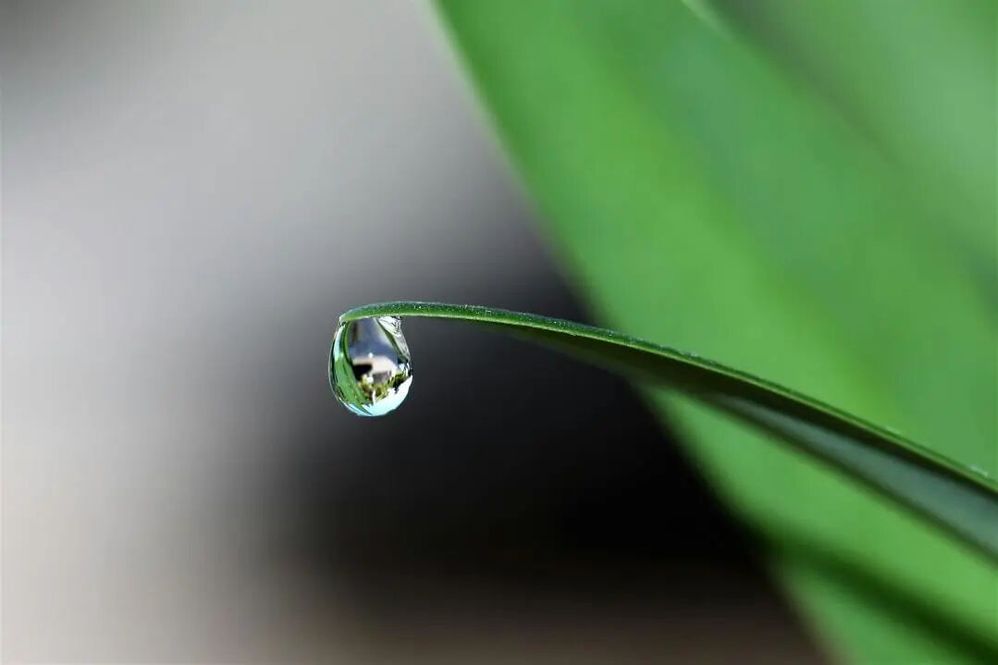
Er Hou, the dormant insects begin to vibrate
Hibernating insects and animals begin to awaken, feeling the breath of spring and slowly becoming active. Although they haven't completely left the nest yet, they can already feel the call of spring. The power of life is quietly sprouting, indicating that the natural world is about to usher in new vitality.
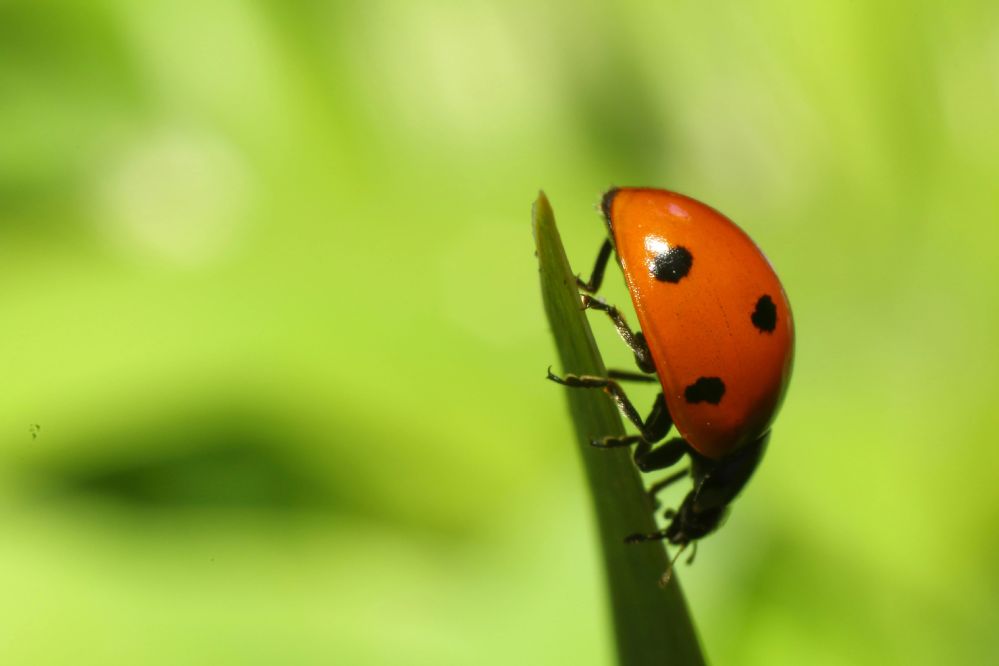
San Hou, Fish Zhi Negative Ice
The river gradually thaws, and fish begin to swim, sometimes even breaking through thin ice and floating to the surface. This phenomenon is known as "fish with negative ice", which vividly depicts the active state of fish in early spring. Symbolizing the vitality of life and the arrival of spring, everything in nature is reviving.

Beginning of spring·Customs
/Welcoming Spring/
Welcoming Spring is one of the most important customs of the Beginning of Spring, which has been recorded as early as the Zhou Dynasty. The ancients believed that spring was the beginning of the growth of all things, so grand ceremonies were held to welcome the arrival of spring. Local officials or people will hold a spring welcoming ceremony in the eastern suburbs to worship the Spring God (Jumang) and pray for good weather and abundant harvests. The ceremony is often accompanied by singing, dancing, and drum music, creating a lively and extraordinary atmosphere. Express reverence for nature and hope for a bountiful harvest.
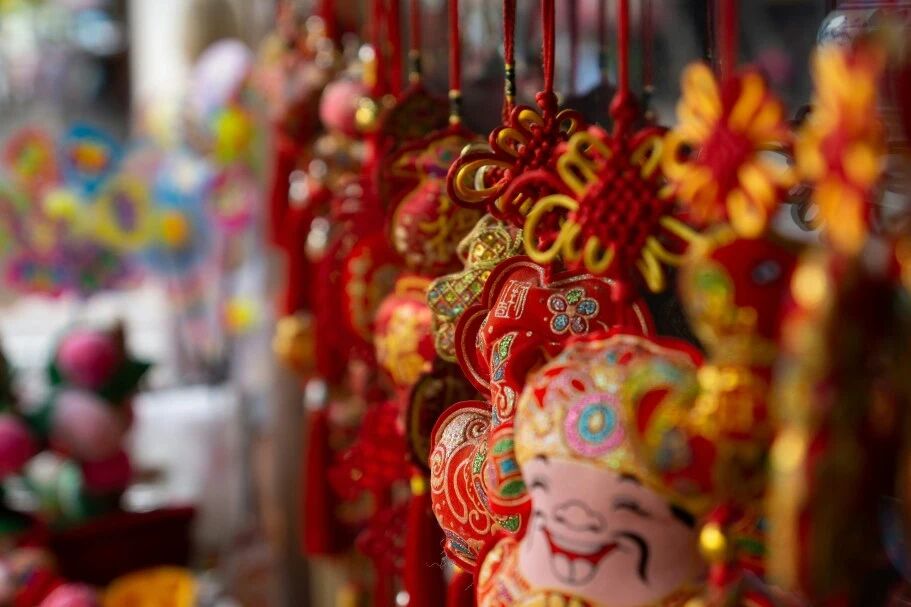
/Dachun Niu/
Whip Spring, also known as "Whip Spring Bull" or "Whip Soil Bull", refers to the practice of breaking clay sculpture of a spring bull on the day of spring. This is a remnant of the agricultural civilization era. By practicing the custom of hunting cattle in spring, farmers are reminded that spring has arrived and they should not go against the farming season. They should sow grains in a timely manner and pray for a bountiful harvest of five grains and peace for the country and the people.
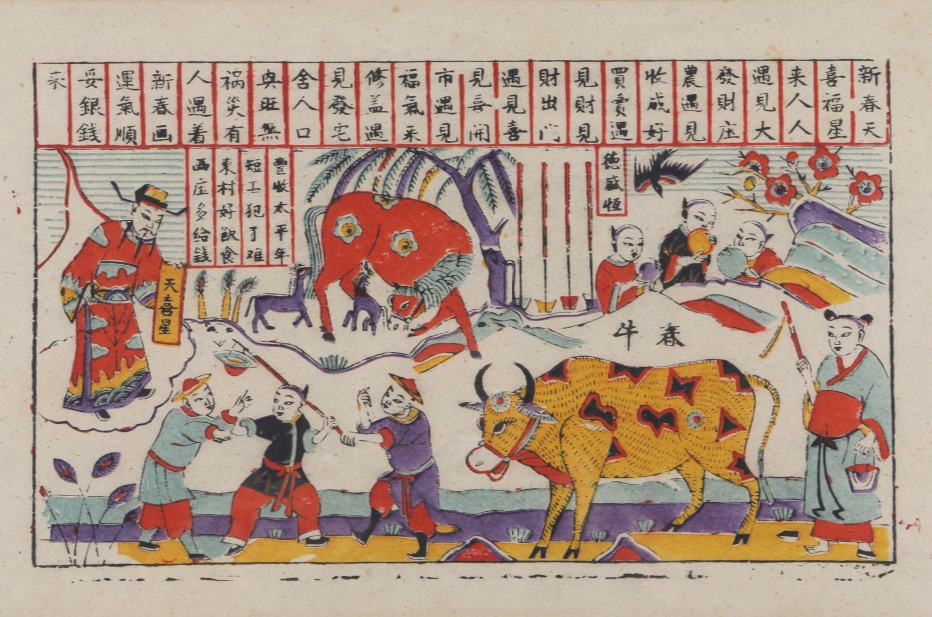
《Spring Bull 》Picture Yangjiabu New Year Painting | Shandong Art Collection
/Bite Spring/
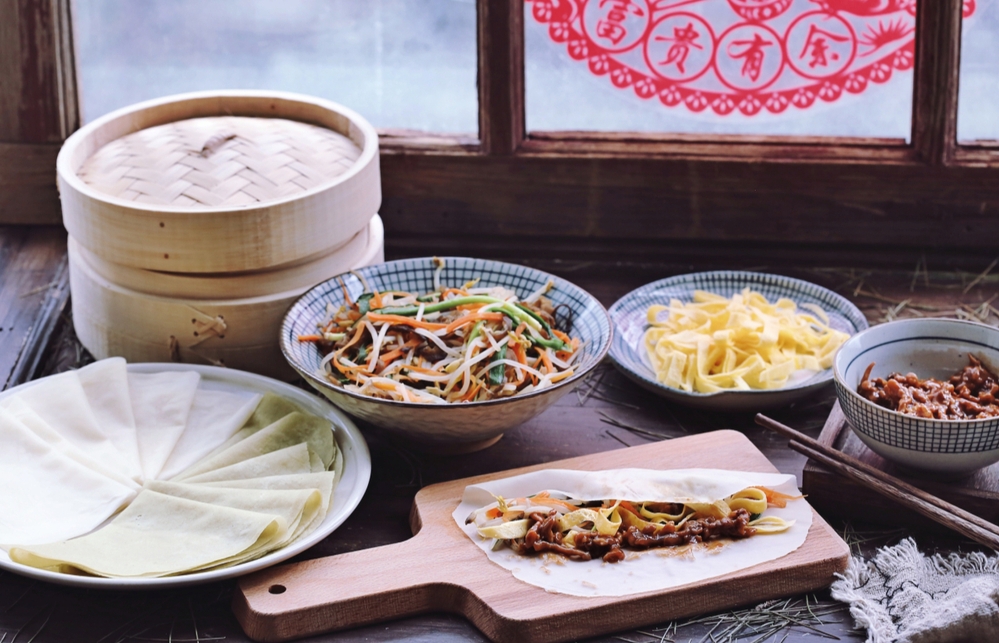
Bite Spring "refers to eating foods that symbolize spring on the day of the beginning of spring to welcome the arrival of spring. It is a long-standing traditional custom in China. On the first day of spring, people will eat spring cakes, Spring rolls, radishes and other seasonal food in spring, which means to welcome the new year, pray for harvest and health. Bite Spring not only satisfies the taste buds, but also represents the inheritance and respect of traditional culture. A type of pancake rolled with vegetables, meat, and other ingredients, symbolizing the richness and vitality of spring.
/Exploring Spring/
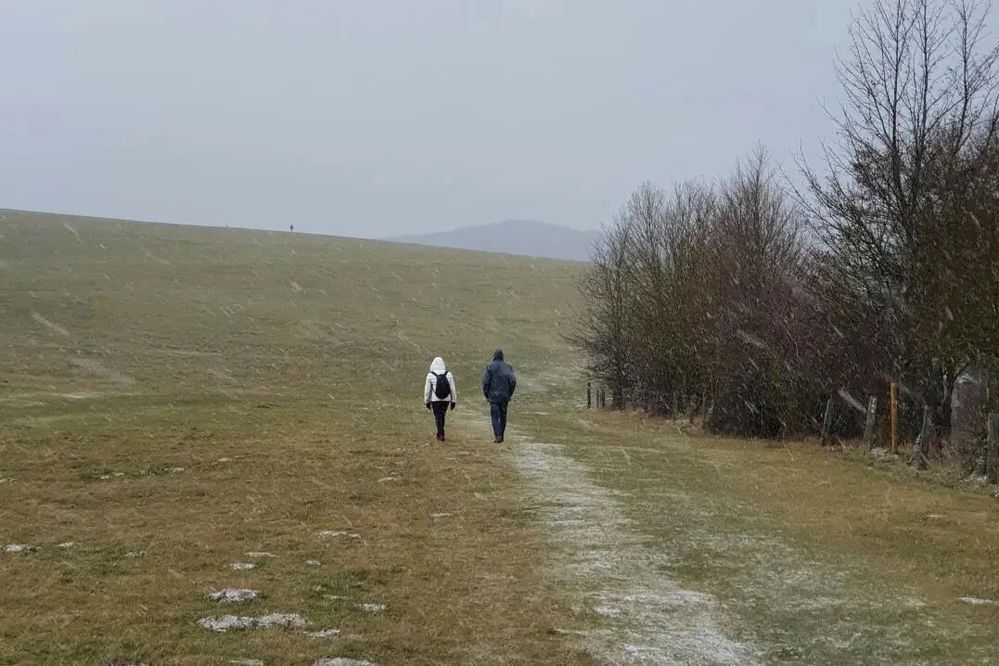
On the day of the beginning of spring, people like to go out for a spring outing on this sunny and sunny day, commonly known as going out of the city to explore spring or taking a spring outing. Spring outing is mainly about taking a walk, immersing oneself in nature, hiking, or strolling in the shade of trees. Regardless of speed, one only seeks leisure and endless joy. After exploring spring, it is a good time to go for spring outings and outings until Qingming and Dragon Boat Festival.
Beginning of spring·Health Preservation
Traditional Chinese Medicine believes that the foundation of health preservation is to follow the four seasons of spring, summer, autumn harvest, and winter storage, as well as the climate change laws of the 24 solar terms. The Yellow Emperor's Inner Canon states: "Nurture the yang in spring and summer, and nourish the yin in autumn and winter. Spring qi is generated, and all things are proud.
/Nourishing Yang/
After the beginning of spring, all things revive and it is also the season when liver qi is generated. The so-called 'spring health first focuses on nourishing the liver', only when the liver qi is sparse and the meridians are smooth, can the qi and blood be unobstructed. In the Yellow Emperor's Inner Canon, it is said: "In the third month of spring, this is called 'fa chen'. Heaven and earth are born, and all things are proud. They lie down at night and wake up early, walk widely in the courtyard, and their hair is slowly formed to stimulate their will... This is the way to nourish their health in response to the spring qi. Going against it will harm their liver, and in summer it will be cold, serving the elderly and the young." This indicates that spring health preservation should follow the characteristics of the spring yang qi, which gives birth to all things, and focus on the word 'sheng'. Therefore, in order to nourish the liver in spring, it is necessary to regulate emotions and not let liver qi accumulate in the body. So the primary principle of nourishing the liver in spring is to maintain a happy mood.
/Go for more walks in the suburbs/
Spring is the season for the revival of all things, and health preservation should follow the natural characteristics of growth and divergence. Outdoor activities such as walking and jogging can be appropriately increased to adapt to the development of yang energy in spring.
/Eat more spicy and warm foods after the beginning of spring/
The Yellow Emperor's Inner Canon: Su Wen "states:" In the third month of spring, this is called 'hair aging'. Heaven and earth are born, and all things are glorious. During this season, it is important to eat more foods that supplement yang energy to enhance the body's yang energy. Those with qi deficiency or yang deficiency should adopt this dietary method for health preservation. Common sweet and spicy foods such as jujubes, citrus fruits, honey, peanuts, cilantro, chives, etc. can help with spring yang, so it is recommended to eat more at this time. And acidic foods should be eaten less, because sour taste enters the liver and has astringency, which is not conducive to the generation of yang qi and the release of liver qi.
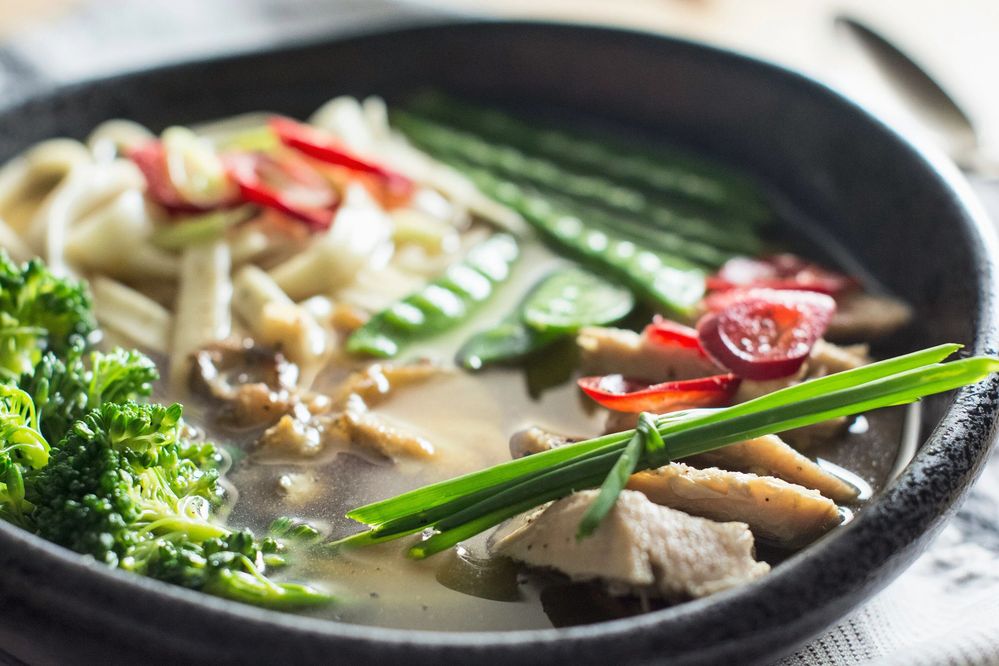
The plan for a year lies in spring. In this season full of vitality and hope, you may as well take a bite of crispy radish, eat some spring cakes or Spring rolls, and put on some yellow jasmine flowers to start another poetic and picturesque year with a new attitude.
24 Solar Terms
It is a specific festival in the Chinese lunar calendar that represents changes in natural rhythms and establishes the concept of "building in December". It was originally formulated based on the rotation of the Big Dipper and the movement of the stars. The Big Dipper rotates in a circular motion, with the handle rotating one circle to the east, south, west, and north, forming a cycle known as a "year". Each rotation cycle begins at the beginning of spring and ends at the end of the Great Cold. The "24 solar terms" is an important part of the long history and culture of the Chinese nation, which embodies the essence of the history and culture of Chinese civilization. Through historical development, the lunar calendar has incorporated the solar terms of the dry branch calendar as a supplement to the calendar, and adjusted it to conform to the tropical year through the "leap method", forming a yin-yang combined calendar. The "24 solar terms" have become an important part of the lunar calendar. In the international meteorological community, the 24 solar terms are known as "China's fifth great invention". On November 30, 2016, the 24 solar terms were officially included in the UNESCO Representative List of the Intangible Cultural Heritage of Humanity.