

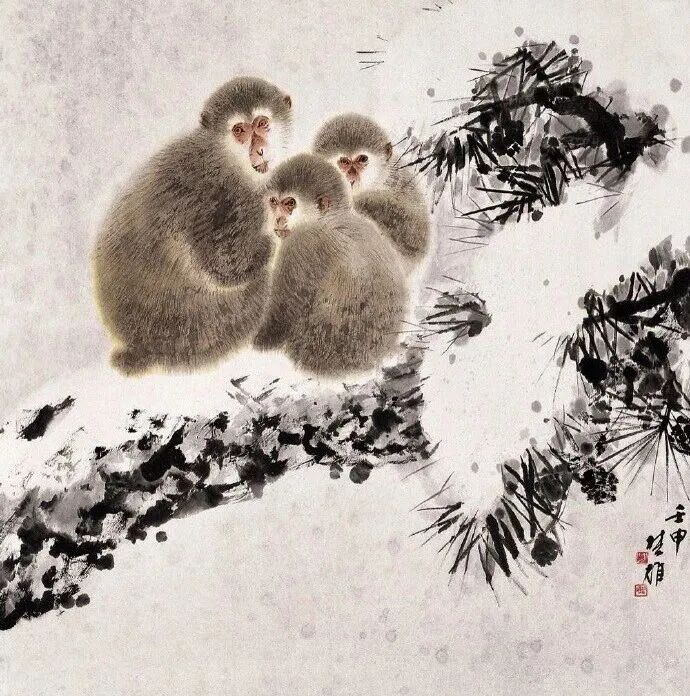
Snow Monkey by Fang Chuxiong
Great Cold / 1.20
Greater Cold is the last solar term among the 24 solar terms. The "Tianshi" section of the "Shushi Tongkao" quotes from the "San Li Yi Zong" to explain: "The Great Cold is the middle, and its upper form is in the Small Cold, so it is called the Great Cold... The reverse extreme of the cold qi is called the Great Cold." The extreme refers to the coldness of the Great Cold.
This temperament is during the period of March 9th and April 9th, when cold waves frequently move southward, making it the coldest season of the year and also the period with the least rainfall. People often say 'Great Cold comes every year, not on the third nine but on the fourth nine', implying that Great Cold is already very cold. In fact, the Great Cold is only opposite to the Minor Cold, both of which are solar terms that characterize the degree of cold weather. In some areas, the temperature of the Great Cold is not lower than that of the Minor Cold, and the Great Cold only indicates a trend in ancient people's perception of cold climate change.
The Great Cold is the season when all things hide, with the weather gradually warming up from the coldest, and winter slowly ending, just in the transitional period from winter to spring.
Greater Cold · San Hou

Yi Hou | Chicken's First Milk
The meaning of "chicken milk" is that chickens are just starting to raise their offspring. Due to the fact that hens need a certain amount of sunlight to lay eggs, there is less sunlight exposure before the Great Cold Festival, so they lay very few eggs. The uterus and ovaries of older hens need to be stimulated by ultraviolet light, and if there is less sunlight exposure, the mineral elements such as vitamin D required for egg laying will also be reduced. Therefore, at the beginning of the Great Cold season, with increased sunlight exposure, the old hens can lay eggs and reproduce.
Er Hou | Conquering birds with severe illness
Another name for "Zheng Niao" is "Eagle Falcon", which is a relatively fierce bird. This type of bird is capable of carrying a small piece of tree and enduring countless hardships to cross the Pacific Ocean. It often has to carry a tree trick because it is too tired halfway and can throw the tree trick on the water and then stand on it to rest. When it is hungry, it can immediately catch fish to eat, and finally achieve success in crossing the Pacific Ocean.
San Hou | Shui Ze Fu Jian
Shuizhe "refers to a lake, and" bu "refers to the middle of the lake." jian "means strong. During the cold season, the ice on the water surface will form in the middle of the lake, and the entire ice will become more and more solid. At this time, everyone can play freely on it. Generally, in the last few days of the year, the ice on the water surface is relatively solid. But recently, the weather has been quite cold.

Greater Cold· Customs
/ Tail Teeth Festival/
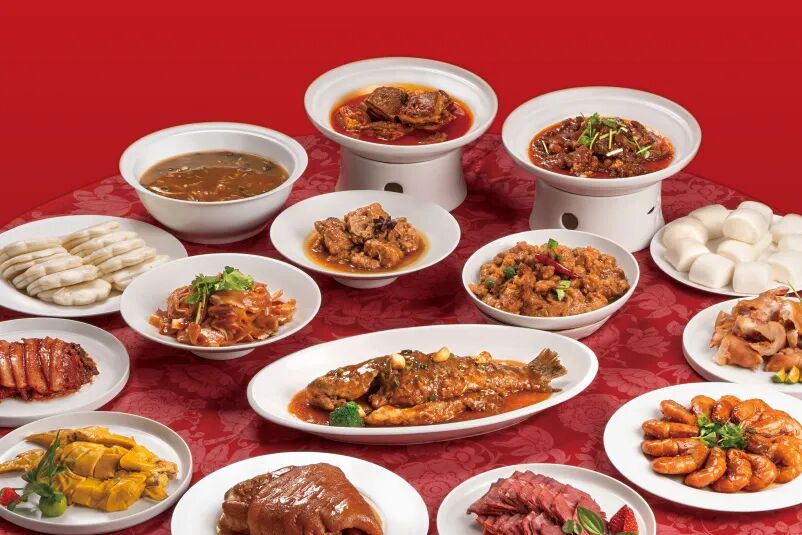
In some parts of southern China, during the Great Cold season, there is an important custom of bidding farewell to the old and welcoming the new, called "making tail teeth", also known as "tail tooth sacrifice". Making "teeth" refers to worshiping the Earth God (the God of Wealth and Righteousness) on the second and sixteenth day of the lunar calendar every month, placing various offerings on the altar, and allowing the Earth God to "make teeth sacrifices". People determine the second day of the second lunar month as the "head tooth", and on the sixteenth day of the twelfth lunar month, it happens to be the "tail tooth".
/ Eating glutinous rice/
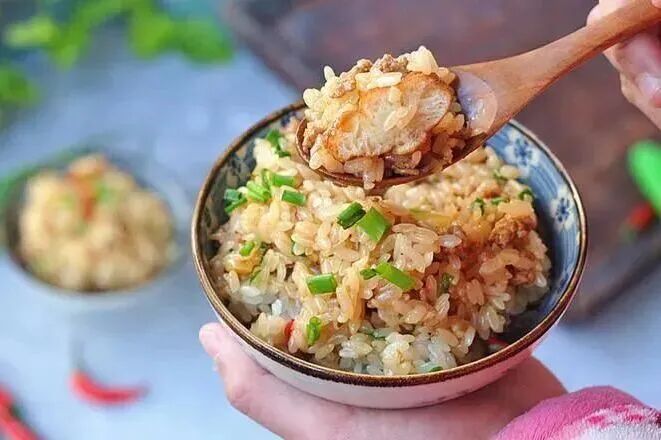
In the old days, the cold prevention conditions were simple and there were no more nutritional supplements to eat. Starting from the Great Cold, eating a bowl of glutinous rice was considered a health supplement. Traditional Chinese Medicine believes that glutinous rice is warm in nature and sweet in taste. It enters the lungs and spleen meridians, and has the effects of tonifying deficiency, replenishing blood, strengthening the spleen, and warming the stomach. It is a mild tonic. Nowadays, in the Guangdong region, every household will also cook a pot of fragrant glutinous rice, mixed with "preserved meat", shrimp, dried squid, winter mushrooms, etc., to welcome the arrival of the Great Cold Festival.
/ Sweep dust and paste windows/
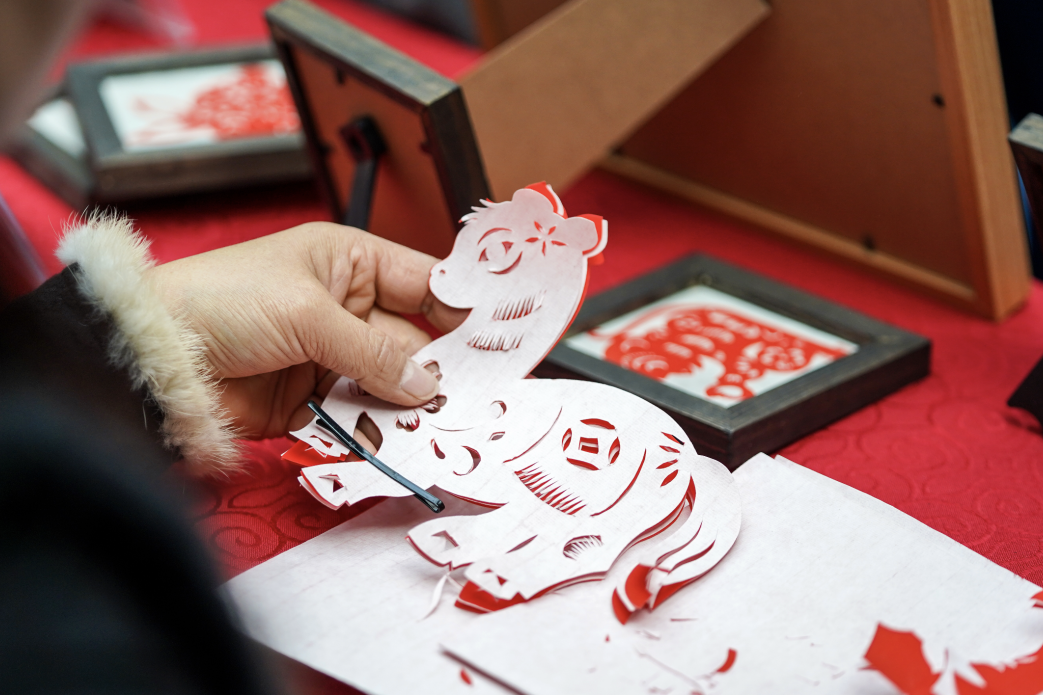
The Great Cold Dust Removal, also known as a thorough cleaning, is to dispel the old and welcome the new year. Every household brushes the walls, sweeps away bad luck, and sweeps away bad luck. Window pasting is using new paper to paste windows, paste windows, and exchange for good luck. For the sake of aesthetics, some families will cut some auspicious patterns and paste them on the windows, so they are also called window decorations.
Greater Cold · Health Preservation
The Great Cold solar term is the stage when yang energy is deeply stored and yin cold is most abundant. Health preservation should pay attention to dispelling cold and keeping warm, hiding yang energy, in order to conform to the characteristics of "winter seclusion".
/Daily life/
Greater Cold is the season when vitality lurks and all things hide. At this time, the days are short and the nights are long, and the yang energy is generated late and converged early. The metabolism of yin and yang in the human body is quite slow, and yin essence still needs to be further nurtured. Yang qi should not be disturbed too early. In daily life, attention should be paid to going to bed early and getting up late, ensuring sufficient sleep time to facilitate the hidden Yang energy. As stated in the "Yellow Emperor's Inner Canon: Questions on the Four Qi Regulating Spirits", "In the third month of winter, when you sleep early and wake up late, you must wait for sunlight... This response to winter qi is the way to nourish and store it. Adequate sleep can nourish your energy and help your body resist the cold.
/Diet/
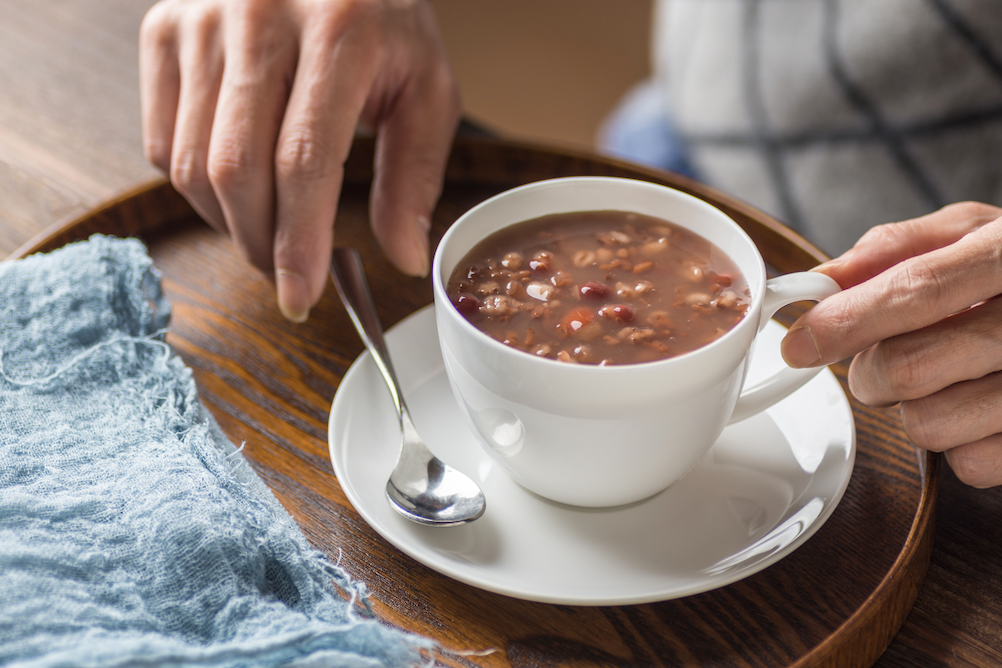
The Great Cold is a transitional period from winter to spring, and one's diet and daily life should follow suit. The core of the Great Cold diet is "warming and nourishing". In response to seasonal changes, it is advisable to add some foods with ascending and dispersing properties during dietary supplementation to prepare for the characteristics of spring growth. However, it is important to pay attention to "warm but not dry, nourishing but not greasy". Although it is advisable to eat hot food, do not eat too much hot and dry food, stay away from cold foods, and prevent damage to the spleen and stomach yang qi.
/Sports/
It is necessary to follow the principle of "winter nourishment and storage", maintain mental stability, store the spirit inside, and keep the body's qi and blood in a harmonious state. Let the qi and blood have enough energy to nourish the five organs and six viscera, and let the busy body rest well after a year, so as to have the strength to welcome the good luck of spring! At this time, exercise should be moderate. Excessive exercise can lead to damage to yang energy and also cause some sports injuries. It is recommended to choose some gentle exercises, such as jogging, brisk walking, Tai Chi, Baduanjin, etc. Try to exercise during the day and when there is ample sunlight.
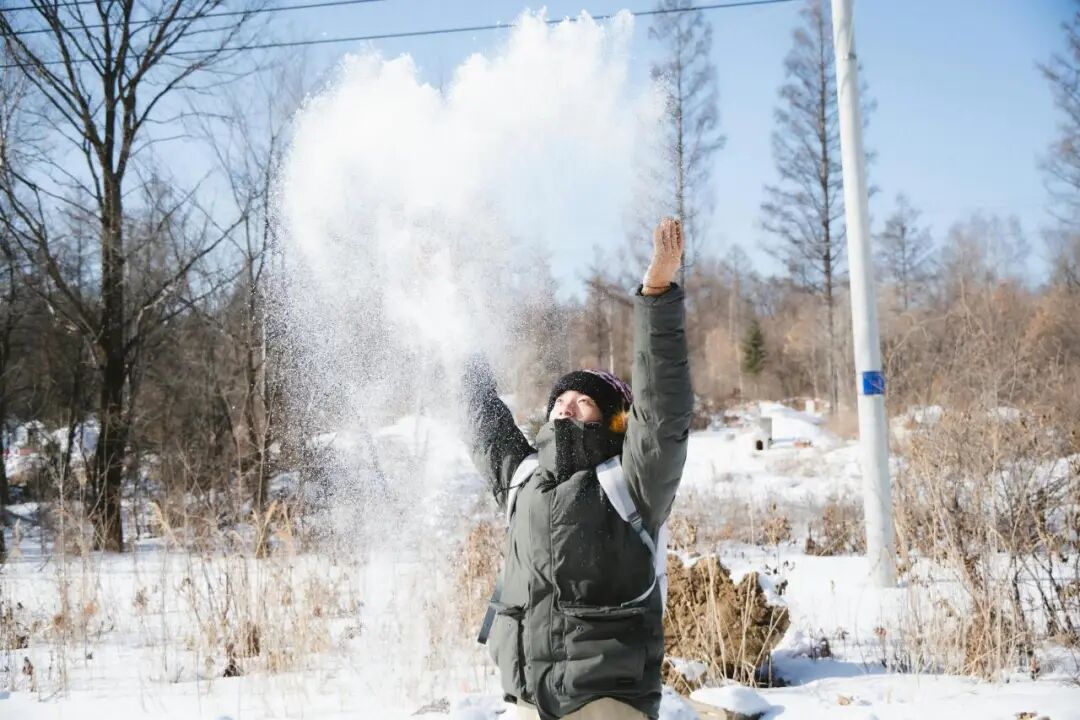
At the end of the Great Cold, all things are dormant, but they also harbor hope for new life. In the poetry of ancient people, one can appreciate the tranquility of "the great cold and snow have not yet dissipated, closed doors cannot come out", and also feel the resilience of "like the frost leaves, the colors are gentle at dusk". When spring returns to the earth, continue writing your own poetic chapter, let life bloom with a unique brilliance in this flowing time.
24 Solar Terms
It is a specific festival in the Chinese lunar calendar that represents changes in natural rhythms and establishes the concept of "building in December". It was originally formulated based on the rotation of the Big Dipper and the movement of the stars. The Big Dipper rotates in a circular motion, with the handle rotating one circle to the east, south, west, and north, forming a cycle known as a "year". Each rotation cycle begins at the beginning of spring and ends at the end of the Great Cold. The "24 solar terms" is an important part of the long history and culture of the Chinese nation, which embodies the essence of the history and culture of Chinese civilization. Through historical development, the lunar calendar has incorporated the solar terms of the dry branch calendar as a supplement to the calendar, and adjusted it to conform to the tropical year through the "leap method", forming a yin-yang combined calendar. The "24 solar terms" have become an important part of the lunar calendar. In the international meteorological community, the 24 solar terms are known as "China's fifth great invention". On November 30, 2016, the 24 solar terms were officially included in the UNESCO Representative List of the Intangible Cultural Heritage of Humanity.
