Aesthetic rural construction empowers creative practice
Bay Area youth learn the wisdom of cultural revitalization
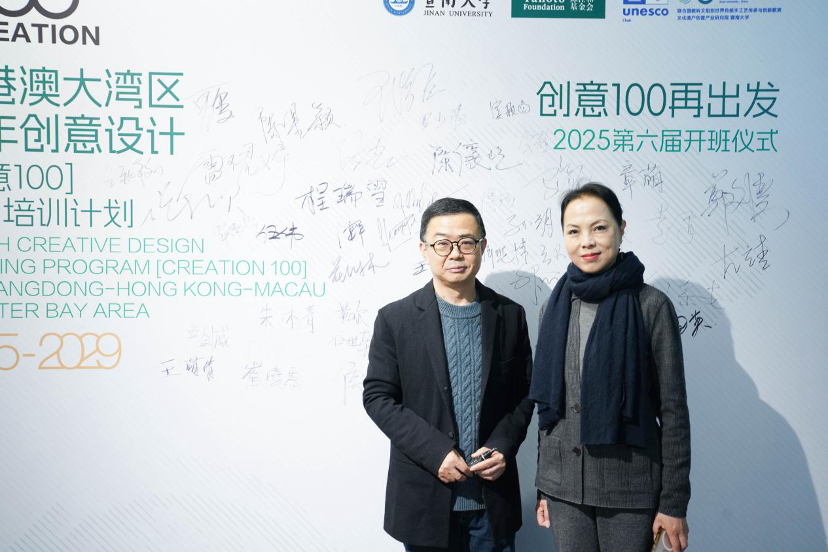
Professor Zuo Jing share the topic《Aesthetic Practice in Dananpo》
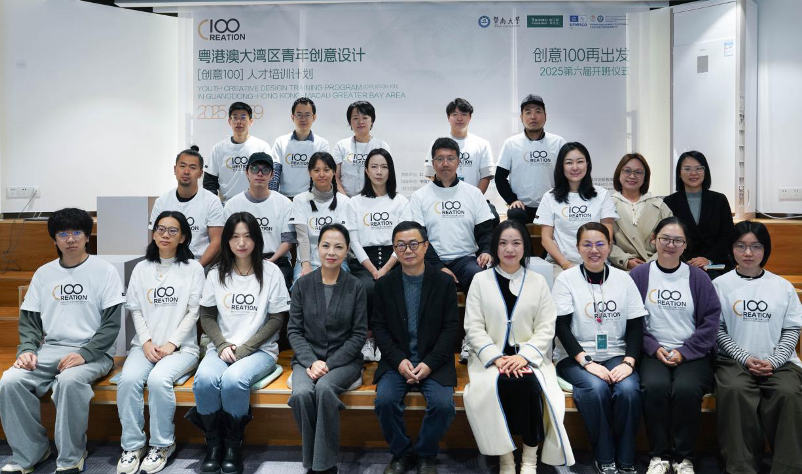
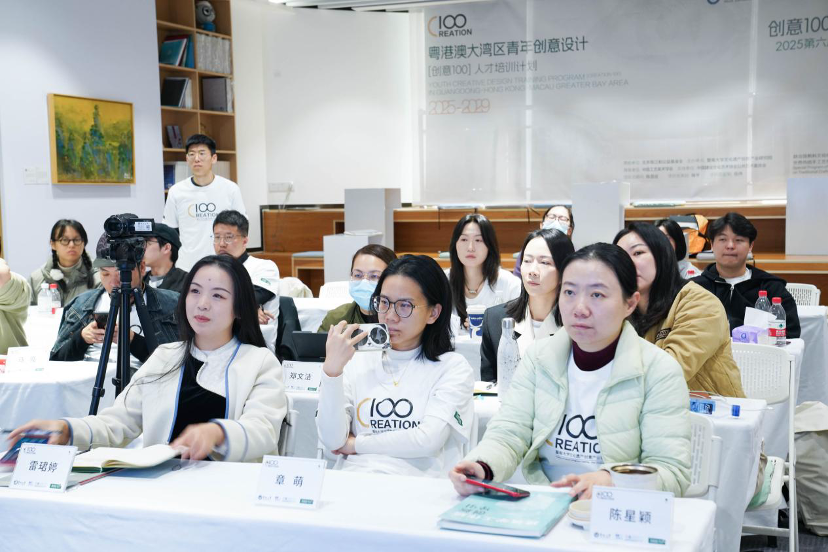
On December 14, 2025, the sixth "Guangdong-Hong Kong-Macao Greater Bay Area Youth Creative Design (Creativity 100) Talent Training Program" entered its seventh day. In the morning, Zuo Jing, an authoritative expert in rural construction, presented a sharing session on the theme of "The Aesthetic Practice of Dananpo", using vivid cases to decode the innovative paths of traditional revitalization and rural revitalization for 23 students from Guangdong, Hong Kong, and Macao. In the afternoon, each group proceeded with their creative work separately. The group that had not yet started their project focused on the core theme of "Flowers Blooming in Guangzhou" to determine their direction, while the group that had already decided on their topic integrated the knowledge learned in the morning into their creative practice through field research or deepening their plans.
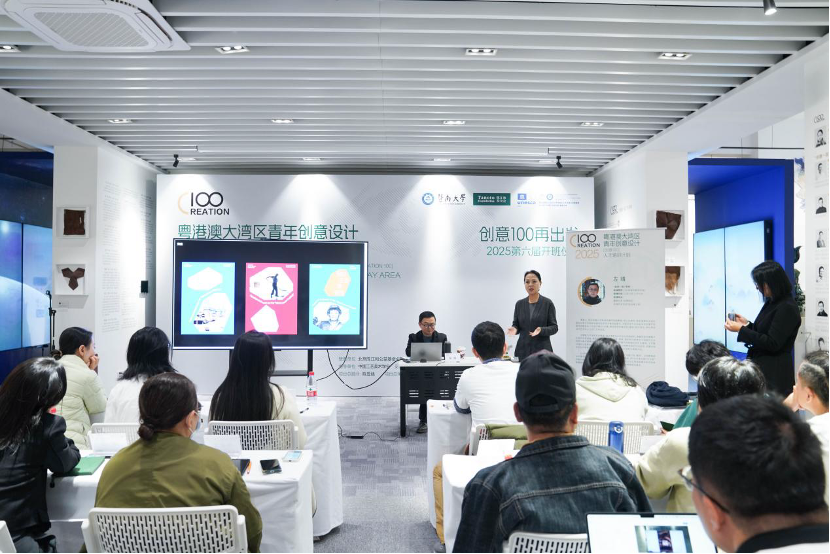
This training, specially planned by the UNESCO Chair in World Traditional Crafts Preservation and Innovation, hosted by the Institute of Cultural Heritage and Creative Industries at Jinan University, and funded by the Beijing Chen Jianghe Public Welfare Foundation, spans ten days. With the theme of "Blossoming Guangzhou", it delves deeply into Lingnan garden culture and builds a platform for youth creative exchange in the Greater Bay Area. As the vice chairman of the Rural Creativity Expert Committee of the China Cultural Industry Association and a member of the UNESCO Rural Creativity and Sustainable Development Chair Academic Committee, Professor Zuo Jing has been deeply involved in rural construction for many years. His sharing centered around core concepts, practical methods, case studies, and achievements, providing profound inspiration to the participants.
In terms of rural construction philosophy, Zuo Jing emphasizes three core principles: "serving the community, preserving regional characteristics, and connecting urban and rural areas." He points out that rural construction should be centered around the villagers, meeting their needs through specific actions such as reviving the Huaibang Opera Troupe and offering children's art education courses, so that villagers can become beneficiaries of culture. It is necessary to deeply explore local historical culture and product characteristics, such as refining the four key words of "mountains and rivers, crops, craftsmanship, and demeanor" in Danapo Village, and transforming the culture of the Seven Sages of the Bamboo Grove into the contemporary era. At the same time, a bridge should be built between urban and rural areas, introducing urban art resources while promoting rural values to urban stages such as Shanghai and New York.
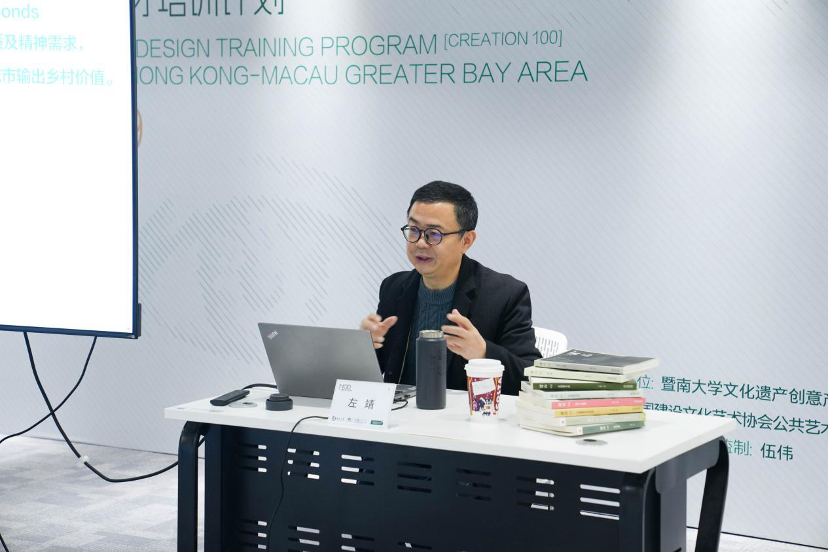
In the sharing of practical methods, Zuo Jing proposed a four-in-one model encompassing "relationship production, spatial production, cultural production, and product production." He advocated for the transformation rather than the construction of new buildings, and the revitalization of existing buildings to reduce carbon emissions. The case of transforming old buildings in Dananpo Village into spaces such as Fangsuo Rural Bookstore is impressive. By diversifying forms such as off-village exhibitions, local exhibitions, book publishing, and cultural activities, the rural cultural ecology is enriched. At the same time, local specialty products are designed to achieve a win-win situation for both cultural and economic values.

The transformation story of Dananpo Village has become the highlight of this sharing session. This village, once a provincial-level deeply impoverished area, has been systematically developed by Zuo Jing's team through spatial transformation, cultural exploration, and community building. It has not only become a key village for national rural tourism but also won multiple honors such as the Top Ten Cases of Rural Revitalization by the Ministry of Culture and Tourism. Its experience has even been included in the college entrance examination questions. Zuo Jing emphasized that artistic rural construction should transcend mere form and focus on long-term companionship and practical responsibilities, tackling challenges like rural depopulation through multi-stakeholder cooperation.
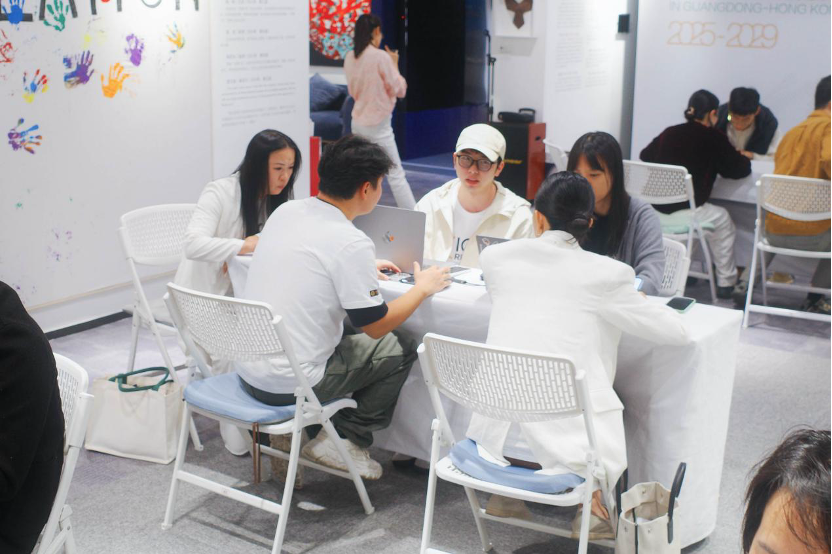
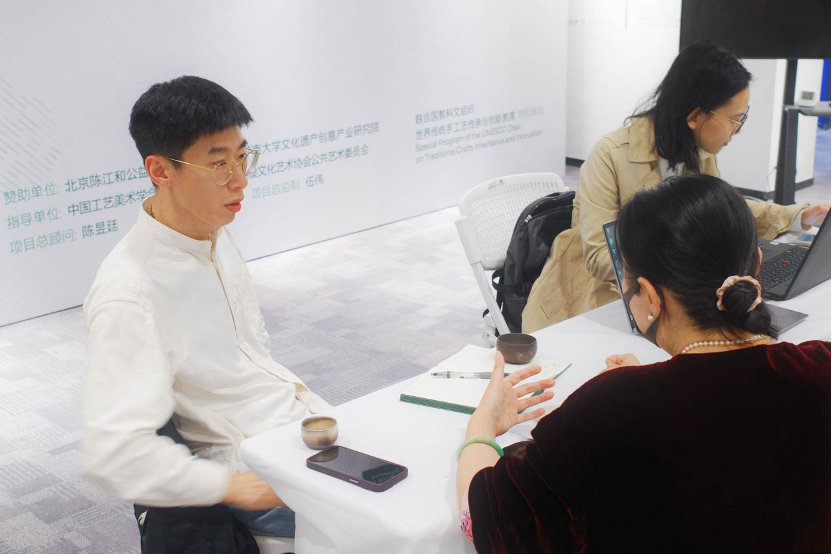
During the afternoon creative session, the students quickly absorbed and shared the essence of the topic. The undecided group focused on the theme of "Flowers in Guangzhou", combining Lingnan garden elements with rural revitalization ideas, and actively discussing the modern transformation paths of flower cultures such as kapok and bougainvillea. The decided group either conducted in-depth research on the details of Guangzhou's streets and alleys in Shipai Village, or optimized their design schemes in the classroom, attempting to integrate rural revitalization concepts such as "local culture exploration" and "traditional creativity transformation" into their work creation. Some groups stated that the case of Danapo Village proves that traditional revitalization needs to be rooted in the local and connected to life, which provides a new perspective for the group's Lingnan garden theme design.
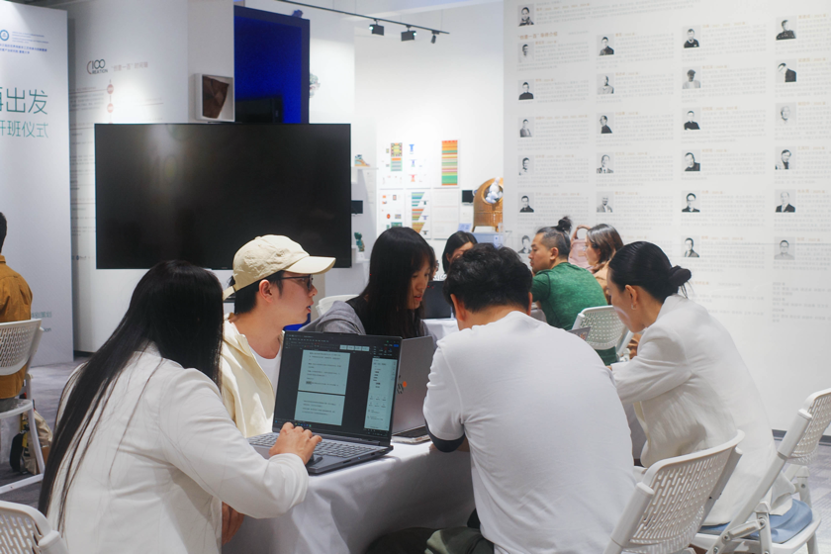
As a creative talent cultivation brand deeply rooted in the Bay Area, "Creativity 100" has always adhered to the mission of "activating culture with creativity and serving society with design". As the training enters its critical stage, the students will continue to integrate the core of Lingnan garden culture with diverse creative methodologies. Subsequently, they will refine their plans through on-site fieldwork, and ultimately, outstanding works will be brought to market through achievement exhibition, cultural and creative transformation, and other forms, injecting youthful momentum into the development of the cultural and creative industry in the Greater Bay Area.