Authoritative master classes in different fields
Inject diverse inspiration into the creativity of Bay Area youth
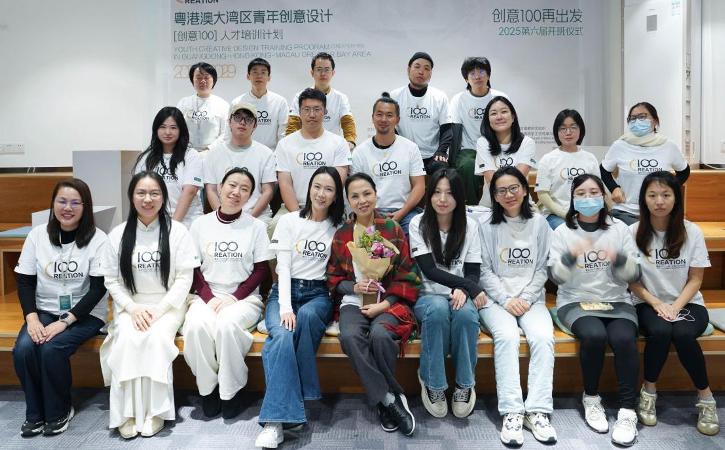
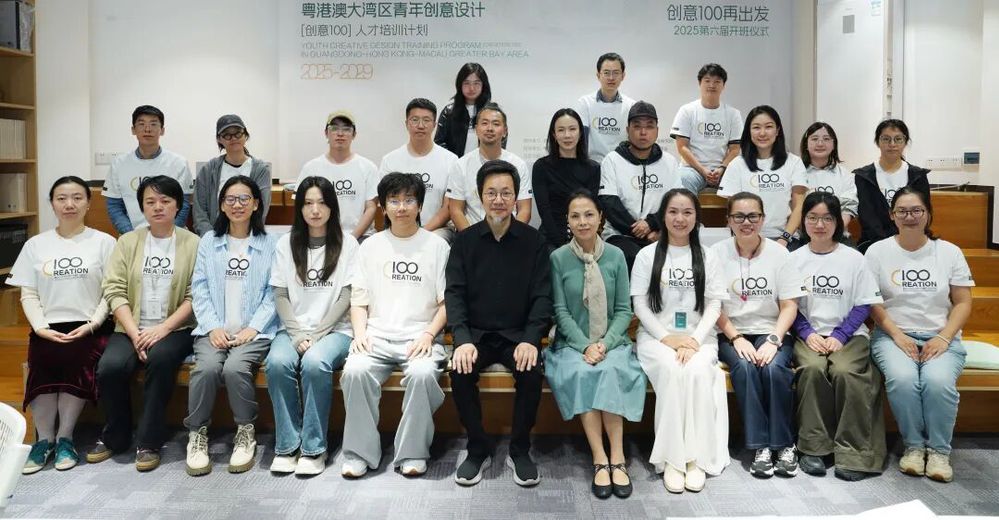
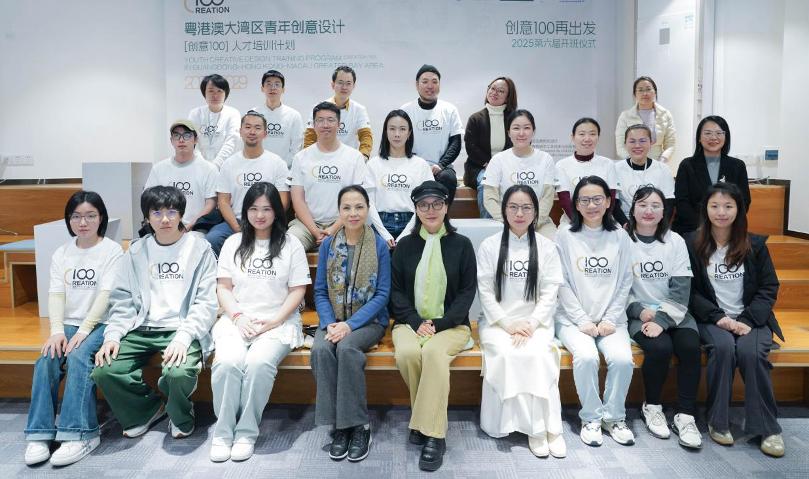
The 6th "Guangdong-Hong Kong-Macao Greater Bay Area Youth Creative Design (Creativity 100) Talent Training Program", a professional training initiative planned by the UNESCO Chair in World Traditional Crafts Heritage and Innovation, hosted by the Institute of Cultural Heritage and Creative Industries at Jinan University, and funded by the Beijing Chen Jianghe Charity Foundation, gathered 23 young students from Guangdong, Hong Kong, and Macao under the theme "Blossoming Guangzhou". From December 11th to 12th, several industry experts in product design, interior design, traditional crafts, color design, and more were invited to provide comprehensive knowledge empowerment from concept to practice, injecting diverse inspiration into the students' creative creations.
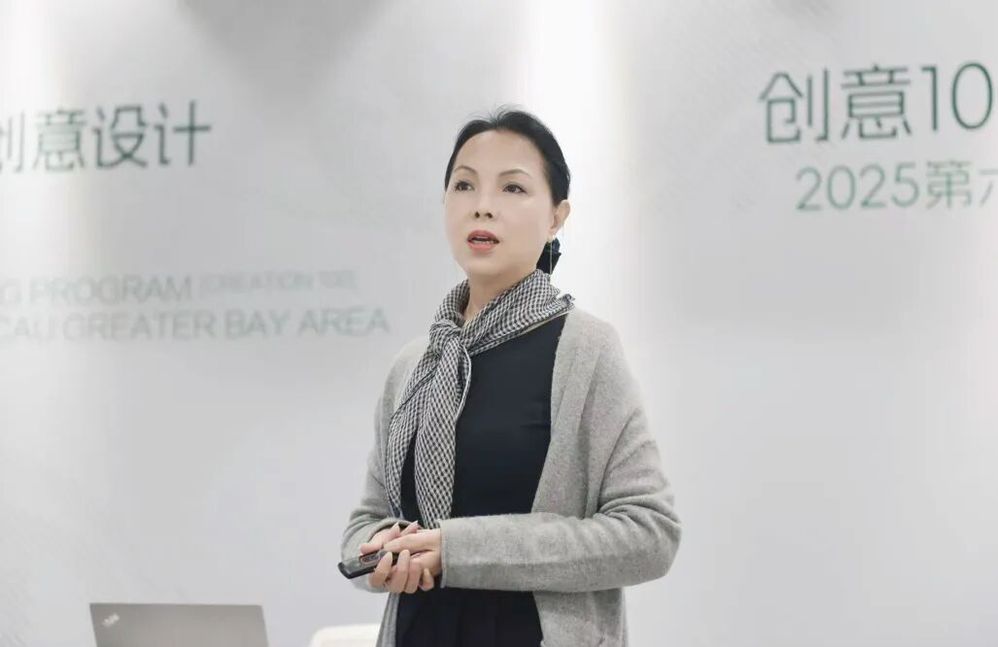
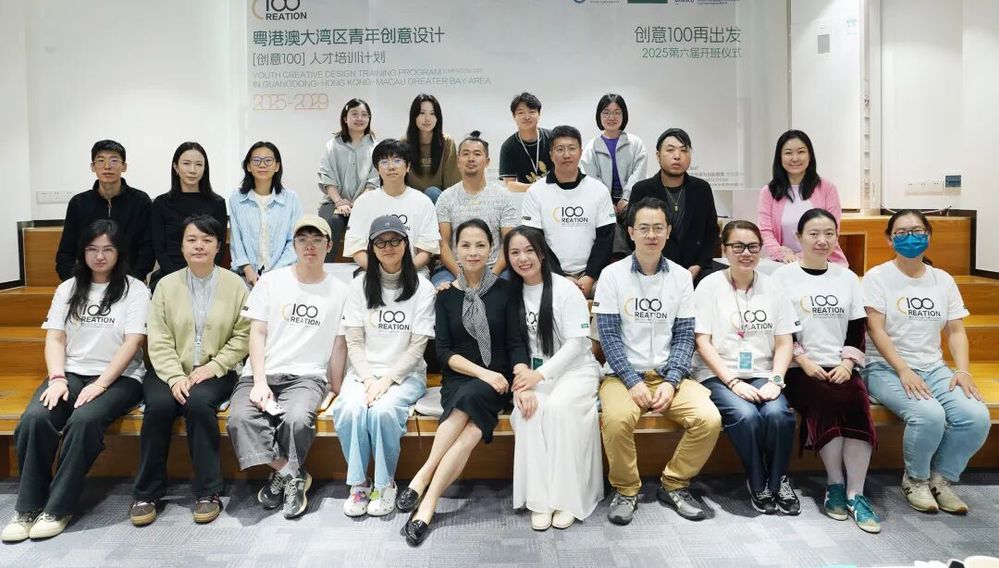
Supervisor: Professor Chen Ping
Lecture topic 《International Dissemination Channels of Cultural Heritage in a New Perspective》
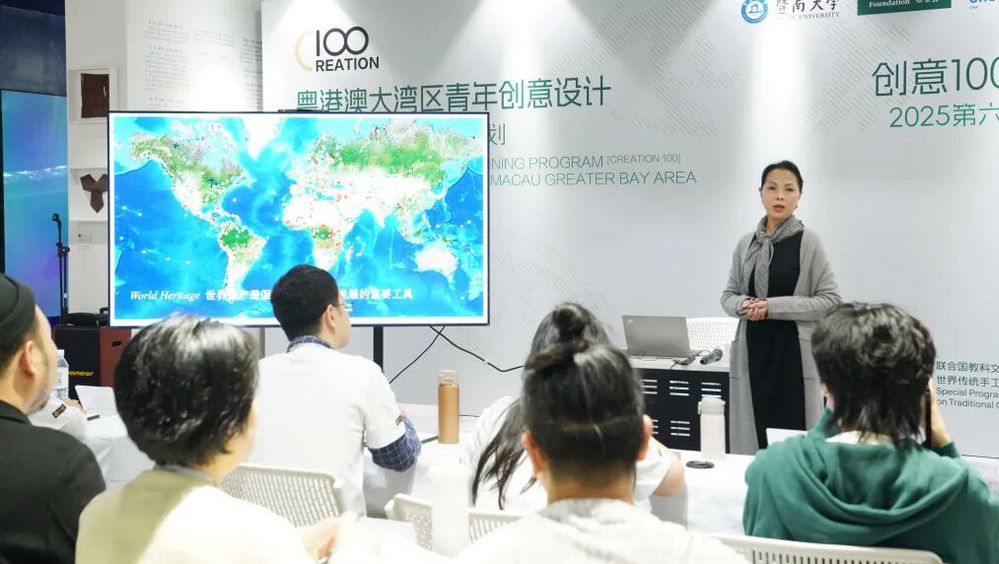
Professor Chen Ping, founder and chief planner of the Creative 100 Project, chief chair of the UNESCO Chair for the Inheritance and Innovation of World Traditional Crafts, global chairman of the International Organization of Folk Art (IOV), and dean of the Cultural Heritage Creative Industry Research Institute at Jinan University, pointed out in a lecture on the morning of December 11 that the core of world heritage lies in its "outstanding universal value" rather than competition, using the Abu Simbel Temple as an example. She traced the evolution from cultural heritage to intangible cultural heritage (ICH), emphasizing that the soul of ICH lies in intangible skills and spirit. She also pointed out the current misconception of separating "traditional art" from "traditional skills". She proposed that the revitalization of cultural heritage should be achieved through creative design, transforming it from a historical "resource" into contemporary "capital". Design needs to connect cultural genes with modern demands, deeply rooted in social soil, and serve as a mission. She encouraged young designers to transcend the "small self", pay attention to social needs, and convey humanistic warmth through creativity, laying the core tone of "focusing on society, transcending the small self, and serving people with creativity" for the project.
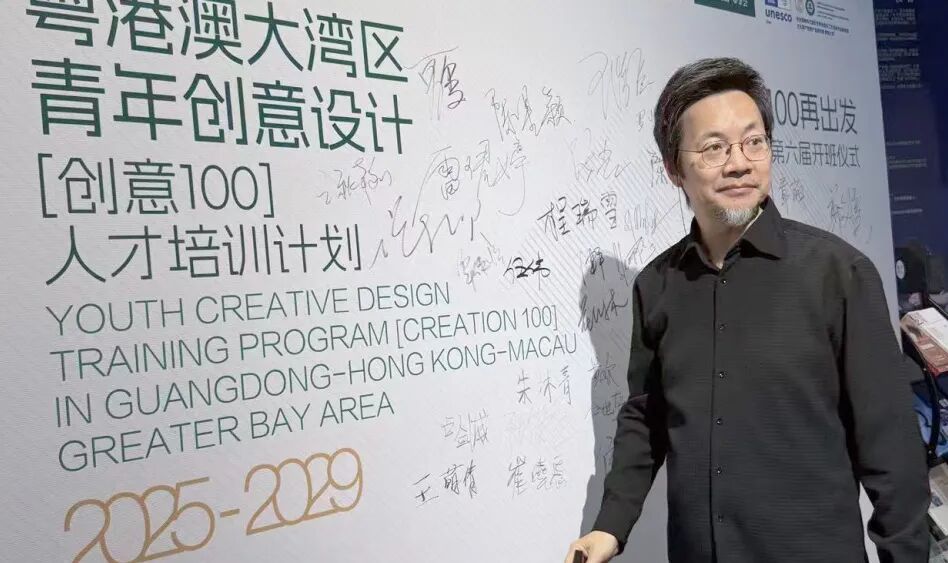
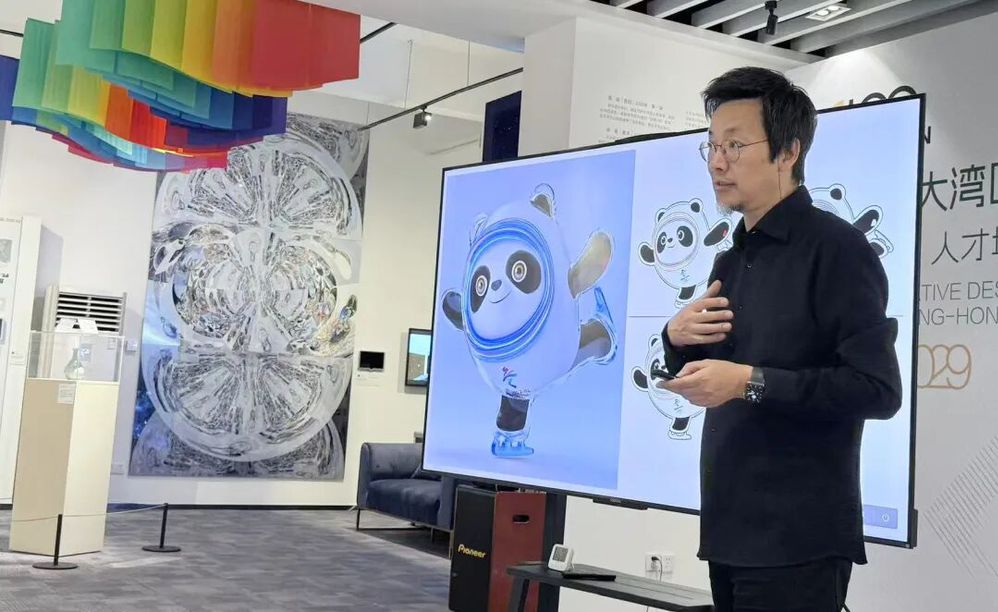
Professor Cao Xue, our mentor, gave a lecture titled 《Designing the Eye》
Professor Cao Xue, a former professor and doctoral supervisor at Guangzhou Academy of Fine Arts, and the head of the design team for the Beijing 2022 Winter Olympics mascot "Bing Dwen Dwen", pointed out in the "Design Eye" lecture on the afternoon of December 11 that designers need to possess both academic and practical abilities, with expression being the core. He emphasized that design should not only create commercial value, but also build positive values to lead social concepts. The focus of designers should always be on people, nature, and all things, with the highest realm being "natural expression" rather than deliberate expression. Professor Cao Xue demonstrated how to transform cultural thinking into simple and powerful visual language through examples such as the Guangzhou city logo and the "Hello China" logo. He emphasized the social function of design, whether it is packaging to solve the problem of children taking medicine or barrier-free design, all aimed at changing behavior and serving life. Through Bing Dwen Dwen and various social innovation cases, he conveyed the fundamental mission of design: beyond form and utility, using creative insight to perceive needs, contributing humanistic value with solutions, carrying emotions and care, which is precisely the responsibility of design workers.
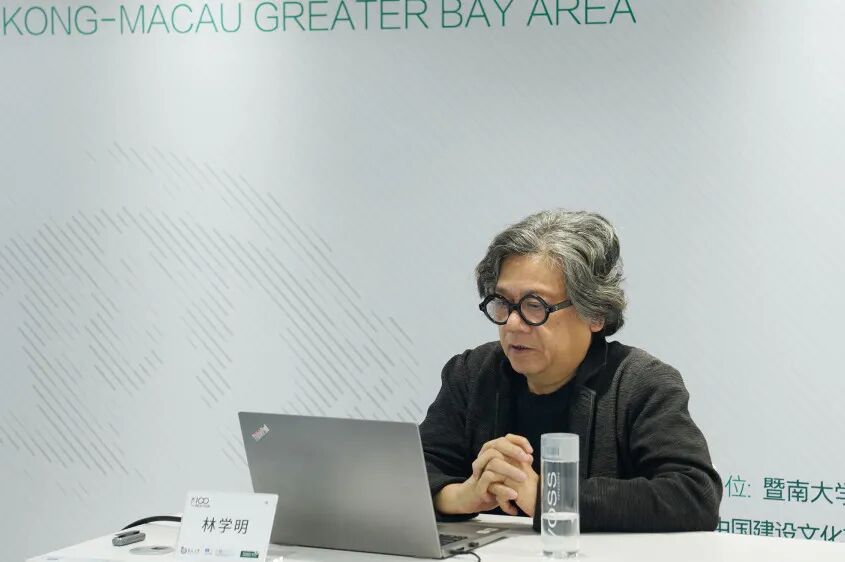
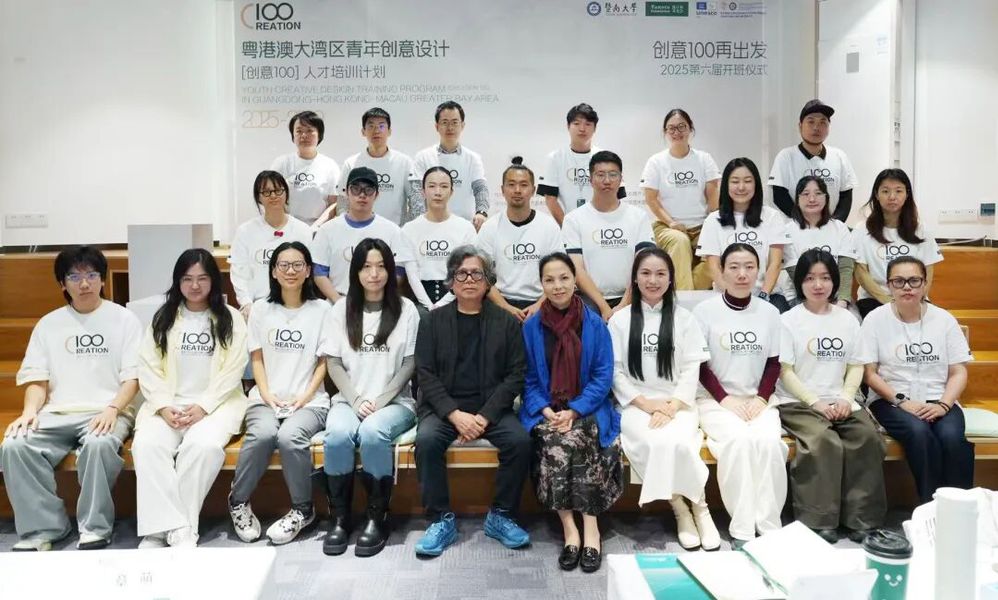
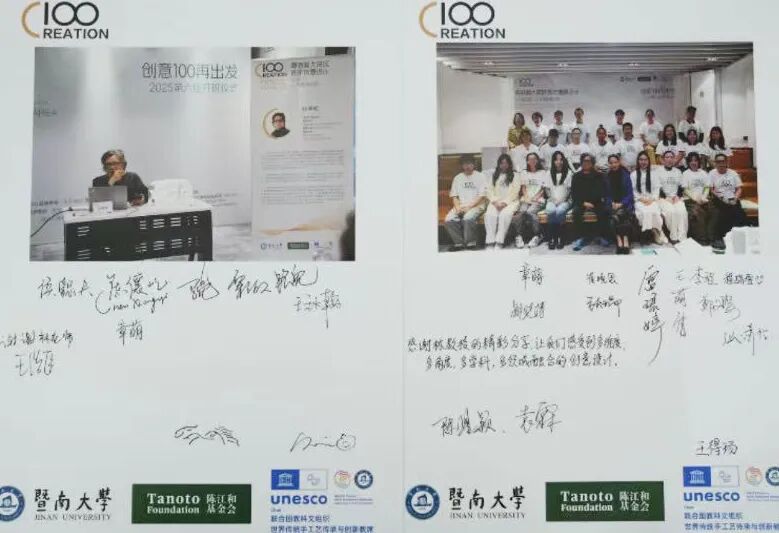
Supervisor: Teacher Lin Xueming
Lecture Title: "Unlocking Creativity: Constructing Design Context from an Artistic Perspective"
In the lecture "Unlocking Creativity: Constructing Design Context from an Artistic Perspective" held on the morning of December 12th, Mr. Lin Xueming, an interior designer, contemporary artist, and co-founder of Jimei Group Design Institute, pointed out that true creativity encompasses the systematic abilities of perception, cognition, and construction. Designers need to cultivate a multidimensional perception that perceives the essence and historical context of things, and be able to select materials, construct systems, and transform ideas into structural entities. In the era of AI, it is even more important to persist in drawing nourishment from nature and art, and maintain the warmth of creativity through hands-on practice. He cited the overall design of Qingdao Metro Line 1 as an example, proposing the concepts of "spatial integration" and "seeing light without seeing lights," integrating artistic thinking into public transportation. By extracting Qingdao's urban imagery (such as red houses and waves) and transforming it into abstract visual melodies, it not only shapes spaces with rich regional characteristics but also promotes innovation in material and lighting specifications. His artistic creations (such as the "Wall" series) also demonstrate the complete path from social observation to conceptual construction. He emphasized that design should transcend form and technology, returning to a deep observation of life, nature, and history, and conveying humanistic poetry in the construction of order. This is the core to cope with the future and achieve sustainable innovation.
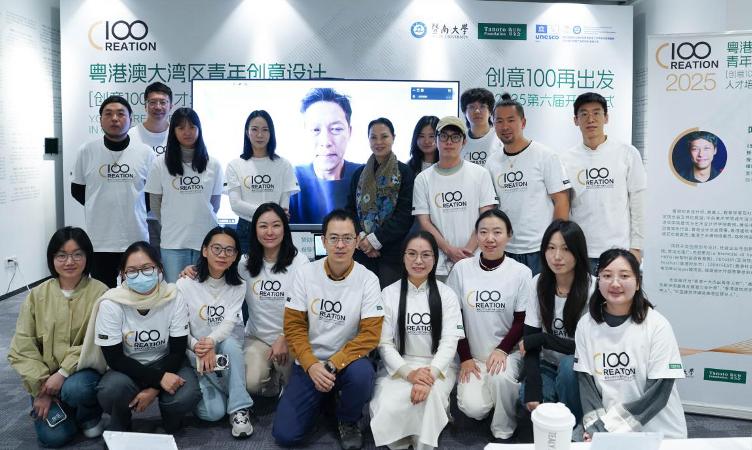
Supervisor: Professor Ye Chang An
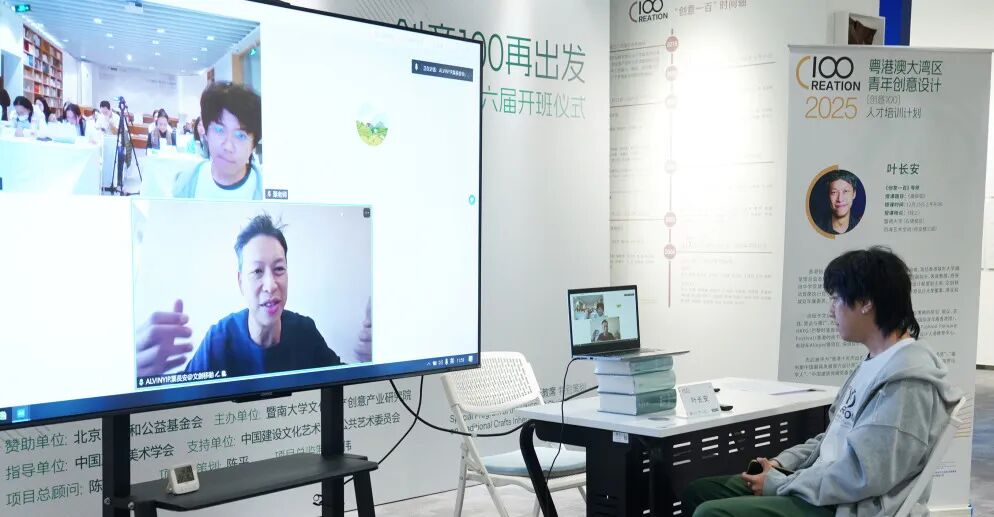
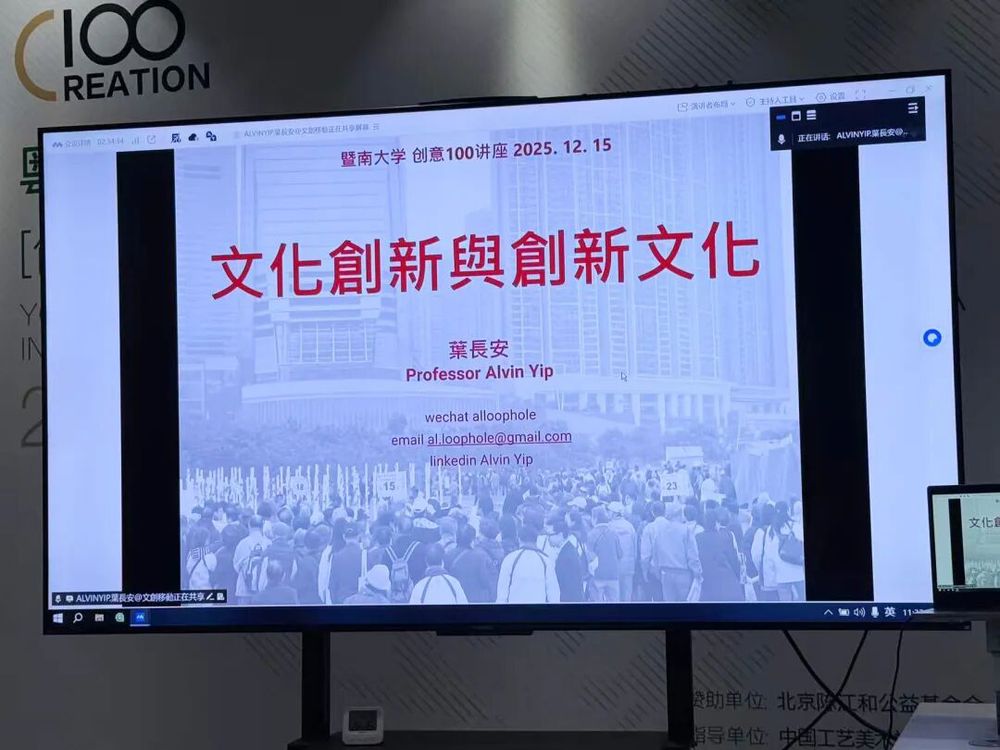
Online lecture topic: "Cultural Innovation and Innovative Culture"
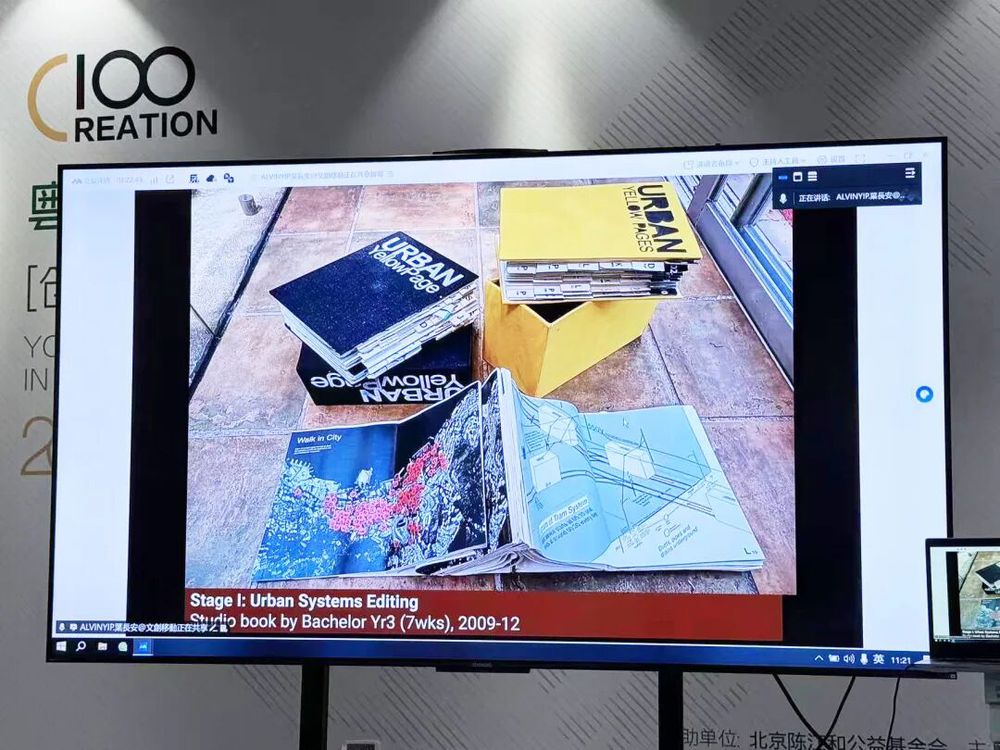
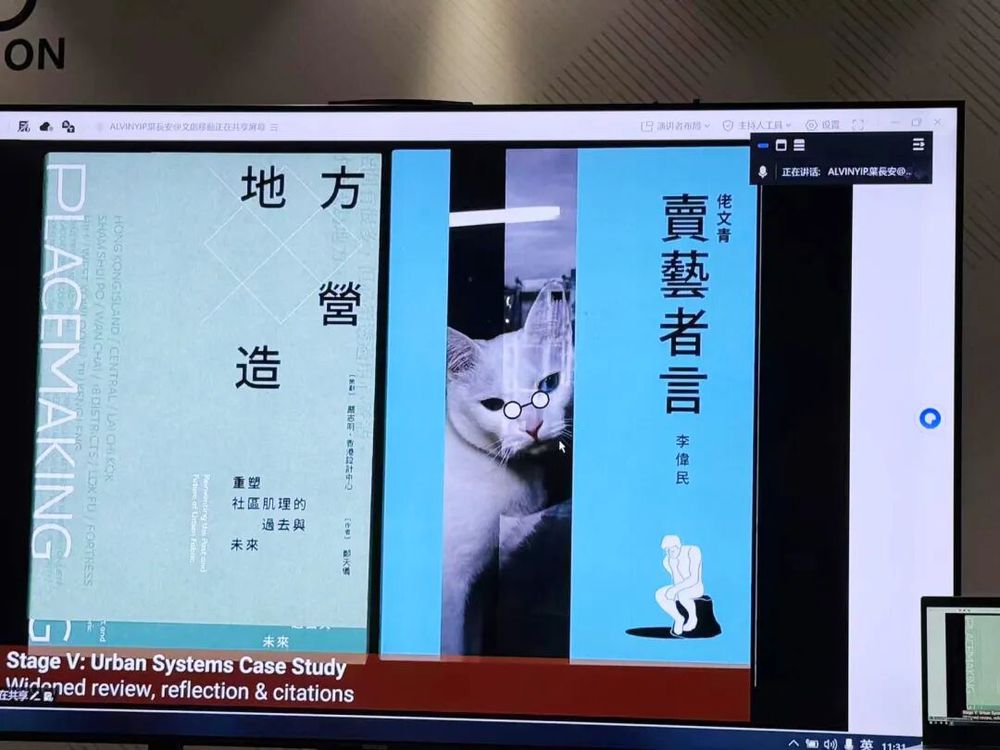
As the Director of the Exhibition Gallery at the City University of Hong Kong and the Chief Curator of the Hong Kong Pavilion at the Venice Biennale, Professor Ye Chang'an gave a lecture titled "Cultural Innovation and Innovative Culture" on the morning of December 15, tracing the evolution of the concept of innovation from its socio-cultural connotations in English literature dating back to 1858 to its development across different historical stages. Professor Ye used the analogy of "hedgehogs and foxes" to highlight that the core of entrepreneurship lies in clear self-positioning, and shared multiple case studies such as the Community Art Center, cow dung mosquito coil, and the renovation of back alleys in Kwun Tong District, elaborating on the positioning logic of projects like "Missionary" and "Catalyst". His 10-year deep exploration of the Ding Ding Che industry-university-research project, from prototype design to the transformation process of creating a cultural tourism route in collaboration with the Peninsula Hotel, provided participants with an intuitive understanding of the commercial implementation path of cultural innovation. During the Q&A session, he provided advice for the "Flowers Blooming Guangzhou" project, suggesting combining environmental protection concepts with community participation to enrich the theme expression through creative forms such as making flowerpots from plastic waste.
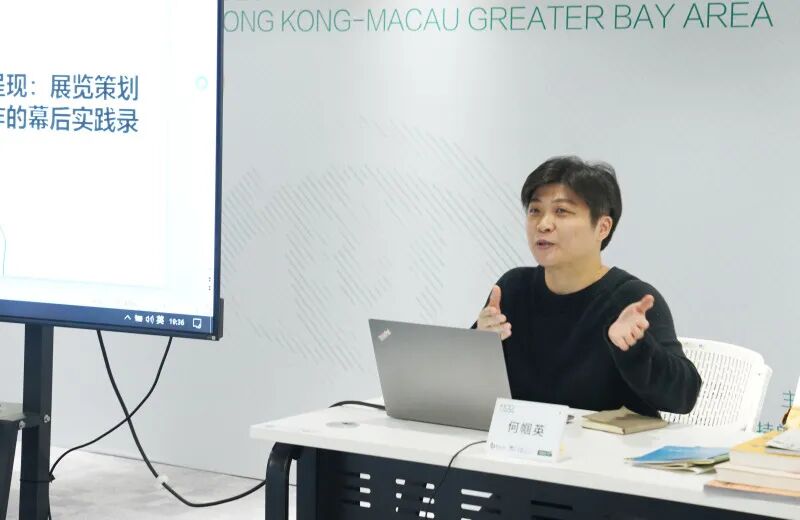

Guest speaker He Guoying shared the topic "Beyond Presentation: A Behind-the-Scenes Record of Exhibition Planning, Design, and Production"
On the evening of December 12th, He Guoying, founder of Liangfeng Design, systematically shared the entire process logic of exhibition planning, deeply analyzing the characteristics of curating for different types of venues such as public, private, university, and commercial. Combining practical cases such as Boyce, Cai Chusheng, and Jingtailan, she vividly explained the core principle of "serving exhibits and transmitting culture" in exhibition design, from the generation of curatorial ideas, cultural interpretation, material innovation to on-site problem solving. Through real behind-the-scenes stories such as cross-disciplinary material experimentation, detail polishing, and emergency coordination, she demonstrated the complete process of exhibition from concept to implementation, and encouraged the trainees to face challenges with a positive attitude. She particularly emphasized the unique value of university academic exhibitions in cultural dissemination, providing valuable experience for young curators.

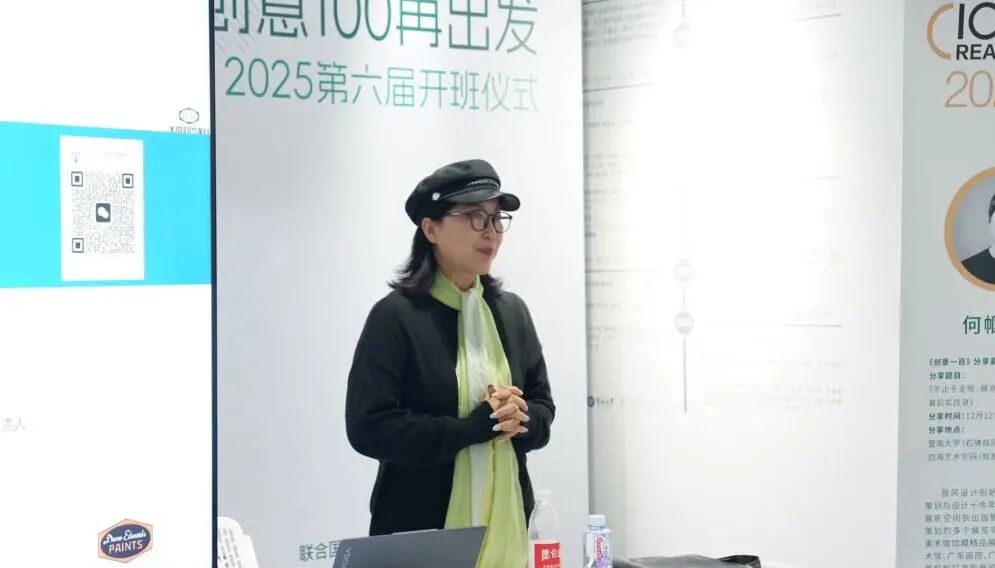
Guest speaker: Teacher Wu Liping will share the topic of "The Impact of International Historical Color Aesthetics on the Present"
On the evening of December 15th, the sharing guest, Wu Liping, a senior engineer and Color Director of Dunn-Edwards Paint China, presented a special sharing on color design. She systematically interpreted the trend of architectural color in 2026, pointing out that influenced by AI development and social sentiment, colors will exhibit a "bipolarization between extreme lightness and extreme darkness" next year, with green becoming the dominant color in architecture. Ms. Wu Liping reviewed the correlation between color evolution and social background in different eras, compared the differences between Eastern and Western color systems, and emphasized that traditional cultural color usage needs to be adjusted based on customer groups while retaining its genetic essence and integrating with contemporary popular colors. She combined cases such as the application of Starbucks green to illustrate the emotional value and commercial potential of color, providing precise color application ideas for the participants' "Blossoming Guangzhou" themed design.
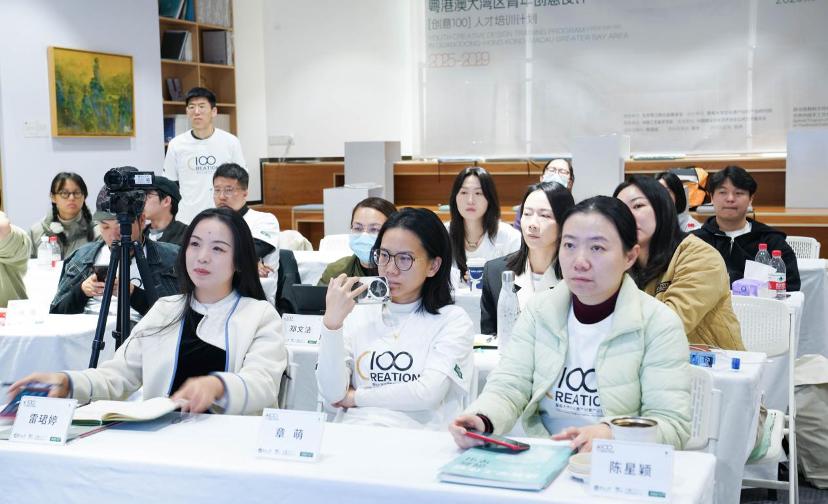
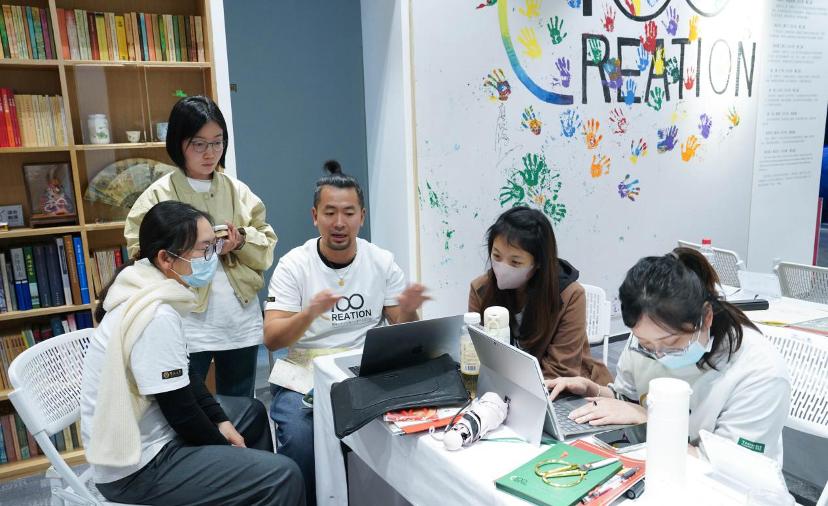
As a pivotal hub for nurturing creative design talents in the Greater Bay Area, the Creative 100 Program continuously builds a bridge between tradition and innovation through various forms such as lectures by cross-disciplinary experts, practical case analyses, and interactive discussions. The three-day course covers a complete knowledge chain, ranging from cultural innovation concepts, traditional craftsmanship inheritance to color design practice, empowering young designers to achieve creative transformation and innovative development of Lingnan culture in their thematic creations titled "Blossoming Guangzhou", thereby injecting youthful momentum into the high-quality development of the cultural industry in the Greater Bay Area.