Youth Creative Design Training
Program (Creation 100)
In Guangdong-Hong Kong-Macao
Greater Bay Area
The 2025 report of UNESCO, "Artificial Intelligence and Education: Protecting Learners' Rights," advocates for a digital education future that is "learner-centered and rights-based." It emphasizes that young people are not only the creators of the future, but also active participants in educational transformation and rights protection in the era of artificial intelligence. UNESCO's youth projects have established an inclusive and sustainable co-creation platform, encouraging young people to engage in practical activities around topics such as artificial intelligence and educational equity, the digitization of cultural heritage, and sustainable design, transforming their creativity into concrete solutions that drive social progress.
Source: UNESCO
From December 7th to 17th, 2025, the sixth training program of "Creativity 100" (2025-2029), which was specially planned by the UNESCO Chair for the Inheritance and Innovation of World Traditional Crafts, hosted by the Cultural Heritage Creative Industry Research Institute of Jinan University, and sponsored by the Beijing Chen Jianghe Public Welfare Foundation, successfully concluded after a ten-day period.
This plan thoroughly implements the important instructions of General Secretary Xi Jinping on "innovation as the primary driving force for development" and the growth and success of young people, actively responds to the United Nations' 2030 Sustainable Development Goals and UNESCO's "Science Decade for Sustainable Development" initiative, and closely aligns with national strategies such as the construction of the Guangdong-Hong Kong-Macao Greater Bay Area. By building a cross-regional, cross-cultural, and cross-media creative exchange platform, the project is committed to empowering young people to inherit culture through creativity and promote development through design, injecting continuous youth wisdom and innovative vitality into the high-quality development of the Bay Area and even the entire country.
Chen Ping, the chief planner of "Creativity 100" and the dean of the Institute of Cultural Heritage and Creative Industries at Jinan University, explained that in the process of cultural mechanism transformation, the youth group is an indispensable main force. The key to the inheritance of cultural heritage lies not in the heritage itself, but in people - especially the cognition and participation of young people. Facing challenges such as globalization, digitization, and cultural homogenization, the "future persuasiveness" of culture cannot be separated from the participation of young people.
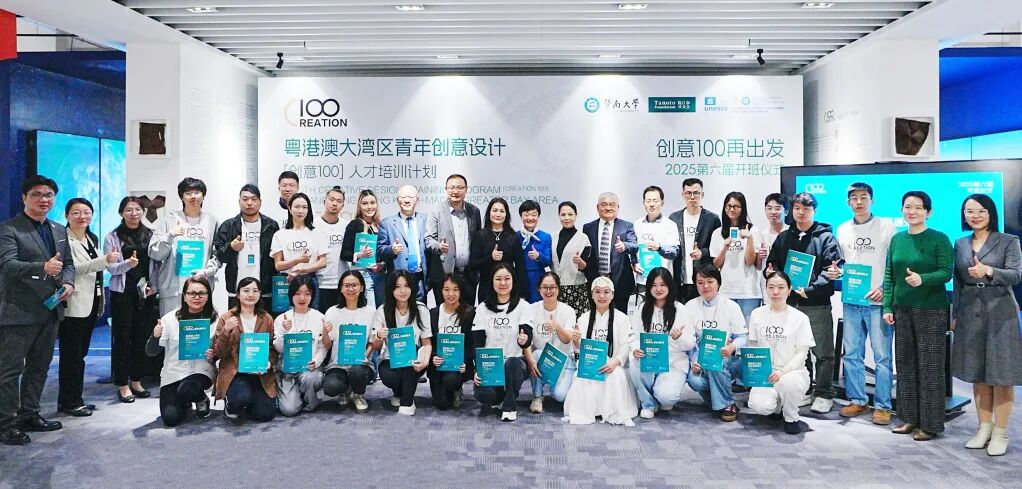
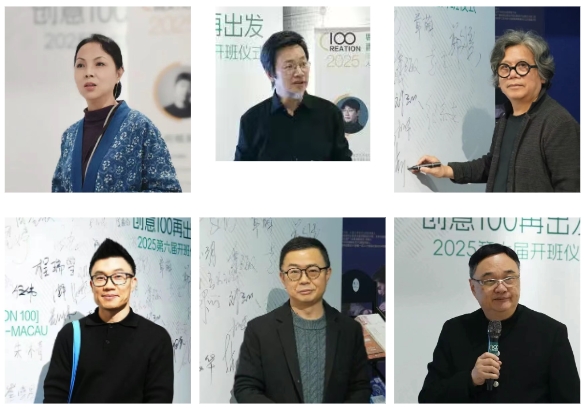
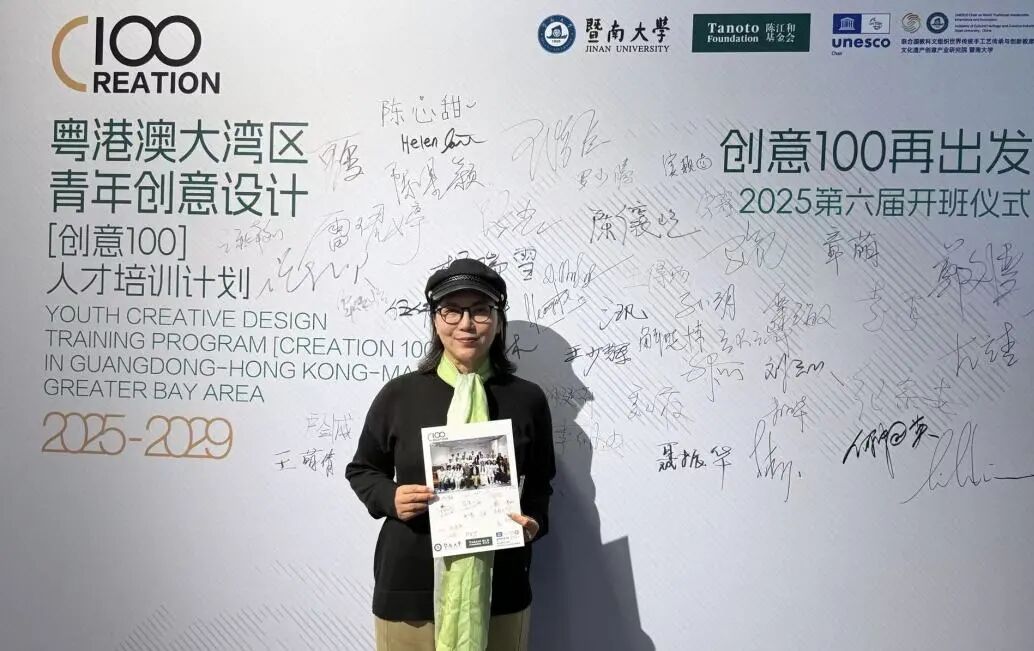
On December 8th, the opening ceremony of the 6th Talent Training Program for the 2025 Guangdong-Hong Kong-Macao Greater Bay Area Youth Creative Design (Creativity 100) was grandly held at the Sihai Art Space of Jinan University. The guests present included Zhang Xiaoxin, member of the Standing Committee of the Party Committee and Vice President of Jinan University, Wu Wei, Secretary-General of the Beijing Chen Jianghe Charity Foundation, Sun Yue, Secretary of the Party Leadership Group and Director of the Guangzhou Forestry and Garden Bureau, Hua Honglin, President of the Guangdong Provincial Arts and Crafts Society, Meng Kenasang Denggu, Vice Chairman of the Asia Region of the International Organization of Folk Art (IOV), Wang Fan, Executive Vice President of the Guangdong Provincial Intangible Cultural Heritage Promotion Association, Ji Zong'an, former Vice President of Jinan University, as well as representatives from units such as Zhongshan Memorial Hall and Guangzhou Zoo, and leaders from colleges and departments of Jinan University, who witnessed the commencement of a new round of talent training journey.
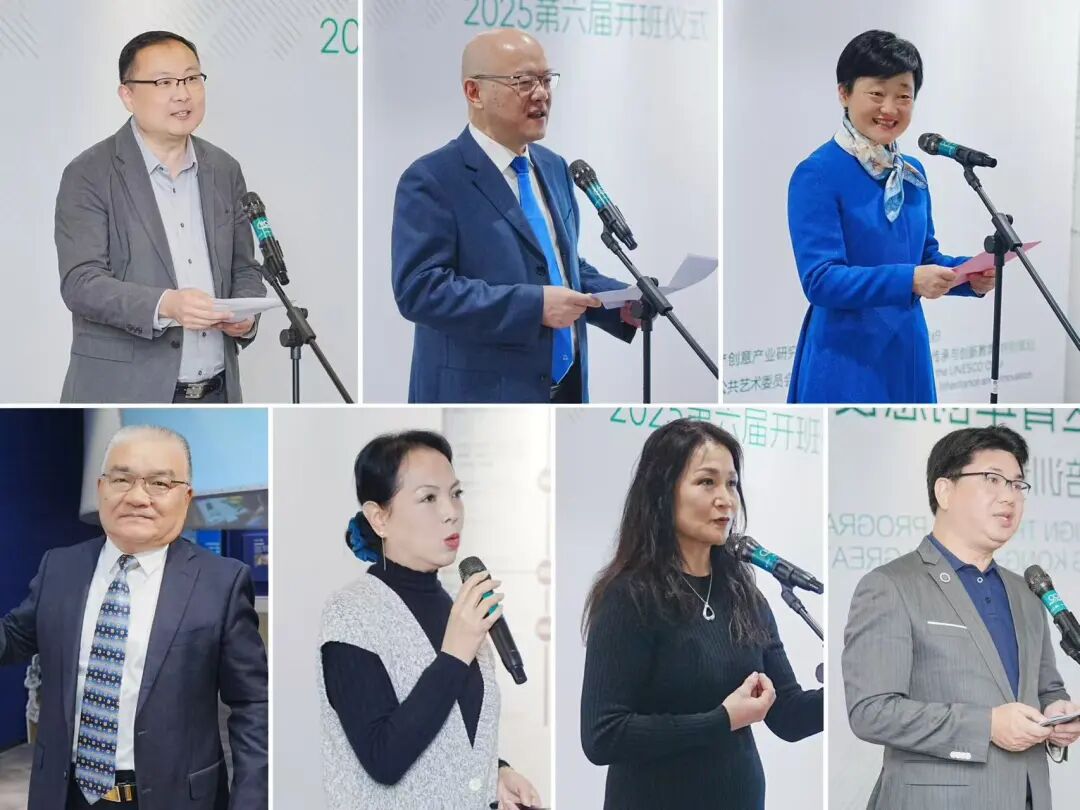
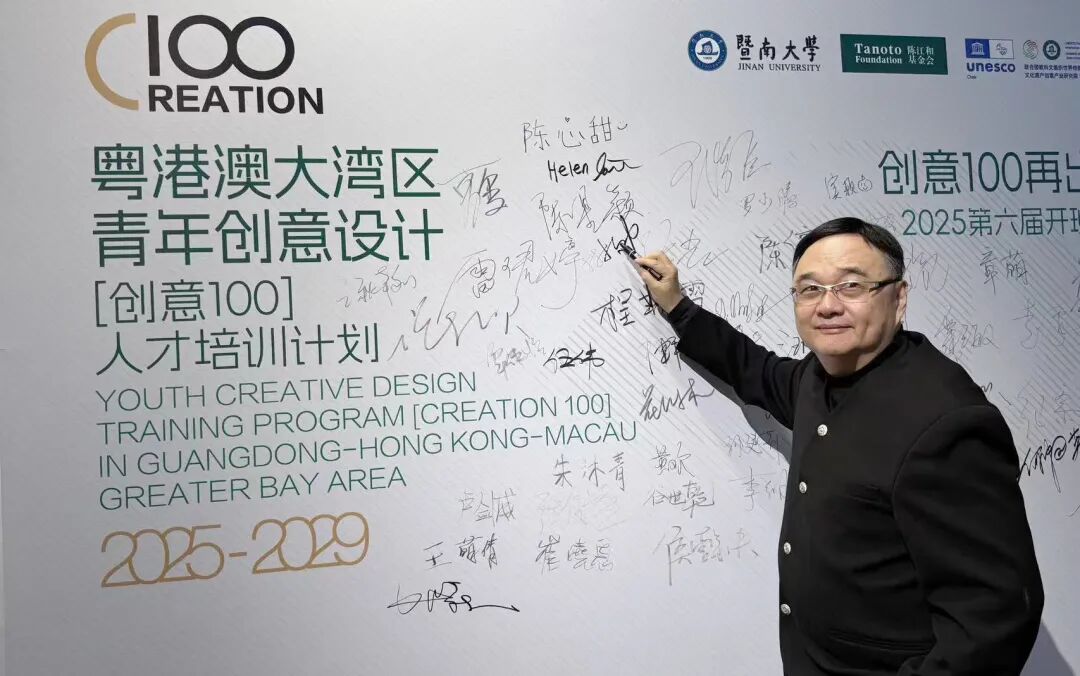
Guests delivering speeches at the opening ceremony of the 2025 Guangdong-Hong Kong-Macao Greater Bay Area Youth Creative Design (Creativity 100) Training Program
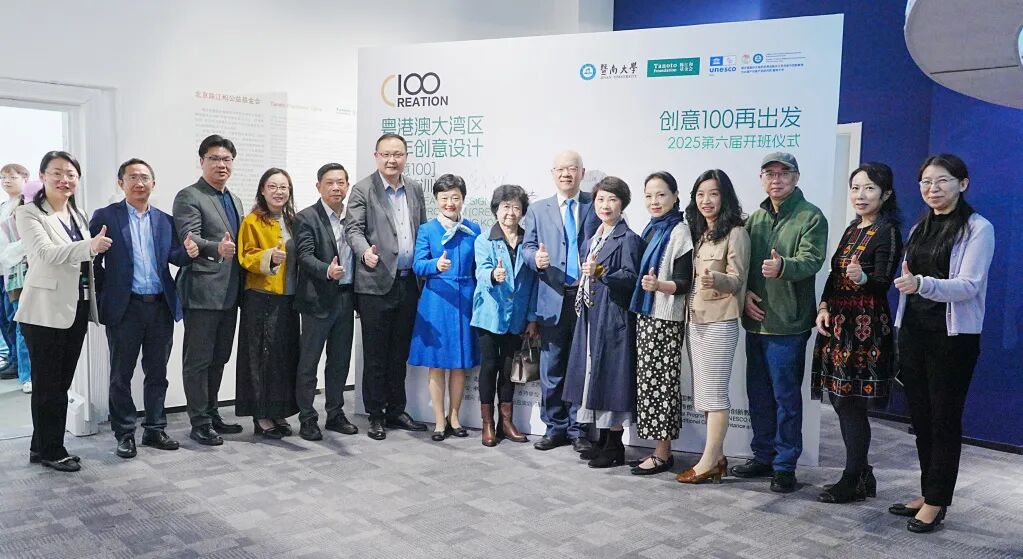
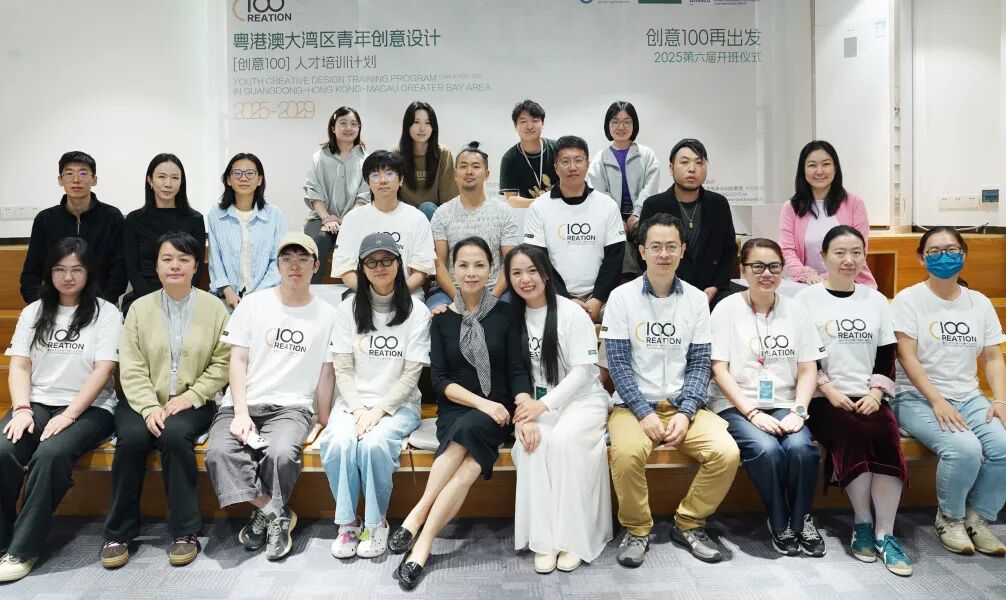
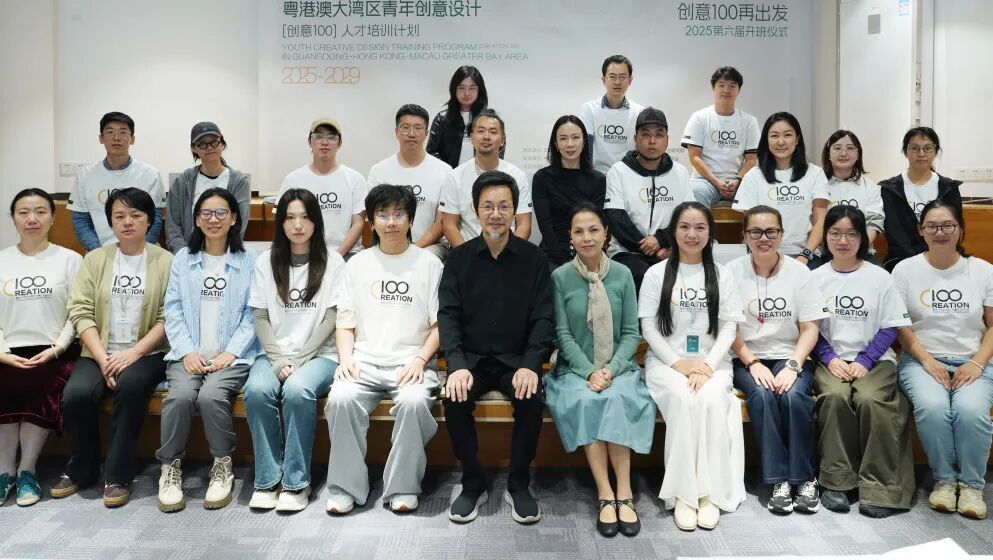
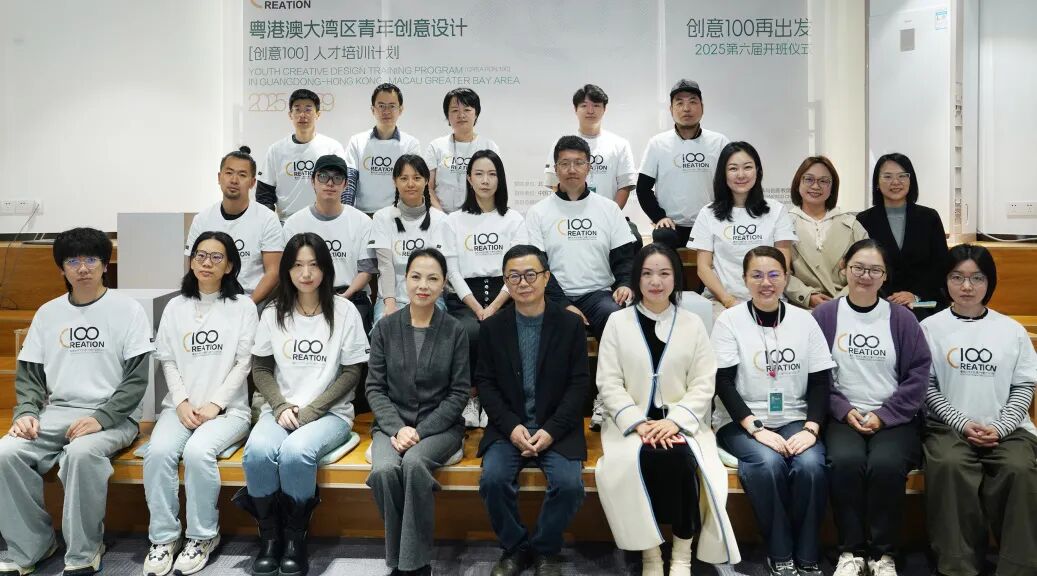
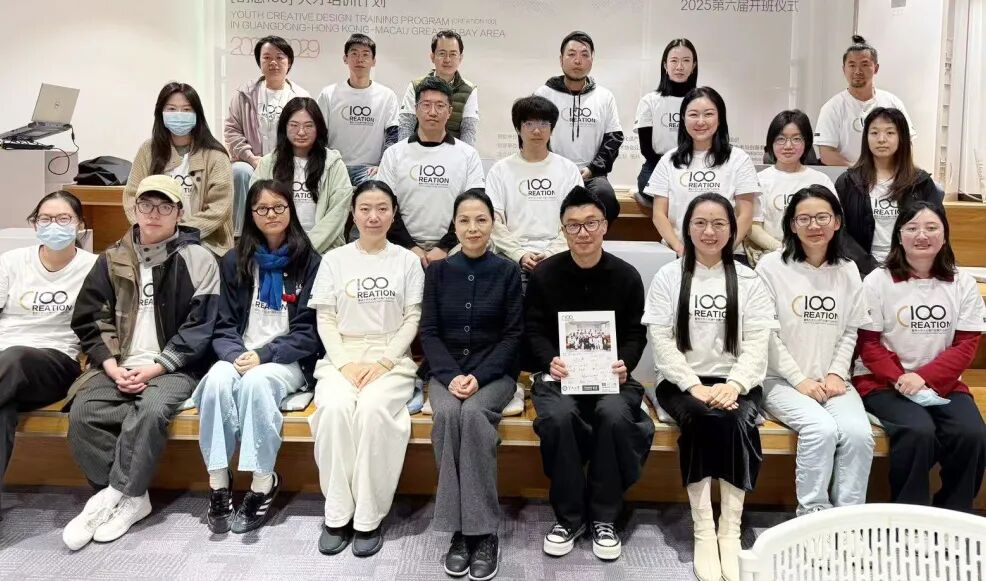
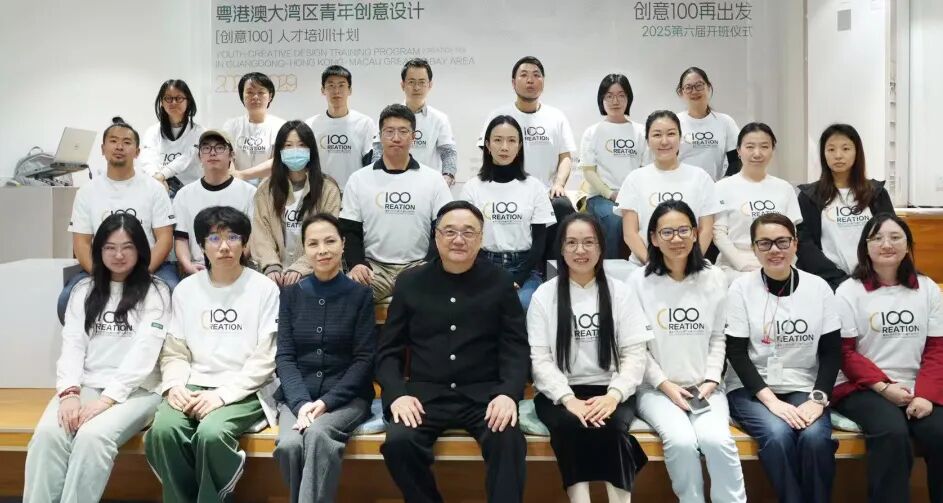
Group photo of guests at the opening ceremony
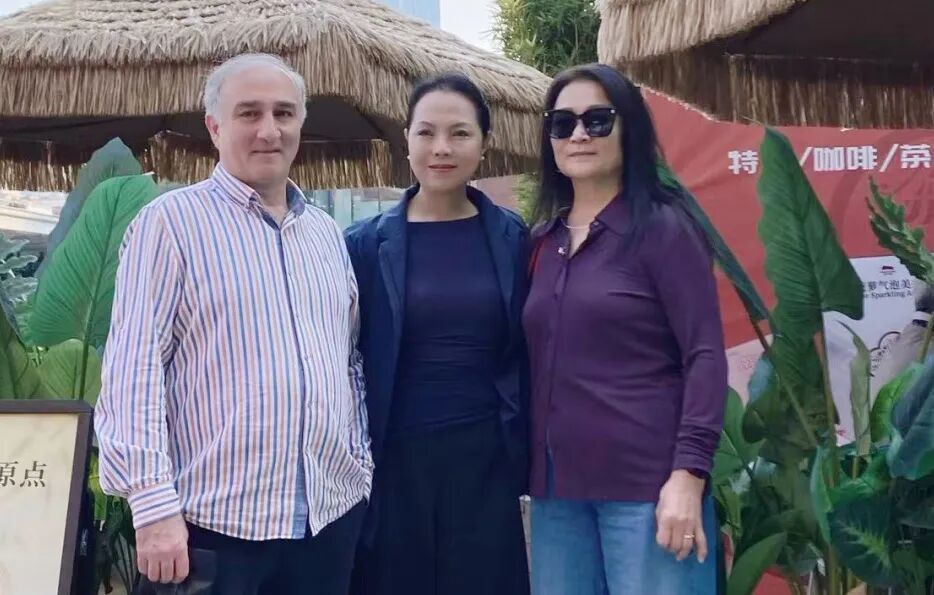
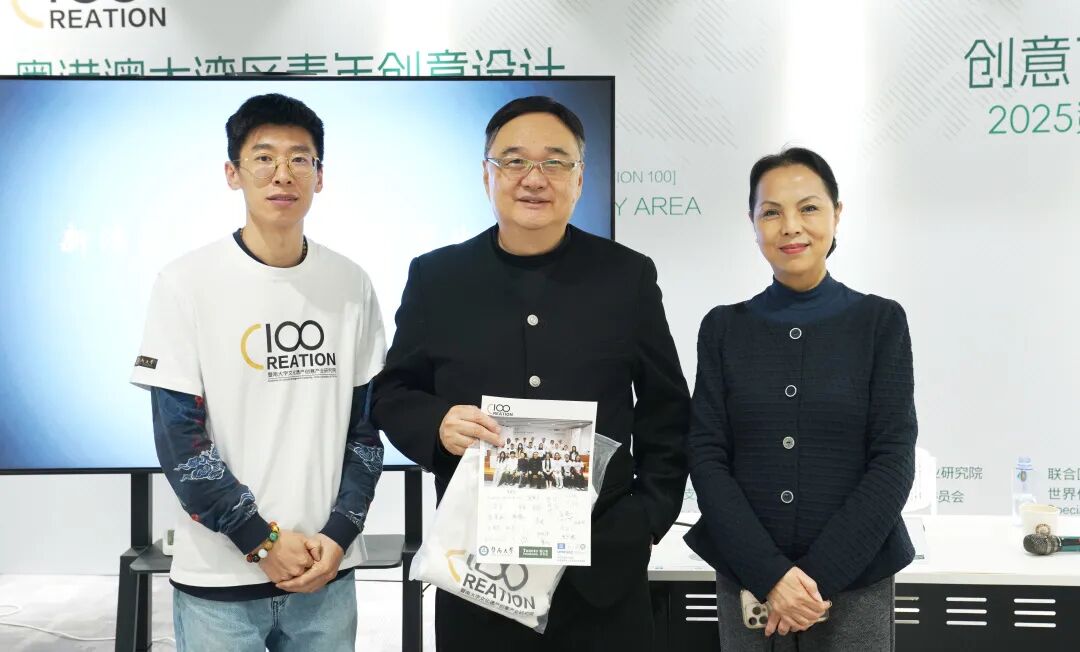
Chen Ping (middle), chief planner of "Creativity 100", with Georgi Piliashvili (left), chairman of the Georgian branch of the International Organization of Folk Art (IOV), and Nasangdun Gu (right), chairman of the Asian branch of the International Organization of Folk Art (IOV)
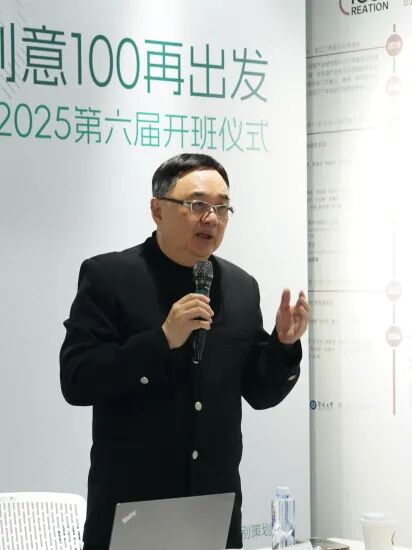
The opening ceremony was presided over by Ye Zhihai, Vice Dean of the Institute of Cultural Heritage Creative Industries at Jinan University. Professor Chen Ping, Chief Planner of the "Creativity 100" project, Chief Chair of the UNESCO Chair in World Traditional Crafts Preservation and Innovation, and Dean of the Institute of Cultural Heritage Creative Industries at Jinan University, delivered a keynote speech and introduced the origin and development of the project.
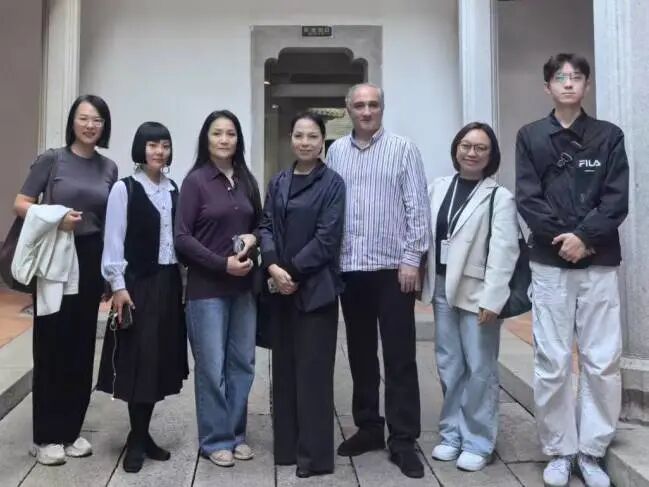
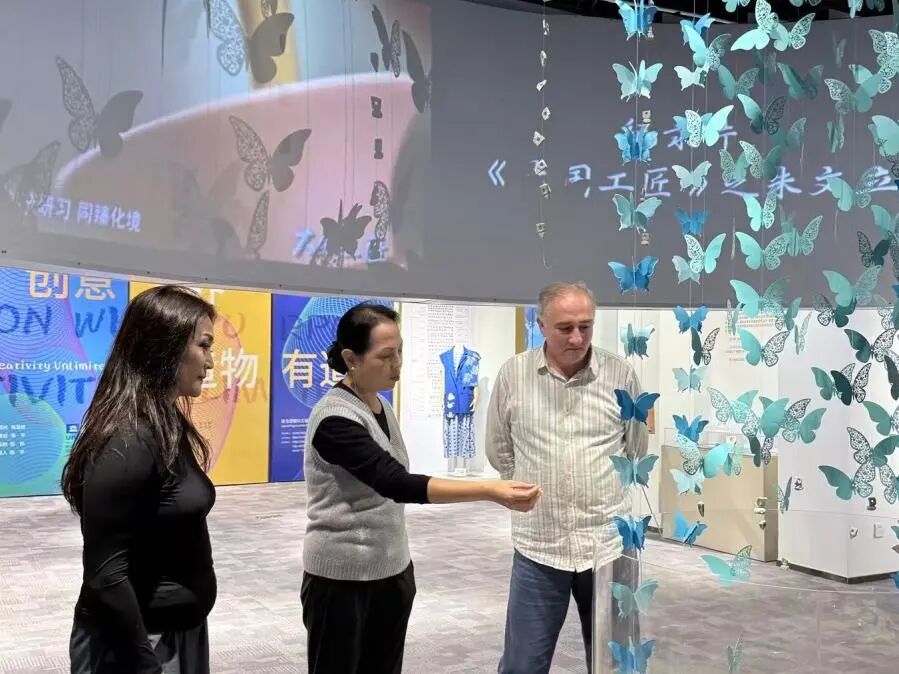
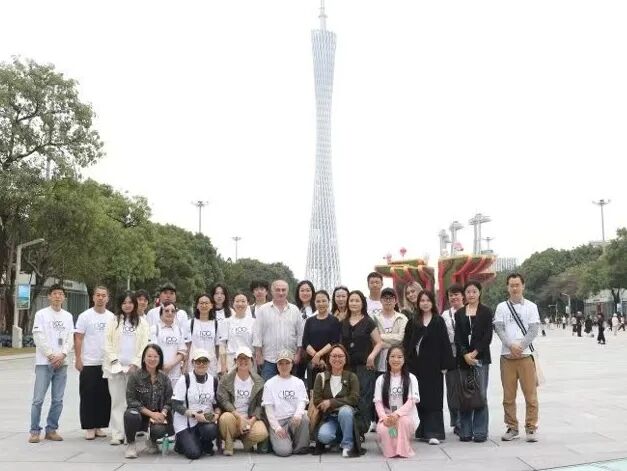
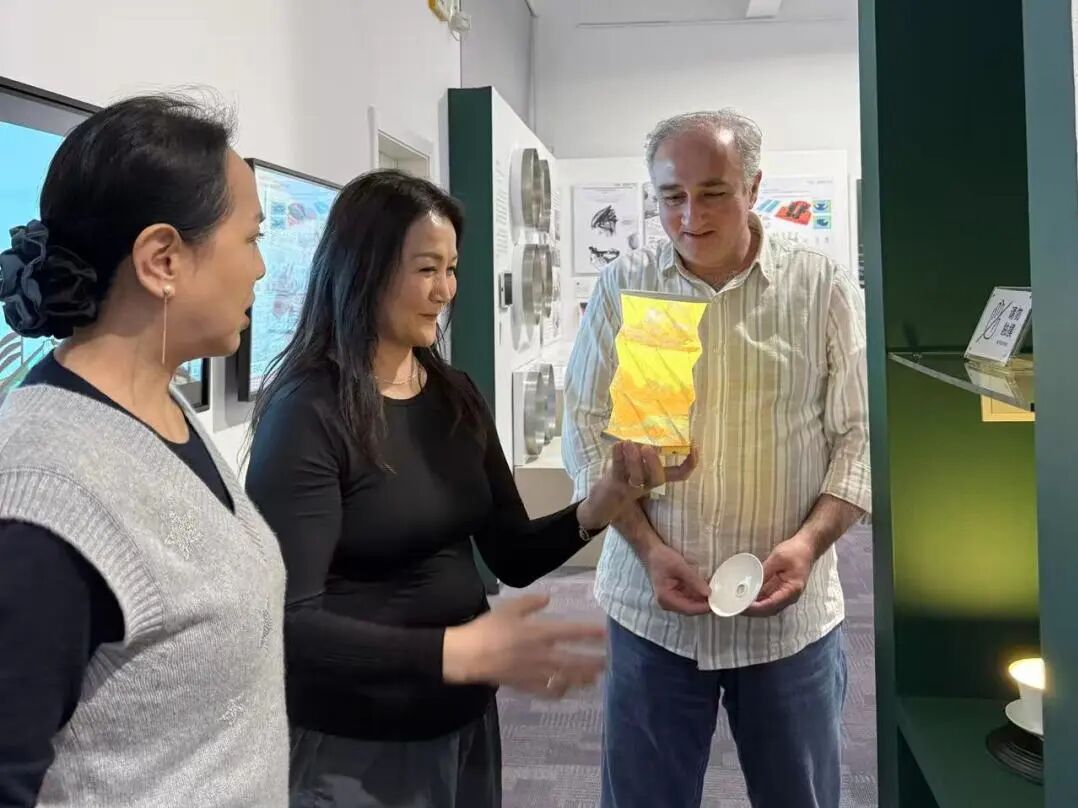
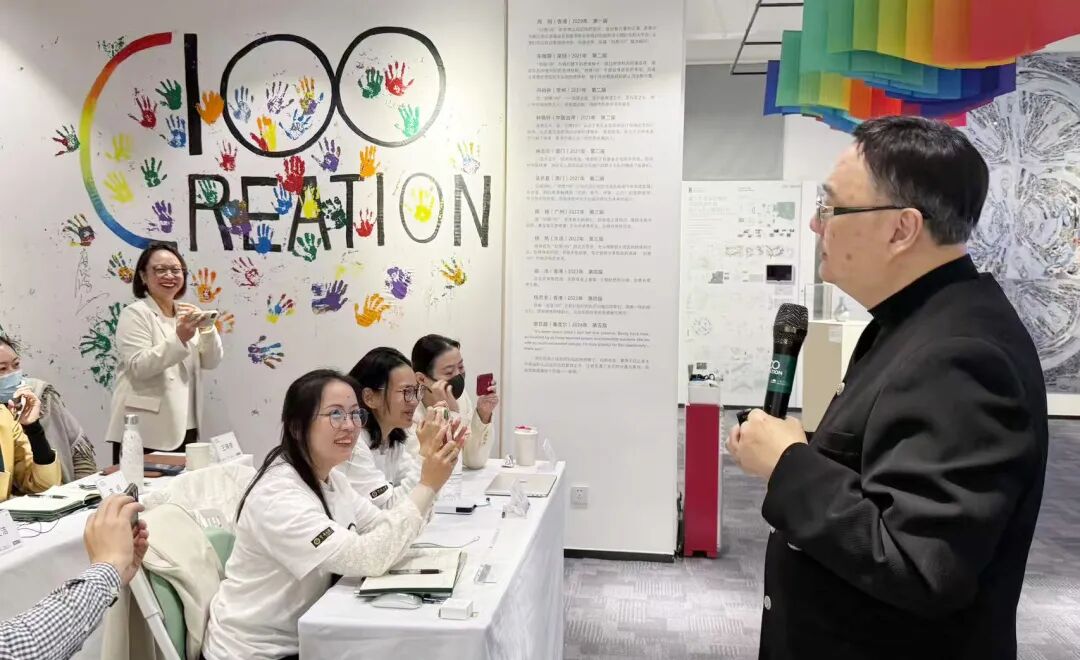
The guests visited and conducted research alongside the trainees
This training, in collaboration with the Guangzhou Forestry and Garden Bureau, is themed "Guangzhou in Bloom", aiming to promote the rebuilding and innovation of the cultural brand of "The Millennium Flower City". During the ten-day intensive training, renowned professors and scholars including Chen Ping, Cao Xue, Lin Xueming, Zuo Jing, He Zhisen, Lin Zhenzhong, Li Wei, and Ye Chang'an, along with guest speakers, engaged with 23 young design talents from Guangdong, Hong Kong, Macao, and other regions. Through various forms such as academic lectures, practical case sharing, interactive exchanges, and project co-creation, they explored the creative fusion of tradition and modernity, centered around Guangzhou's profound garden culture heritage.
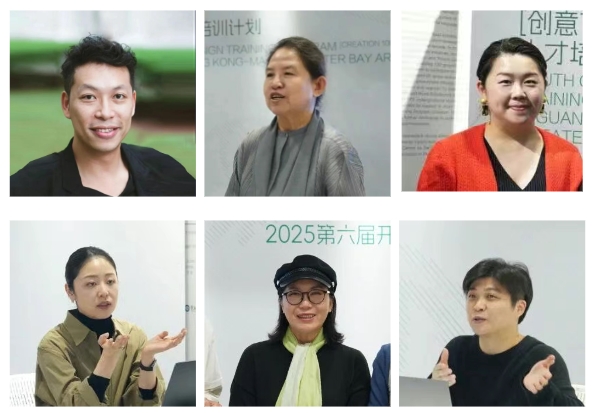
The combination of teaching mentors, sharing guests, and evaluation experts from different fields forms a powerful lineup
Cross-disciplinary combination of defense reviewers
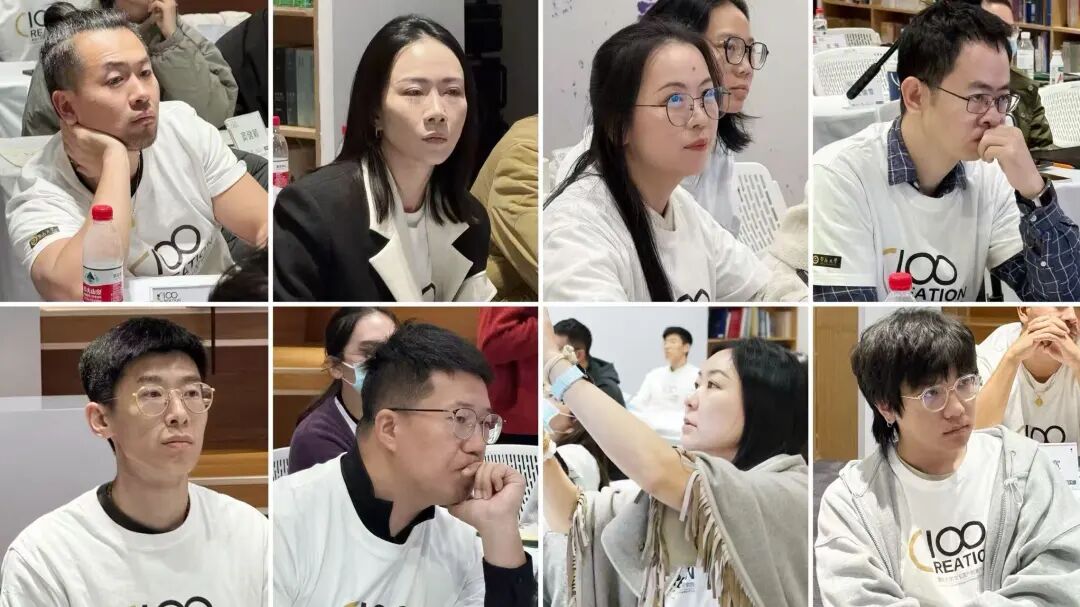
The students who are listening attentively in class
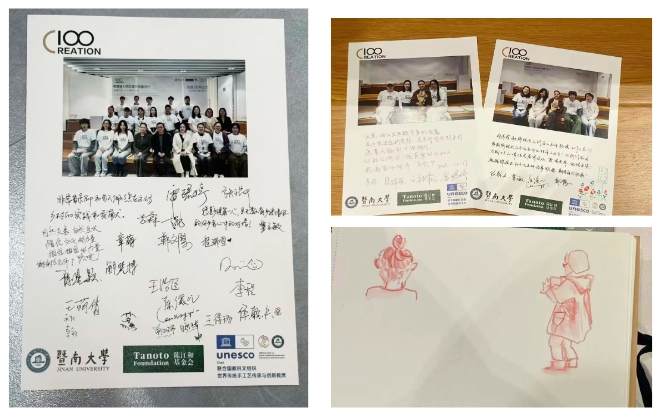
A souvenir given by a student to their teacher
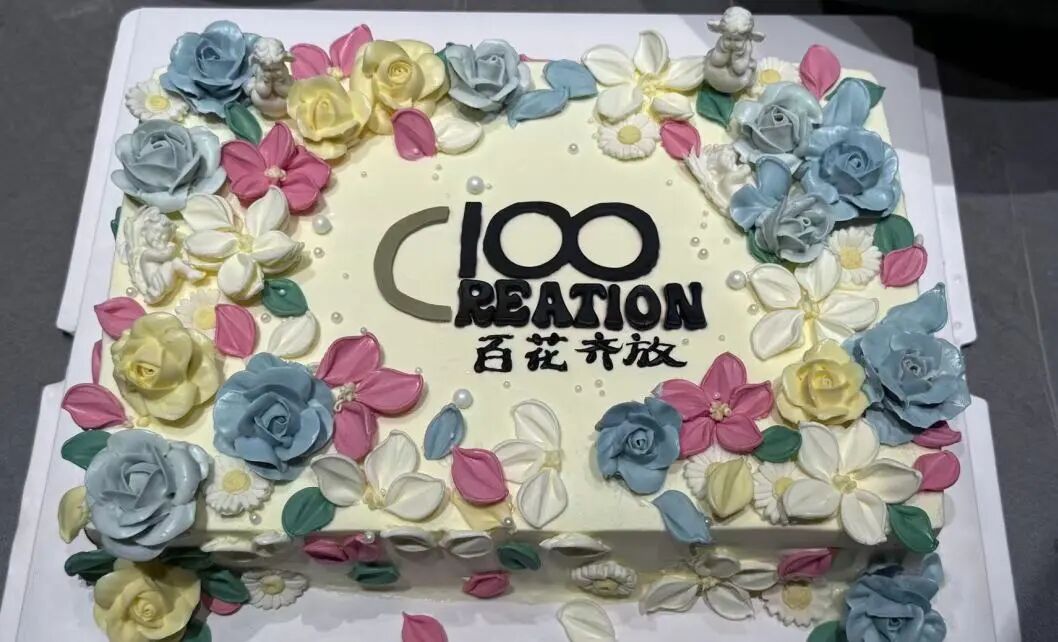
The "Creative 100 Blossoming" cake presented by the students to their teacher
Starting from the afternoon of December 8th, a three-day field research was conducted. The participants traveled through traditional buildings, modern business districts, old neighborhoods, and traditional gardens in Guangzhou, gaining a deep understanding of Lingnan culture amidst the city's historical and modern landscapes.
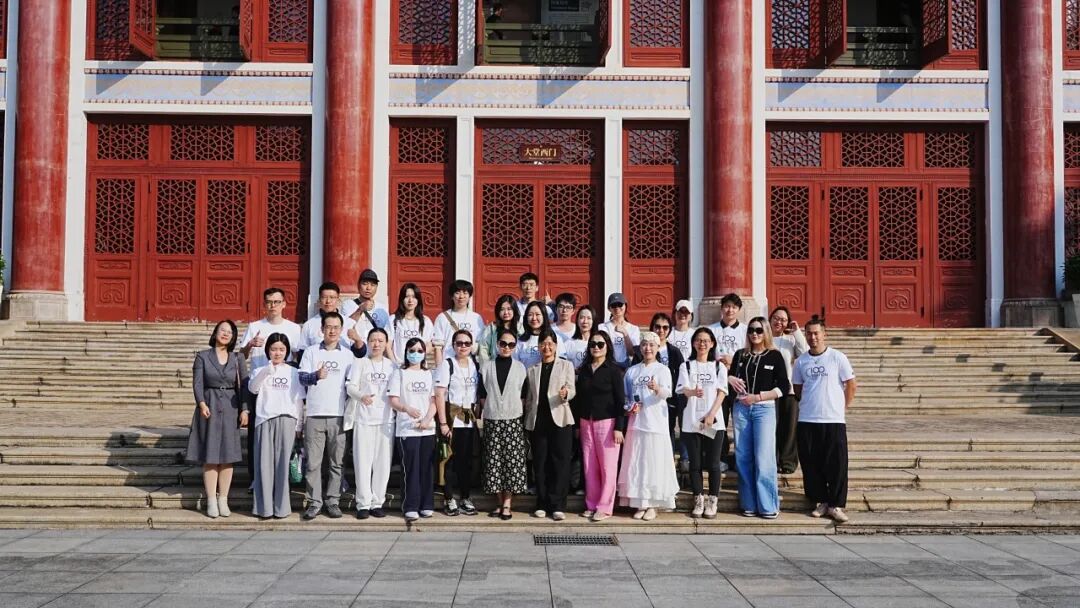
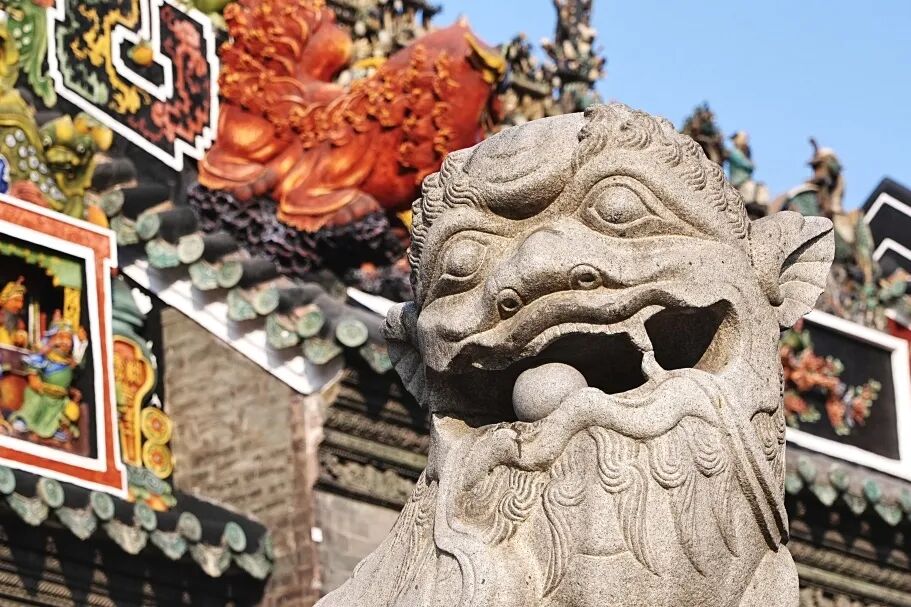
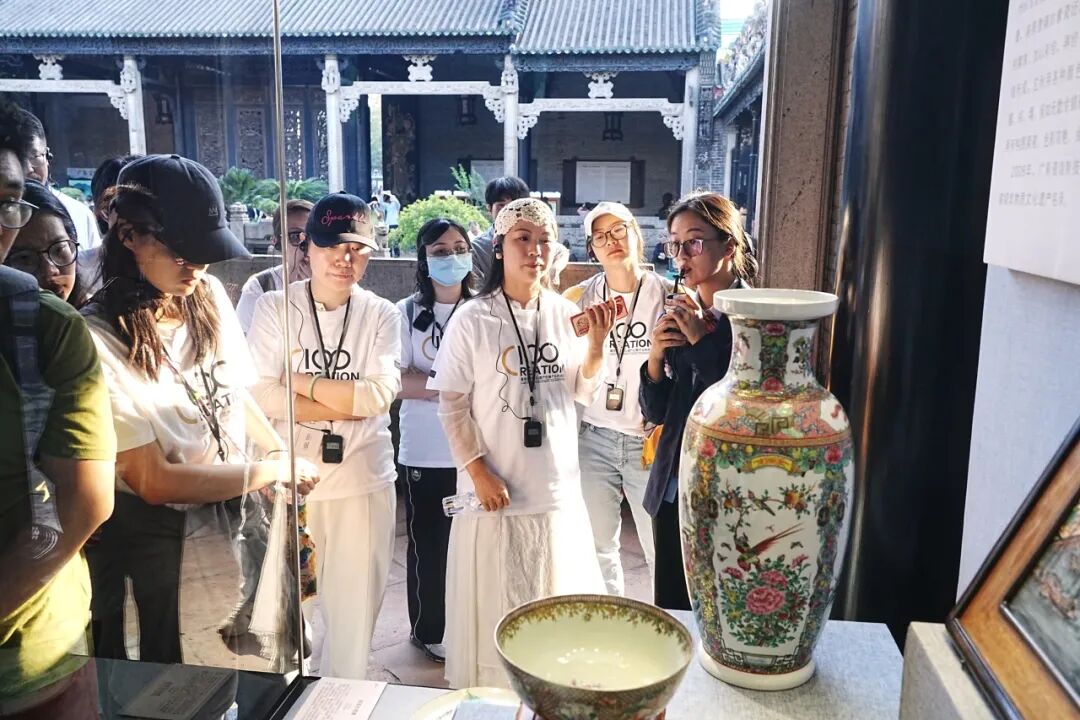
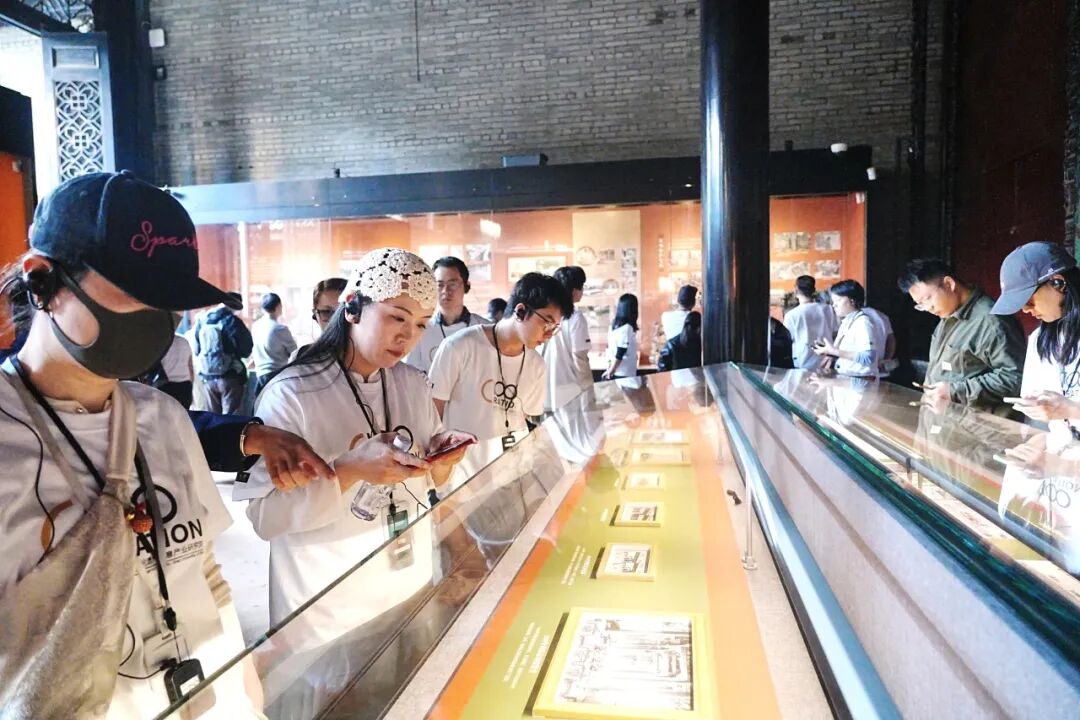
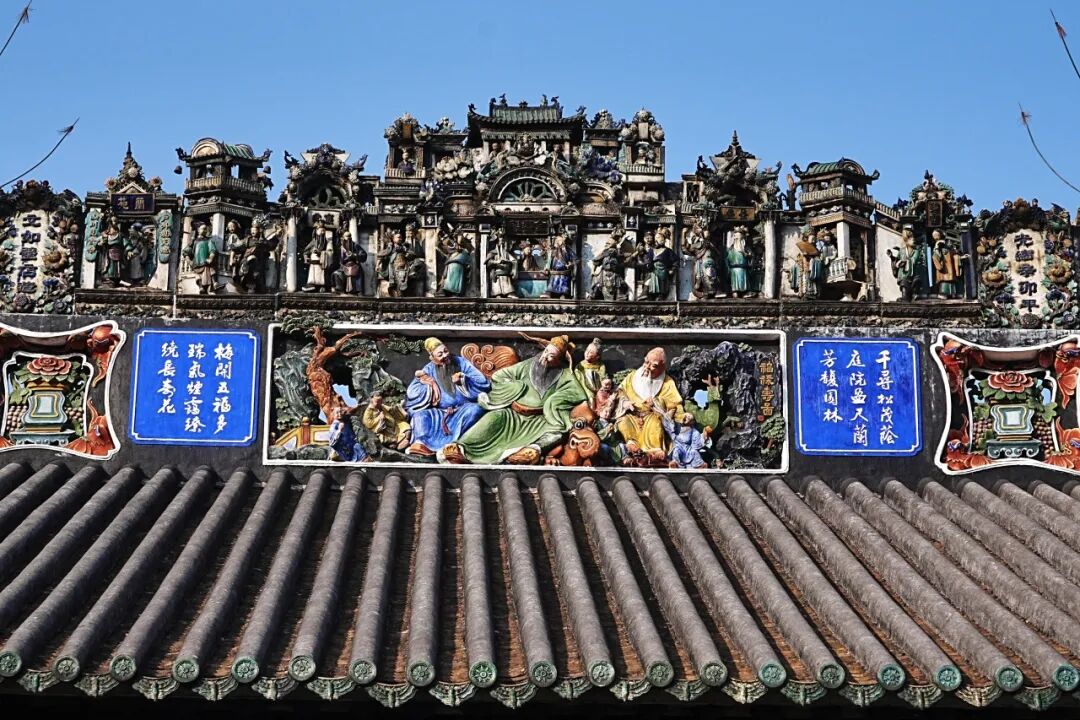
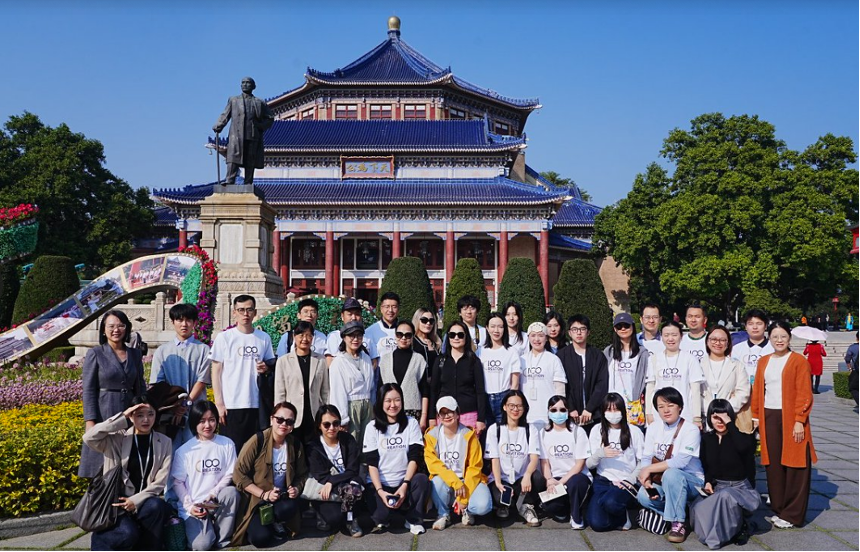
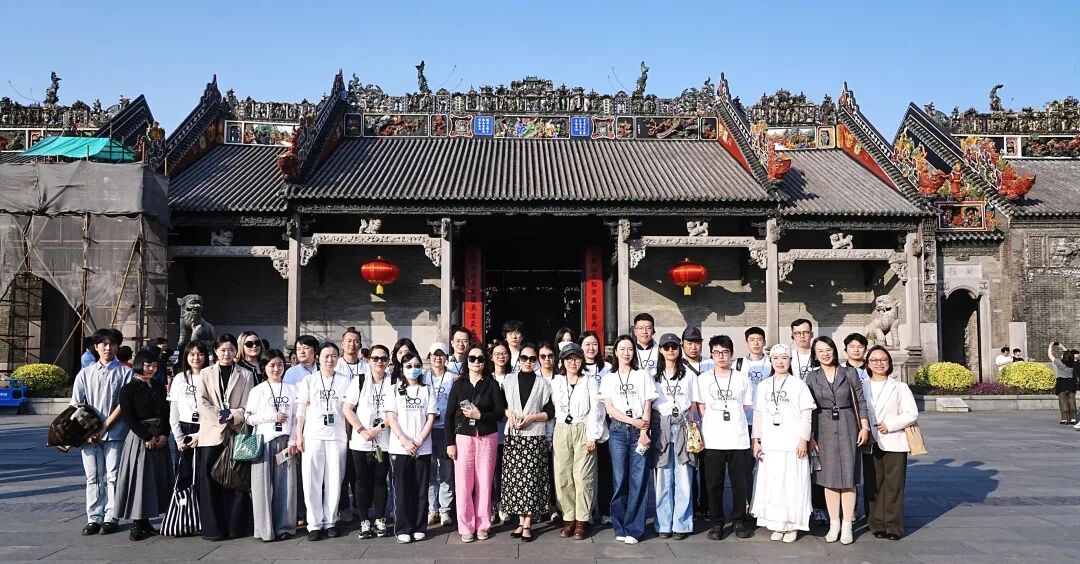
Visit Zhongshan Memorial Hall and Chen Clan Ancestral Hall
Garden Flowers Bloom: Exploring the Ecological Wisdom in Traditional Architecture
The research commenced with an exploration of Lingnan landscape and architectural art. On the afternoon of the 18th, the students visited Sun Yat-sen Memorial Hall and Chen Clan Ancestral Hall. At Sun Yat-sen Memorial Hall, its octagonal palace-style architecture and ingenious acoustic design showcased the architectural wisdom of the fusion of Chinese and Western elements in modern times. At Chen Clan Ancestral Hall, the students closely observed the craftsmanship known as "three carvings, three sculptures, and one casting," which is hailed as the "pearl of Lingnan architectural art." From the pottery sculptures on the roof ridges to the wood carvings on the railings and the brick decorations, they experienced how craftsmen transformed life scenes, moral implications, and auspicious wishes into architectural language, creating a culturally rich and ingeniously crafted space.
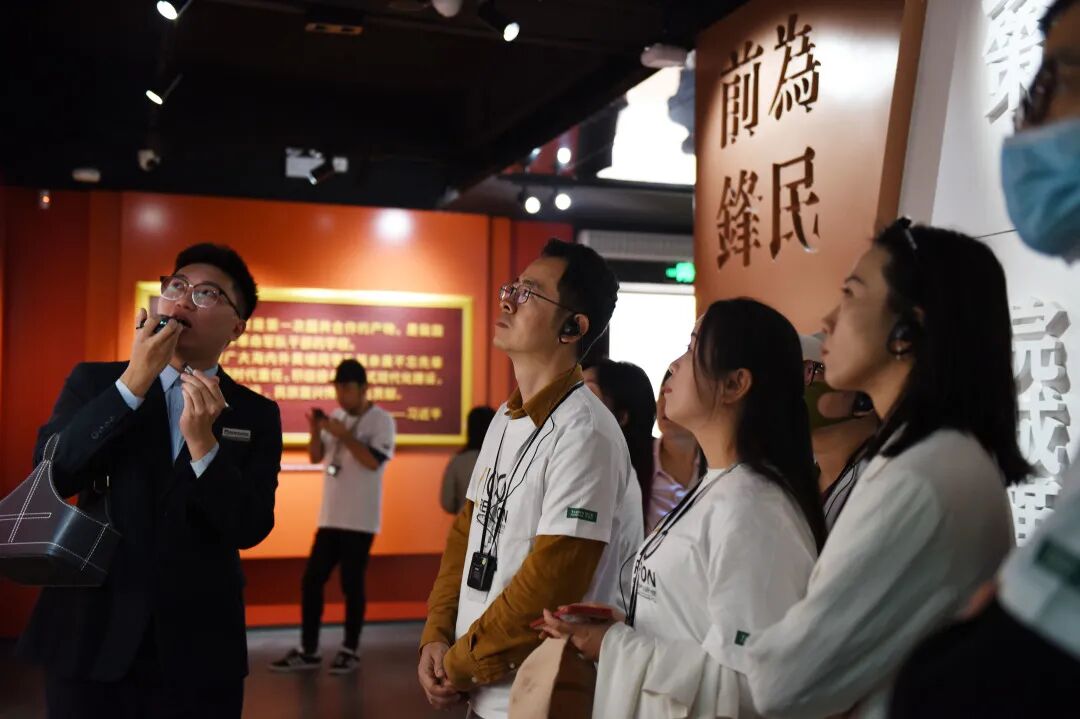
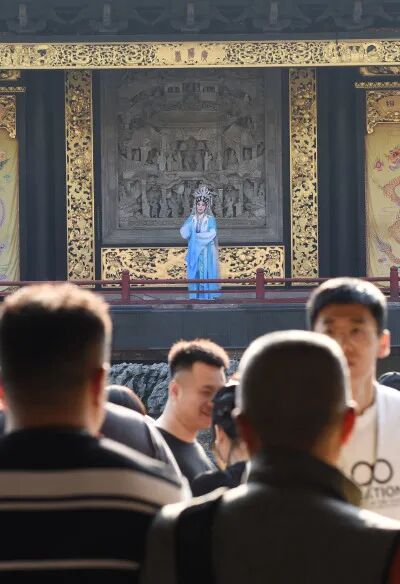
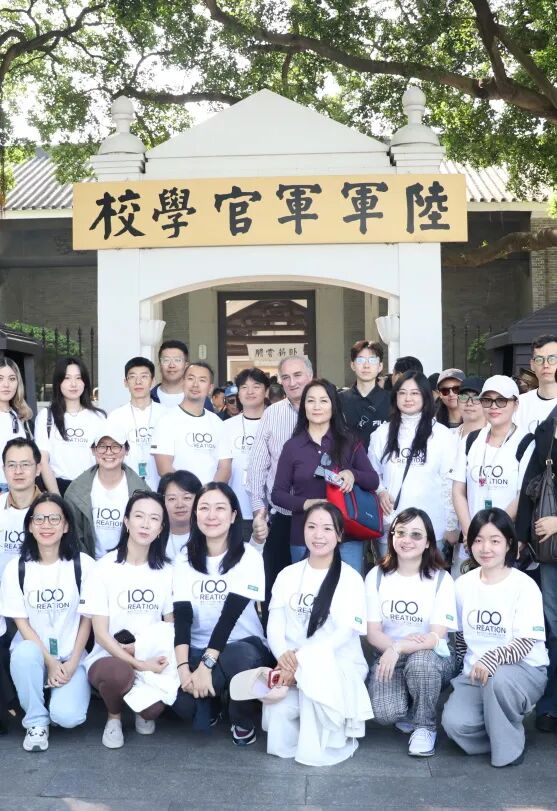
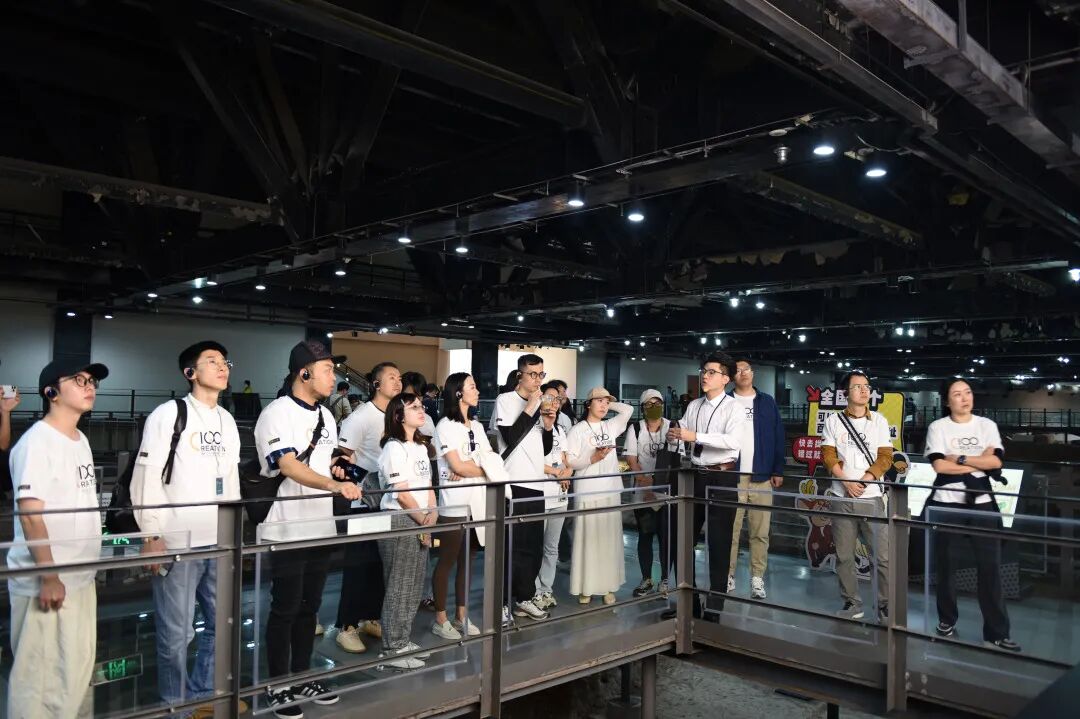
Exploring revolutionary historical sites and cultural heritage
Echoes of History
Touching the urban cultural pulse in revolutionary historical sites and cultural heritage
On December 9th, the students conducted an inspection along the historical axis of the city. At the former site of the Whampoa Military Academy, they interpreted its founding philosophy from the buildings that blend southern ancestral halls and European styles, and revisited those extraordinary years through the school's history. In the exhibition area of the Nanyue King Museum's palace, the remains of the Quliu Stone Canal from two thousand years ago showcased the remarkable water conservancy wisdom and ecological aesthetics of the ancient Yue people. The related excavated artifacts also confirmed Guangzhou's historical role as an important node on the Maritime Silk Road.
In the afternoon, the students entered Yongqingfang and focused on visiting the Cantonese Opera Art Museum. From its garden-style layout and Red Boat Stage to physical objects such as Guang embroidery costumes and bamboo water attire, they experienced the practical wisdom and innovative thread of intangible cultural heritage art rooted in and serving daily life.
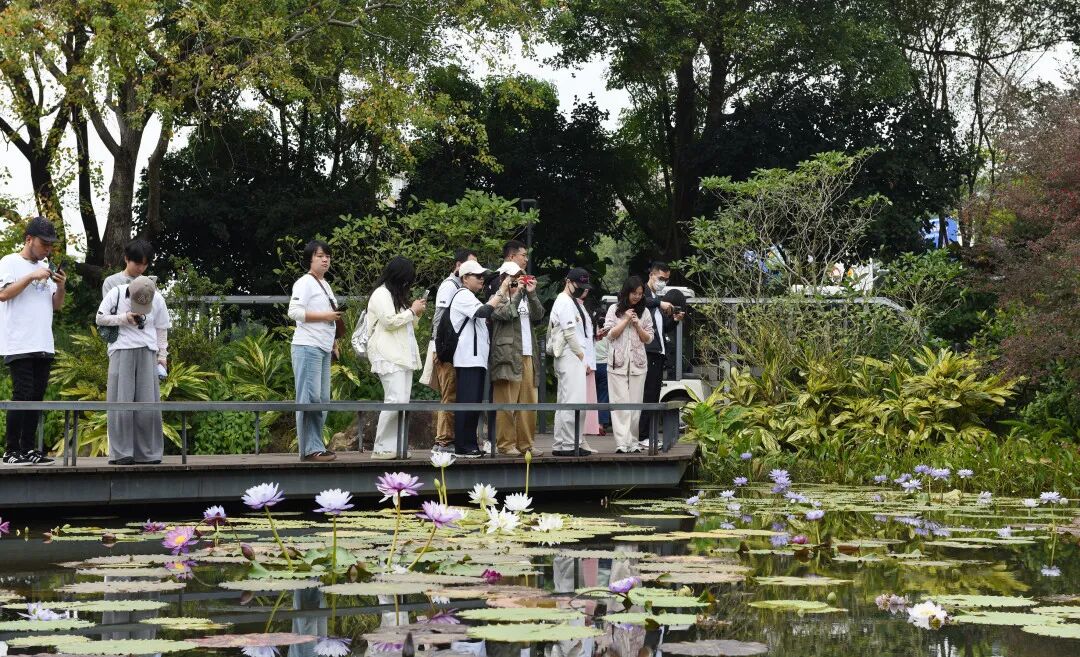
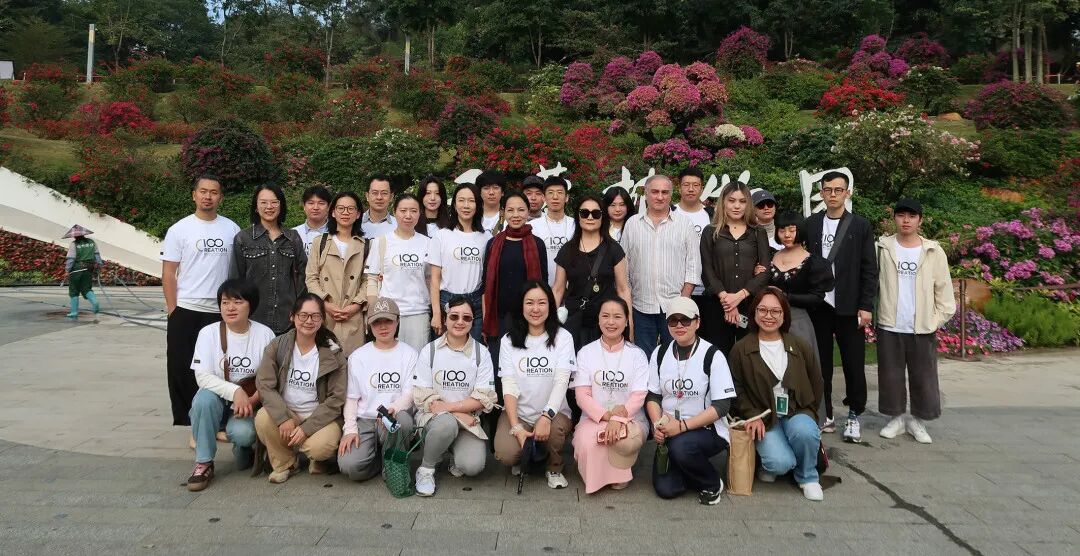
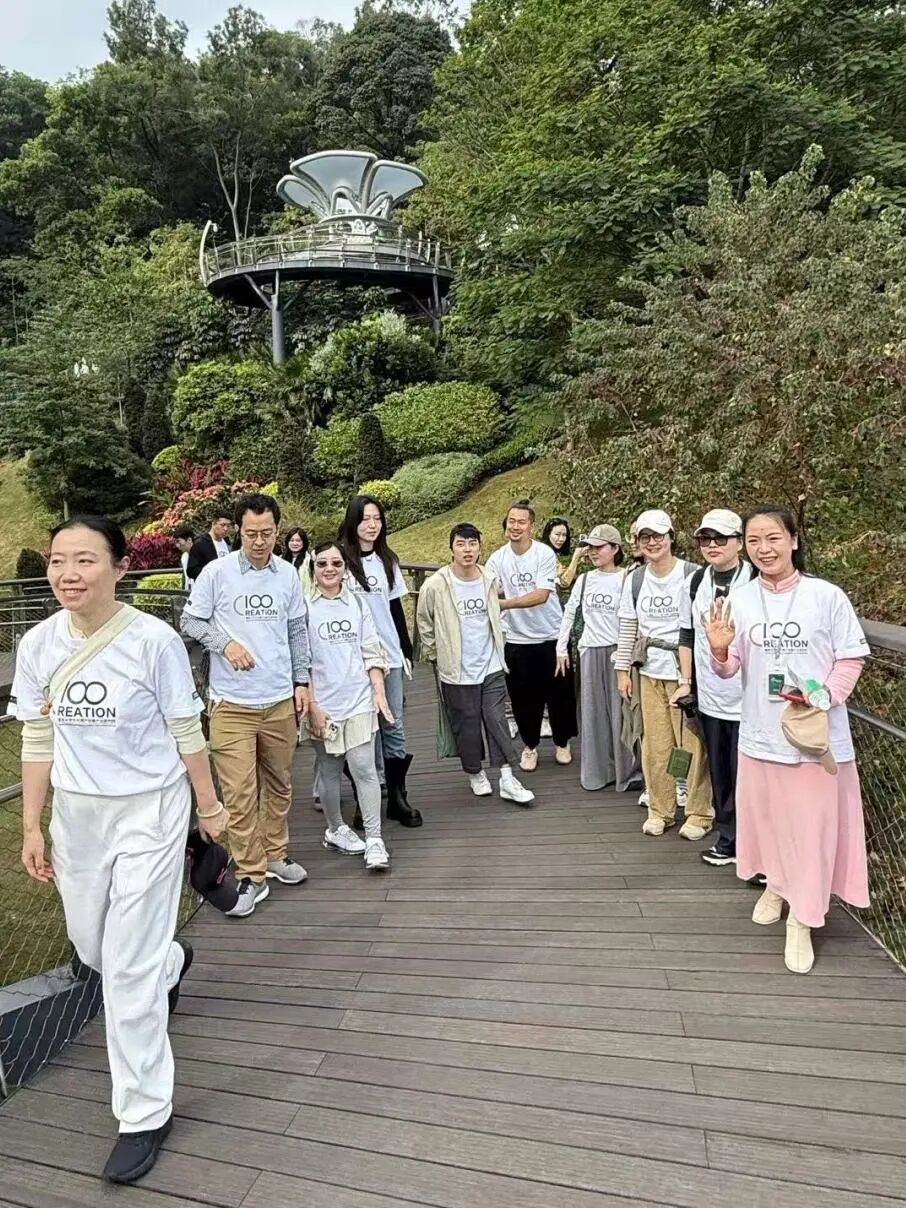
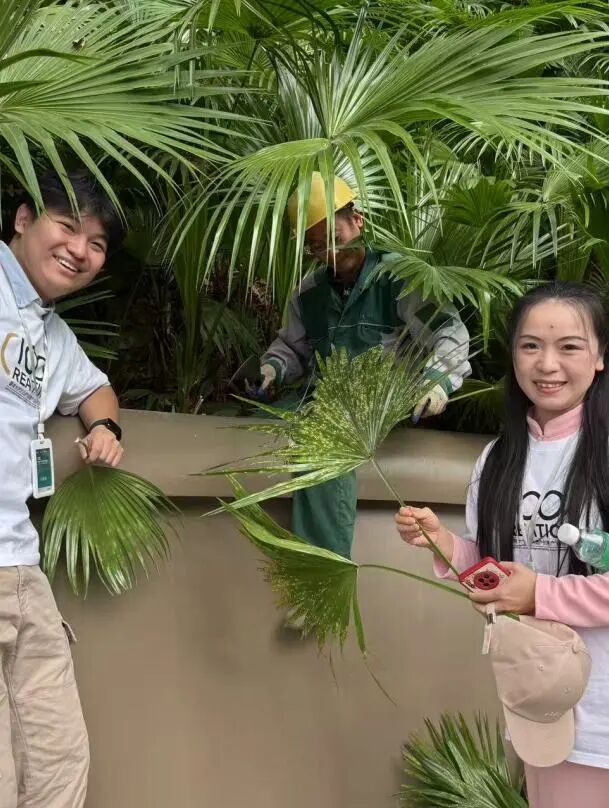
Research on Yunluo Botanical Garden and Yunxi Botanical Garden
The New Charm of the City
Reading Contemporary Guangzhou through Modern Landmarks and Ecological Landscapes
On December 10th, the research focused on ecological concepts and modern urban development. At Yunluo Botanical Garden and Yunxi Botanical Garden, the participants systematically observed the Lingnan-style plant communities and appreciated the integrated design between ecological protection, science popularization, and recreational functions. In the afternoon, the participants walked along the central axis of Zhujiang New Town, contemplating the contemporary expression of the traditional image of the "Flower City" on a megacity scale in front of modern landmarks such as Canton Tower and Guangzhou Opera House - how architecture reshapes the skyline and how public spaces accommodate civic life.
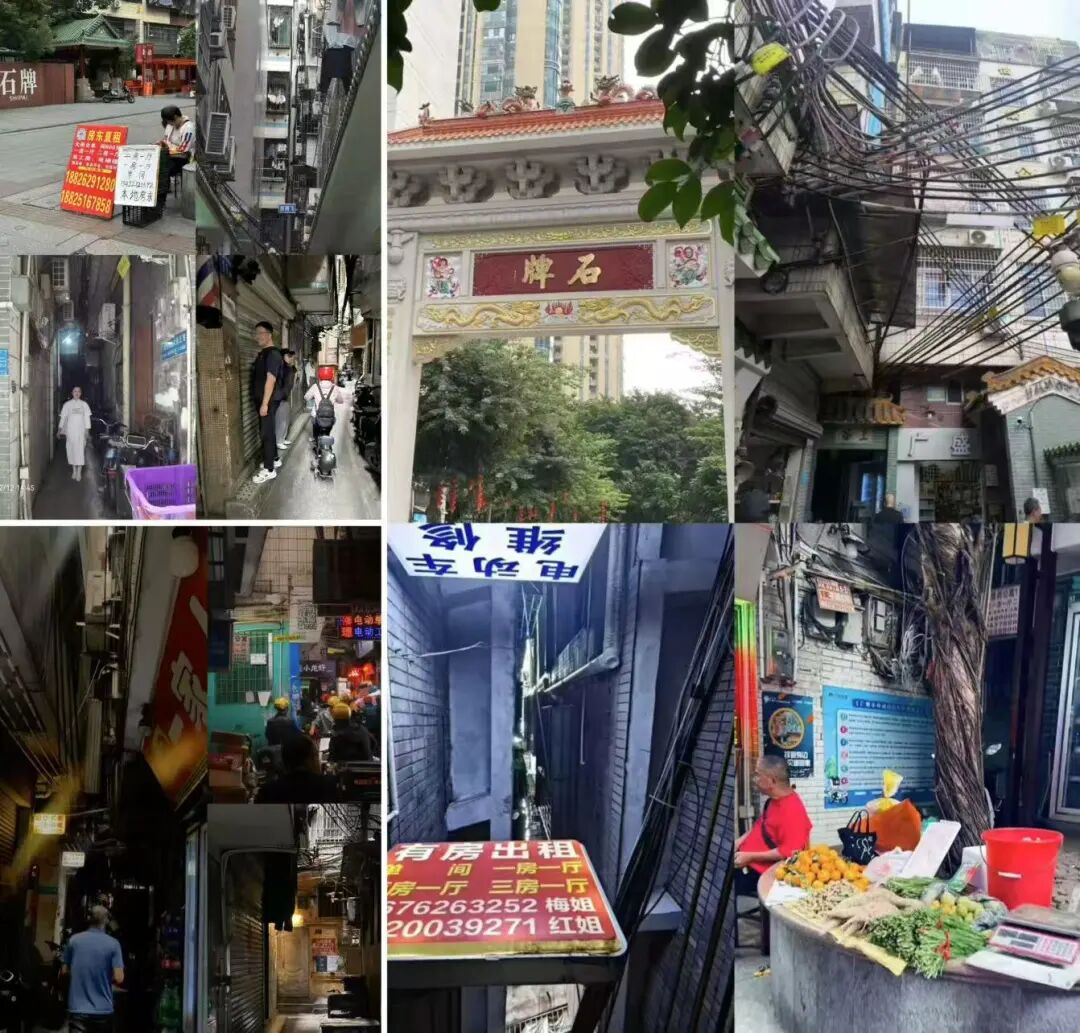
The students conducted field research in Shipai Village, Tianhe District, Guangzhou
In the subsequent course learning, the project also specially arranged a half-day field research in Shipai Village. The students walked into this village located in the heart of the city, facing its changes and resilience in the process of rapid urbanization. From the real and vivid social fabric, they deeply reflected on the humanistic warmth and social responsibility that design should possess.
This training invited seven senior scholars and industry leaders from the fields of cultural heritage research, architectural design, rural aesthetic education, and brand communication, as well as three guests who have deep experience in curatorial practice, color aesthetics, and artistic creation. They brought a series of cutting-edge, systematic, and highly inspiring lectures and sharing sessions to the participants at the Sihai Art Space of Jinan University.
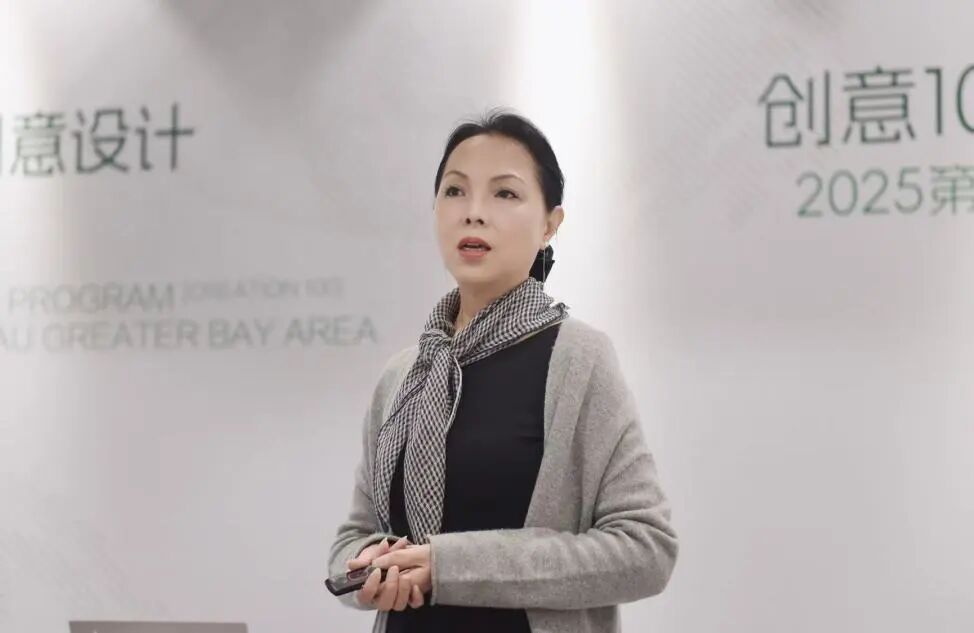
Morning of December 11th, Session 1: Chen Ping
Lecture topic
《International Dissemination Channels of Cultural Heritage in the New Perspective》
Professor Chen Ping, the founder and chief planner of the "Creativity 100" project, the chief chair of the UNESCO Chair for the Inheritance and Innovation of World Traditional Crafts, the global president of the International Organization of Folk Art (IOV), and the dean of the Institute of Cultural Heritage and Creative Industries at Jinan University, took the international rescue project of the Abu Simbel Temple as an example to illustrate the responsibility and core contradictions behind the protection of world heritage. She pointed out that the core lies in the "outstanding universal value" rather than the nomination competition. She systematically reviewed the evolution of the system from cultural heritage to intangible cultural heritage, emphasizing that the core of "intangible cultural heritage" lies in the invisible skills and spirit, and analyzed the cognitive misconception of separating "traditional art" from "traditional skills" in the current classification.
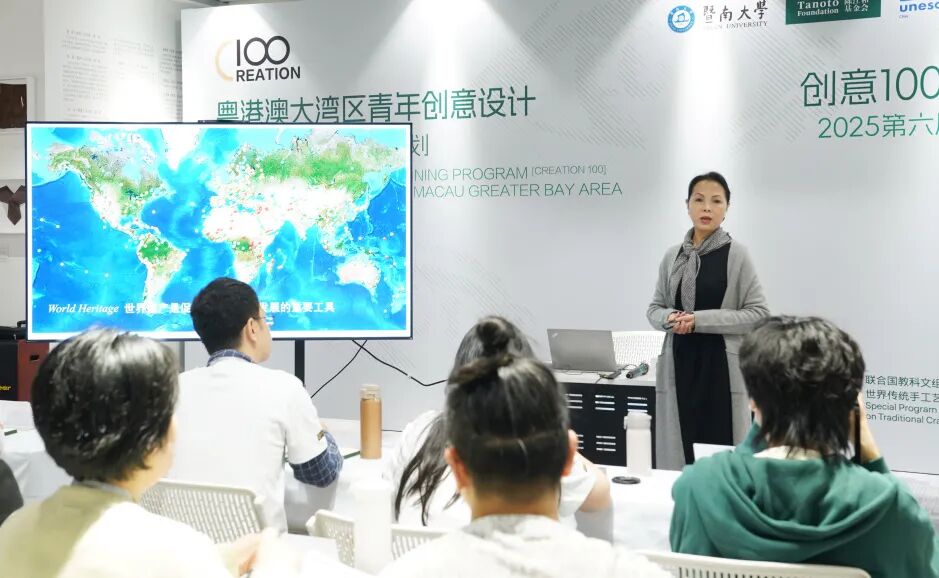
Professor Chen Ping further proposed that the key to activating cultural heritage lies in transforming it from a historical "resource" into a "capital" that can be integrated into contemporary life through creative design. She illustrated the essence of design as connecting cultural genes with modern needs through cases of handicraft innovation and industrial site transformation both domestically and internationally. She particularly emphasized that the starting point of design must be deeply rooted in the social soil, and its fundamental mission lies in serving and contributing value. She encouraged young designers to transcend the "ego" perspective, connect their creation with broader social concerns, pay attention to those groups who need to be seen, and infuse sincere humanistic care into practice. Through the practical stories of previous students, she vividly explained what it means to "respond to real needs with creativity and convey humanistic warmth through design". The entire lecture laid a solid foundation for students to understand the contemporary value and innovative paths of cultural heritage, and clearly established the core tone of this project, which is "focusing on society, transcending the ego, and serving people with creativity".
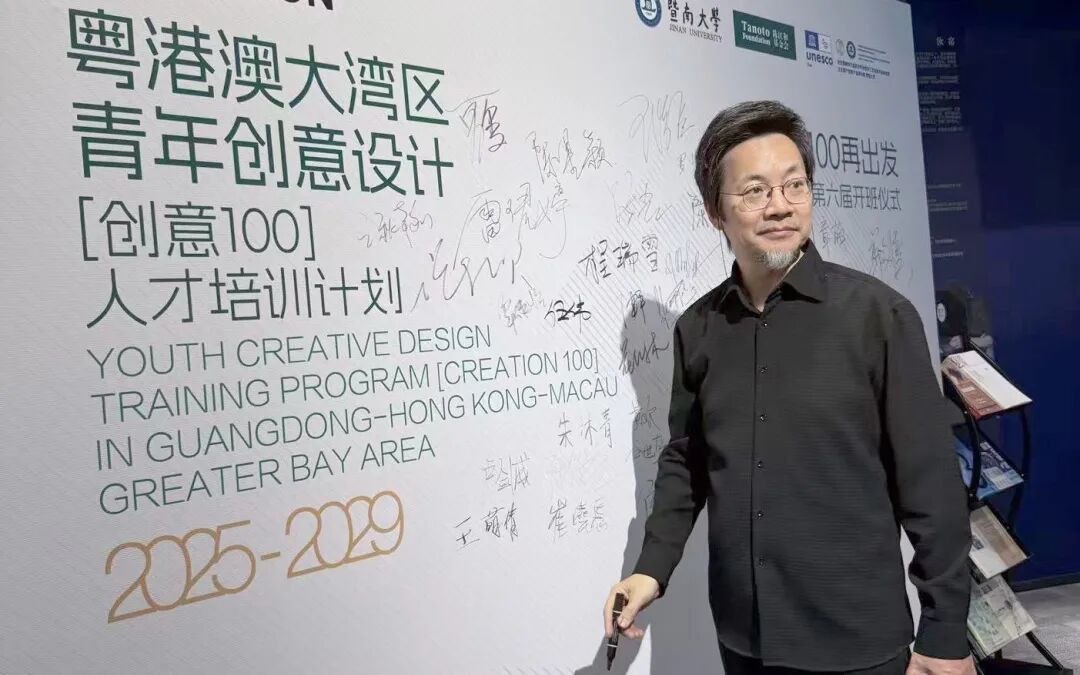
On the afternoon of December 11th, Session 2: Cao Xue
Lecture Title: "Designing the Eye"
Professor Cao Xue, a former professor and doctoral supervisor at Guangzhou Academy of Fine Arts and the head of the design team for the mascot "Bing Dwen Dwen" of the Beijing 2022 Winter Olympics, combined his rich practice spanning academia and industry to elaborate that the core of design lies in expression, and put forward a clear proposition of "strengthening both hands" - teachers and practitioners in the design discipline should possess both academic research ability and cutting-edge practical ability. He emphasized that design should not be limited to creating commercial "value", but should also be committed to building positive "values" and leading social concepts through works. He further elaborated that designers should have a unique perspective of observation, with their focus always on people, nature, and all things. The highest realm is not deliberate "excellent expression", but "natural expression".
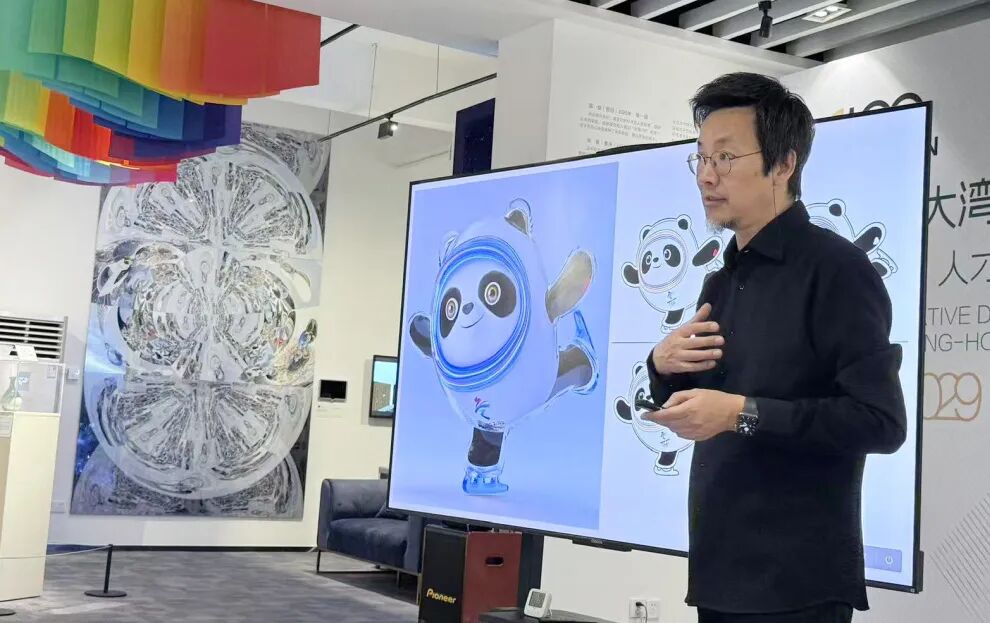
In the lecture, Professor Cao Xue vividly interpreted the practical dimension of this concept through a series of iconic cases. From the Guangzhou city logo with an open implication to the "Hello China" logo embodying the philosophical idea of "coexistence of all things," he demonstrated how to transform profound cultural thinking into a simple yet tension-filled visual language. He paid particular attention to the social function of design, whether it was the drug packaging that solved the problem of children's medication dosage or the barrier-free design for special groups, all reflecting the fundamental mission of design to change behavior and serve life. By sharing the birth process of Bing Dwen Dwen and many social innovation cases, Professor Cao Xue conveyed a core concept to the students: true design should transcend form and utility, carry emotion and care, use creativity to perceive social needs, and contribute humanistic value through solutions. This is precisely the responsibility and commitment of design workers.

Morning of December 12th, Session 3: Lin Xueming
Lecture topic
《Unlocking Creativity: Constructing Design Context from an Artistic Perspective》
In a lecture, Mr. Lin Xueming, an interior designer, contemporary artist, and co-founder of Jimei Group Design Institute, systematically expounded on his multidimensional understanding of creativity. He believes that true creativity is not a mere accidental inspiration, but a comprehensive ability encompassing perception, cognition, and construction. Designers should cultivate multidimensional perception that penetrates appearances and reveals the essence and historical context of things, and ultimately be able to select materials, construct systems, define new rules, and transform ideas into structured and systematic entities. He particularly emphasized that in an era where AI technology poses challenges of homogenization, designers need to persist in drawing nourishment from nature and art, and maintain the source and warmth of creativity through hands-on practice and unique perception.
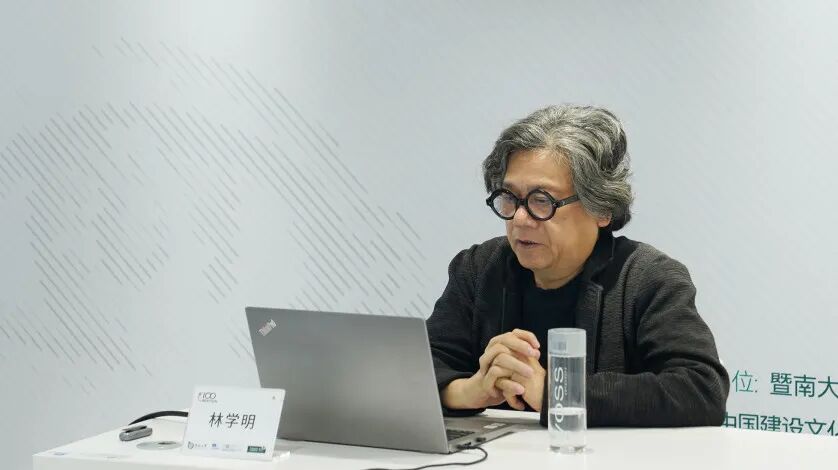
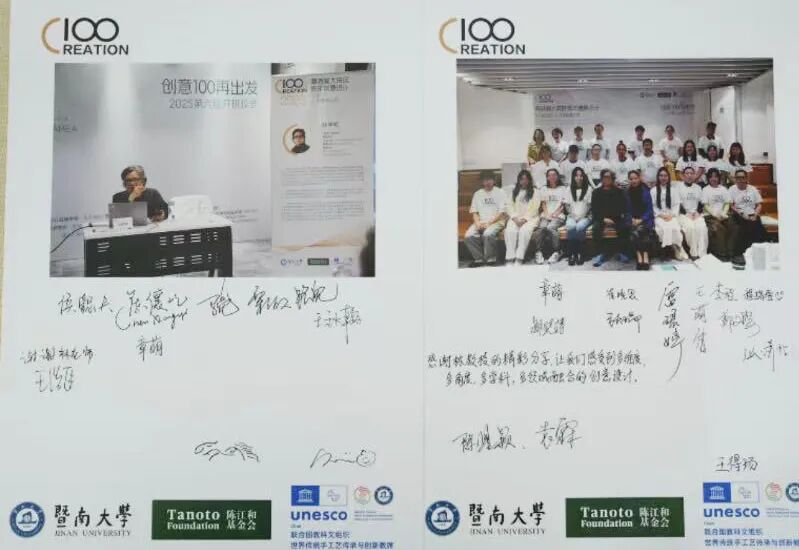

Drawing from his extensive practice as a cross-media creator, Teacher Lin Xueming vividly interpreted this concept through leading major cases such as the overall design of Qingdao Metro Line 1 and the renovation of Dongguan Art Museum. In the subway project, he innovatively proposed concepts such as "spatial integration" design and "seeing light without seeing lights," successfully integrating artistic thinking deeply into functional public transportation spaces. By extracting the urban imagery of Qingdao (such as red houses, waves, industrial heritage) and transforming it into abstract visual melodies, he not only shaped station hall spaces with rich regional characteristics and rhythmic aesthetics, but also successfully promoted the innovation of traditional standards in material application and lighting specifications. Teacher Lin Xueming's artistic creations, such as his series of explorations on "walls," also reflect the complete path from social observation to conceptual construction. The entire lecture profoundly inspired the students that design should transcend the limitations of form and technology, return to deep observation and independent thinking of life, nature, and history, and convey humanistic poetry in the construction of order. This is precisely the core of designers' response to the future and achieving sustainable innovation.
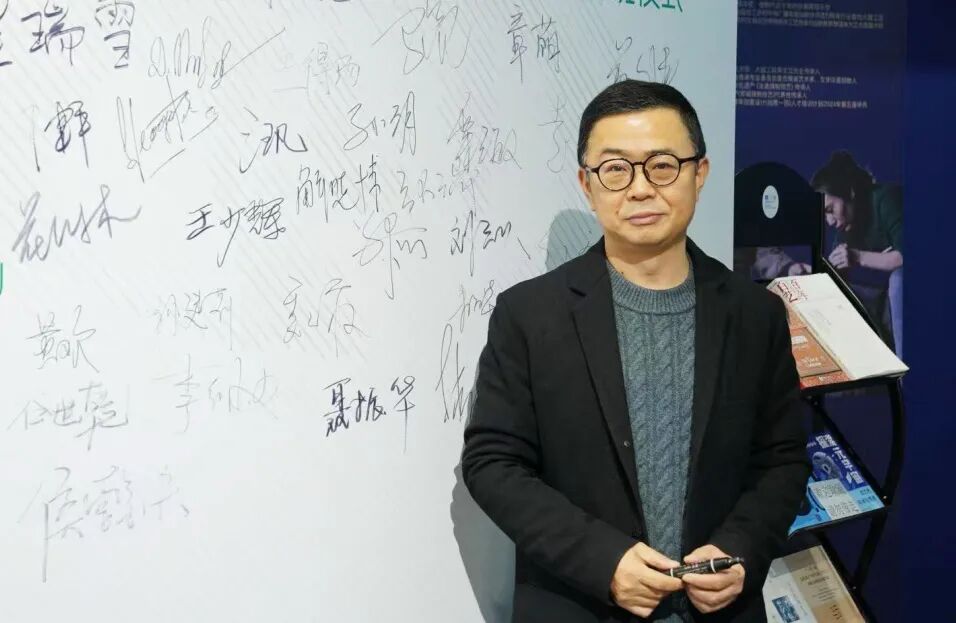
Morning of December 14th, Lecture 4: Zuo Jing
Lecture Title: "Aesthetic Practice in Dananpo"
Zuo Jing, Deputy Director of the Rural Creativity Expert Committee of the China Cultural Industry Association, UNESCO Chair Committee Member, and Associate Professor at Anhui University, systematically elaborated in the lecture on the cross-disciplinary rural work system that his team has developed over 18 years of exploration. This system targets "local knowledge of the countryside" and follows three core principles: "serving the community, preserving regional identity, and connecting urban and rural areas," viewing the countryside as a complete social ecosystem for "social design." In practice, the team has summarized a four-in-one methodology: "relationship production, spatial production, cultural production, and product production." This involves building a diverse trust network, revitalizing old spaces, systematically exploring and transforming local culture, and developing products and cultural and creative industries with regional characteristics to fully stimulate rural vitality. All work follows a bidirectional path of "importing urban resources into the countryside and exporting rural values to the city," ultimately leading to community co-governance of "resonating village voices" and humanistic care of "ensuring the well-being of the elderly and nurturing the young.".
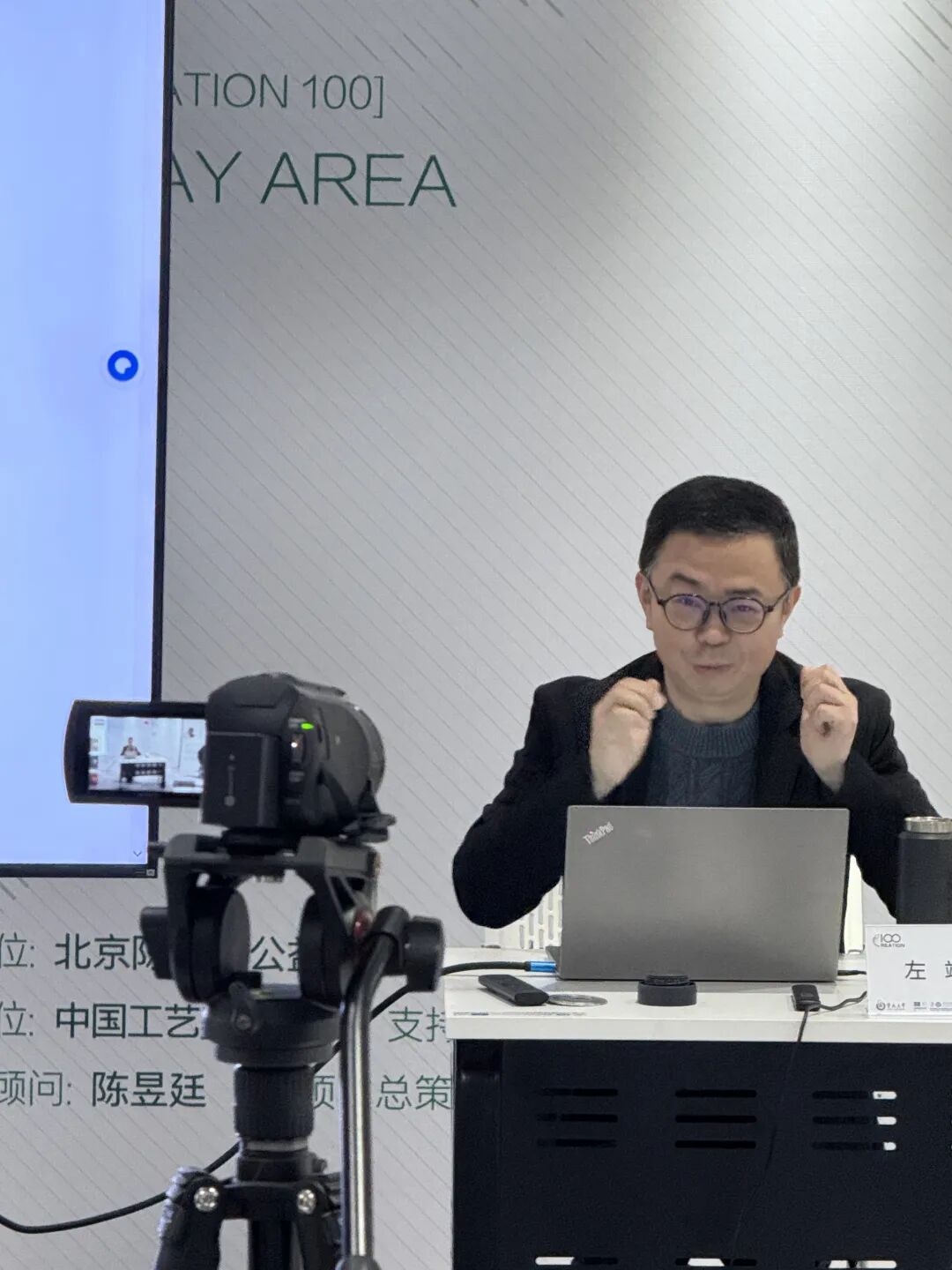
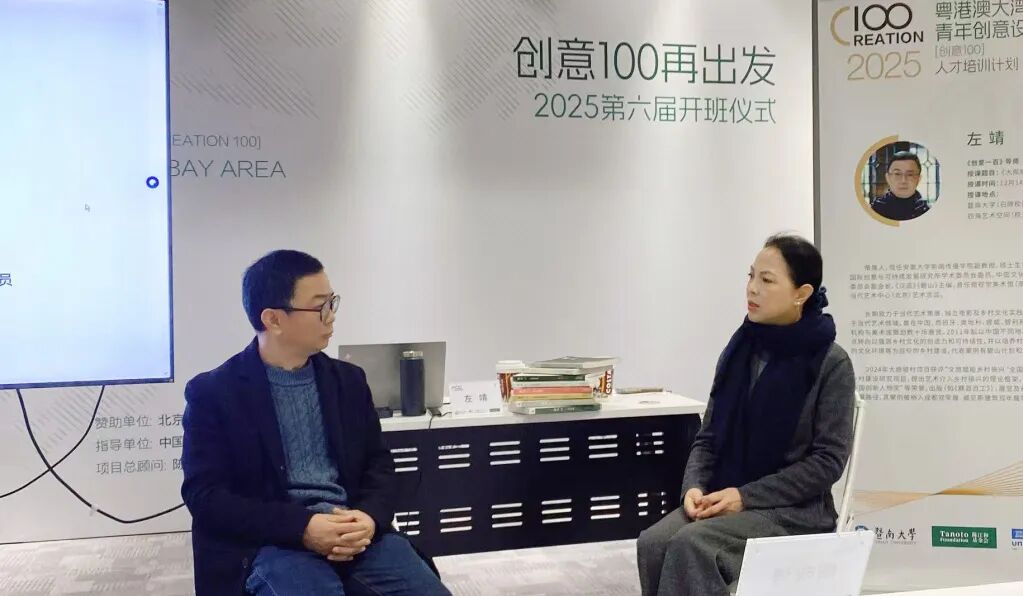
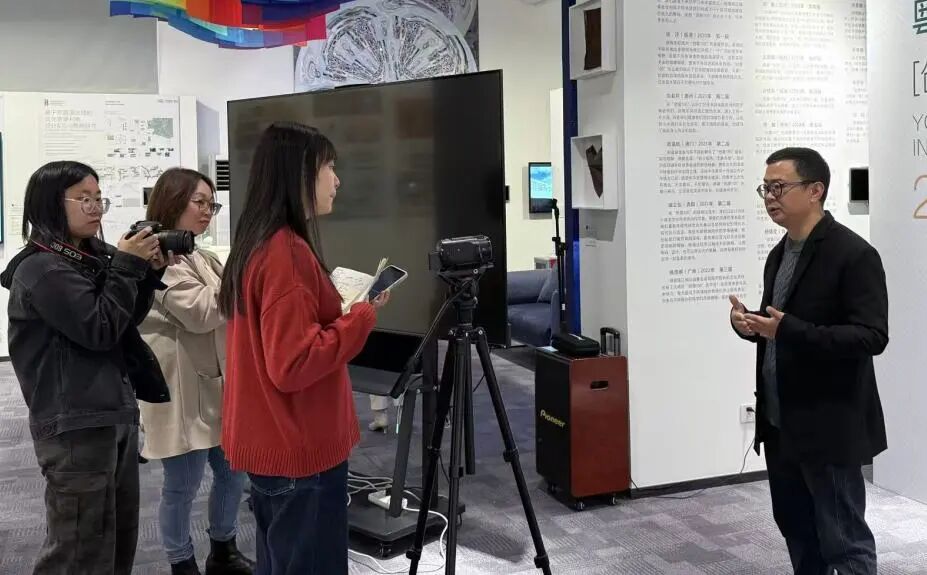
Taking the example of Henan's Dananpo Village, where the team has been deeply involved for many years, Zuo Jing specifically explained the practical effectiveness of this system. Faced with a once "hollowed out" village, the team transformed abandoned spaces such as the supply and marketing cooperative and the theater into bookstores, art centers, and hubs for village activities. Leveraging long-term field research and "on-site exhibitions" and "off-village exhibitions," they promoted local customs and crafts into the contemporary cultural context. Through ongoing activities such as children's aesthetic education, the revival of local opera troupes, and the "Autumn Revival of Dananpo" that integrates local and contemporary music, they activated the endogenous cultural dynamics within the community. This series of practices is based on deep respect, long-term companionship, and systematic design. The core lies in rebuilding the emotional connection between people and the land, providing a reference path for urban-rural integration and sustainable rural development.
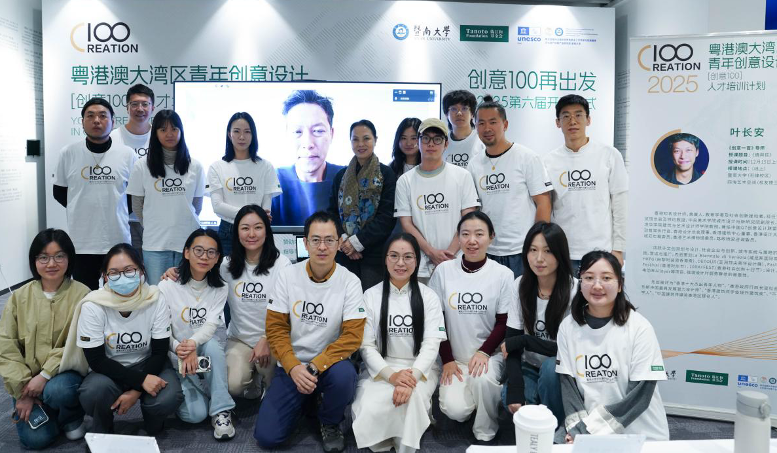
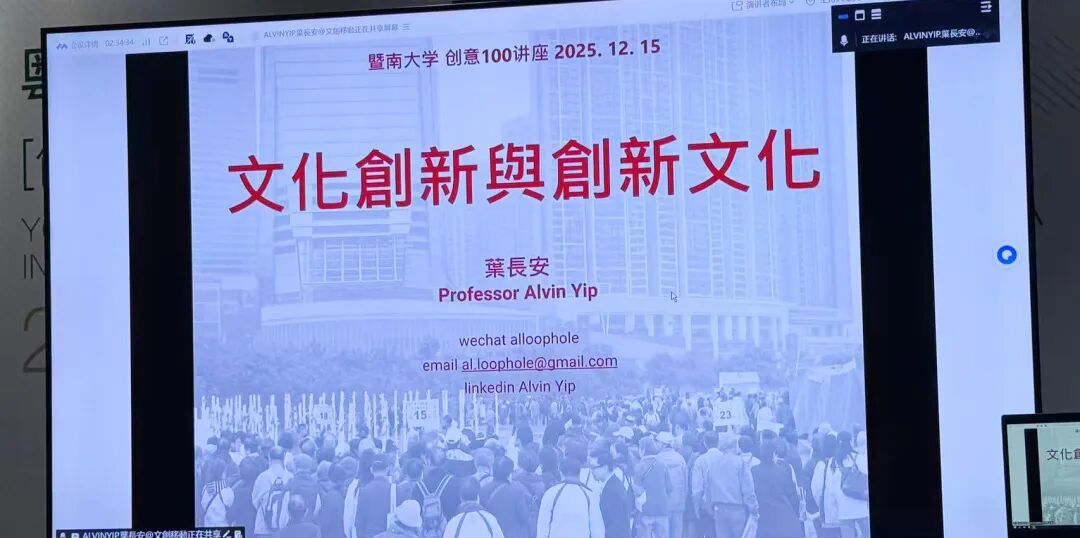
Morning of December 15th, Session 5: Ye Chang'an (online)
Lecture topic: 《Cultural Innovation and Innovative Culture》
Mr. Ye Chang'an, a renowned designer, curator, educational scholar, and promoter of social innovation in Hong Kong, as well as the director and adjunct professor of the Exhibition Gallery at the City University of Hong Kong, explored the deep connection between cultural innovation and social design through his rich practice spanning academia and industry. He analyzed the evolution of social innovation from a historical perspective, pointing out that true innovation not only stems from technological breakthroughs but is also rooted in the transformation of social structures and cultural contexts. Based on this, he proposed that entrepreneurs in the cultural field must transcend the single identity of "creator" and possess adaptability in multiple roles such as "activator", "mediator", and "catalyst". The core lies in precise self-positioning, integration of cross-sector resources, and a deep "co-creation" approach with communities and users.
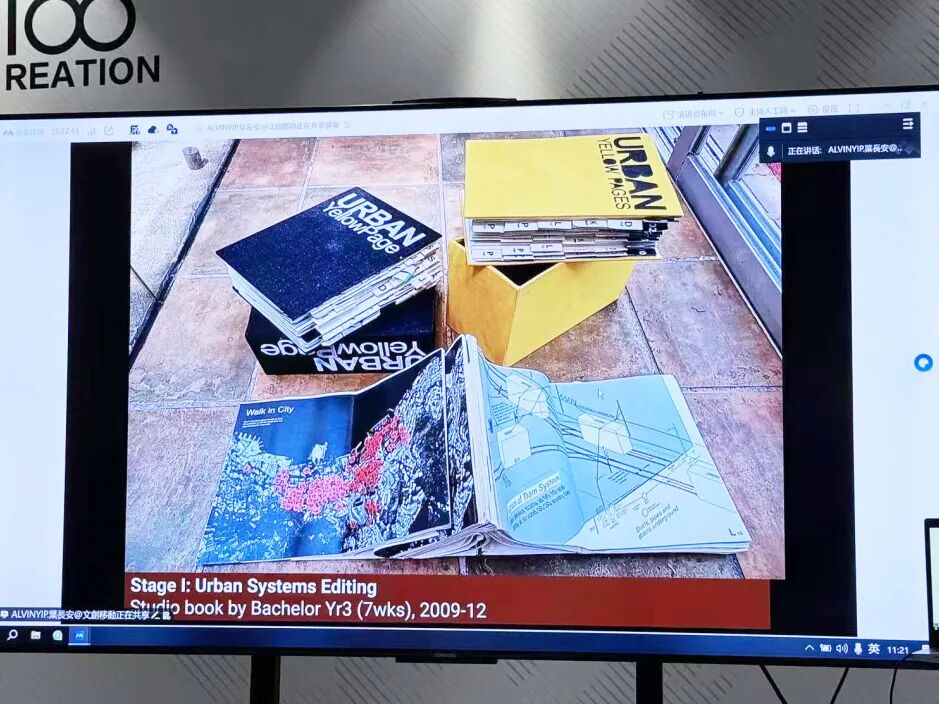
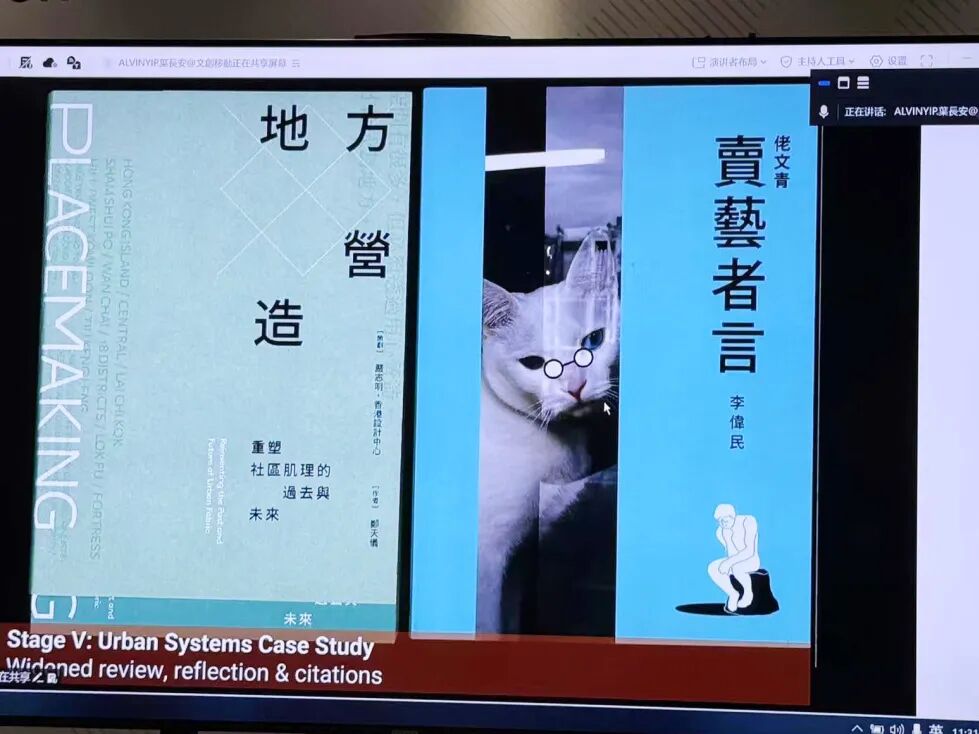
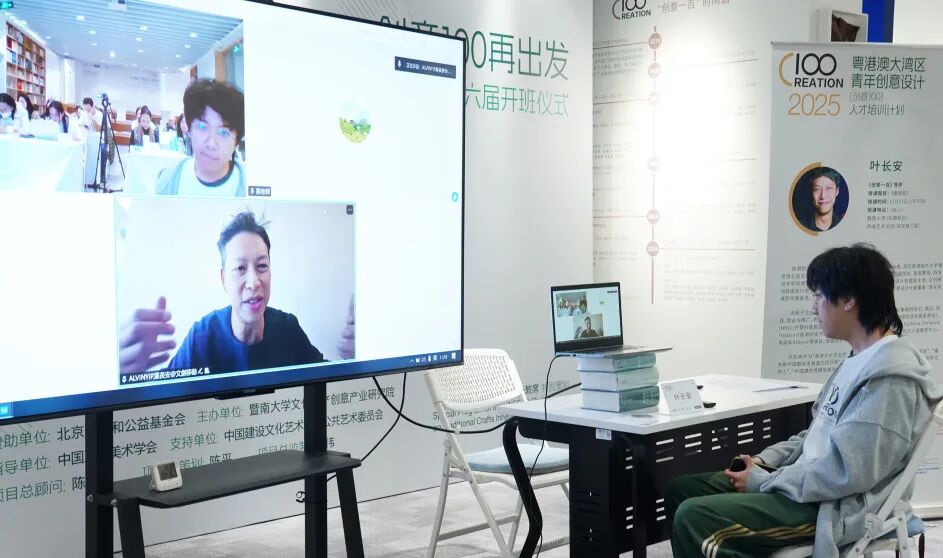
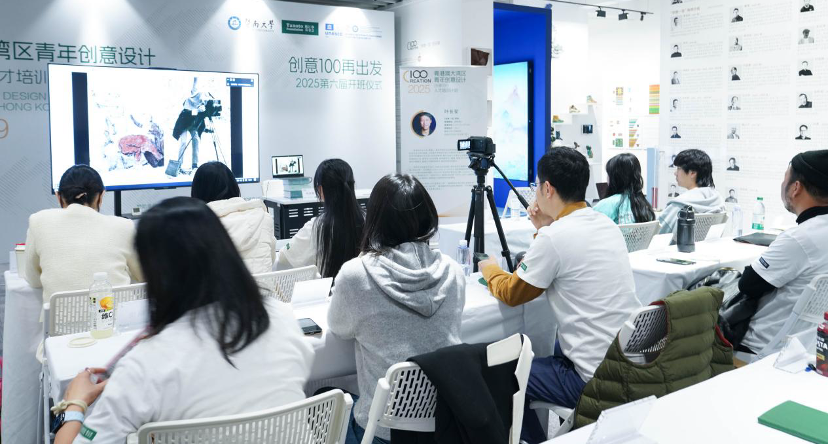
Teacher Ye Chang'an systematically explained the practical path of this concept through a series of specific and vivid local cases. Whether it's transforming rural cow dung into natural mosquito repellent products, systematically renovating industrial back alleys in Kwun Tong District, Hong Kong, to enhance the quality and safety of public spaces, or revitalizing the century-old Ding Ding tram into a mobile cultural experience space, these projects all embody his optimization wisdom of "from 1 to 10" and the promotion strategy of "using a small force to move a heavy object" - that is, being adept at creatively solving problems through small, low-cost experimental interventions within the existing framework and resource constraints, and gradually leveraging systemic changes on a larger scale. He emphasized that cultural entrepreneurship is not a linear "design-execution" process, but a cycle that requires continuous insight and dynamic adjustment. The core of success lies in embracing a pragmatic attitude, persisting in in-depth field research, and transforming cultural creativity into implementable, sustainable, and socially valuable solutions through collaboration with various forces such as the government, enterprises, and communities.
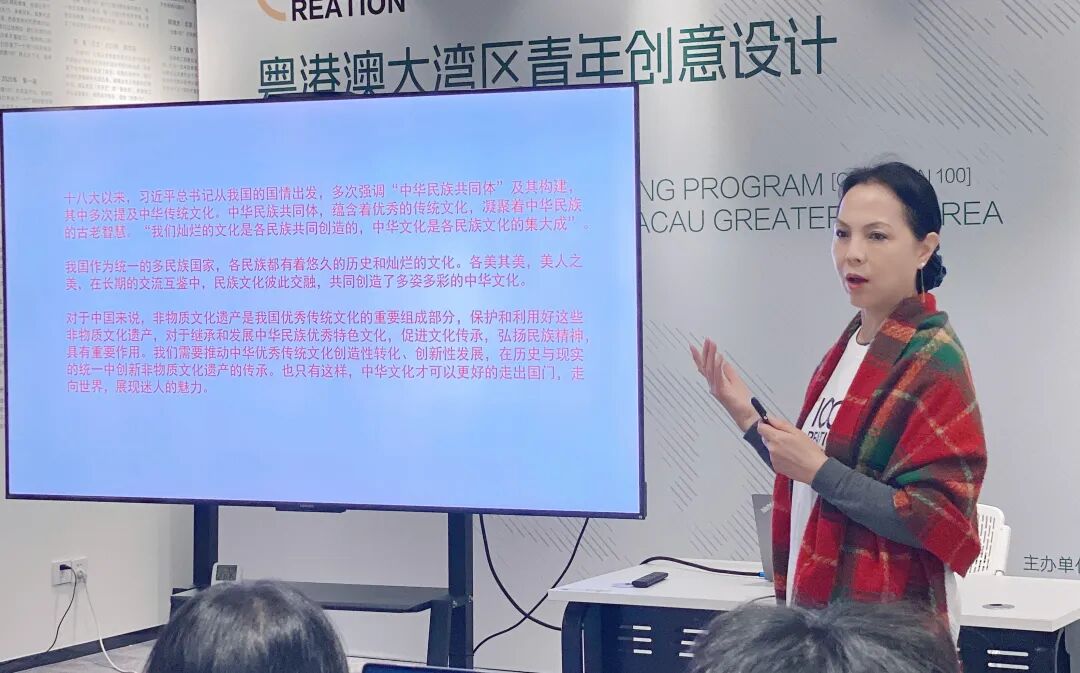
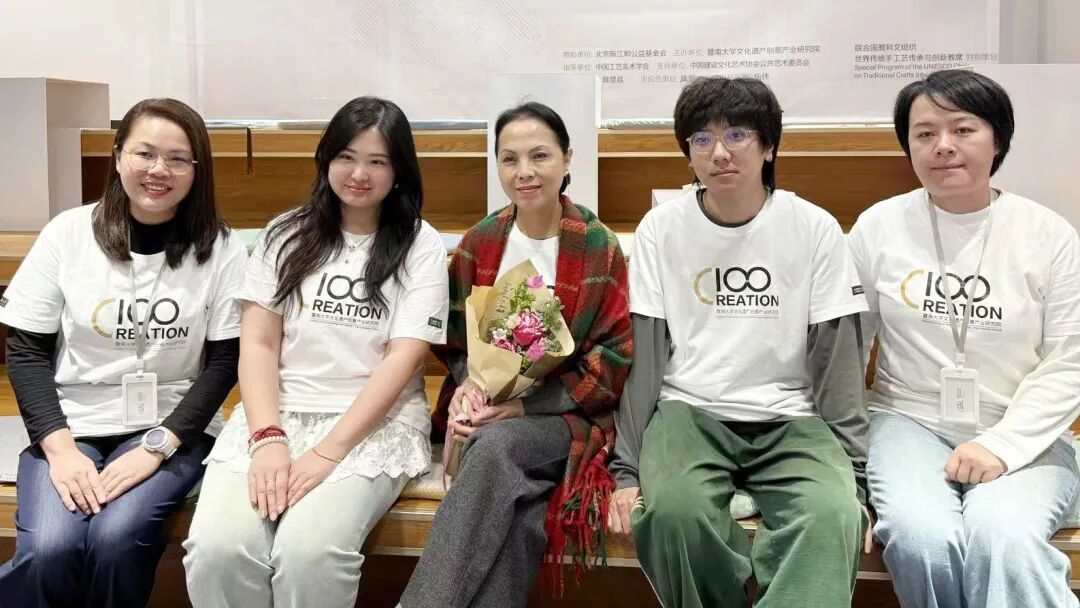
On the afternoon of December 15th, Lecture 6: Chen Ping
Lecture topic
"Research on the Inheritance and Innovation of Traditional Handicrafts
In the second lecture, Dean Chen Ping, with the theme of "Research on the Inheritance and Innovation of Traditional Handicrafts," deeply analyzed the identity value and local cultural differences of traditional handicrafts, pointing out the inheritance gaps and market challenges they face. She illustrated the innovative path of "traditional genes + modern design" with examples of the modern transformation of Paper Cuttings art and the creative transformation of Chaoshan fish lanterns. She detailed the international cooperation resources of the UNESCO Chair platform and invited participants to join next year's Asian Youth Forum and Handicraft Forum to share academic exchanges and project cooperation opportunities. Through a video presentation of the results, she showed the five-year achievements of the Creative 100 program—since its launch in 2020, the program has exceeded its training goals, and the participants' achievements, such as transforming Guizhou mountain culture into cultural and creative products and the AI interactive device "Shengfang," have been widely praised.
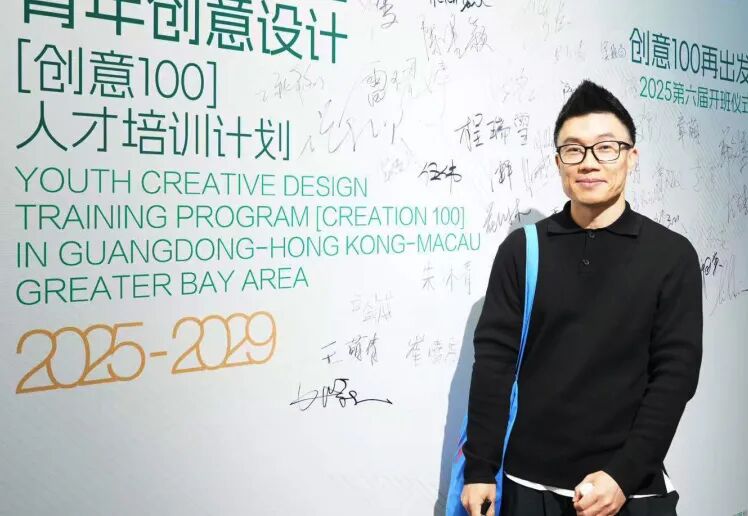
Morning of December 15th, Lecture 7: He Zhisen
Lecture topic: 《Design in Daily Life》
In his lecture, Mr. He Zhisen, curator, founder of the cross-disciplinary organization Mapping, and associate professor at the School of Architecture, South China University of Technology, profoundly expounded on his core philosophy: the imagination of design does not emerge out of thin air; it stems from meticulous observation and experience of the real world. He believes that design should not be a form of creation divorced from reality, but should return to the daily life, becoming a keen response to the traces and survival wisdom of ordinary people's lives. He Zhisen guided the participants to step out of the traditional design framework and venture into the streets and alleys. Through four methods: 24-hour surveillance, long-term tracking, participatory observation, and close observation, they rediscovered the warmth and significance of design in marginal settings such as wet markets, subway stations, and urban villages.
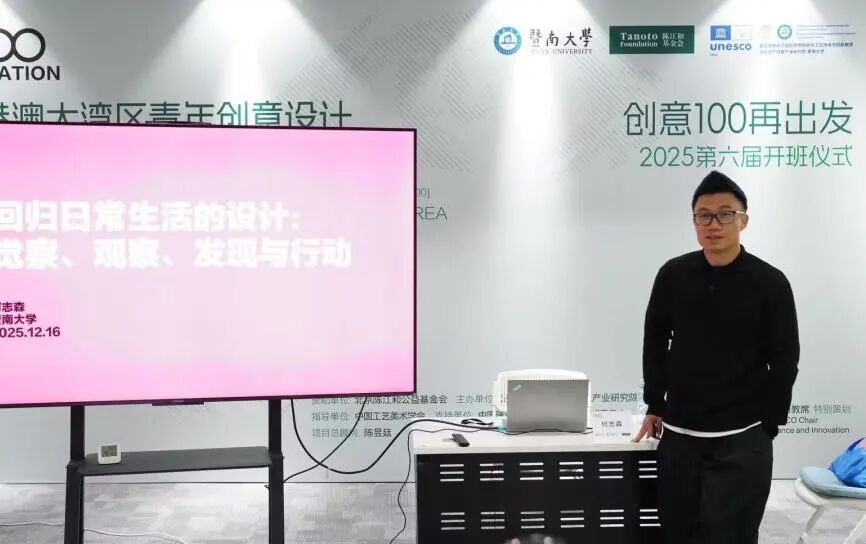
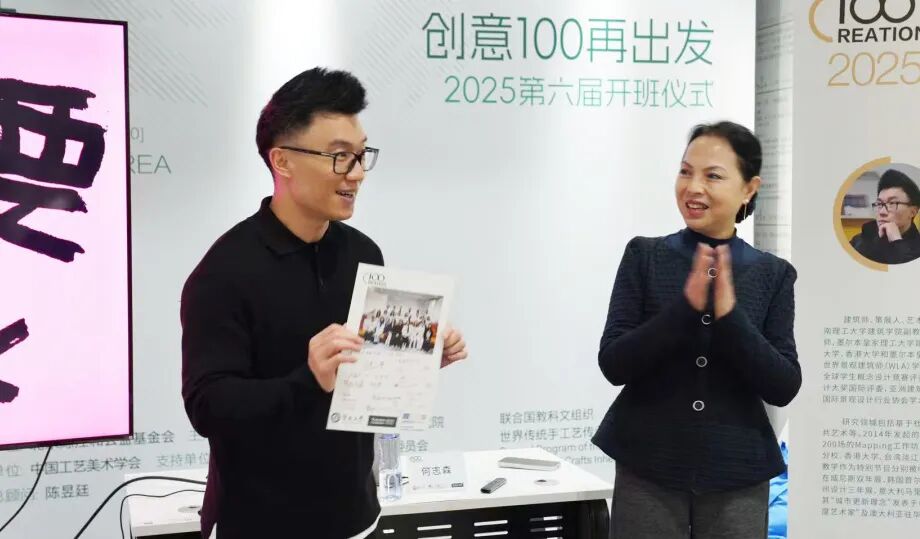
Mr. He Zhisen systematically explained the methodology of "Observation as Design". He particularly emphasized that the core of participatory observation lies in empathy, which means "to empathize with the observed person's experiences and feelings from the observer's perspective". He further distinguished the essential difference between "map" and "mapping": the former is an objective, abstract, and detached record; the latter is a subjective, concrete, and immersive understanding and reshaping - its significance "is not to objectively describe reality, but to see the world where people really live". Mr. He Zhisen quoted Danny Scott Brown's viewpoint, pointing out: "The power of design lies in the fact that you must observe every individual well... Design is about bringing resources to those who cannot have them." This design empathy is not condescending pity, but rather, as Lao She metaphorically put it, "if fate were reversed, how would you feel?" Mr. He Zhisen firmly believes that "the moment you discover something, you have already begun to design". He encourages designers to become the necessary "sky-gazers" in society, in an era where efficiency is paramount, through subtle yet profound interventions, to rebuild connections in people's "common activities of getting closer to each other", allowing design to truly serve human dignity and illuminate the beauty of ordinary life.
On the afternoon of December 16th, Lecture 8: Lin Zhenzhong
Lecture topic
《New Bay Area · New Aesthetics · New Business》
In his lecture, Professor Lin Zhenzhong, founder of Tsinghua Life Lecture Hall, visiting professor of the Department of Environmental Art at Tsinghua University, and specially-appointed expert and course professor at the School of Urban Design, Central Academy of Fine Arts, systematically expounded on the era value and practical path of aesthetic economy. He pointed out that the current economic form is transitioning from a service economy that satisfies functional needs to an aesthetic economy that creates spiritual value and emotional resonance. Drawing from his cross-disciplinary design and teaching experience, Professor Lin emphasized that the power of beauty is omnipresent, and the mission of designers lies in penetrating into daily life, keenly perceiving and awakening the overlooked beauty in everyday life. Through rich cases such as Suzhou banquets, tung oil tree flower cultural tourism, and pet-friendly furniture, he vividly illustrated how to integrate traditional culture, local memories, and contemporary needs, thereby transforming aesthetic perception into sustainable commercial value and social influence.
Teacher Lin Zhenzhong proposed that the core of realizing aesthetic economy lies in transcending visual imagery and constructing a complete "five senses and six perceptions" experience. He took his own design of a Suzhou cultural feast as an example, elaborating on how to create immersive scene memories through visual elements such as natural light and shadows, auditory elements like Pingtan and raindrops, olfactory elements like Suzhou's "three flowers", gustatory elements like seasonal ingredients, and tactile elements like natural cross-ventilation, allowing culture to be naturally perceived and passed down through the experience. He further pointed out that excellent design should be like "mother's taste" or childhood memories, carrying emotions and stories, thereby establishing a deep connection with users. Whether it is the fourfold quality of "environment, aesthetics, cuisine, and human relations" that a homestay manager should possess, or the transformation of "tung oil tree flowers" from a nuisance to a billion-yuan industry in rural revitalization, both confirm his core viewpoint: only design rooted in culture, infused with emotion, and precisely responding to human needs can break the dilemma of product homogenization and create lasting and moving value in the wave of aesthetic economy.
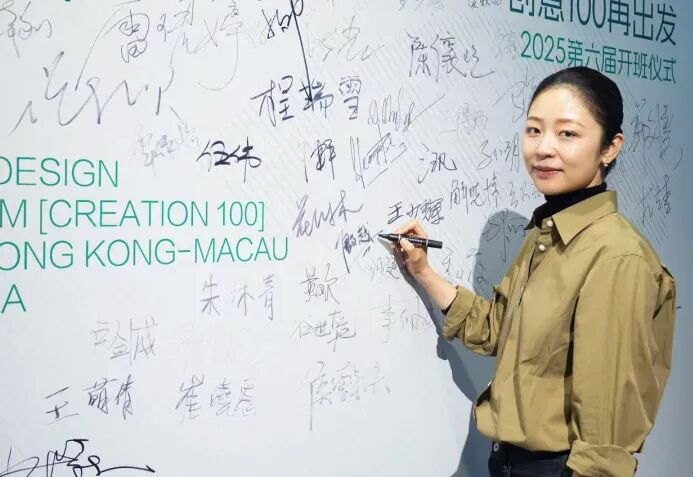
On the evening of December 16th, guest speaker: Yin Yue
Sharing the topic 《Breaking Boundaries - Traditional Craftsmanship, Contemporary Art, and Mass Communication》
Yin Yue, a young fiber artist and chief designer of Fangji Kid, shared her personal journey in creating works. Starting with the 8,000-year-old wool felt craft, Yin Yue talked about her exploration of transitioning from animation major to handmade art, sharing the emotional expression and life reflections behind her works such as the "Mushroom's Poetry" series and the "White Series". She elaborated on the home furnishing products she collaborated with Fangji, such as the warm autumn bear sofa and the white elk pillow, as well as the hanging card design she collaborated with Pop Mart. She emphasized that the contemporary value of traditional handicrafts lies in "human warmth", and product design needs to balance emotional value, brand tone, and user needs. Facing questions from the students, Yin Yue shared her experience in balancing artistic creation and commercial demands, encouraging young designers to adhere to their core expression and maintain creative sincerity in cross-industry collaborations.


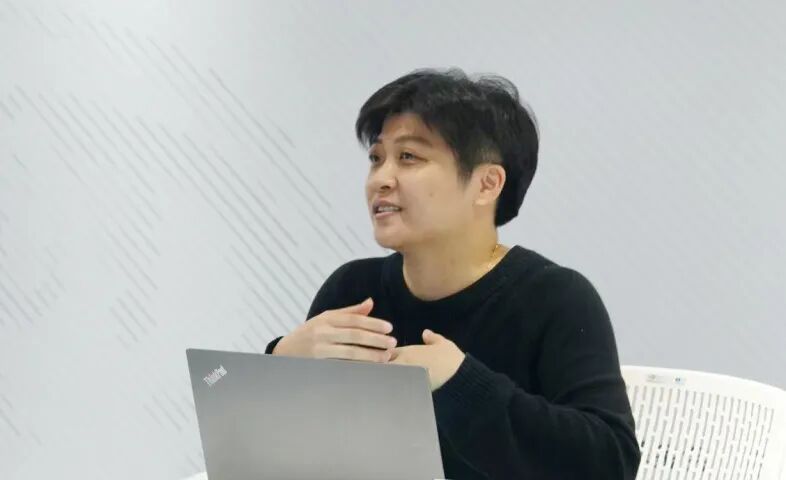
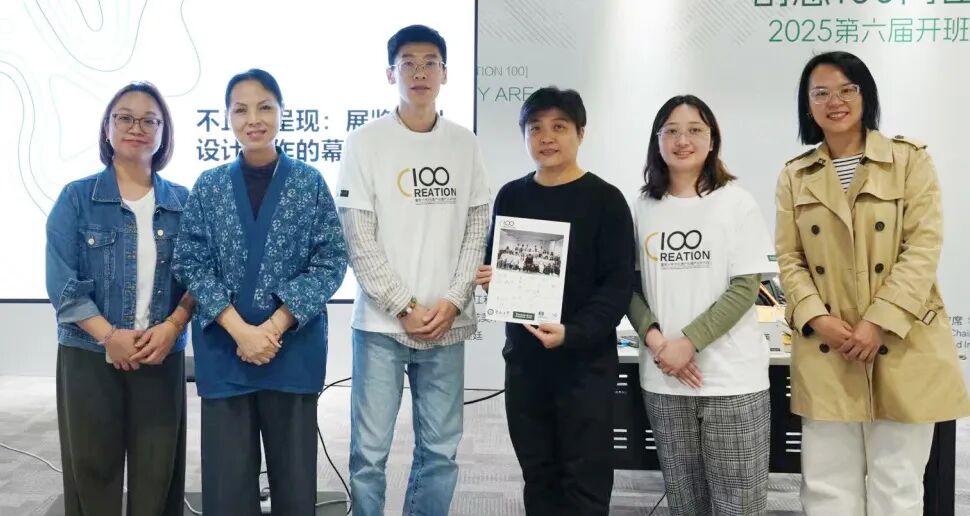
On the evening of December 12th, guest speaker: He Guoying
Sharing the topic 《More than Presentation: A Behind-the-Scenes Record of Exhibition Planning, Design, and Production》
Through an in-depth thematic sharing session, Ms. He Guoying, the founder of Liangfeng Design, systematically reviewed and passionately presented the entire behind-the-scenes process of exhibition planning. Leveraging her extensive experience in the industry, Ms. He Guoying deeply analyzed the positioning characteristics and curation logic of different types of venues, including public, private, university, and commercial ones. She systematically structured the core elements of various exhibition forms, such as on-shelf displays and spatial installations. By combining multiple classic cases such as the Boyce Collection Exhibition, the Cai Chusheng Document Exhibition, and the Cloisonne Exhibition, she vividly explained key aspects ranging from the generation of curation ideas, interpretation of cultural contexts, innovative material applications, to on-site problem resolution. From bold experiments with cross-disciplinary materials to meticulous polishing of exhibition details, from breaking through language barriers to efficient coordination of emergency setups, the rich practical cases allowed the students to gain a deep understanding of the core principle of exhibition design: "serving exhibits and transmitting culture." Through numerous preparatory examples, Ms. He Guoying inspired the students to face difficulties with a positive attitude, while emphasizing the unique value of academic exhibitions in universities, providing practical industry insights for the students.
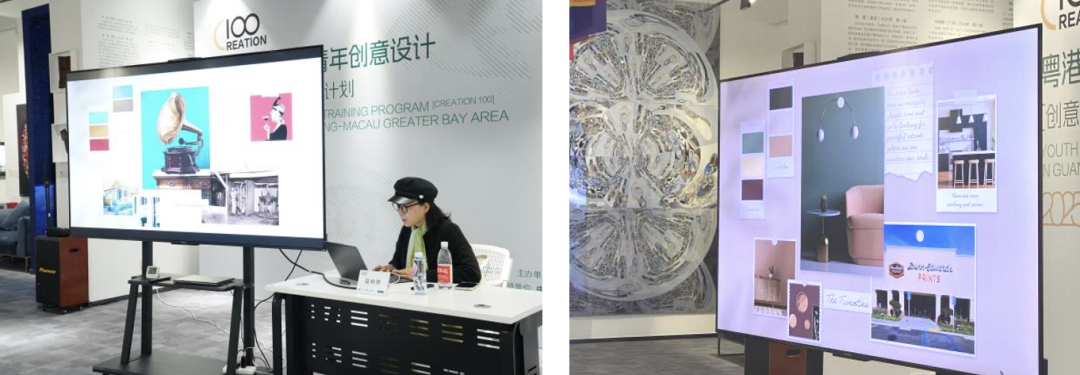
On the evening of December 15th, guest speaker: Wu Liping
Share the topic
《The Impact of International Historical Color Aesthetics on the Present》
In her special sharing on color design, Ms. Wu Liping, a color research expert, vice president of the China Fashion Color Association, and color director of Dunn-Edwards Coatings China, systematically interpreted the fashion trends of architectural colors in 2026. She pointed out that influenced by the development of AI and social emotions, colors next year will exhibit a "bipolarization between extremely light and extremely dark," with green becoming the main color in architecture. Ms. Wu reviewed the correlation between color evolution and social background in different eras, compared the differences between Eastern and Western color systems, and emphasized that traditional cultural color usage needs to be adjusted based on customer groups and the proportion of integration with contemporary fashion colors while retaining its genetic essence. She combined cases such as the application of Starbucks green to illustrate the emotional value and commercial potential of color, providing precise color application ideas for the participants' "Blossoming Guangzhou" themed design.
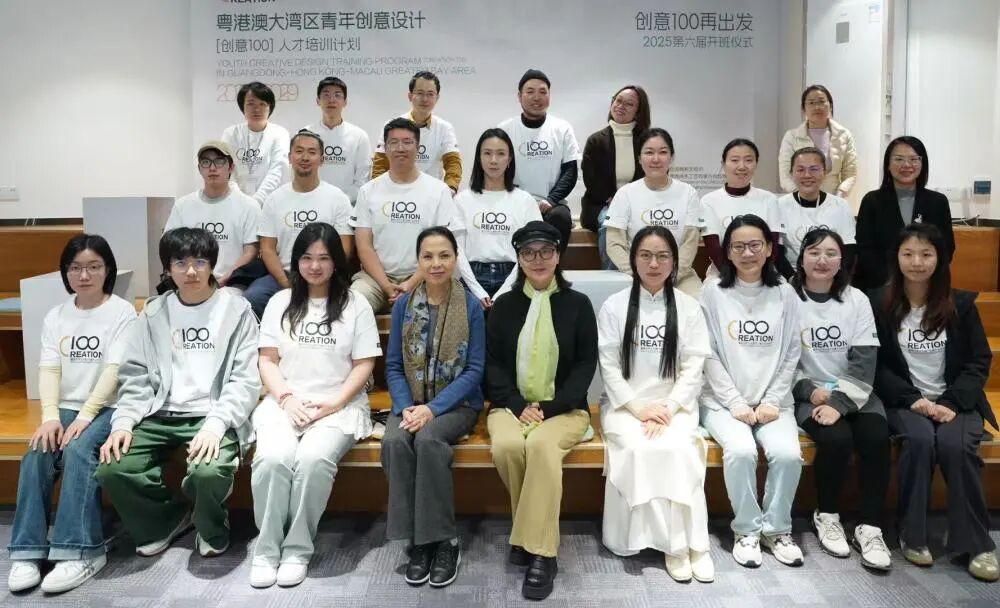
During the ten-day innovation journey, this training session continued the training model centered around interdisciplinary and cross-regional teams. Participants from diverse backgrounds formed five teams, collectively completing the entire process from field research, theme exploration, to result presentation, all around the theme of "Guangzhou in Bloom".
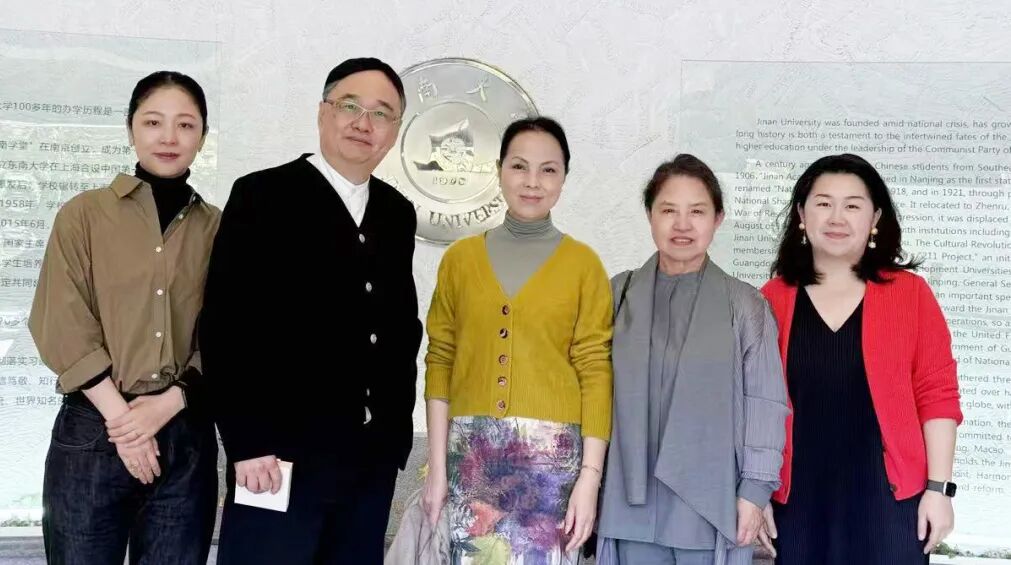
From left: fiber artist Yin Yue, Lin Zhenzhong, founder of Life Aesthetics at Tsinghua University, Chen Ping, chief planner of Creative 100, Li Wei, long-term professor of Textile and Apparel Department at the Academy of Arts & Design, Tsinghua University, and Fang Xin, director of the Intangible Cultural Heritage Research Center at Guangzhou Academy of Fine Arts
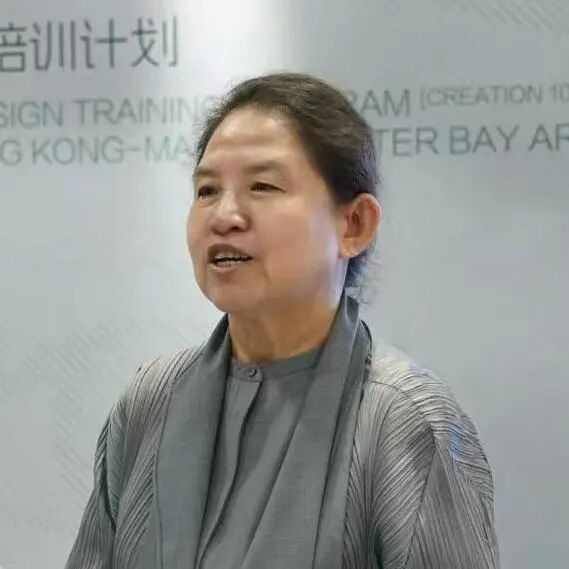
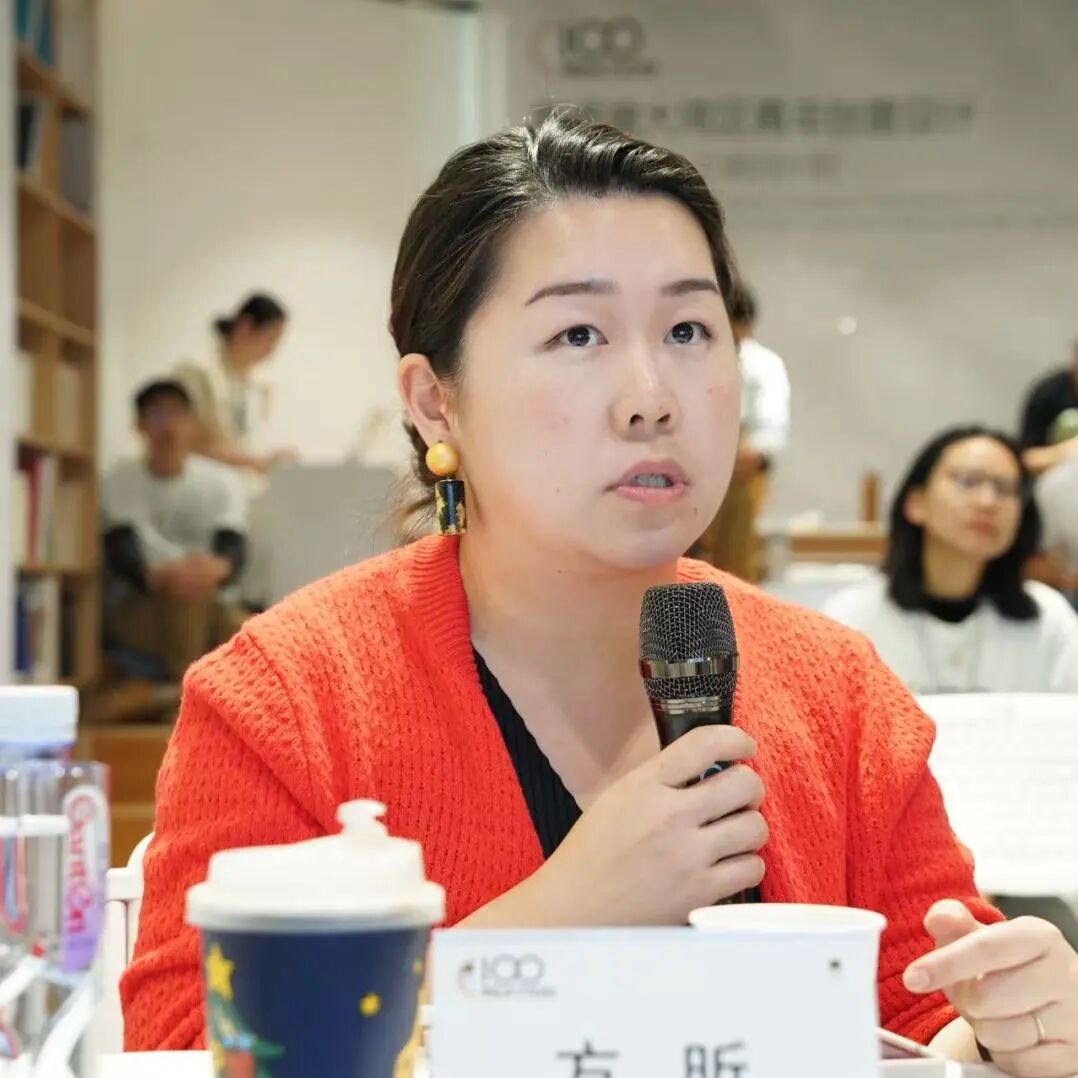
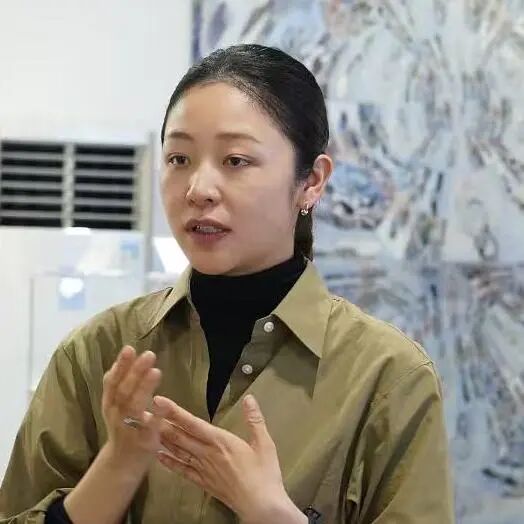
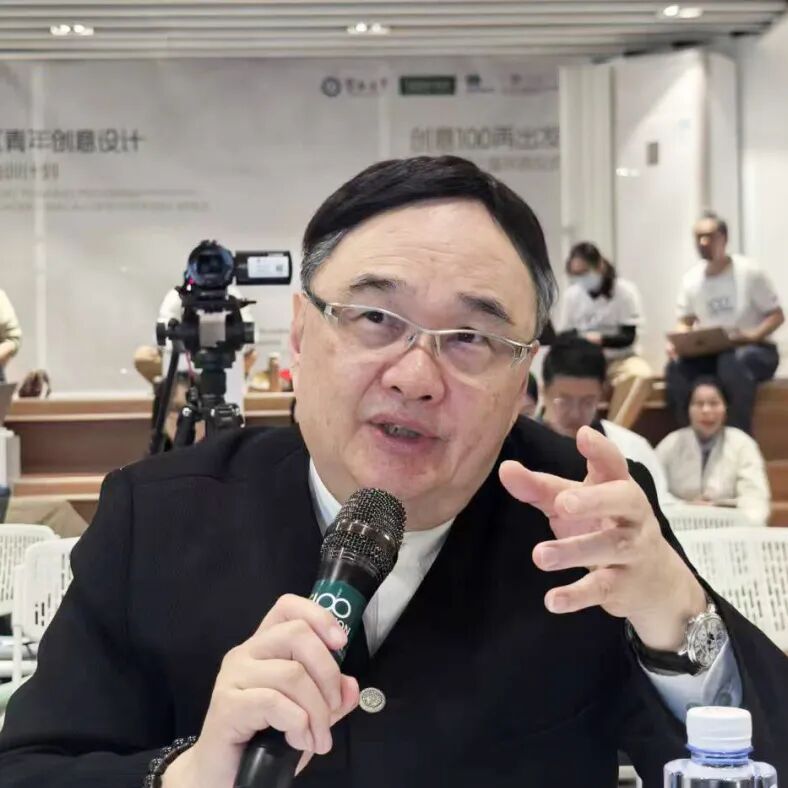
Graduation thesis supervisor
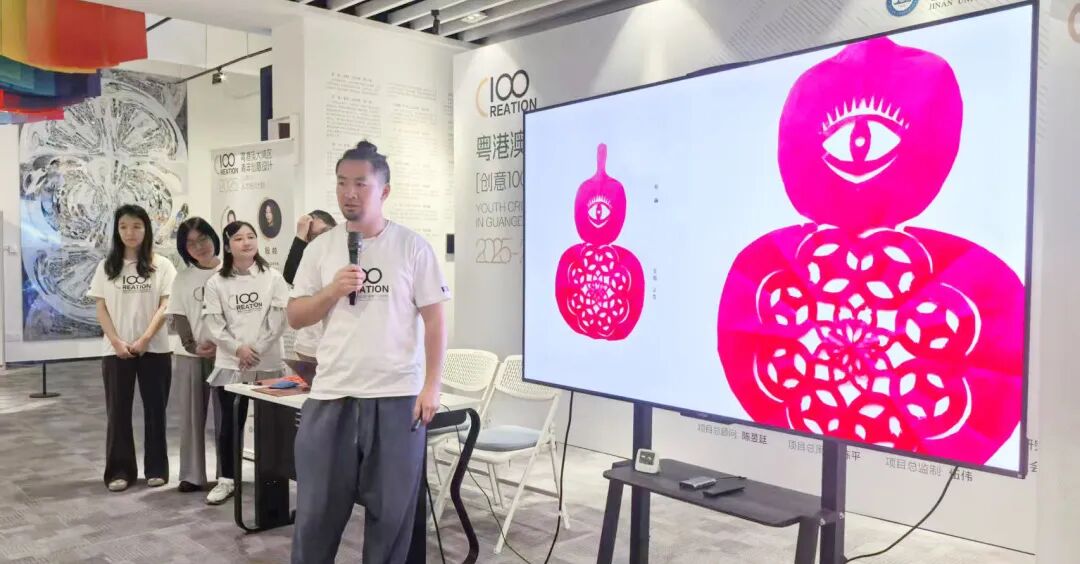
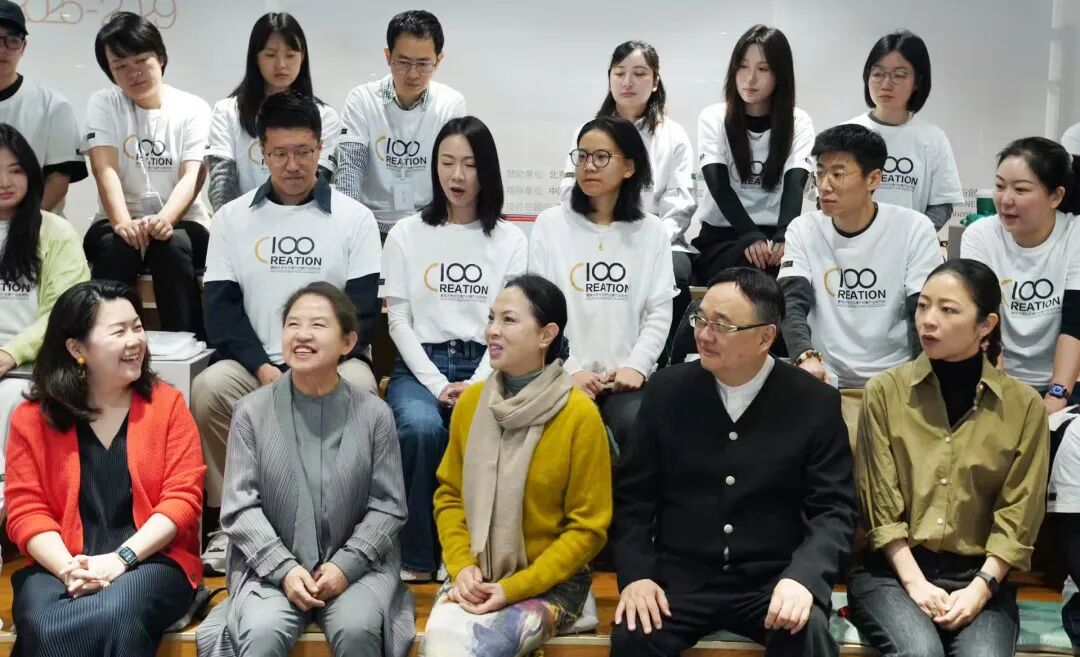
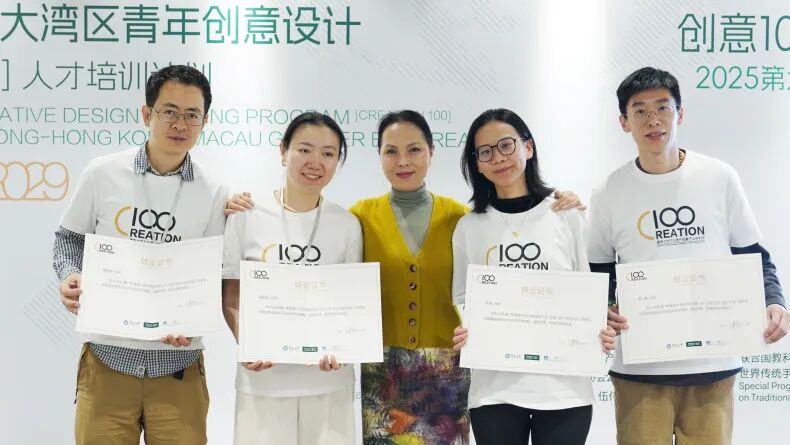
The graduation thesis defense of the trainees came to a perfect conclusion
In the graduation defense session, in addition to Chen Ping, Lin Zhenzhong, and Yin Yue, the three project mentors and guests, Li Wei, a long-term professor and doctoral supervisor of the Department of Textile and Apparel at the Academy of Arts & Design, Tsinghua University, and Fang Xin, a teacher at the School of Arts and Crafts, Guangzhou Academy of Fine Arts, and director of the Intangible Cultural Heritage Research Center, were also specially invited to form a jury to provide detailed comments on each group's proposals. The five achievements presented by the students fully reflected the deep integration of cross-sector collaboration and humanistic care: from the "Guangzhou Ancient Tree Electronic Map" that records urban memories, to the "Hua Hua" paper-cutting lantern that integrates flower symbols from Guangdong, Hong Kong, and Macao; from the "Shipai·Photosynthesis Plan" and "Shipai Poetry" that promote community connection, to the "Hua Chu Plan" that focuses on the experience of visually impaired groups and the "Symbiotic Realm" art education project that guides ecological reflection, and even the "Hua Kai * Hua Kai" plan that connects garden culture and contemporary life through plant dyeing - each work is rooted in local culture and responds to real social and humanistic needs with innovative design.
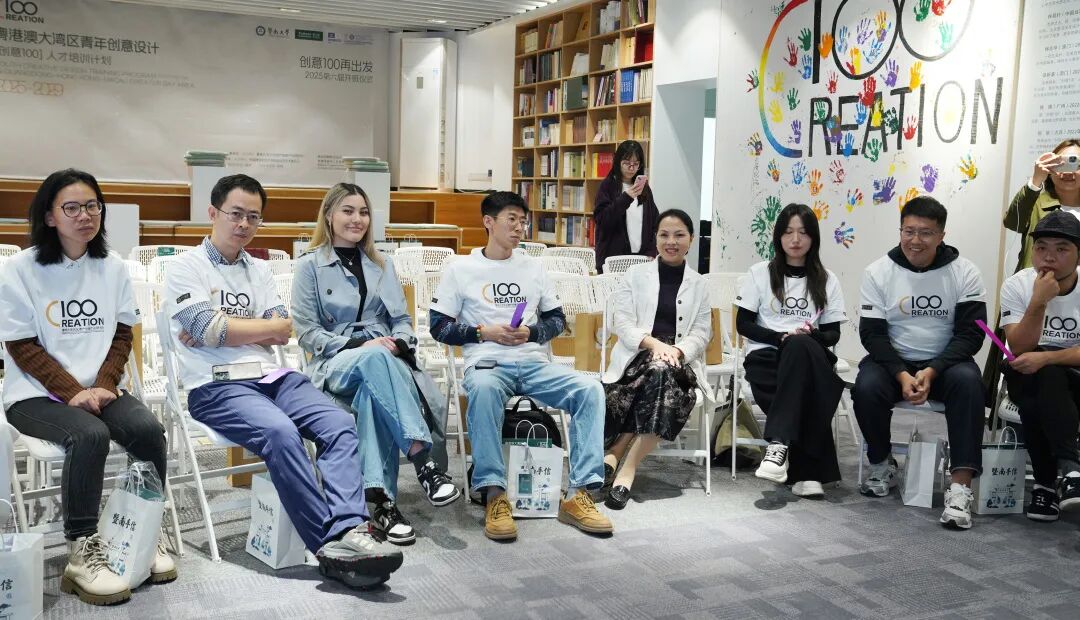
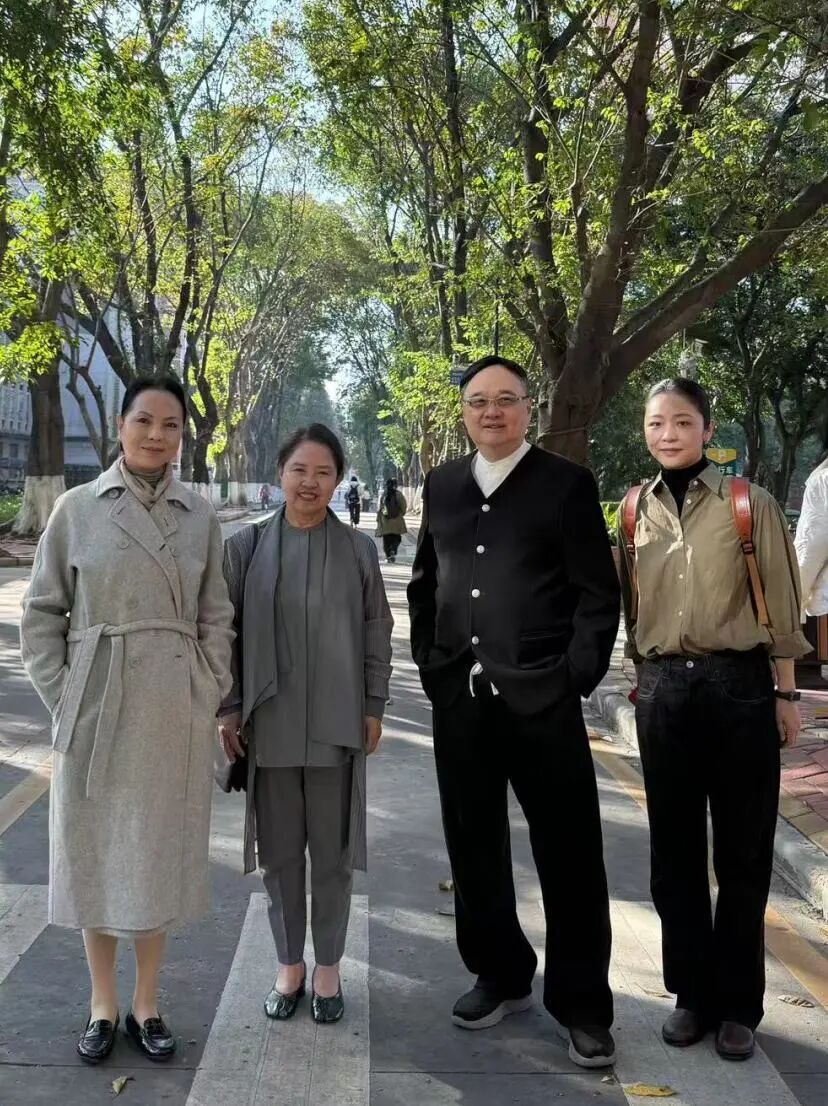
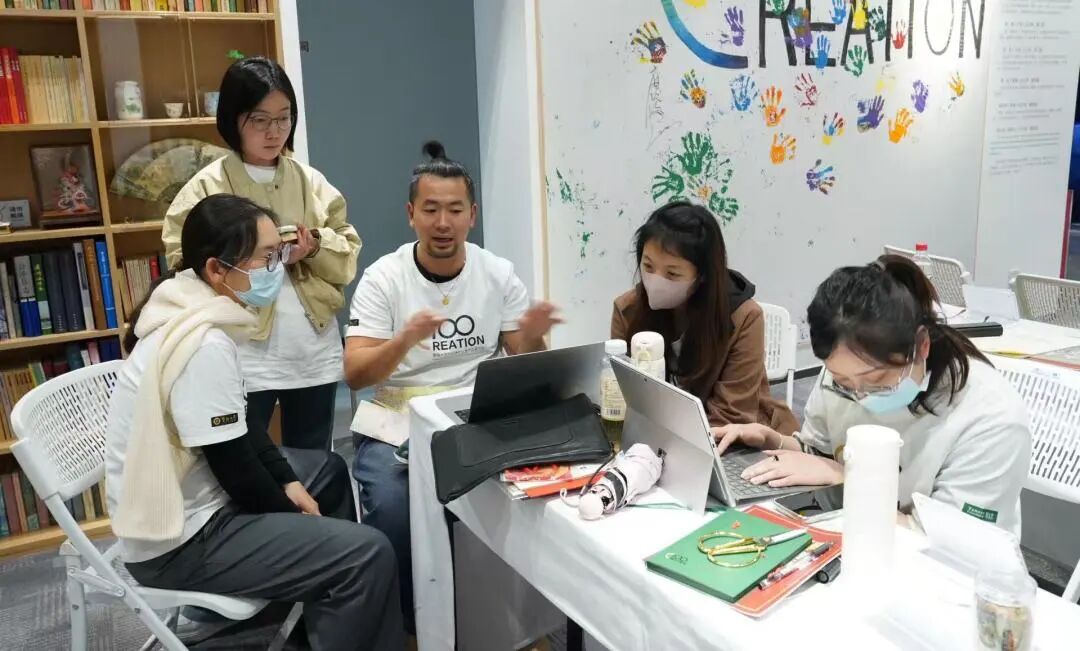
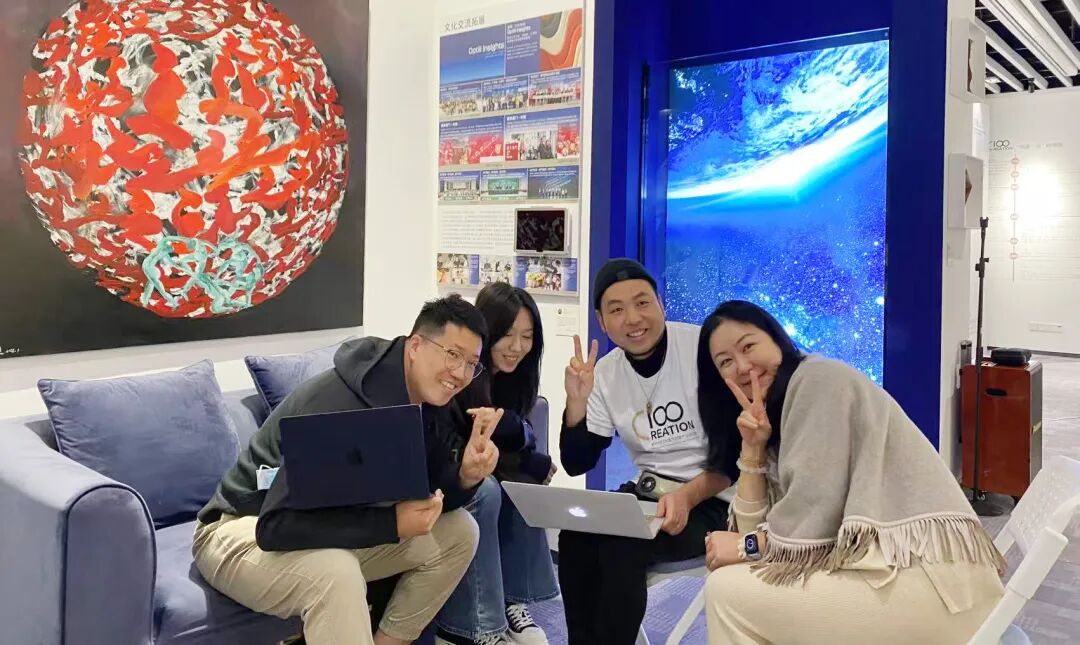
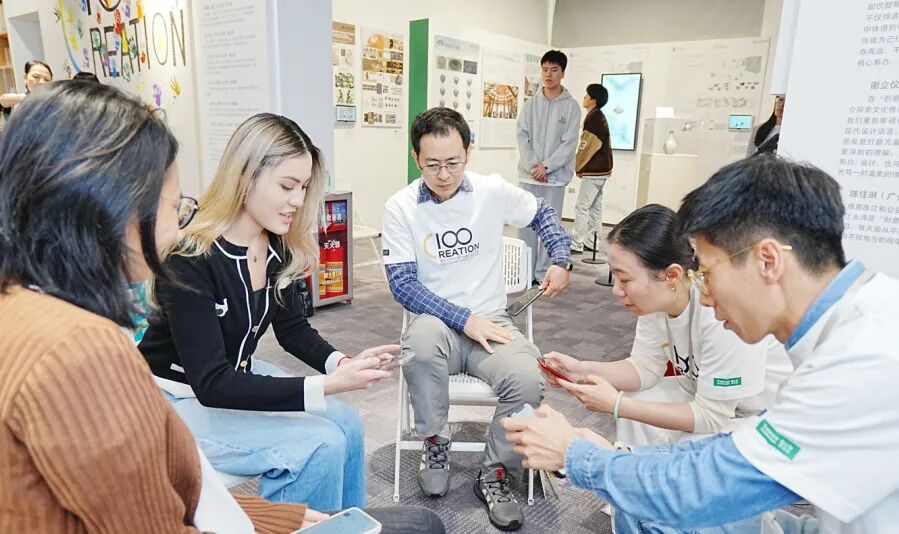
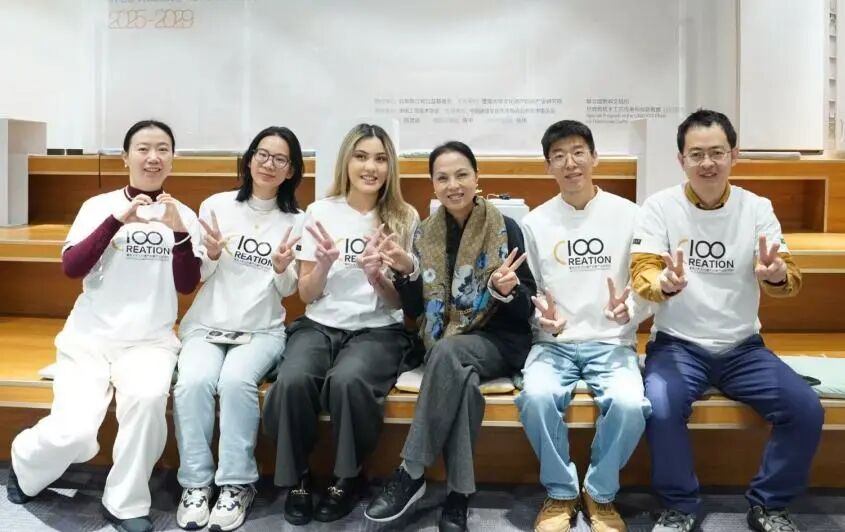
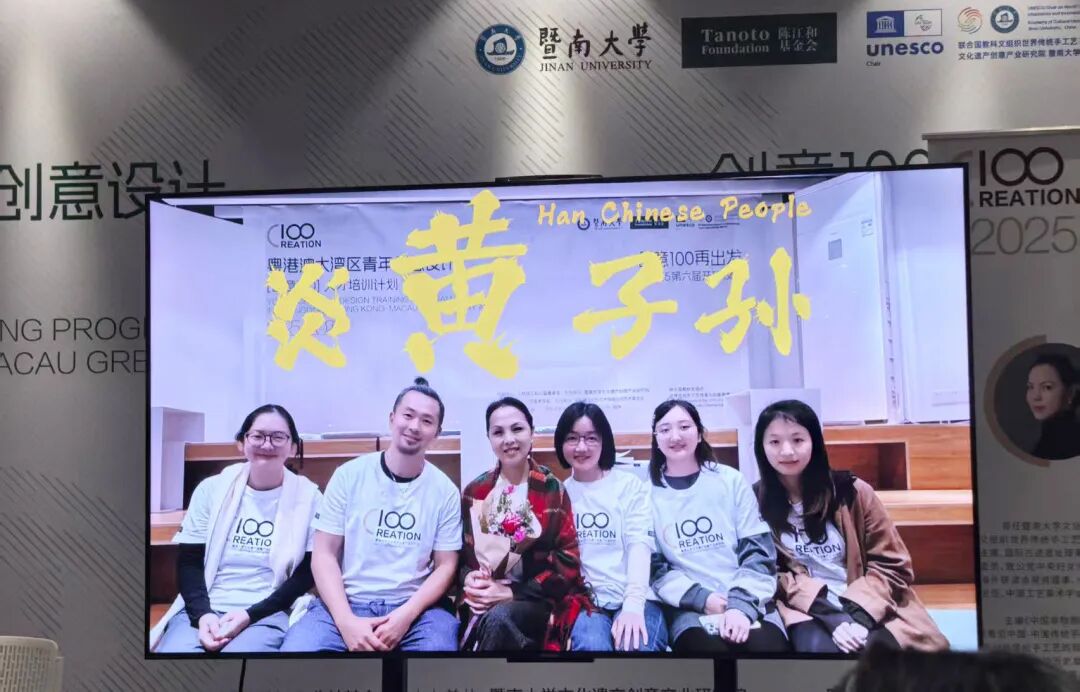
A training model centered around interdisciplinary and cross-regional teams
The successful holding of this training marks a solid start for the new five-year cycle of the "Creativity 100" project. Looking ahead to the next four years, the project will use this as a blueprint to continuously deepen the cultivation model that integrates "international vision, national strategy, and regional practice" and optimize the cross-regional and cross-cultural creative exchange platform. We will work together with all sectors to steadily advance subsequent plans and systematically cultivate more young talents who possess both a sense of cultural mission and cutting-edge design skills, enabling them to truly become a sustainable force driving cultural innovation in the Bay Area and serving social development.
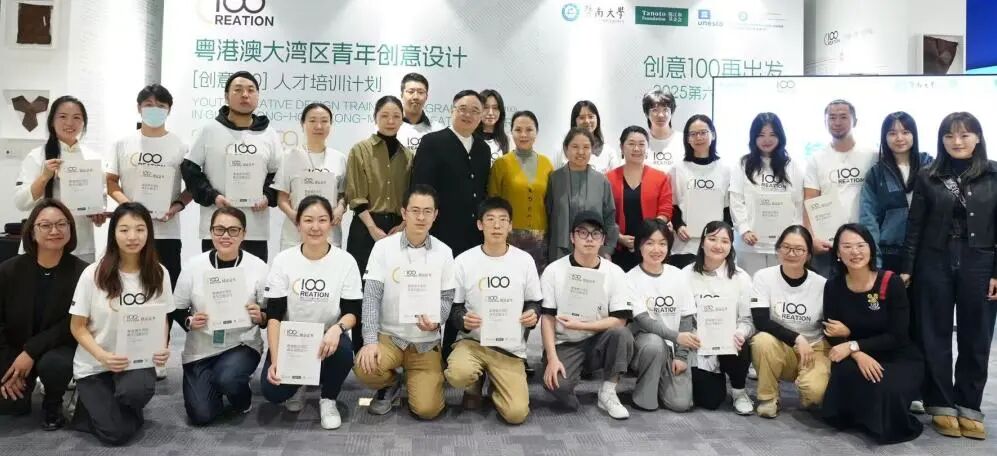
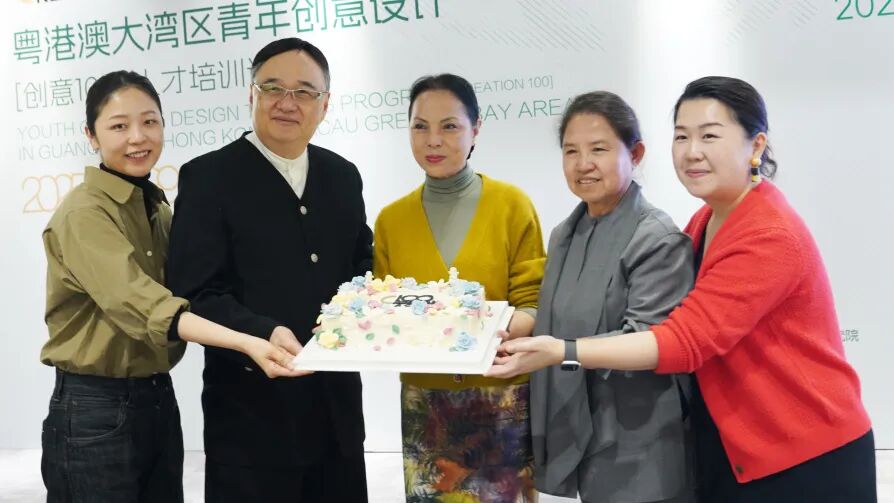
Innovation 100, starting anew. In 2026, we will continue to move forward