

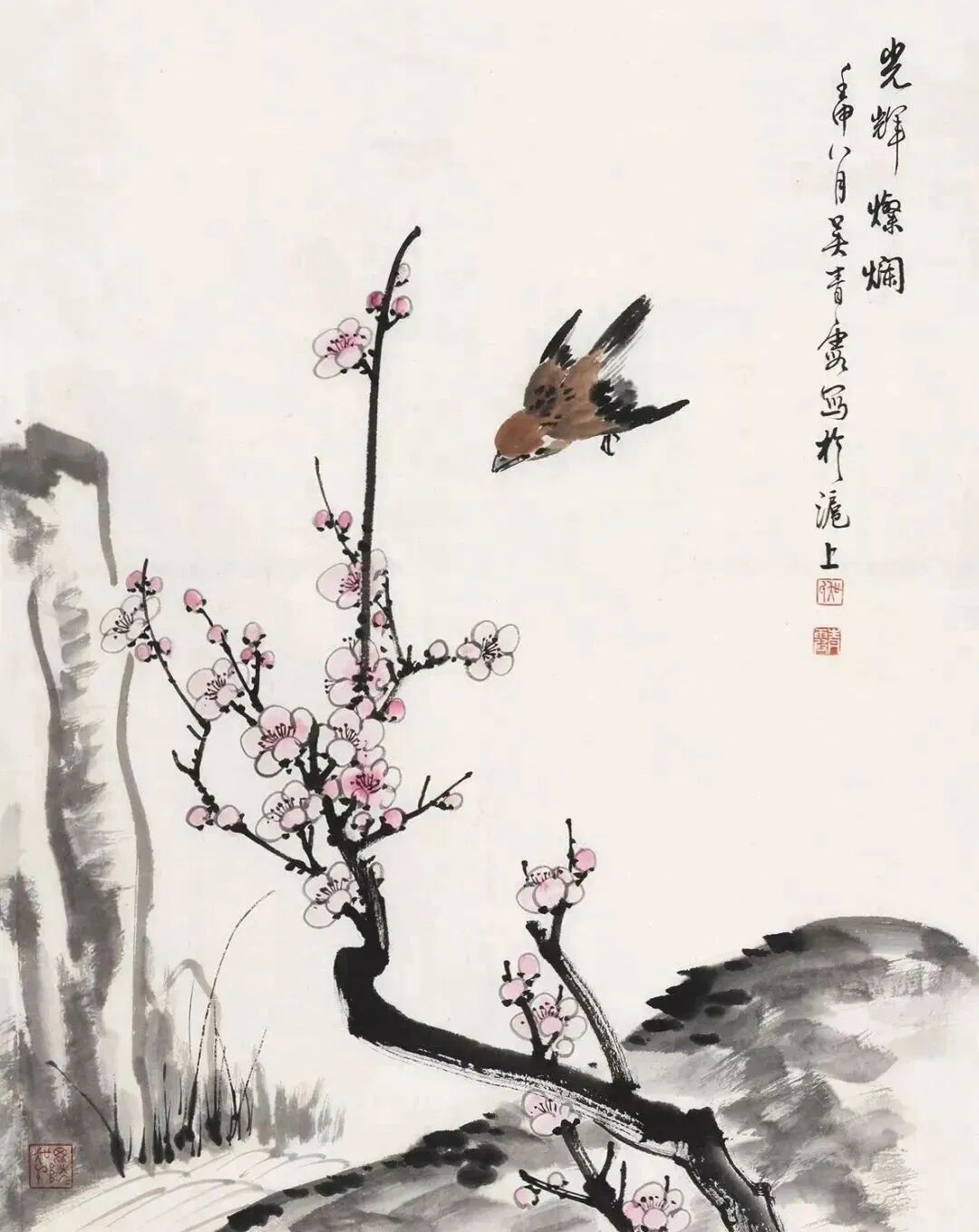
Wu Qingxia Flower and Bird
Winter Solstice /12.21
Winter Solstice is the 22nd solar term of the 24 solar terms. Winter Solstice, also known as Sunan Zhi, Winter Festival, Asian New Year, etc., combines both natural and cultural connotations. It is not only an important solar term among the 24 solar terms, but also a traditional ancestor worship festival in Chinese folk culture. The Winter Solstice is one of the four seasons and eight festivals, regarded as a major winter festival. In ancient times, there was a saying in folk culture that 'the Winter Solstice is as big as the year'. As early as the Spring and Autumn Period more than 2500 years ago, China had already observed the sun using the Earth Gauge and determined the Winter Solstice, which was the earliest of the 24 solar terms. "Winter Solstice", as the name suggests, means that winter has truly arrived.
The folk saying 'Little snow seals the land, heavy snow seals the river, and the ninth day of the winter solstice' vividly illustrates the weather changes after the winter solstice. On the Winter Solstice, the nights are long and the days are short. The ancients believed that from the Winter Solstice onwards, the days are getting longer and the yang energy rises, and the yang energy of heaven and earth begins to rise and strengthen, representing the beginning of the next cycle and the day of good fortune.
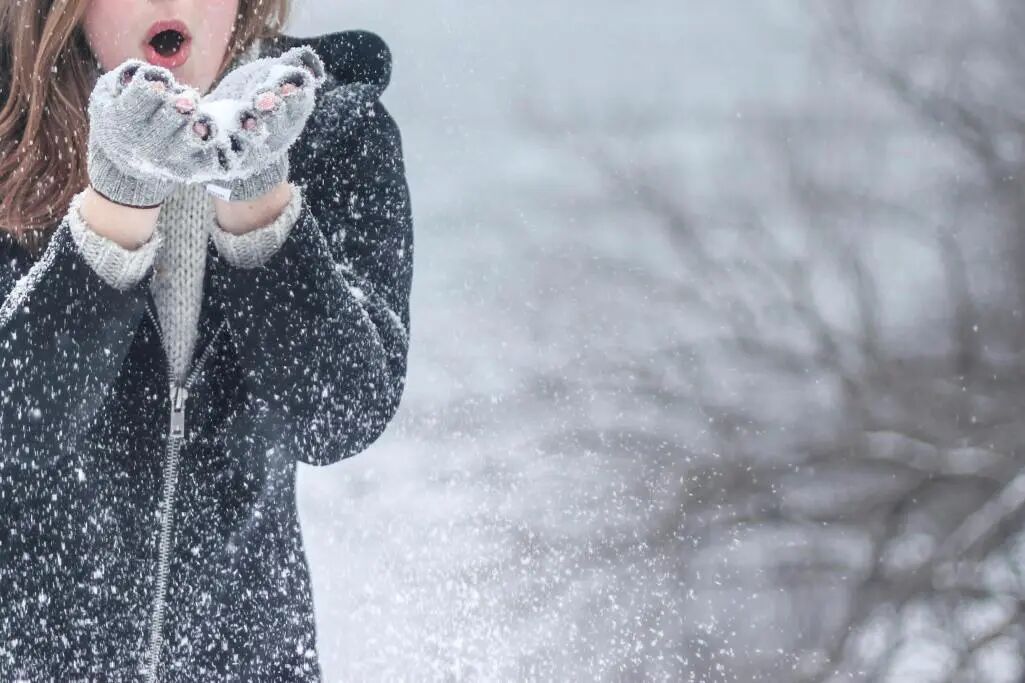
Welcoming the Winter Solstice is also welcoming the "Five Greatest"
Longest Night ": This day is the shortest day and longest night of the year in the Northern Hemisphere.
'Coldest': During the winter solstice, there are nine cold days, and the climate in various parts of China will enter the coldest stage!
The Winter Solstice is not only the earliest established solar term, the oldest solar term, but also the most grand festival, even "as big as the year". And today is also an auspicious reminder: the Chinese New Year is only one month away!
"Most eye-catching": On this day, you will also see that the words "Jianji Suiyou" in the Hall of Supreme Harmony in the Forbidden City are successively lit by golden light, the seventeen hole bridge in the Summer Palace is a perfect performance of "golden light piercing holes", and the Terra Cotta Warriors wear "golden armor"
The most predictable ": The ancients believed that the Winter Solstice Festival, the first sign of spring, is an auspicious day, indicating the arrival of adversity and prosperity. So, there is another blessing for you on the Winter Solstice: May the winter season come as promised!
Winter Solstice · Three Seasons
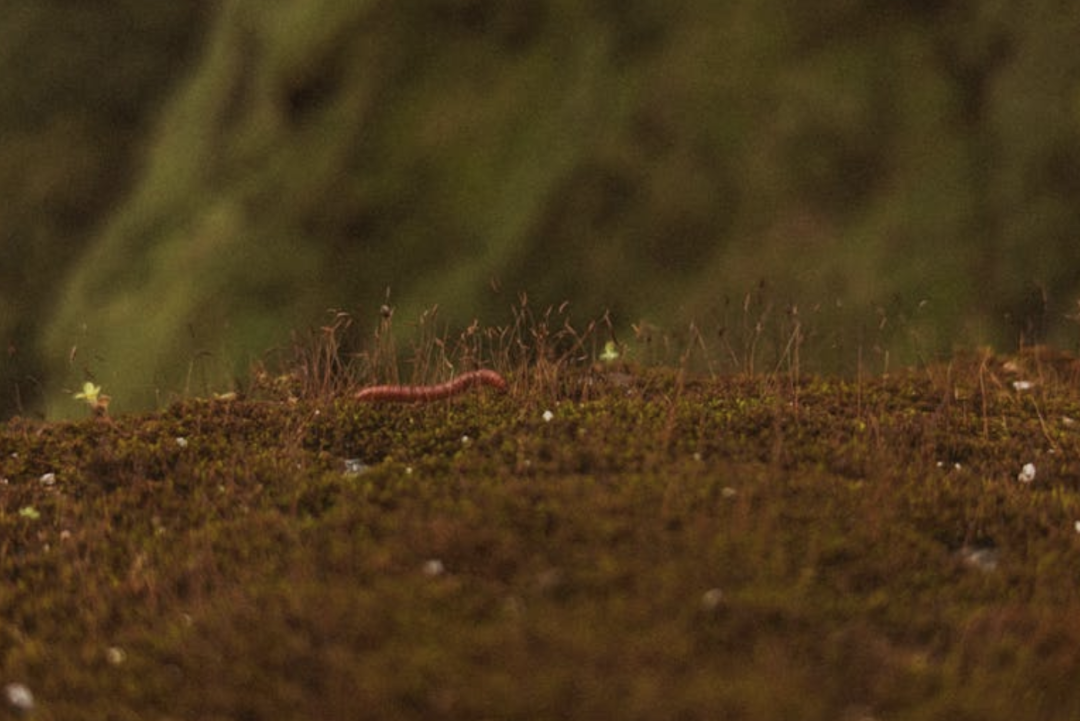
Yi Hou | Earthworm Knot
Legend has it that earthworms are creatures that bend yin and stretch yang. Although yang energy begins to sprout during the winter solstice, yin energy still controls the overall situation. Earthworms in the soil feel the surge of yin energy and still curl up their bodies.
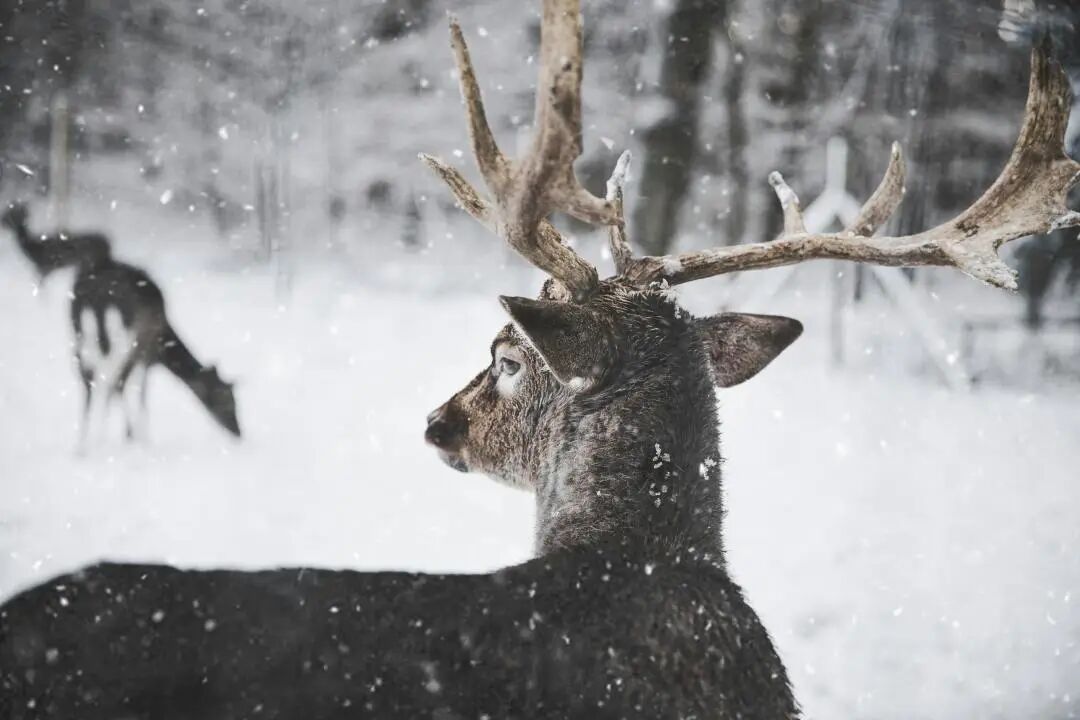
Er Hou | Miao Jiao Jie
The elk and deer belong to the same family, but their yin and yang are different. In ancient times, it was believed that the antlers of the elk were born in the morning, so they were yin. However, on the winter solstice, when the yang was born, the elk gradually withdrew its yin energy and released its horns.
San Hou | Water Spring Movement
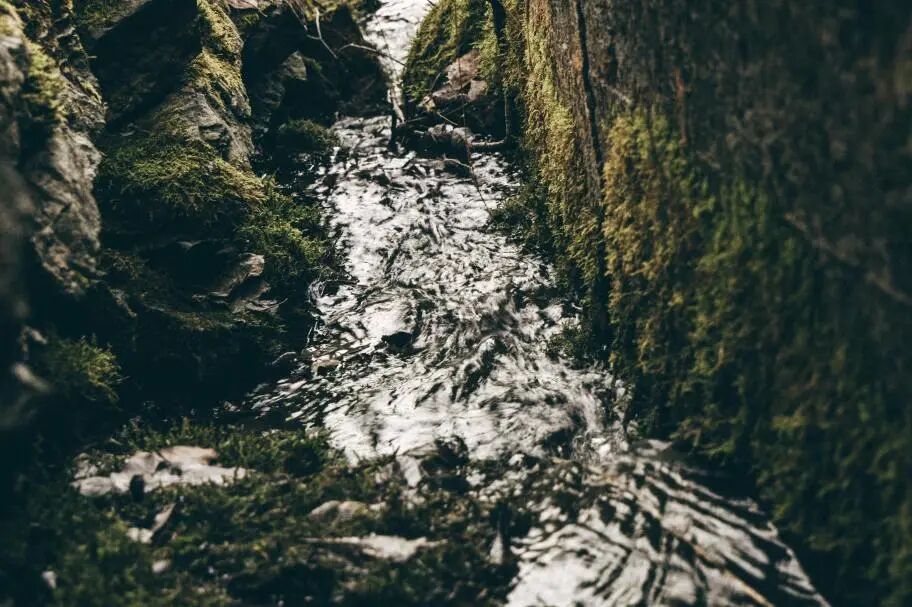
Due to the emergence of yang energy after the winter solstice, the spring water in the mountains can flow and be warm at this time.
Winter Solstice · Customs
/ Ancestral Worship/
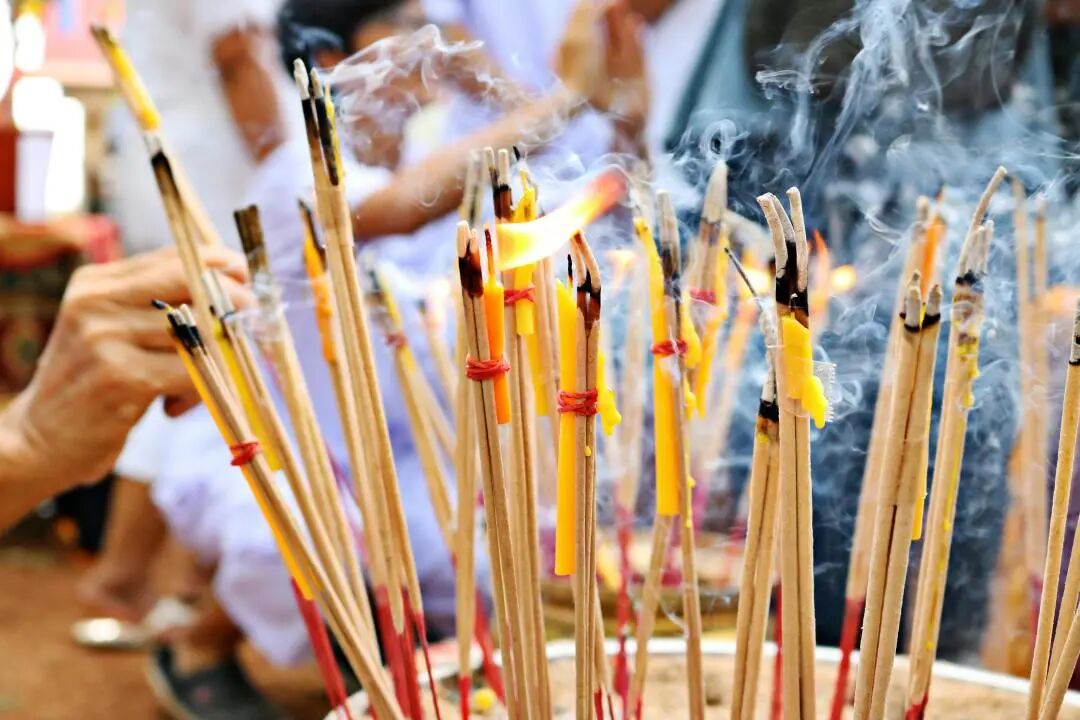
The Book of Fengshan in the Records of the Grand Historian records: "On the winter solstice, people pay respects to the heavens in the southern suburbs and welcome the arrival of the long day." On the winter solstice, people pay respects to the heavens in the southern suburbs and welcome the arrival of the long day. It seems that people regard the long day as happiness and blessings. In ancient times, not only did the country have this kind of festival, but there were also many folk sacrificial activities, such as ancestor worship, including family worship, temple worship, tomb worship, etc. This form of ancestor worship has a similar atmosphere to New Year's Eve ancestor worship, indirectly indicating that "the Winter Solstice is as big as the year".
/ Eating dumplings/
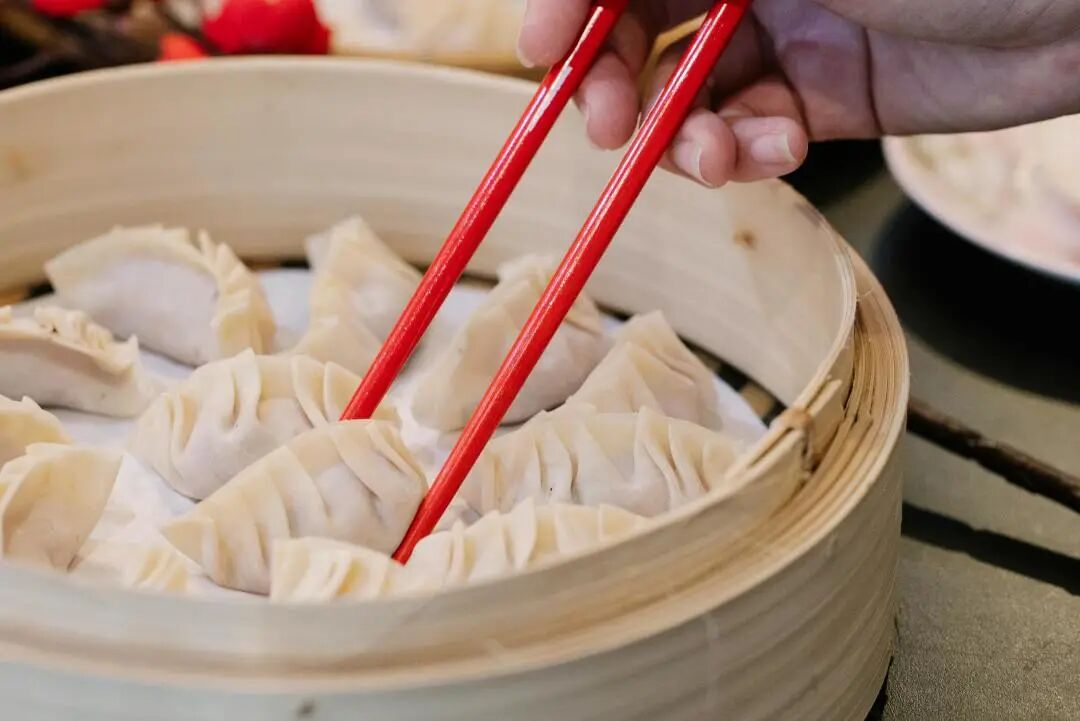
On the winter solstice, regardless of wealth, dumplings are an essential holiday meal. As the saying goes, "On the first day of October, the winter solstice arrives, and every household eats dumplings.
/ Counting Nine, Hoping for Spring/
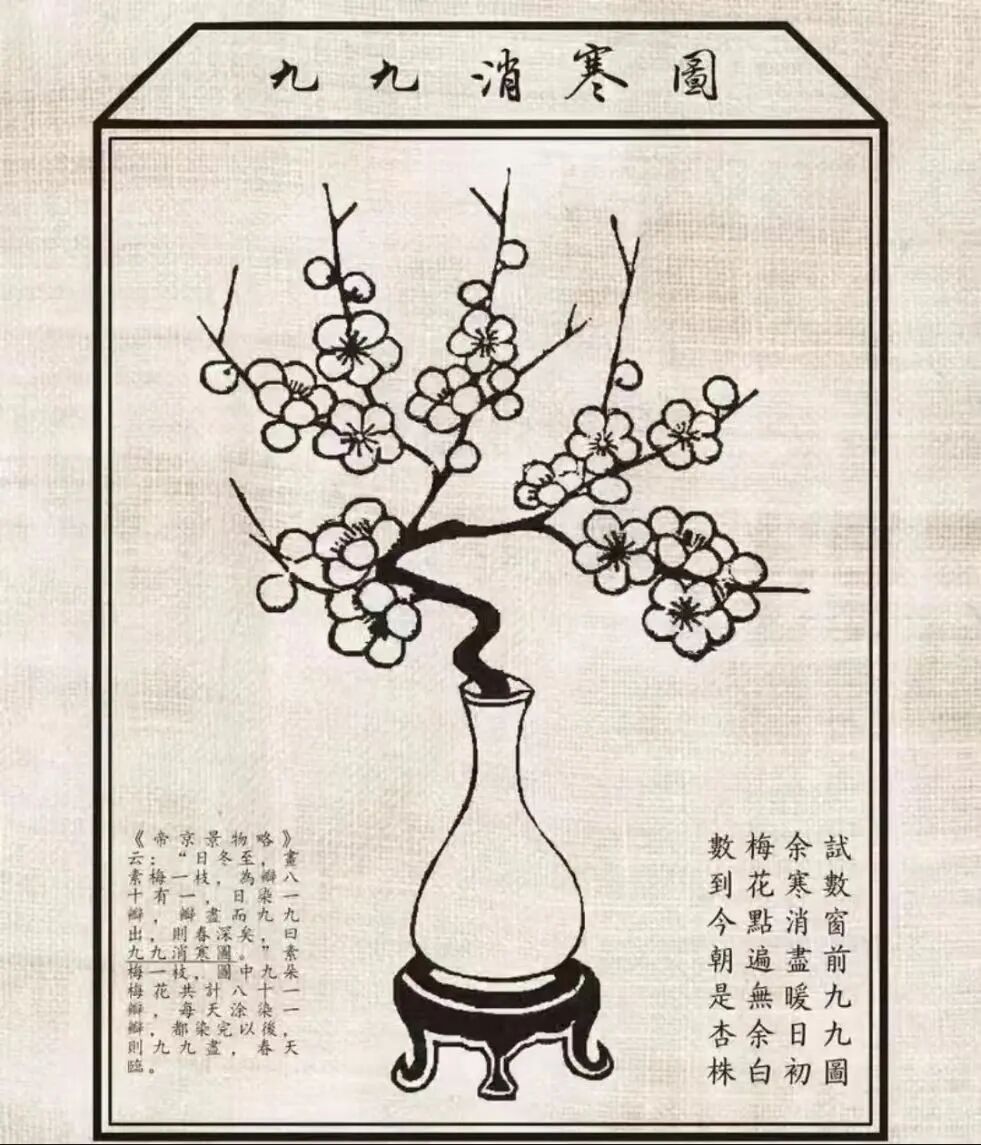
At the end of summer and the autumnal equinox, at the time of spring and winter solstice. Although the winter solstice season is cold, it is also a time to look towards spring from afar. In the traditional understanding of ancient people, they were already approaching spring step by step at this time, so they said: Winter Solstice Festival is the beginning of spring. The different versions of "Jiu Jiu Ge", "Shu Jiu Ge", "Jiu Jiu Xiao Han Ge", and "Jiu Jiu Xiao Han Tu" that have been passed down are counting the cold days and looking forward to spring!
/ Eat rice dumpling/
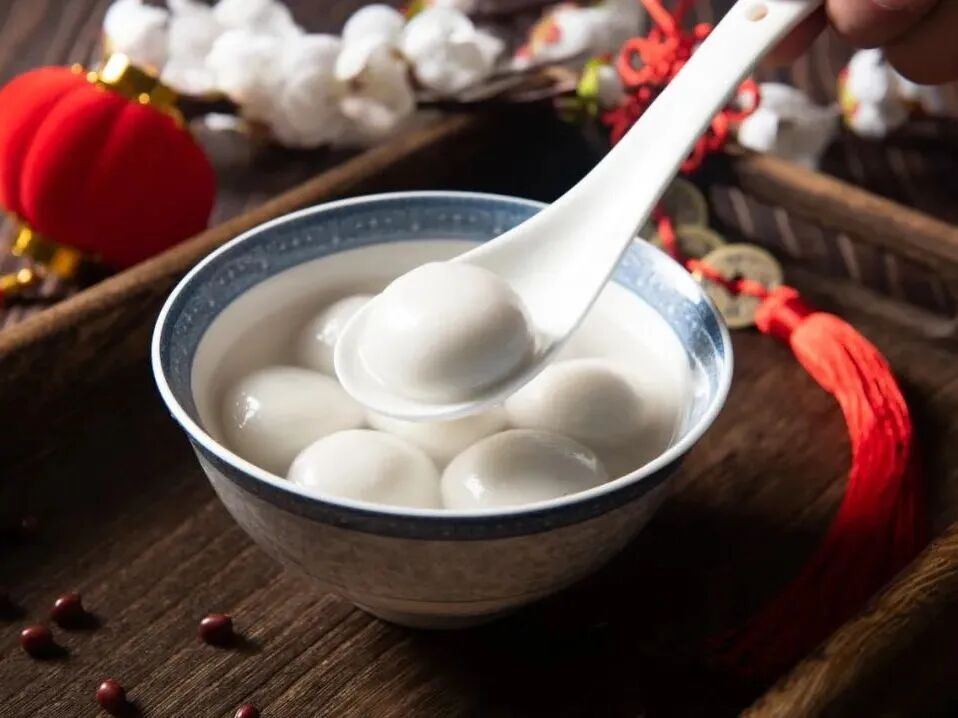
In some areas in the south of the Yangtze River, people have to eat a bowl of steaming rice dumpling or rice cakes on the winter solstice. "Every family makes rice dumpling with rice, which is known as the winter solstice of the Ming Dynasty." Here, rice dumpling is also called "winter solstice group", "winter festival ball", and "winter solstice round". Different places call it different, and their practices are also different. In some places, fillings made of black sesame, peanut powder, sugar, etc. are wrapped in rice dumpling. In some places, glutinous rice is directly kneaded into small balls. Round little balls squeezed into the hot soup, with cute images and warm scenes, no wonder they have become synonymous with "reunion" and "completeness".
Winter Solstice · Health Preservation
There is a folk saying that goes, "Dumplings are eaten in the north, and rice cakes are eaten in the south; on the winter solstice, it's like the year, and glutinous rice is used to make circles. The Winter Solstice, also known as the "Winter Festival" or "Asian New Year", is a very important festival in ancient China. There is a saying that "the Winter Solstice is as big as the year". Our ancestors started counting nine from this day, with hopes for spring in their hearts. They counted until warm every day and waited patiently for the arrival of spring.
/ Nourishing Yin and Nourishing the Heart/
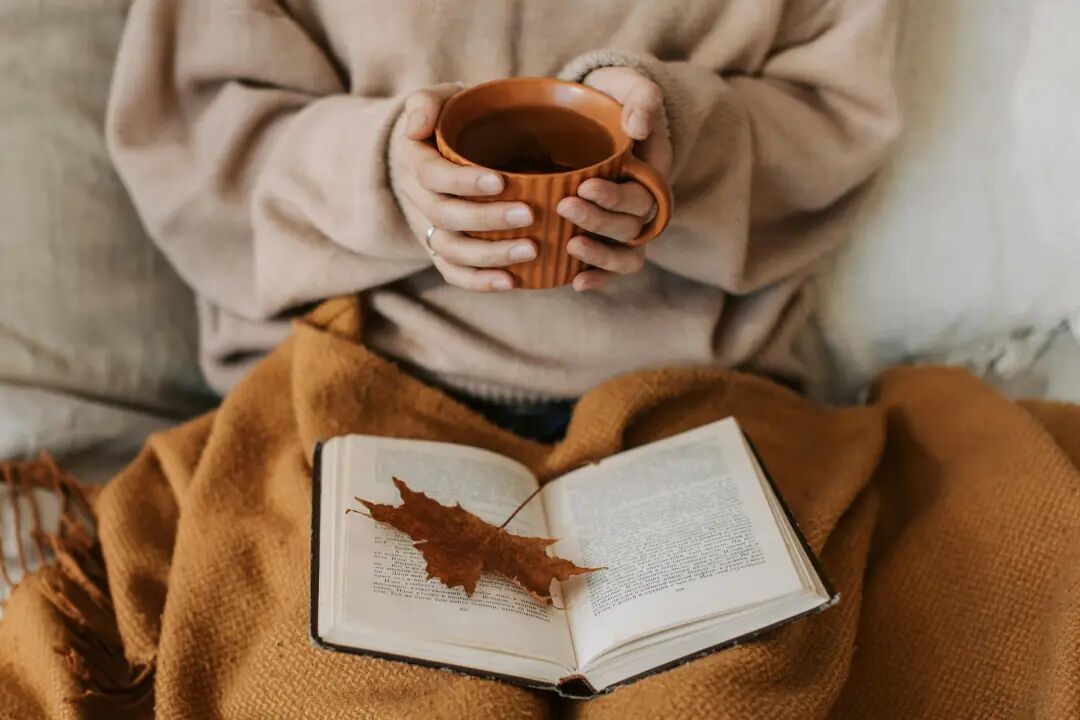
Nurture yang in spring and summer, and yin in autumn and winter. The principle of health preservation after the Winter Solstice is to minimize the consumption of yang energy, maintain essence and vitality, and be beneficial for preventing and treating diseases. Winter solstice health should be mainly focused on tranquility, and excessive exercise and sweating should be avoided. At the same time, it is also important to "nourish the heart" during the winter solstice, avoid excessive depression, thinking, and long-term "overload operation" to prevent overwork and the accumulation of labor into illness. Therefore, for winter health preservation, it is important to remain calm and worry less, maintain a cheerful and optimistic spirit, and take appropriate naps after lunch, bask in the sun more, soak your feet, and other methods to better maintain health.
/ Supplementing Yin and Hidden Yang/
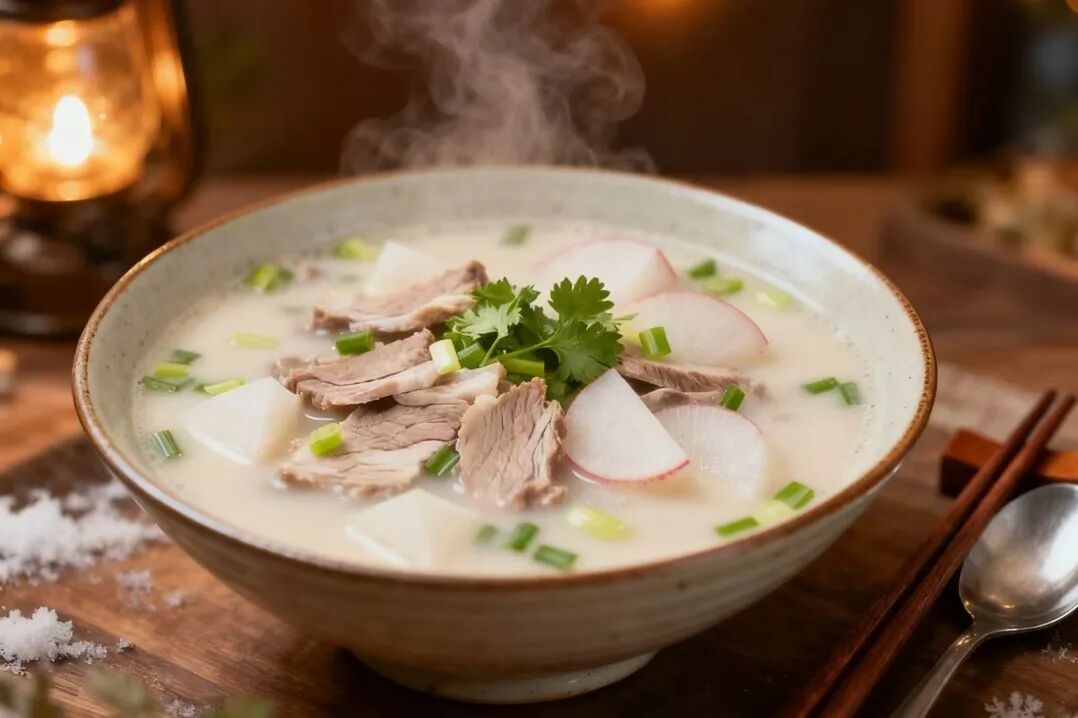
As the saying goes, 'Three nines make up for one winter, and there will be no illness in the coming year.'. Winter is also a good time for nourishment, and dietary adjustment is the most important way of maintenance. Eat less raw, cold, and hot food, and it is advisable to consume foods that nourish yin and promote yang. Eating lamb during the Winter Solstice is believed by traditional Chinese medicine to have the effect of strengthening yang and complement. Lamb meat has a sweet taste and a warm nature, and has the function of nourishing the kidneys and strengthening yang. It has always been a good supplement for yang and is one of the important foods for winter solstice nourishment. Eating lamb meat regularly in cold winter can nourish qi and deficiency, supplement blood and yang, promote blood circulation, and enhance the ability to keep warm.
At the end of summer and the autumnal equinox, spring gives birth to winter solstice. The cycle of time is orderly, and after the cathode, yang energy returns. On the coldest days, the most vigorous spring is brewing. After the Winter Solstice, the daylight hours will quietly lengthen, and everything is ready to take off. The vibrant spring is not far ahead. The Winter Solstice is as grand as the year, a small reunion in the world. Winter Solstice, wishing you good health!
24 Solar Terms
It is a specific festival in the Chinese lunar calendar that represents changes in natural rhythms and establishes the concept of "building in December". It was originally formulated based on the rotation of the Big Dipper and the movement of the stars. The Big Dipper rotates in a circular motion, with the handle rotating one circle to the east, south, west, and north, forming a cycle known as a "year". Each rotation cycle begins at the beginning of spring and ends at the end of the Great Cold. The "24 solar terms" is an important part of the long history and culture of the Chinese nation, which embodies the essence of the history and culture of Chinese civilization. Through historical development, the lunar calendar has incorporated the solar terms of the dry branch calendar as a supplement to the calendar, and adjusted it to conform to the tropical year through the "leap method", forming a yin-yang combined calendar. The "24 solar terms" have become an important part of the lunar calendar. In the international meteorological community, the 24 solar terms are known as "China's fifth great invention". On November 30, 2016, the 24 solar terms were officially included in the UNESCO Representative List of the Intangible Cultural Heritage of Humanity.
