Youth of Bay Area Explore the Essence of Yangcheng's Cultural Heritage and Tradition
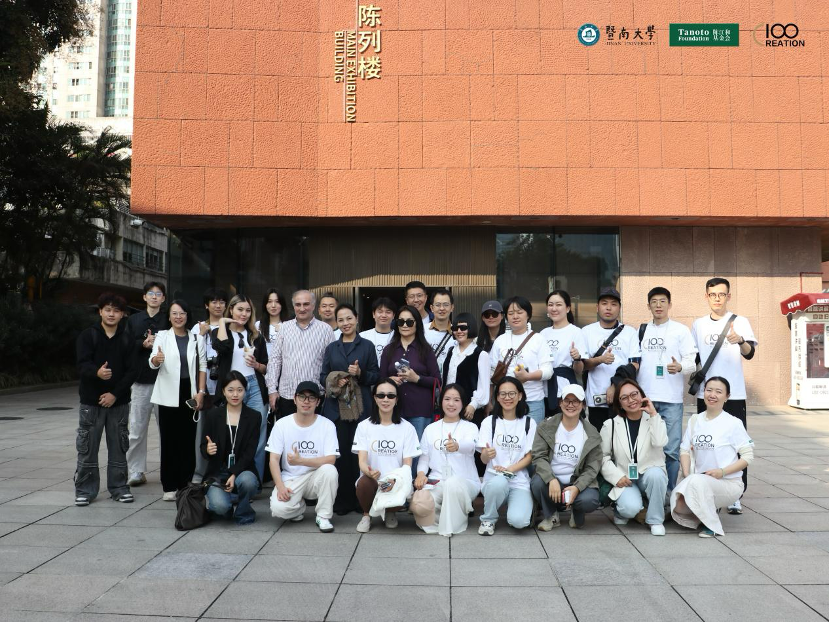
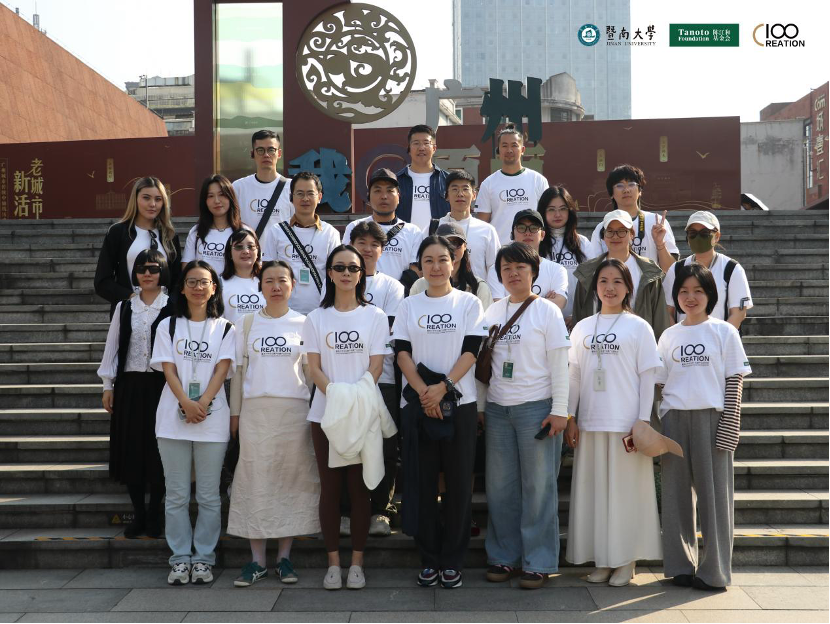
On November 9, 2025, the sixth "Guangdong Hong Kong Macao Greater Bay Area Youth Creative Design (Creative 100) Talent Training Program" field research activity of Jinan University entered its second day. 23 young students from Guangdong, Hong Kong, and Macao visited Huangpu Military Academy, Nanyue King Museum Palace Exhibition Area, and Cantonese Opera Art Museum along the historical context of Guangzhou, accumulating materials and deepening insights for the theme design of "Blooming Guangzhou".
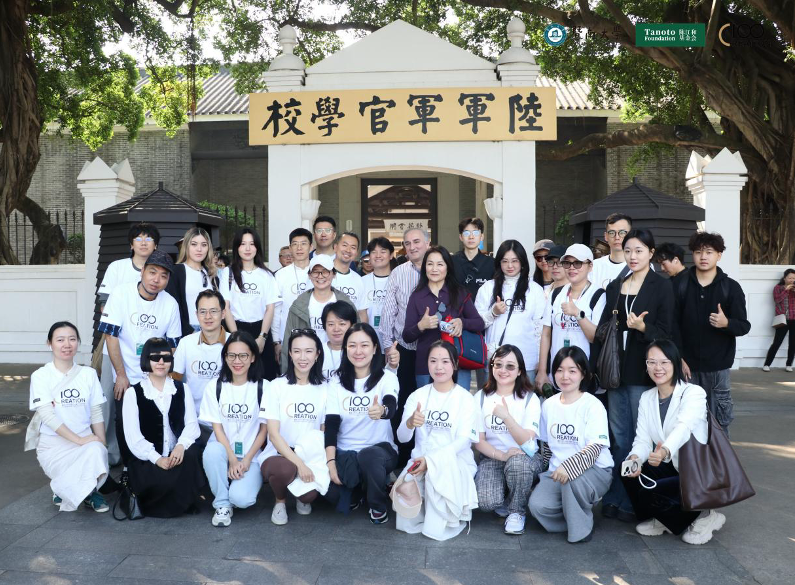
In the morning, the students walked into Huangpu Military Academy and touched the historical context of modern revolution. The fusion design of the southern ancestral hall style architecture of the main campus and the European elements of the school gate attracts students to stop and record. Under the guidance of the guide, everyone learned about the changes in the name and location of military academies, as well as the past of division of labor and cooperation among school leaders such as Sun Yat sen and Liao Zhongkai. At the same time, they deepened their understanding of the political work deeds of Communist Party members such as Zhou Enlai in military academies. From the student dormitories of "morning five and evening nine", interactive screens recording the daily lives of teachers and students, to the subject settings that emphasize both military and politics, the heroic spirit of soldiers in the Eastern Expedition and Northern Expedition, to the practice of using art as a weapon in the "Blood Flower Drama Society", students truly feel the power of combining faith and creativity.
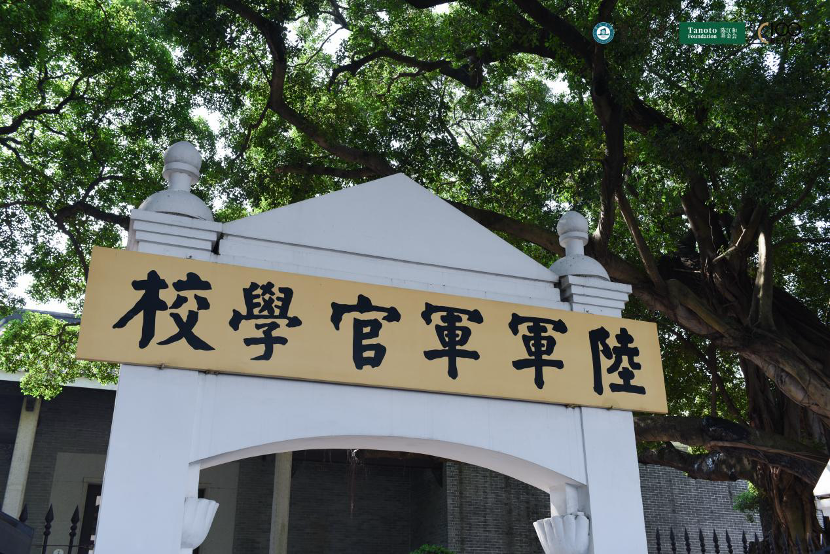
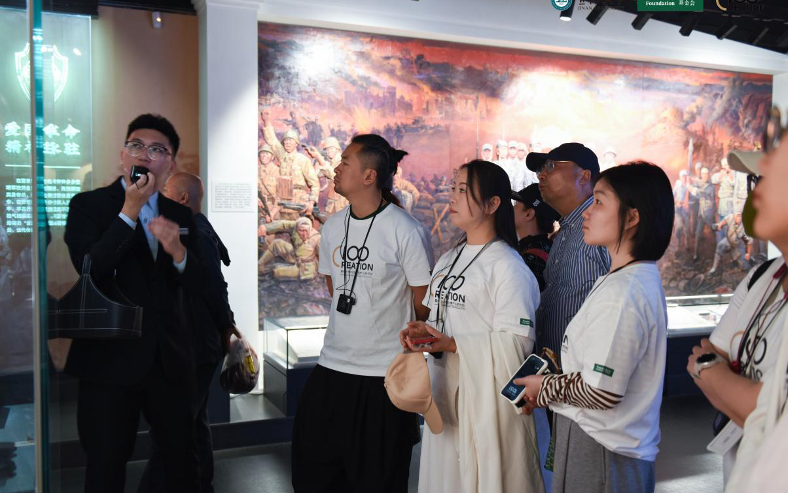
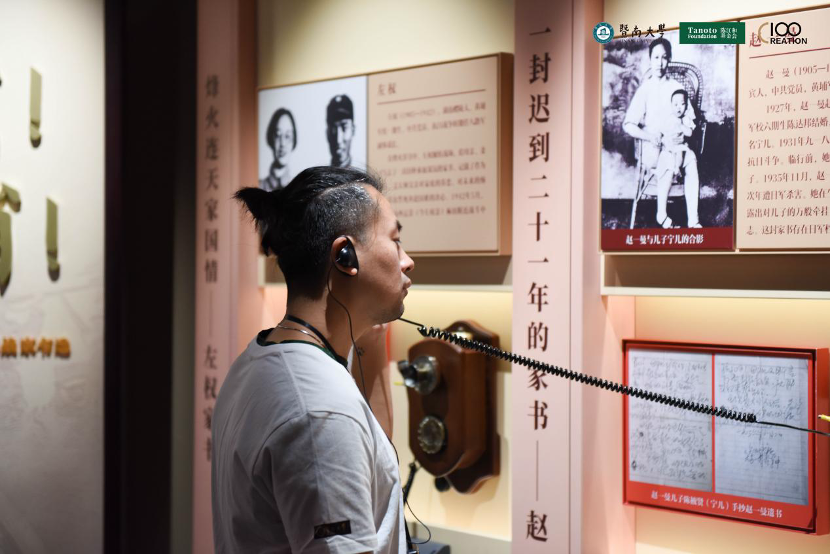
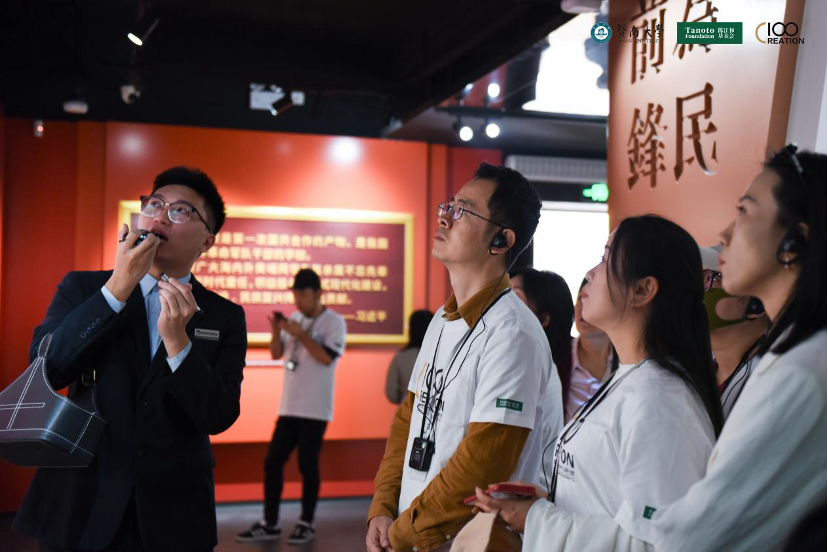
Trainees visit Huangpu Military Academy for research and investigation
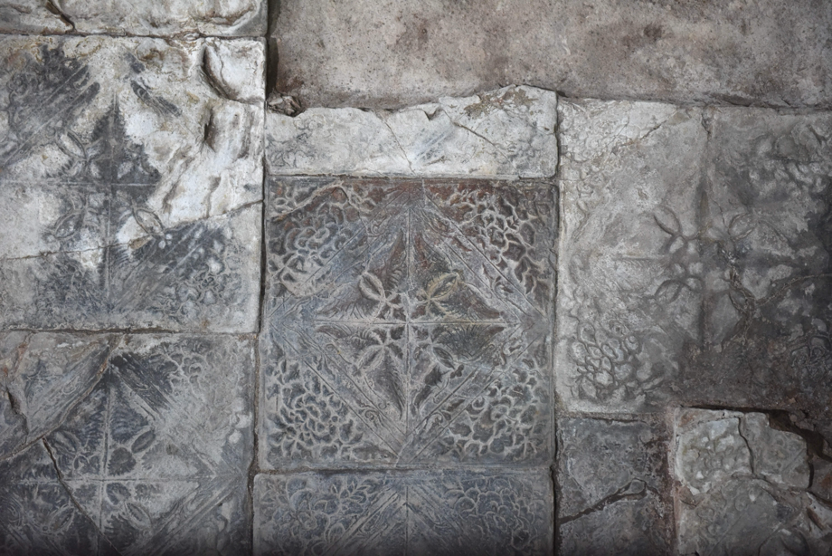
In the afternoon, the students moved to the palace exhibition area of the Nanyue King Museum to initiate a dialogue of civilizations spanning over two thousand years. As an important archaeological site in Lingnan, the 180 meter long Quliu Stone Canal site features a dense ice crack masonry method and a branched stone paving design at the bottom of the pool, which balances water purification and landscape presentation, embodying the ecological concepts of ancient people. The octagonal stone pillars in the site are similar to the cultural relics of the same period in South Asia, becoming physical evidence of the cultural integration of the Maritime Silk Road. The students observed the diamond patterned large bricks of Nanyue Kingdom, the peony patterned square bricks of Nanhan Kingdom, as well as archaeological strata, the "First Bamboo Slips in Lingnan" and the millennium water well, to experience the characteristics of Lingnan architectural craftsmanship in different dynasties. They stated that these cultural heritages will become a source of design inspiration, helping to create works with Lingnan characteristics.
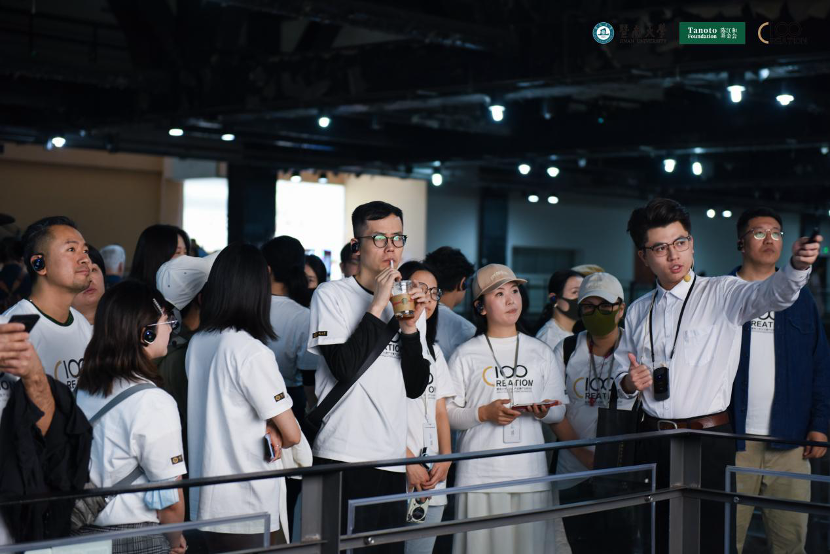
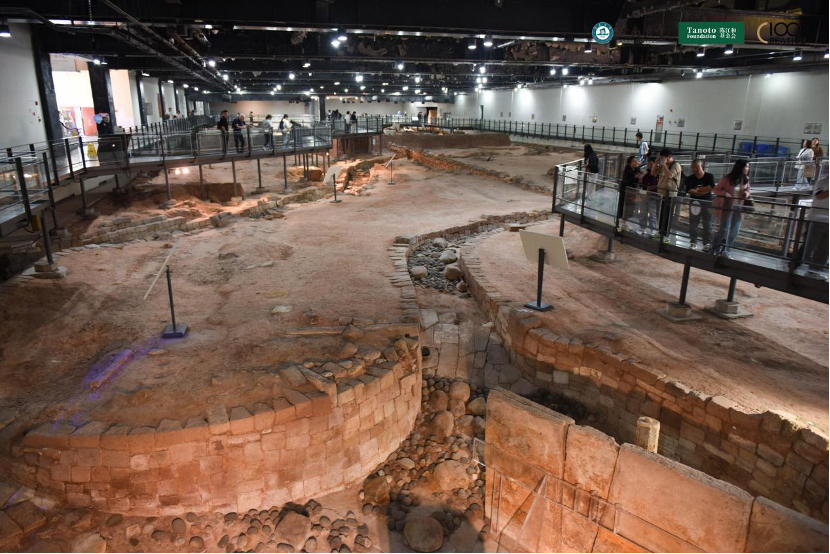
Western Han Dynasty Nanyue Palace Museum
In the evening, the Cantonese Opera Art Museum concluded its research for the day. This Lingnan garden style venue features a main entrance Shiwan pottery roof, a pure wooden Guangfu stage, a mortise and tenon structure red boat, and the inlaid porcelain works of Master Lu Zhigao, allowing students to experience traditional Lingnan craftsmanship up close. In the costume exhibition area, Guangxiu costumes, generals' armor and helmets, and breathable and practical bamboo water jackets attract students to stop and taste their cultural connotations. The students also learned about the historical origins and performance essence of Cantonese opera, from the Li Wenmao Uprising and the revival of the Bahe Guild Hall, to the key points of the "Four Skills and Five Methods" performance and the artistic legend of "Nan Xue Bei Mei", to the ventilation design of bamboo water jackets and the folk culture behind the vocabulary of "explosion". The students realized the wisdom and innovative elements of life in intangible cultural heritage art. The important instruction of General Secretary Xi Jinping on "old cities, new vitality, and four new highlights" has further strengthened everyone's belief in inheriting traditional culture and promoting creative transformation.
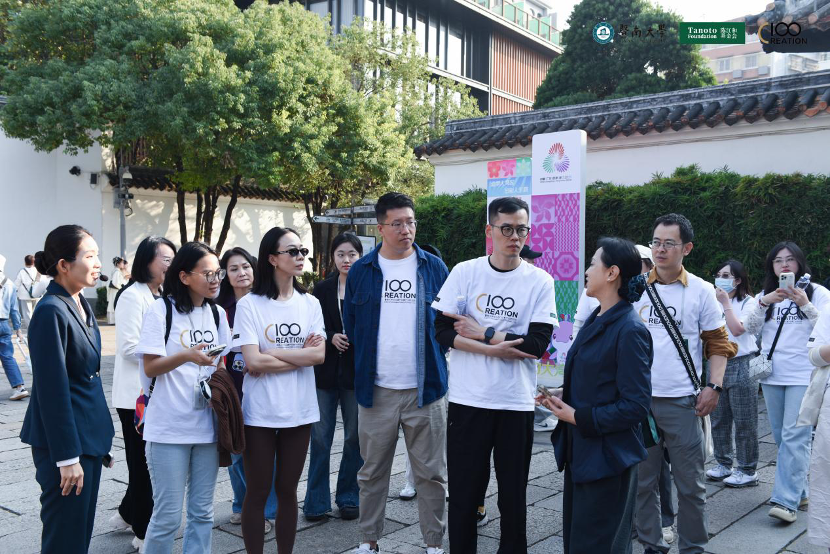
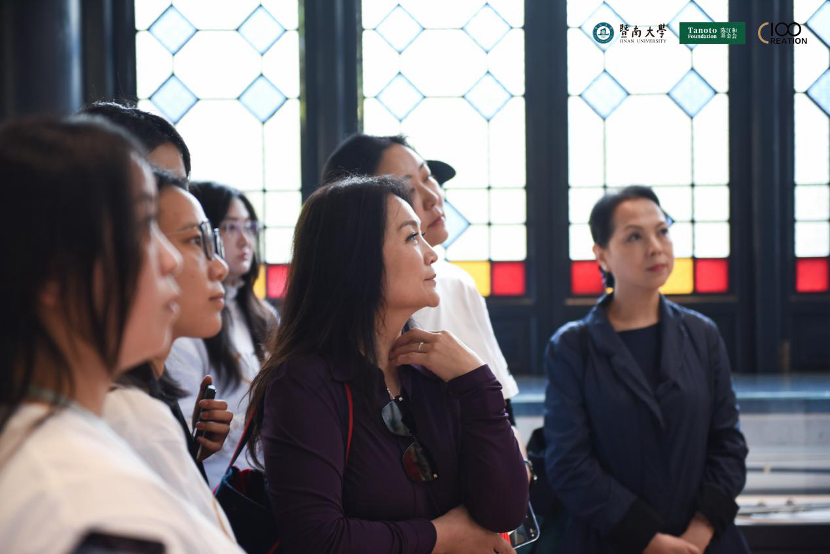
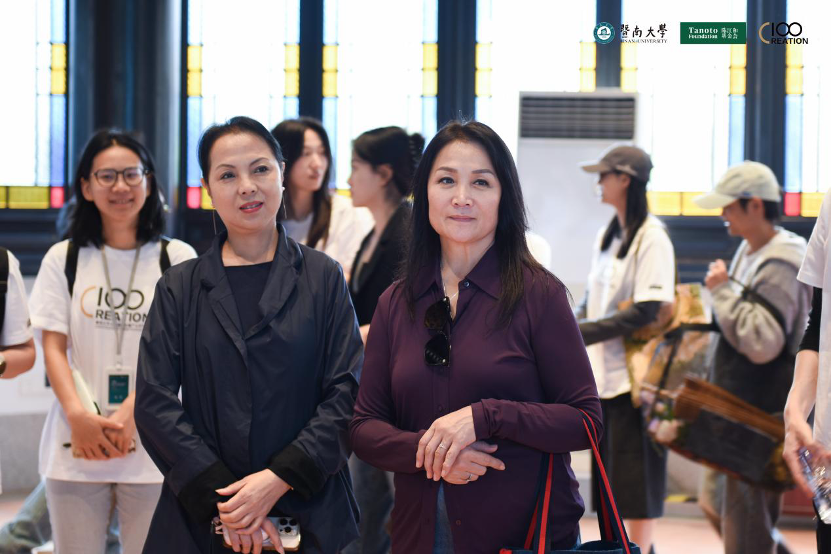
Inspection of Yongqingfang Cantonese Opera Museum
During a day of research, students recorded architectural details, exchanged creative ideas, and deepened their understanding of the diversity of Lingnan culture through the integration of revolutionary culture, archaeological heritage, and intangible cultural heritage art. Everyone expressed that the historical texture of Guangzhou contains rich sources of creativity, and will integrate the historical imprints, craftsmanship techniques, and cultural spirit seen into the design to create works that showcase the characteristics of Lingnan culture.
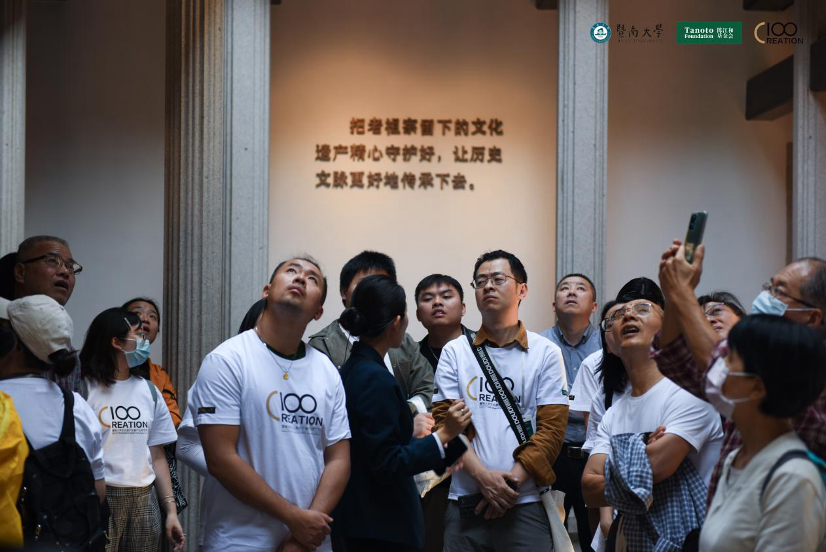
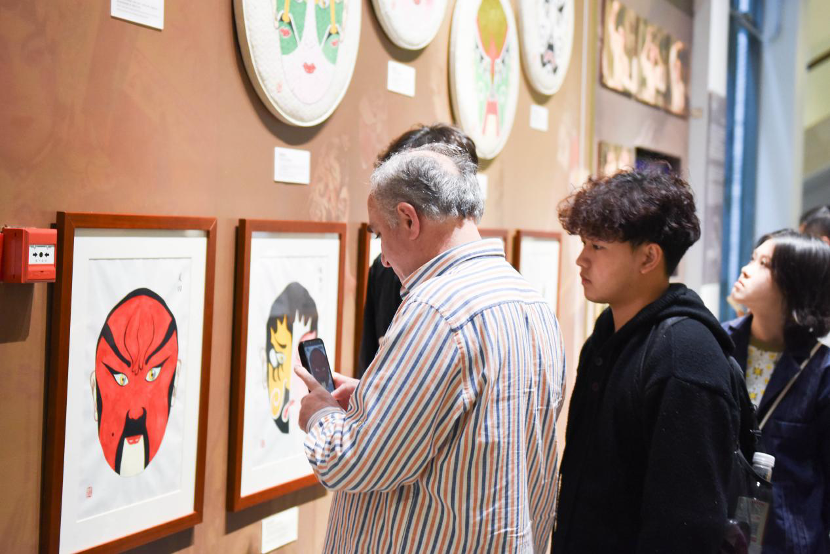
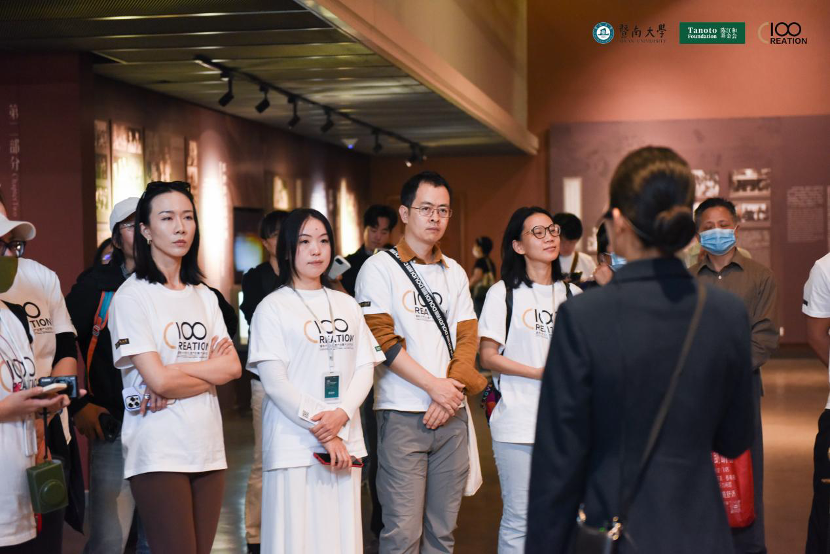
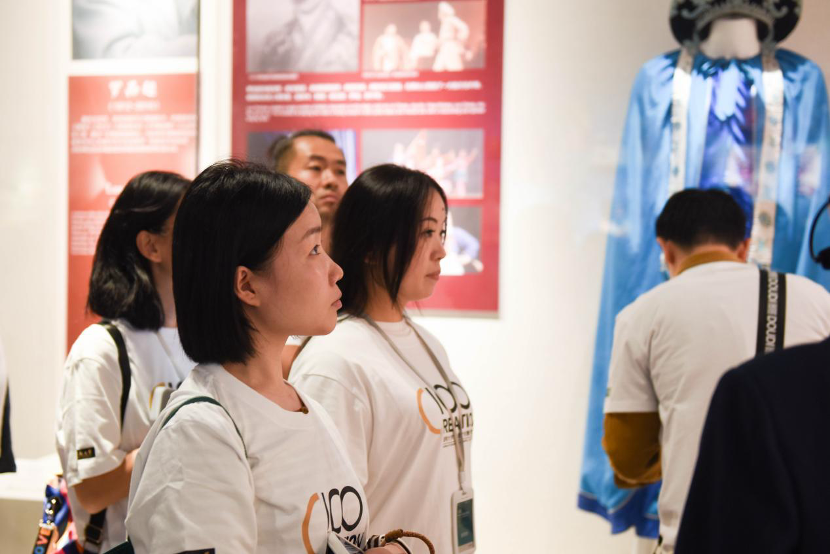
Close to traditional Lingnan crafts at the Yongqingfang Cantonese Opera Museum
The "Creativity 100" training program has established a "cross disciplinary integration, industry university research integration" model. This survey has allowed students to broaden their horizons, increase their knowledge, and stimulate their creative enthusiasm and innovative thinking. The students deeply realize that creative design is not only the pursuit of beauty, but also the inheritance and innovation of culture. In the future, they will explore the cultural connotations of Lingnan with full enthusiasm and unique perspectives, create more excellent works, contribute to the inheritance and development of Lingnan culture, and showcase the cultural confidence and creativity of Chinese youth to the world.