From Tradition to the Future: Experience Sharing Conference on Traditional Culture Communication in the Guangdong Hong Kong Macao Greater Bay Area
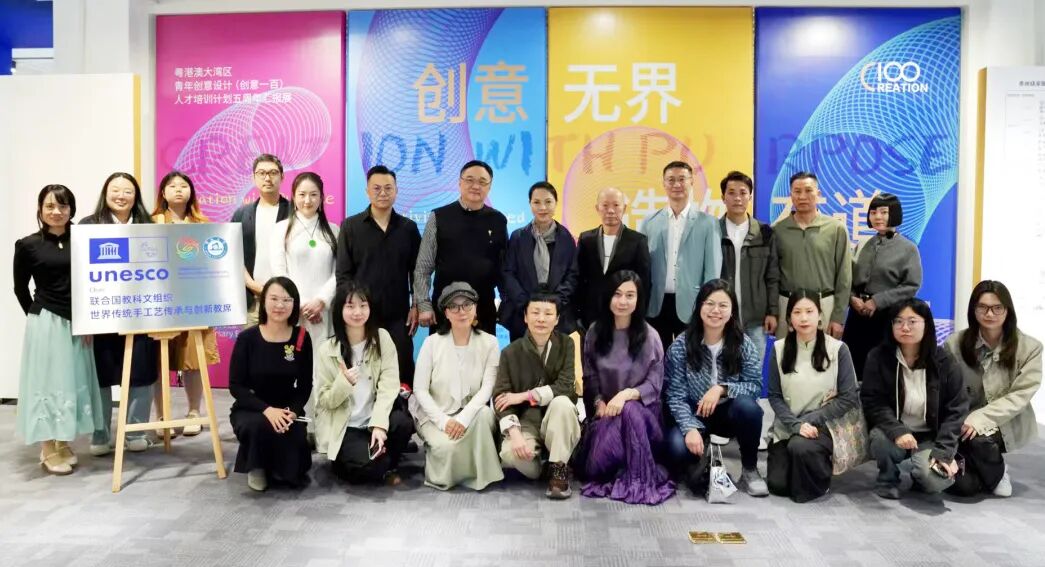
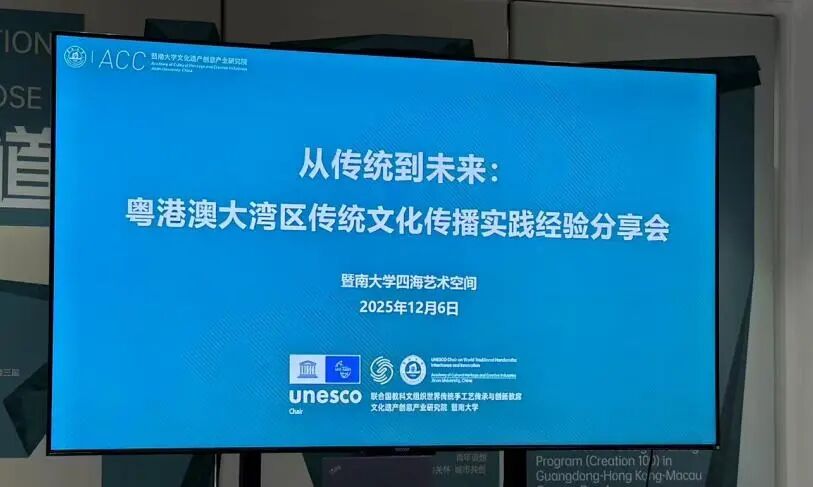
On December 6, 2025, the "From Tradition to the Future: Experience Sharing of Traditional Culture Communication in the Guangdong Hong Kong Macao Greater Bay Area" was successfully held at the Four Seas Art Space of Jinan University, specially planned by the UNESCO Chair in the Inheritance and Innovation of World Traditional Handicrafts and hosted by the Cultural Heritage and Creative Industry Research Institute of Jinan University.
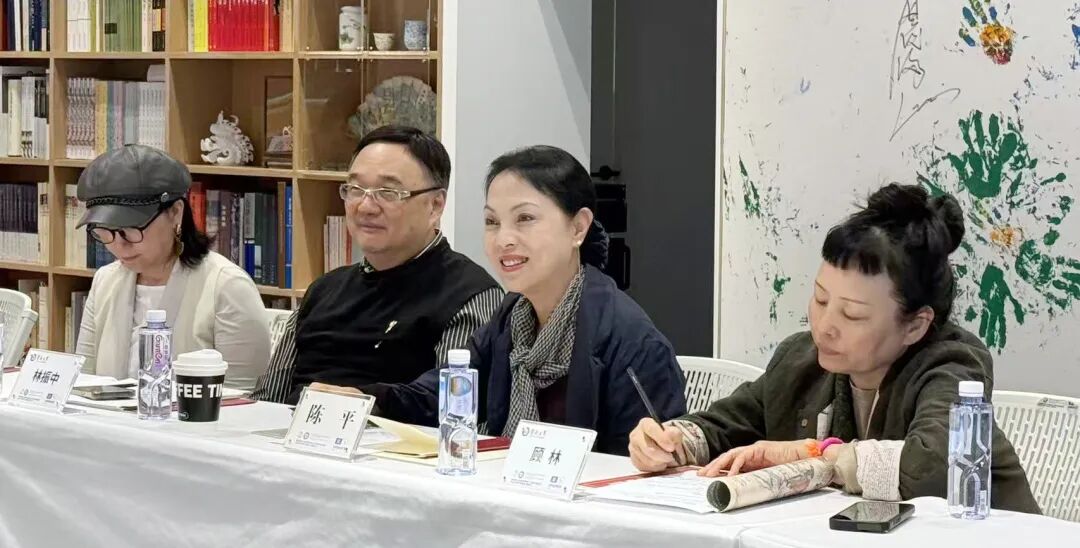
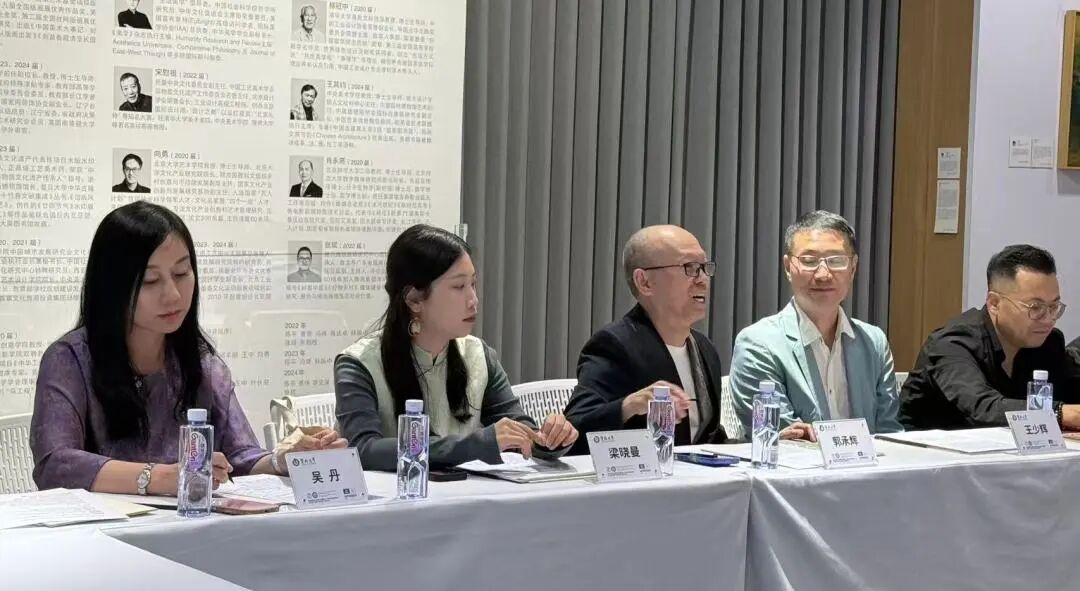
The core topic of this sharing session is the practical experience of how the Guangdong Hong Kong Macao Greater Bay Area can promote Chinese culture abroad. Representatives from three major groups, namely designers, scholars, and inheritors of intangible cultural heritage, are invited to gather and exchange ideas. Designer representatives include Gu Lin, founder of Beijing Red Phoenix Fashion Design Studio, interior designer Zou Yong, jewelry and cultural creative designer Zhong Hua from the Forbidden City, Lin Zhenzhong, founder of Tsinghua University Life Lecture Hall, and Wu Liping, vice president of China Fashion Color Association; Representatives of scholars include Chen Ping, Dean of the Cultural Heritage Industry Creative Research Institute at Jinan University, Wang Shaohui, Secretary General of the Guangdong Arts and Crafts Association, Guo Chenghui, Chief Art Advisor of the Canton Fair PDC, Song Shuang, Project Leader of the Public Art Research Center at the Central Academy of Fine Arts, Liu Lulu from the Cultural Heritage Creative Industry Research Institute at Jinan University, and academic researcher Wu Dan; Representatives of intangible cultural heritage inheritors include Guangxiu inheritors Liang Yunhong and Liang Xiaoman, wood carving inheritor Deng Luowen, and jade carving inheritor Yin Mingming. Through in-depth discussions among the three parties, new ideas for revitalizing and inheriting traditional culture have emerged.
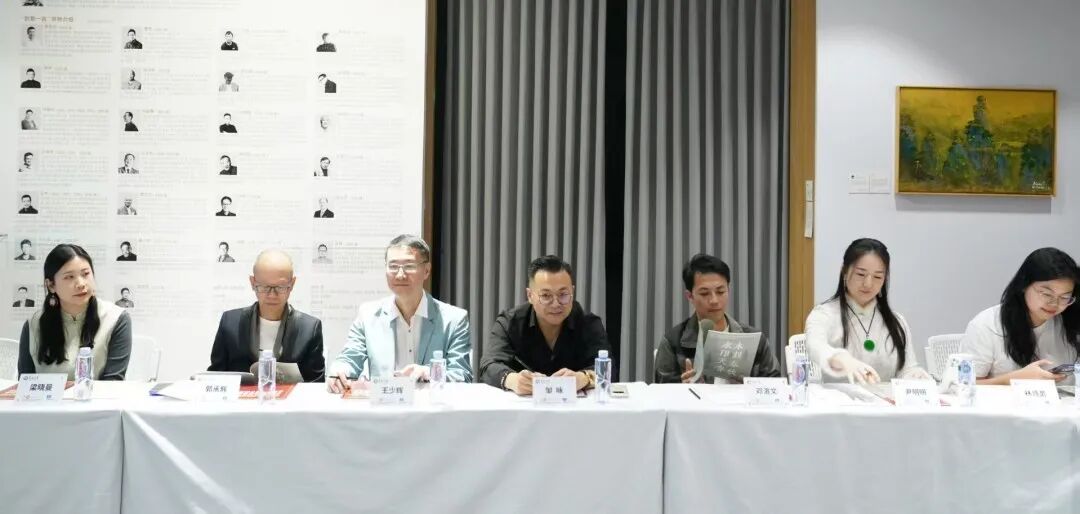
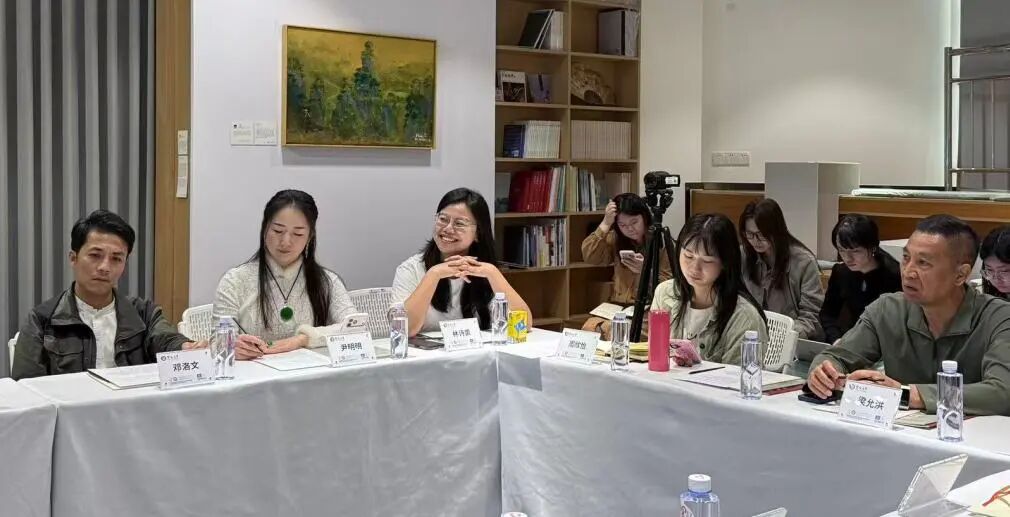
The on-site discussion atmosphere of the Guangdong Hong Kong Macao Greater Bay Area Traditional Culture Communication Practice Experience Sharing Conference was lively
Chen Ping, Dean of the Creative Research Institute of Cultural Heritage Industry at Jinan University and academic host of this conference, proposed that the dissemination of traditional culture needs to break away from the mindset of "sticking to tradition", respect cultural genes, and be more in line with contemporary life scenarios and the aesthetic preferences of young people. She emphasized that the core value of intangible cultural heritage lies in "dynamic inheritance" rather than static protection. In the face of new challenges such as AI popularization and market transformation, it is difficult to continue working alone. It is necessary to uphold the concept of "solidarity and warmth" and promote cross disciplinary deep cooperation. She proposed that an open and shared communication platform should be established, allowing scholars, designers, and inheritors to share resources and opportunities, and stimulate innovative inspiration through ideological collisions; At the same time, we plan to create a traditional cultural innovation experimental park, providing space for tripartite joint creation, trial and error exploration, and helping traditional crafts overcome difficulties and rejuvenate through collaborative cooperation. Wang Shaohui, Secretary General of Guangdong Arts and Crafts Association, introduced the development process, current situation and role of arts and crafts in local cultural inheritance, emphasizing the need for arts and crafts to return to life and meet the needs of the new era.
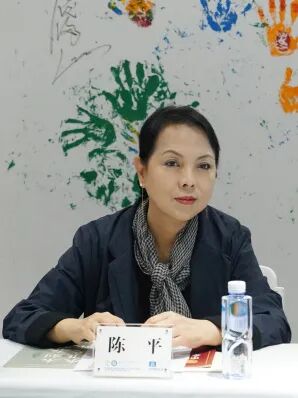
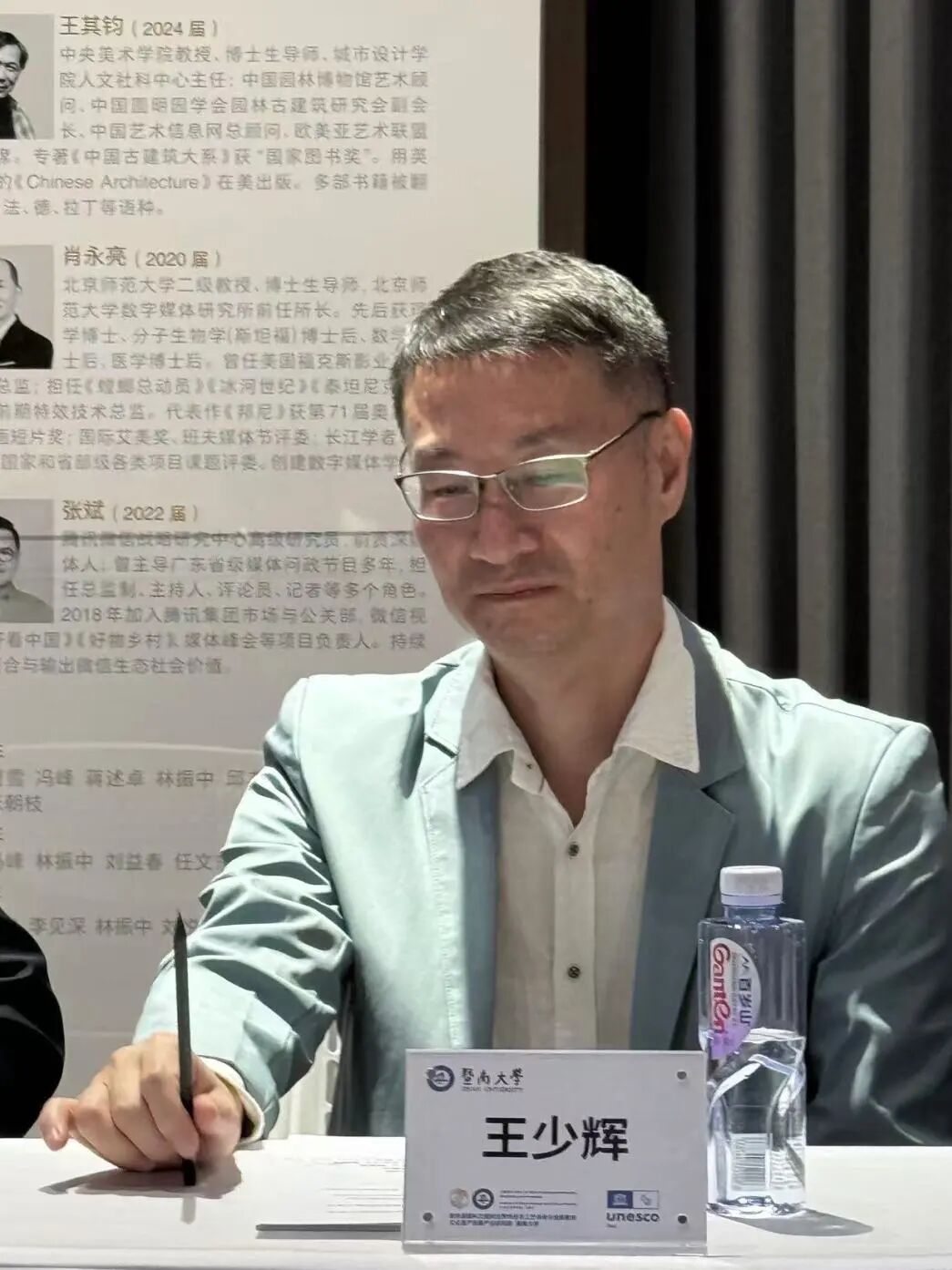
Top: Chen Ping, Cultural Heritage and Creative Industries at Jinan University, Bottom: Wang Shaohui, Guangdong Arts and Crafts Association
Wu Liping, Vice President of the China Popular Colors Association, used the example of Guangzhou's "Millennium Flower City" culture on the brink of extinction to propose that traditional crafts should explore differentiated features, while preserving cultural context and conforming to contemporary aesthetics. Lin Zhenzhong, founder of Tsinghua University Life Lecture Hall, shared his cooperation practice with the world's largest tourism group, Club Med. The group has launched traditional handicraft experience courses such as pottery, weaving, and wax printing in 70 resorts worldwide, allowing tourists to personally participate in cultural creation during leisure tourism. He said that traditional handicraft inheritance can be placed in different scenarios to make cultural inheritance more vibrant.
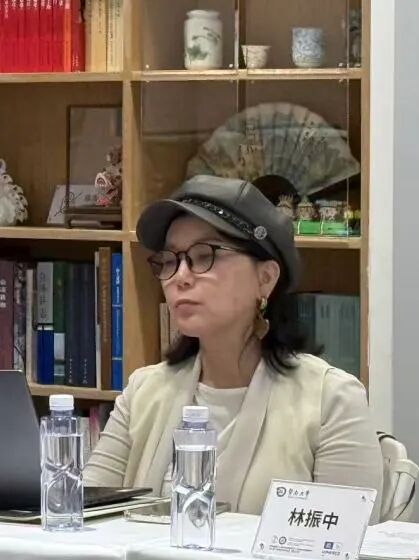
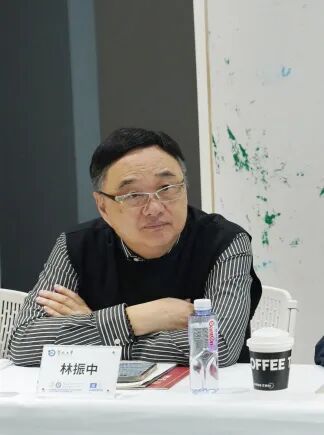
Top: Wu Liping, Vice President of China Fashion Color Association Next: Lin Zhenzhong, Founder of Tsinghua University Life Lecture Hall
Visiting Professor Zhong Hua from China Academy of Art shared the innovative experience of cultural and creative activities at the Forbidden City. The team breaks away from the traditional idea of 1:1 replica of cultural relics and takes a different approach by starting with the beloved Palace Museum cat among young people. They design lightweight and multi scene adapted cultural and creative products, and combine them with humorous stories to interpret cultural connotations. Utilize influencer marketing and other methods to obtain positive market feedback. She emphasized that innovation in traditional culture needs to go from shallow to deep, first stimulating market vitality through youthful expression, helping cultural and creative industries break through barriers, and then gradually conveying deep cultural values.
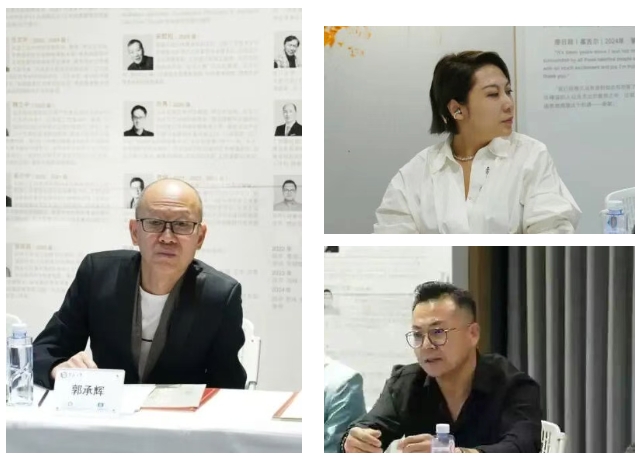
Left: Guo Chenghui, Chief Art Advisor of the PDC at the Canton Fair and President of the Guangzhou Public Artists Association. Top right: Zhong Hua, Visiting Professor at the Central Academy of Fine Arts and the Design Department of Hubei Institute of Fine Arts. Bottom right: Zou Yong, Founder and Design Director of Zou Yong Space Design
Guo Chenghui, Chief Art Advisor of PDC at the Canton Fair, proposed that the inheritance of intangible cultural heritage needs to achieve "two transformations": traditional products should shift from "practical attributes" to "creative materials", providing inspiration for designers and artists; The inheritor has transformed from a "creator" to a "lecturer", allowing consumers to experience the charm of culture in practice. Interior designer Zou Yong pointed out that designers should become the "bridge" for the dissemination of traditional culture. Call on designers to collaborate deeply with inheritors, avoid superficial application of traditional elements, and achieve organic integration of culture and space.
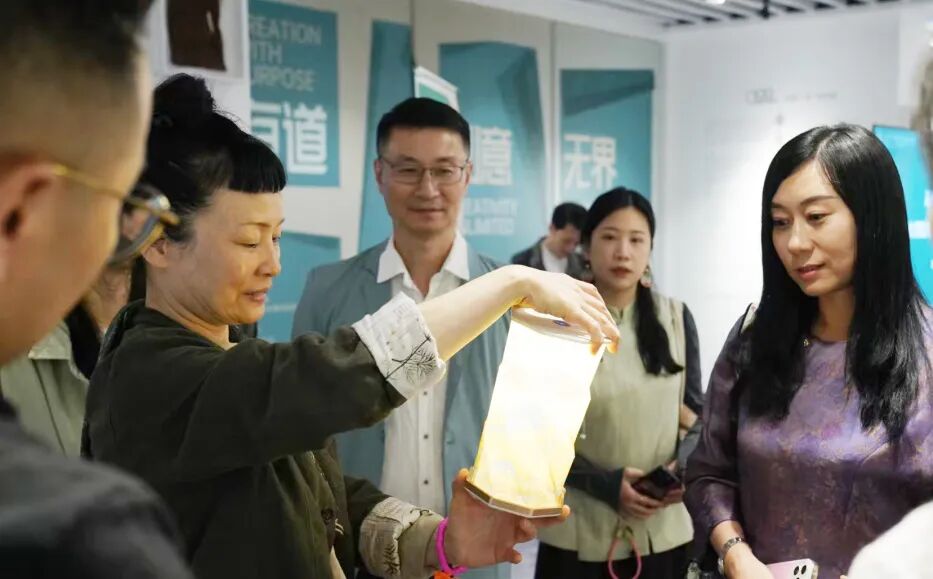
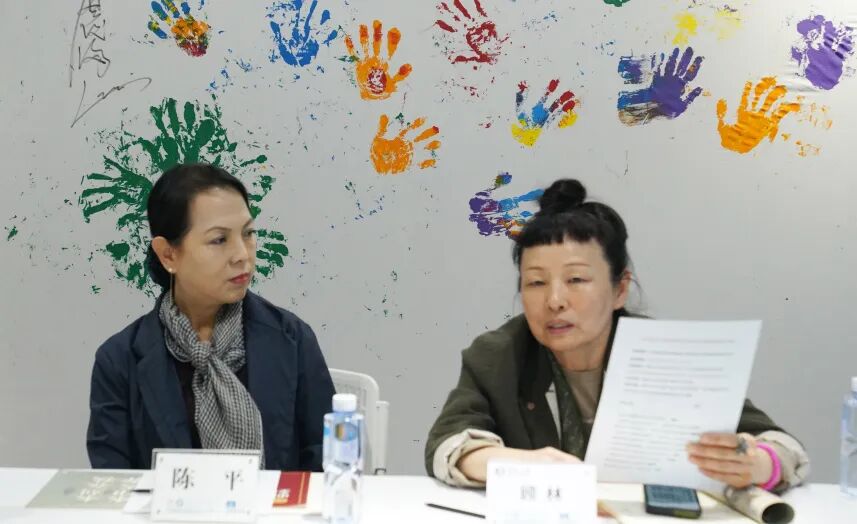
Founder of Beijing Red Phoenix Fashion Design Studio, Gu Lin (right)
Gu Lin, founder of Beijing Red Phoenix Fashion Design Studio, shared innovative practices in traditional clothing. She combines traditional patterns with modern fashion patterns to showcase traditional clothing in diplomatic occasions, breaking the stereotype of old-fashioned Chinese clothing. She proposed that innovation in traditional crafts should adhere to the "aesthetic bottom line" and balance cultural connotations with practicality.
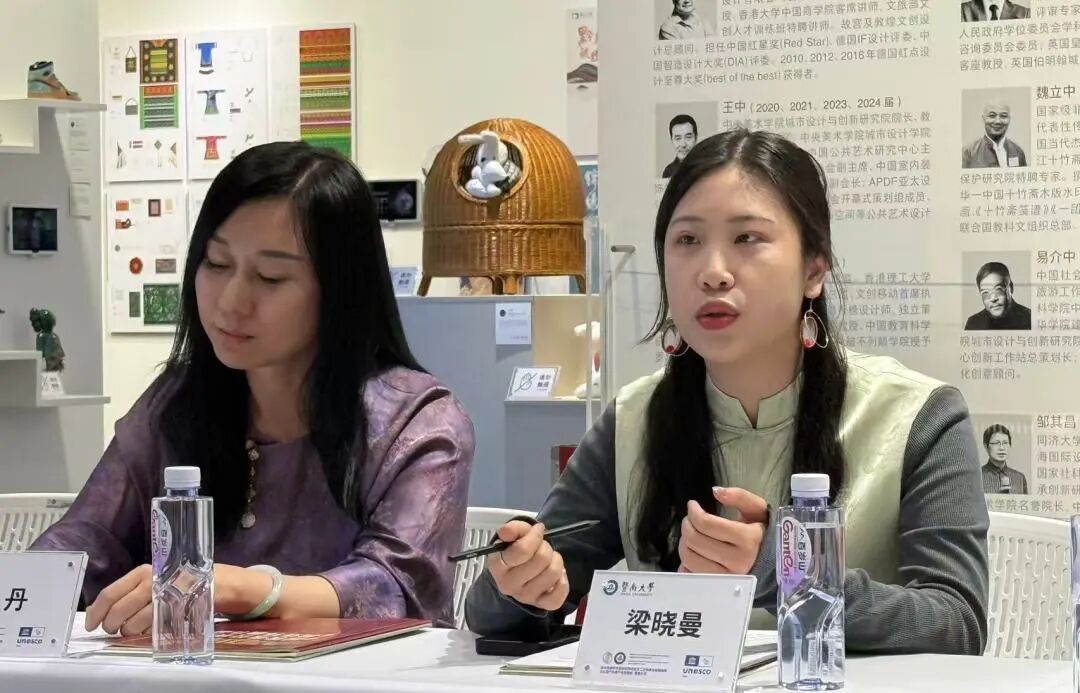
Liang Xiaoman, the sixth generation inheritor of Guangxiu (right)
Intangible cultural heritage inheritors combine their own experiences, share the current practice status of traditional crafts, and face the challenges and confusion on the path of inheritance. Guangxiu Inheritance Father daughter Liang Yunhong and Liang Xiaoman told the story of the family's six generations of inheritance. Liang Yunhong frankly stated that the inheritance of intangible cultural heritage faces a triple dilemma of "design, production, and market"; And young inheritor Liang Xiaoman shared her attempts at cross-border exploration, integrating Guangxiu into car interiors and blind box collection cards. Although she has achieved certain results, she still faces the problem of "high barriers to brand cooperation and high innovation costs", especially worrying that excessive cross-border cooperation will dilute the core value of traditional craftsmanship.
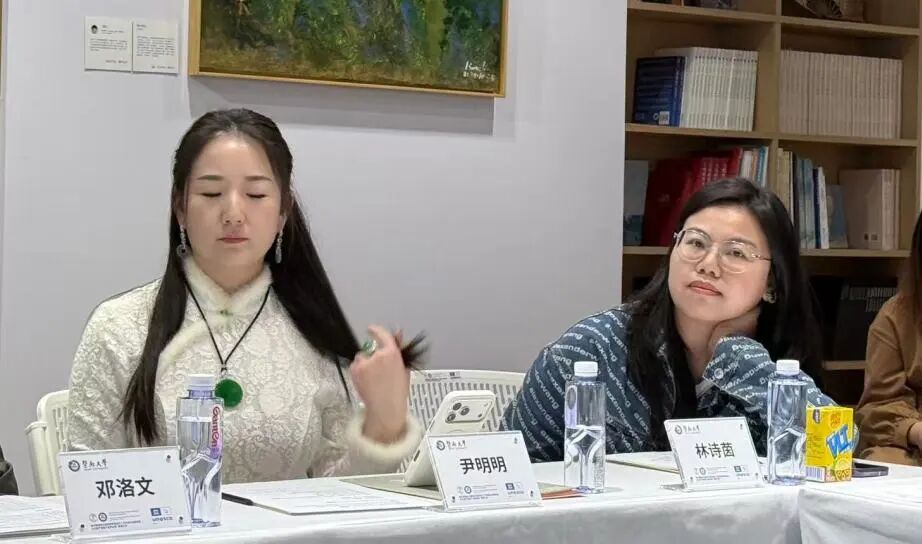
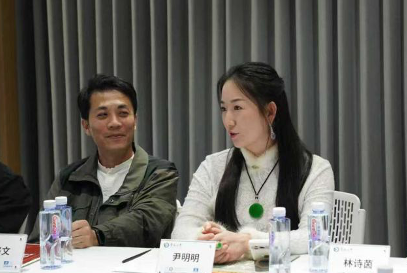
Deng Luowen, Director and Wood Carving Inheritor of Yuanbao Craft Museum in Dinghu District, Zhaoqing (left); Yin Mingming, Founder and Jade Carving Inheritor of Guangdong Mingyu Tianxia Jewelry Culture Co., Ltd. (right)
Wood carving inheritor Deng Luowen and jade carving inheritor Yin Mingming both talked about the survival pressure of craftsmen: on the one hand, the high cost of raw materials leads to high product prices, making it difficult to attract young consumers; On the other hand, the popularization of modern technology has had a strong impact on the traditional handicraft market. A dilemma arises between being unable to sell at high prices and being afraid to buy at low prices.
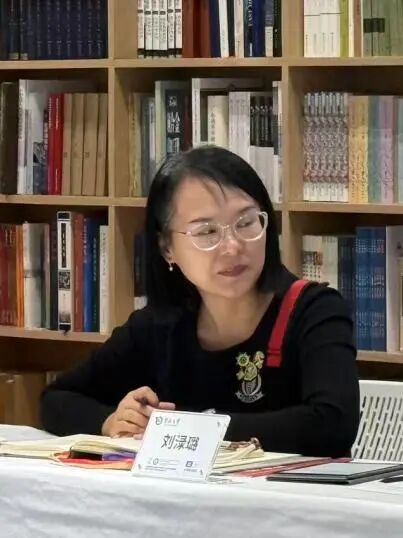

Top: Liu Lulu, Institute of Cultural Heritage and Creative Industries, Jinan University; Bottom: Song Shuang, Project Manager, Public Art Research Center, Central Academy of Fine Arts
Liu Lulu, from the Cultural Heritage and Creative Industry Research Institute of Jinan University, shared the research results of cultural ecological protection zones in six cities in Guangdong Province, pointing out that there are problems such as "heavy declaration and light protection" and "insufficient recognition of inheritors" in current inheritance. She proposed that the inheritance of traditional culture needs to tap into the core audience and meet the emotional value of contemporary people, and pointed out that niche markets can be accurately explored through "product transformation, precise positioning, and cross-border integration". Song Shuang, the project leader of the Public Art Research Center of the Central Academy of Fine Arts, emphasized the importance of face-to-face communication between designers and craftsmen through rural revitalization practices.
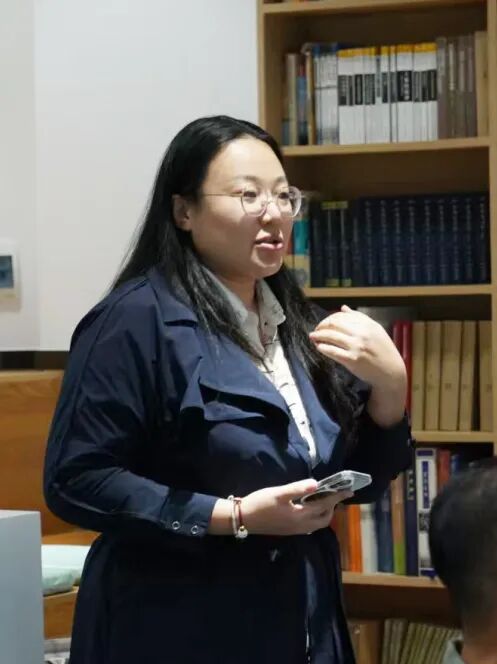
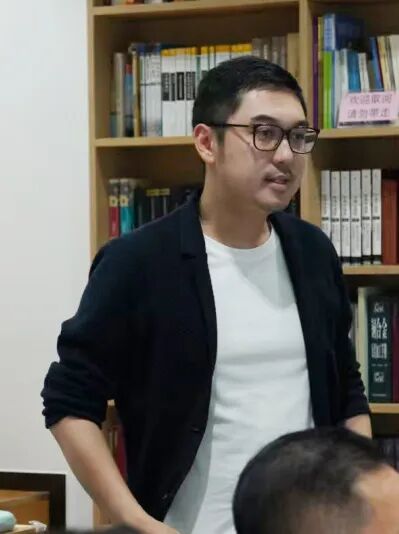
Top: Yang Ke, PhD student at Jinan University Next: Su Zizhao, postdoctoral fellow at Jinan University
Yang Ke, a doctoral student from the Institute of Cultural Heritage and Creative Industries at Jinan University, shared his experience of conducting research in Japan and the current situation of non genetic handicraft inheritance in Japan; Su Zizhao, a postdoctoral fellow at Jinan University, based on his experience studying in France, emphasized that Chinese culture needs to be interpreted in a Western and understandable way when going global, using well-designed products as carriers to break the stereotype of Chinese culture in the international community.
This sharing session clearly outlines the path of revitalizing and inheriting traditional culture through the collision of three perspectives. In the future, the Cultural Heritage and Creative Industry Research Institute of Jinan University will continue to build a communication platform, promote the deep integration of industry, academia, and research, and help the traditional culture of the Guangdong Hong Kong Macao Greater Bay Area innovate in inheritance and go global in innovation, allowing excellent traditional Chinese culture to shine with new brilliance in the new era.