

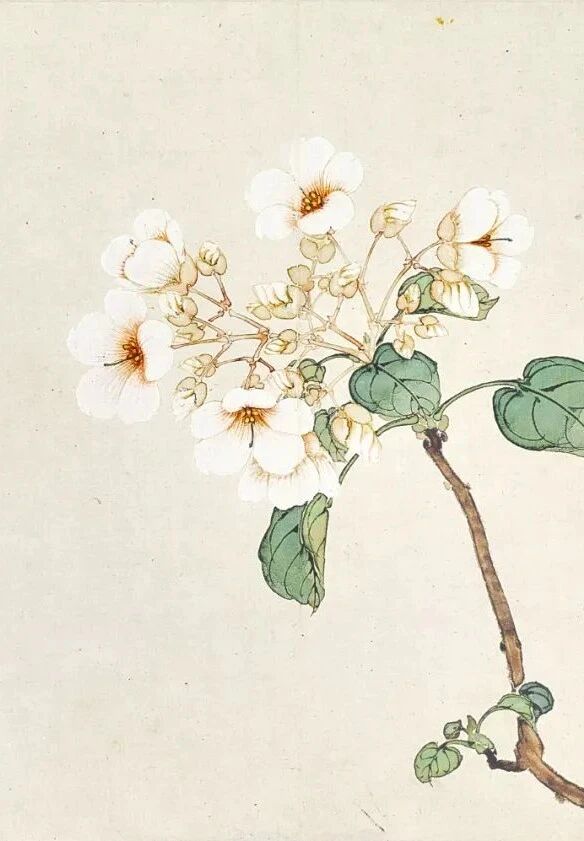
Ju Lian 《Flower》
Beginning of winter / 11.7
Lidong is the 19th solar term among the 24 solar terms and also the beginning of winter. The "Calendar" records: "Dou refers to the northwest dimension, which marks the beginning of winter. Winter ends, and at the beginning of winter, all things come to an end, hence the name" Li Dong Ye "; Winter, in the end, all things are collected. Beginning of winter signifies the beginning of the cessation of vitality and the entry of all things into a state of rest and collection. Its climate is also transitioning from a dry and rainy autumn to a cold and cloudy winter climate.
As the beginning of winter, Lidong is not only a time node, but also a festival full of ritual. In traditional Chinese culture, the beginning of winter season has rich customs and activities. For example, in northern regions, people have the custom of eating dumplings, which symbolizes reunion and warmth; In the south, there is a preference for consuming nourishing foods such as lamb and dog meat to resist the upcoming cold weather. In addition, there are customs such as ancestor worship, bathing and changing clothes, and adopting children, all of which reflect people's reverence for nature and love for life.
Beginning of Winter · Three Hou
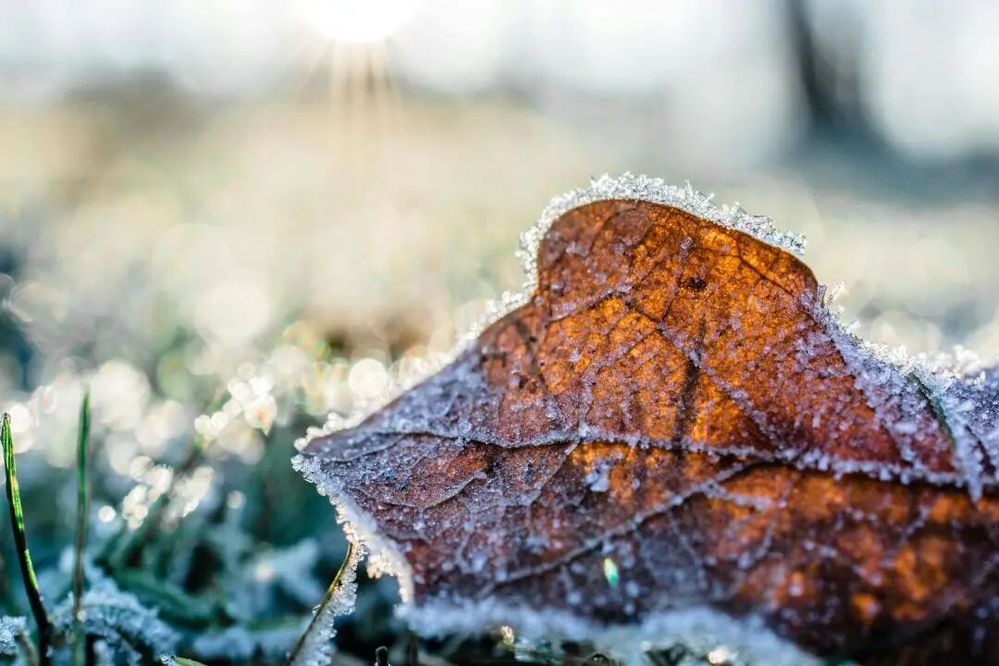
Yi Hou, the water begins to freeze
On the day of the beginning of winter, water begins to freeze, and ice becomes colder than water, so it is the combination of water and ice. Winter cold water accumulation is a sign of yin suppression. Ice begins in winter, grows stronger in mid winter, and is abundant in seasonal winter.

Er Hou, the ground begins to freeze
Five days after the beginning of winter, the earth begins to freeze, and when the ice is strong, it is called freezing. The earth's winter is frozen. Ai Ai Ye Fu Yang, Hui Hui Shui Fu Bing.
San Hou, when the pheasant enters the flood, it becomes a mirage
Starting from the tenth day, large birds such as wild chickens on land will fly into the sea and turn into big clams. Naturally, this is the romantic imagination of ancient people, which essentially means that wild chickens are also going into hibernation, indicating that the Yin energy has become heavier again.
Beginning of Winter · Customs
/ Eating dumplings/
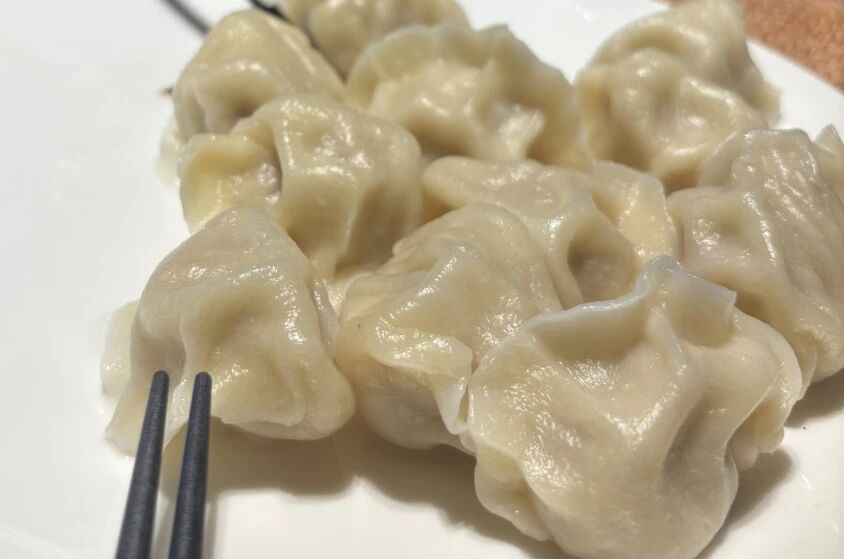
In the north, the rule for starting winter is to eat dumplings, because dumplings look like ears, and people believe that eating them will prevent their ears from freezing in winter. Why do we eat dumplings at the beginning of winter? Because our country is built on agriculture, we attach great importance to the 24 solar terms. "Festivals" provide new growth points for plants and trees. Autumn harvest and winter storage. On this day, to improve my life, I chose "dumplings are more delicious than dumplings".
/ Brewing rice wine/
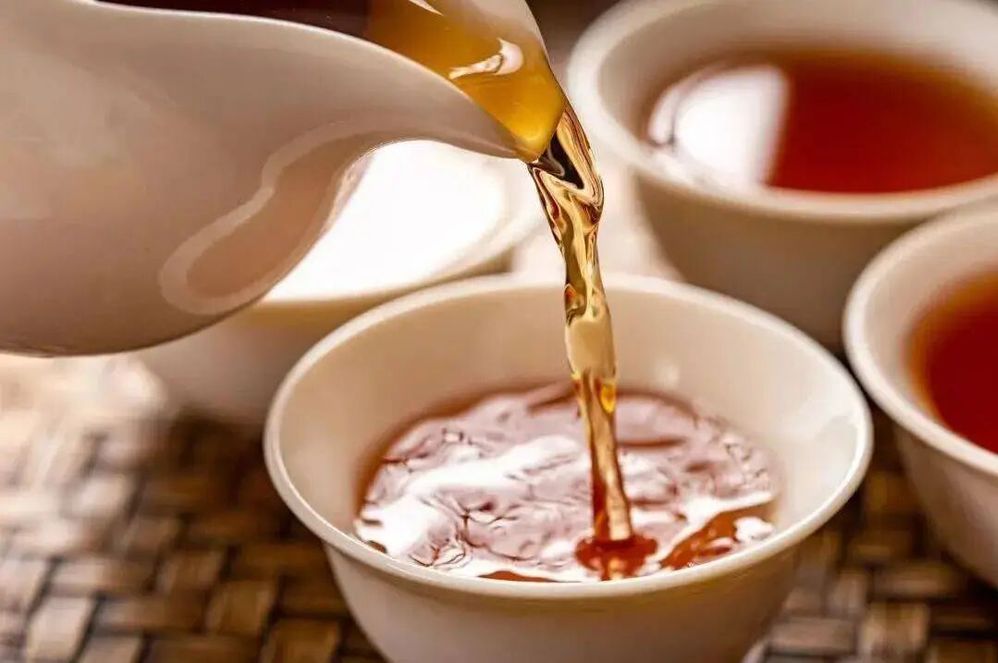
Starting to brew rice wine on the day of the beginning of winter is a traditional brewing custom in Shaoxing. In winter, the water is clear and the temperature is low, which can effectively inhibit the breeding of miscellaneous bacteria and form a good flavor during the low-temperature and long-term fermentation process of wine. It is the most suitable season for wine fermentation. Therefore, Shaoxing people refer to the period from the beginning of winter to the beginning of spring, which is the most suitable time to make rice wine, as "winter brewing", praying for blessings.
/ Eating lamb meat/
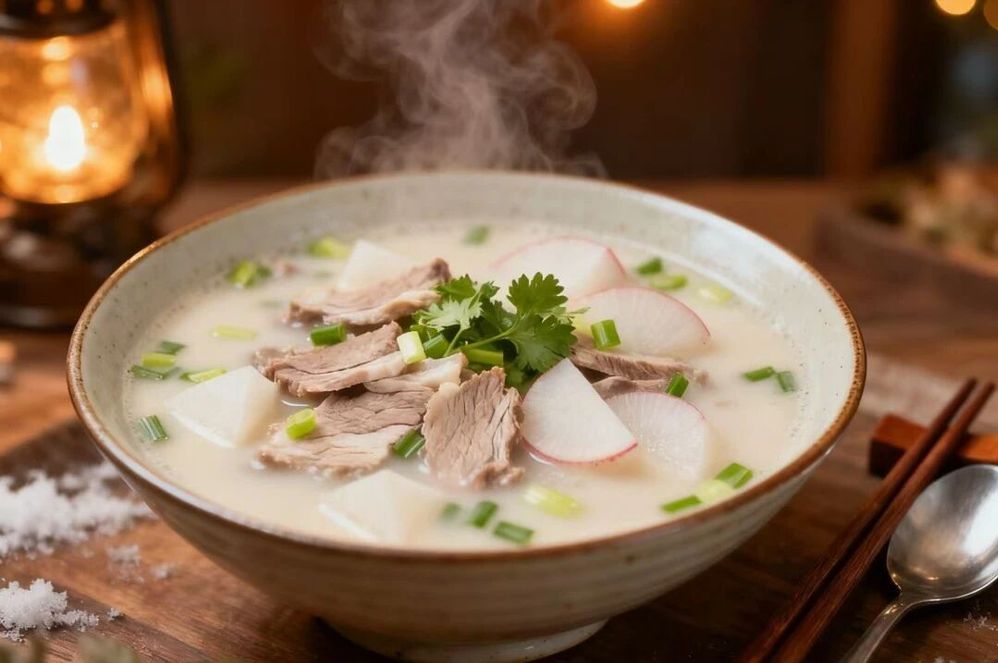
In the beginning of winter, there is a custom of drinking lamb soup in northern regions. Once the cold wind blows, whether it's Kashgar roasted lamb legs, Xi'an water basin lamb, Inner Mongolia lamb soup, Wu Zhong's cold hand grabbing, or Zunyi lamb powder, Haikou East goat, Ningbo white cut lamb, Meizhou lamb edge stove In cold weather, drinking a steaming bowl of lamb soup, which also contains a lot of fat and calories, has an excellent effect on keeping warm.
Beginning of Winter · Health Preservation
The health preservation in winter and March cannot be separated from the word 'Tibetan'. Plants shed a large amount of leaves at this time, and animals also begin to hibernate, with a common goal of reducing consumption. People should also reduce consumption and accumulate energy at this time, which is' doing things in sync '. If you store it well in winter, you will only have the power to raise your hair in the spring of the following year.
/Daily life/
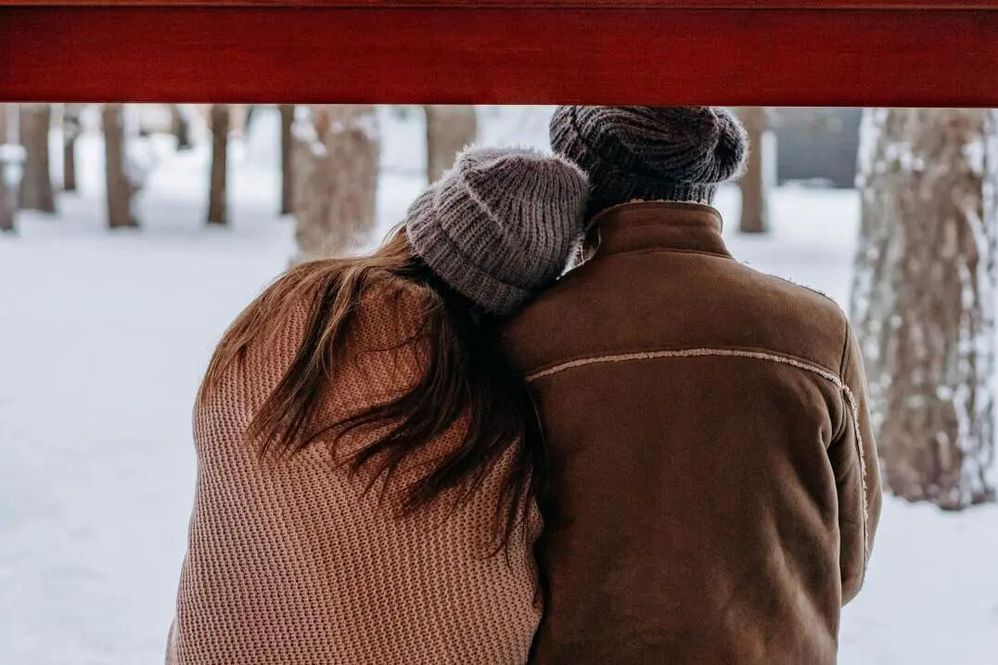
In winter, the qi of heaven and earth is closed, and the blood and qi are hidden. People should not sweat or vent their yang energy, which is harmful to others. To reduce cunsumption and sweating, it is necessary to do less vigorous exercise and sauna steam. If you need to exercise, it is also recommended to choose some gentle ones. As the weather gets colder, we need to stay warm in our daily lives to avoid the cold. After entering winter, it is especially important to pay attention to staying up late, as staying up late itself is also a form of consumption. The ancients said that the principle of sleeping in winter is to "sleeping early and wake up late, and wait for sunlight".
/Diet/
There is a folk custom of tonifying the winter at the beginning of the winter, which is called 'three nine tonifying one winter, no illness in the following year'. For nourishing the body, all kinds of meat with flesh and blood are definitely nourishing, and you can eat more in moderation in winter. If you want to supplement with vegetarian food, you can choose options such as sweet potatoes, radishes, yams, taro, bamboo shoots, lotus roots, burdock, etc.

The beginning of winter "not only represents the beginning of winter, but also indicates that the year is coming to an end. All things should be collected, rested, and prepared for the flourishing of spring next year. Time should not rush, and steps should not be hurried. Let us open our arms and embrace the warm winter sun, silently accumulating the power to light up our dreams.
24 Solar Terms
It is a specific festival in the Chinese lunar calendar that represents changes in natural rhythms and establishes the concept of "building in December". It was originally formulated based on the rotation of the Big Dipper and the movement of the stars. The Big Dipper rotates in a circular motion, with the handle rotating one circle to the east, south, west, and north, forming a cycle known as a "year". Each rotation cycle begins at the beginning of spring and ends at the end of the Great Cold. The "24 solar terms" is an important part of the long history and culture of the Chinese nation, which embodies the essence of the history and culture of Chinese civilization. Through historical development, the lunar calendar has incorporated the solar terms of the dry branch calendar as a supplement to the calendar, and adjusted it to conform to the tropical year through the "leap method", forming a yin-yang combined calendar. The "24 solar terms" have become an important part of the lunar calendar. In the international meteorological community, the 24 solar terms are known as "China's fifth great invention". On November 30, 2016, the 24 solar terms were officially included in the UNESCO Representative List of the Intangible Cultural Heritage of Humanity.
