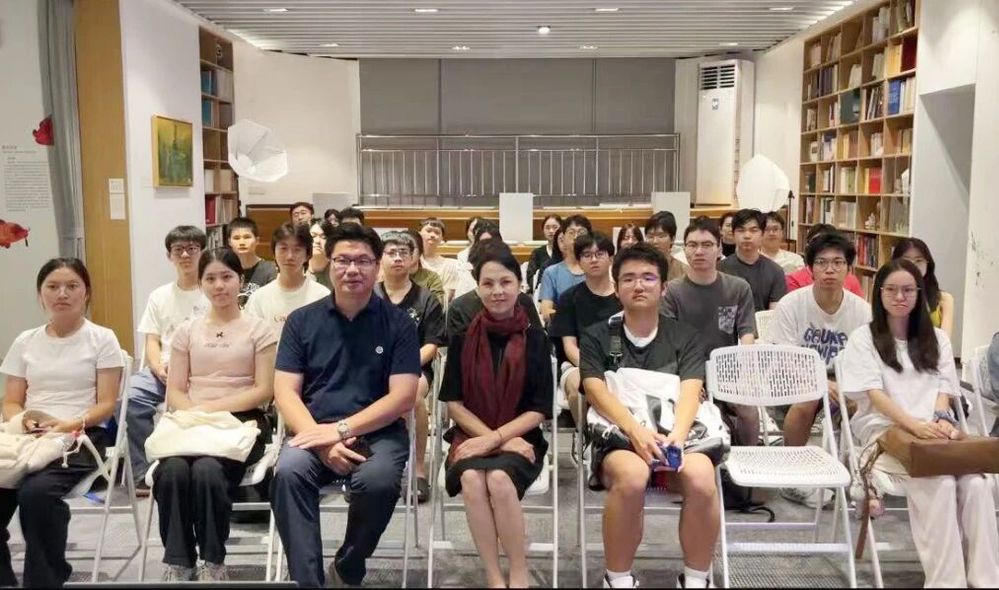
The first immersive lecture of the general course Appreciation of Cultural Heritage at the Cultural Heritage Creative Industry Research Institute
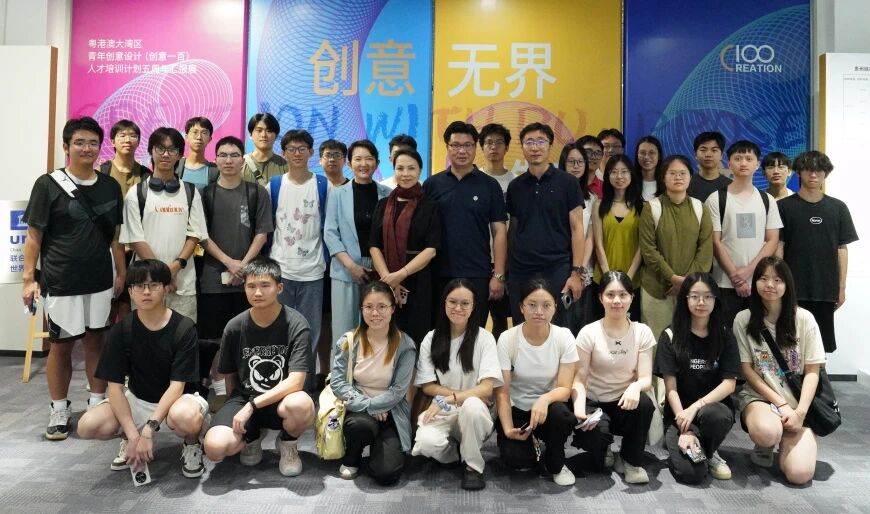
Autumn September marks the beginning of the new academic year. On September 16th, the students of Ji'nan University held a unique and innovative first class at the Sihai Art Space - Cultural Heritage Appreciation general course.
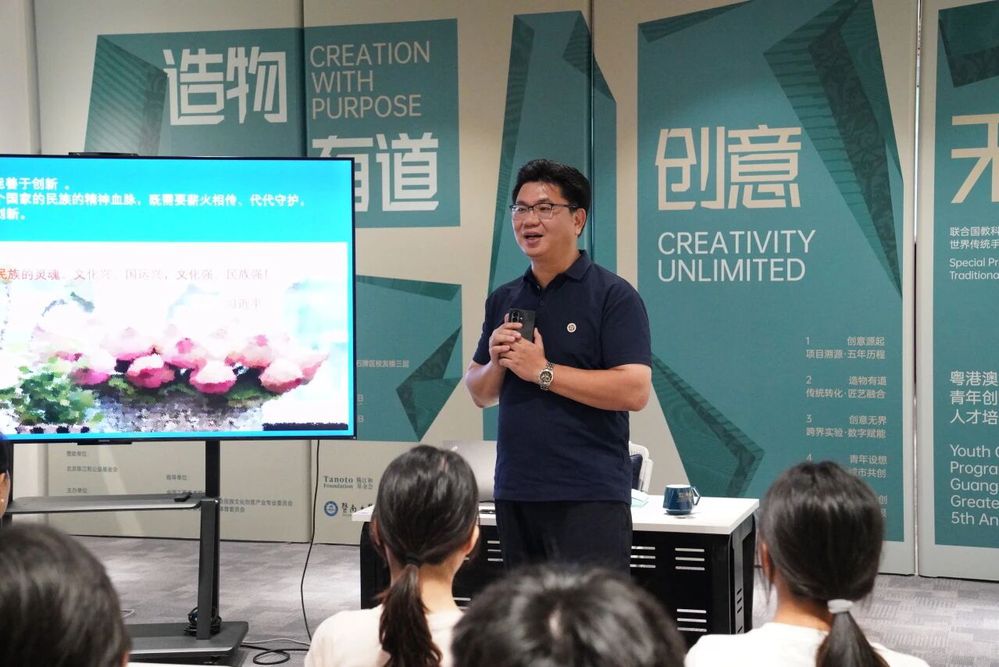
This general course is planned by the Cultural Heritage and Creative Industry Research Institute of Jinan University, and hosted by Vice Dean Ye Zhihai
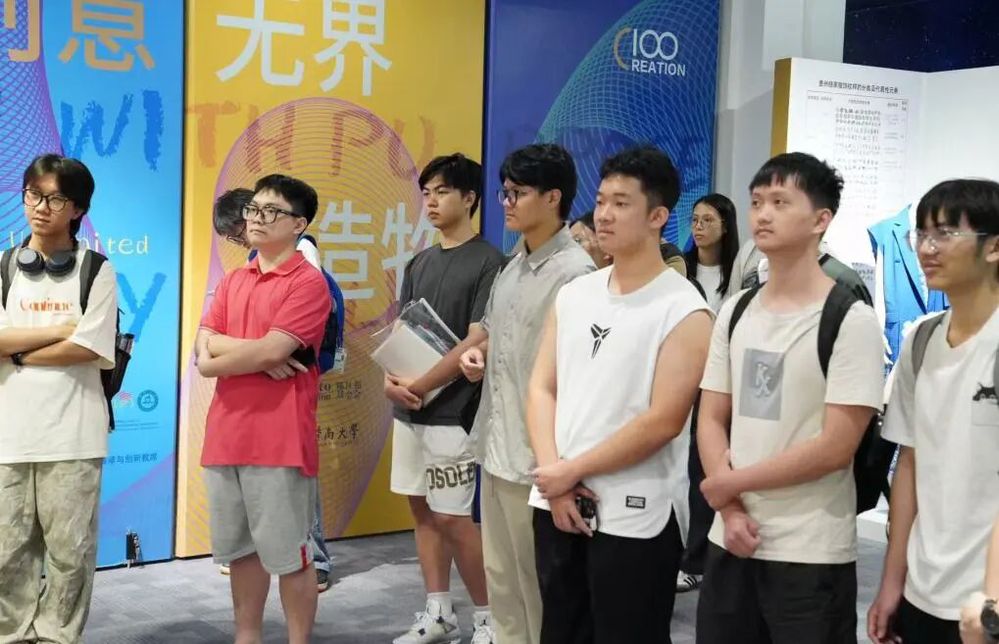
Students from over a dozen majors came to the Four Seas Art Space of the school for the first time
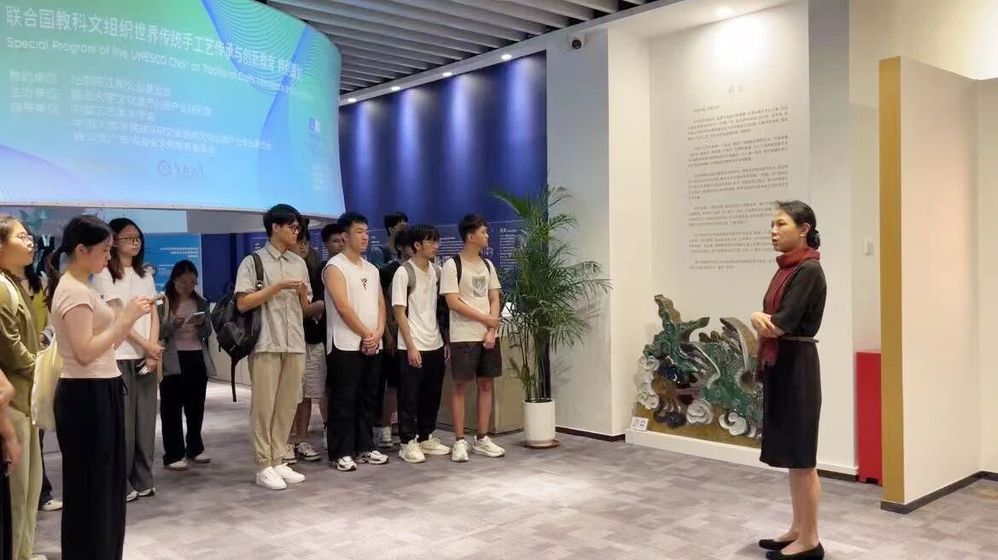
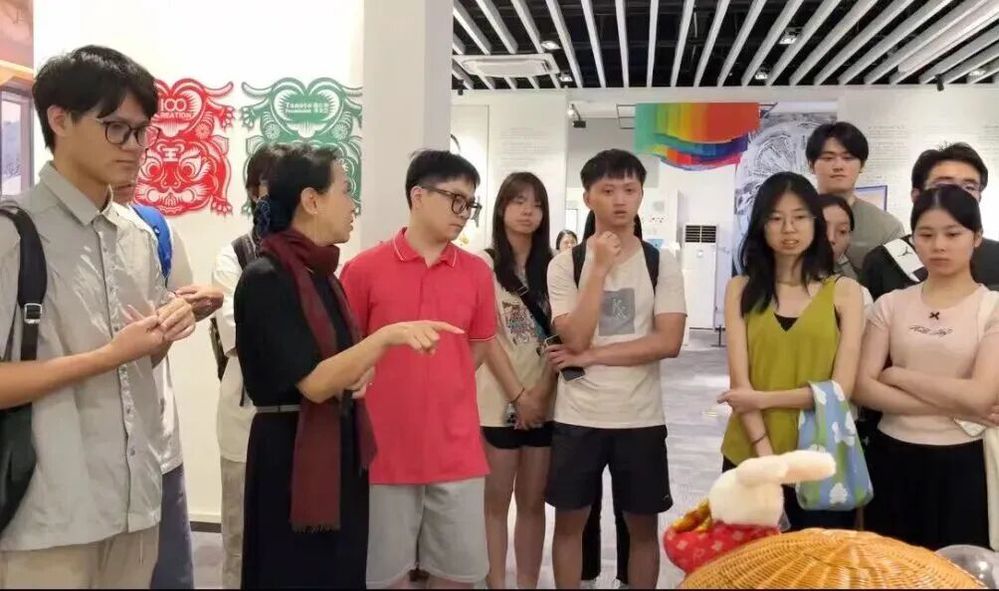
The first lecture of the general education course is Appreciation of Cultural Heritage, which is personally guided and taught by Professor Chen Ping, the Dean of the Cultural Heritage Creative Industry Research Institute and the Chief Chair of the UNESCO World Traditional Handicraft Inheritance and Innovation Chair. During the professional and meticulous tour, students immerse themselves in the world of cultural heritage and creative design.
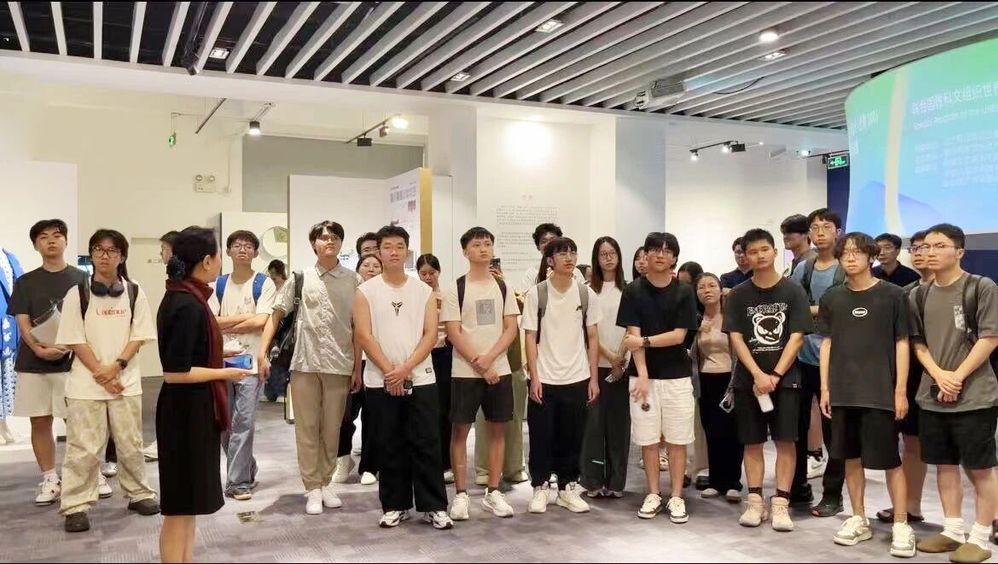
Professor Chen Ping led everyone to appreciate the Creative 100 Achievement Report Exhibition of Creating with Way and Creativity Without Boundaries. The exhibition gathered a rich and diverse collection of intangible cultural heritage exhibits, ethnic costumes, handicrafts, modern interactive installations, modern design works, etc. During the professional and meticulous tour, students immersed themselves in the world of cultural heritage. Subsequently, we will enter the specialized teaching session of 'Using Cultural Heritage to Tell the Story of China'.
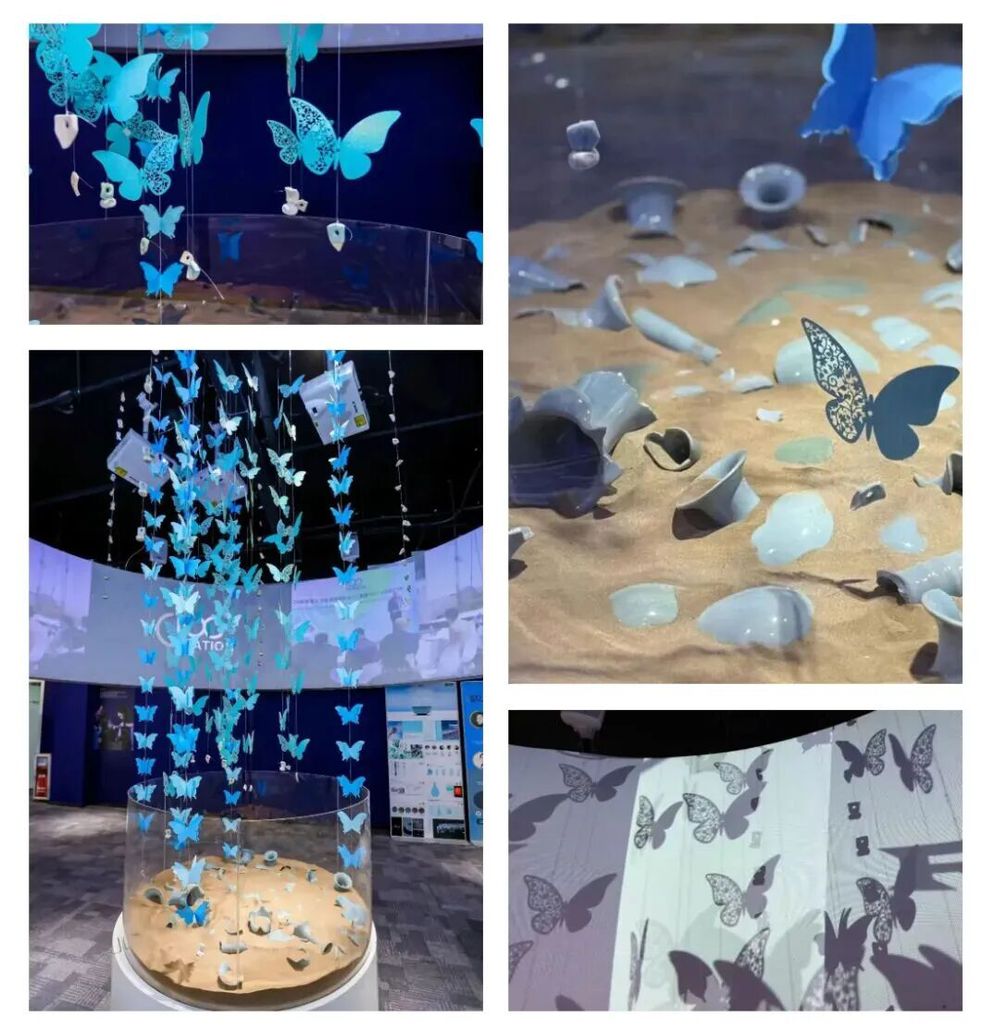
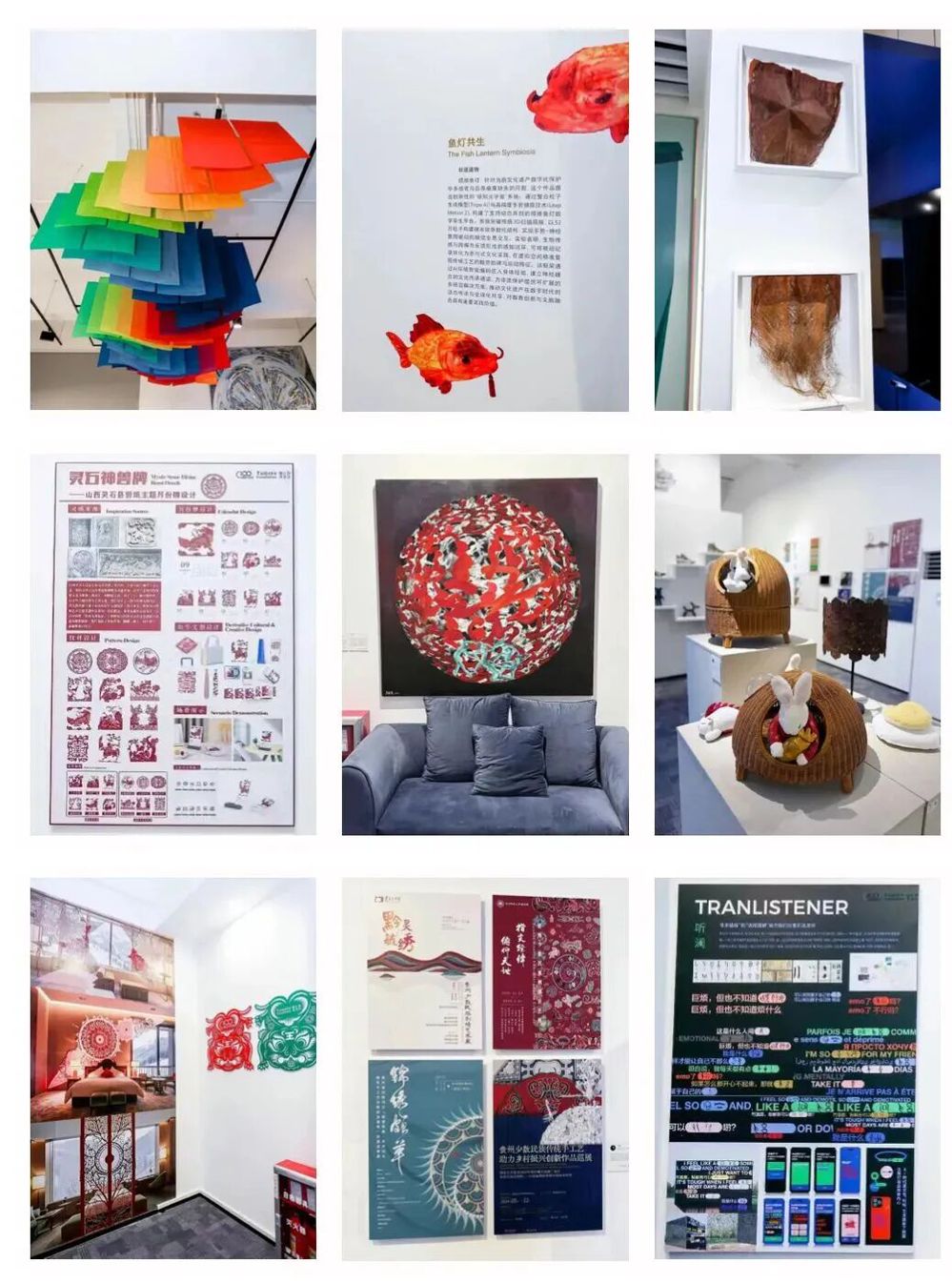
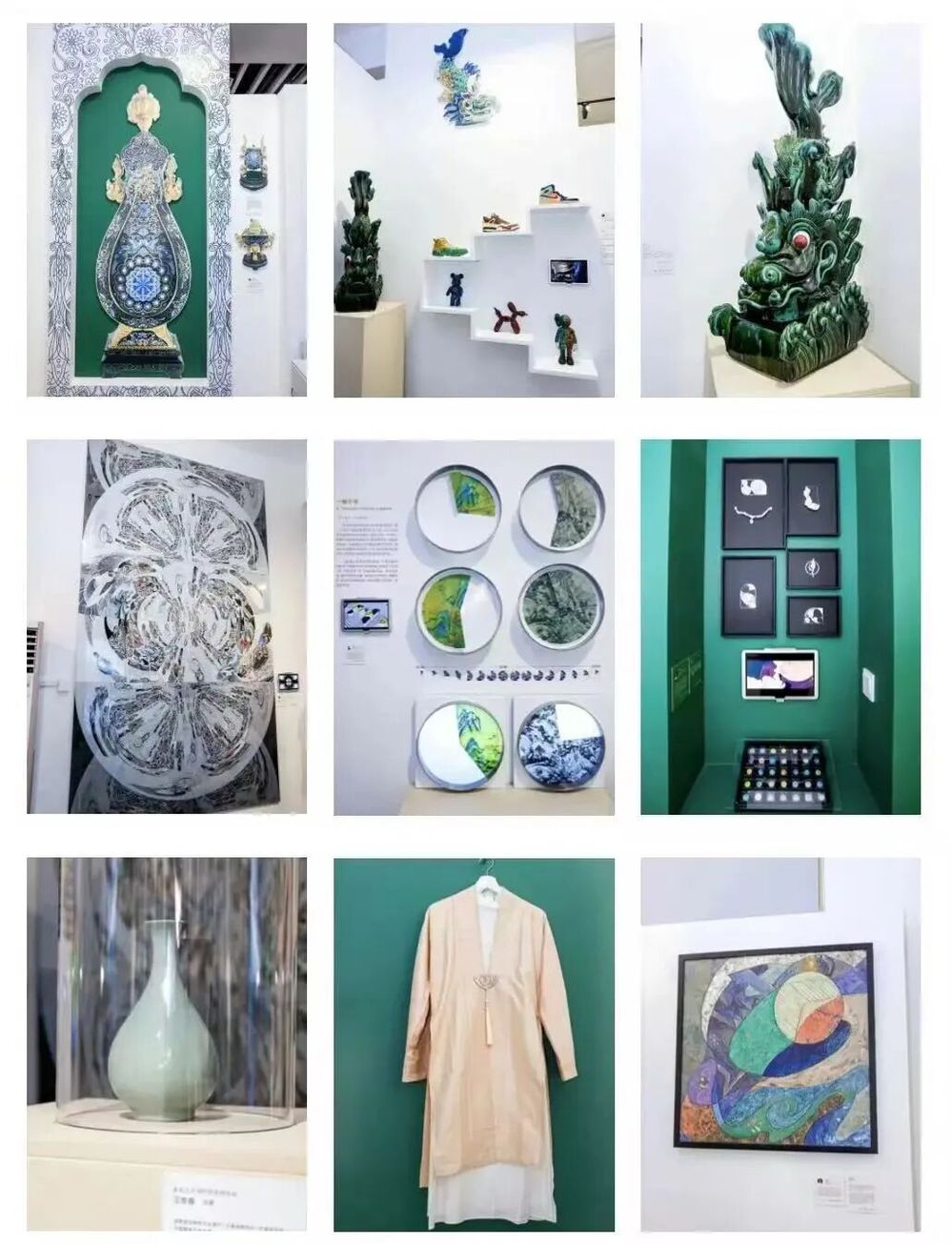
The works presented at the Creative 100 Achievement Report Exhibition, planned by the research institute and supported by the Beijing Chenjianghe Foundation, have deeply attracted students

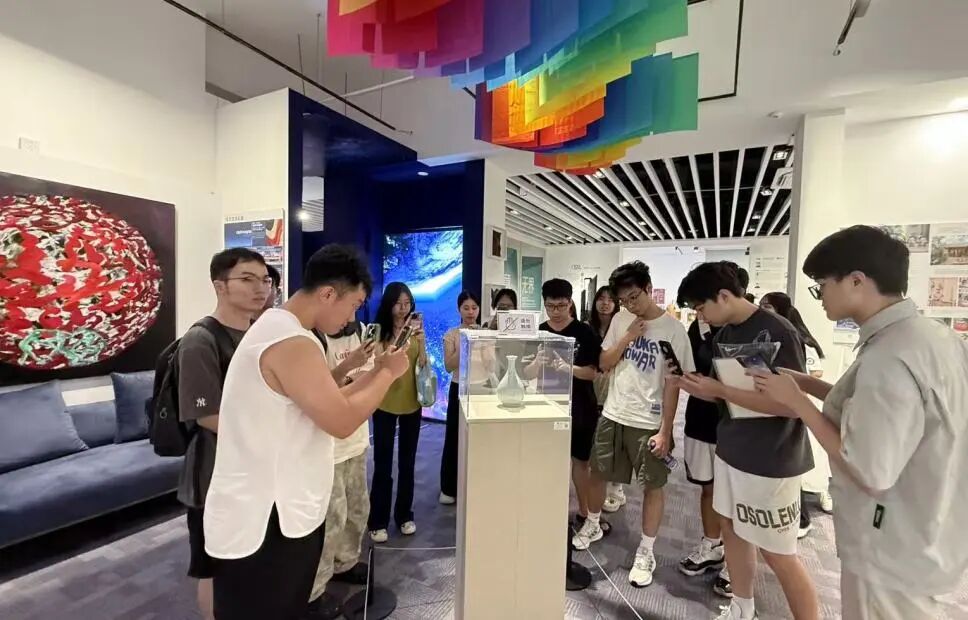
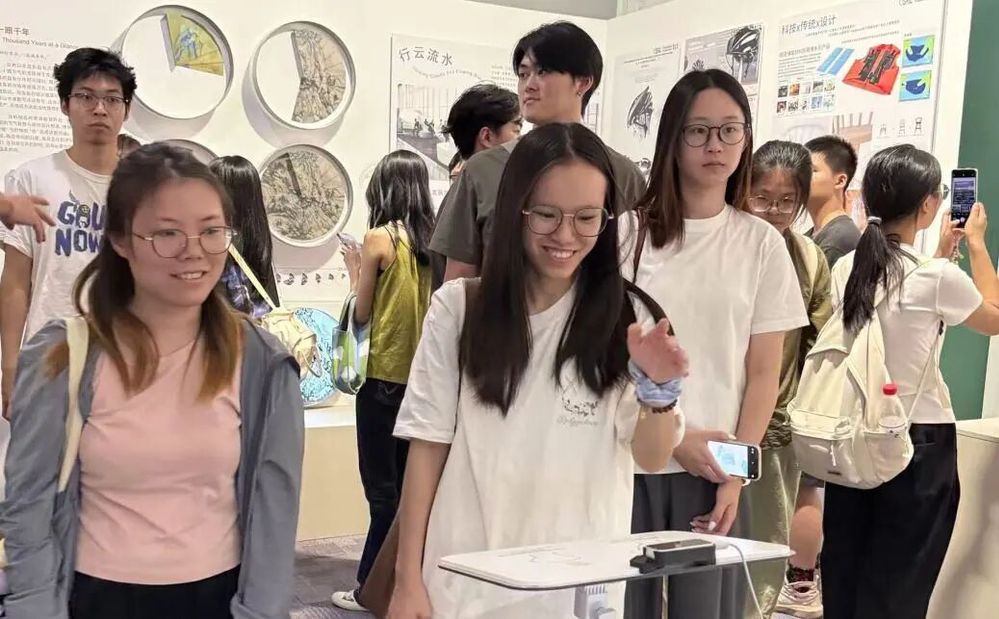
Classmates are carefully visiting the exhibition
The diverse and creative intangible cultural heritage exhibits come into view, as if embarking on a cultural journey through time and space. The ring area at the entrance is particularly eye-catching. The warmth and simplicity of Ru porcelain fragments and the flexibility and lightness of blue Paper Cuttings butterflies interweave each other, building a dialogue bridge spanning thousands of years with elegant colors, which makes people unable to help but revel in the beauty of the blending of history and art. On the side, Lingnan Shiwan pottery is revitalized, with every texture seemingly silently telling the passing of time. Professor Chen Ping shares the traditional tile ridge craftsmanship behind the Aotou, causing students to stop and stare.
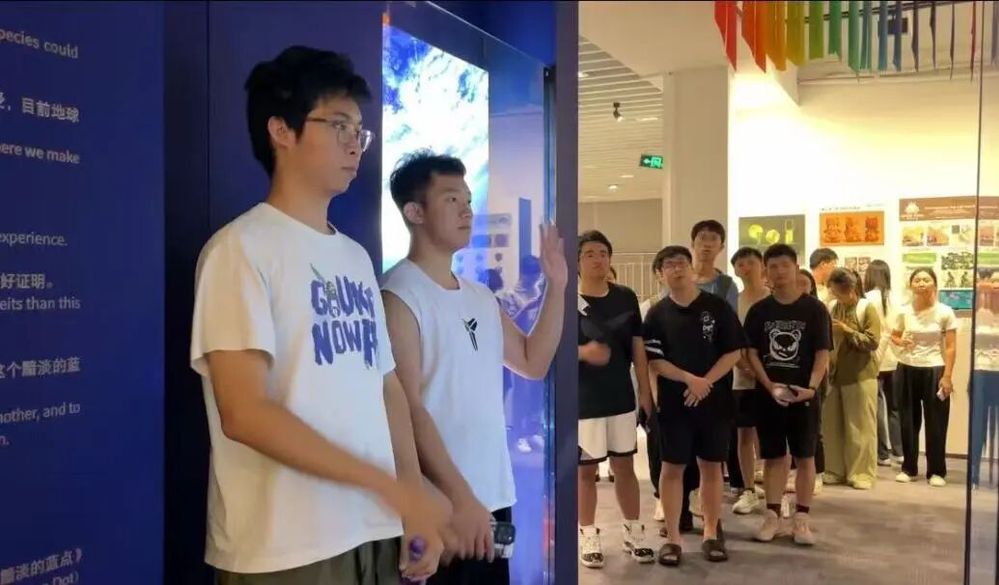
Students Experience a New Experience of Intangible Cultural Heritage+Technology
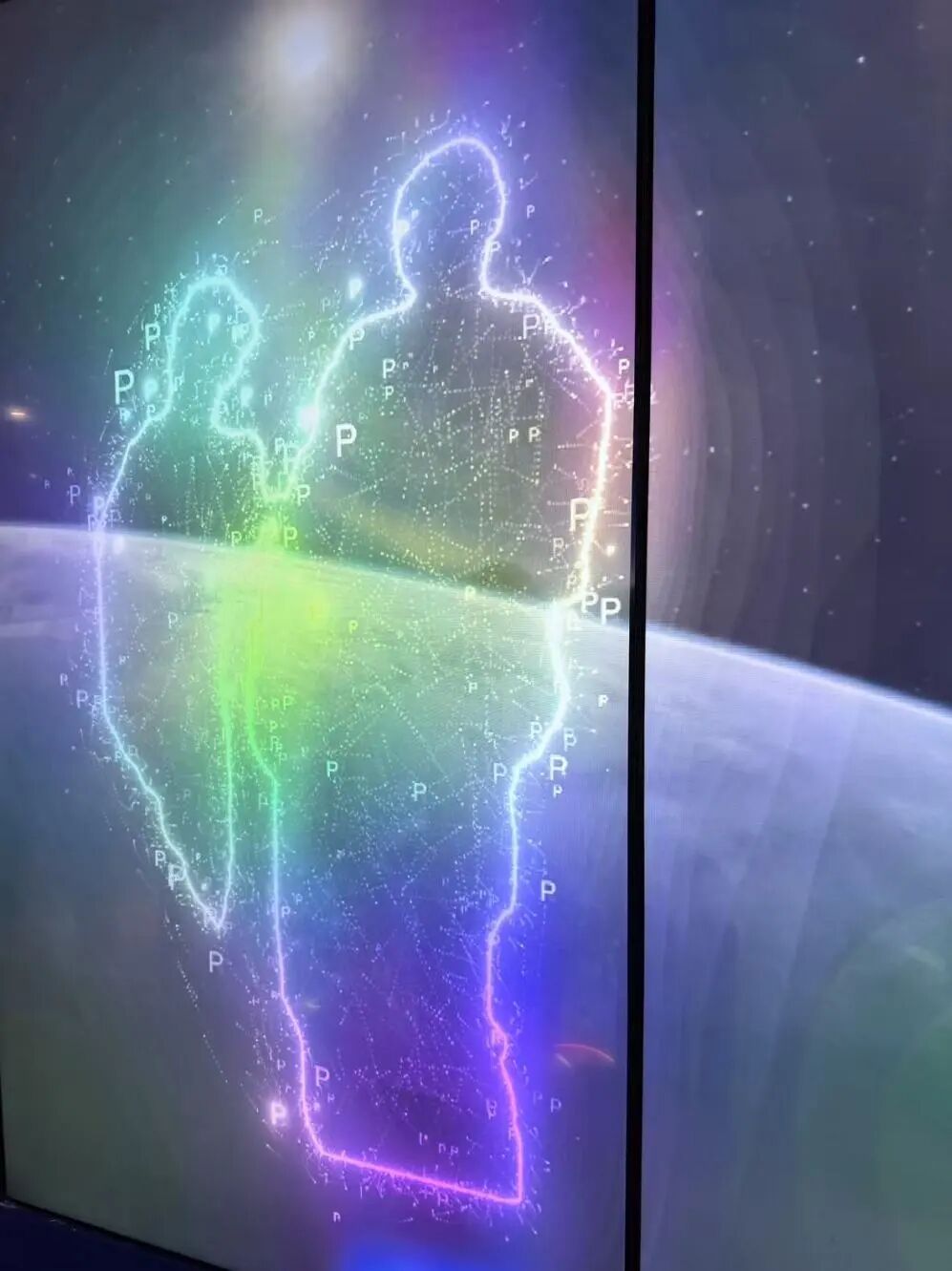
The most attractive feature is the VR immersive experience and visual interaction device in the exhibition hall. In two time and space tunnels, students wave their arms and interact with the large screen, wearing colorful Dong ethnic costumes and melodious Dong ethnic songs that contain deep ethnic customs and cultural heritage, making people feel as if they are in Dong villages and experiencing a new experience of intangible cultural heritage+technology; The other door leads to the universe and the future. In the vast and boundless starry sky, humanity becomes small yet even greater, because human creativity brings greater content to the universe.
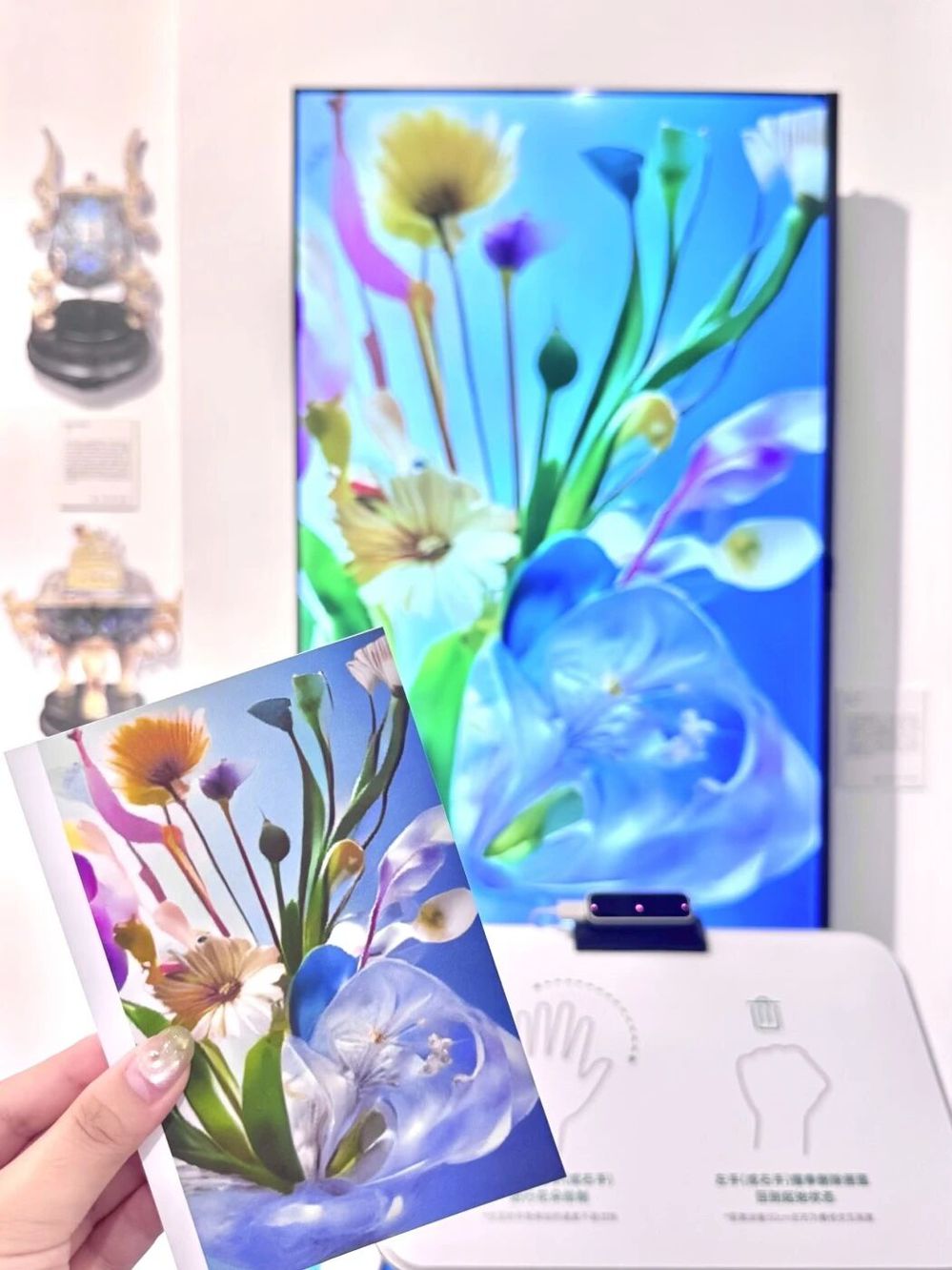
The AI interactive device of flowers and hand drawing has opened a creative door for students. Participants only need to lightly wave their hands to draw unique flower patterns from afar. With the power of modern technology, their inner artistic inspiration is presented in a unique way, allowing students to deeply appreciate the infinite charm of the integration of traditional art and modern technology.
Speak eloquently, vividly and affectionately
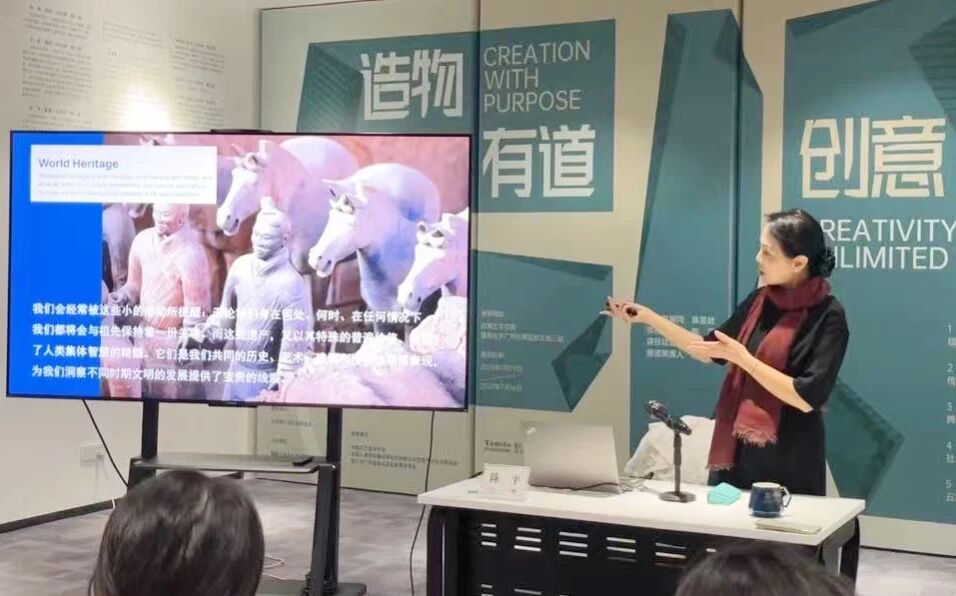
Professor Chen Ping started with the UNESCO Nubia Action Plan and introduced the origin of World Heritage. He provided a detailed analysis of the concept, definition, value, and other aspects of World Heritage. His profound knowledge and vivid explanations explained the connotation, value, and importance of protecting and inheriting cultural heritage to the students. Through the teaching of theoretical knowledge, the students' thinking was elevated from practical experience to rational cognition, which attracted the students who came to attend the lecture.
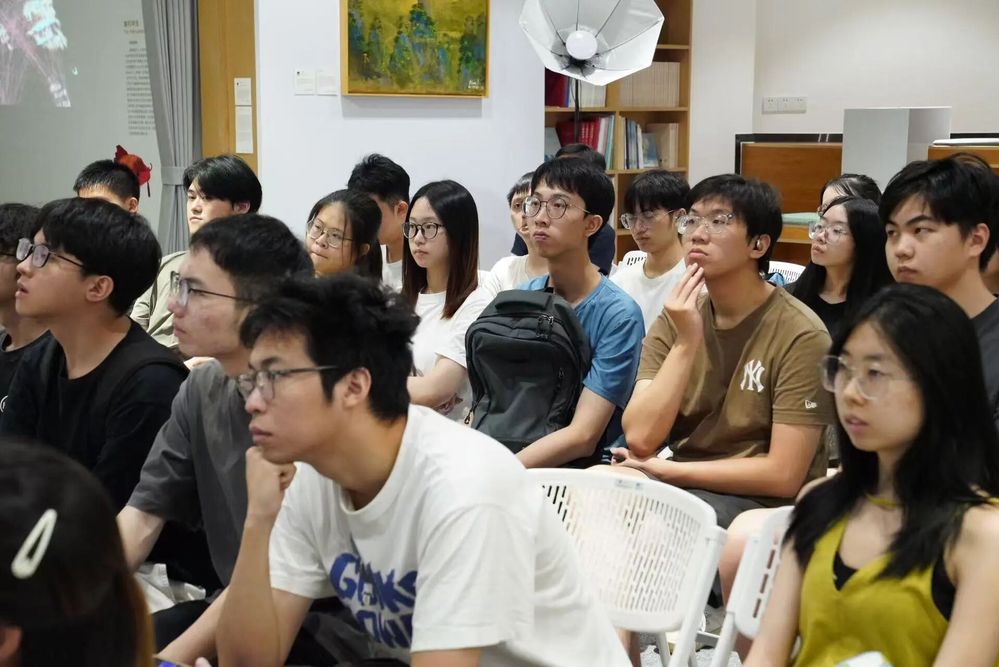
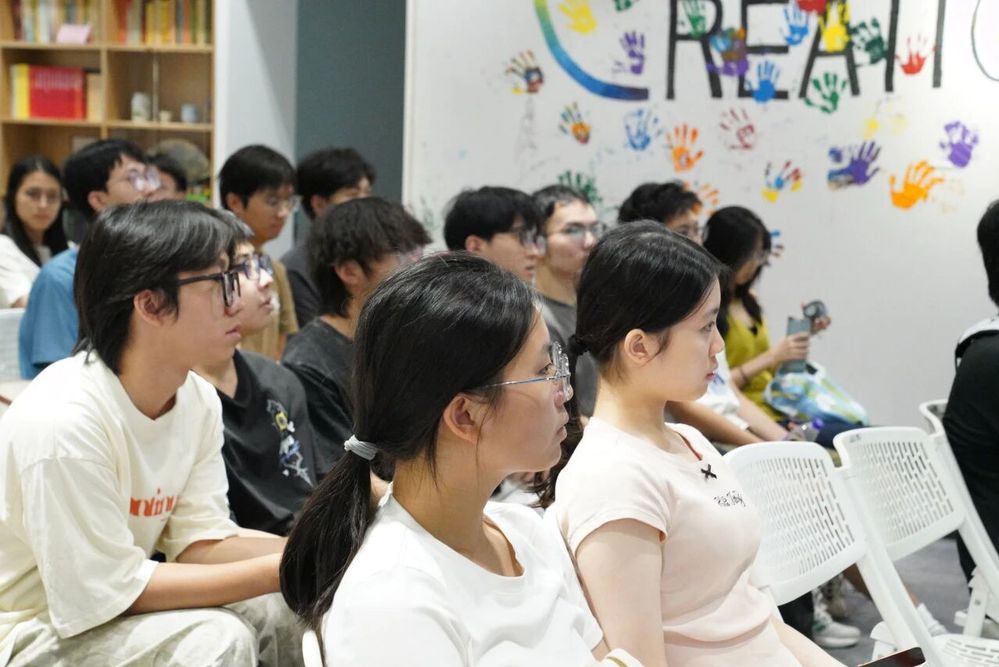
Concentrate on listening attentively
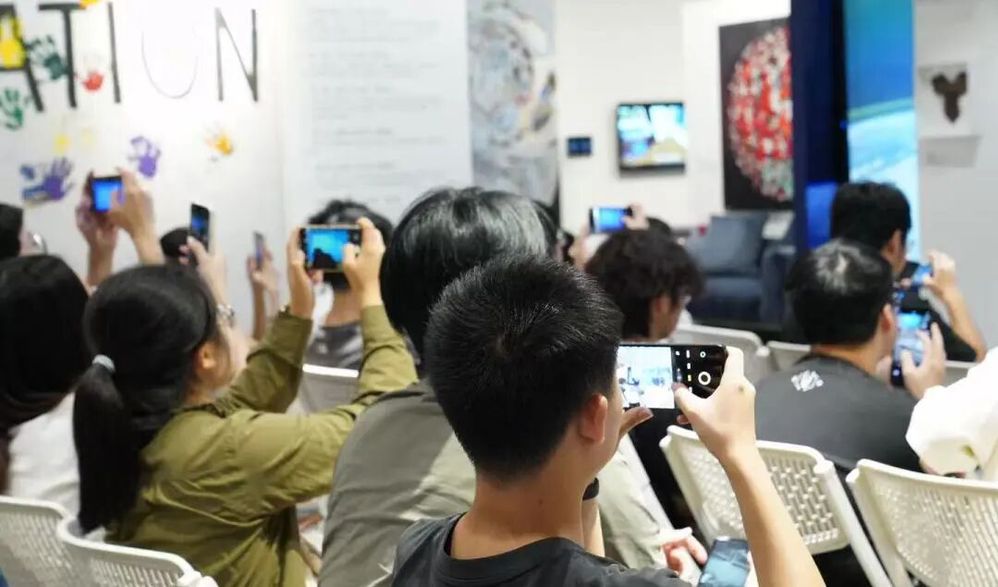
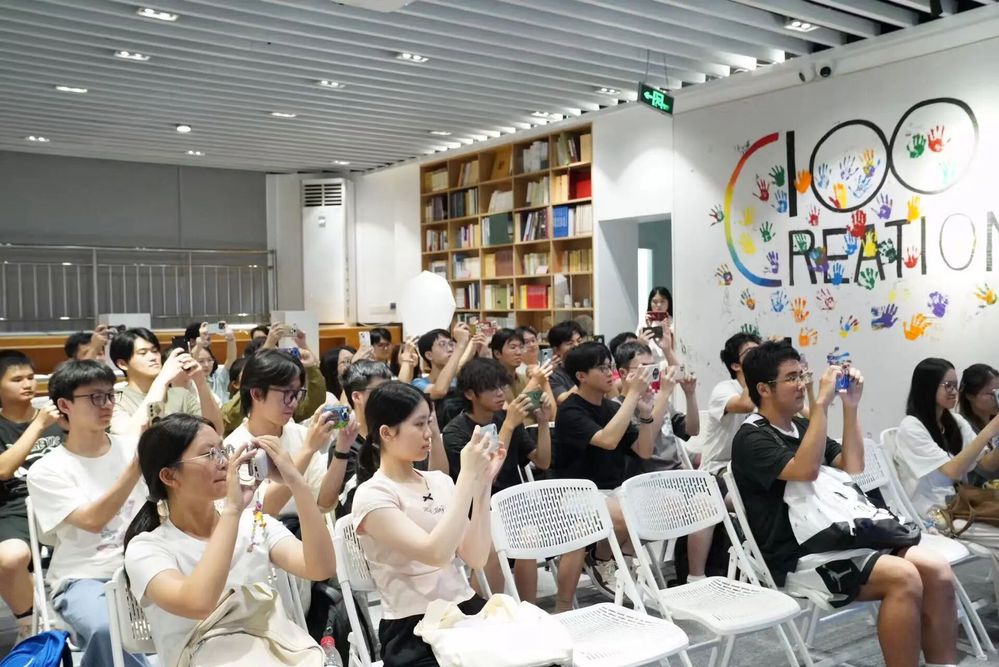
Professor Chen Ping specially made 289 pages of wonderful PPT for the general education course, citing a large number of cases and data. The students felt that the opportunity was rare and took out their phones to shoot
The first lesson of Appreciation of Cultural Heritage can be regarded as a unique and innovative immersive experience classroom. Students quickly immerse themselves in this knowledge exploration journey with their intuitive feelings about cultural heritage during the exhibition. Subsequently, with the help of cutting-edge technologies such as VR immersive experiences and visual interaction devices, students were able to immerse themselves in the diverse charm of cultural heritage, achieving a transition from static observation to dynamic participation. This technological experience made cultural heritage no longer a abstract concept in books, but more vivid, tangible, and within reach.

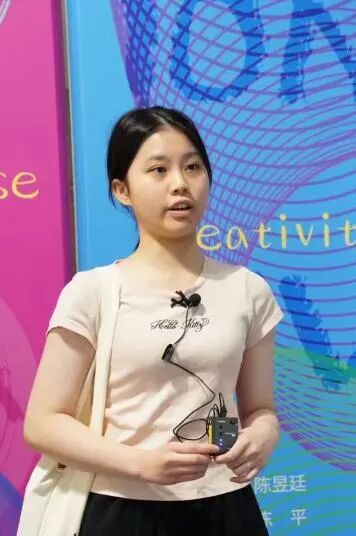
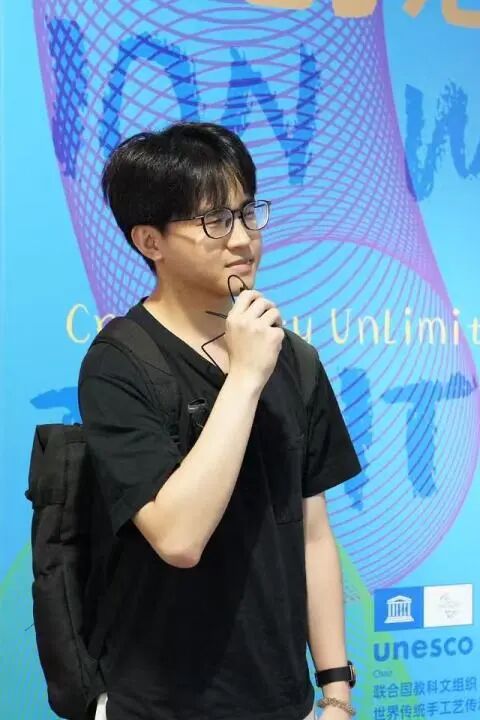
The randomly interviewed students are very representative, from left to right: Wang Xiuze from inland China (Law, Grade 22), Wang Zixian from Hong Kong (International Economics and Trade, Grade 24), and Shi Wenkang from Malaysia (Economics, Grade 22)
The interactive devices in the classroom break the traditional one-way output mode and greatly enhance the interactivity of the classroom. Students are no longer passive recipients of knowledge, but can actively participate in classroom discussions and practices, engaging in ideological collisions and exchanges with teachers and classmates. This interaction not only deepens students' understanding and memory of cultural heritage knowledge, but also enriches the fun of the topic, making the entire classroom full of vitality and energy.
In such immersive experiential classrooms, students not only gain knowledge, but also a love and reverence for cultural heritage, laying a solid foundation for them to inherit and promote excellent traditional Chinese culture in the future.
New Lesson Preview: 2:00 PM on September 23rd
Teaching location: Room 328, Teaching Building, Panyu Campus
Teaching Content: Introduction to Aesthetics
Teaching instructor: Ye Zhihai, Vice Dean and Associate Professor of the Cultural Heritage Creative Industry Research Institute
Welcome!