


Youth Creative Design Training
Program (Creation 100)
In Guangdong-Hong Kong-Macao
Greater Bay Area
UNESCO proposes on October 17, 2024 to help future generations safeguard intangible cultural heritage
Based on the 1997 UNESCO Declaration on the Responsibility of the Present and Future Generations and the 2024 New Declaration, it is pointed out that youth are the core of shaping society and the key to future investment. It calls on UN member states to invest in youth globally and encourage them to play a better and more meaningful role in decision-making and solutions that affect our world. The youth program of UNESCO is also committed to generating results related to youth and future generations, playing a positive role.
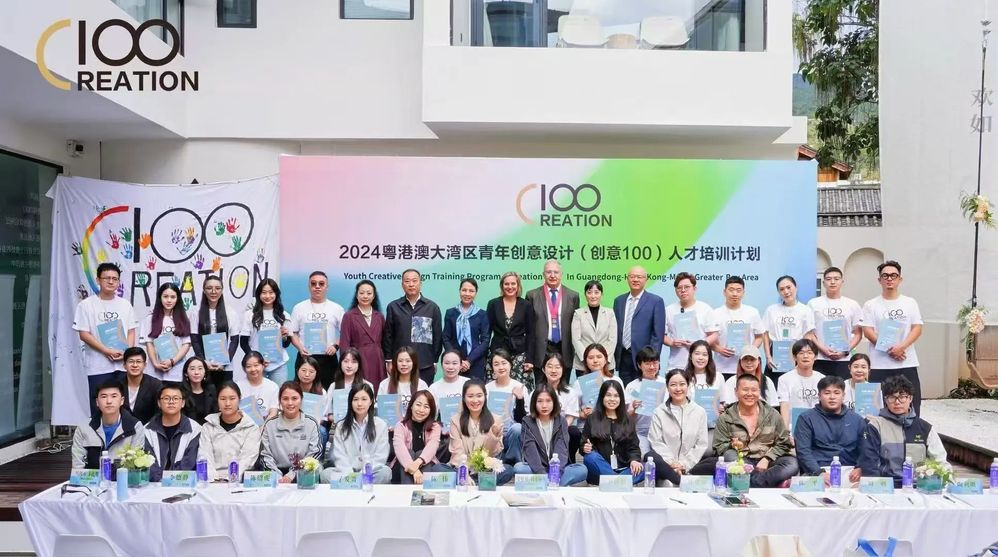
2024 Guangdong Hong Kong Macao Greater Bay Area Youth Creative Design (Creative 100) Training Program
The fifth phase of the 2024 Guangdong Hong Kong Macao Greater Bay Area Youth Creative Design Talent (Creative 100) Training Program, sponsored by the Cultural Heritage and Creative Industry Research Institute of Jinan University and supported by the Chen Jianghe Foundation, has successfully concluded in Lijiang, Yunnan. This project focuses on the cultivation of young creative design talents in the Guangdong Hong Kong Macao Greater Bay Area, with the overall theme of Youth Activate Creativity, Creativity Shapes Youth; Culture Creates Youth, Youth Creates Culture. It actively responds to and follows General Secretary Xi Jinping's guiding ideology of Innovation is the soul of national progress, an inexhaustible source of prosperity and development for a country, and the deepest national endowment of the Chinese nation, Youth is the most dynamic and creative group in society, and should be at the forefront of innovation and creation, to gather creative design talent resources in the Greater Bay Area, cultivate innovative forces, and build a platform for exchange, learning, and progress enhancement.
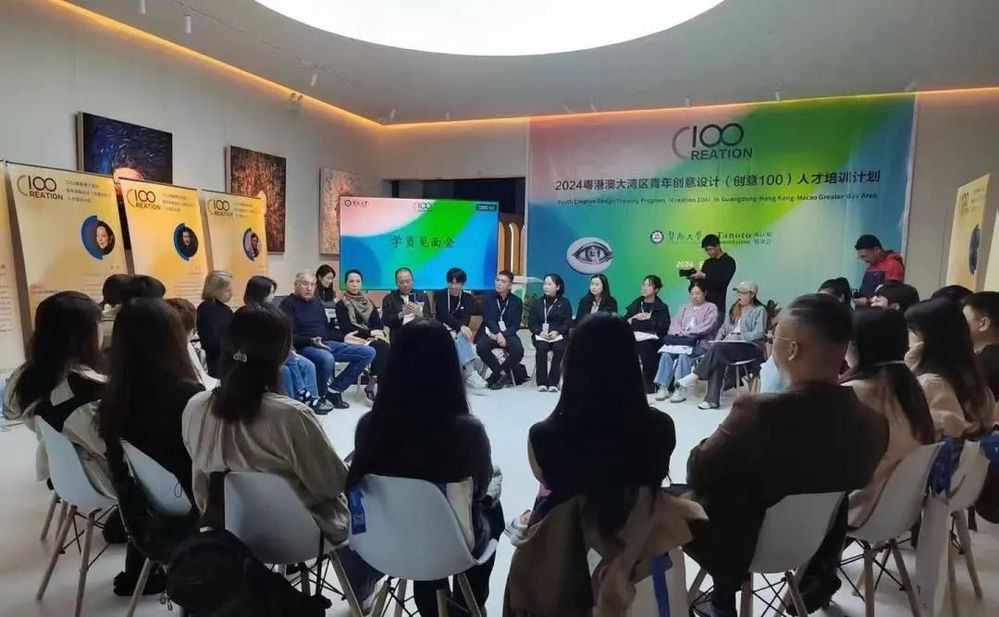
2024 (Creative 100) Student Meeting
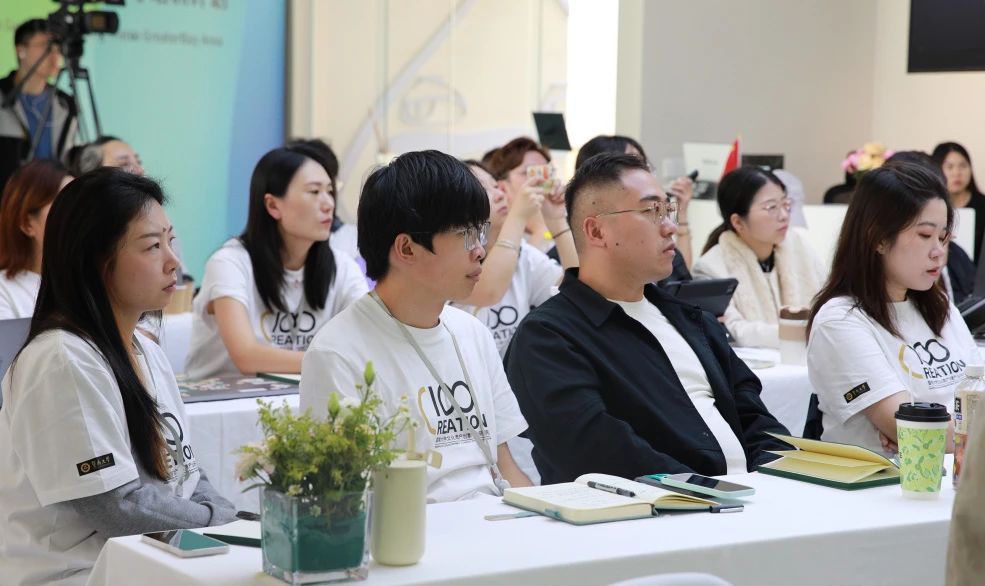
2024 (Creative 100) students are listening attentively in class
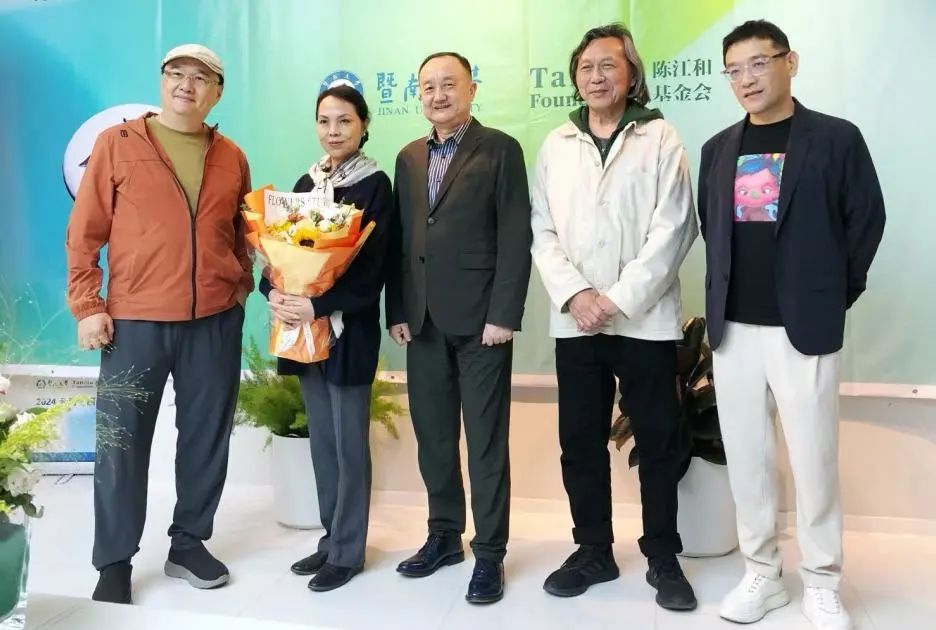
Lin Zhenzhong, Chen Ping, Ren Wendong, Wang Qijun, and Jia Wei (from left to right)

Since its launch in 2020, the (Creative 100) Talent Training Program has been successfully held for five sessions, bringing together more than 40 renowned professors, scholars, and top designers from creative design and cultural industries to teach over 100 outstanding young designers and creative workers from Guangdong, Hong Kong, Macao, and mainland China. We have successfully built a platform for cultural exchange, learning, and progress, actively promoting the development of creative industries in the Greater Bay Area while promoting the inheritance of Chinese cultural heritage.
The 2024 (Creative 100) Talent Training Program is themed AI Era: When Tradition Meets the Future and is conducted in the form of cutting-edge academic lectures, interactive exchanges, project co creation, and visits by frontline experts. The training content is rich and exciting, aiming to promote the cultivation of innovative young talents on the basis of vigorously promoting traditional Chinese culture.
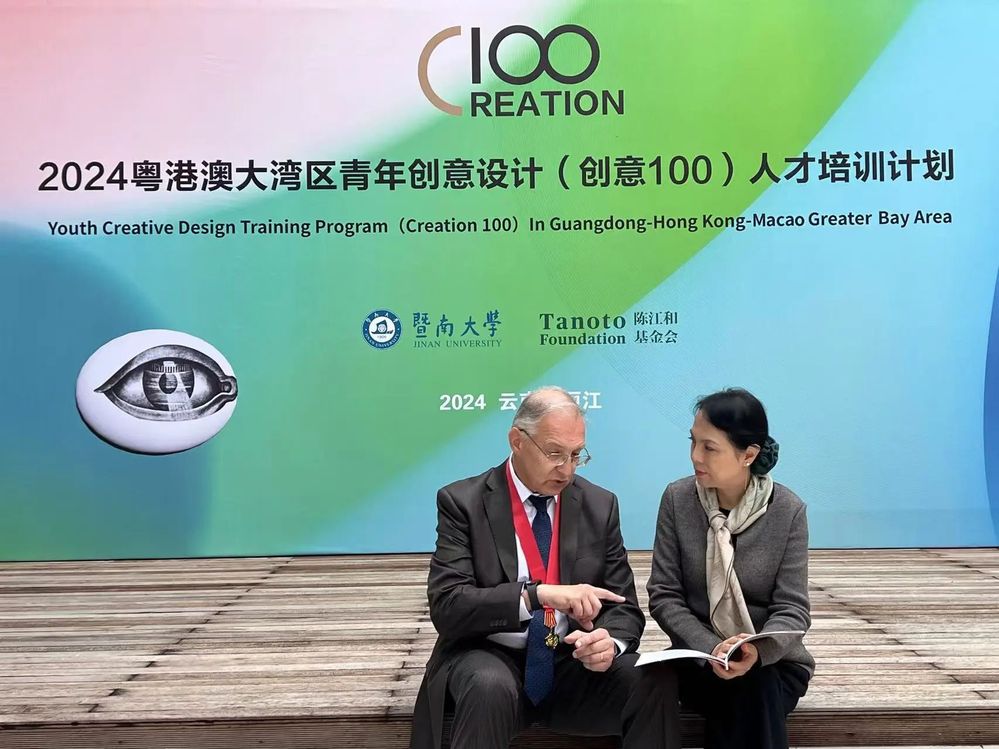
Dean Chen Ping reports on his work to Andrei Chevelev, former Director of the Asia Pacific Relations Department of the Africa Priority and External Relations Department of the United Nations Educational, Scientific and Cultural Organization (UNESCO)
The founder, chief planner, and dean of the Cultural Heritage Creative Industry Research Institute at Jinan University, Chen Ping, believes that the integration and innovation of traditional and modern culture are crucial for this training program. Inheritance is a commitment and respect for the past, while innovation is the development and future of inheritance. Only by keeping pace with the times can traditional culture have the ability to move towards the future. As early as 2017, Dean Chen Ping proposed that cultural heritage resources should be transformed into capital through the creative industry, so that they can live in the present and become consumer goods, commodities, and artworks of the times, generating new value. The (Creative 100) Talent Training Program aims to provide students with a better understanding of China's traditional culture and cultural heritage through mentors from different fields and disciplines. It is hoped that in the future, students can integrate Chinese culture into creative design, design fashionable Chinese products, and make products a carrier for telling Chinese stories well. This not only promotes the development of the creative industry, but also provides a new path for intangible cultural heritage to overcome difficulties.
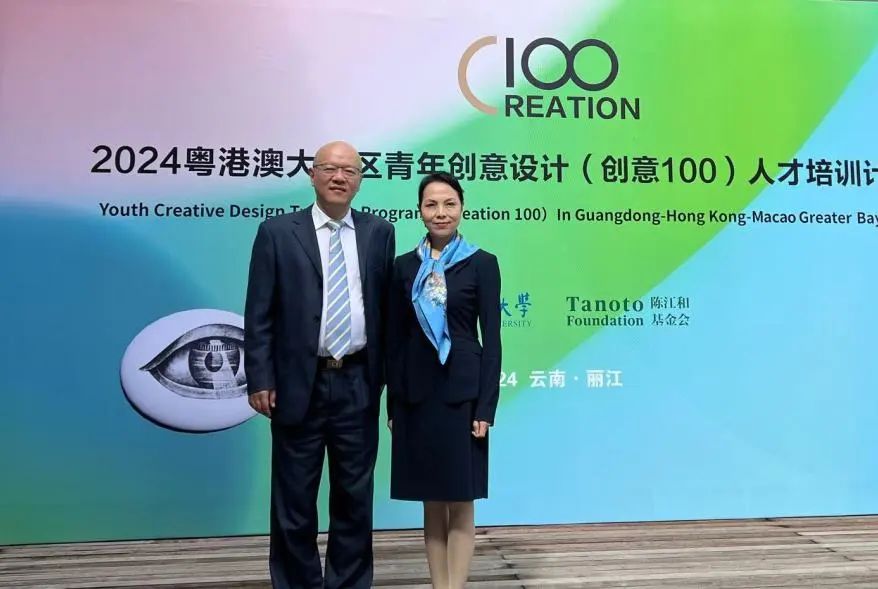
Wu Wei, Secretary General of Beijing Chen Jianghe Foundation, and Dean Chen Ping
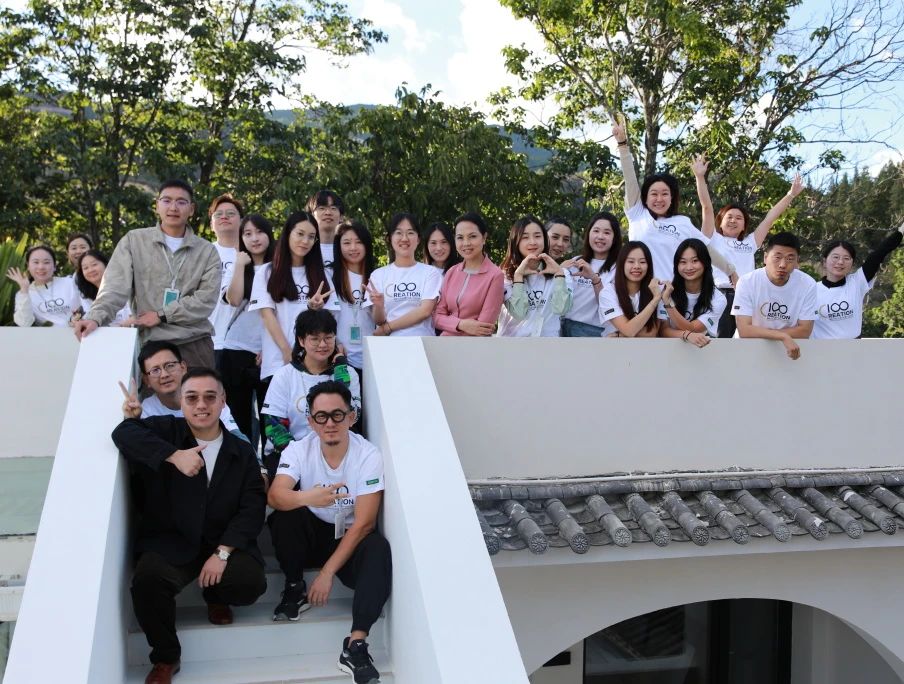
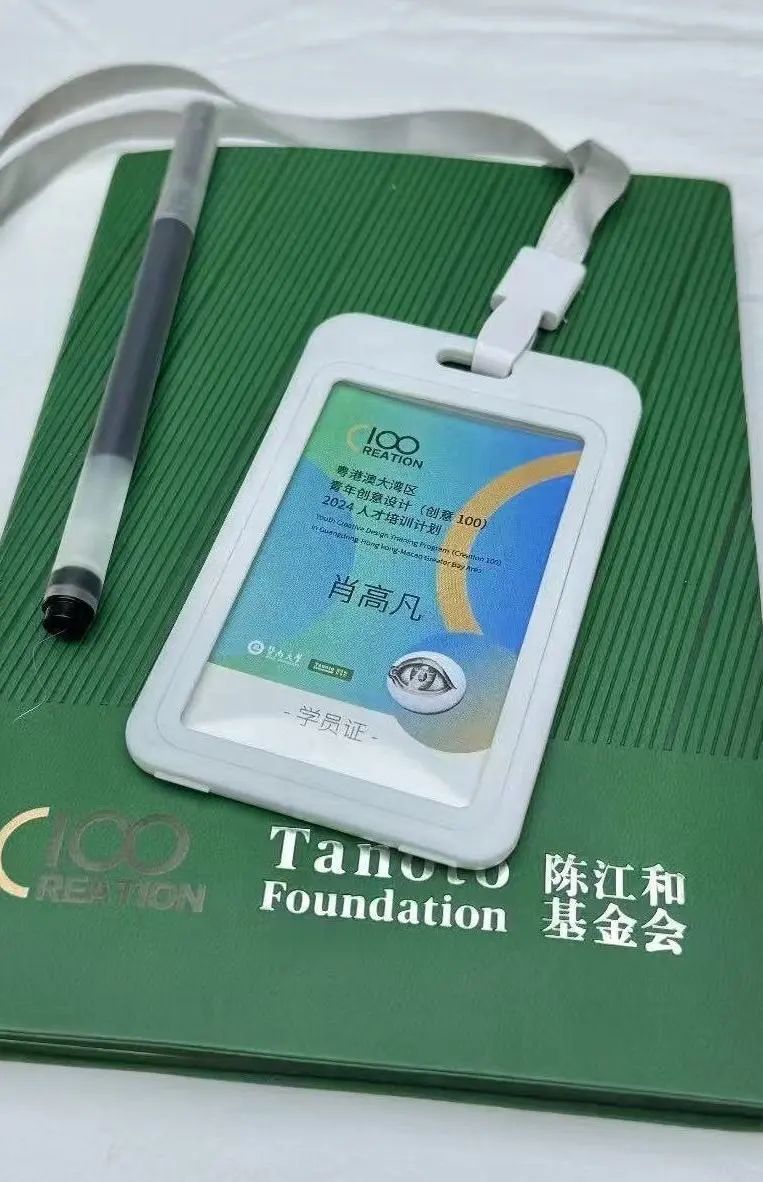
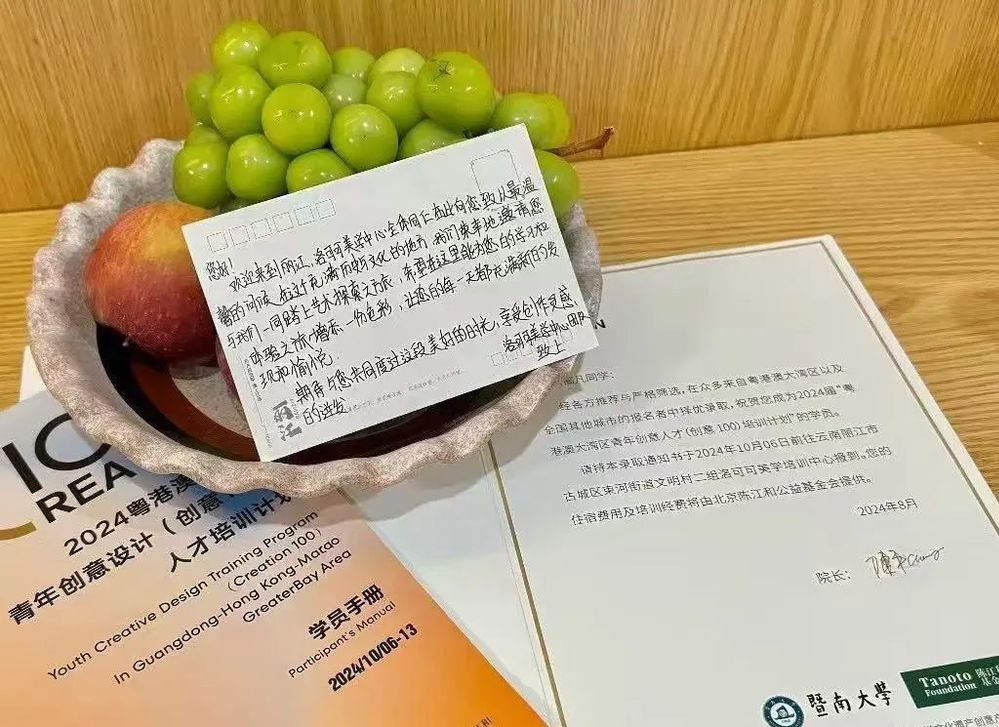
The Creative 100 training lasts for 7 days, with 23 participants from Hong Kong, Macau, Guangzhou, Beijing, Ruzhou and other places. They include doctoral students in art and design, teachers from design schools, outstanding practitioners in the creative design industry, and inheritors of intangible cultural heritage skills. Through communication, collision, and interdisciplinary research in different industries, creative ideas have been further stimulated, making it a feast for gathering sparks of wisdom and cultural exchange.
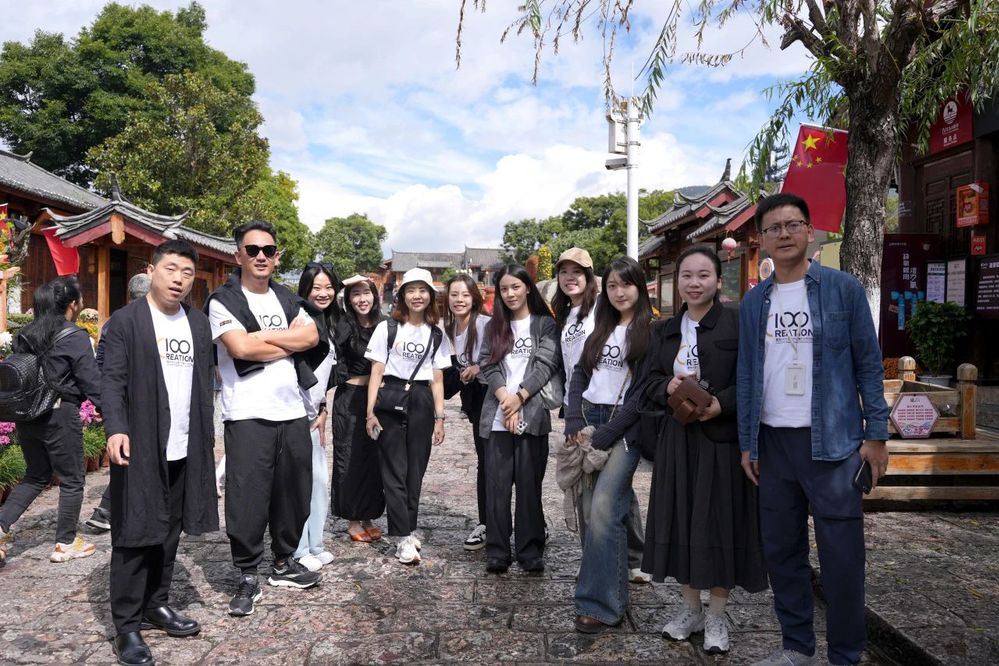
Students gather in the beautiful Lijiang
A beautiful moment worth commemorating
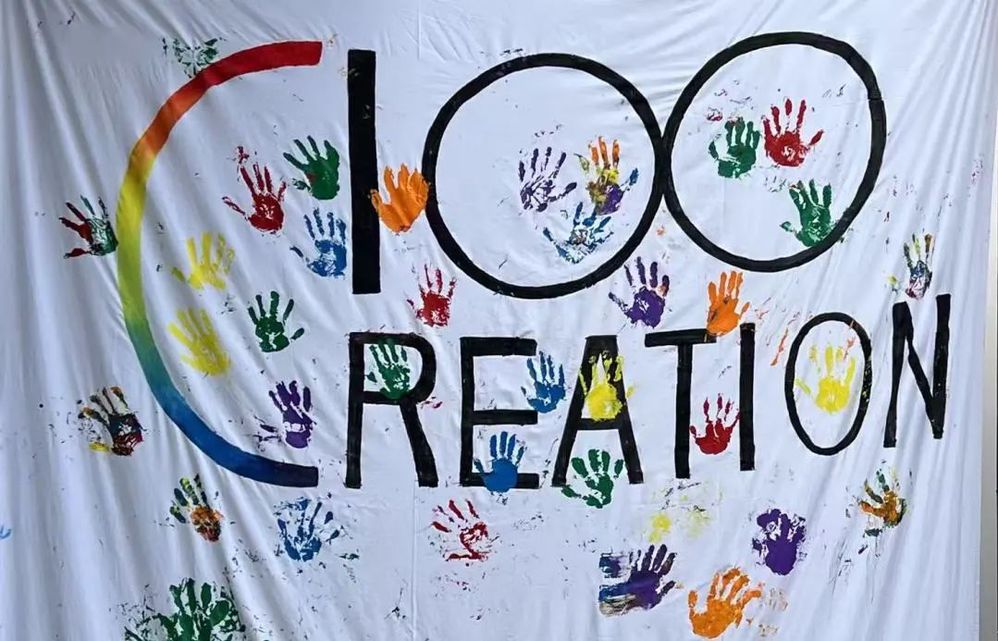
A beautiful moment worth commemorating
A beautiful moment worth commemorating
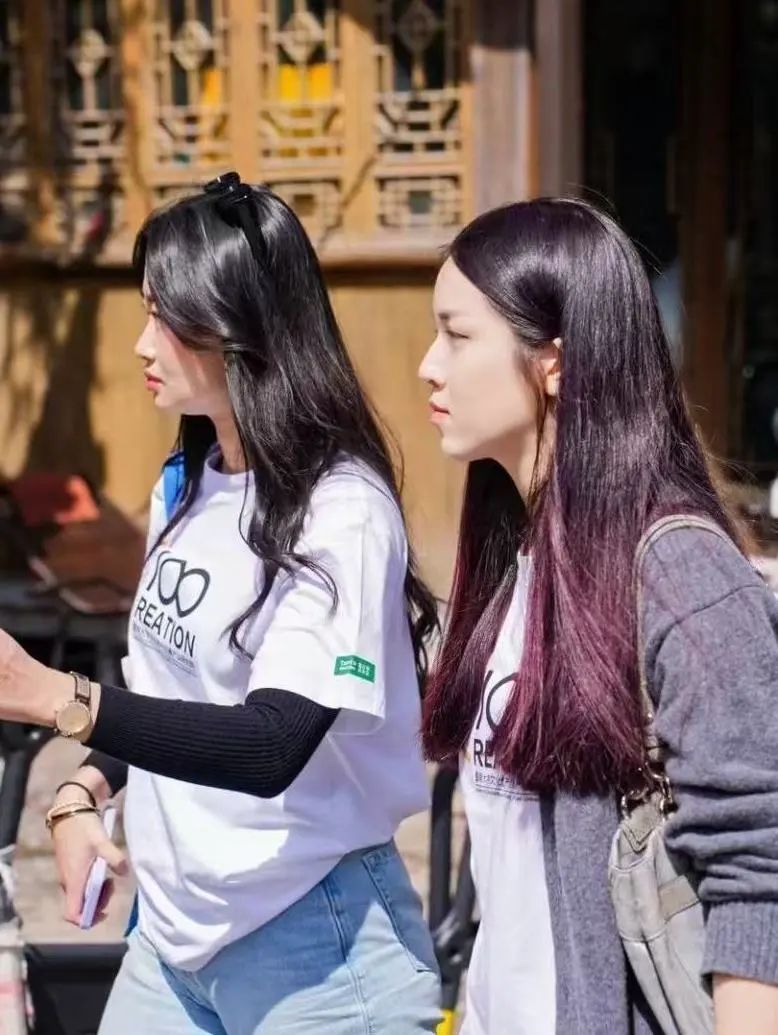
In order to make students better understand the rich and diverse Chinese cultural heritage, this year's training was held in Lijiang, a prefecture level city in Yunnan Province, which has three world heritages: the Old Town of Lijiang, Three Parallel Rivers and Dongba Ancient Literature. The teacher led the students to visit the Old Town of Lijiang, a famous historical and cultural city and a world cultural heritage. The students visited the World Memory Heritage Site - Naxi Dongba Ancient Books and Documents Museum: a cultural space that makes important contributions to the inheritance and promotion of Naxi culture by deeply interpreting Dongba culture and exploring the connotations of Dongba ancient books.
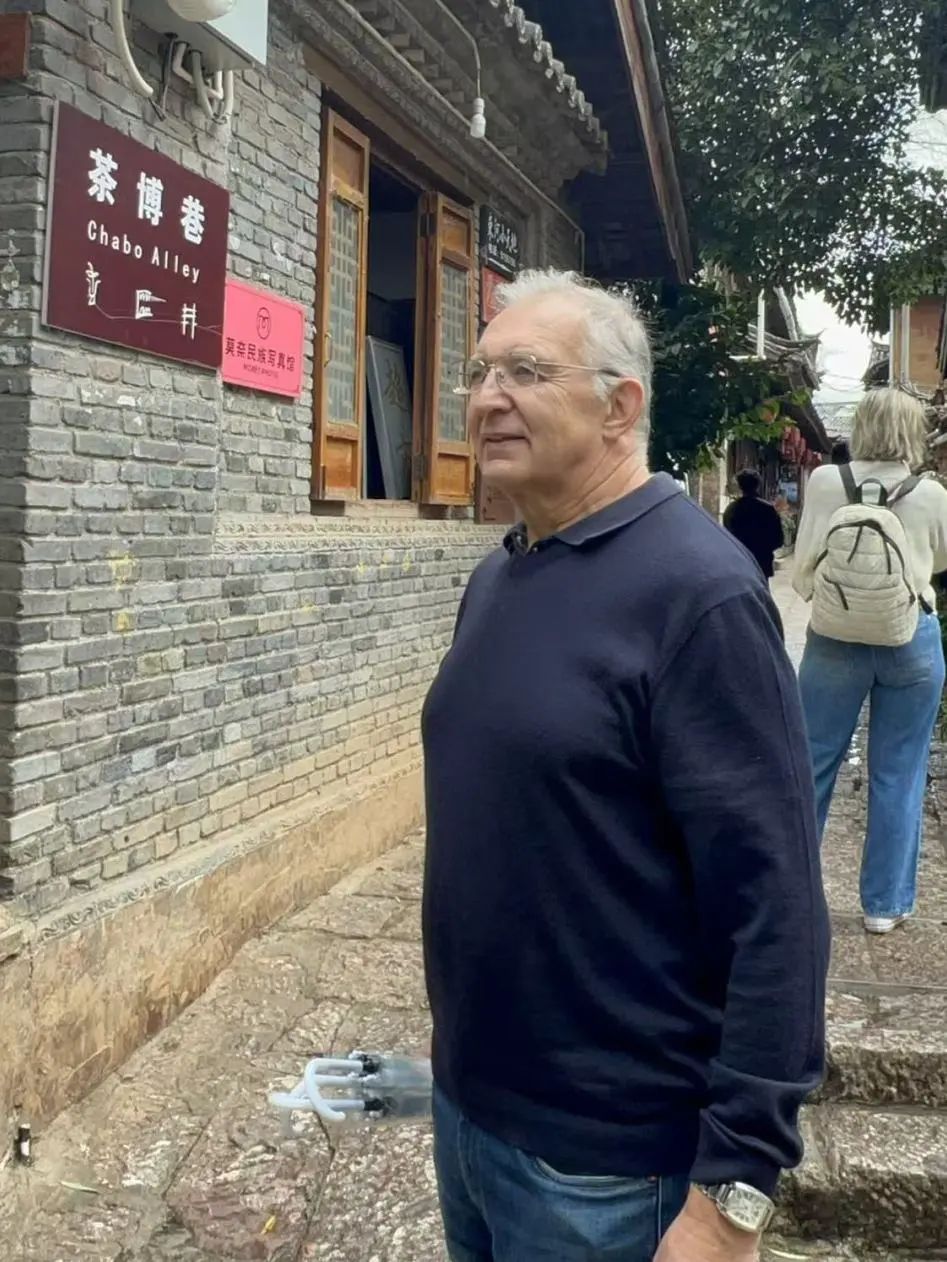
Mr. Andrei Chevelev visited the Old Town of Lijiang with great interest
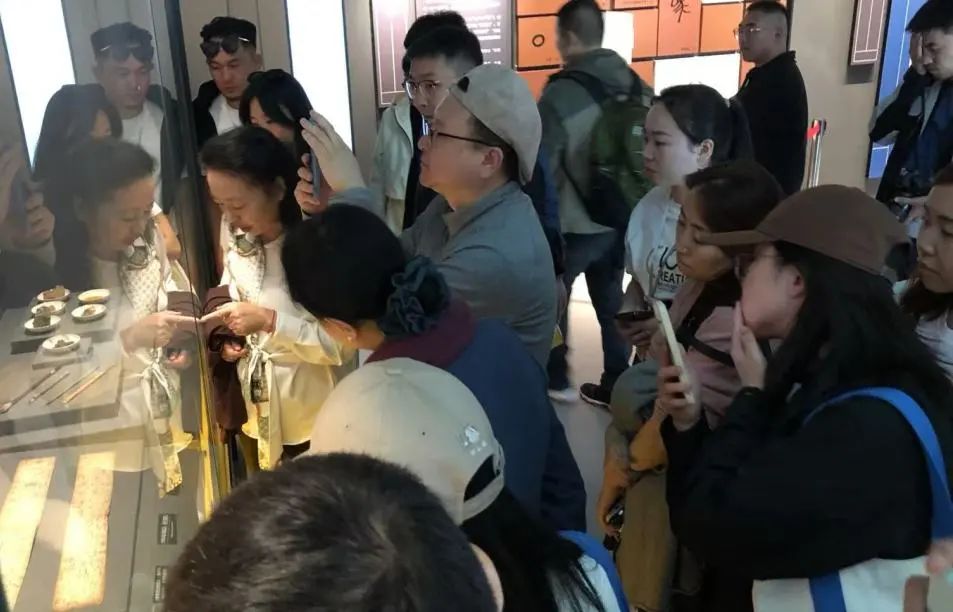
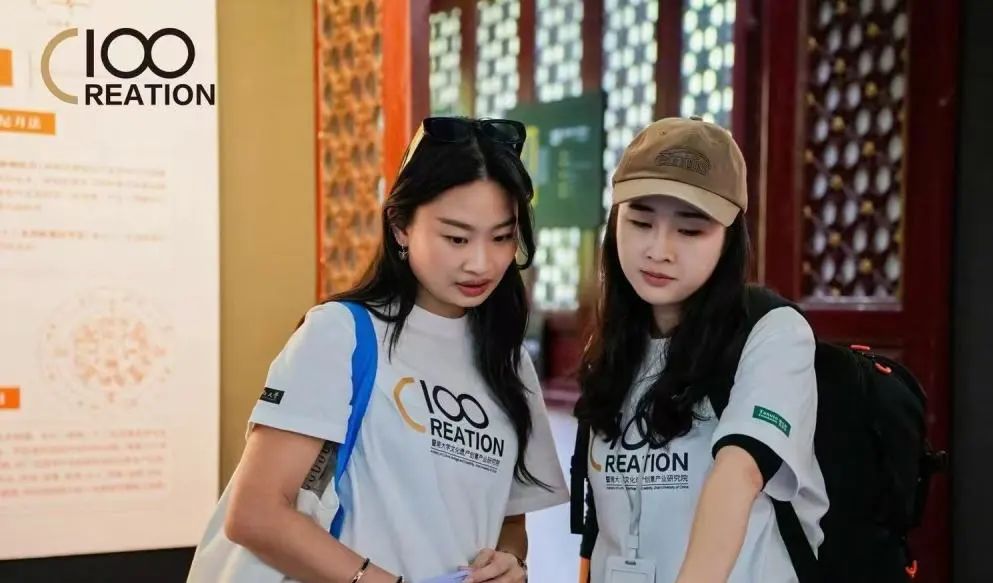
Visit Dongba Ancient Books and Documents Museum
Subsequently, the teacher and students visited the Lijiang Woodcarving Association and had cordial exchanges with the inheritors of Dongba Woodcarving, exploring the wisdom and artistic creativity of the Naxi people; The students also personally experienced the ancient Dongba paper-making technique, a provincial-level intangible cultural heritage in Yunnan Province. Its unique raw materials, exquisite craftsmanship, and rich applications have attracted much attention and are known as the living fossil of human handmade paper-making.
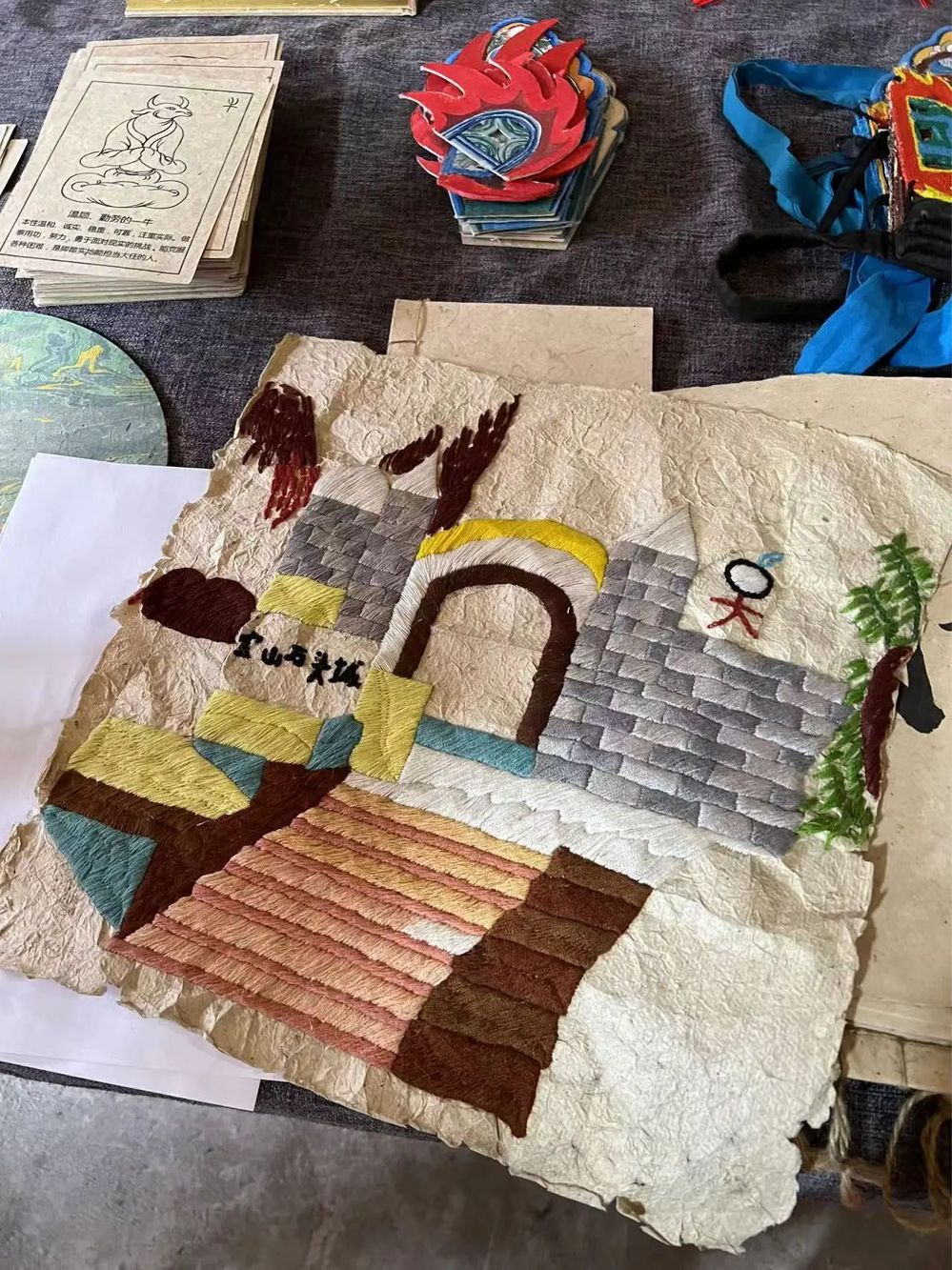
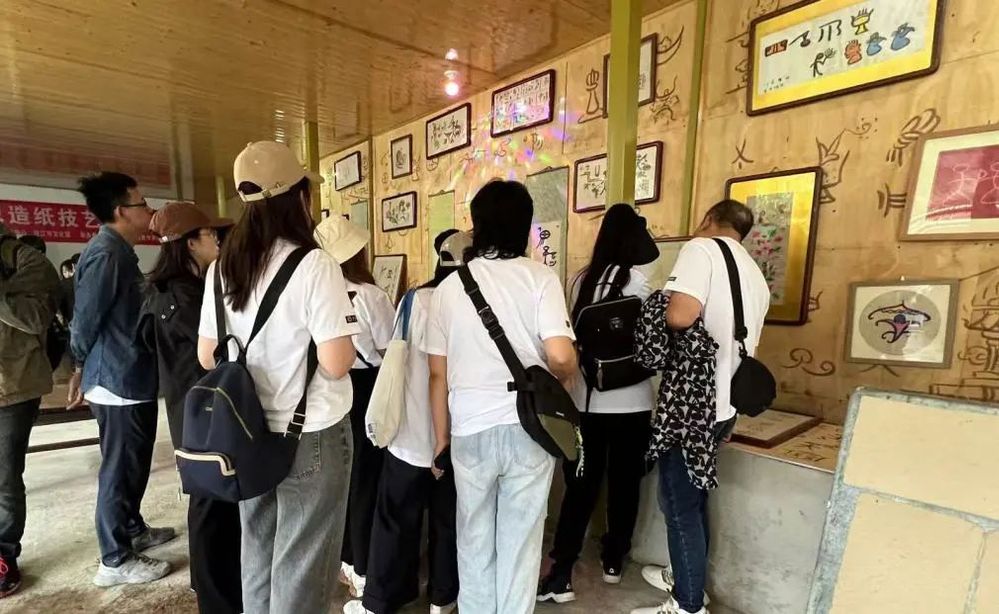
Visit Dongba Paper Industry
Visiting and learning provided valuable inspiration for the students, not only to understand the historical culture and folk customs of the Naxi people, but also to feel the charm of the ancient city of Lijiang, laying the seeds for building national cultural confidence and spreading excellent traditional culture. (Creativity 100) aims to encourage students to think about how to combine ethnic culture with modern life, create cultural products that are contemporary and easy to spread, and promote the innovative development of ethnic culture.
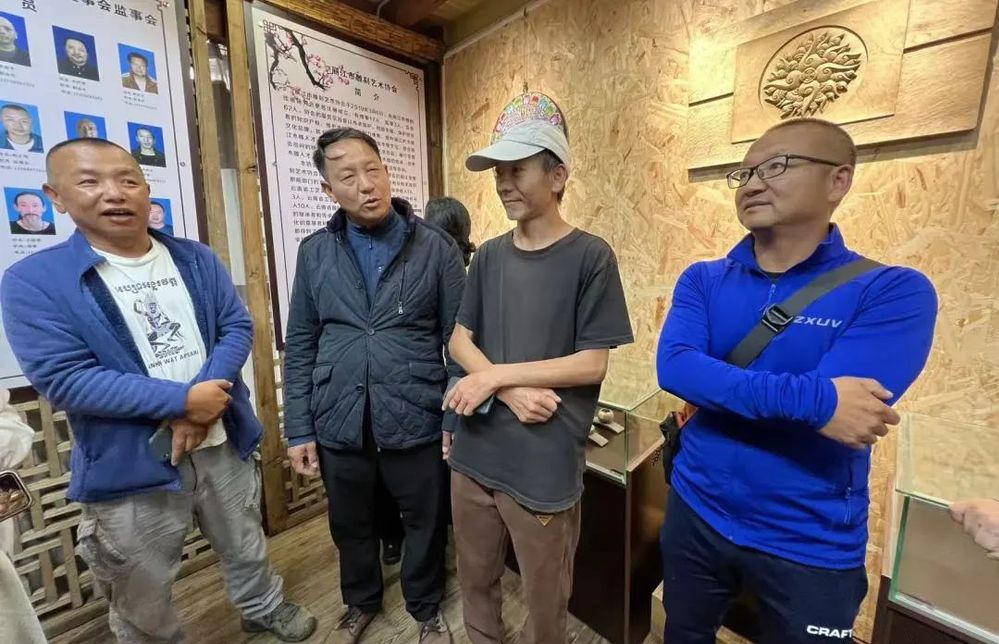
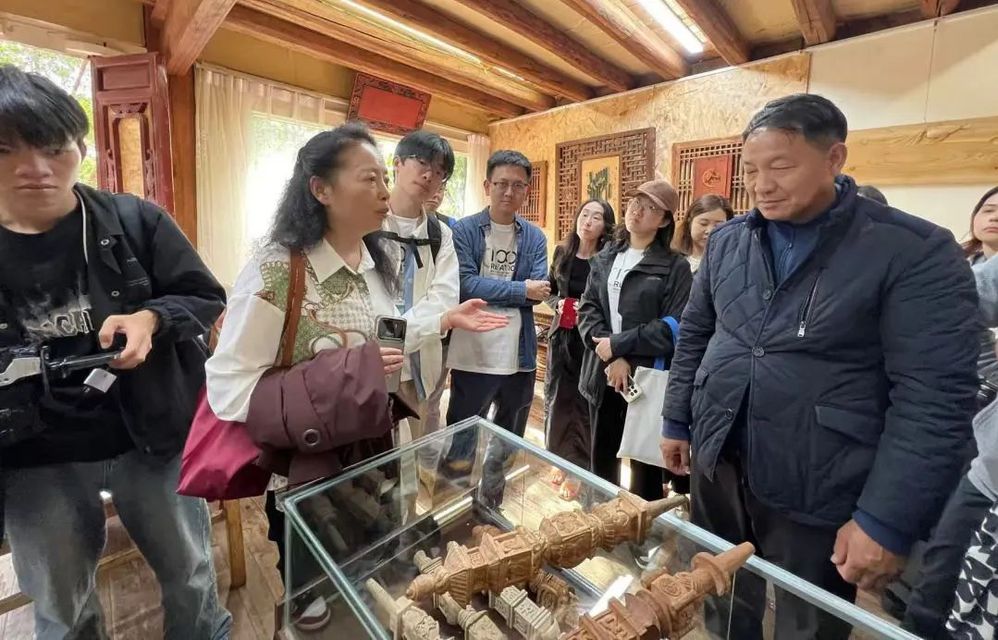
Visit Lijiang Woodcarving Association
This training invited nine renowned professors and scholars from the domestic creative design and cultural industry industries to give valuable academic lectures at the Luokeke Aesthetics Training Center in Lijiang City for the 2024 Guangdong Hong Kong Macao Greater Bay Area Youth Creative Design (Creative 100) Talent Training Program. Elaborate on exciting topics such as cultural heritage, aesthetic economy, and the integration of AI and creative design.
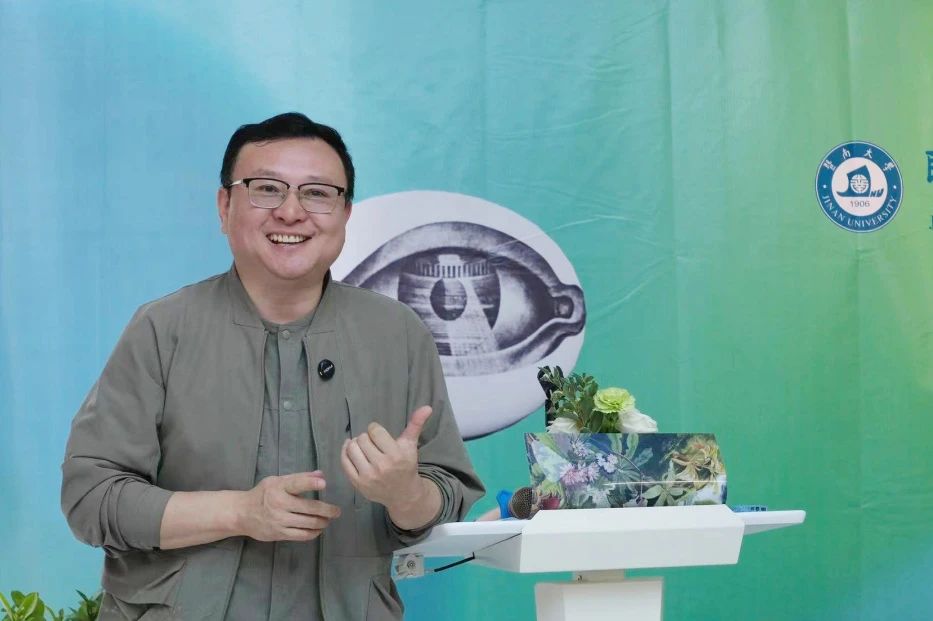
First lecture: Liu Yuedi
《The Return to Foundation and Innovation of 'New Chinese Aesthetics'》
Professor Liu Yuedi, a researcher at the Institute of Philosophy of the Chinese Academy of Social Sciences and a doctoral supervisor and visiting professor at many universities at home and abroad, proposed in his lecture that the New Chinese Style lifestyle is a collection of practical purposes and the pursuit of beauty. This lifestyle has also given rise to the life aesthetics of contemporary New Chinese Style. Secondly, the awakening of the bloodline of New Chinese Style is a manifestation of the conscious expression of Chinese civilization and culture. As the main carriers of New Chinese Style, the new youth should use their creativity on the basis of cultural consciousness to promote cultural confidence and ultimately achieve cultural independence.
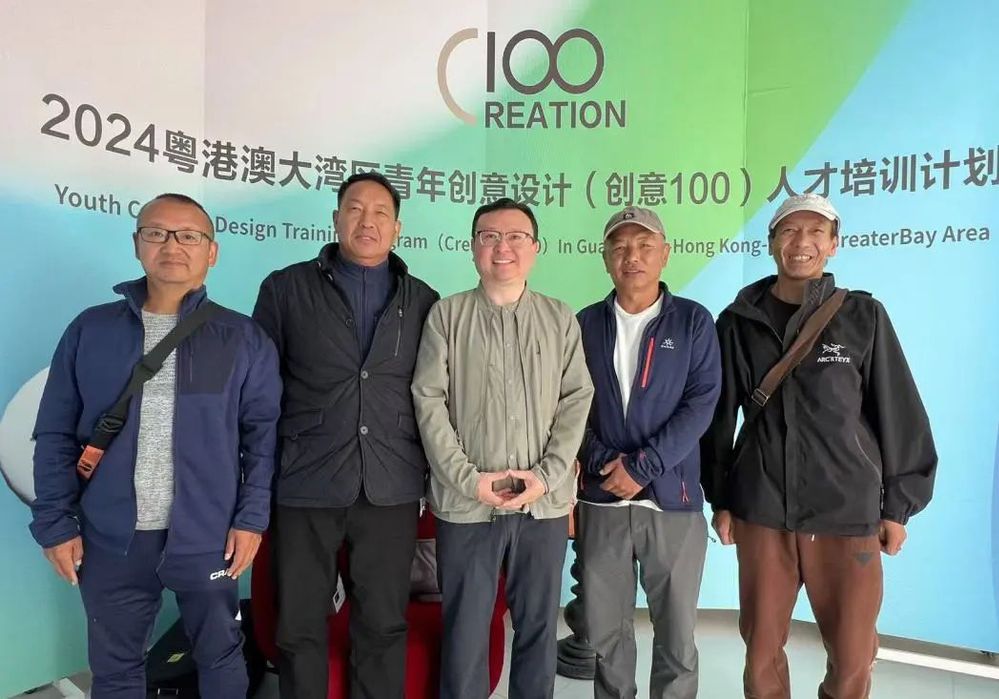
Teacher Liu Yuedi and the inheritor of Dongba woodcarving
Teacher Liu reminds young students that the expression of New Chinese style should strive to revive the inner spirit through the external form of traditional culture, in order to construct a more contemporary New Chinese style culture and aesthetic of life. At the same time, we should also pay attention to the future development of the new Chinese style industry from three perspectives: cultural encouragement, industrial standardization, and policy follow-up, in order to construct a more systematic aesthetic of life and promote its practice. Finally, Teacher Liu proposed through practical examples such as the rural practice of life aesthetics, the Jingqilin Award, and the aesthetic planning of Chinese cities that we should construct a goal of making everyone a life artist based on China's life aesthetics.
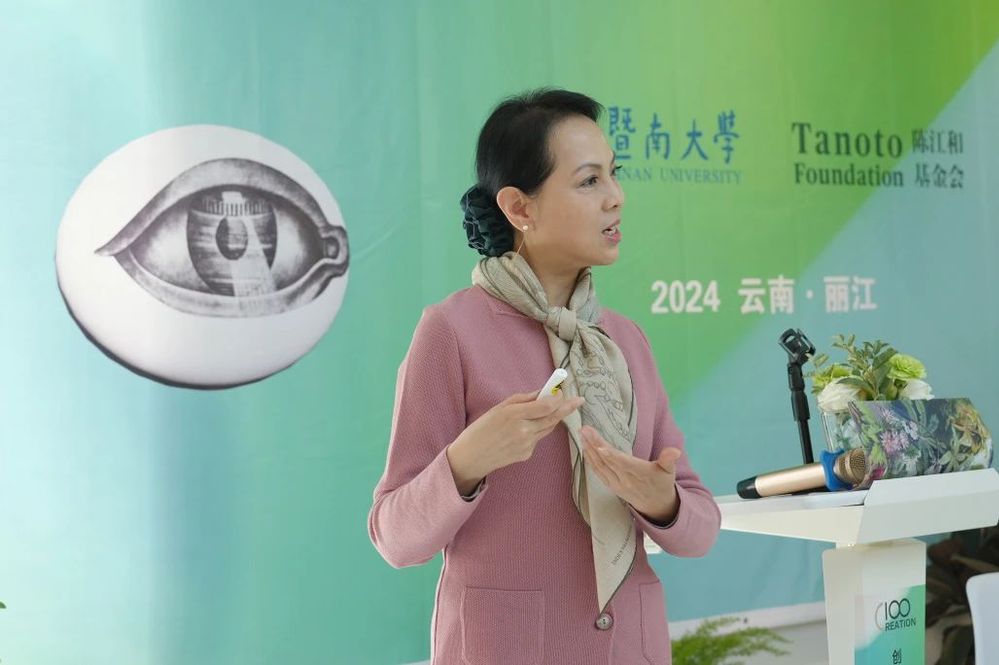
Lecture 2: Chen Ping
《The dissemination channels of cultural heritage》
The teaching topic of Professor Chen Ping, founder and overall planner of the (Creative 100) project, Chief Chair of the UNESCO Chair in World Traditional Handicrafts: Inheritance and Innovation, Global Vice President of the International Organization of Folk Arts (IOV), and Dean of the Institute of Cultural Heritage and Creative Industries at Jinan University, is Ways to Spread Cultural Heritage. The content is divided into three parts. The first part systematically explains to the students the origin of World Heritage, the overview of World Heritage, and the relationship between World Heritage and sustainable development; The second part lists classic cases of cultural heritage protection in various countries around the world and their positive effects on national soft power, national image, tourism economy, and other fields; The third part discusses the ways and importance of overseas dissemination of cultural heritage, and provides a comprehensive analysis and comparison of different perspectives on cultural heritage between the East and the West, different forms of expression of cultural arts between the East and the West, and different ways of thinking in Eastern and Western philosophy.
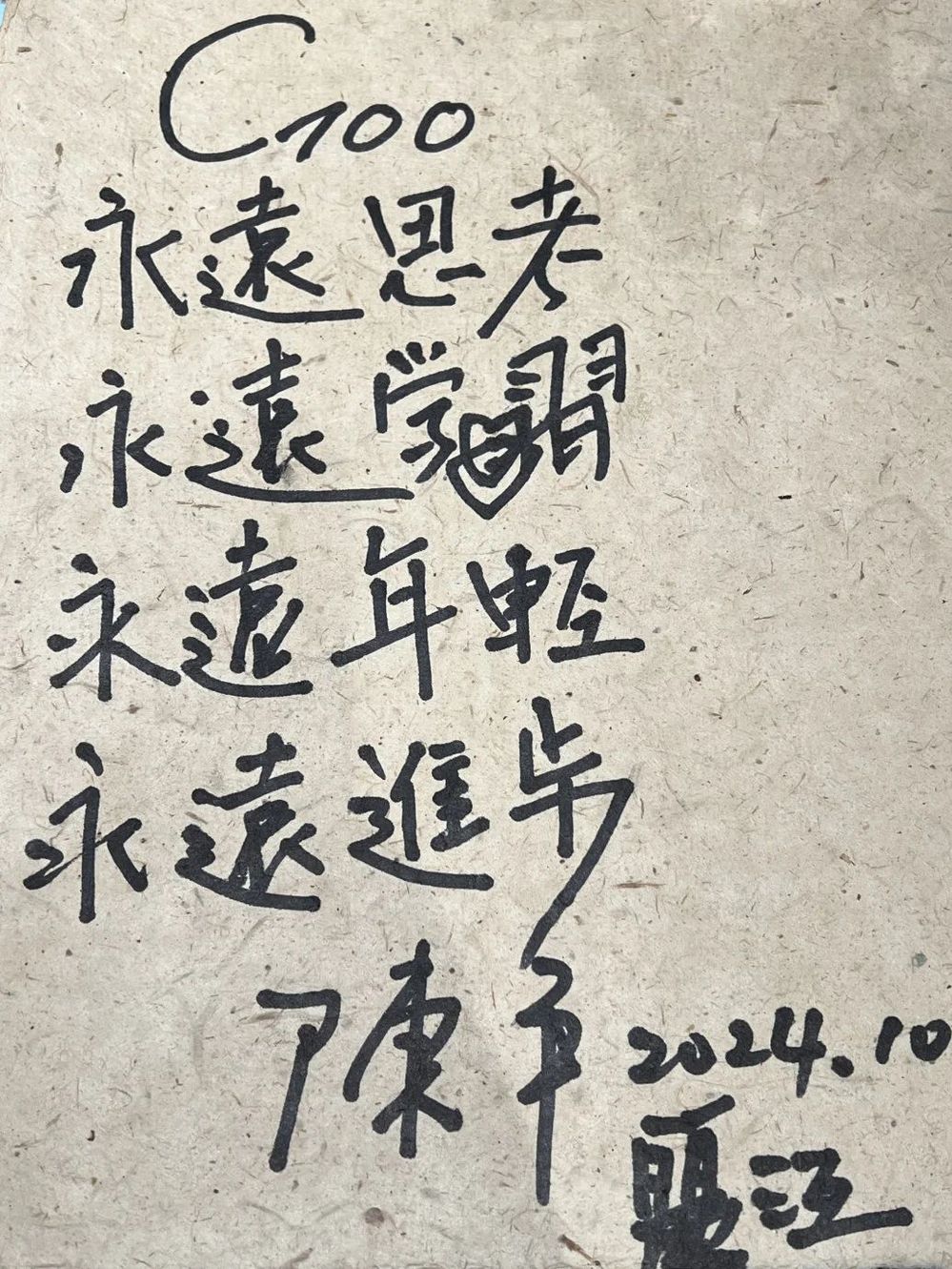
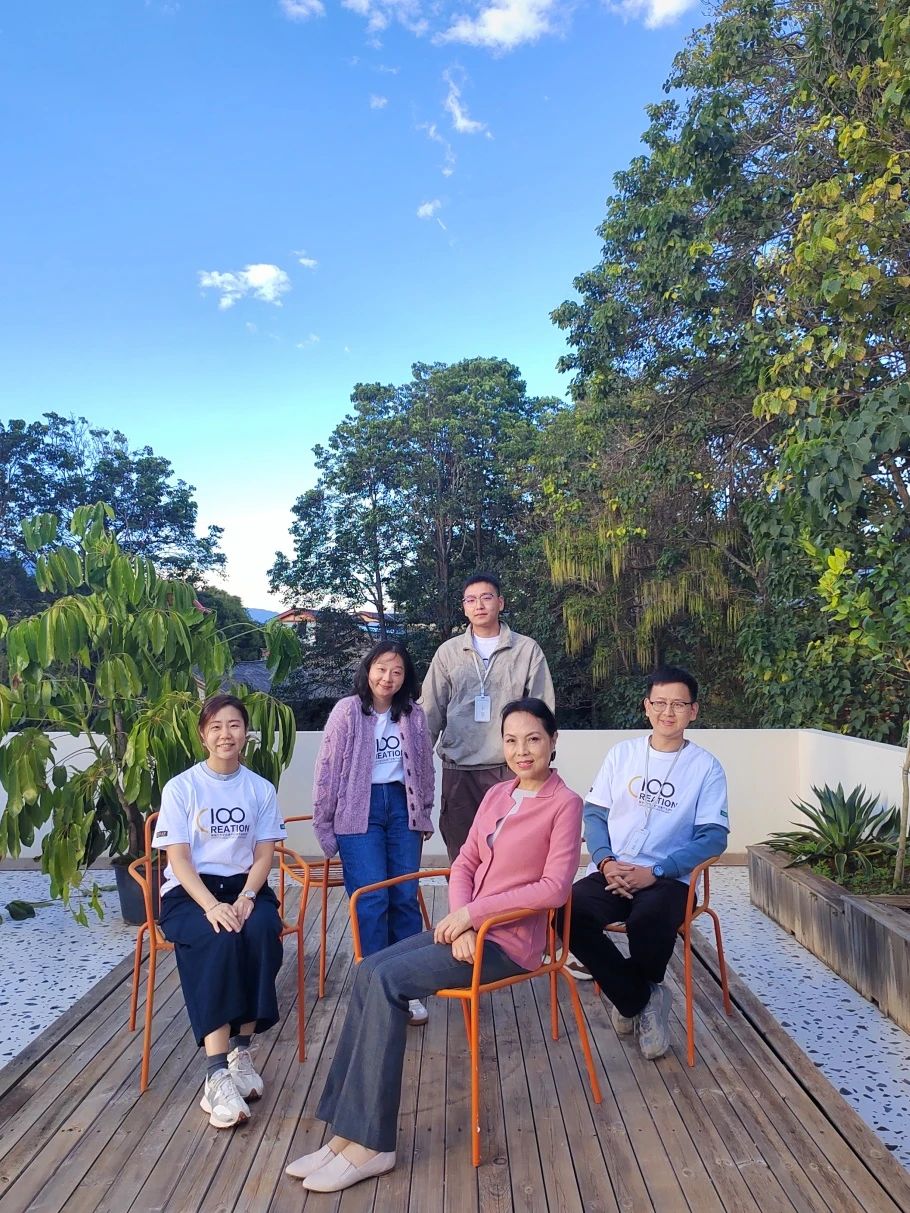
Dean Chen Ping and the students
Finally, Professor Chen Ping proposed that cultural heritage is the best carrier for mutual learning among civilizations, and suggested that making good use of cultural heritage and telling the story of China well. Young creative design talents need to use China's rich cultural heritage as a source of creativity, design modern technological products and high-end cultural goods that bring outstanding contributions to world development, and serve the national development strategy. The students deeply felt that their horizons had been greatly enhanced and broadened, while also experiencing the charm of Chinese cultural heritage.
Lecture 3: Wang Zhong
《Redefining Public Art》
Professor Wang Zhong, a professor and doctoral supervisor at the Central Academy of Fine Arts, director of the Academic Committee of the School of Urban Design, founding dean of the Institute of Urban Design and Innovation, and director of the China Public Art Research Center, gave a clear and concise presentation on the concept of public art, its importance to urban development, current exploration status, and future development from five aspects. Teacher Wang pointed out that we are currently in a millennium of change, and innovation strategy competition plays an important role in the overall national strength competition of various countries. As creative designers, we should have the ability to explore and discover problems in our daily lives. At the same time, we should actively embrace the future world created by digital technology, enrich our abilities, and transform ourselves into future designers who meet the needs of future development.
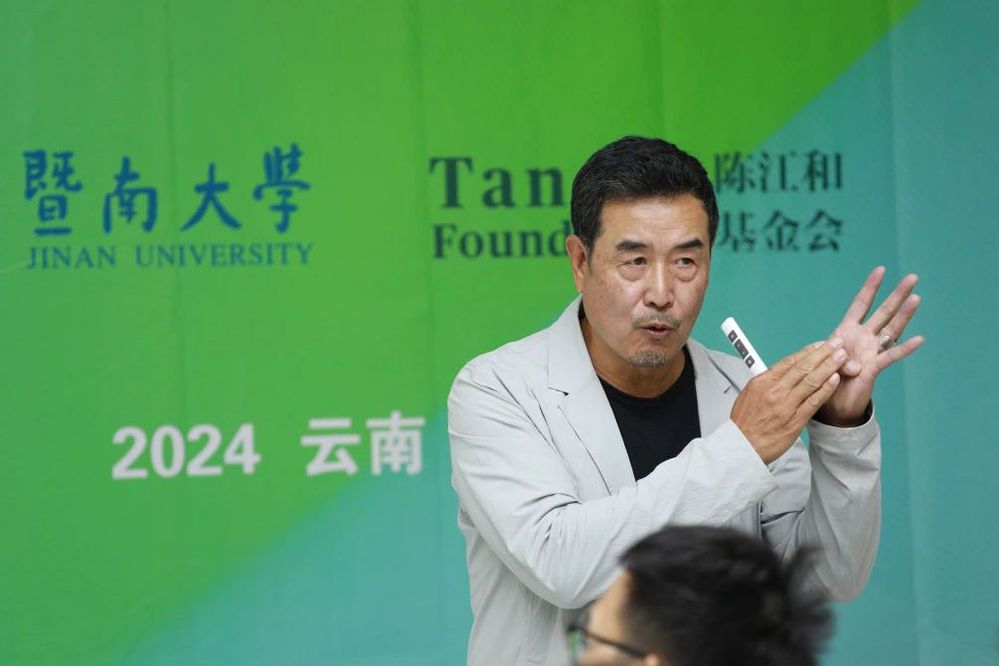
Teacher Wang, mentor, and students
Subsequently, Teacher Wang pointed out the important role of culture in urban construction and ethnic cultivation from the chaos of cultural deficiencies in Chinese urban construction; Teacher Wang advocates looking at the world and finding excellent practical cases of cultural construction in urban development from a global perspective to demonstrate that culture is the greatest real estate. And elaborated on the development process of urban public art from percentage art to art city, and the art city shaped by public art will also become a catalyst for urban transformation and a catalyst for cultural scenes. Based on this, Teacher Wang believes that urban public art in China should be redefined as an important carrier for stimulating urban vitality, shaping cities with art, creating attractive living scenes, and promoting the enhancement of spatial value. Finally, Teacher Wang proposed the concept of AUD (Art oriented Urban Design) for art oriented urban design, aiming to build tomorrow's cities with public art as the link.
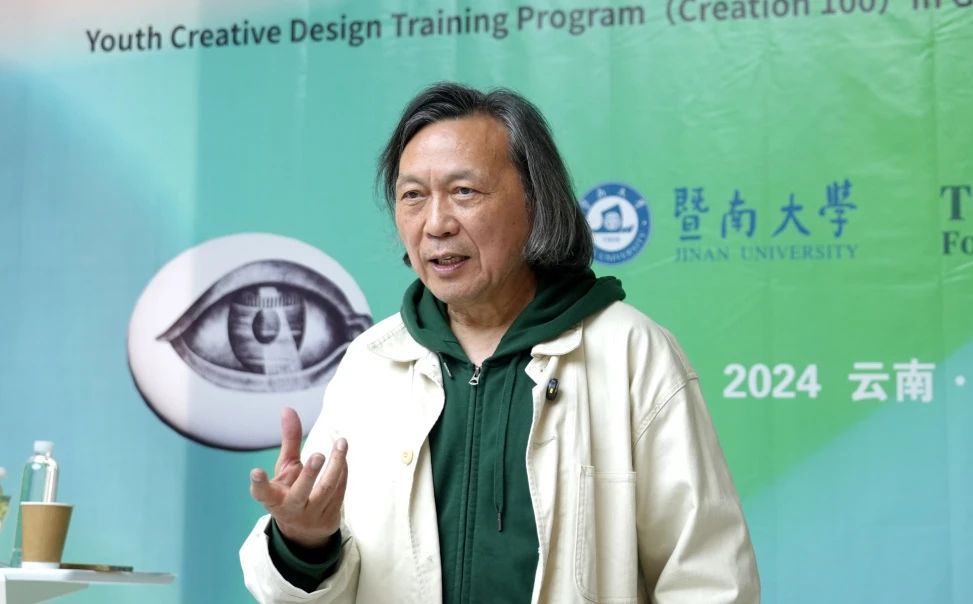
Lecture 4: Wang Qijun
《Traditional Creation Wisdom》
Professor Wang Qijun, a professor at the Central Academy of Fine Arts, art consultant at the China Garden Museum, researcher at the Oriental Mural Research Institute of the School of Painting and Art at the China Academy of Art, general consultant at the China Art Information Network, and senior overseas visiting scholar at Peking University, pointed out that the design philosophy and wisdom of ancient China not only guided past creative activities and built the material foundation of Chinese civilization, but also provided valuable inspiration and reference for modern design. Subsequently, the traditional design wisdom and methods of China were systematically expounded from four aspects of design achievements: pottery and porcelain, ancient architecture, residential buildings, and gardens. Pottery is one of the earliest creations in China, with exquisite craftsmanship, unique shapes, and rich cultural connotations, reflecting the ingenuity of ancient Chinese people in the field of creation. For thousands of years, it has been an important material carrier of China's creative wisdom, renowned both at home and abroad. Traditional ancient architecture embodies the philosophy of harmonious coexistence and the materialization of the concept of unity of heaven and man. The intricate ideas, rigorous structures, and exquisite carvings hidden in it all reflect the highest pursuit of design ideas and aesthetic interests of ancient Chinese people.
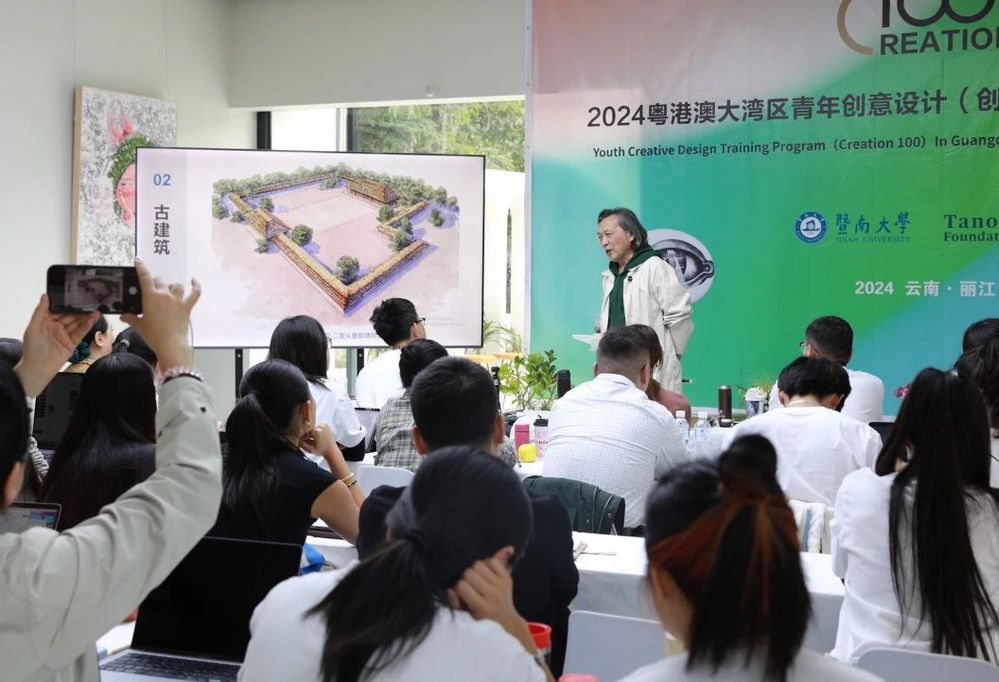
Teacher Wang Qijun's classroom atmosphere is lively
The rich and diverse Chinese residential architecture is a special material achievement that has emerged under the vast geographical environment and diverse climatic conditions of our country, and is a reflection of the cultural diversity of the Chinese nation. Chinese gardens, with their unique artistic style and cultural connotations, pursue a philosophy of natural harmony and emphasize the artistic realm of although created by humans, as if opened by heaven. They are the material design achievements of China's traditional design wisdom. Finally, Teacher Wang extracted four core principles from traditional Chinese design thinking: first, to prioritize oneself and use resources for the benefit of others; second, to carefully consider the situation and use natural methods; The third is the material engineering of heaven and earth, each according to its own needs; The fourth is to use skills to convey the message, and to be gentle and refined. These core principles embody the ancient Chinese ancestors' pursuit of a quality life, their profound understanding of nature, society, and culture, and still have a profound impact on contemporary design today.
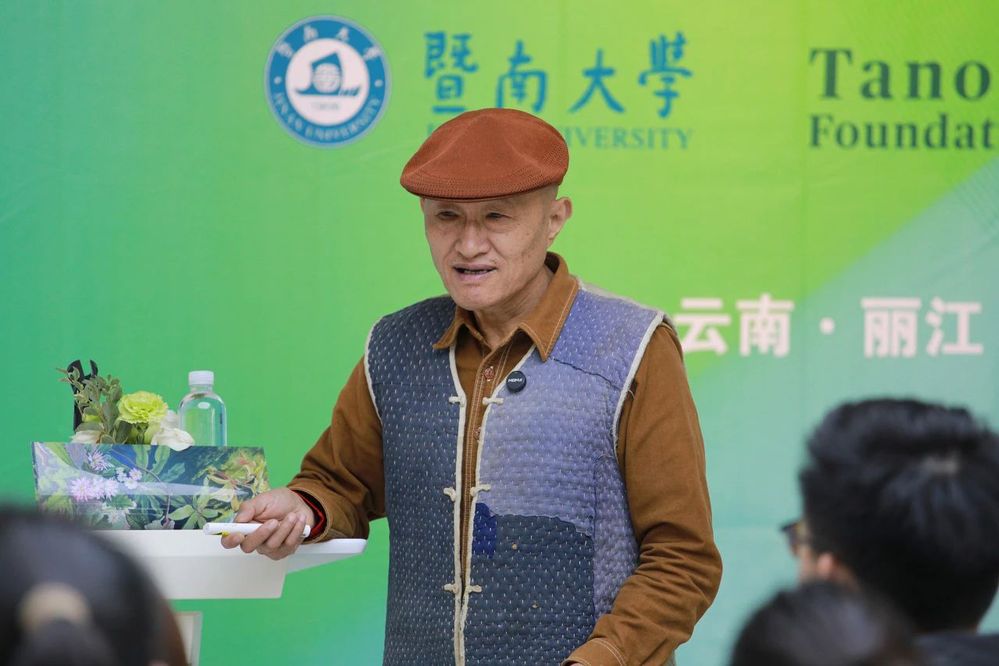
Lecture 5: Li Jianshen
《Fashion and Innovation in the Post Traditional Context》
Professor Li Jianshen, a specially appointed professor at Jingdezhen Ceramic University, founder of Sanbao International Ceramic Village, host of Sanbao International Ceramic Village in Jingdezhen, and planner of numerous influential exhibitions, films, and art events, showcased to the students his lifestyle based artistic and design thinking generated in daily life and practical creation through the three key words of invisibility, humanity, and temperature in his lectures. 'No trace' is the first keyword that Teacher Li prioritizes in artistic creation. He believes that artistic creation is closely related to daily life, and an excellent artistic creation or design must be closely connected to the surrounding life, making people feel that the work should be in life and should be designed in this way. Such design works may not disturb people's daily lives, but they also affect people's daily lives.
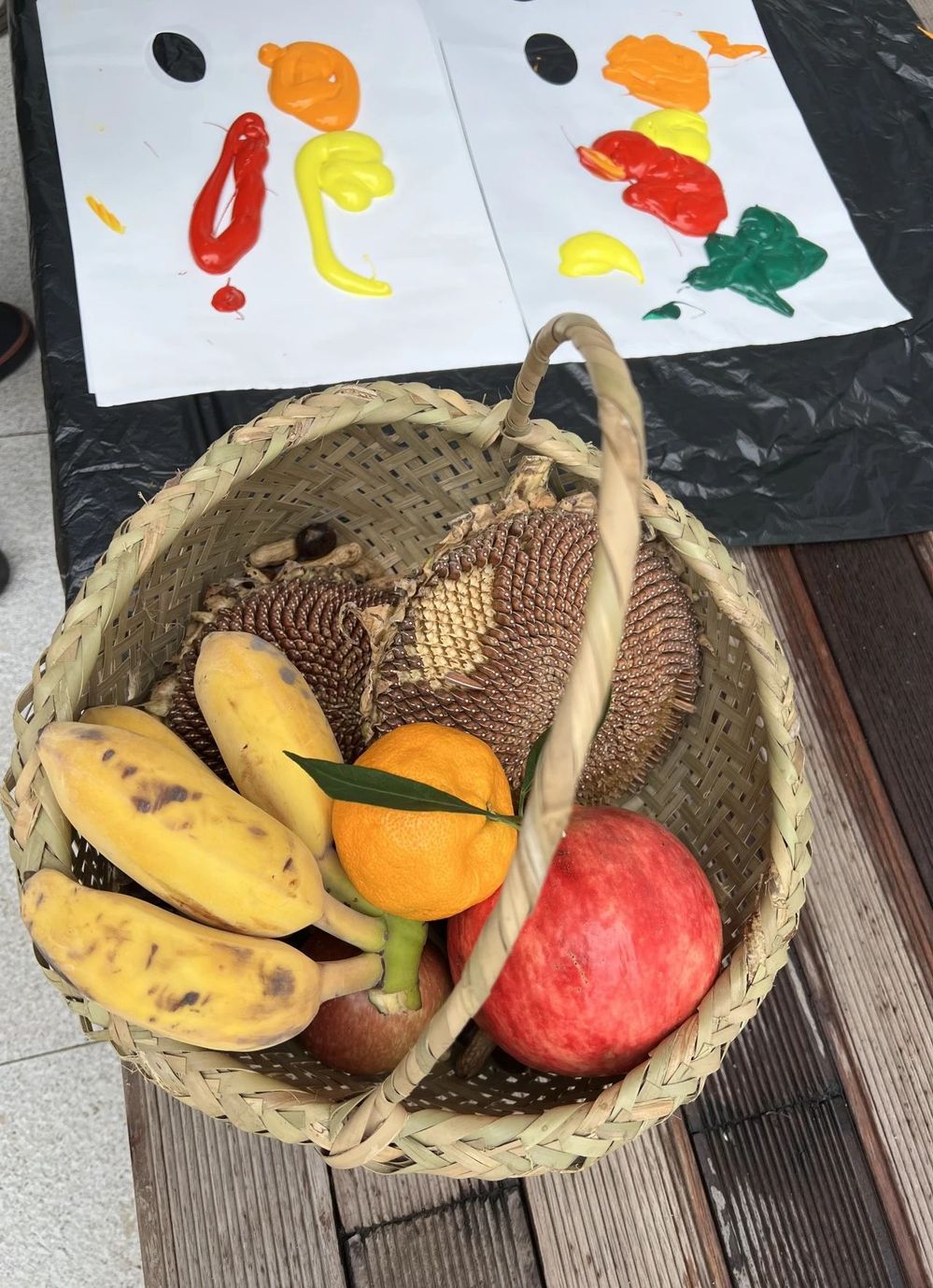
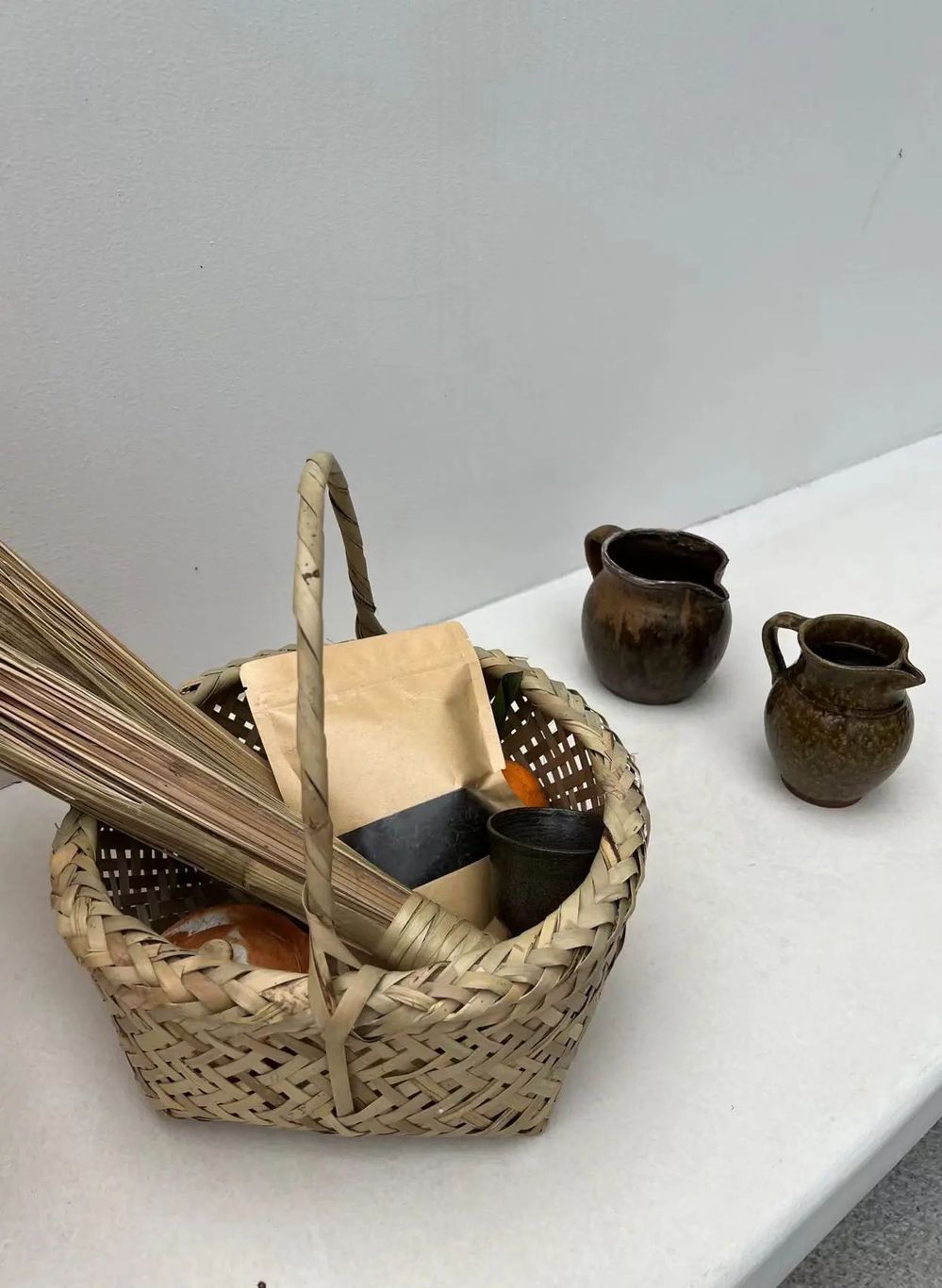
Teacher Li Jianshen made a special trip to Lijiang Xiangshan Farmers' Market to purchase local agricultural and handicraft products as teaching props.
Art knows no boundaries, and artistic creation should be the result of mutual integration, whether it is traditional or modern, whether it is Eastern or Western. By crossing and integrating them, art can burst out with brighter colors. And humanities is the fundamental thinking that Teacher Li implements in artistic creation. Whether it is experiencing local customs and culture through purchasing agricultural products and handicrafts in the local market, or the aesthetic pursuit and lifestyle that connects ancient and modern times and connects China and foreign countries demonstrated in the Three Treasures International Pottery Village in Jingdezhen, it reflects the characteristics of humanities everywhere. Temperature is a reflection that Teacher Li had when creating ceramics. Excellent works of art are handmade, and the temperature of the hands is solidified in the pottery by the kiln, which in turn transmits the temperature to more people. Finally, Teacher Li encourages students to draw creative inspiration from daily life, perceive daily life, eliminate dullness, activate their ability to discover and perceive beauty, and thus stimulate more vigorous artistic creativity in today's fast-paced and highly commercialized era.
Lecture 6: Ren Wendong
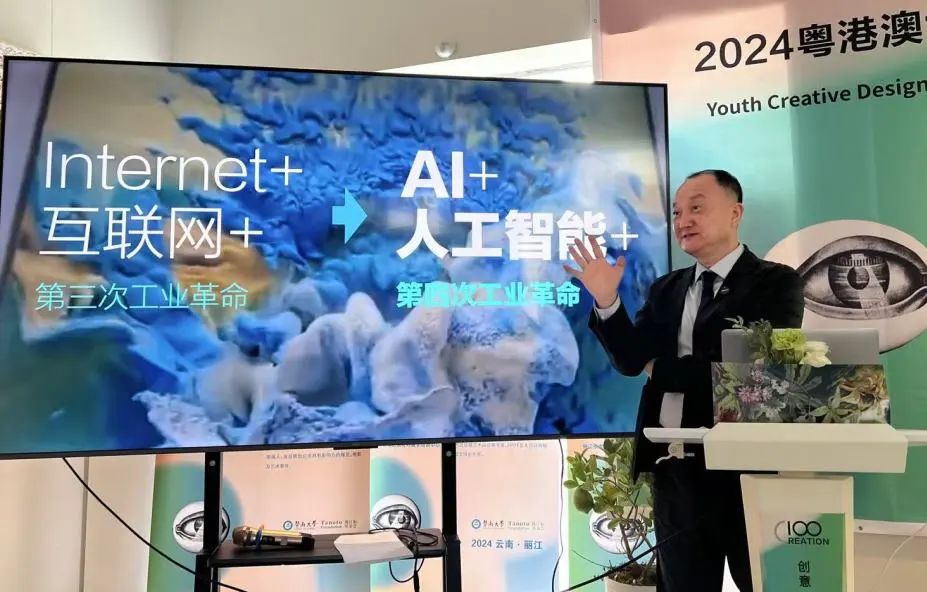
《The Paradigm and Approach for Cultivating Design Talents in the AI Era》
Professor Ren Wendong, former vice president, second level professor, doctoral supervisor of Dalian University of Technology, expert enjoying special allowances from the State Council, member of the Higher Education Professional Teaching Guidance Committee of the Ministry of Education, and expert in the evaluation of Changjiang Scholars by the Ministry of Education, explained to the students from the perspectives of education and disciplines the important role of interdisciplinary integration in future design innovation, as well as the urgency and necessity of cultivating innovative talents for the future. He emphasized the need to focus on the mutual achievement of art and technology in the cultivation of innovative talents, striving to cultivate design talents who traditionally only possess design methods into design talents with design thinking. Subsequently, Professor Ren pointed out that when the future design revolution comes directly, as creative design practitioners, our first priority is to strengthen cultural confidence, seek innovative genes from tradition, promote the development of Chinese culture, and actively embrace new technologies and materials to open up new horizons for us, so that our innovation ability and design efficiency can further leap forward.
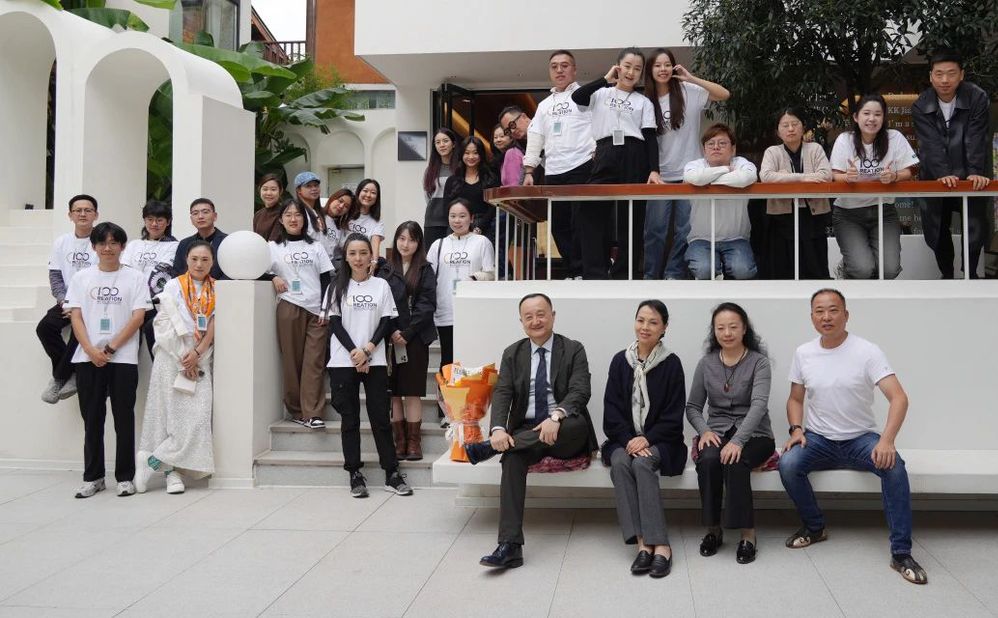
Teacher Ren Wendong and his mentor students
As our society rapidly enters the era of AI+, Teacher Ren emphasizes the need to reshape the framework of design education and cultivate innovative design talents with higher comprehensive qualities. As practitioners of innovative design, students should also firmly remember to deepen their accumulated knowledge and form their own knowledge. They should also develop their abilities and perspectives through extensive design practice, and form their own insights. This is the core soft power that AI cannot replicate in the future. Finally, Teacher Ren will present each generation of AI software from 2022 to the present to the students, allowing them to feel the urgency brought by the rapidly iterating AI technology in the timeline, and urging everyone to actively embrace technology and engage in more creative design practices and explorations.
Lecture 7: Jia Wei
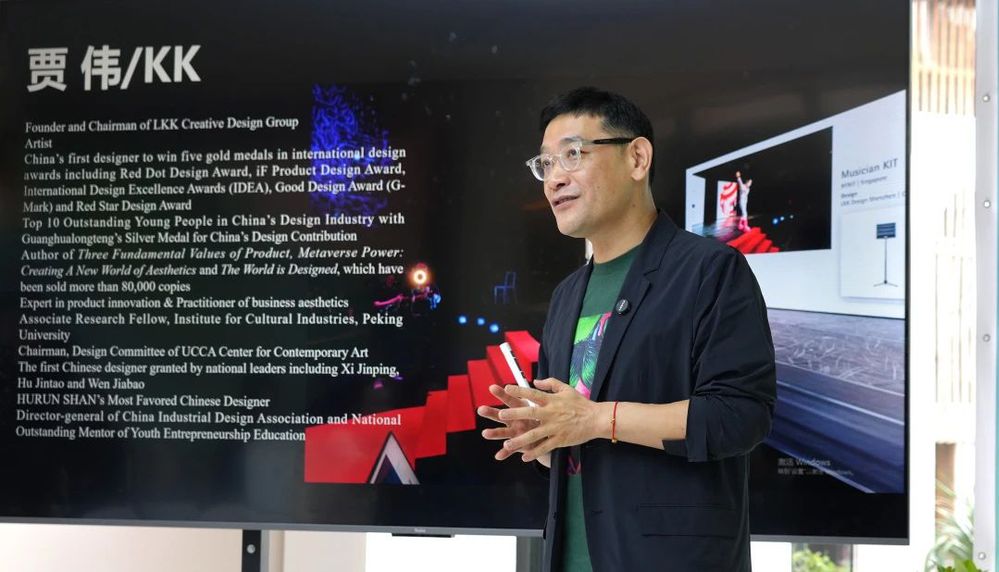
《Business Aesthetics of Category Innovation》
Founder and Chairman of Rococo Innovation Design Group, the first designer in China to win five global international design awards including Red Dot, iF, IDEA, G-Mark, and Red Star Awards. Renowned by the media as an entrepreneur with both business acumen and talent, Professor Jia Wei elaborated on his design practice exploration and brand building process from style innovation to category innovation over the past thirty years through a series of events. In Teacher Jia's view, category innovation is the process of meeting users' new needs and reshaping their mental classification. By using products with aesthetic value to penetrate the emotional value of the category, the product can gain more recognition from users. However, it is not enough for the product to only achieve this step. It should also gain insight into users' spiritual dissatisfaction through the commercial aesthetics it constructs, and stimulate their positive emotional value, so that they can obtain a more satisfactory experience. Subsequently, Teacher Jia explained the commercial aesthetics of the new category to the students. Remind students to elevate the aesthetic expression of products from empathy to the level of empathy, in order to shape a complete commercial aesthetic. Teacher Jia also talked about his exploration of driving commercial aesthetics in various design practices from three aspects: digital intelligence, perception, and artistic IP, as well as the commercial aesthetics palace he has constructed. Finally, he emphasized to the students that every brand should construct its own commercial aesthetics.
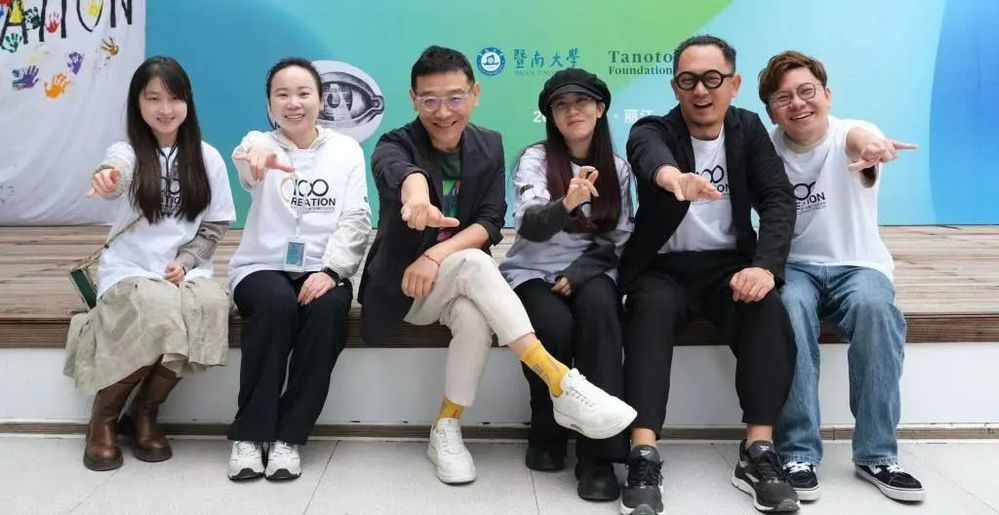
Passionate Teacher Jia Wei and the students
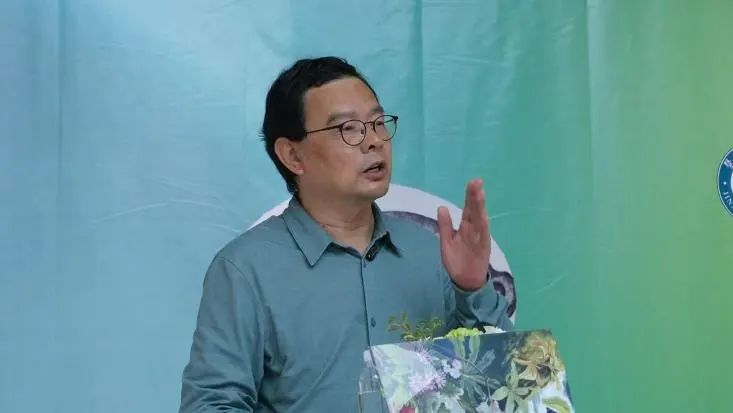
Lecture 8: Zeng Hui
《The Social Innovation Value of Creative Design in the Way of Life》
Design scholar, Deputy Director and Planning Director of Beijing International Design Week, Chief Curator of China Traditional Craft Revitalization Theme Exhibition, and Special Researcher of Tsinghua University Cultural and Creative Development Research Institute, Professor Zeng Hui, shared with the students the important significance and value of creative design in society through a large number of practical cases. He believes that design is about solving problems in relationships between people, and the sum of relationships between people is society, so design solves problems within society. Young creative design practitioners should fully utilize design thinking to make society more benevolent and better. The social innovation design first reflects the designer's social responsibility, which is also the big design thinking mode. It is problem oriented, solves the needs of people's livelihood, ultimately changes the unfavorable situation, solves social problems, and enhances the aesthetic of life. This is the public welfare value of innovative design. For example, in community building, social innovation design can be used to improve the urban environment and build urban spatial order, thereby enhancing the efficiency of urban space utilization and services.
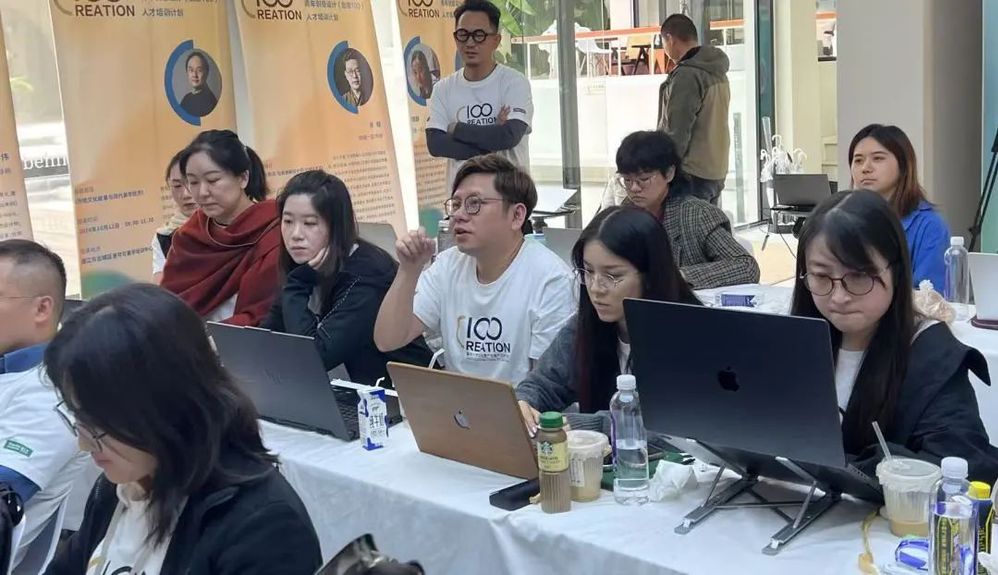
Teacher Zeng Hui's Classroom
Building low-cost housing in economically underdeveloped areas based on local economic conditions is also a manifestation of social innovation design. In areas with severe drinking water problems, the design of books that can drink water allows people in the area to have access to clean water. At the same time, social innovation design should also be guided by the values of good design, good life, providing win-win solutions for increasingly complex urban development, industrial integration, commercial value, and people's livelihood quality issues, actively seeking harmonious connections between people and things, people and the environment, and people and people, and creating all more reasonable lifestyles and public services.
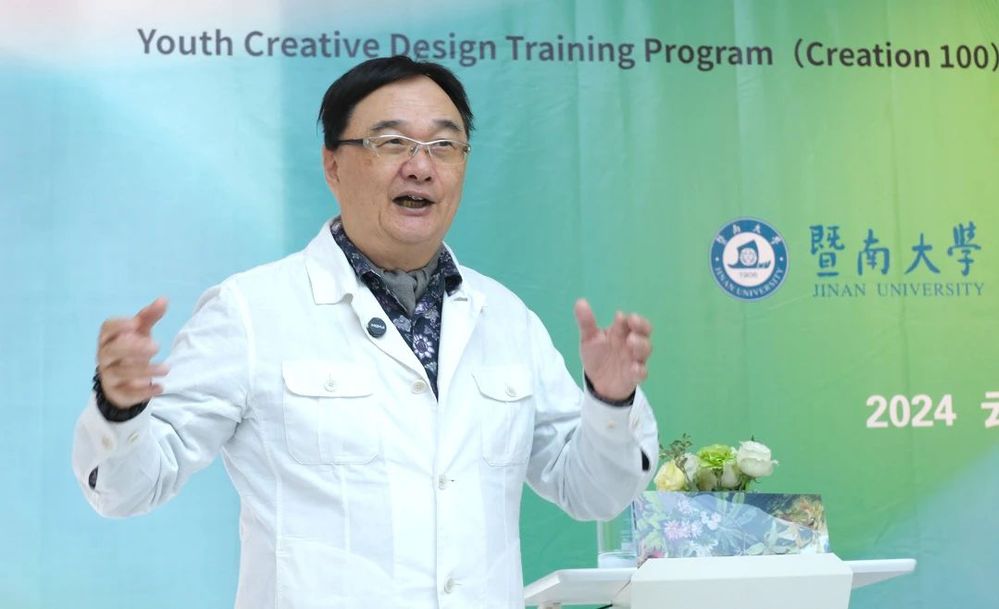
Lecture 9: Lin Zhenzhong
《Transforming Traditional Culture into a New Aesthetic Economy》
Lin Zhenzhong, founder of Tsinghua Life Lecture Hall, visiting professor of the Department of Environmental Arts at Tsinghua University, specially appointed expert and course professor at the School of Urban Design, Central Academy of Fine Arts, registered professional designer ASID of the American Interior Design Association, and member of the first expert committee of the UNESCO Chair on the Inheritance and Innovation of World Traditional Handicrafts, starts with the current development status of three excellent traditional Chinese handicrafts - tea, porcelain, and jewelry - and raises the practical question of why our country does not have world-class brands? Upon investigation, Teacher Lin believes that this is due to the significant difference in cultural environment between China and foreign countries, which has led to ideological differences and ultimately caused the Chinese style, once the pinnacle of world aesthetics, to fall from grace.
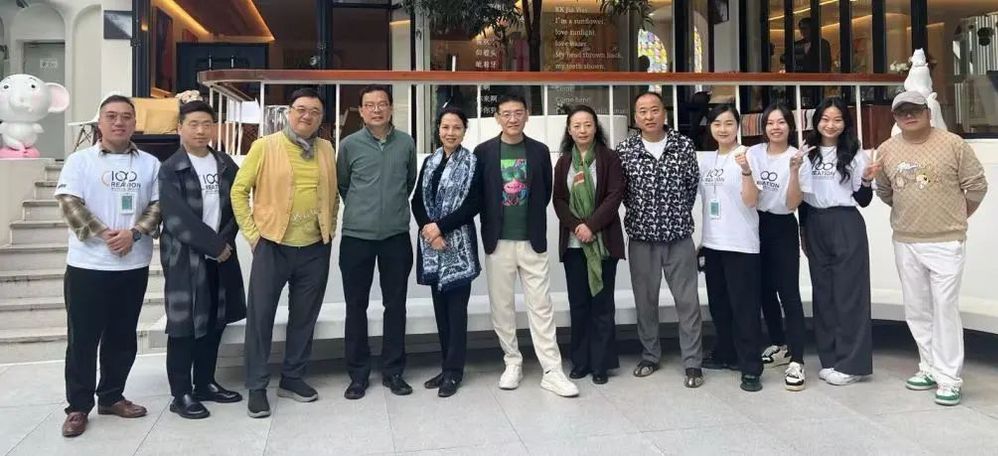
Teacher Lin Zhenzhong takes a photo with his mentor and students
Teacher Lin advocates that young designers should innovate from history, combine aesthetics with life, inspire innovation, and promote the reshaping of Chinese aesthetics. But while stimulating creativity, attention should also be paid to creating benefits. That is to say, based on aesthetic advantages, shaping aesthetic economy. To weave a splendid blueprint for the new aesthetic economy, lead the new trend of consumption, and create new commercial glory, relying on the rich and mellow traditional cultural story. Subsequently, Teacher Lin believes that we can start from the experience economy and construct an economic model from the perspective of consumers. This model integrates the experience of life aesthetics and enters the aesthetic economy, connecting and pleasing consumers, bringing emotions, and thus achieving economic benefits and aesthetic value transmission. Finally, Teacher Lin mentioned that the aesthetic economy focuses on the beauty and creativity of life, providing consumers with deep experiences and high-quality beauty through emerging technologies or new concepts, emphasizing the stimulation of consumers' inner emotions and feelings, and obtaining benefits with the goal of consumer pleasure and psychological satisfaction, ultimately realizing aesthetic value.
(Creativity 100) lasts for seven days, and the training mode involves 5-6 students forming cross disciplinary teams to complete practical learning, thematic research, and graduation evaluation. On the final day of the graduation ceremony, the project co creation results will be presented to the reviewing supervisor in groups.
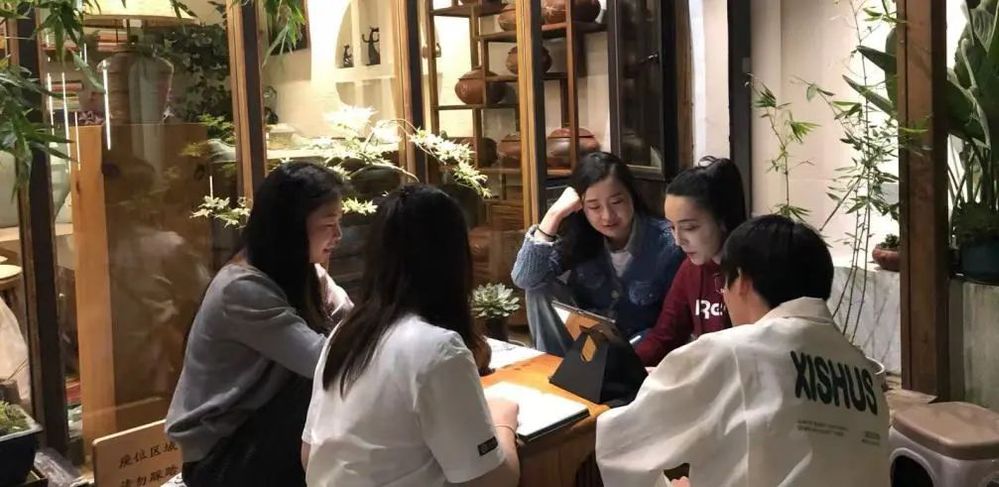
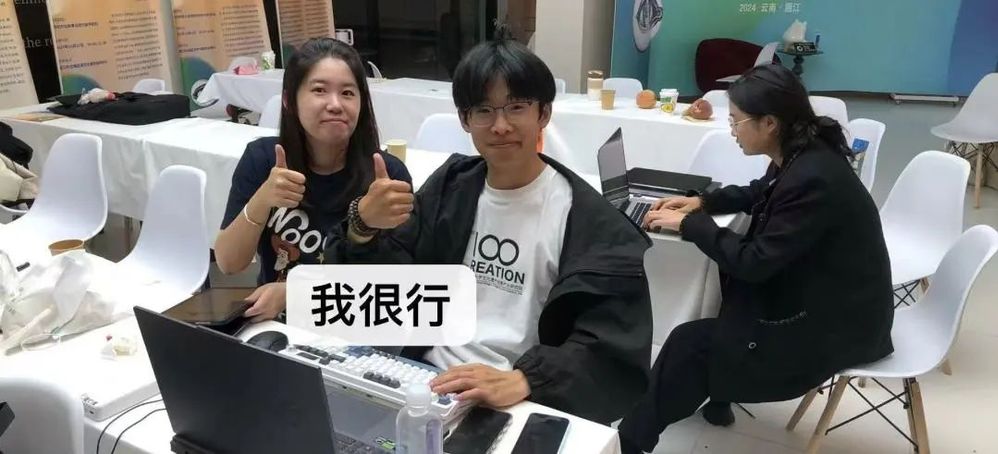
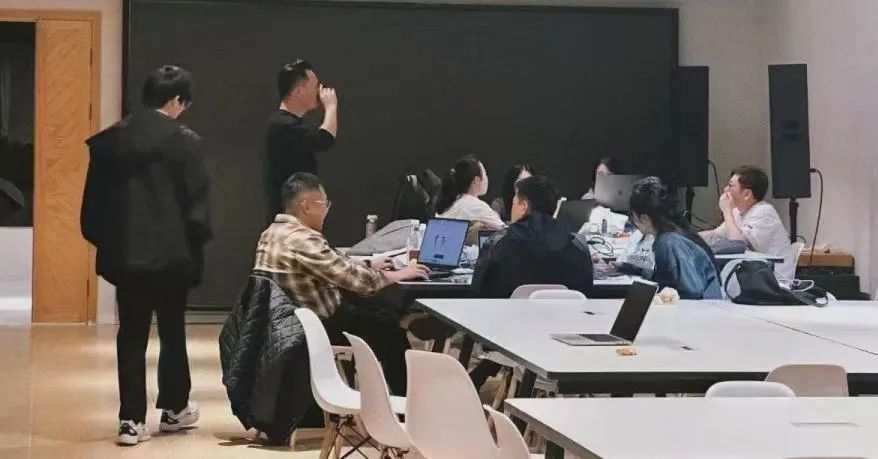
The students worked tirelessly throughout the night, actively preparing creative graduation plans
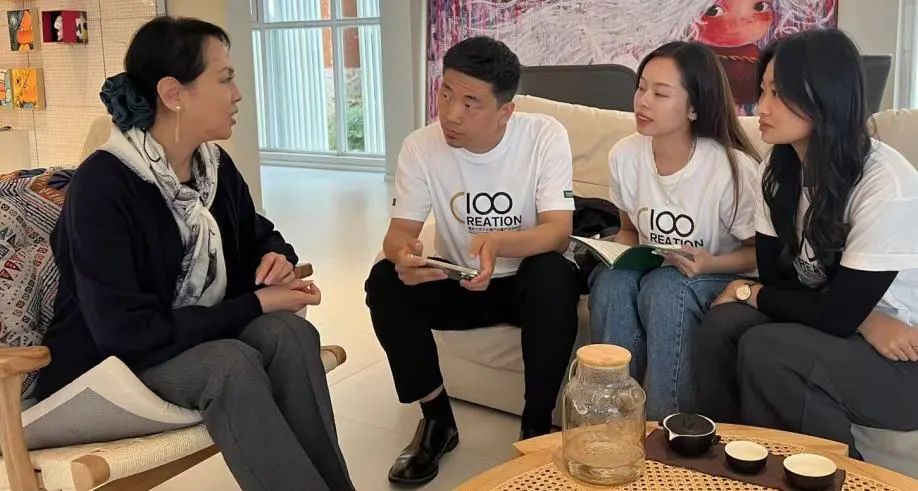
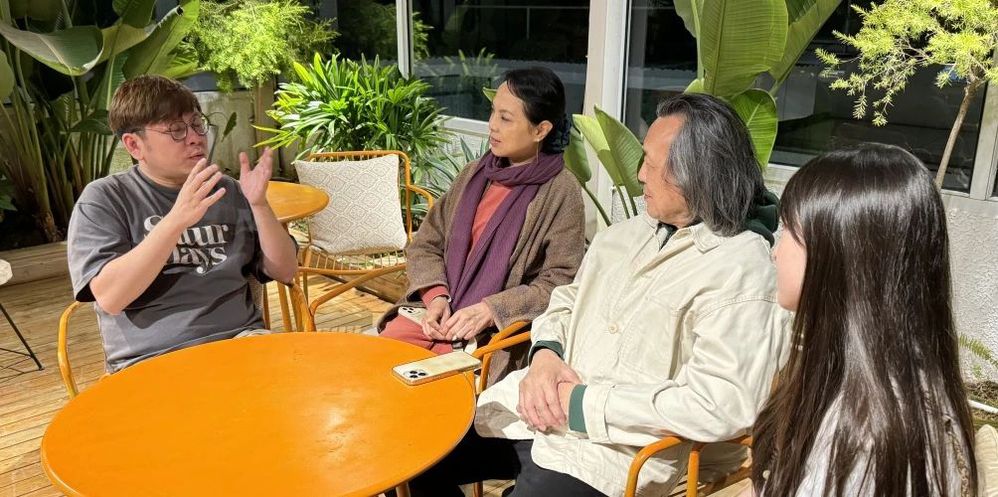
Dean Chen Ping provides guidance on homework for the students
Collaborating as a team to complete a project co creation is a process full of challenges and opportunities, which requires close collaboration among team members to jointly leverage their respective strengths and achieve the success of the project. Due to different professional backgrounds, regional differences in values, and even language barriers such as Chinese, Cantonese, and English, team members collide in conflicts and work together in collaboration, constantly inspiring sparks of inspiration. After several days of in-depth discussions and research, they have worked tirelessly under the starry sky and continuously communicated and improved with their mentors. In a short period of time, they have grown and progressed together, efficiently completing project co creation and proposing five product practice cases that combine traditional culture with modern life, combining creativity and practicality.
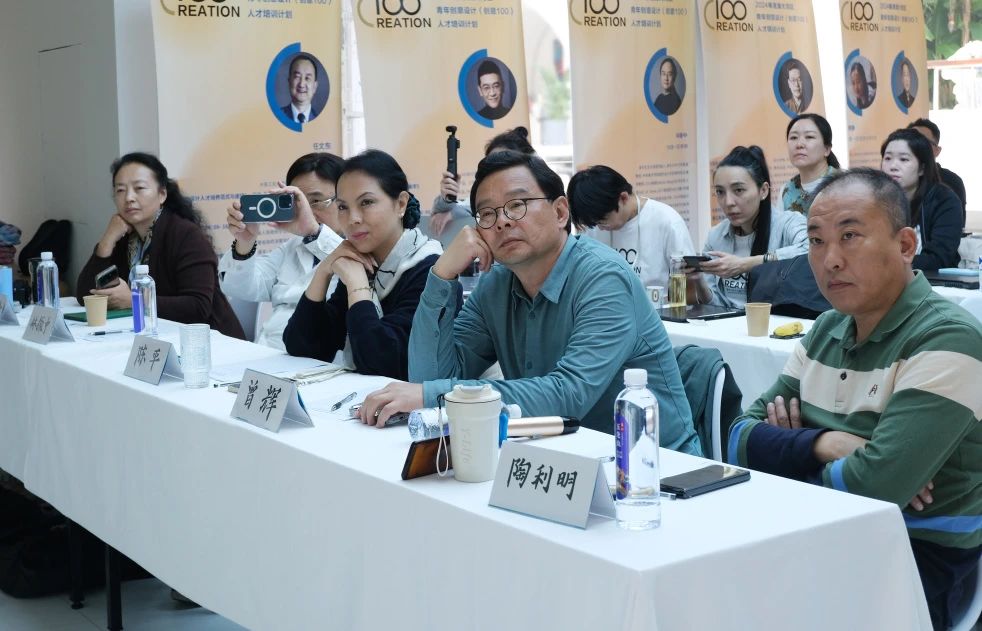
(Creative 100) Graduation Ceremony Mentor Jury
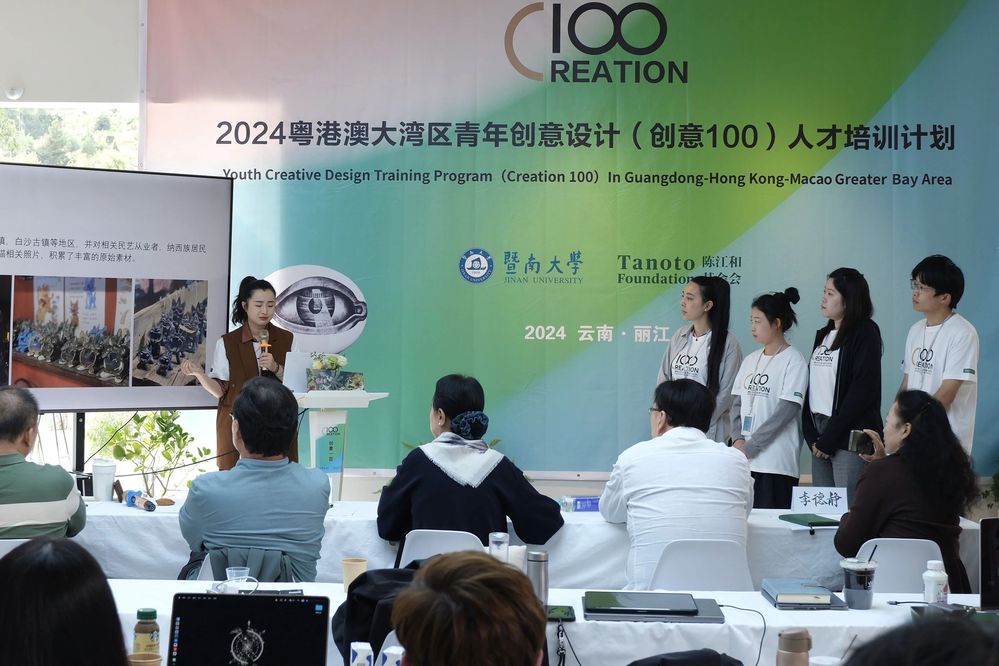
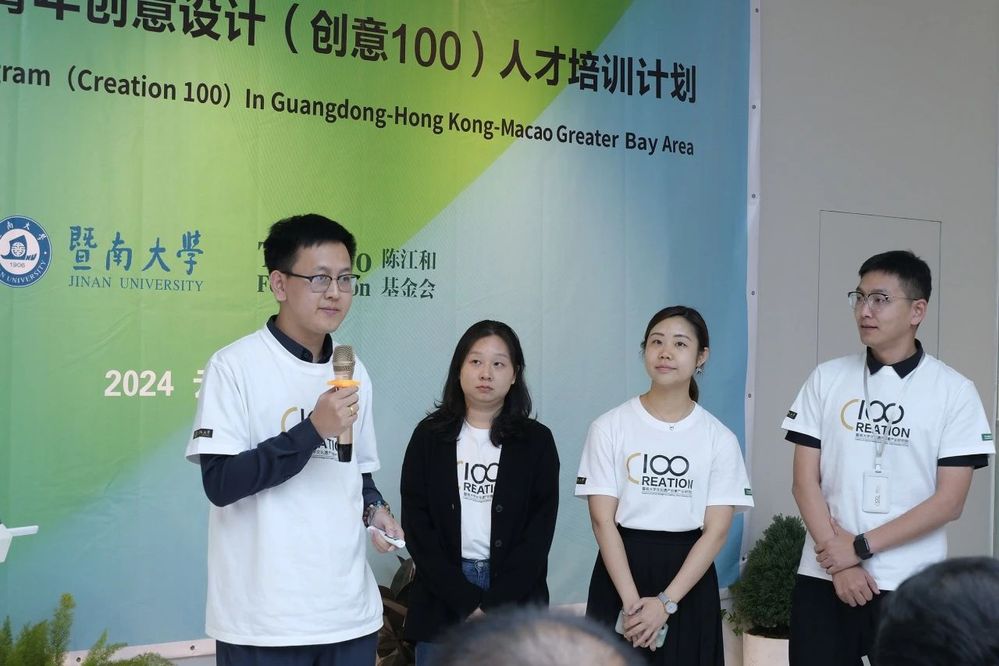
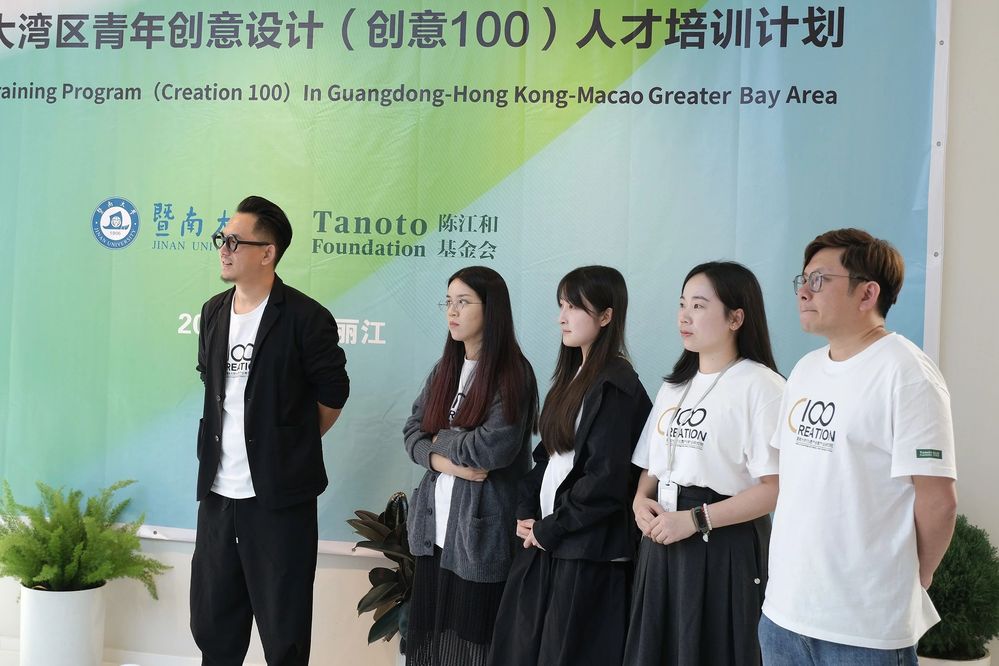
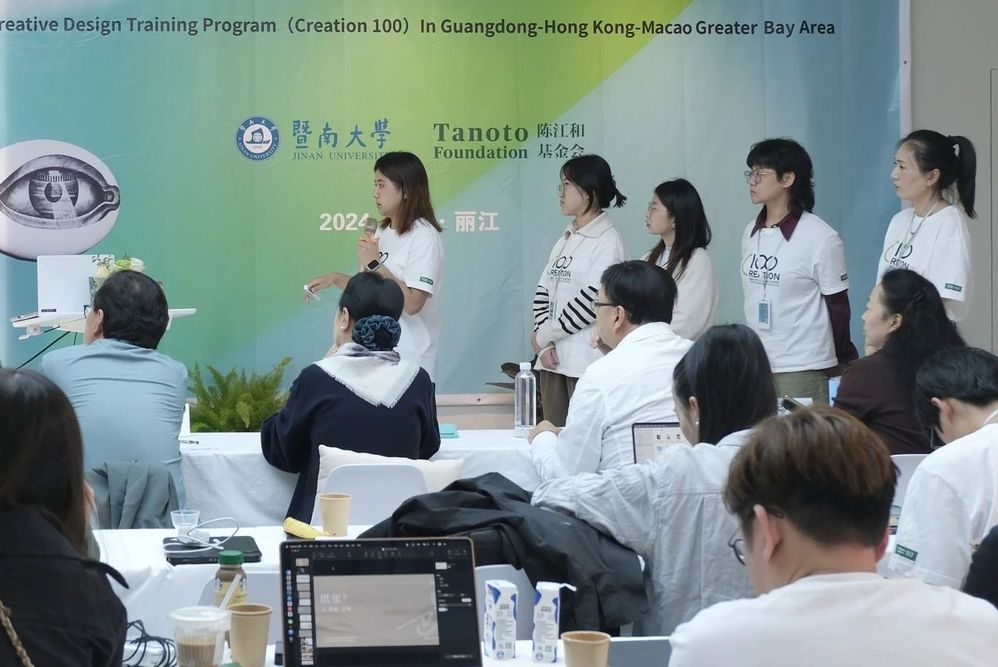
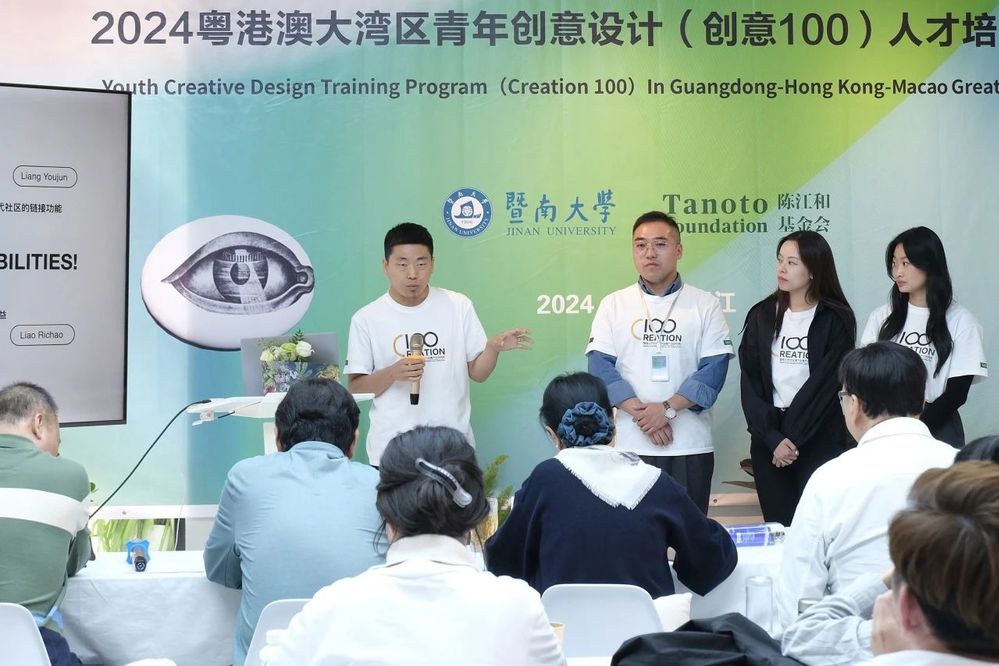
Student group presentation of works
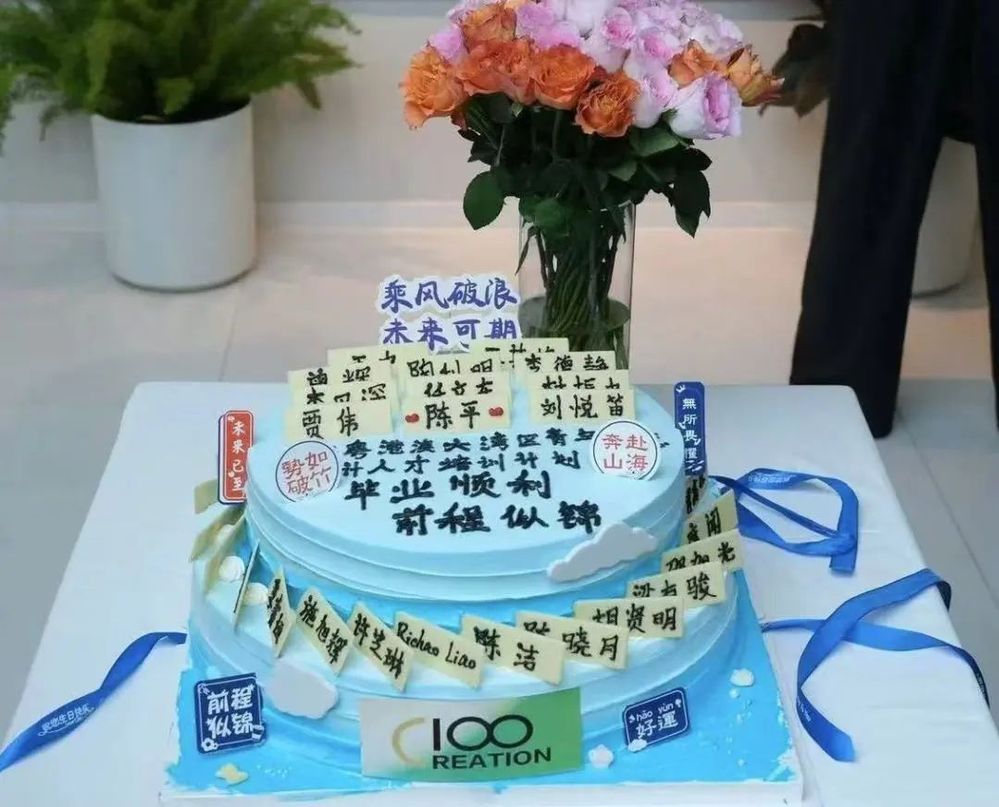
(Creativity 100) Graduation, Customized Cake
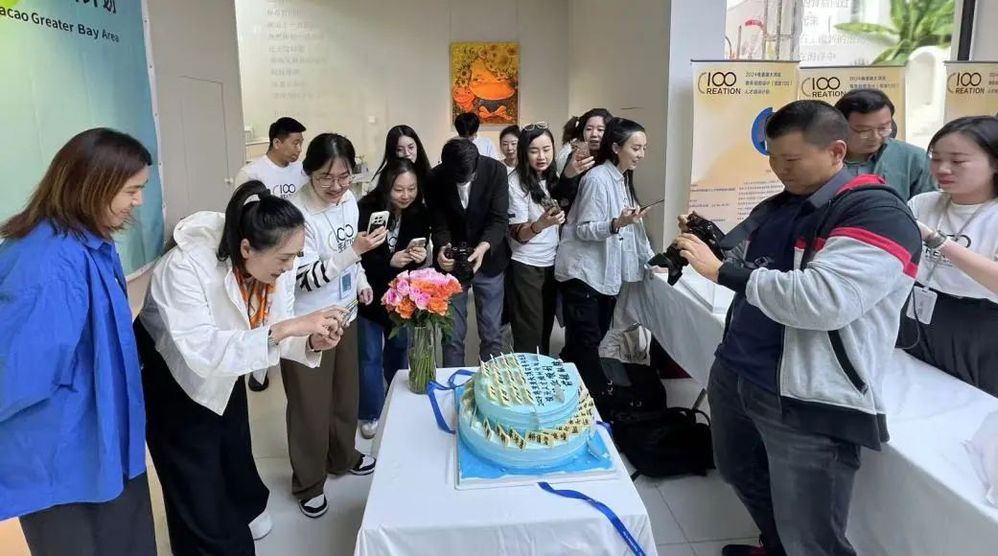
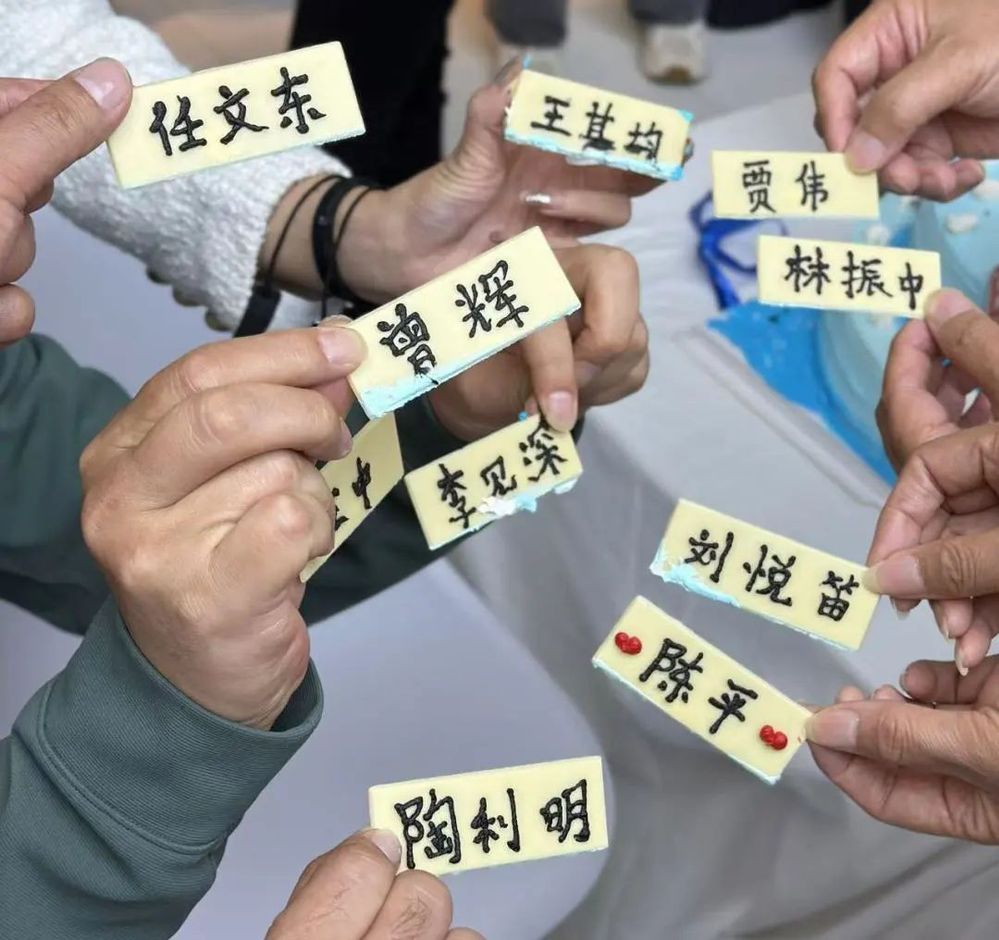
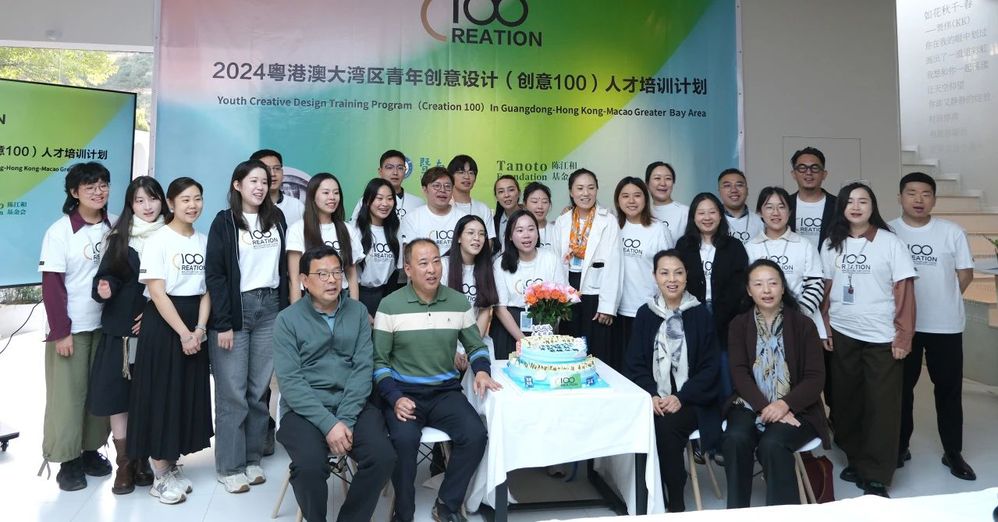
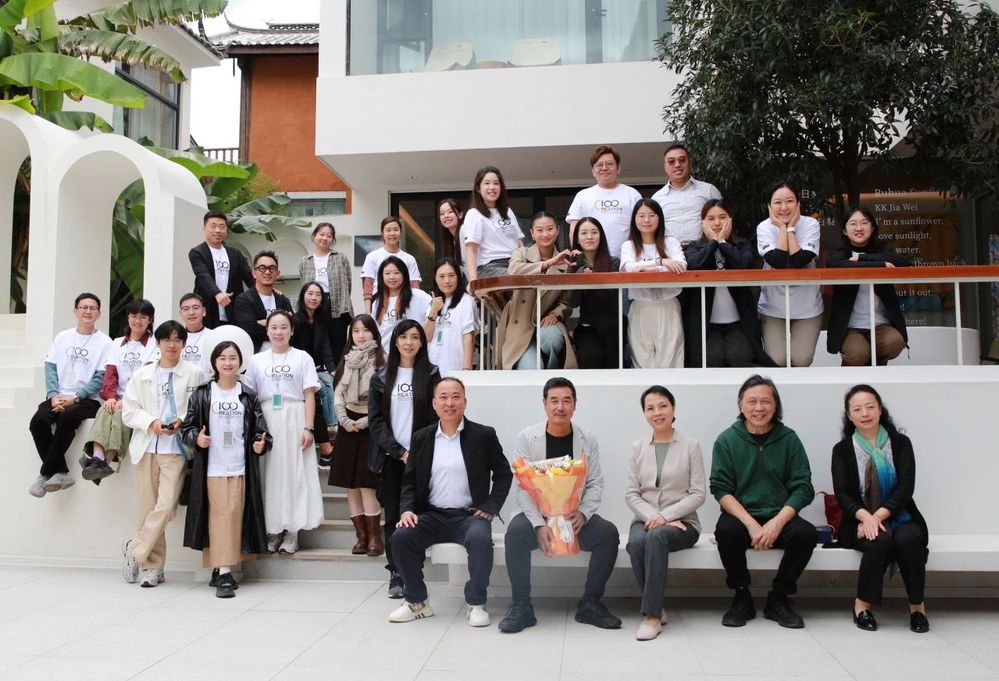
The 2024 (Creative 100) graduation ceremony came to a perfect conclusion
This training marks the end of the Guangdong Hong Kong Macao Greater Bay Area Youth Creative Design Talent (Creative 100) Talent Training Program, bringing a successful conclusion to the 5-year cultivation of 100 seed talents. It has played a positive role in driving and leading the innovative development of creative industries and related industries and undertakings in the Bay Area, establishing national cultural confidence, promoting the innovative development of traditional culture, cultural exchange, and cultivating innovative talents.
