

From June 19th to June 24th, Liu Cigui, Director of the Hong Kong, Macao, Taiwan, and Overseas Chinese Affairs Committee of the National Committee of the Chinese People's Political Consultative Conference, led an overseas Chinese delegation to Xinjiang to conduct inspections around the theme of Better Building a Beautiful Xinjiang in the Process of Chinese Style Modernization.
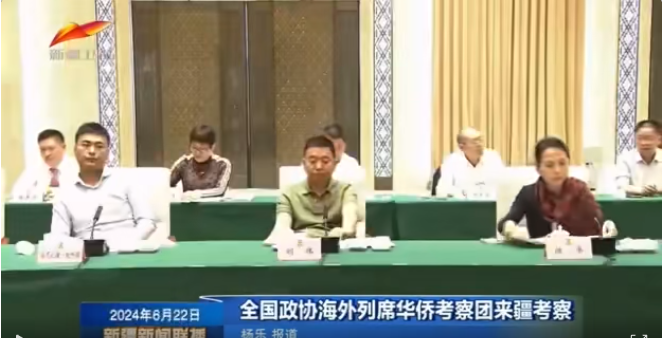
The inspection team pointed out that the work in Xinjiang is closely related to the overall work of the Party and the country. The Party Central Committee has always attached great importance to the work in Xinjiang and has held three central Xinjiang work symposiums. At the Third Central Symposium on Xinjiang Work held in September 2020, General Secretary Xi Jinping clarified that the Party's strategy for governing Xinjiang in the new era is governing Xinjiang according to law, uniting and stabilizing Xinjiang, enriching Xinjiang through culture, enriching the people, and building Xinjiang in the long run. This provides a fundamental guideline for doing a good job in Xinjiang work in the new era and points out the direction for progress.
During this inspection, the delegation visited Urumqi, Shihezi, Altay, Kashgar and other places to understand the current economic and social development status of Xinjiang, feel the achievements of ecological civilization construction, experience rich ethnic customs, pay attention to the protection, development and inheritance of traditional culture, and have in-depth exchanges with relevant departments, institutions, enterprise leaders and others.
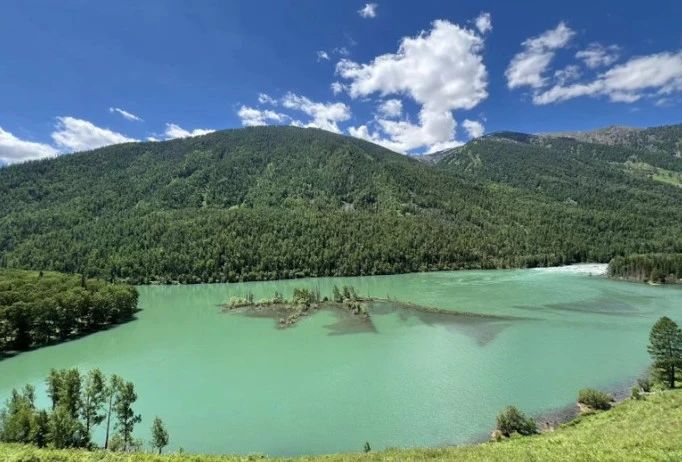
The beautiful and spectacular scenery of Kanas
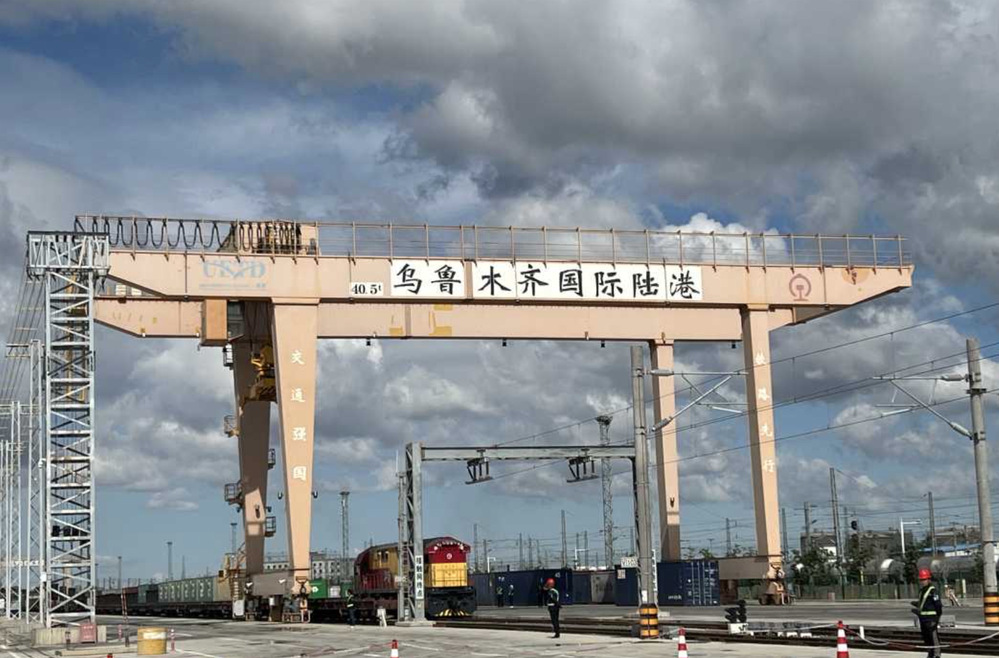
The Well Connected Transportation Hub - Urumqi International Land Port Area
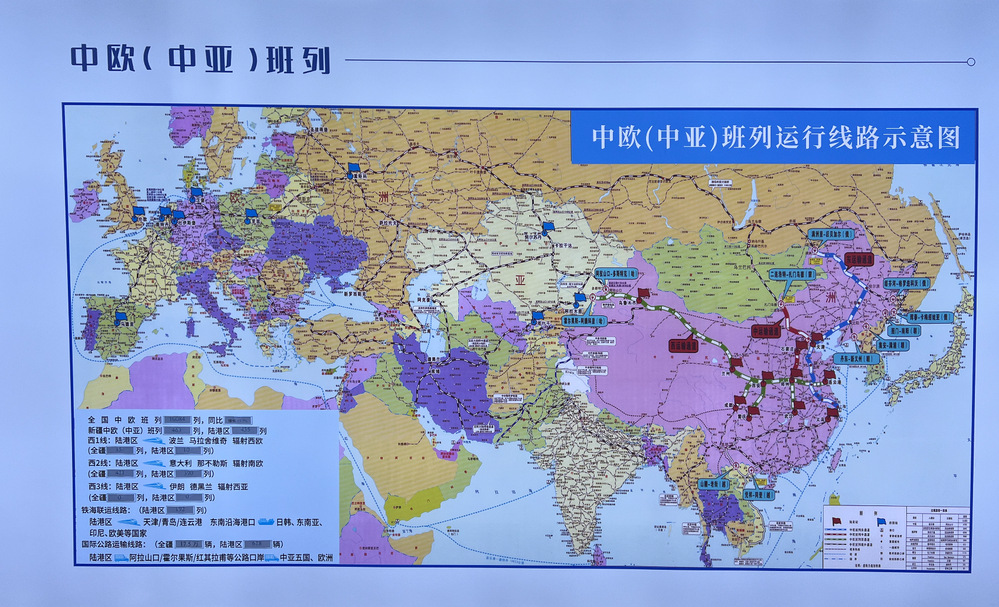
The China Europe freight train connects all directions
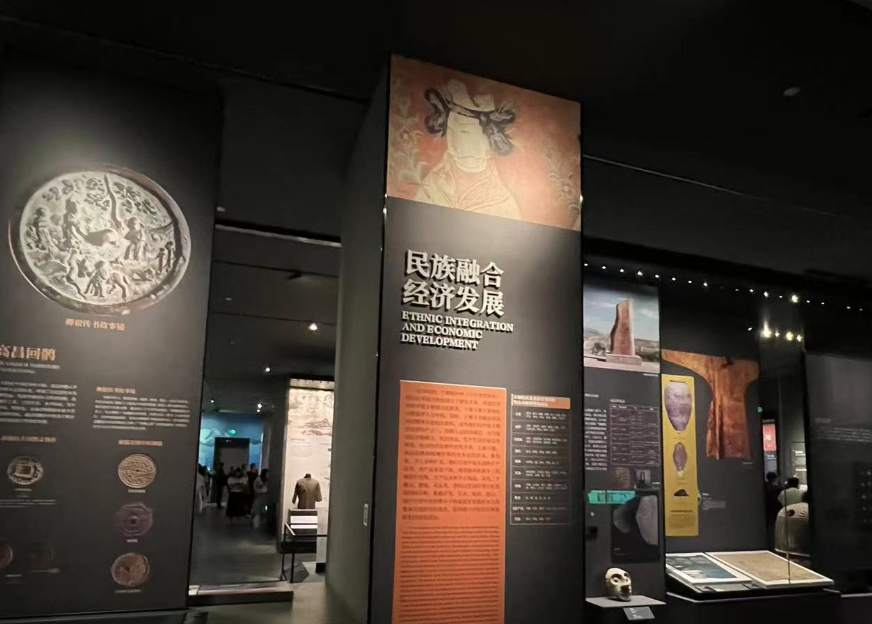
The Xinjiang Uygur Autonomous Region Museum is exquisitely designed and has detailed historical materials
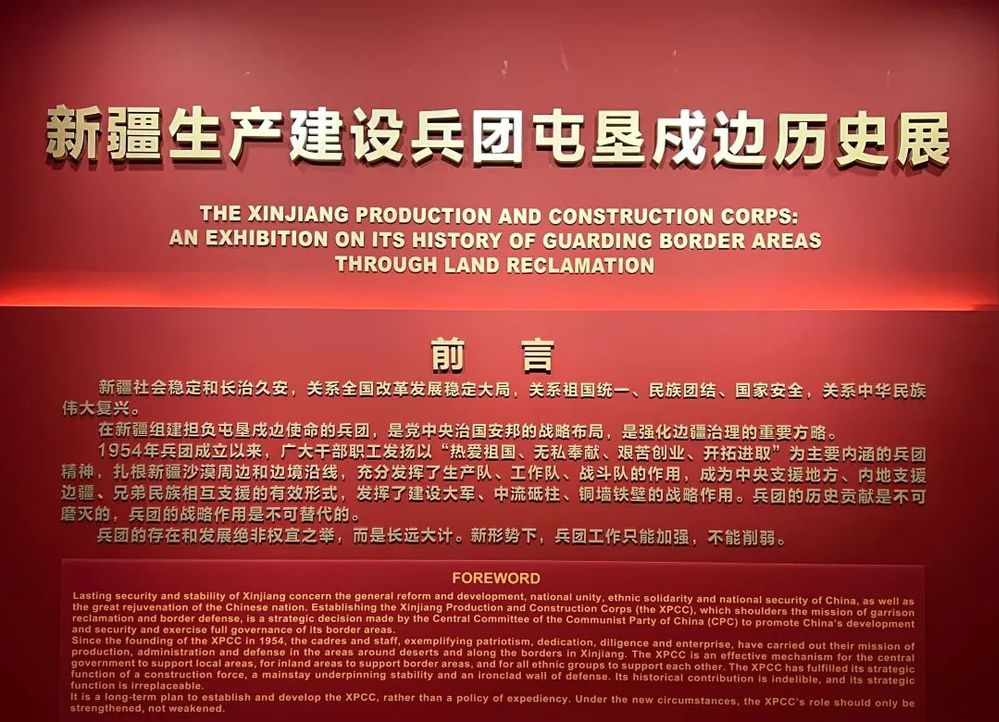
The Shihezi Military Reclamation Museum displays the great achievements of the Xinjiang Production and Construction Corps
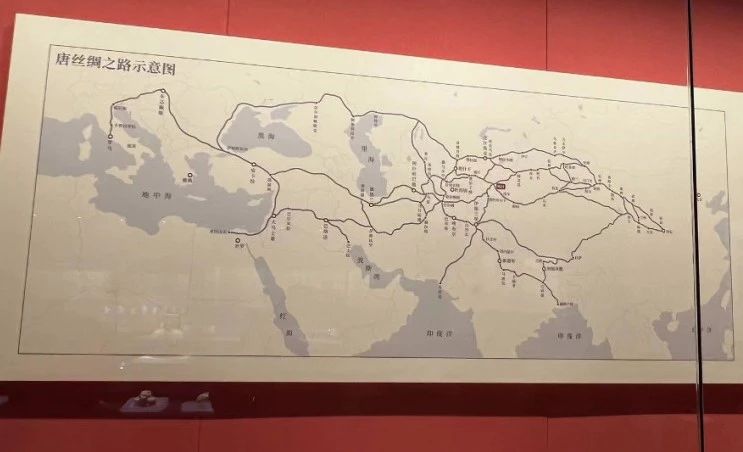
The Kashgar Museum clearly records the lineage of the ancient Silk Road
The inspection team stated that since 2007, the Hong Kong, Macao, Taiwan and Overseas Chinese Affairs Committee of the National Committee of the Chinese People's Political Consultative Conference has organized overseas Chinese who have attended the National Committee of the Chinese People's Political Consultative Conference to conduct inspections in various parts of the country for 17 consecutive years.
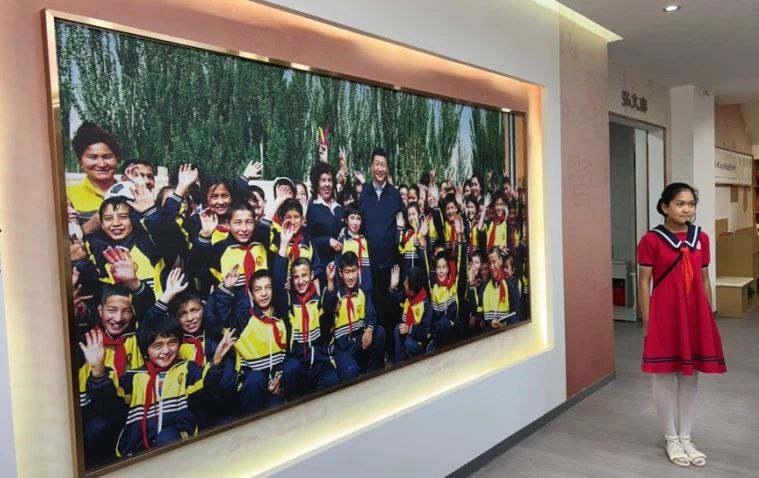
On April 28, 2014, General Secretary Xi Jinping inspected the Central Primary School in Tokzak Town, Shufu County, Kashgar, Xinjiang
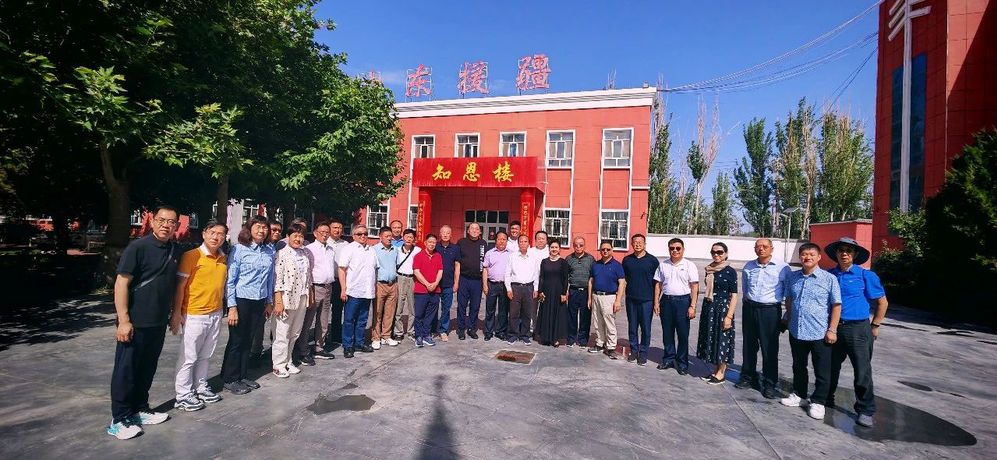
Inspection team at the Central Primary School in Tokzak Town
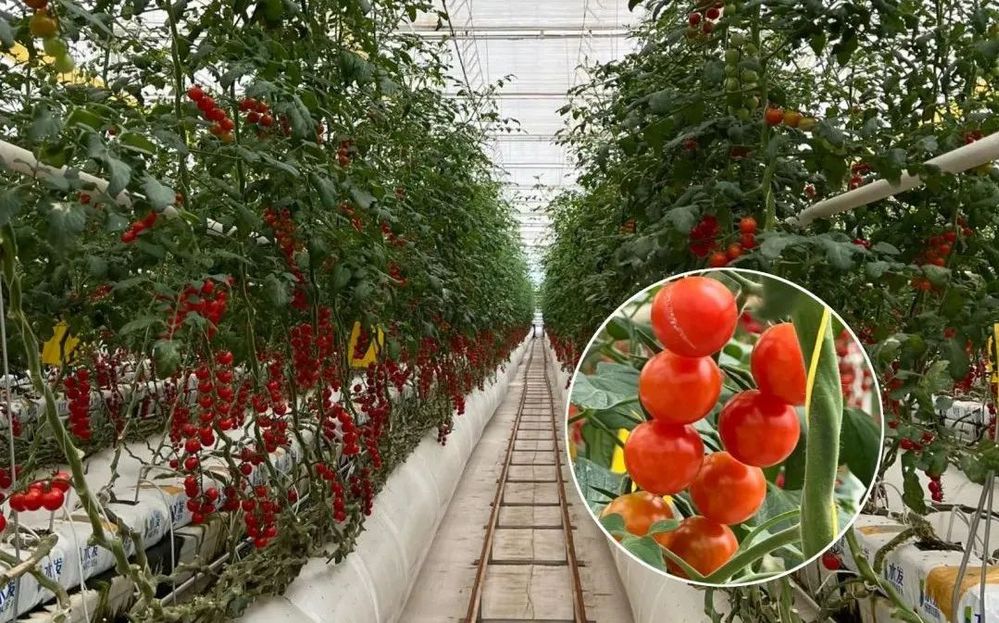
During their stay in Xinjiang, Ma Xingrui, Secretary of the Xinjiang Uyghur Autonomous Region Party Committee, and Nurlan Abudumanjin, Chairman of the Autonomous Region Political Consultative Conference, met with the inspection team. Muheyati Garmuhamaiti, Vice Chairman of the Autonomous Region Government, introduced the relevant situation at the symposium.
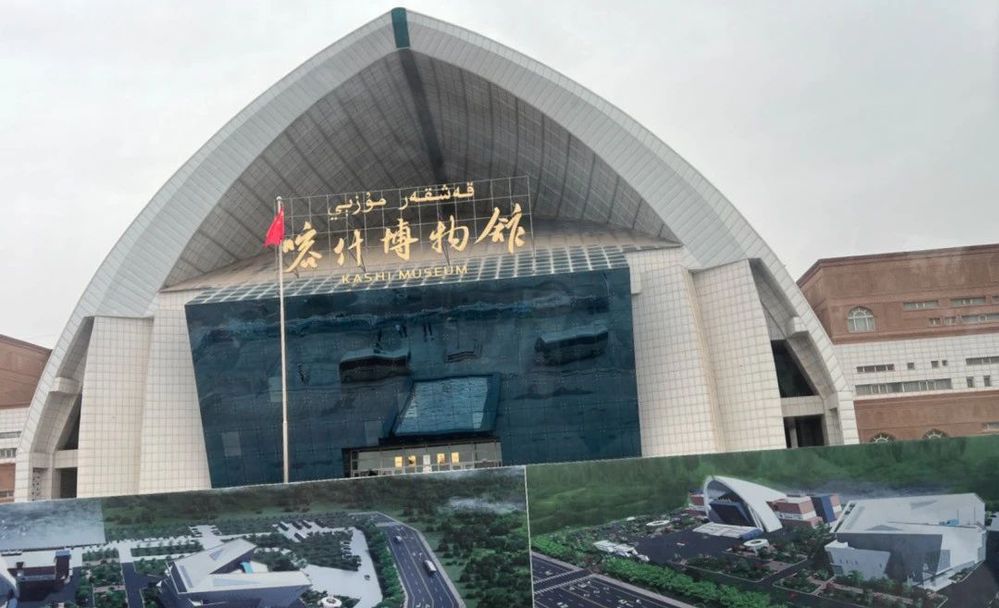
Kashgar Museum
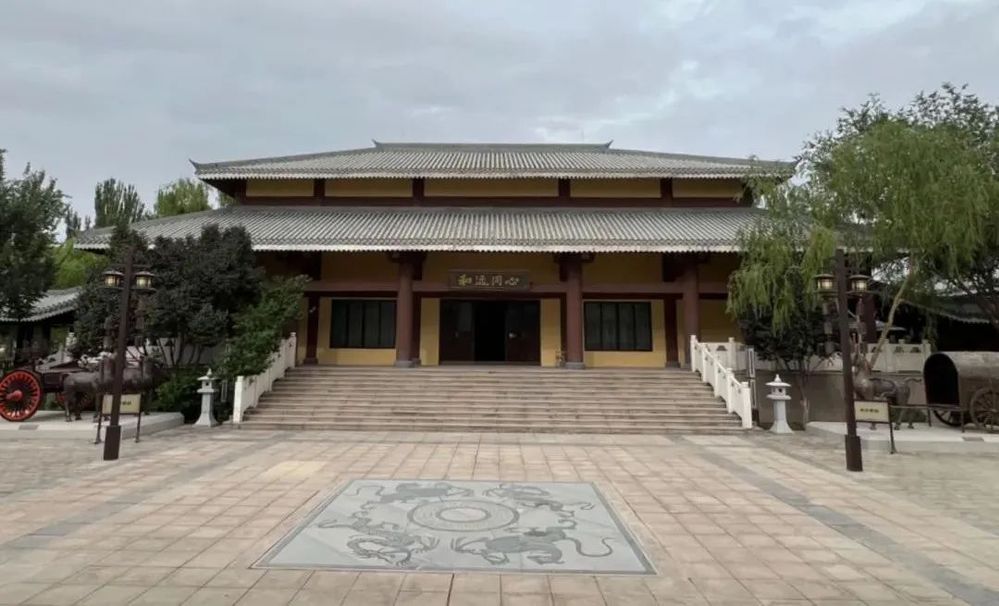
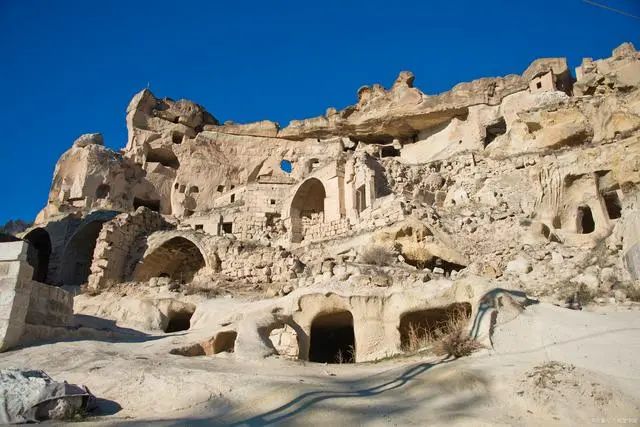
Panjuecheng Site Park
During this inspection, 20 overseas Chinese participating in the National Committee of the Chinese People's Political Consultative Conference from 16 countries combined their knowledge, expertise, and network to provide wise words and practical strategies for the further high-quality development and long-term stability of Xinjiang's economy and society. They actively played the role of overseas Chinese as friendly figures in the international community, striving to help Xinjiang do a good job in foreign propaganda work, telling the stories of China and Xinjiang in a comprehensive, multi angle, and three-dimensional way, further enhancing Xinjiang's international image and attractiveness, and safeguarding the core interests of the Chinese nation.
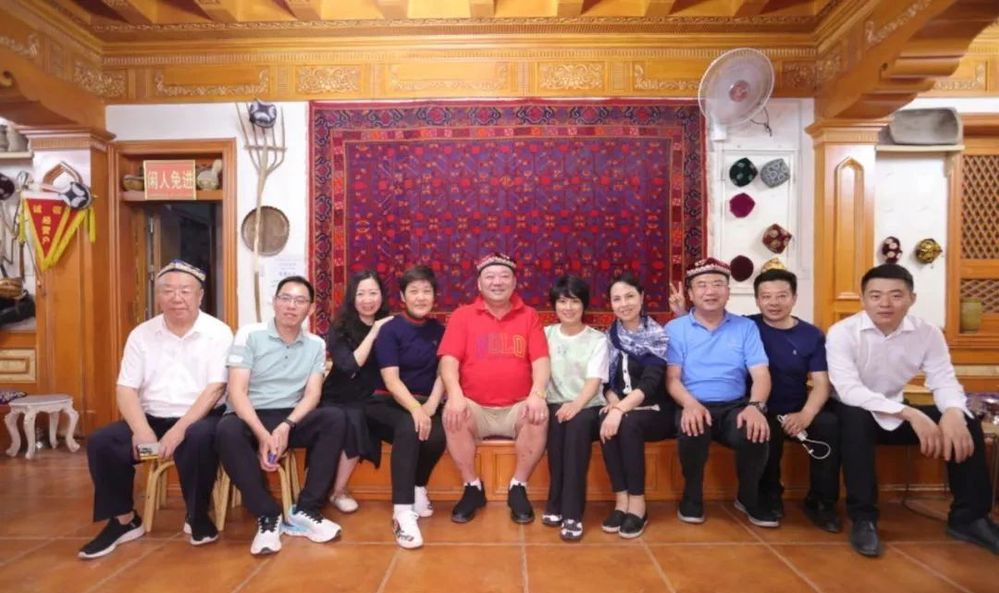
Some members of the inspection team experienced the folk culture of Kashgar region
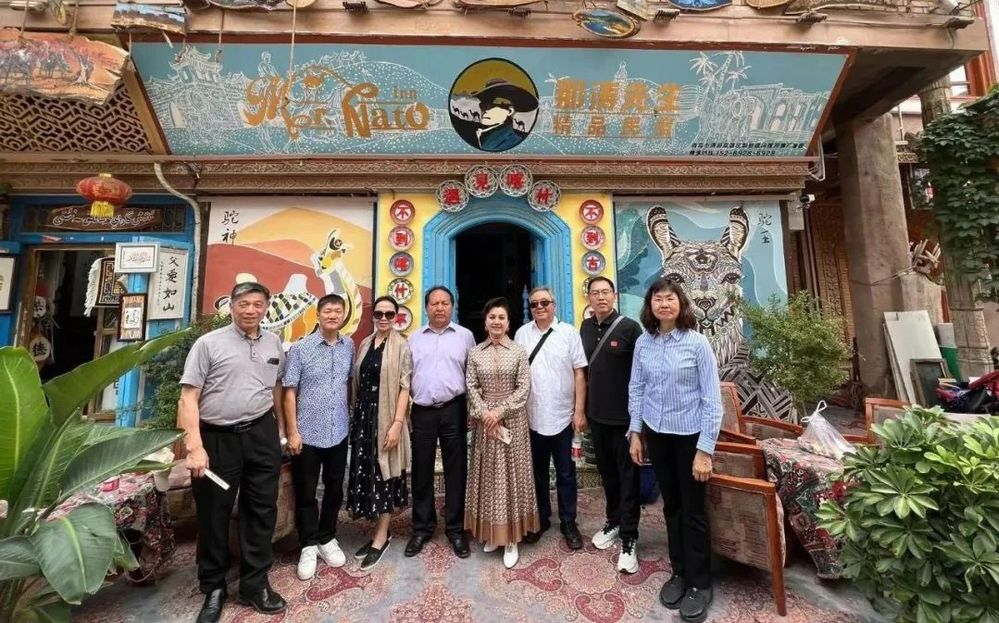
Vice Chairman of the Xinjiang Political Consultative Conference Aishanjiang Ahemaiti and Chairman of the Xinjiang Dancers Association Dilinar Abula, along with members of the inspection team, visited the ancient city of Kashgar
Every brick and tile in the ancient city of Kashgar showcases the richness and splendor of ethnic culture, which is both beautiful and mysterious, emitting a charming radiance. This time, I have the opportunity to visit Xinqiang with the delegation of the Hong Kong, Macao, Taiwan and Overseas Chinese Affairs Committee of the National Committee of the Chinese People's Political Consultative Conference. Seeing is believing, and I have truly seen that Xinjiang, which accounts for one sixth of the country's land, is not only beautiful, but also has continued and improved its ethnic culture, ecological culture, ancient city culture, religious culture, and nomadic culture with the continuous care and support of the Central People's Government.
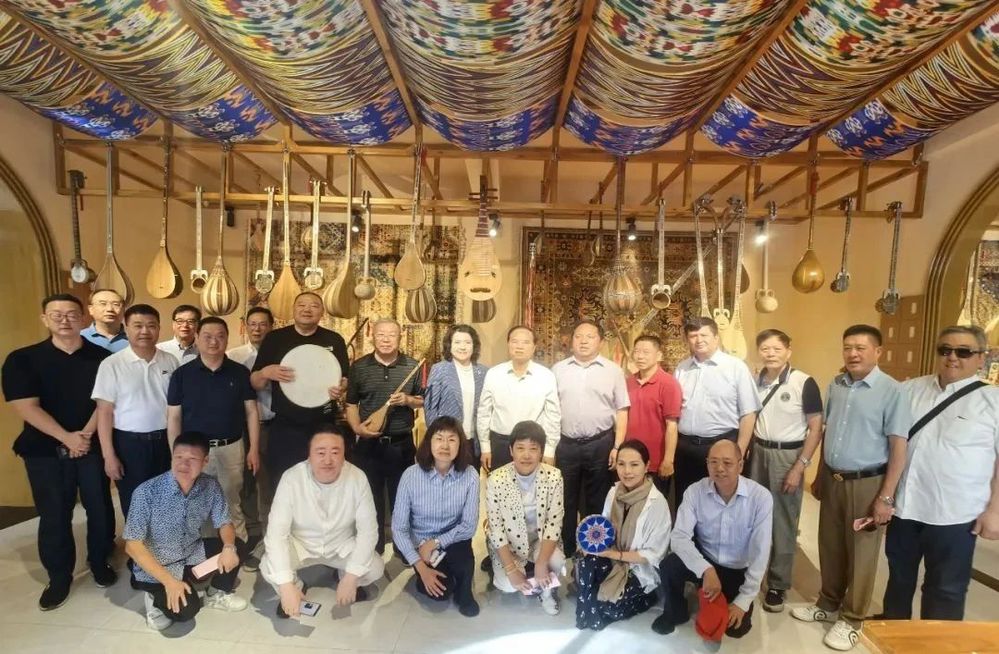
Visit Kashgar Ethnic Musical Instrument Village
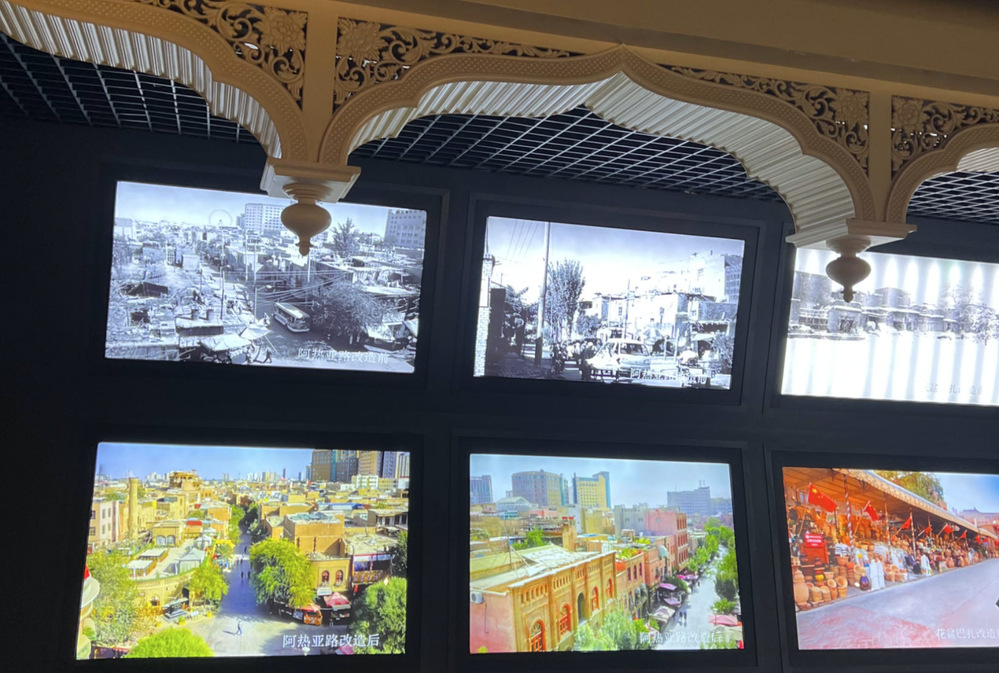
Exhibition of achievements in shantytown renovation
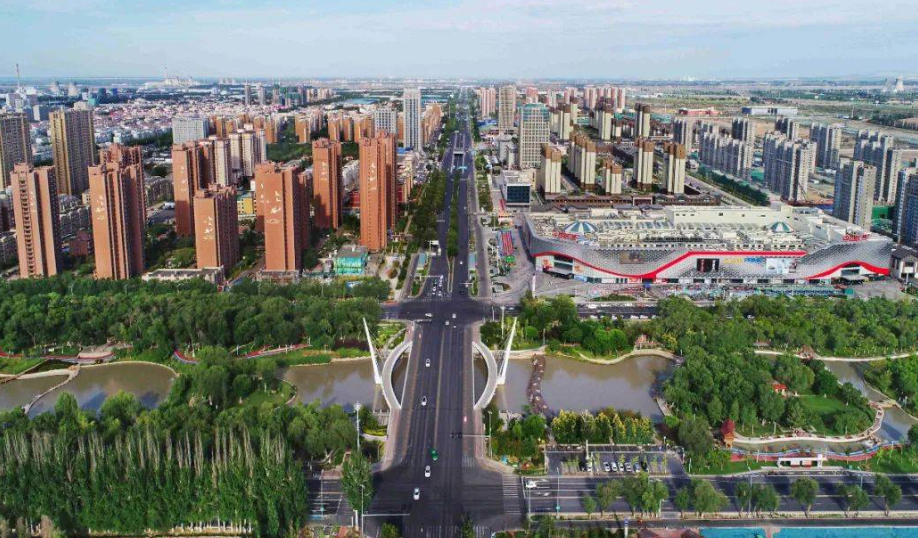
A new city rises from the barren land: the eternal spirit of Shihezi reclamation and struggle
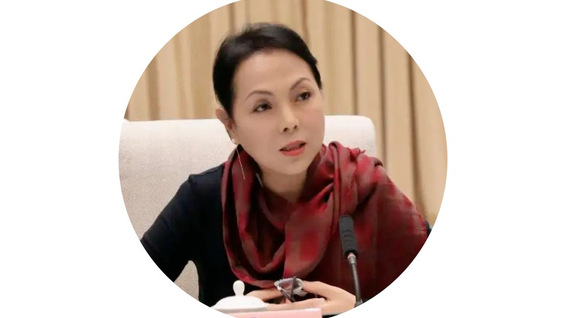
Chen Ping, Deputy Leader of the Inspection Team and Professor at Jinan University
Thank you to the Hong Kong, Macao, Taiwan and Overseas Chinese Affairs Committee of the National Committee of the Chinese People's Political Consultative Conference for organizing this inspection, and thank you to the colleagues of the Autonomous Region Political Consultative Conference for their warm reception. The most profound feeling from Urumqi to Altay and then to Kashgar is that without going to Xinjiang, one cannot understand the vastness of the motherland's territory and the beauty of its scenery; The charm of Xinjiang is not only the diversity of natural scenery, but also the colorful cultural elements hidden deep in the vast land.
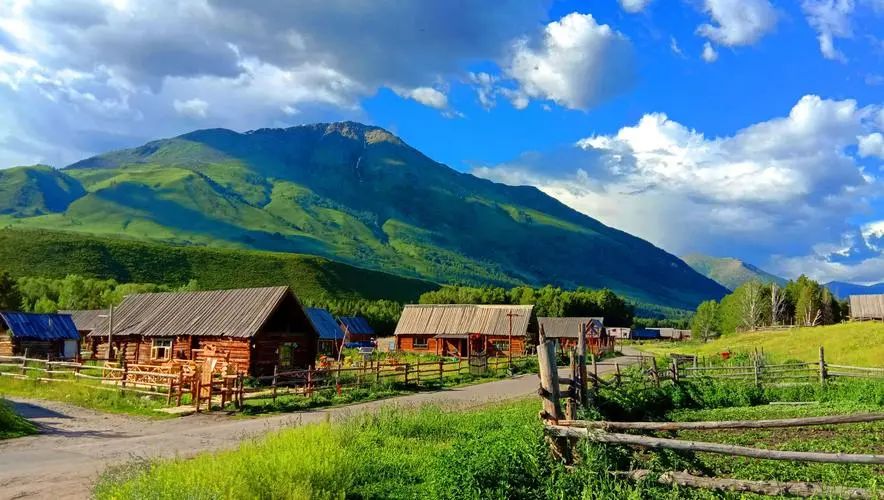
Hemu Village, Burqin County, Xinjiang, is a village located on the banks of Kanas Lake. It was selected as one of the first national key villages for rural tourism in 2019
From southern Xinjiang to northern Xinjiang, there are not only familiar Uyghur songs and dances, but also beautiful and moving girls from Dabancheng. Xinjiang's culture also includes diverse elements of different ethnic groups living together and building their homes: oasis farming culture, grassland pastoral culture, ethnic music and dance culture, and Islamic religious culture. Especially since the peaceful liberation of Xinjiang, it has given more content to Xinjiang: the rise of Karamay's petroleum culture, Shihezi's agricultural reclamation culture, aid to Xinjiang's construction, etc., together with other cultures, constitute Xinjiang's diversified culture, which makes the land of Xinjiang full of vitality and vitality.
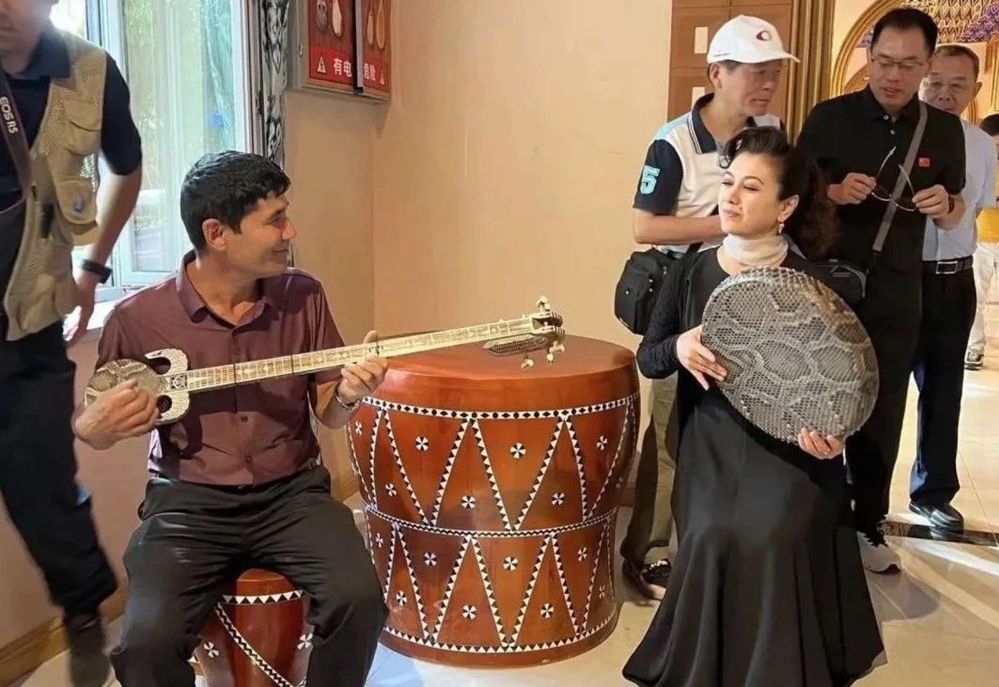
Dinar Abula, a member of the National Committee of the Chinese People's Political Consultative Conference and Vice Chairman of the China Federation of Literary and Art Circles, and a folk instrumental production artist improvise on site
The handmade products in Xinjiang are very diverse and have strong local characteristics. Xinjiang Uygur embroidery, Kazak silver jewelry, Uygur handmade wool carpets, Xinjiang Paper Cuttings, Xinjiang handmade leather products, ceramics, wood carvings, jade carvings and other handicrafts show Xinjiang's rich and diverse cultures and traditions. These handicrafts need to integrate contemporary and international design heights and emerging technologies while preserving their original characteristics, in order to enhance their application and sales in modern life scenarios. Balancing inheritance and innovation, allowing more tourists to consume, can better drive employment, promote the development of tourism economy, and bring good economic income to more craftsmen.
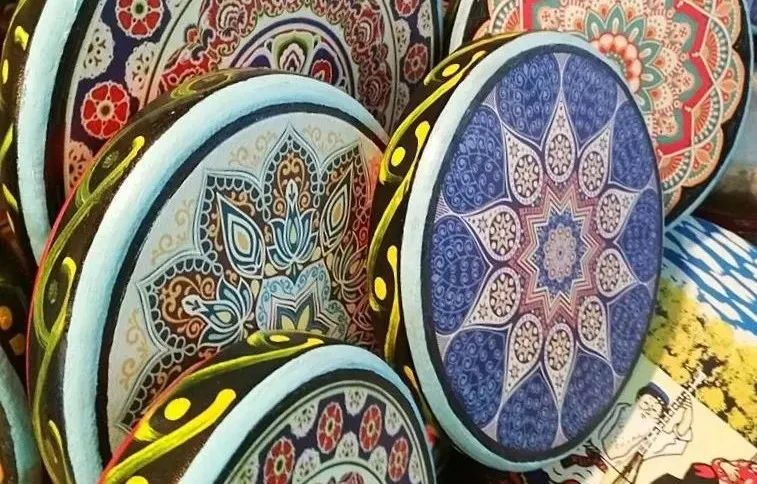
Exquisite and meticulous folk handicrafts
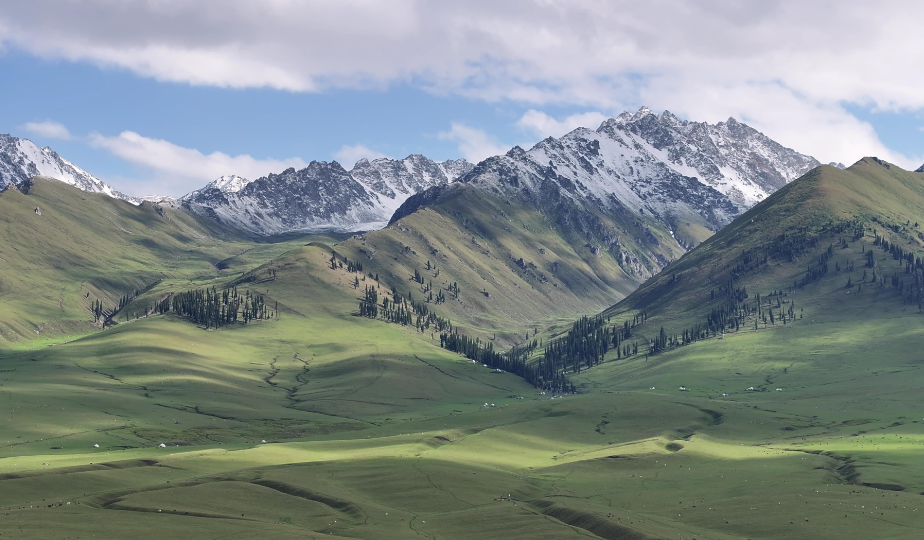
Altai
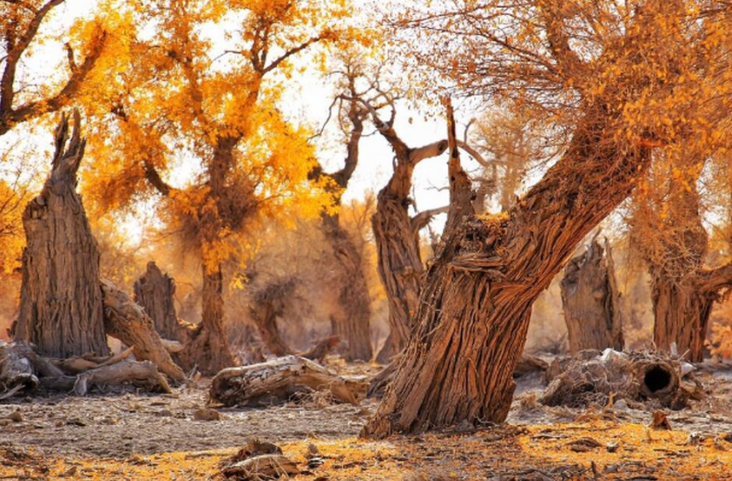
The indomitable Populus euphratica on the Gobi Desert
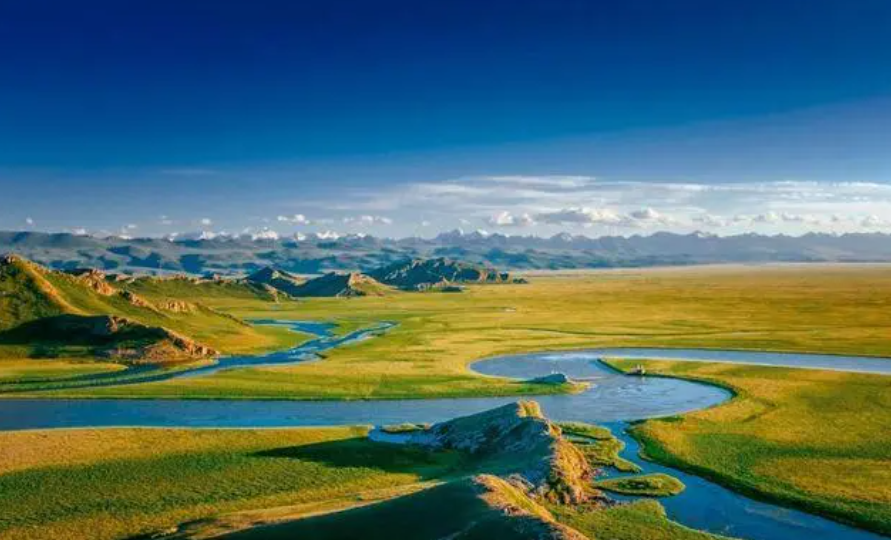
Bayinbuluke Grassland
The vanished ancient city of Loulan

The majestic Tianshan Mountains
