

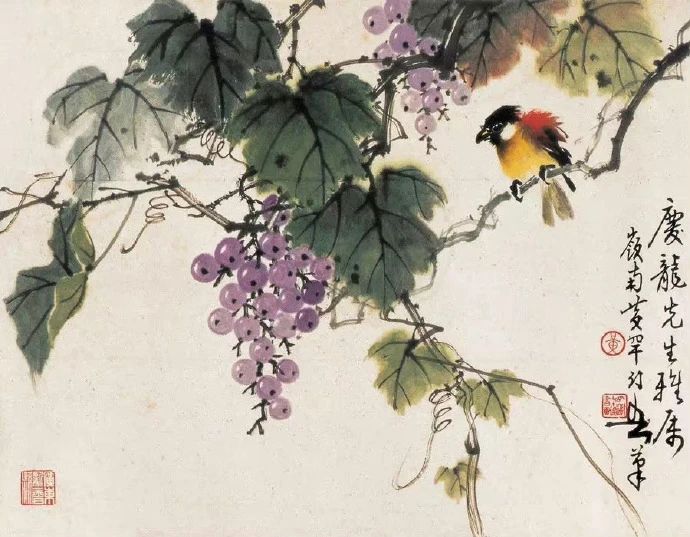
The traditional Chinese painting of grape birds under the pen of Huang Huanwu
The reeds are green, and the white dew is frost. The so-called Yi person is on the side of the water. As the white dew gradually grows, the autumn water is clear, and a gentleman's heart is hidden. The beauty of white dew was already established in the Book of Songs. In the eyes of ancient people, the white dew and autumn colors were often depicted from the moon, water, wind, and grass.
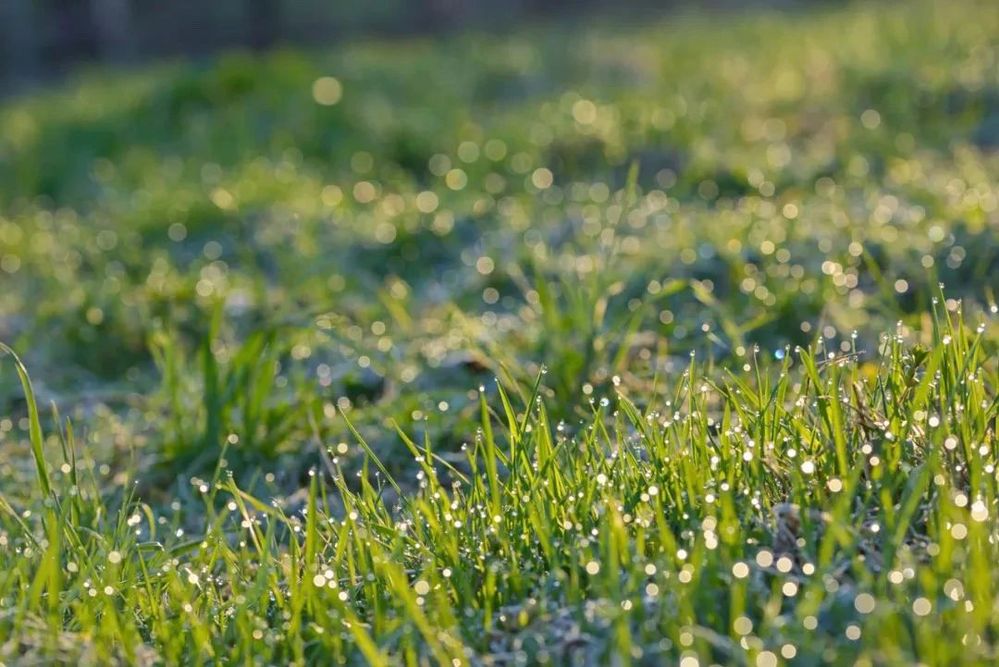
Bailu is the 15th solar term among the 24 solar terms and the 3rd solar term of autumn. In the lunar calendar, it is said that Dou Zhi Gui is Bai Lu, and as the Yin energy gradually intensifies, Ling becomes Lu, hence the name Bai Lu. After Bai Lu, the water vapor in the air at night condenses into small water droplets when it cools down. When exposed to the morning sun, it looks crystal clear, pure white and flawless, which is very pleasing to the eye, hence the nickname Bai Lu.
White dew and autumn divide the night, cool overnight; An autumn rain, a coolness, a dew, a frost; White dew is vast, and the fields are covered in yellow millet. Starting from Bai Lu, the heat completely fades away, and true coolness comes into our lives. At this time, although the greenery is still there, it has stopped growing. The sky is high and clear, white clouds are flying and drifting, and the noon sun is no longer scorching. Maturity and harvest have all arrived before our eyes.
Bai Lu · San Hou

Er Hou,the geese come
Once the geese arrive, they are migratory birds living in groups. Every autumn, they fly together to the warmer south.

Er Hou, the mysterious bird returns
The Xuan bird is the swallow, which comes at the spring equinox and leaves at the autumn equinox. It is the bird of the north, flying south brings vitality. Now flying north is the return, the red flowers are half fallen and the swallows are gone. The autumn wind is bleak, and white dew is about to cover the mountains and leaves are falling. The interpretation of the seventy-two seasons of the lunar calendar states: When the Xuan bird arrives at the vernal equinox (at the beginning of the vernal equinox, the Xuan bird arrives; when the Yan arrives), it moves from north to south. The Yan is a bird from the south, so it is called Gui.
San Hou, raising a flock of birds with shame
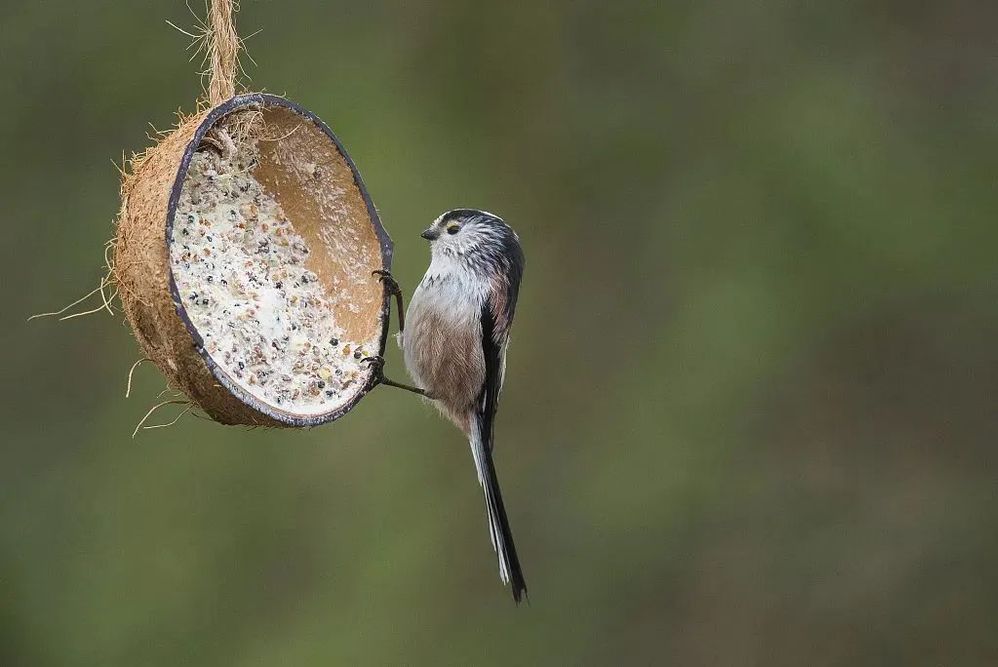
This shame and delicacy are both delicacies. Xuanwu hides the shade of wood, while Dan bird also nurtures shyness. Raising shyness refers to all birds sensing the aura of solemnity and storing food for winter, like storing precious delicacies. On the day of the White Dew, the wild geese come, and on the fifth day, the black birds return, and on the fifth day, the flocks of birds raise their shame
White Dew · Customs
/Drinking Bailu tea/
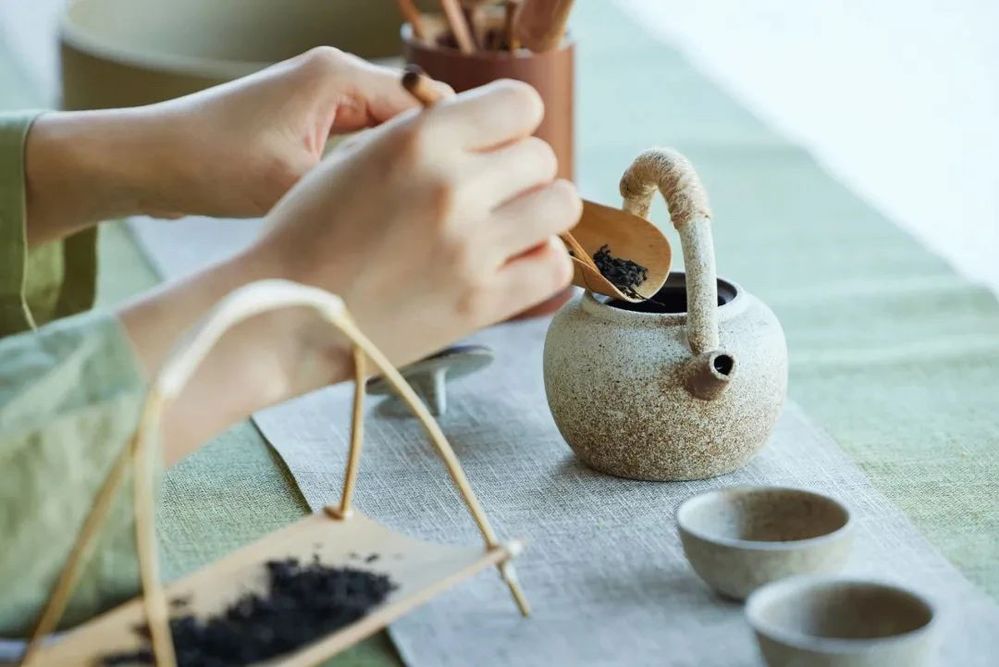
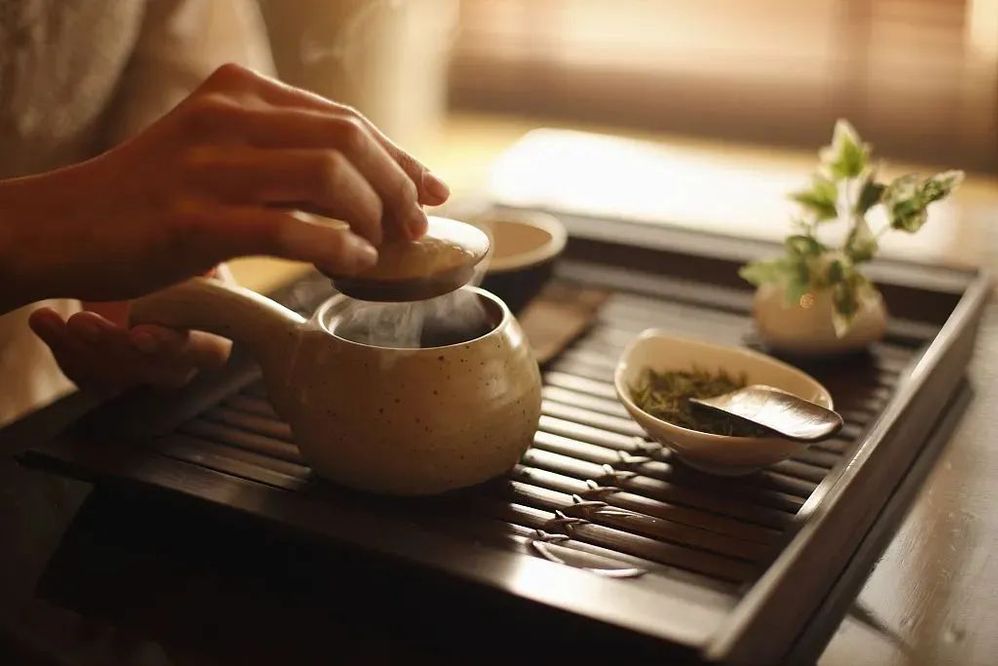
autumn tea is limited by the Bailu season, with early autumn tea picked before Bailu and late autumn tea picked after Bailu. Especially 'late autumn tea', because it has more time to accumulate nutrients, leaves are fuller, and more resistant to steeping, it is deeply loved by old tea lovers.
/Collecting Clear Dew/
There is a custom of collecting clear dew in Chinese folk during the White Dew solar term. Li Shizhen of the Ming Dynasty recorded in his Compendium of Materia Medica: When autumn dew is abundant, it is collected on a plate and fried like malt, which can prolong the year without hunger. Collecting autumn dew on the heads of hundreds of herbs before they are withered can cure various diseases, quench thirst, make the body light and not hungry, and make muscles happy. Dew on flowers can make people have good colors. Therefore, collecting clear dew has become the most special ritual of white dew.
/Eating Longan/
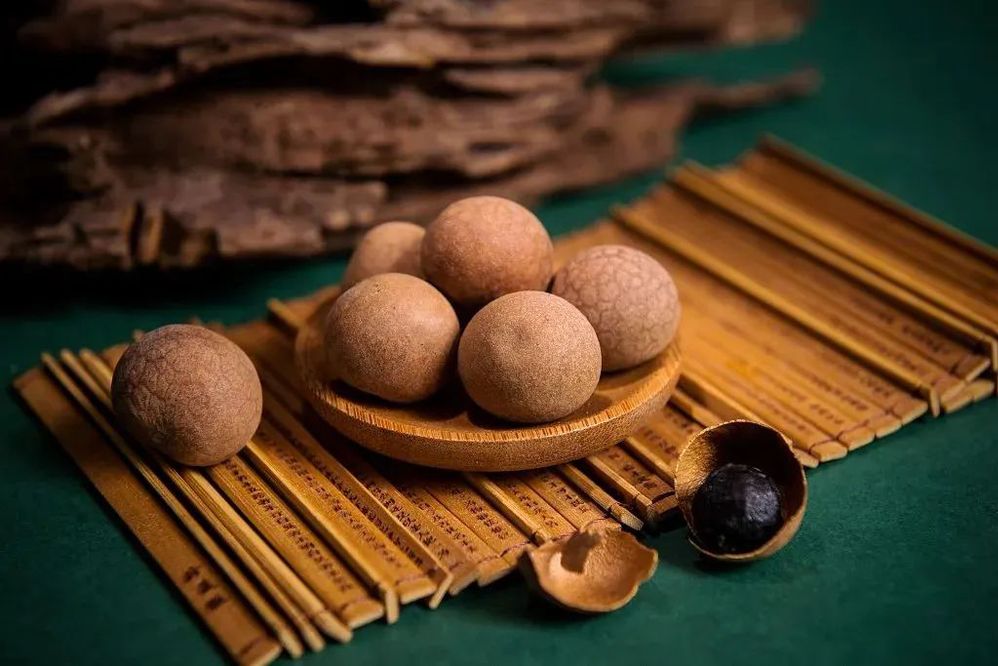
There is a traditional custom in Fuzhou, Fujian called White Dew Must Eat Longan. Local people believe that eating longan on the day of Bailu has a miraculous effect on nourishing the body. Longan itself has various effects such as nourishing qi and spleen, nourishing blood and calming the mind, moisturizing and beautifying the skin. It can also treat anemia, insomnia, neurasthenia, etc.
/Drinking Bailu liquor/
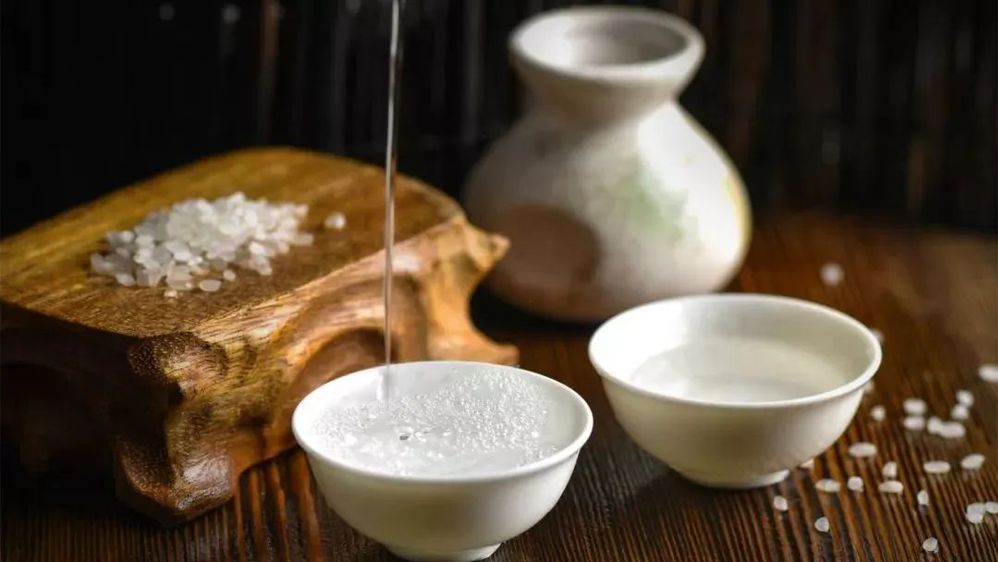
The Xingning, Sandu, and Liaojiang areas in Zixing, Hunan have always had a tradition of brewing wine. Every year during the White Dew Festival, every household brews wine and guests must drink local wine.
/Sacrifice to King Yu/
King Yu is the legendary hero of flood control, Dayu. Fishermen along the Taihu Lake Lake are called the god of waterway. Every year on the eighth day of the first lunar month, Qingming Festival, the seventh day of the seventh lunar month, and during the White Dew season, incense festivals are held to worship King Yu. Among them, the Qingming Festival and the White Dew Spring and Autumn Festival have the largest scale. I pray for a year of good weather.
White Dew · Health Preservation
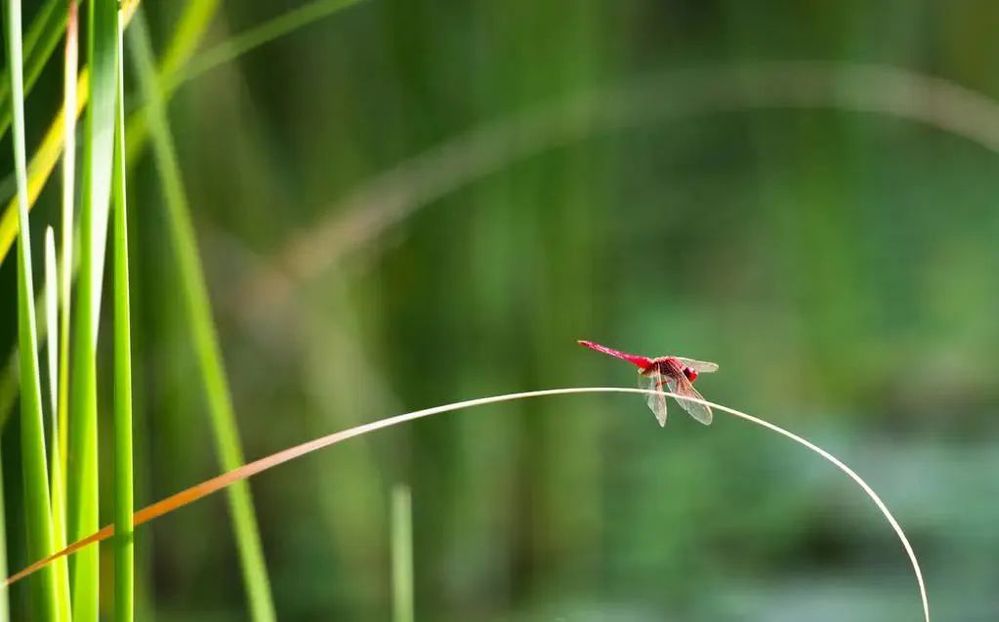
White dew and autumn divide the night, cool overnight. In the Qing Jia Lu, it is said: As the saying goes, 'Bai Lu's body is covered in dew.' When it comes to severe weather, we can teach ourselves how to wear clothes and ears. 'The ancients reminded us to pay attention to dressing and avoiding the cold during this season.
/After daily living/
white dew, the temperature difference between morning and evening will gradually increase. At this time, it is important to add clothes and blankets in the morning and evening, and not expose your chest and back. Keeping the liver and other parts of the body warm is very important, especially for older adults and younger children. When sleeping, pay attention to keeping warm and avoid catching a cold.
Not only do you need to stay warm, but you also need to sleep early. In the Great Treatise on the Four Qi Regulating Spirits in the Yellow Emperor's Inner Canon, it is mentioned: In autumn and March, the weather is urgent, the earth's qi is clear, and one should lie down early and wake up early, which is in harmony with the rooster.
/To prevent autumn dryness/
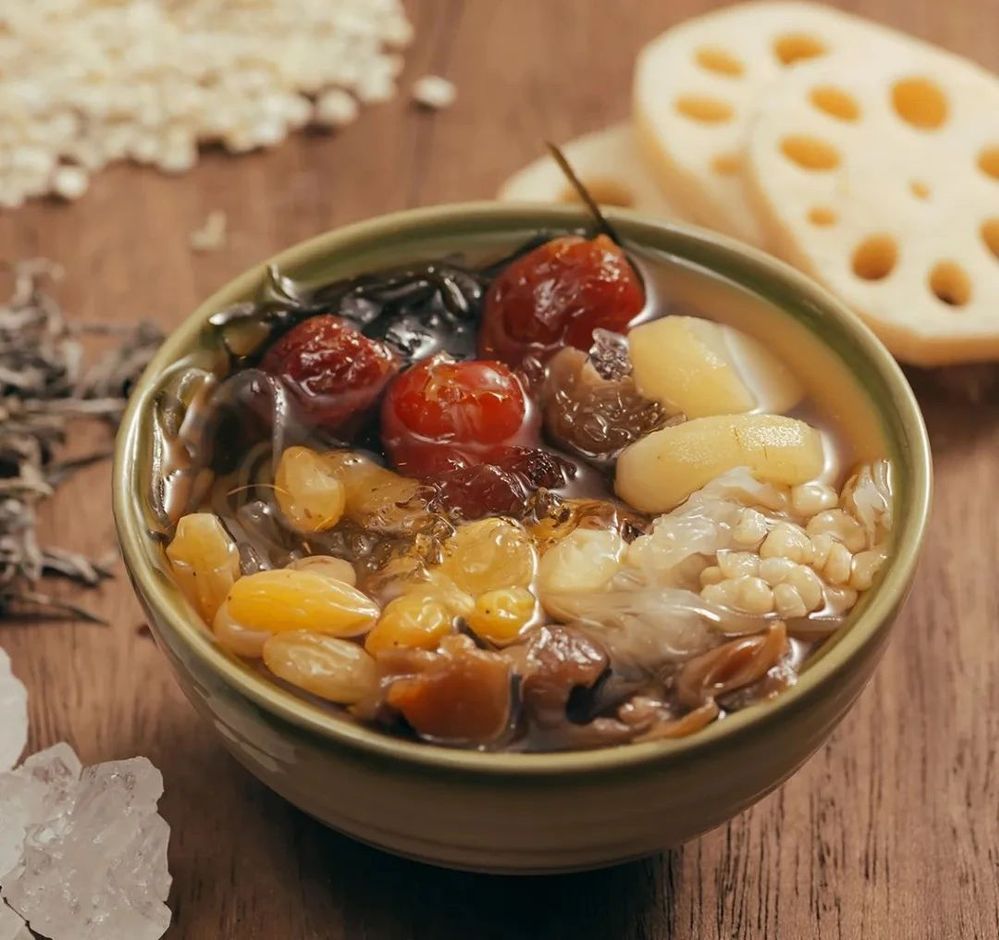
excessive exposure to white dew, people are prone to symptoms such as dry mouth, lips, throat, and skin, which is a typical case of autumn dryness White dew is a symbol of cooling. At this time, there is a large temperature difference between day and night, and the weather is dry, so health should pay attention to keeping warm and moisturizing.
Bailu solar term also needs to eat some food that can nourish yin, moisten dryness and improve qi, such as lotus root, tremella, snow pear, horseshoe, walnut, sweet potato, black bone chicken, etc. At this time, if you drink rice porridge in the morning, you can nourish your lungs.
/Ning Shen Ding Zhi/
In addition to daily routine, inner reflection is also essential. The changes in the human body correspond to nature and are closely linked to solar terms. In the season of white dew, the autumn qi is solemn, the yang qi gradually subsides, and the yin qi gradually lengthens, which can easily cause emotional fluctuations in people. Therefore, at this time, observing virtue and calming the mind is the best nourishment.
White dew wind brings yellow flowers and leaves, dewdrops and grass tips report autumn chill; The setting sun and solitary birds fly together, and the autumn water and sky merge into one color. The comfort of autumn is refreshing and interprets the splendid beauty of this season. In this particularly pleasant season, another year of white dew, may everything go smoothly for you.
The 24 solar terms are specific festivals in the Chinese lunar calendar that represent natural rhythm changes and establish the concept of twelve month construction. It was originally formulated based on the rotation of the Big Dipper and the movement of the stars. The Big Dipper rotates in a circular motion, with the handle rotating one circle to the east, south, west, and north, forming a cycle known as a year. Each rotation cycle begins at the beginning of spring and ends at the end of the Great Cold. The 24 solar terms is an important part of the long history and culture of the Chinese nation, which embodies the essence of the history and culture of Chinese civilization. Through historical development, the lunar calendar has incorporated the solar terms of the dry branch calendar as a supplement to the calendar, and adjusted it to conform to the tropical year through the leap method, forming a yin-yang combined calendar. The 24 solar terms have become an important part of the lunar calendar. In the international meteorological community, the 24 solar terms are known as China's fifth great invention. On November 30, 2016, the 24 solar terms were officially included in the UNESCO Representative List of the Intangible Cultural Heritage of Humanity.
