

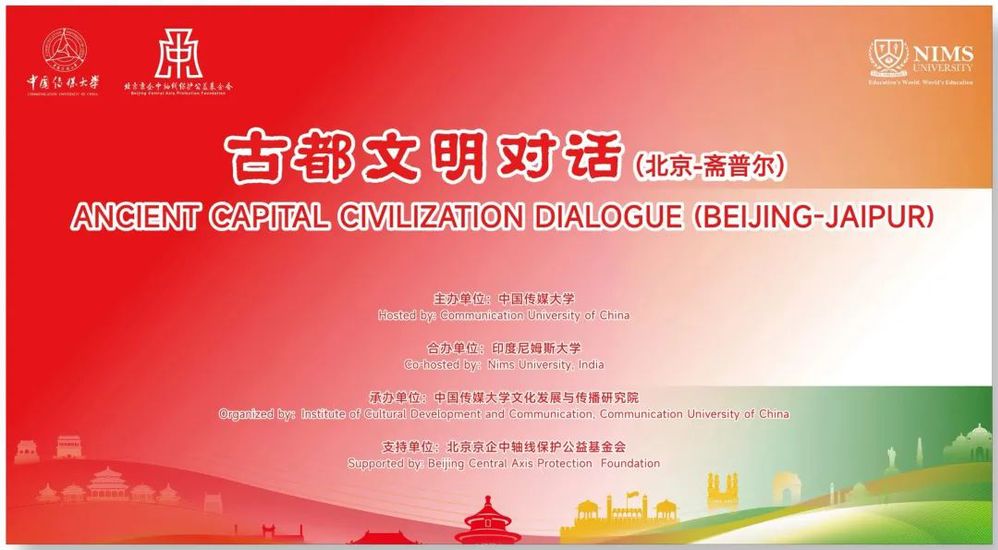
On July 24th, the Ancient Capital Civilization Dialogue (Beijing Zhaipur) was held in both Beijing, China and Zhaipur, India. This event is guided by the Ministry of Education and the Beijing Municipal Bureau of Cultural Heritage, hosted by Communication University of China, co organized by Nimes University in India, supported by the Beijing Jingqi Central Axis Protection Public Welfare Foundation, and organized by the Institute of Cultural Development and Communication at Communication University of China. Scholars from more than 10 universities in China and India, as well as experts in the field of world heritage protection, have engaged in in-depth dialogue on the core issues of historical inheritance and cultural dissemination, aiming to promote mutual learning and exchange among ancient capitals through academic exchanges, and jointly safeguard the diverse civilizations of the world. This dialogue is hosted by Xiong Chengyu, Dean and Senior Professor of the Institute of Cultural Development and Communication at the Communication University of China.
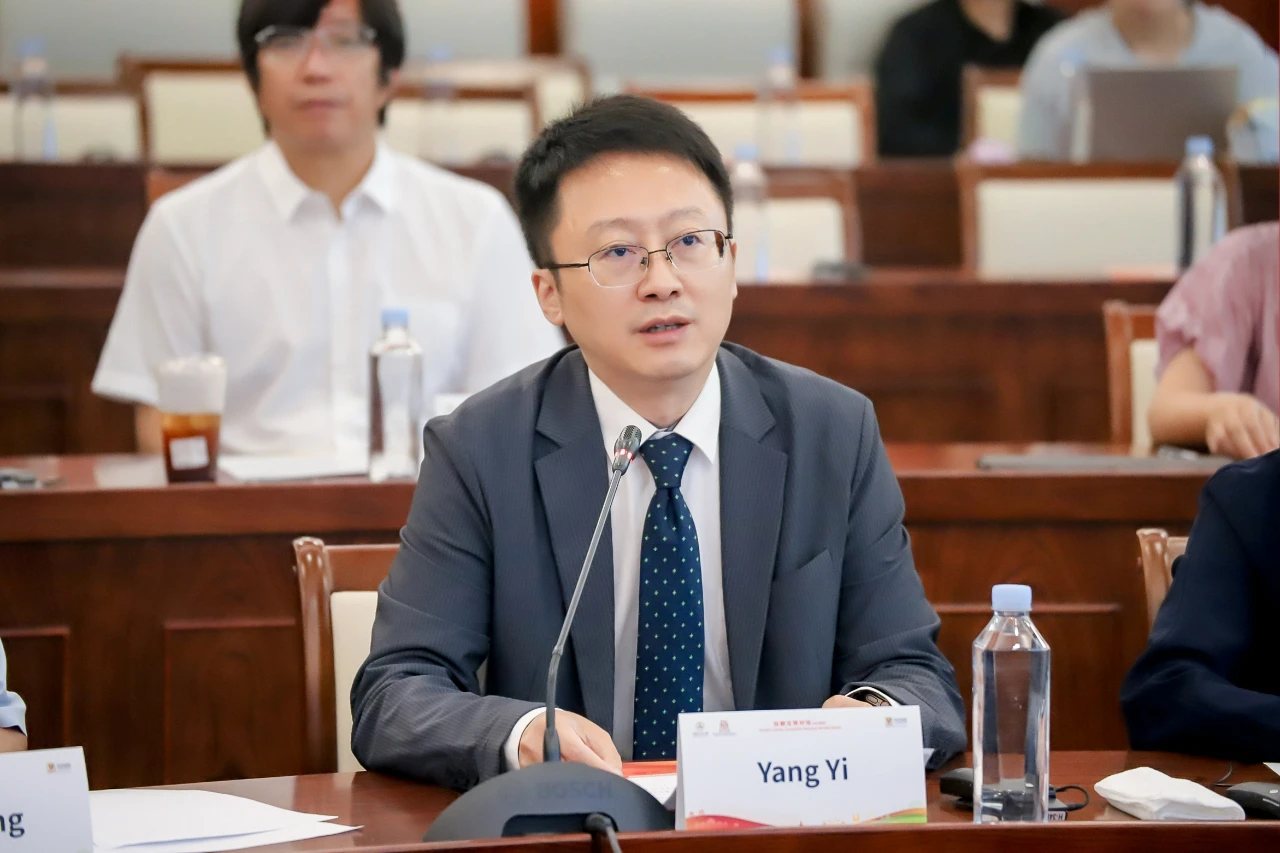
Yang Yi, member of the Standing Committee of the Party Committee and Vice President of Communication University of China, stated in her opening speech that China and India, as countries that play an important role in global and regional development, are jointly facing the challenges of a new round of technological and industrial revolutions. The Hindi major established by the Communication University of China in 1965 has trained a large number of outstanding graduates who have devoted themselves to the cultural exchange between China and India. On the occasion of the 46th World Heritage Conference held in India, our university, together with Nimes University in India, initiated the Dialogue of Ancient Capital Civilizations (Beijing Zhaipur), which is of great significance. We look forward to the experts attending the conference deepening cultural exchanges between China and India through academic exchanges, and promoting people to people exchanges and beautiful coexistence between China and India through ideological collisions.
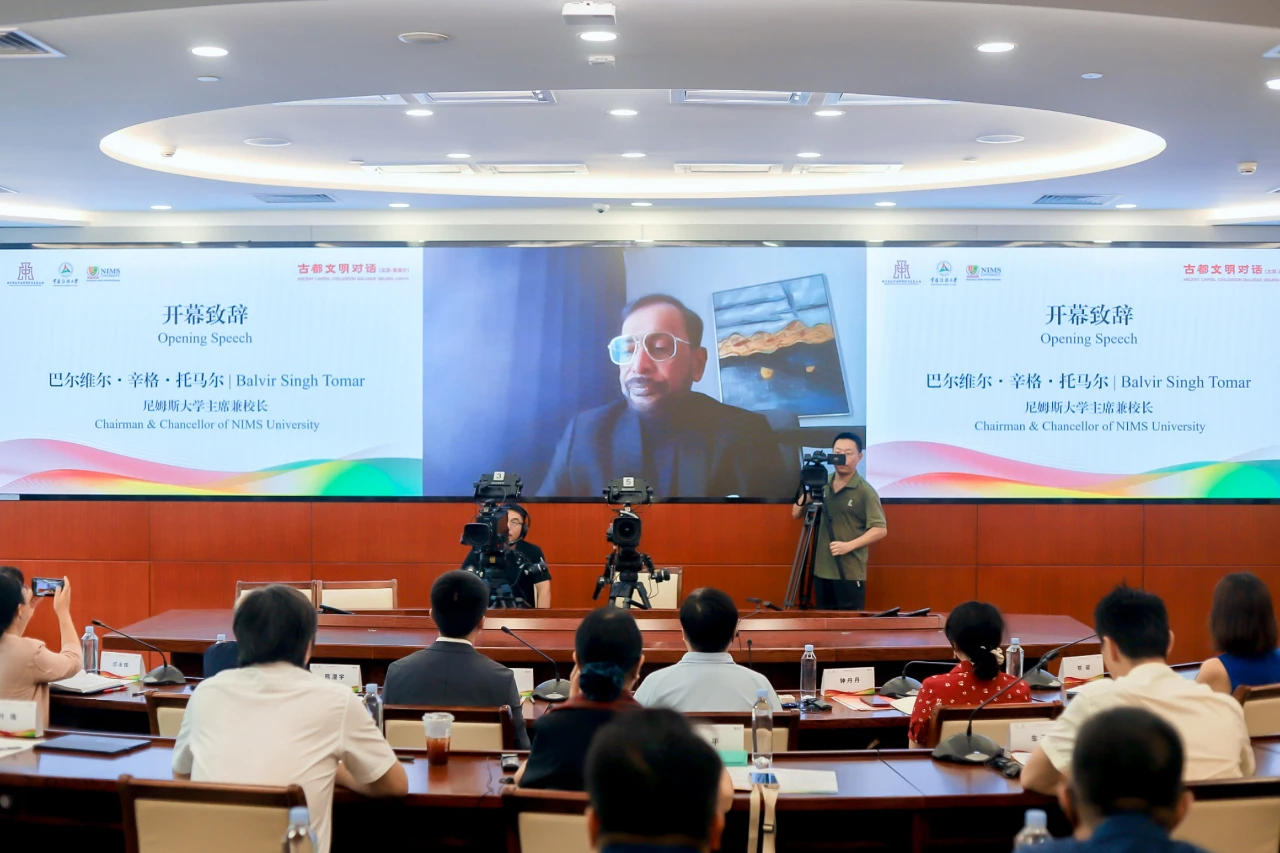
Balvir Singh Tomar, President and President of Nimes University in India, stated in his speech that both China and India have profound ancient civilizations, and the two countries have always respected each other, maintained close ties, and had a profound impact on the world. We look forward to experts and scholars attending this event as an opportunity to continuously expand communication channels and fields, increase interaction between universities and institutions, promote mutual learning of civilizations in professional and academic dialogues, and drive innovation and development between the two countries.
Academic Dialogue
The attending Chinese and Indian experts conducted in-depth exchanges on the themes of historical inheritance and cultural dissemination.
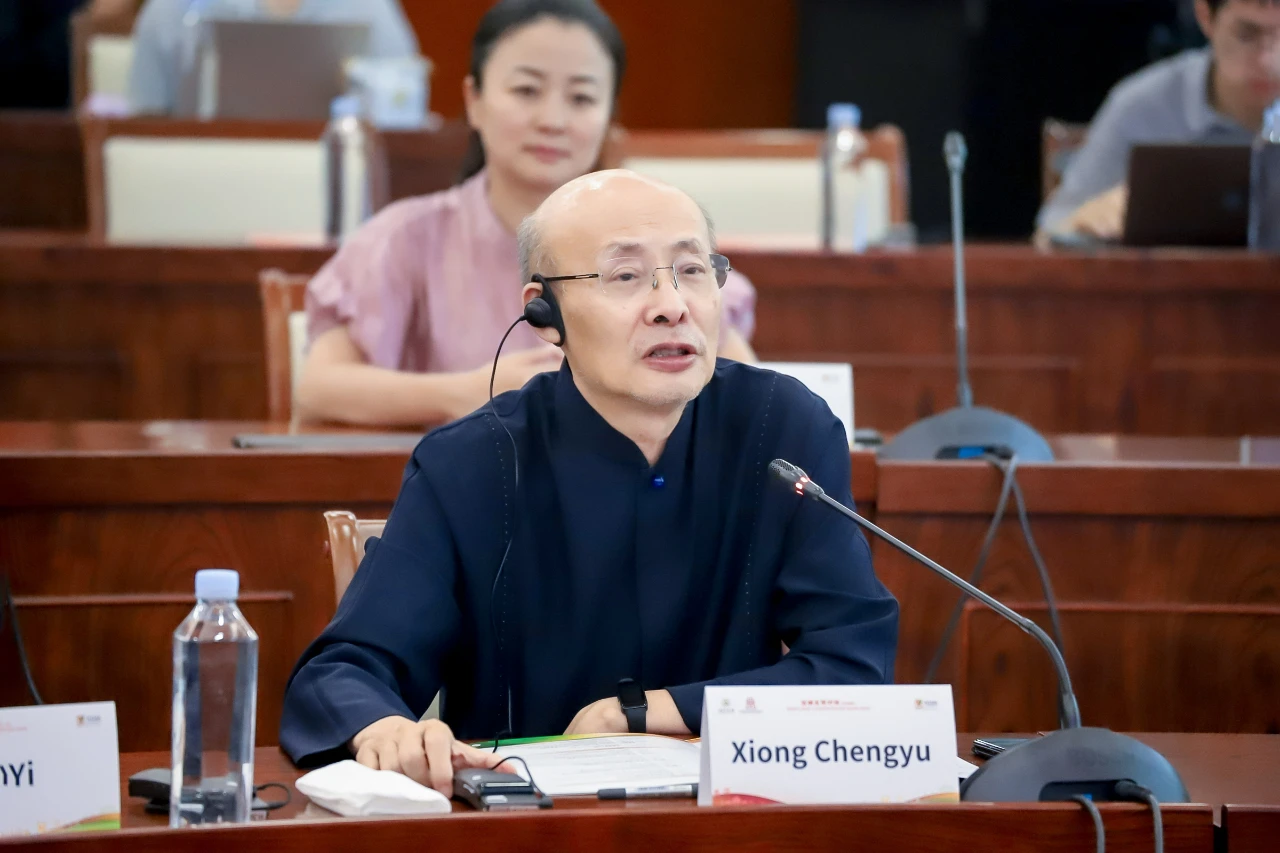
The academic dialogue on Historical Inheritance was hosted by Xiong Chengyu, with 10 experts delivering keynote speeches in sequence.
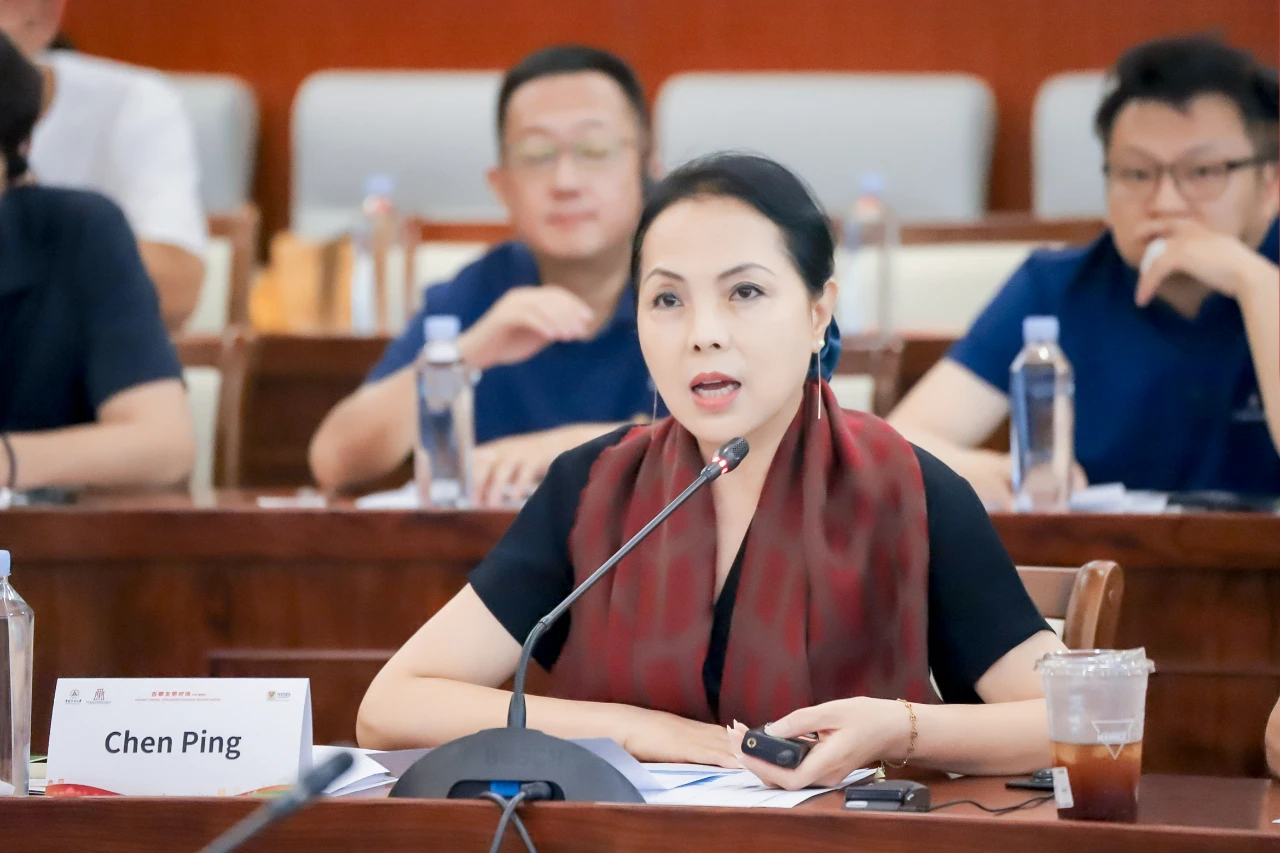
Chen Ping, Chief Chair of the UNESCO Chair in World Traditional Handicrafts: Inheritance and Innovation and Dean of the Institute of Cultural Heritage and Creative Industries at Jinan University, pointed out that cultural heritage, as a reflection of a country's cultural diversity and historical depth, is an important medium for cultural exchange and has great significance in enhancing international understanding and respect.
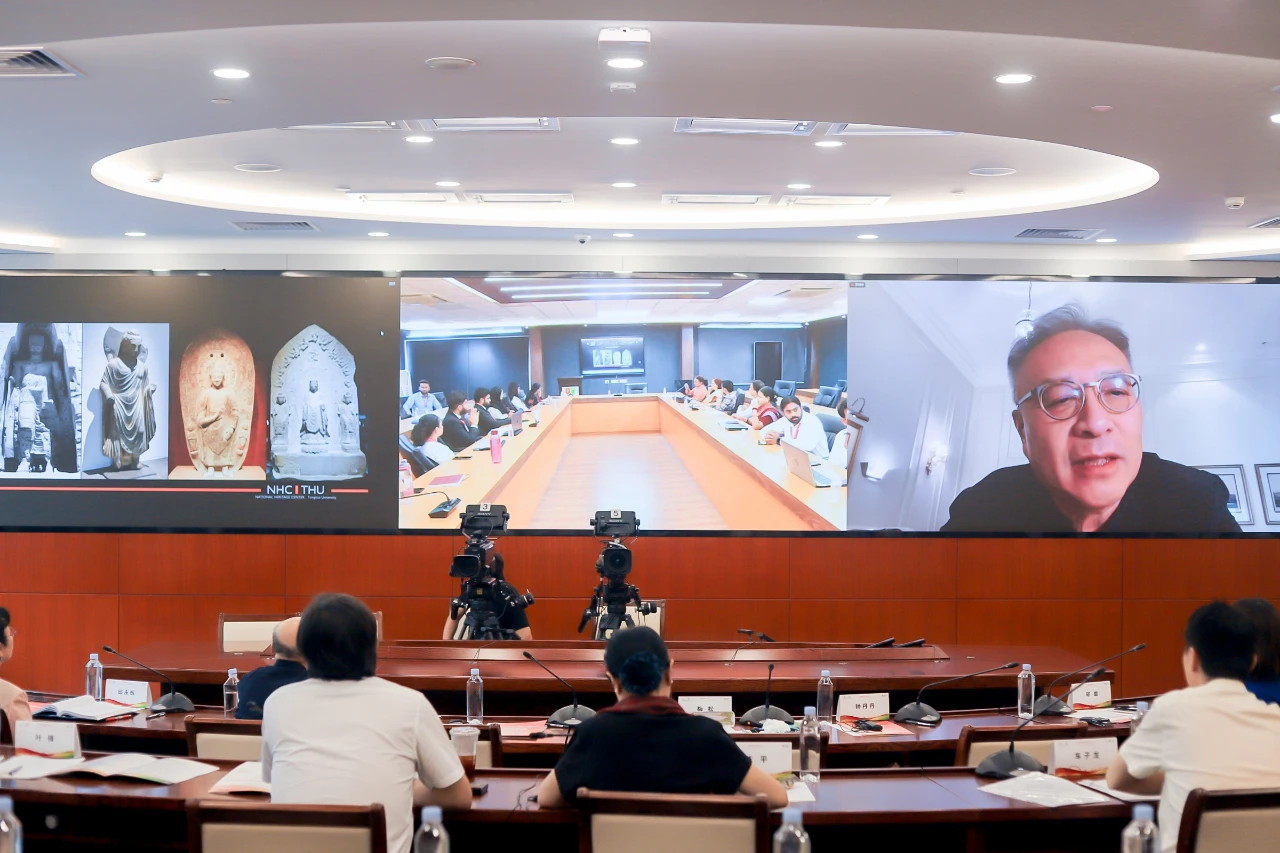
Lv Zhou, a professor at Tsinghua University and director of the National Heritage Center, pointed out through a comparison of Buddhist architecture in China and India that cultural heritage is the crystallization of human civilization, and protecting cultural heritage is a witness to the mutual exchange of human civilization. This interaction and correlation are fundamental characteristics of human social development and form the foundation of a community with a shared future for mankind.
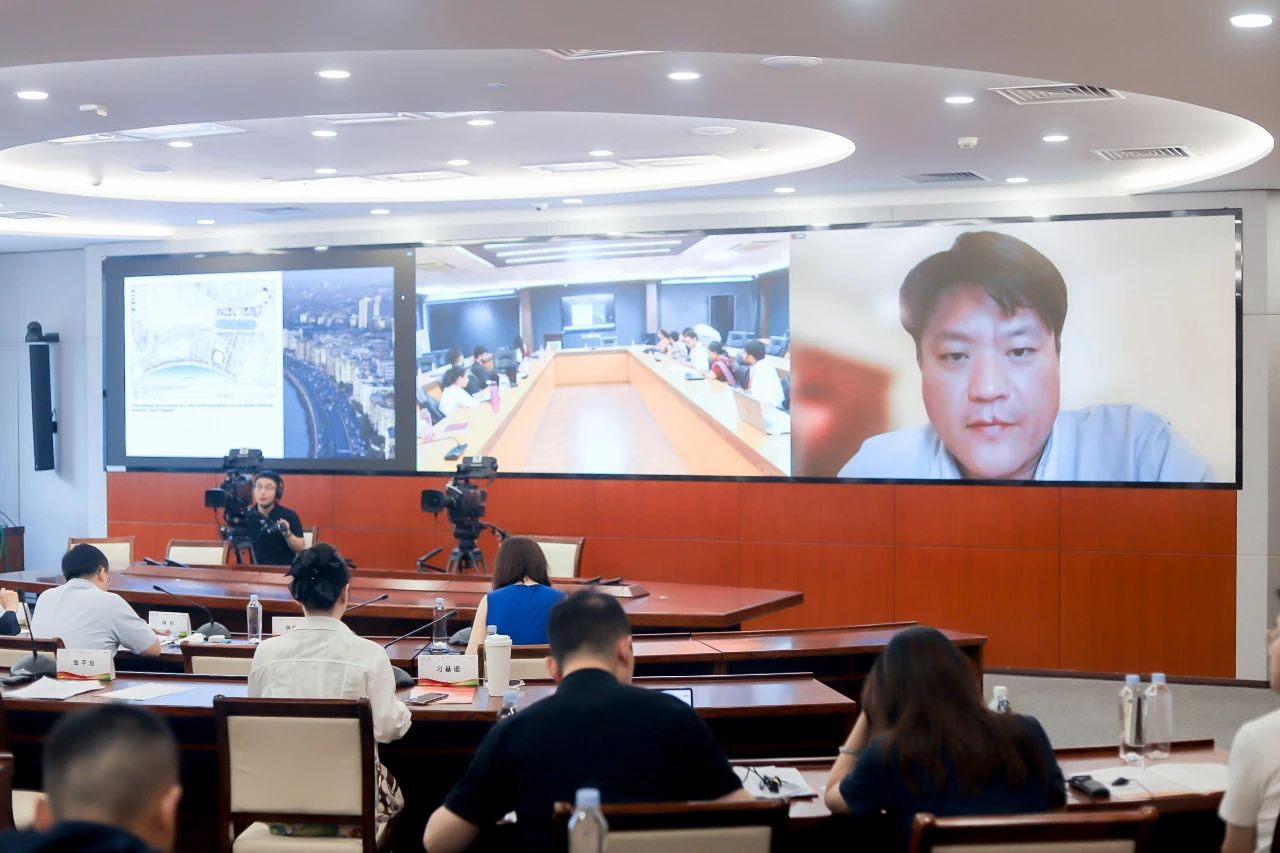
Wei Qing, an expert from the China Association for the Protection of Ancient Monuments and Sites, used typical cases of decorative styles from China and India to explain how decorative art absorbs and references different elements from different regions, creating new artistic styles and presenting cities with richer, more diverse, and more integrated appearances, expanding new dimensions of dialogue between cities and civilizations.
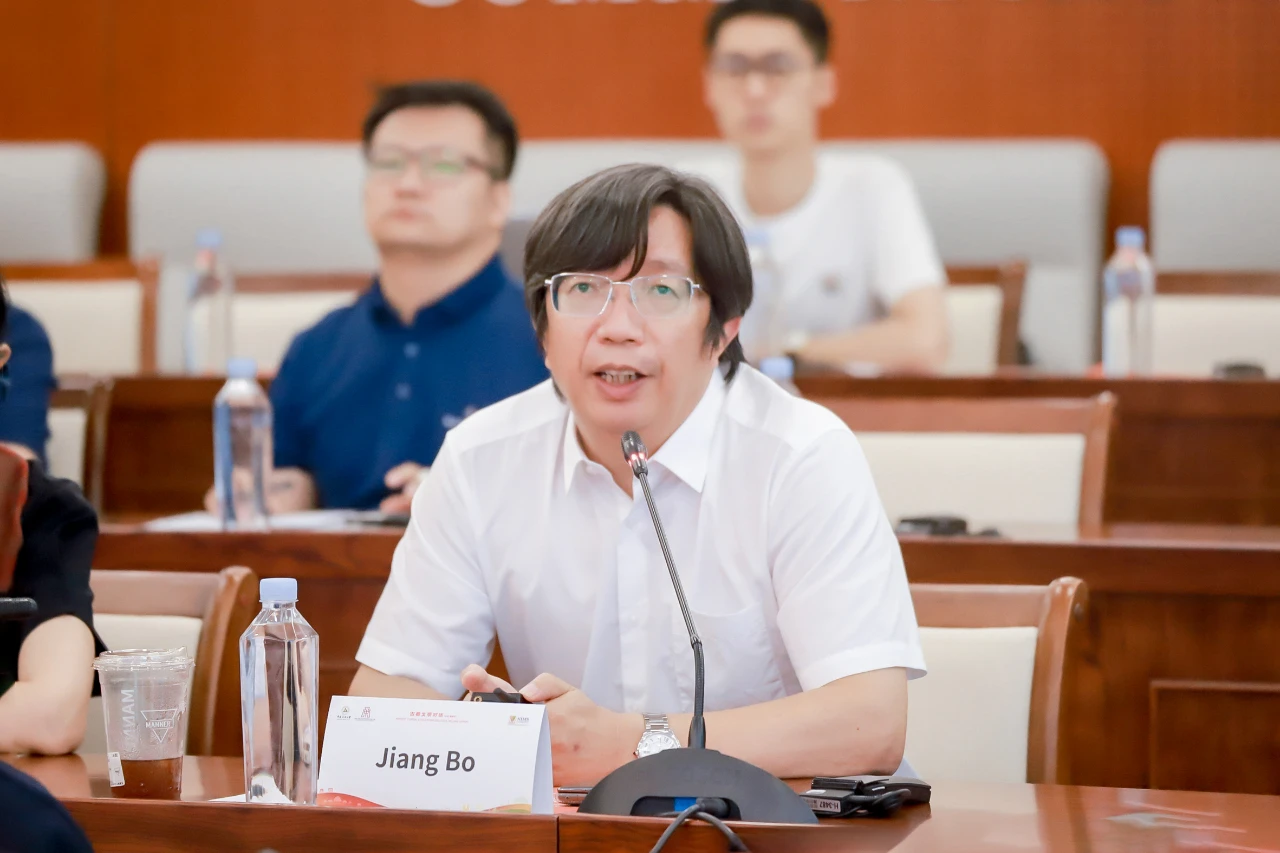
Jiang Bo, a professor of Shandong University and an expert of the World Heritage Protection Council, introduced the classic classical city representatives in the The World Heritage List, discussed the problems and conflicts brought about by heritage protection in the wave of urbanization, and shared his understanding of classical urban heritage buildings and his thoughts on achieving sustainable development of heritage.
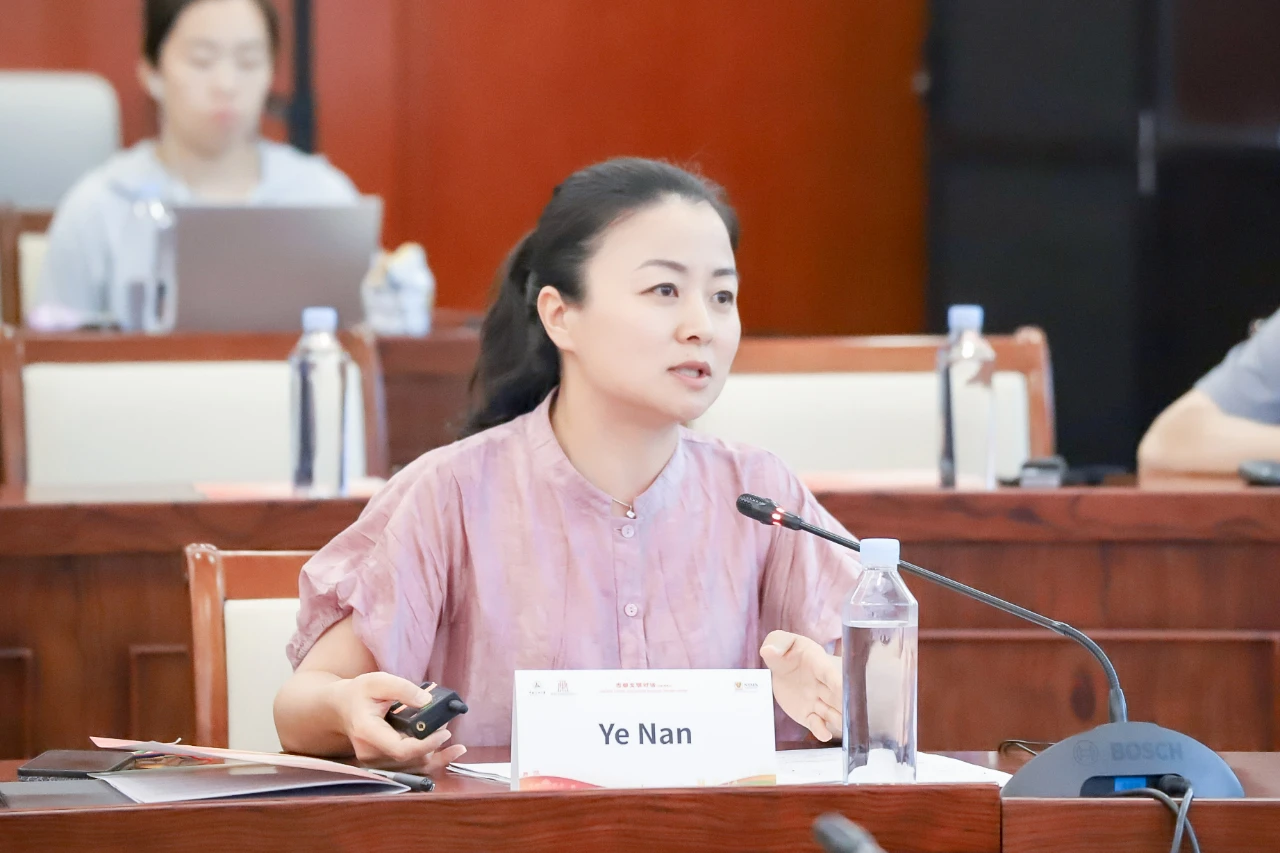
Ye Nan, Director of the Historical and Cultural City Planning Institute of Beijing Planning and Design Research Institute, summarized the planning characteristics and presentation of the ancient cities of Jaipur and Beijing, and pointed out the need to develop while protecting, protect while developing, and achieve the goal of ancient city protection according to local conditions.
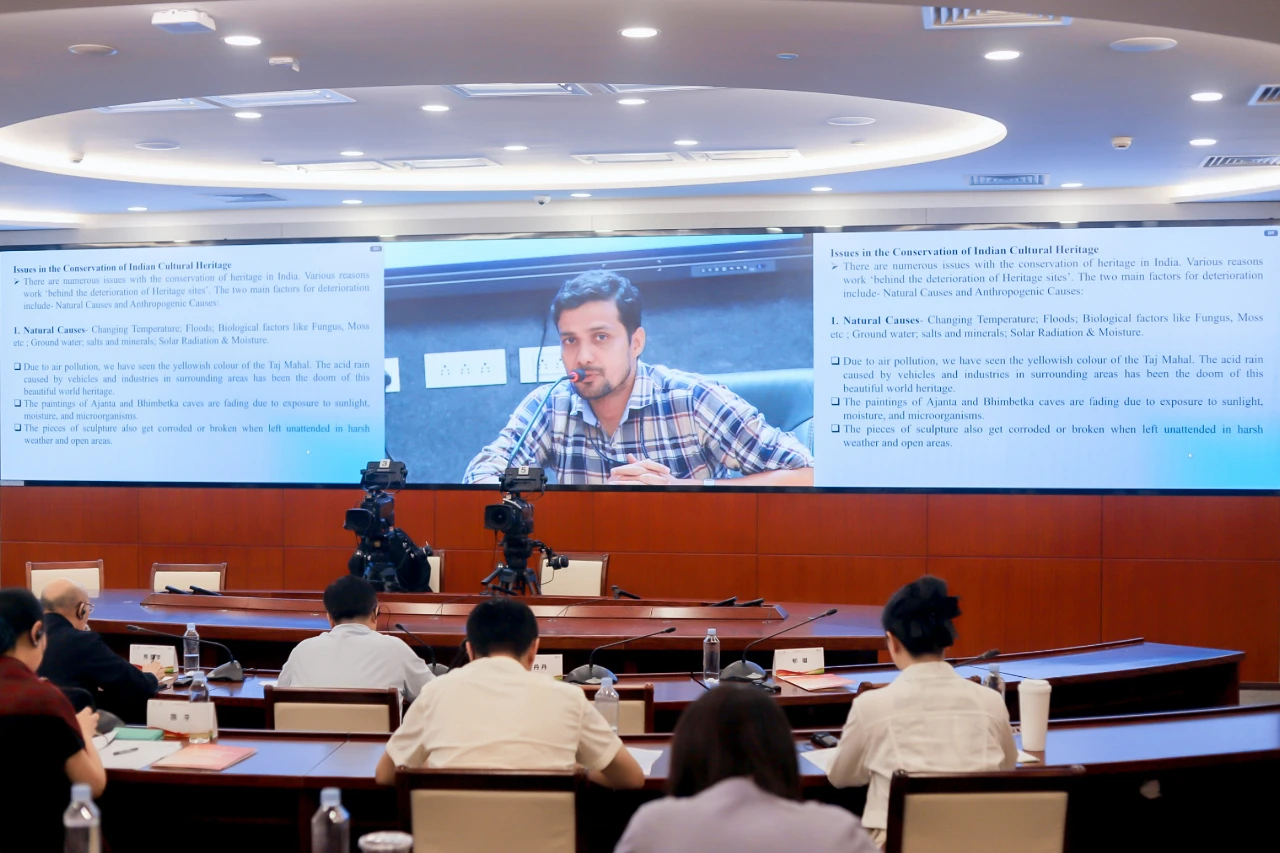
Rajesh Jaha, Assistant Professor of History and Culture at Banasthali University, listed the problems and challenges faced by cultural heritage protection from both natural and human factors, and proposed countermeasures and suggestions from the government, legal, social, and financial levels.
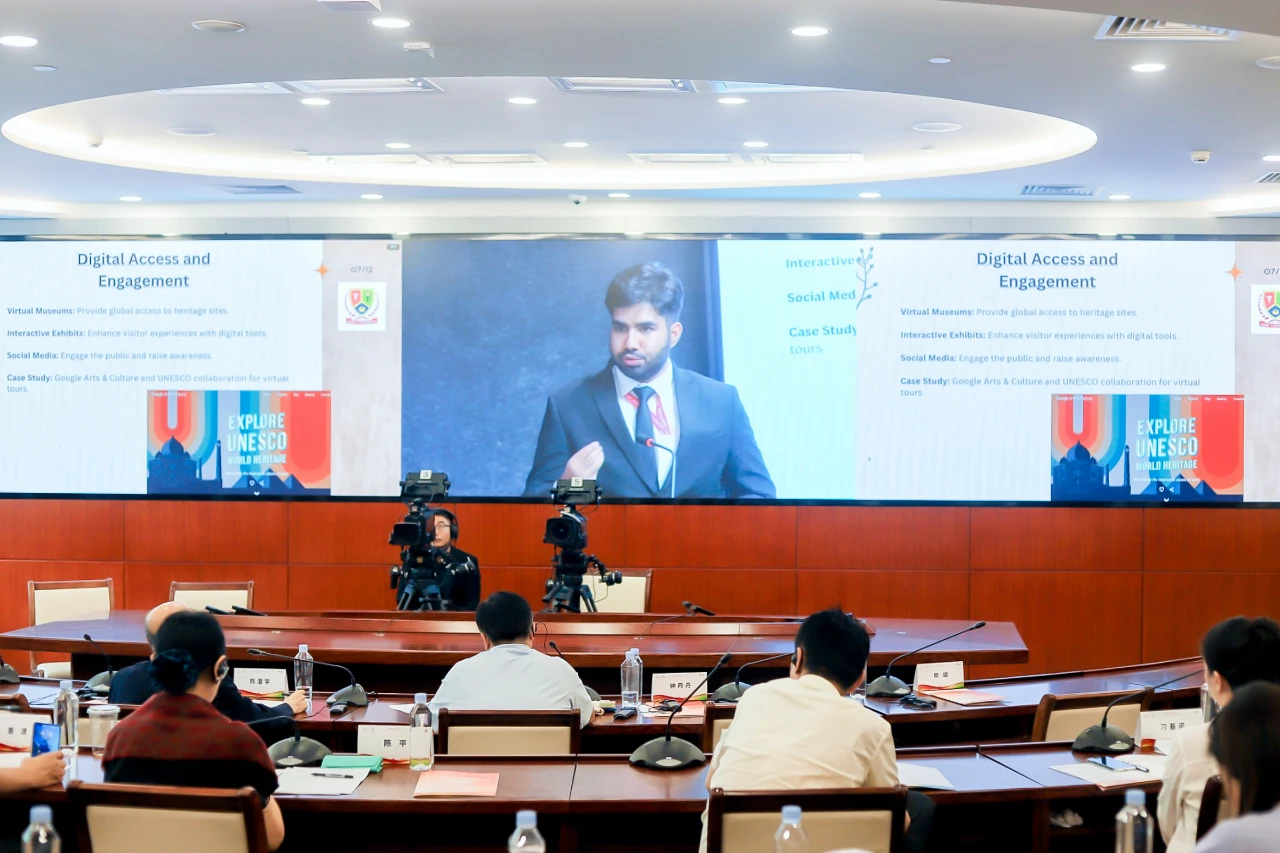
Jabandip Blar, an assistant professor at the Law School of Nimes University, used the Mogao Caves as an example to discuss the enormous role of digital technology in heritage conservation. He stated that cultural heritage is a bridge connecting the past and the future, and he hopes that China and India will adopt an open attitude and work together with digital innovation to better inherit and protect cultural heritage.
Indian social anthropologist Vinod Joshi, assistant professor of history at the Faculty of Humanities and Liberal Arts at Nimes University Dilawar Nabibat, and assistant professor of law at Nimes University Sunidi Pandi introduced the experience and effectiveness of heritage conservation in India through case analysis.
Cultural Communication
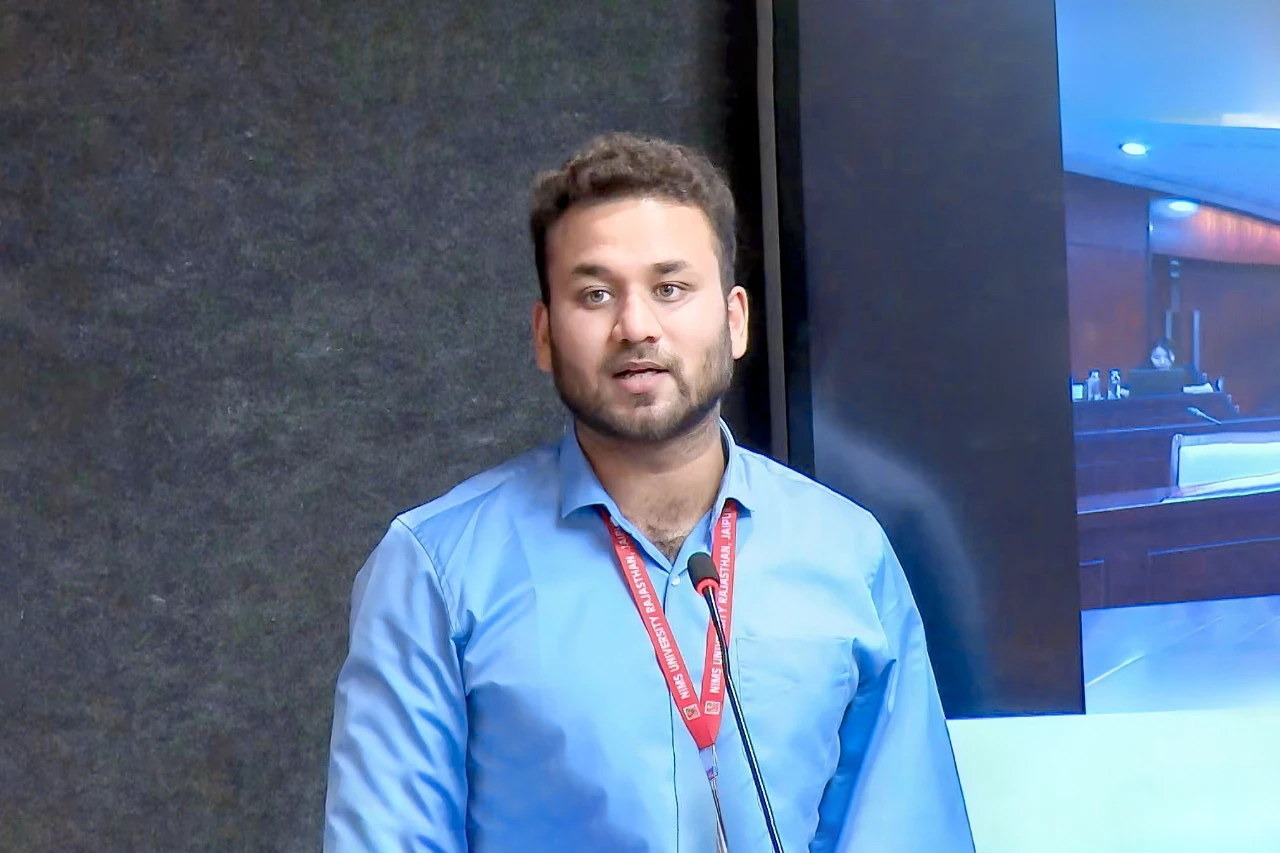
The academic dialogue on Cultural Communication was chaired by Anrag Kumar Singh, an assistant professor at Nimes University, and 10 experts delivered keynote speeches in sequence.
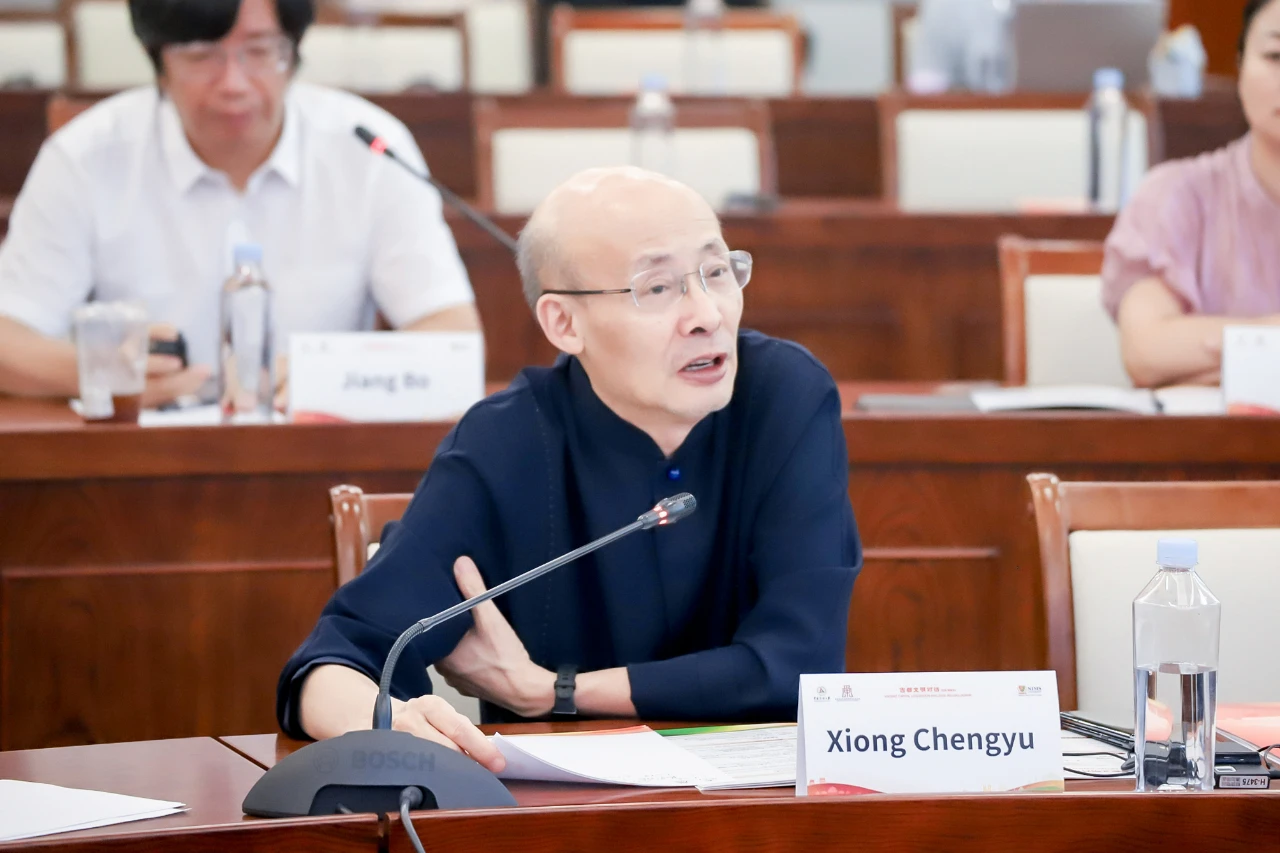
Xiong Chengyu traced the cultural relationship between China and India from three levels: text, religion, and literature. By analyzing typical cases of cultural inheritance and dissemination in the digital age, he pointed out that as important components of Eastern civilization, Chinese and Indian civilizations have a common responsibility and mission in cultural inheritance and dissemination. Both sides should jointly write a new chapter of Eastern civilization.
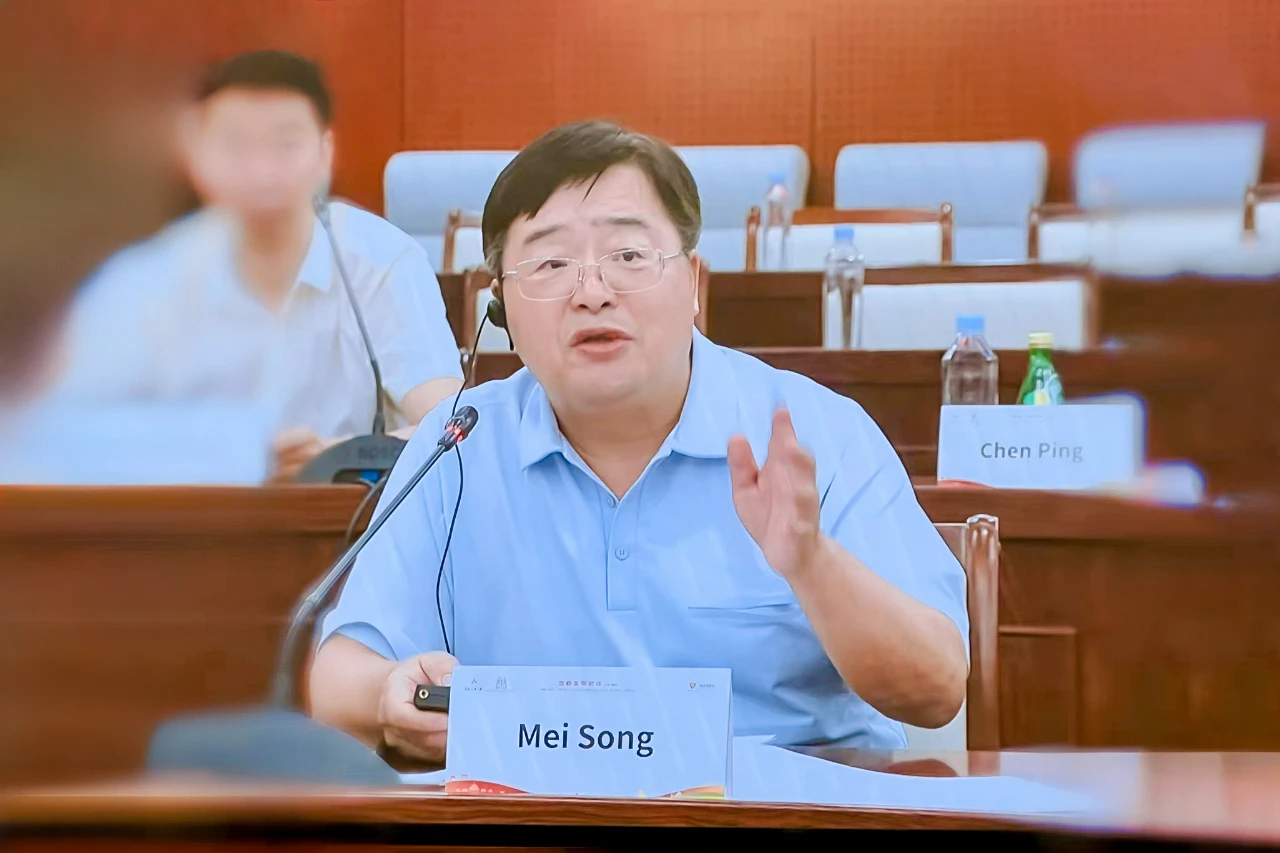
Mei Song, Vice Chairman and Secretary General of the Beijing Central Axis Protection Foundation, stated that the cultural heritage of the Beijing Central Axis is the core of Beijing's ancient capital culture. He summarized the experience of disseminating and utilizing the cultural value of the Beijing Central Axis from five aspects: utilizing social forces, realizing the value of heritage, conducting academic activities, mobilizing public participation, and utilizing digital technology.
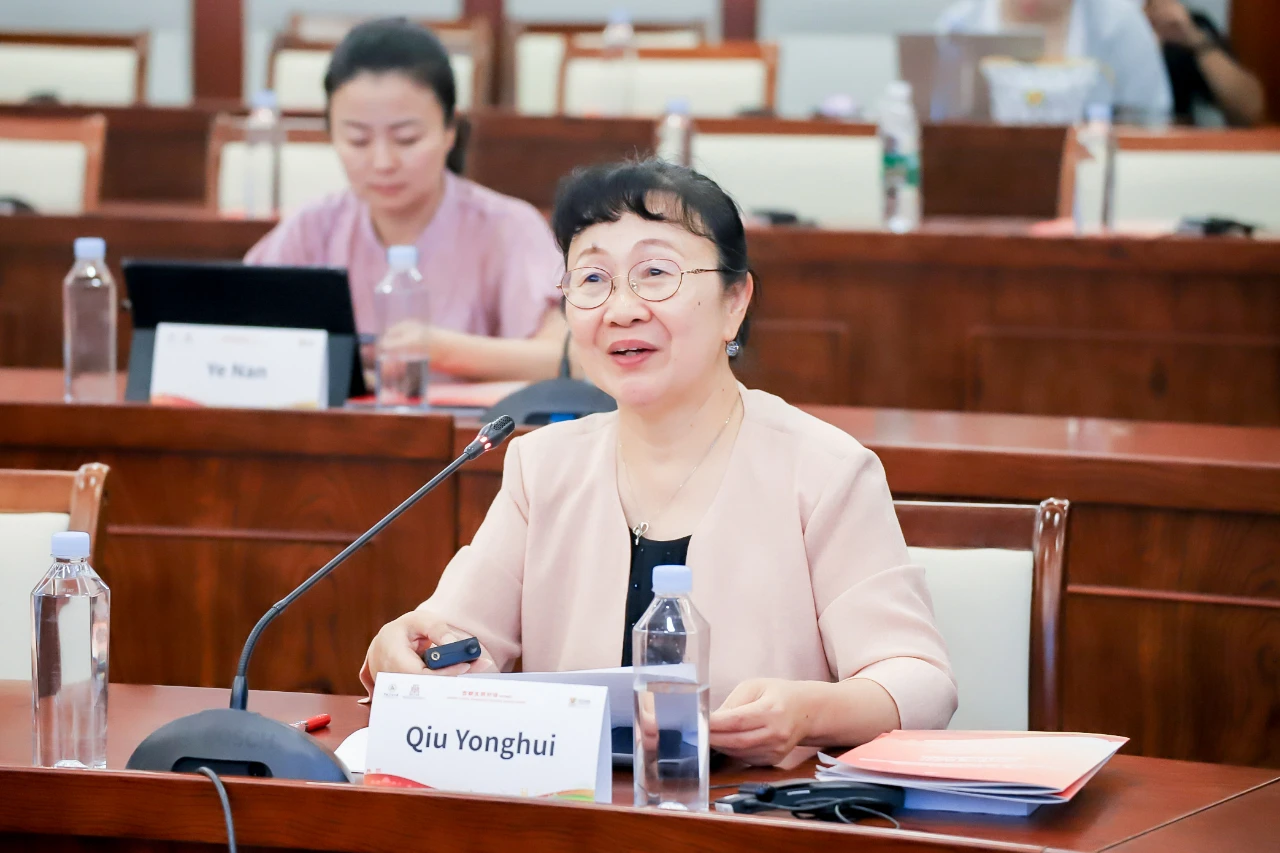
Professor Qiu Yonghui from Sichuan University and Chief Expert of the China South Asia Research Center pointed out that there are many similarities between China and India. At the domestic level, both countries focus on inheriting and developing their excellent cultural traditions; At the international level, both oppose Western cultural centrism and clash of civilizations. I hope that China and India can join hands to contribute to the construction of a new world culture.
The keynote speeches on Cultural Communication were delivered by Che Long, a Hindi expert from the School of Foreign Languages and Culture at Communication University of China, Diao Keno, a teacher from the School of Cultural Industry Management at Communication University of China, Lopa Mudra Das, an assistant professor in the Department of Sociology at the Faculty of Humanities and Liberal Arts at Nims University, Prem Dave, an associate professor in the Department of Vocal Music at Rajasthan University, Amit Kumar, an assistant professor in the Faculty of Humanities and Liberal Arts at Nims University, Ayush Dube, an assistant professor at the Faculty of Law at Nims University, and Amina Ahmed, an assistant professor at the Faculty of Law at Nims University.
The Ancient Capital Civilization Dialogue (Beijing Zhaipur) event is the second in a series of activities organized by the Communication University of China based on its advantages in international communication, cultural communication, regional and country studies, following the Ancient Capital Civilization Dialogue (Beijing Paris) event held in May this year. In the future, our school will continue to take the ancient capital as the axis, civilization as the guiding principle, dialogue as the law, promote people to people communication through academic exchanges, and contribute to cultural dissemination.
(The article is reproduced from the official account: Communication University of China)
